Porsche 911 Cabrio 2015
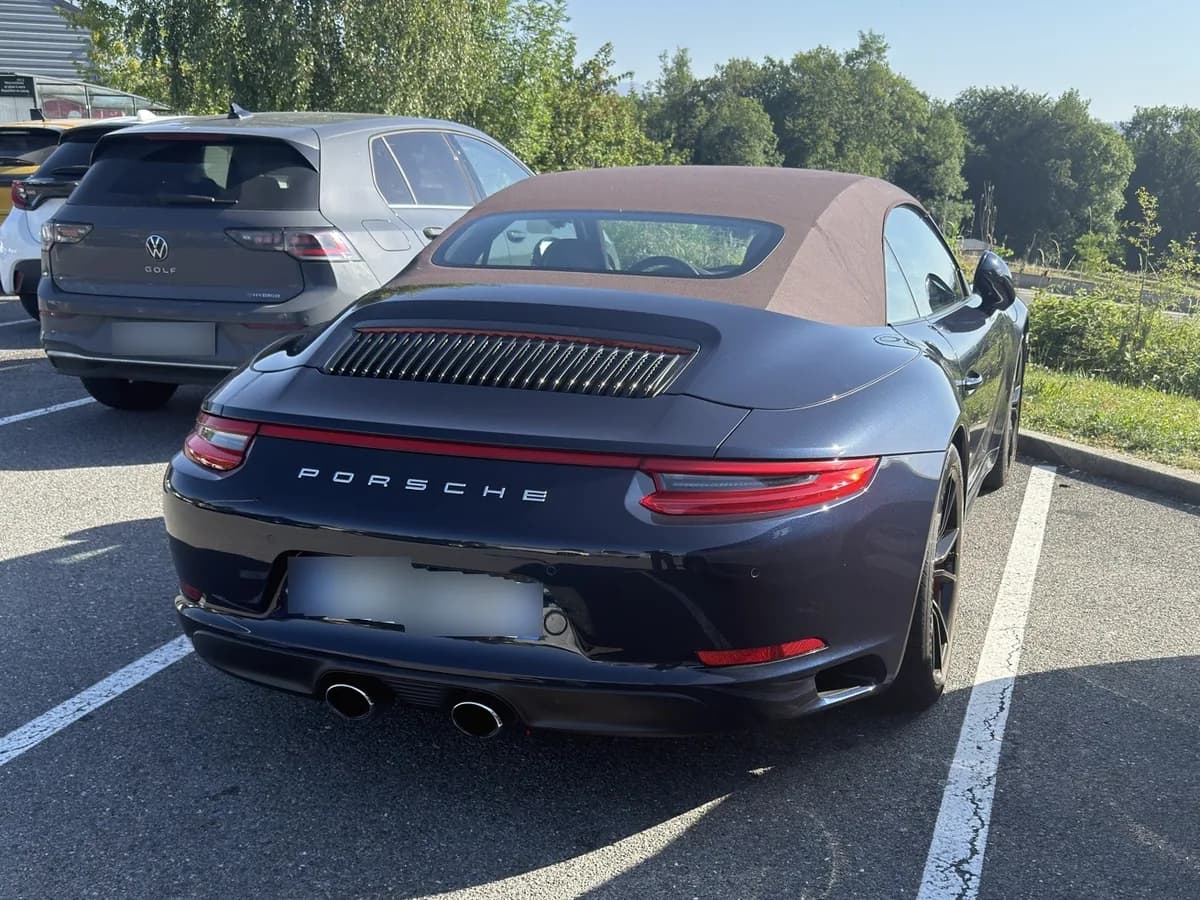
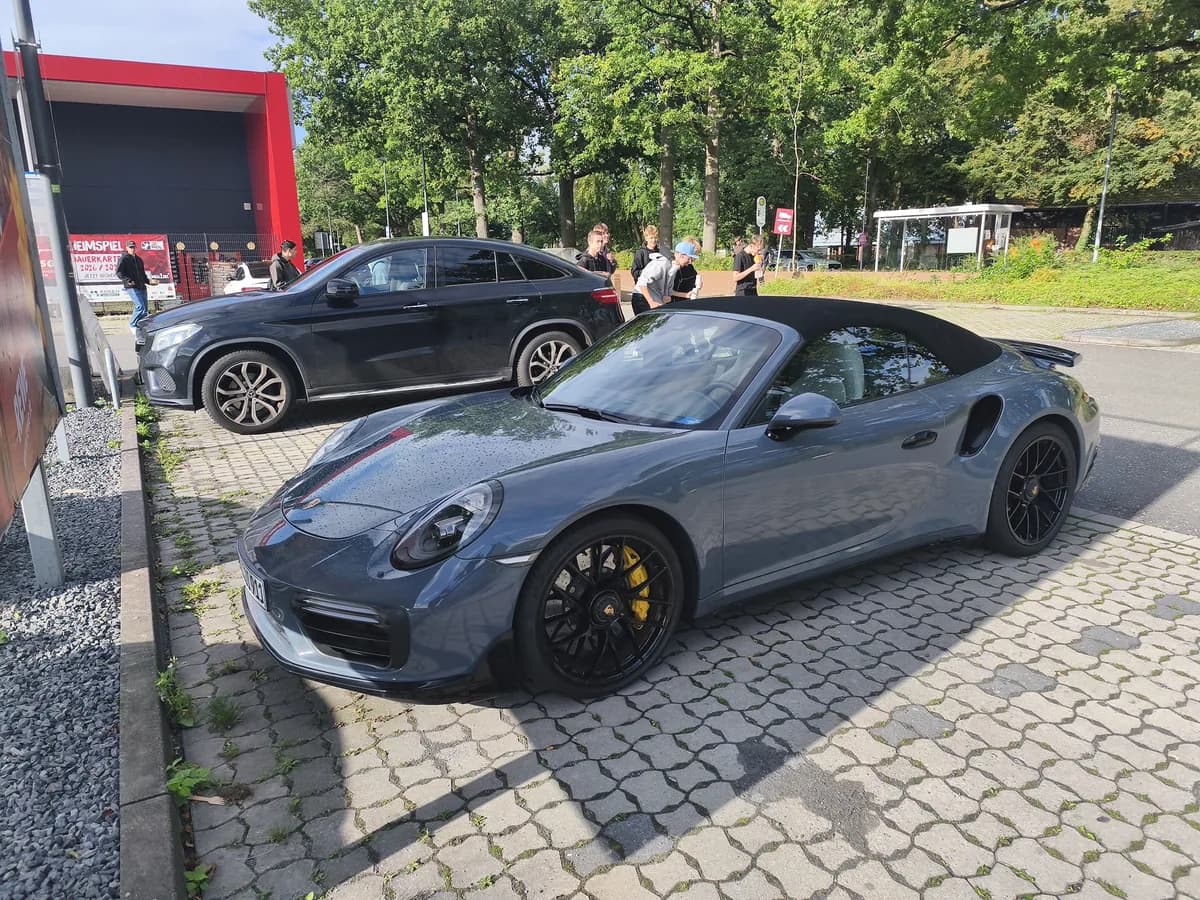
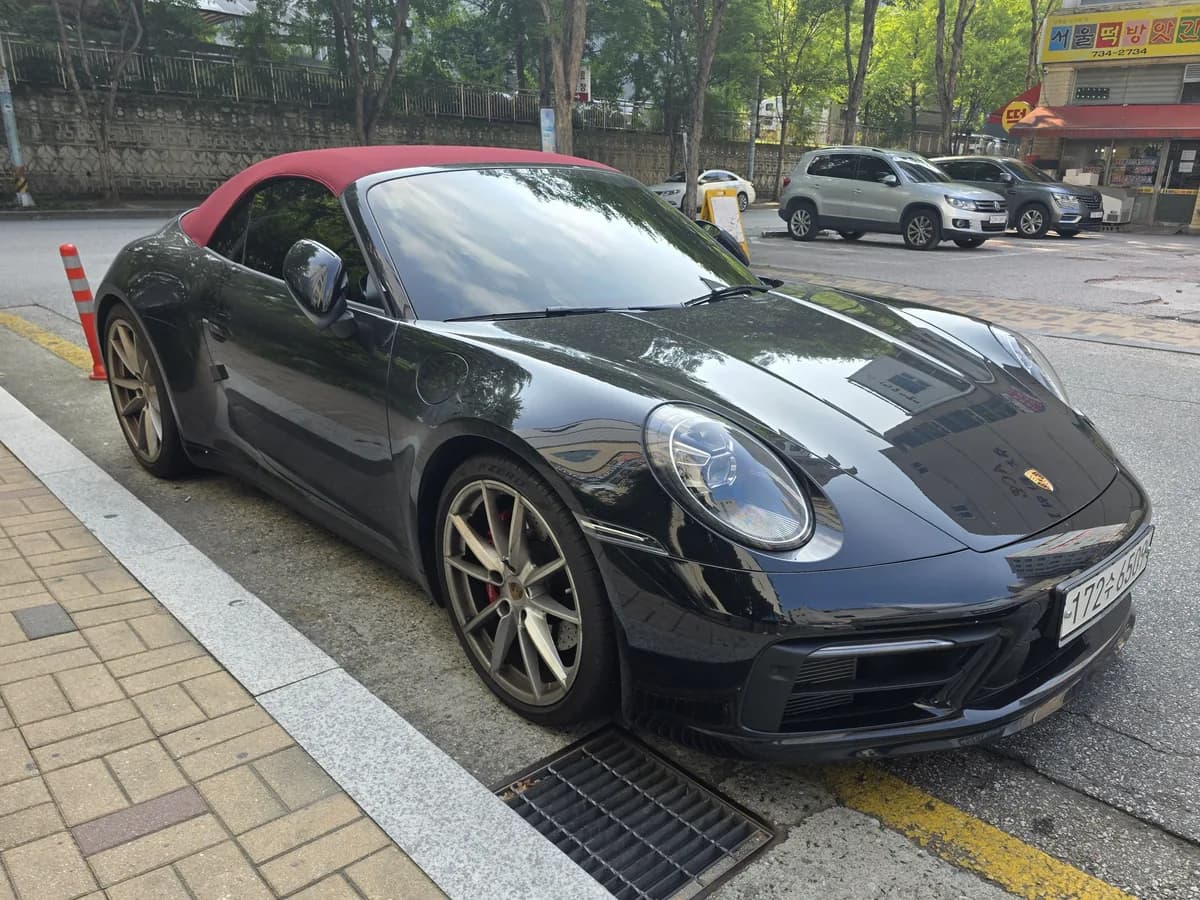
The 2015 Porsche 911 Cabriolet belongs to the 991 generation, introduced in 2011 and produced through 2019. It combines the familiar rear-engine 911 layout with a retractable soft-top body style. Depending on specification, the 2015 range included Carrera, Carrera 4, Carrera S, Carrera 4S, Carrera GTS, Carrera 4 GTS, Turbo and Turbo S Cabriolet models. That broad lineup meant substantial differences in engine, drivetrain and performance. Carrera and Carrera S versions used naturally aspirated flat-six engines, while the Turbo models relied on forced induction. The 2015 911 Cabriolet therefore occupied a distinctive position: it offered open-air driving without abandoning the performance, traction options and everyday usability associated with the 911 name.
History
The 2015 911 Cabriolet belongs to the seventh-generation 911, known internally as the 991. Porsche introduced this generation in 2011 with a wider body, a longer wheelbase and a lightweight construction strategy intended to improve handling, comfort and efficiency. The Cabriolet was part of the lineup from the beginning, alongside the coupe. Unlike the 991 Targa, introduced in 2014 with its distinctive wide fixed roof bar, the Cabriolet used a conventional retractable fabric roof.
The 2015 model year came near the end of the first phase of the 991 generation. Carrera and Carrera S models still used naturally aspirated engines, while the 911 Turbo and Turbo S featured twin-turbocharged flat-six power. Porsche also offered Carrera 4 and Carrera 4S versions with all-wheel drive, together with the new Carrera GTS and Carrera 4 GTS. This created a wide spread of character within the Cabriolet range, from relatively approachable open-top sports cars to grand-touring versions and high-performance models positioned near the top of the 911 family.
Latest scans
Photos added by the community for this page.
Anecdotes
The Cabriolet body style reflects Porsche’s long-standing practice of offering the 911 as a coupe, Targa and convertible across successive generations. Within the 991, Porsche also placed strong emphasis on lightweight construction, selecting different materials for specific structural roles. That approach did not remove the engineering challenges associated with an open body, but it was intended to preserve the precise driving character expected from a 911.
Production
No specific production figure for the 2015 Porsche 911 Cabriolet was established in the sources consulted. Porsche identifies the 991 as a generation produced from 2011 to 2019, but the available documentation does not clearly separate production by model year, body style and trim. It is therefore safer not to assign a precise number to the 2015 Carrera, Carrera S, GTS, Turbo or Turbo S Cabriolets. Total 991 production cannot be treated as equivalent to Cabriolet production either. The generation covered several engines, drivetrains and international markets, making any unqualified production estimate potentially misleading.
Press reception
Contemporary road tests generally praised the 2015 911 range for combining performance, stability and everyday usability. MotorTrend described it as a rear-engine sports-car family available with rear- or all-wheel drive, manual or PDK transmissions depending on specification. The publication also emphasized that the 911 remained usable on public roads despite its high performance. A Guardian review of the Carrera GTS Cabriolet focused more on the car’s sound, emotional appeal and demanding character, while also pointing to its substantial price. Reception therefore depended on the chosen model, but versatility was a recurring strength. The Cabriolet was not presented simply as a softer alternative to the coupe; it retained the broader dynamic and mechanical range of the 911 family.
Evolution
Compared with earlier generations, the 991 made the 911 Cabriolet more versatile while preserving its core identity. Porsche used a structure combining steel, aluminium and magnesium to manage weight and support the car’s dynamic performance. The 2015 model year was also an important transition point. Carrera, Carrera S and GTS models still used naturally aspirated engines, but the next Carrera generation, revealed in September 2015 for the 2016 model year, moved the main Carrera lineup to turbocharged flat-six power. As a result, the 2015 911 Cabriolet represents one of the final naturally aspirated Carrera model years within the 991 family.
Variants
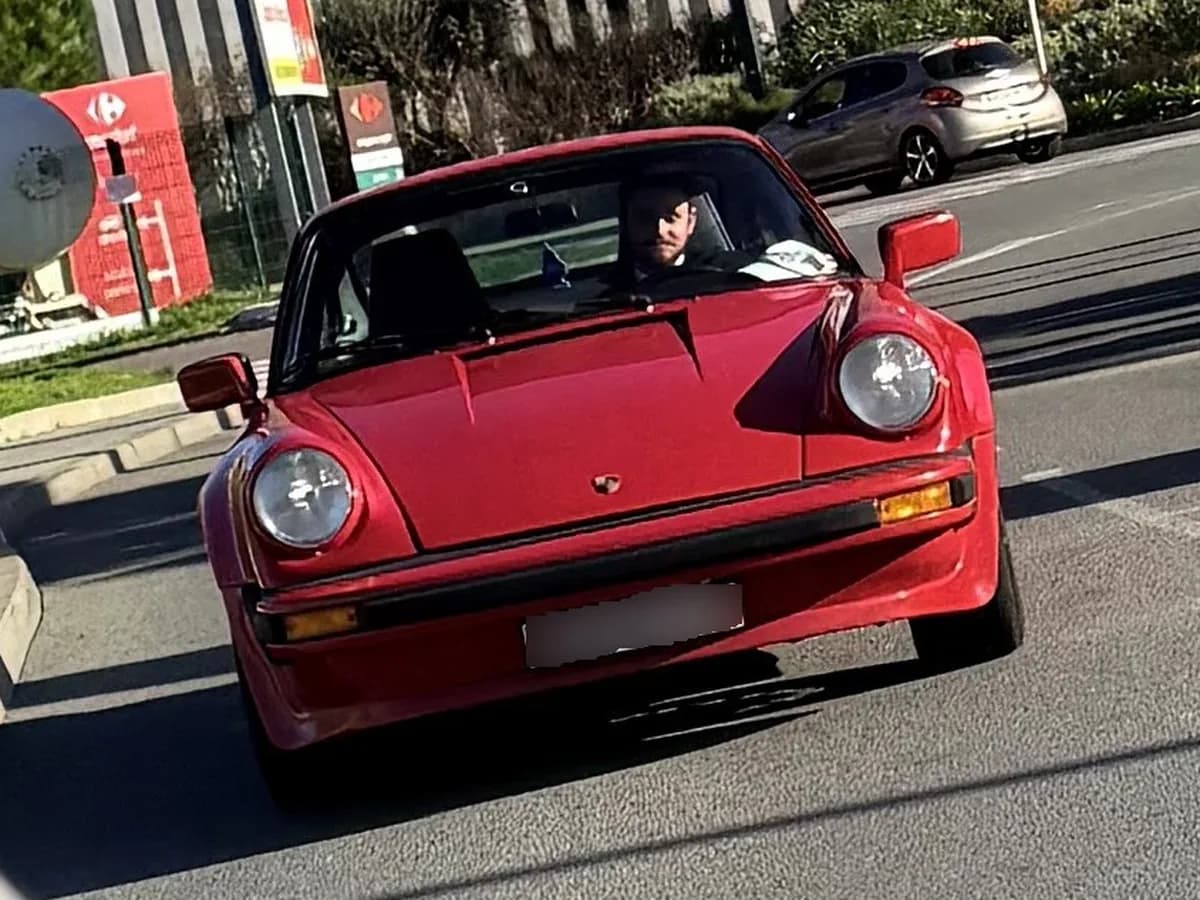
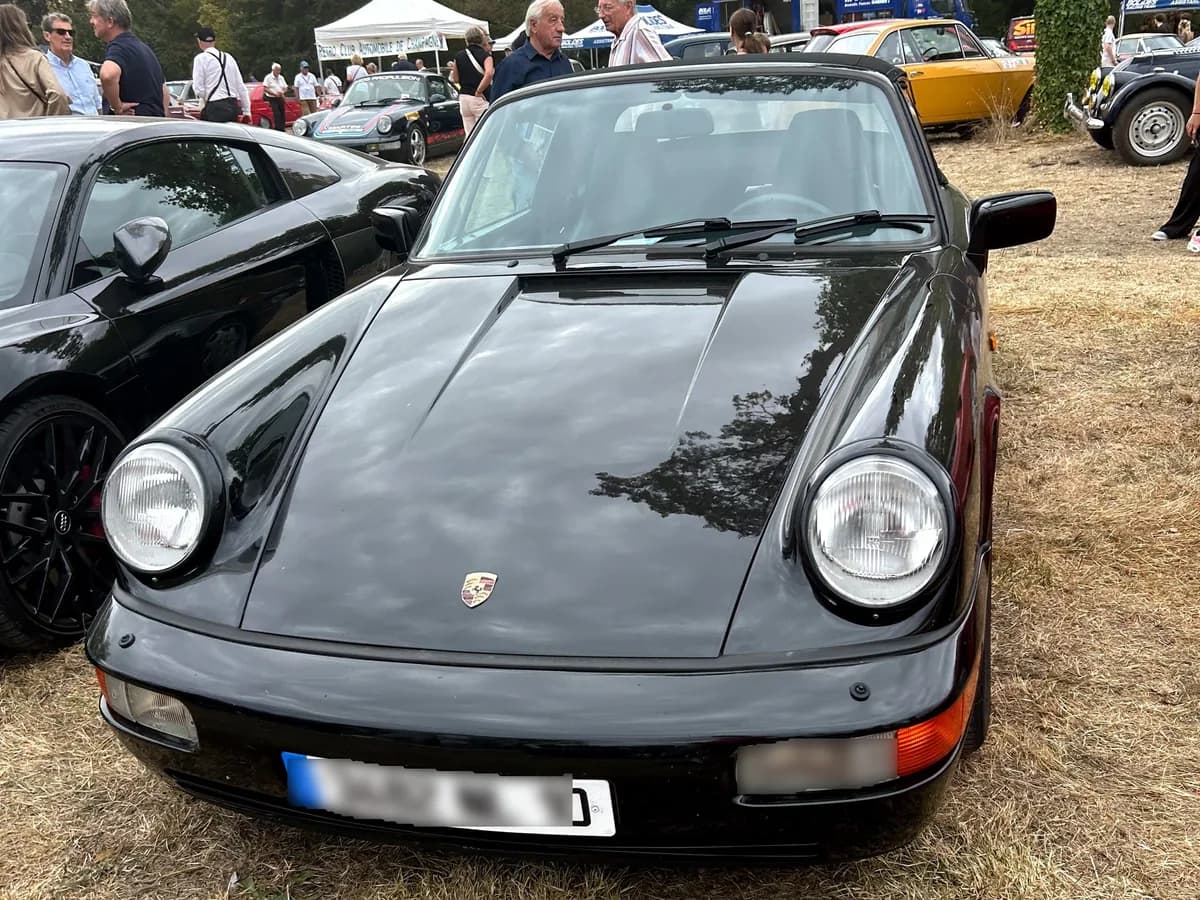
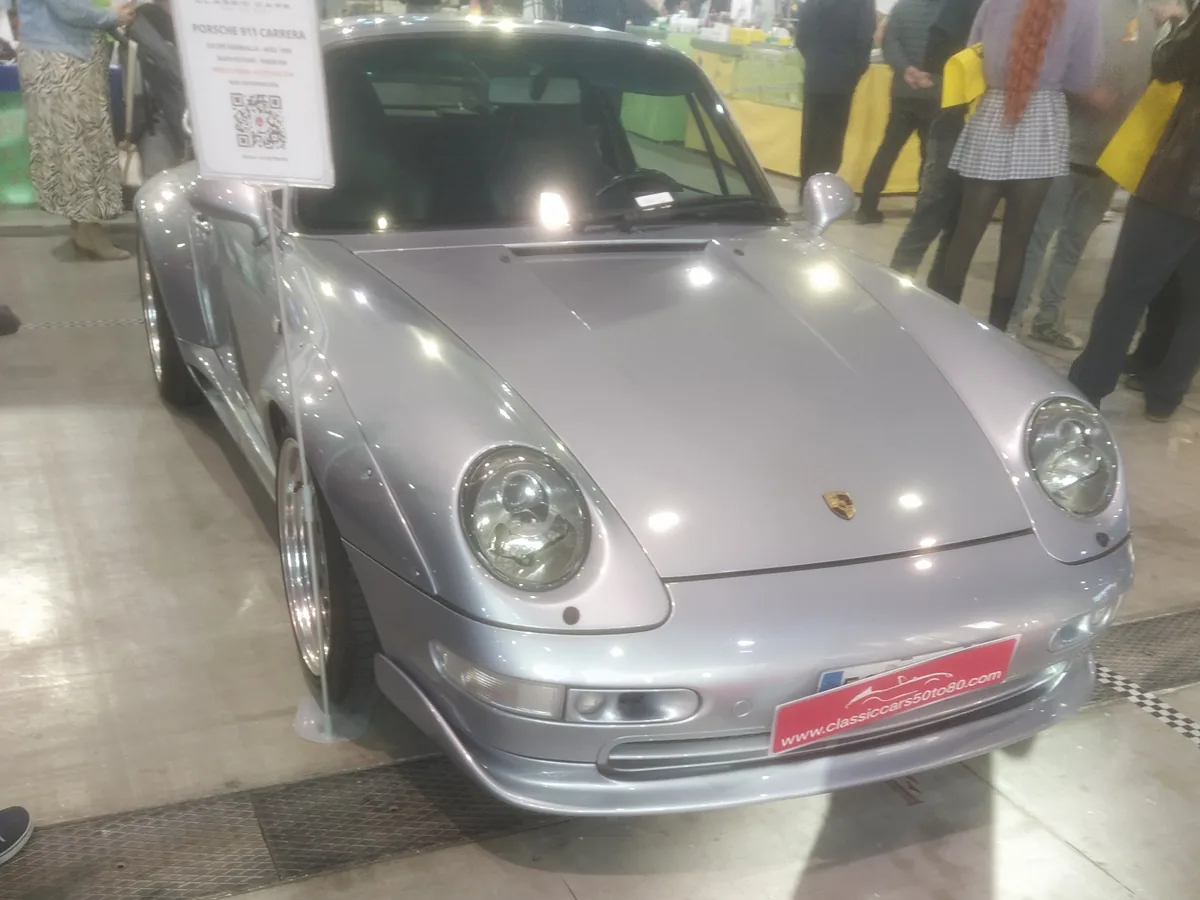
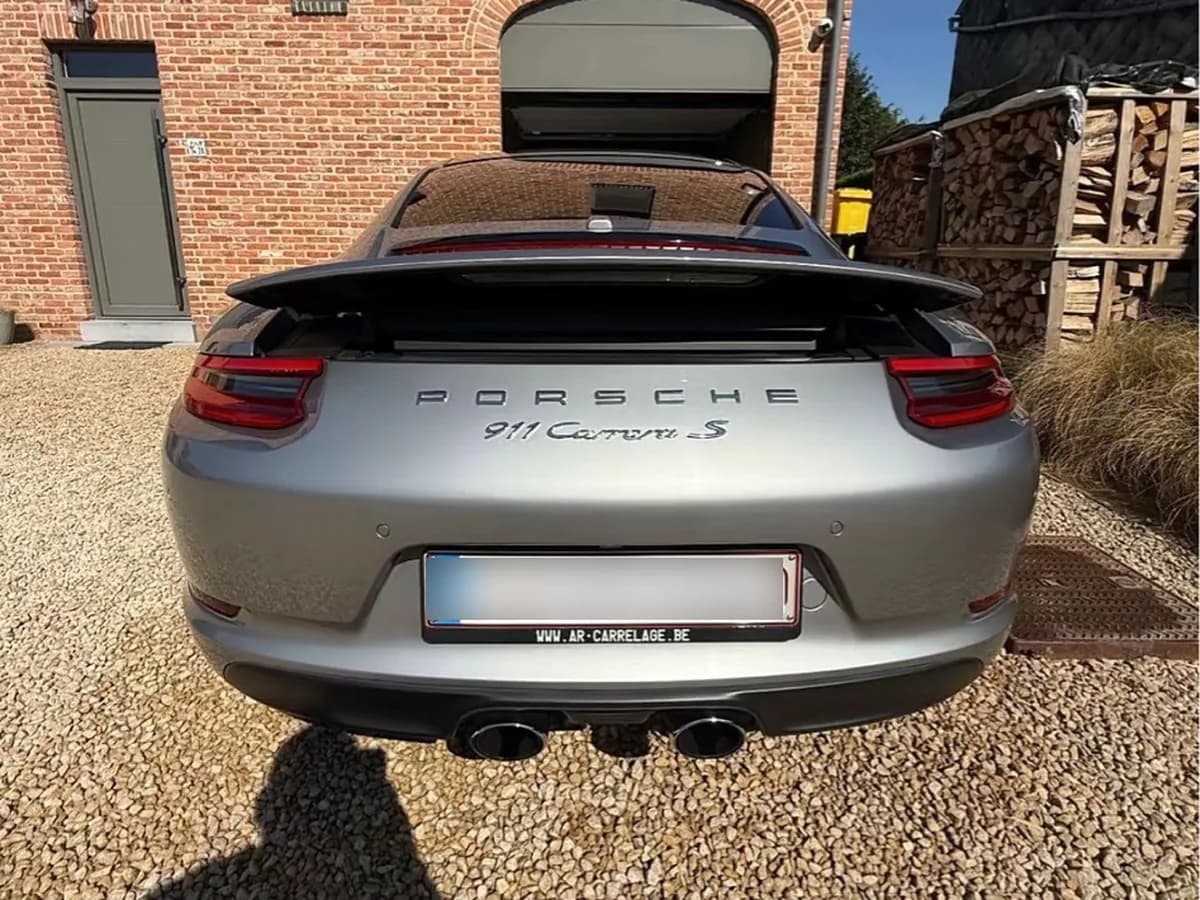
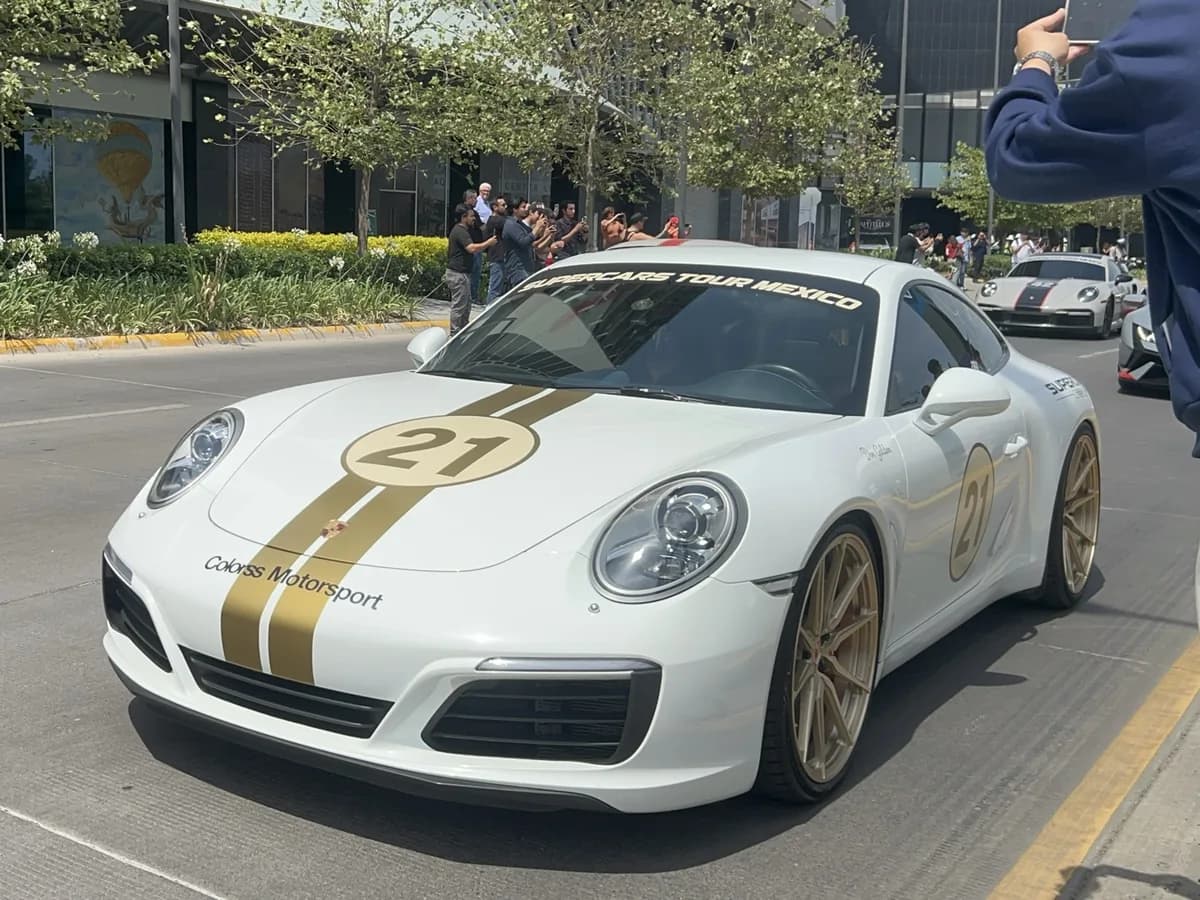
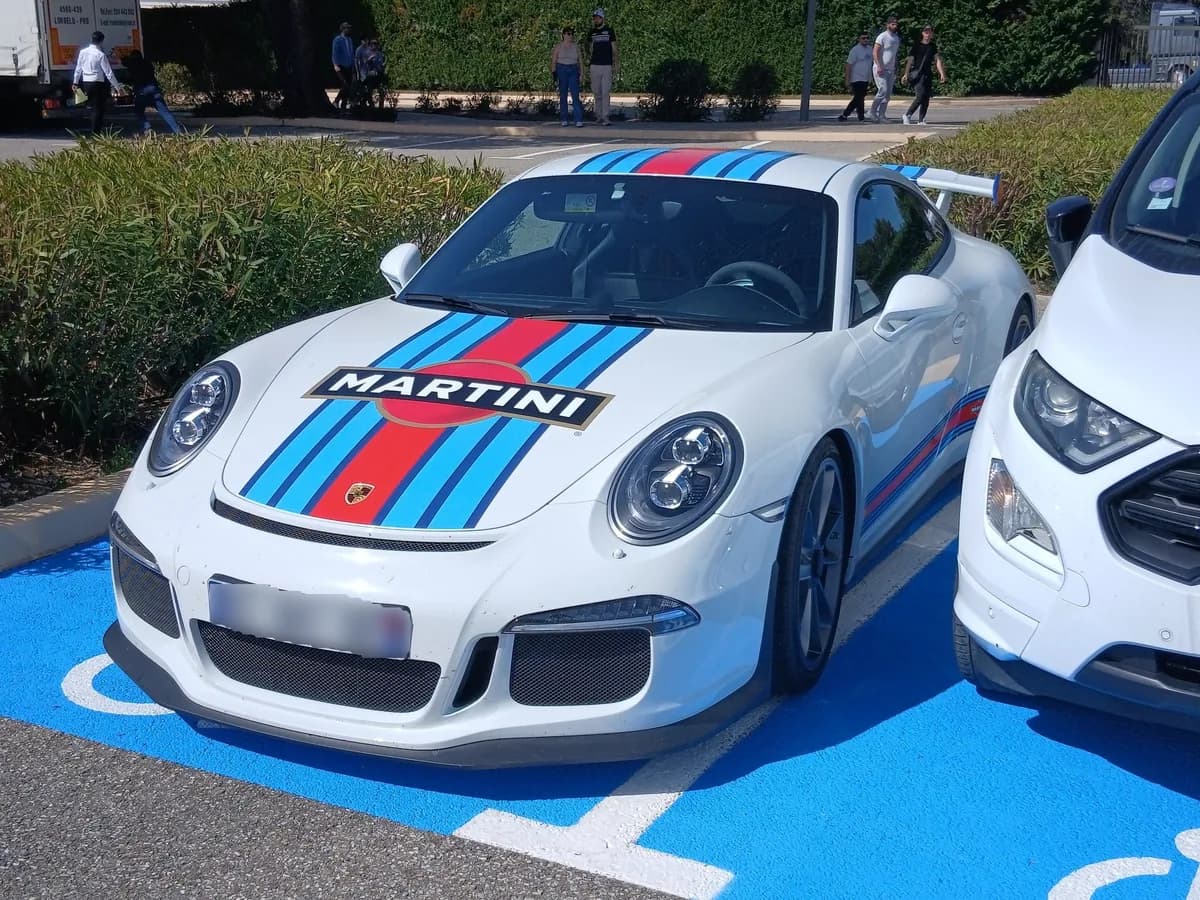
The 2015 Cabriolet lineup covered several distinct 911 families. Carrera and Carrera 4 served as the entry points, with the latter adding all-wheel drive. Carrera S and Carrera 4S offered a higher performance level, using rear-wheel drive or all-wheel drive respectively. The Carrera GTS and Carrera 4 GTS joined the 2015 range with a sportier position between the S models and the more extreme variants. At the top of the open-top range, the Turbo and Turbo S Cabriolets combined twin-turbocharged flat-six engines with all-wheel drive. Depending on the model, buyers could choose a seven-speed manual gearbox or Porsche’s seven-speed dual-clutch PDK transmission. The Turbo variants were listed with PDK as standard equipment.
References
- 60 Years of Porsche 911Porsche Newsroom
Historique de la génération 991, période 2011-2019, carrosseries proposées et éléments de conception.
- The innovations of the 911Porsche Newsroom
Informations sur l’allègement de la génération 991 et l’évolution historique des carrosseries ouvertes.
- 2015 Porsche Models Technical Data – 911 Carrera GTSPorsche Newsroom
Versions GTS Cabriolet 2015, transmissions, propulsion ou transmission intégrale et architecture de carrosserie.
- 2015 Porsche Models Technical Data – 911 TurboPorsche Newsroom
Versions Turbo et Turbo S Cabriolet 2015, moteur biturbo, puissance, transmission intégrale et boîte PDK.
- 2015 Porsche 911 Review: Expert Insights, Pricing, and TrimsMotorTrend
Composition de la gamme 2015, moteurs, puissances, transmissions, carrosseries et appréciation générale.
- Porsche 911 GTS Carrera Cabriolet: car reviewThe Guardian
Essai contemporain de la Carrera GTS Cabriolet et éléments de réception journalistique.
- https://www.edmunds.com/porsche/911/2015/review/edmunds.com
Source found by OpenAI web search for this vehicle page.
- https://www.caranddriver.com/porsche/911/specs/2015/porsche_911_porsche-911-carrera-cabriolet_2015caranddriver.com
Source found by OpenAI web search for this vehicle page.