
Complete guide
How to read a model name
What do 320d, C 220 d, GLC, and xDrive mean? The logic shared by model names, what they no longer tell you, and a brand-by-brand decoder.
Updated in 2026
Direct answer
How do you read a car's model name?
Most European names read as three blocks: a letter or number for the family, a number for the power level, then a suffix for the energy and drivetrain. The number used to give the displacement; that is almost never true any more.
- Spot the family: the first character places the model in the range.
- Read the number as a power level, not a displacement.
- Decode the suffix: d, e, xDrive, 4MATIC, quattro.
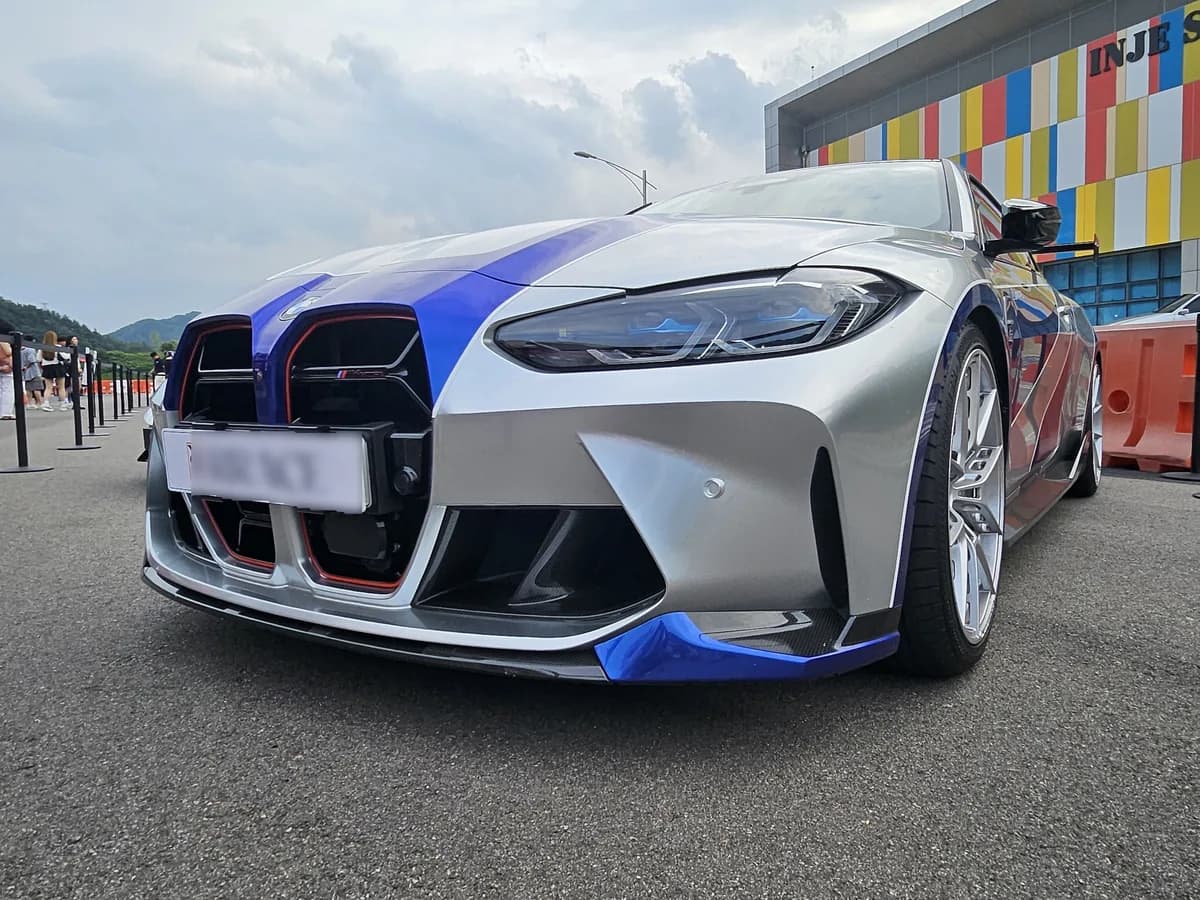
- Separate the version from the trim: M3 is not M Sport, AMG is not AMG Line.
A car name reads as three blocks
Nearly every European brand follows the same grammar, even if each uses its own vocabulary. A full name splits into three blocks, always in the same order: family, level, energy.
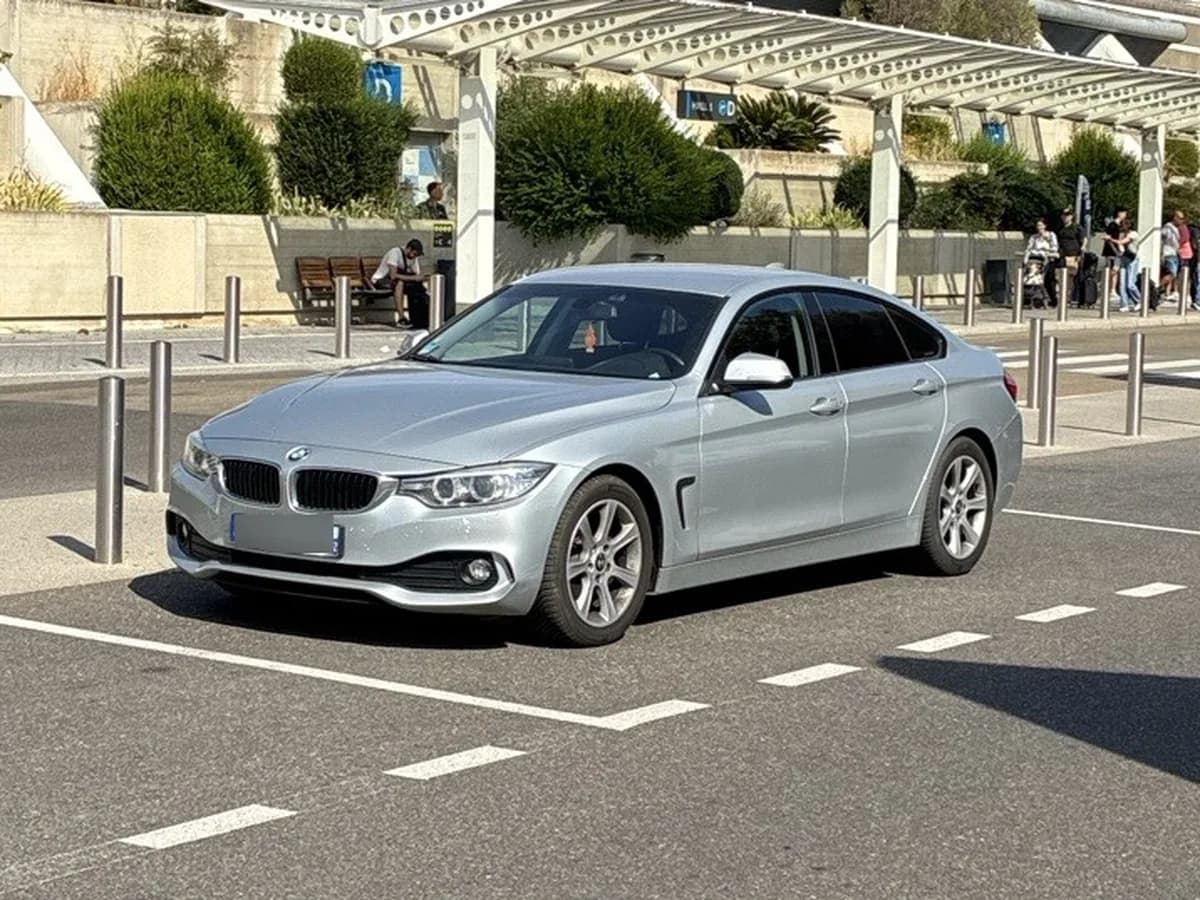
- The family: a number at BMW (3 Series), a letter at Mercedes (C-Class), a name at Peugeot (308). It gives size and positioning.
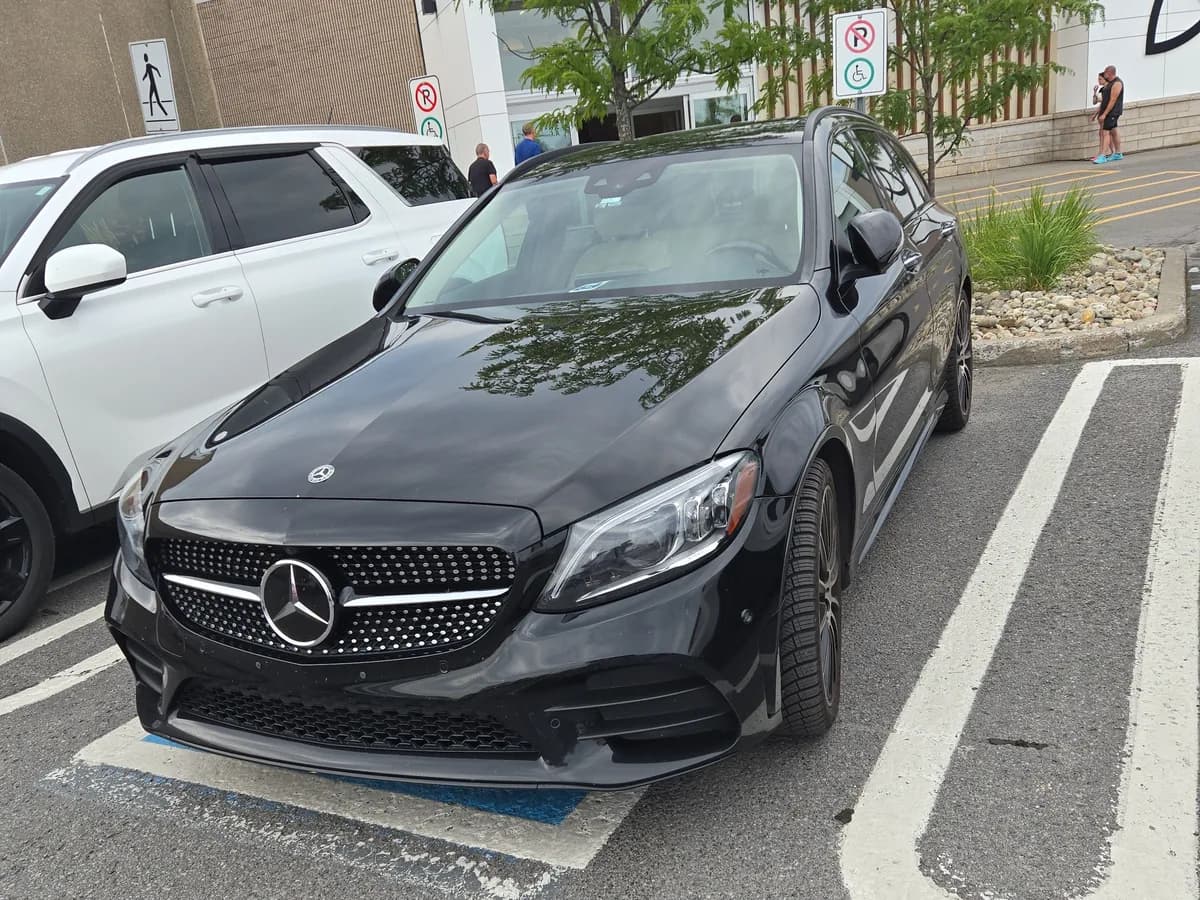
- The level: the number that follows ranks power inside the family. A 330i outguns a 320i, a C 300 a C 200.
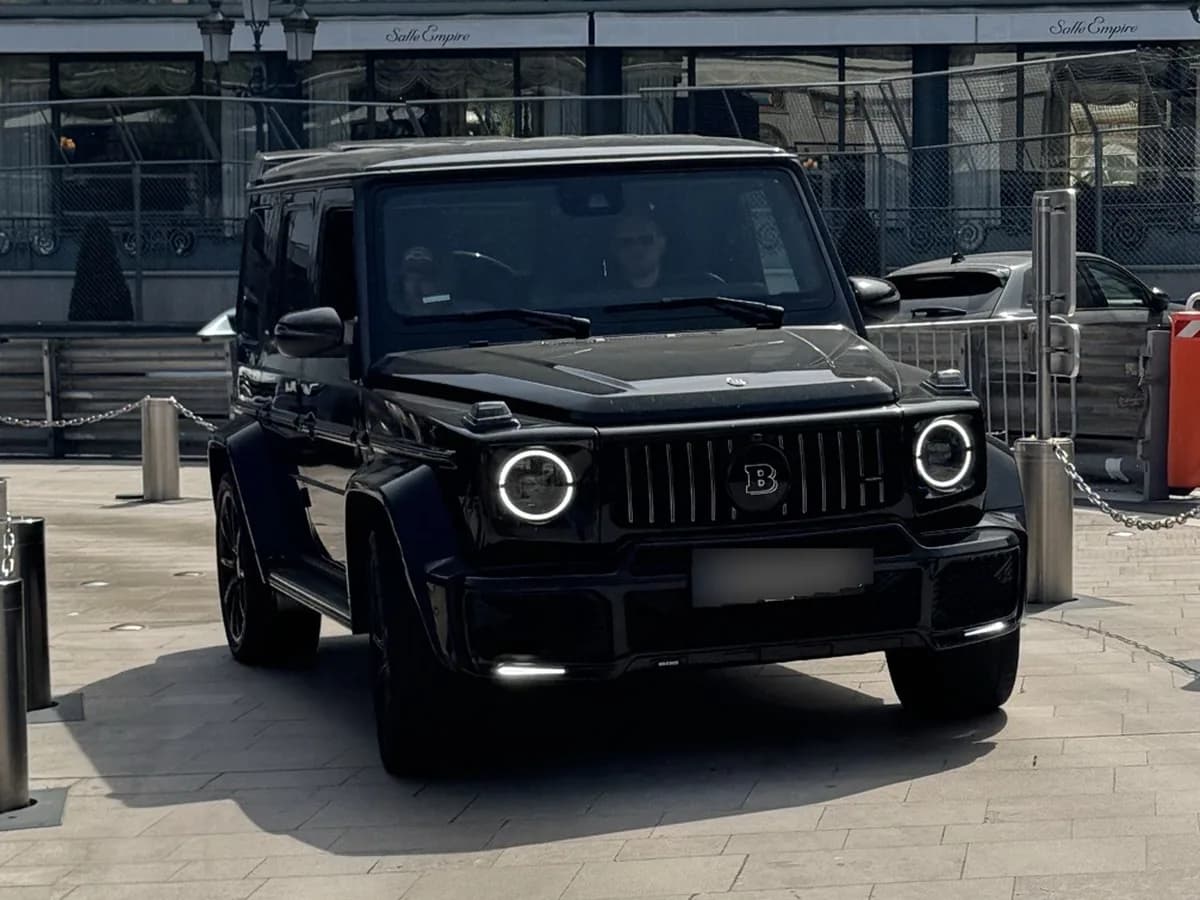
- Energy and drivetrain: the final letter plus mentions like xDrive, 4MATIC, or quattro.
The three blocks in photos
Four cars from the ScanRacer library, each illustrating one block of the name:
What the name no longer says
The rule everyone knows — the number equals the displacement — held for forty years, then stopped. The downsizing of the 2010s made the numbers absurd: an executive saloon would have had to be called a “20” because it received a 2.0 turbo. Brands kept the numbers and changed what they meant instead.
Today those numbers are ranks. A BMW 318d and a 320d share the same 2.0-litre diesel; a Mercedes C 200 and a C 300 can share the same petrol unit. The name ranks, it no longer describes.
That is what makes decoding useful rather than trivia: reading a name also means knowing what it does not prove.
The same idea, brand by brand
Three notions come back at every manufacturer under three different vocabularies. That is where the confusion usually starts.
| Notion | BMW | Mercedes | Audi |
|---|---|---|---|
| All-wheel drive | xDrive | 4MATIC | quattro |
| Performance division | BMW M | Mercedes-AMG | Audi Sport (RS) |
| Styling pack | M Sport | AMG Line | S line |
The last row is the classic car-spotting trap: a styling pack can be ordered on any engine, including the least powerful in the range. A badge alone proves nothing.
Brand-by-brand decoder
Each brand keeps its own exceptions, double-meaning letters, and renamings. The detailed guides take a full name and take it apart piece by piece.
- BMW naming explained: what do 320d, M340i, X5, and i4 mean?
- Mercedes naming explained: what do C 220 d, GLC, AMG, and 4MATIC mean?
- Audi naming explained: what do 35 TFSI, quattro, S line, and RS mean?
- Peugeot naming explained: the central 0, 3008, GT Line, and BlueHDi
- Porsche naming explained: 992, Carrera 4S, GT3, and Turbo
- Renault naming explained: R.S. Line, TCe, dCi, and E-Tech
- Volkswagen naming explained: GTI, GTD, GTE, R, TSI, and DSG
- Citroën and DS naming: C4, 2CV, the diaeresis, and what DS means
- Volvo naming explained: XC60, T8, B5, and EX90
- Alfa Romeo naming: Quadrifoglio, Veloce, Q4, and the 4C and 8C numbers
More brands are on the way. Ranges with no decodable logic — those giving each model its own name — will not get a guide: there is nothing to decode.
Decoding a badge rather than a brand
Some badges are looked up on their own, without knowing which brand they belong to. TDI, TSI and TFSI are the most searched: three badges for two fuels, shared across five brands in one group.
TDI, TSI, TFSI: what is the difference and which one to choose?
GTI, GTD, GTE: what do these three letters mean?
quattro, xDrive, 4MATIC: the drivetrain badges
AMG, AMG Line, AMG package: what do these three letters mean?
Frequently asked questions
What do the numbers on a car mean?
In most European ranges the number places the model in the brand's hierarchy, not its mechanics. A BMW 3 Series is smaller than a 5 Series, a Mercedes C-Class smaller than an E-Class. The digits that follow once gave the displacement, but now only mark a power level.
Does the number still match the displacement?
Almost nowhere. BMW, Mercedes, and Audi all broke that link in the 2010s, when downsizing made the numbers misleading. A Mercedes C 200 and C 300 can share the same 2.0 engine.
What does the letter at the end of the name mean?
It marks the energy or the drivetrain. A d means diesel at both BMW and Mercedes, an e a plug-in hybrid, and xDrive, 4MATIC, or quattro name all-wheel drive depending on the brand.
How do you tell a true performance model?
By separating the version from the trim. A BMW M3 and a Mercedes-AMG are built by dedicated divisions; an M Sport or AMG Line pack only changes the look of a standard car. The badge, fender width, and exhaust tips settle it.
When the name is not enough
Decoding a name assumes you can read it. On a car spotted in the street, the badge is often missing, deliberately removed, or swapped for a more prestigious one. What remains is the car itself: its silhouette, lights, and grille.