
Naming
Mild hybrid, full hybrid, plug-in hybrid: telling them apart and spotting them
One word covers three very different powertrains. What each can actually do, the badges brands use for them, and the only visual cue that really works in the street.
Updated in 2026
Direct answer
What is the difference between mild, full and plug-in hybrids?
Three families hide behind the word “hybrid”. A mild hybrid never drives on electricity alone: a small electric motor assists the combustion engine, nothing more. A full hybrid covers a few hundred metres on electricity and recharges itself. A plug-in hybrid plugs in and covers tens of kilometres without starting its engine. In the street, the only reliable cue is the charging flap.
- Look for a second flap on the wing: a charging flap means a plug-in hybrid or an electric car.
- Check under the rear bumper: no exhaust outlet means an electric car.
- Read the badge, but do not trust it: “hybrid” covers three realities the word does not separate.
- In France, the green Crit'Air sticker is carried only by electric and hydrogen cars.
One word for three powertrains
The word “hybrid” has the flaw of being accurate while teaching you nothing. It says there are two energy sources, without saying what the car can actually do with them.
Yet the gap between the three families is considerable: one never drives on electricity, the second manages a few hundred metres, the third tens of kilometres.
What each family can actually do
| Family | What it allows |
|---|---|
| Thermique | Petrol or diesel only. No electric assistance to propulsion. |
| Micro-hybride | A starter-generator, often 48-volt, assists the engine and recovers energy when slowing. The car never drives on electricity alone. |
| Hybride complet | A few hundred metres on electricity, at low speed. The battery recharges as you drive: no plug. |
| Hybride rechargeable | A bigger battery and a plug. Tens of kilometres without starting the engine. |
| Électrique | No combustion engine, therefore no exhaust. A plug, and nothing else. |
How to spot them in the street
The badge is the first instinct and the least reliable: it comes off, it translates badly, and “hybrid” does not separate the three families. Fortunately some cues cannot be hidden by the bodywork.
The charging flap is the best of them. A car that plugs in carries a second flap, often on the wing opposite the fuel filler. Its presence rules out combustion, mild hybrid and full hybrid in one go: only plug-in and electric remain.
The exhaust outlet then settles between those two. A plug-in hybrid keeps a combustion engine, so it keeps an exhaust; an electric car has none. Beware, though, of bodywork that hides the outlet under the bumper, which is increasingly common.
Then there is the Crit'Air sticker on the windscreen, specific to France. The green one, marked zero emission, is issued only to electric and hydrogen cars. A plug-in hybrid carries a coloured one instead.
Examples in photos
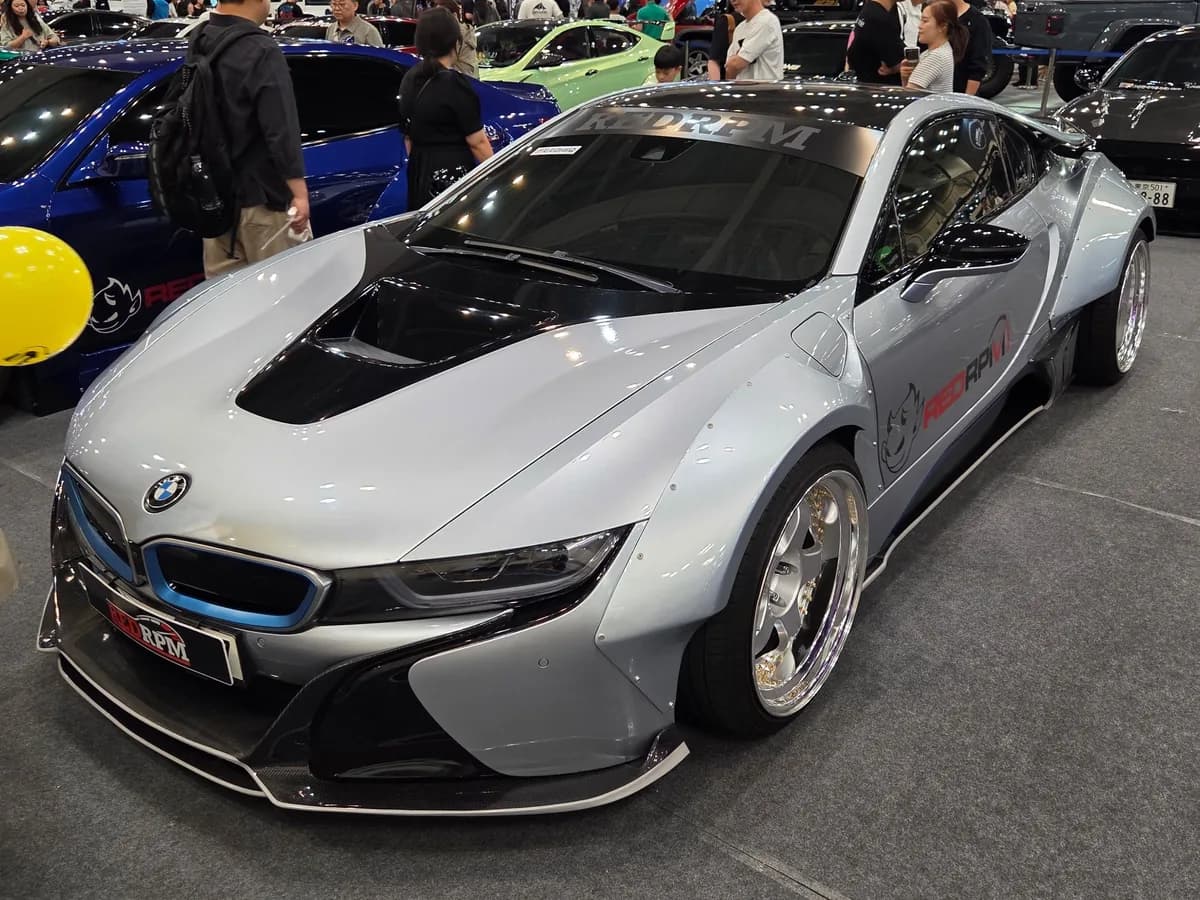
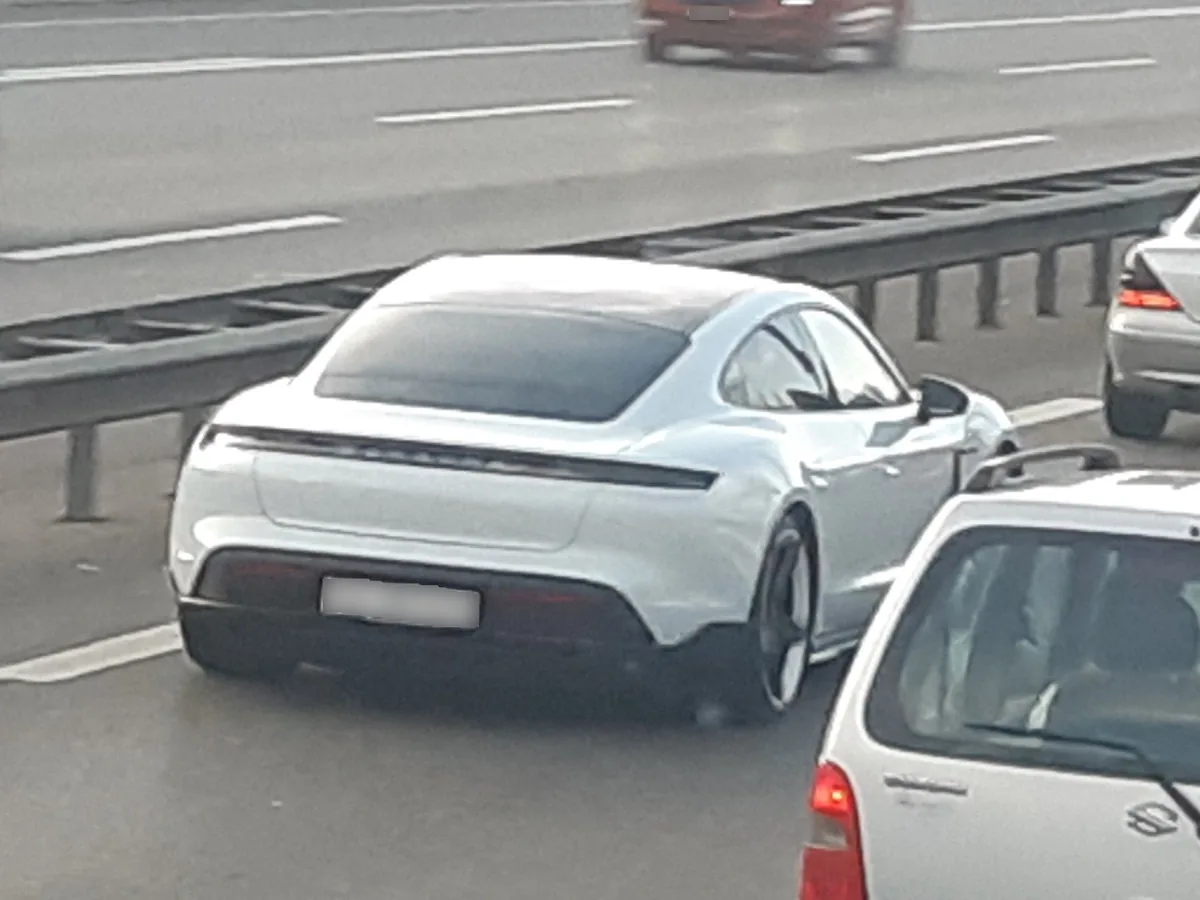
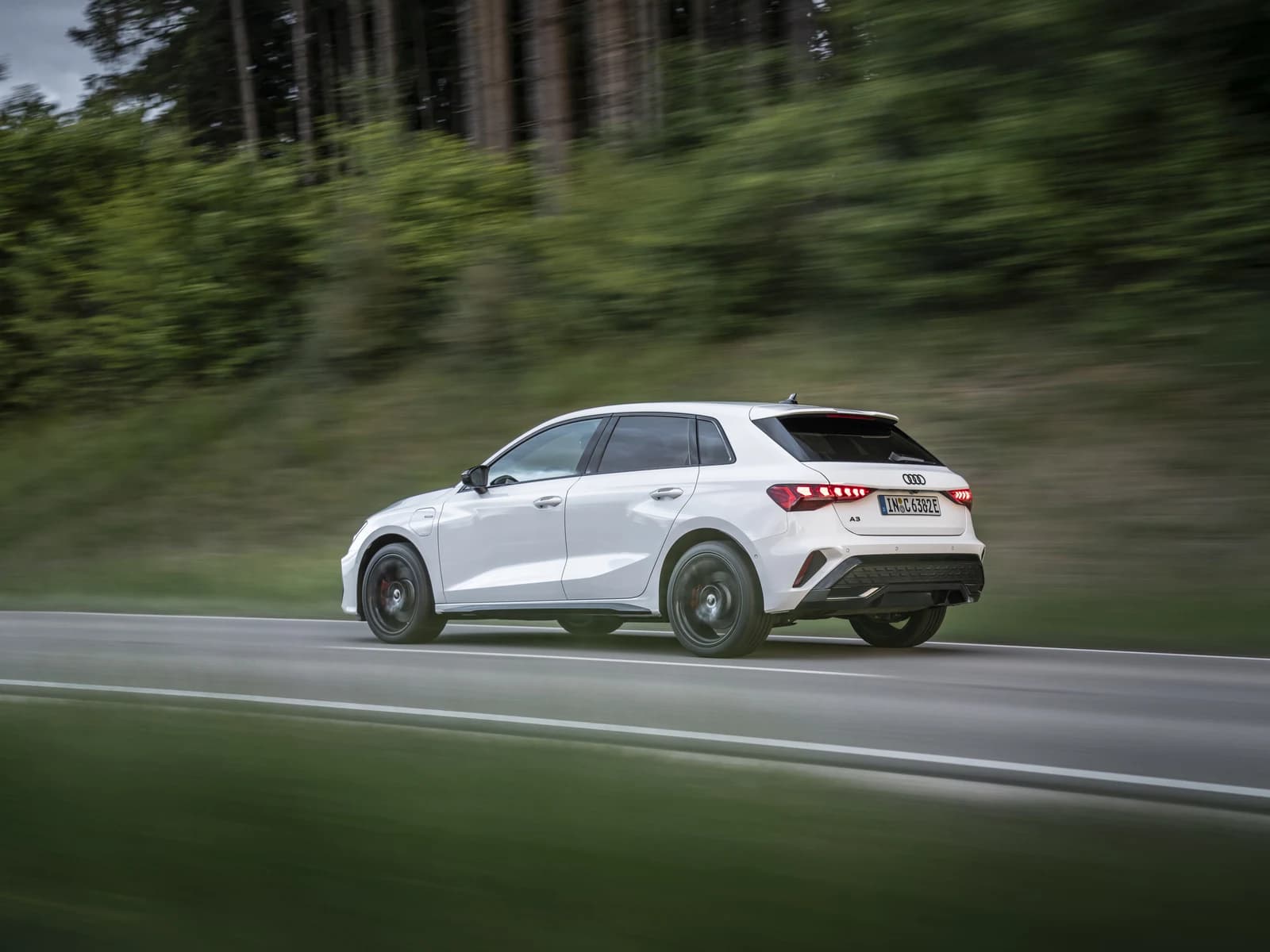
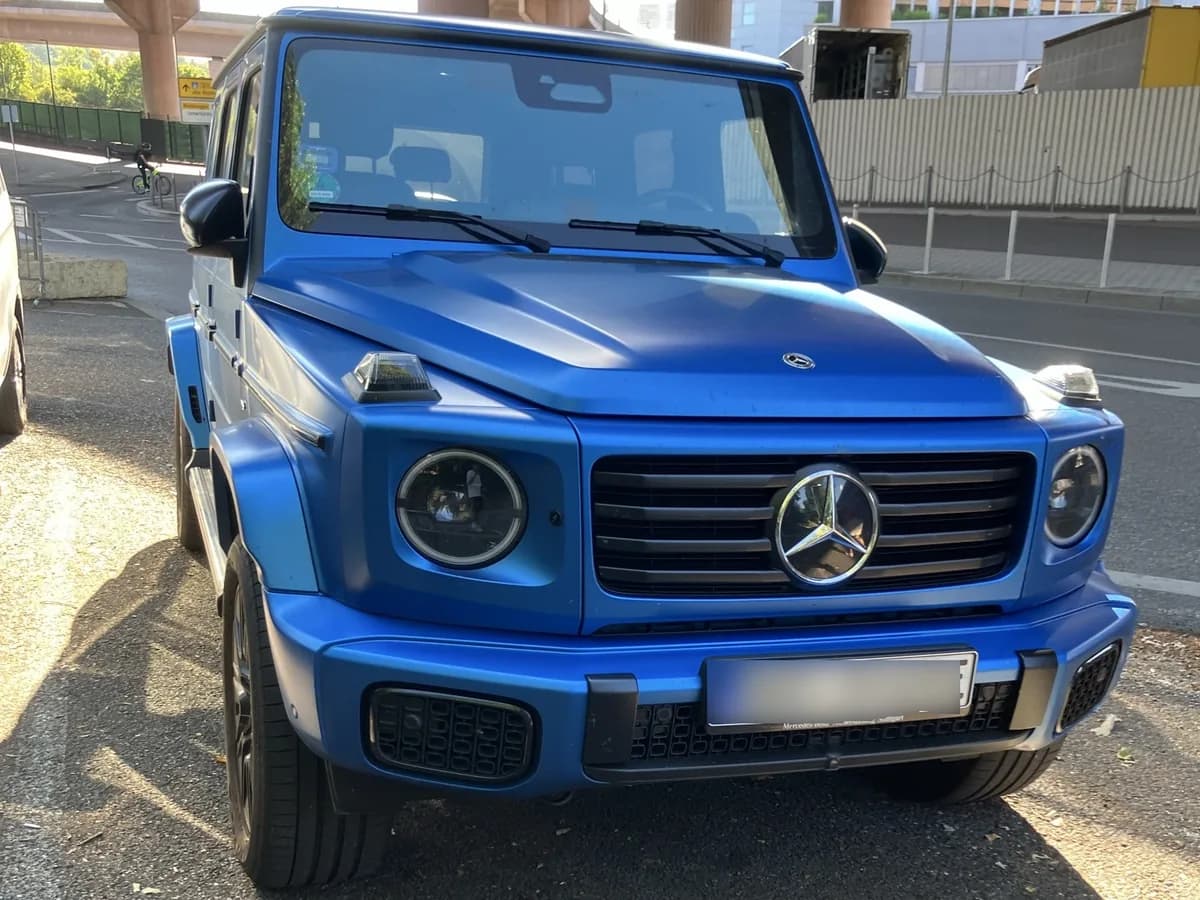
Four cars whose name alone does not say which family they belong to.
The badge by brand
| Badge | What it covers |
|---|---|
| e-TSI | Volkswagen. 48-volt mild hybrid on a petrol engine. |
| EQ Boost | Mercedes. Mild hybrid, not to be confused with “with EQ Technology”. |
| TFSI e / e-hybrid | Audi and Porsche. Plug-in hybrid: the detached “e” carries the meaning. |
| E-Tech | Renault. Covers both full and plug-in hybrids: the badge alone does not settle it. |
| e-POWER | Nissan. The wheels are always driven electrically, yet the car does not plug in. |
| e:HEV | Honda. Full hybrid, no plug. |
Where the name misleads
The mild hybrid is sold under the word “hybrid”, though it cannot do what the word suggests. Many buyers discover afterwards that their car never drives on electricity: the assistance smooths pull-aways and recovers a little energy under braking, it does not propel.
At Mercedes the two letters EQ changed meaning along the way. EQ Boost marked mild hybridisation; “with EQ Technology” now marks fully electric models. A G-Class carrying that wording has no combustion engine at all, which its name says nowhere.
The Nissan e-POWER takes the problem the other way round: its wheels are always driven by the electric motor, as on an electric car, yet it never plugs in. Its combustion engine only generates current. The badge describes how it feels to drive, not how you refill it.
And if nothing is written?
Many manufacturers have stopped badging mild hybrids, judging them too ordinary to deserve a logo. A car without any mention is therefore not necessarily pure combustion. When doubt remains, the car itself remains — and photo recognition, which identifies the model before worrying about its powertrain.
Frequently asked questions
What is a mild hybrid car?
A combustion car fitted with a small electric motor, often 48-volt, which assists on pull-away and recovers energy under braking. It never drives on electricity alone, contrary to what the word “hybrid” suggests.
What is the difference between a full hybrid and a plug-in hybrid?
The plug and the range. A full hybrid recharges itself as you drive and manages only a few hundred metres on electricity. A plug-in hybrid plugs in and covers tens of kilometres without starting its engine.
How do you spot a hybrid in the street?
Look for the charging flap: its presence means a plug-in hybrid or an electric car. Without a flap, a “hybrid” badge means a full hybrid or a mild hybrid, which the bodywork cannot tell apart.
How do you spot an electric car?
By the absence of an exhaust outlet, combined with a charging flap. In France, the green Crit'Air sticker marked zero emission is carried only by electric and hydrogen cars.
Does a hybrid car plug in?
Only if it is a plug-in. A full hybrid and a mild hybrid recharge as they drive, through recovery, and have no socket at all.
What is a combustion car?
A car driven solely by a petrol or diesel engine, with no electric assistance to propulsion. It is the family against which the other three define themselves.