
Naming
GTI, GTD, GTE: what do these three letters mean on a car?
GTI stands for Gran Turismo Injection. GTD is the diesel version, GTE the plug-in hybrid. What each letter means, why the “i” no longer separates anything, and the difference between a GTI and a GT Line trim.
Updated in 2026
Direct answer
What does GTI mean on a car?
GTI stands for Gran Turismo Injection: a grand-touring car with fuel injection. The later families changed only the final letter — GTD for diesel, GTE for the plug-in hybrid. The G and the T stay the same in all three; only the energy source changes.
- Read the first two letters: GT, for Gran Turismo. They are shared by all three badges.
- Read the last one: I for injection (petrol), D for diesel, E for plug-in electric.
- Check the badge sits with the model name: “Golf GTI” is a version, “GT Line” is a trim level.
- If the car is a Peugeot, note the case: the brand writes GTi, with a lowercase i.
Two fixed letters, one variable
Three letters, two of which never move. The GTI badge was extended to GTD and then GTE as energy sources changed, without its promise changing: an ordinary hatchback in a faster form.
The last letter carries all the information. And it is exactly that letter which, in the case of the I, no longer means anything.
The three letters, one by one
| Letter | What it means |
|---|---|
| G | Gran, as in Gran Turismo. The family of cars built to cover ground quickly and comfortably. |
| T | Turismo. Inseparable from the G; the two letters are never read on their own. |
| I | Injection. At the time, the selling point: the injected version against carburettor ones. |
The whole badge family
| Badge | What it marks |
|---|---|
| GTI | Petrol. The original badge, on the Golf from 1976 and the 205 from 1984. |
| GTD | Diesel. Launched on the Golf in 1982, when a fast diesel was still a curiosity. |
| GTE | Plug-in hybrid. Introduced in 2014, applying the same recipe to a plug-in powertrain. |
| GTX | Electric. The badge extended to the ID range, with no letter inherited from the engine any more. |
| GTI Clubsport, GTI TCR | More hardcore versions sitting above the standard GTI. |
Examples in photos
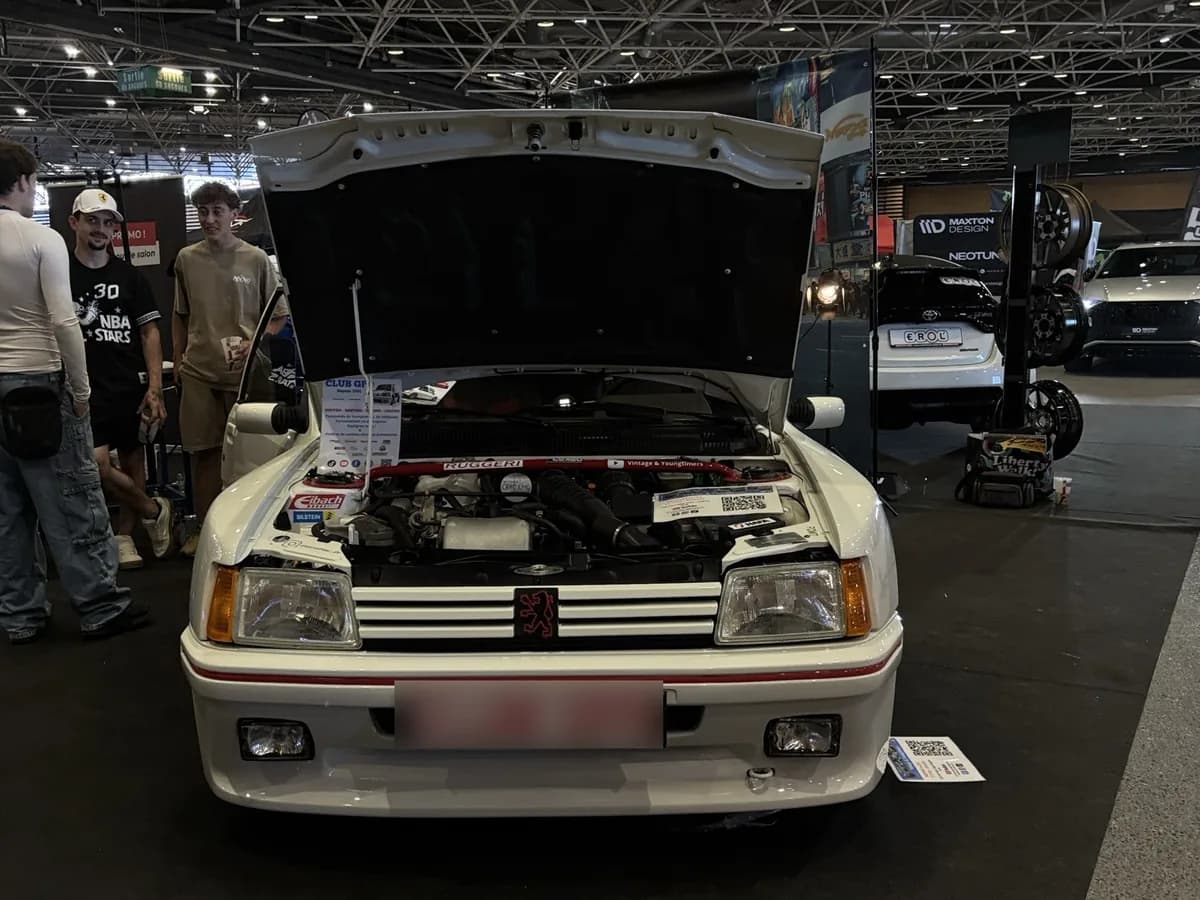
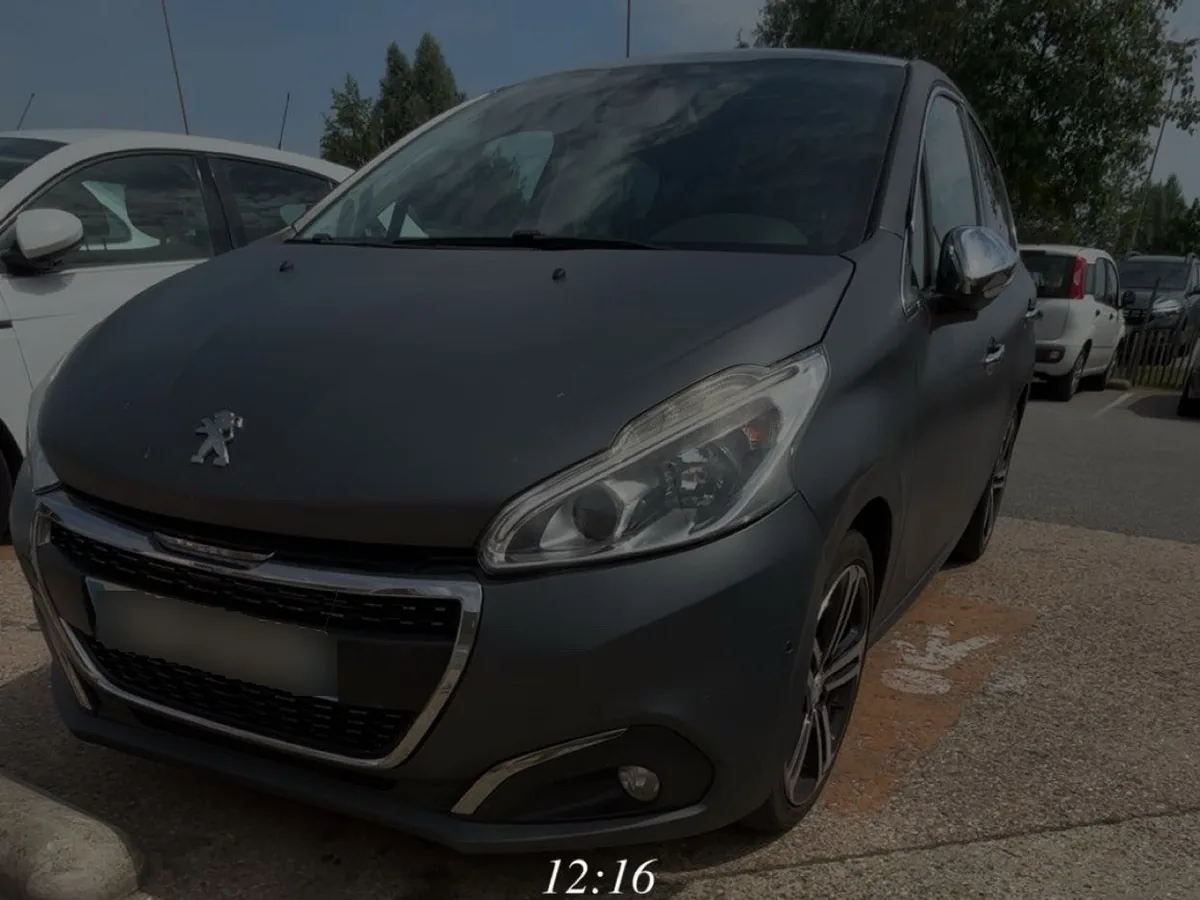
The models that carried the badge, and those where the GT / GTI confusion plays out today.


The letter that no longer separates anything
In the seventies, spelling out “injection” meant something: most cars still ran on carburettors, and injection was the part separating the fast version from the rest of the range. The I was a technical argument, not decoration.
Today every new petrol car is injected. The letter therefore separates nothing at all: it survives as a commercial signature, exactly as the “SI” in TSI names a combustion mode abandoned long ago.
It is the same phenomenon as with BMW's or Mercedes' numbers: the name keeps describing a technical reality that has gone.
Volkswagen and Peugeot: two GTIs
Volkswagen and Peugeot wear the same badge without having borrowed it from one another. The Golf GTI arrived in 1976 and invented the category; the 205 GTI followed in 1984 and became the French benchmark, on a reputation built on lightness rather than power.
The two brands do not even write it the same way. Volkswagen uses three capitals, GTI. Peugeot writes GTi, with a lowercase i, on the 205 as on the 208. The detail looks trivial, but it is a simple way to know which family is being discussed when only the name is quoted.
Peugeot later ran the badge alongside “GTi by Peugeot Sport”, then set it aside in favour of GT. That is where the confusion starts.
The trap: GT, GT Line and GTI
GT, GT Line and GTI do not mean the same thing. GTI is a version: its own engine, reworked chassis, revised brakes. GT Line is a trim: wheels, inserts, sometimes seats — laid over entry or mid-range mechanicals.
The trap is the same as “AMG Line” at Mercedes or “M Sport” at BMW: the styling pack borrows the sporty version's vocabulary without borrowing its mechanicals. A classified ad reading “GT Line” is not selling a GTI, and the price gap between the two is considerable.
The simplest test comes down to one word: if the badge carries an energy letter after GT — I, D, E — it is a version. If the badge stops at GT or adds “Line”, it is a trim.
And if the badge is gone?
The GTI badge is one of the most commonly added to cars that never wore it: the part costs a few euros and sticks to any tailgate. When the badge looks doubtful, the car itself remains — its wheels, brakes, arch extensions, and twin exhaust.
Frequently asked questions
What does GTI mean on a car?
Gran Turismo Injection: a grand-touring car fitted with a fuel-injected engine. Today the badge marks the sporty version of a mainstream model rather than any particular technical feature.
What does the “i” in GTI stand for?
Injection. The letter once separated injected engines from carburettor ones. Since every new petrol car is now injected, it no longer separates anything and survives only as a signature.
What does the “G” in GTI stand for?
Gran, the first half of Gran Turismo. The G is never read alone: the GT block carries the meaning, and it is shared by GTI, GTD, GTE and GTX.
What is the difference between GTI and GTD?
The fuel, and nothing else. GTI is the petrol version, GTD the diesel take on the same idea. The Golf has offered both since the eighties.
Is a GT Line a GTI?
No. GT Line is a styling trim applied to ordinary mechanicals, whereas GTI is a distinct version. The cue: an energy letter after GT means a version, while “Line” means a trim.
Is GTI the same at Volkswagen and at Peugeot?
The badge means the same thing, but the two brands adopted it separately and do not write it the same way: Volkswagen uses three capitals, Peugeot writes GTi with a lowercase i.