
Naming
Peugeot naming explained: the central 0, 3008, GT Line, and BlueHDi
Decode a Peugeot name: the central zero trademarked since 1929, the double zero of the SUVs, what the last digit no longer says, GT versus GTi, and why the Porsche 911 isn’t a 901.
Updated in 2026
Direct answer
How do you read a Peugeot name?
In “308”, the 3 is the segment — the car’s size — the central 0 is Peugeot’s signature since 1929, and the 8 originally marked the generation. What follows describes body, trim, and engine.
- Read the first digit: it is the size, from 1 for city cars to 5 for large saloons.
- Count the zeros: one for a saloon, two for an SUV or MPV.
- Read the body letters: SW for the estate, nothing for the saloon.
- Separate trim from engine: GT is a trim, GTi and PSE are versions.
Why these names look unreadable
Peugeot has the oldest system still in service, and the most recognizable: a zero in the middle of three digits, unbroken since 1929. It is also the only manufacturer whose naming forced a rival to rename its car.
But a near-century-old system eventually meets its own limits. Peugeot’s reached them, and the brand chose to freeze the name rather than break the rule.
“308 SW GT BlueHDi 130” piece by piece
| Piece | What it means |
|---|---|
| 3 | The segment, so the size. 1 for city cars, 2 for superminis, 3 for compacts, 4 and 5 for large cars. The higher the digit, the bigger the car. |
| 0 | Peugeot’s signature, present since the 201 of 1929. It matched the starting-crank hole in the grille, and the brand trademarked its use. |
| 8 | Originally the generation within the family: 301, 304, 305, 306, 307, then 308. That digit has frozen: see below. |
| SW | The estate body, for Station Wagon. A saloon carries no mention. |
| GT | The trim, on the same footing as Active or Allure. It is neither an engine nor a performance version. |
| BlueHDi 130 | The energy then the power in horsepower. BlueHDi for diesel, PureTech for petrol, Hybrid for hybrid, and the e- prefix for electric. |
The families: count the digits and the zeros
| Letter or number | Family |
|---|---|
| 1xx / 2xx | City cars and superminis: 108, 208. |
| 3xx | The compacts, the historic core of the range: 205, 206, 207 for earlier generations, 308 today. |
| 4xx / 5xx | Large hatchbacks and family saloons: 408, 508. |
| x008 | The double zero: SUVs and MPVs. 2008, 3008, 5008 — the first digit keeps its size meaning. |
| e- | The electric prefix, attached to the existing name: e-208, e-3008. |
Examples in photos
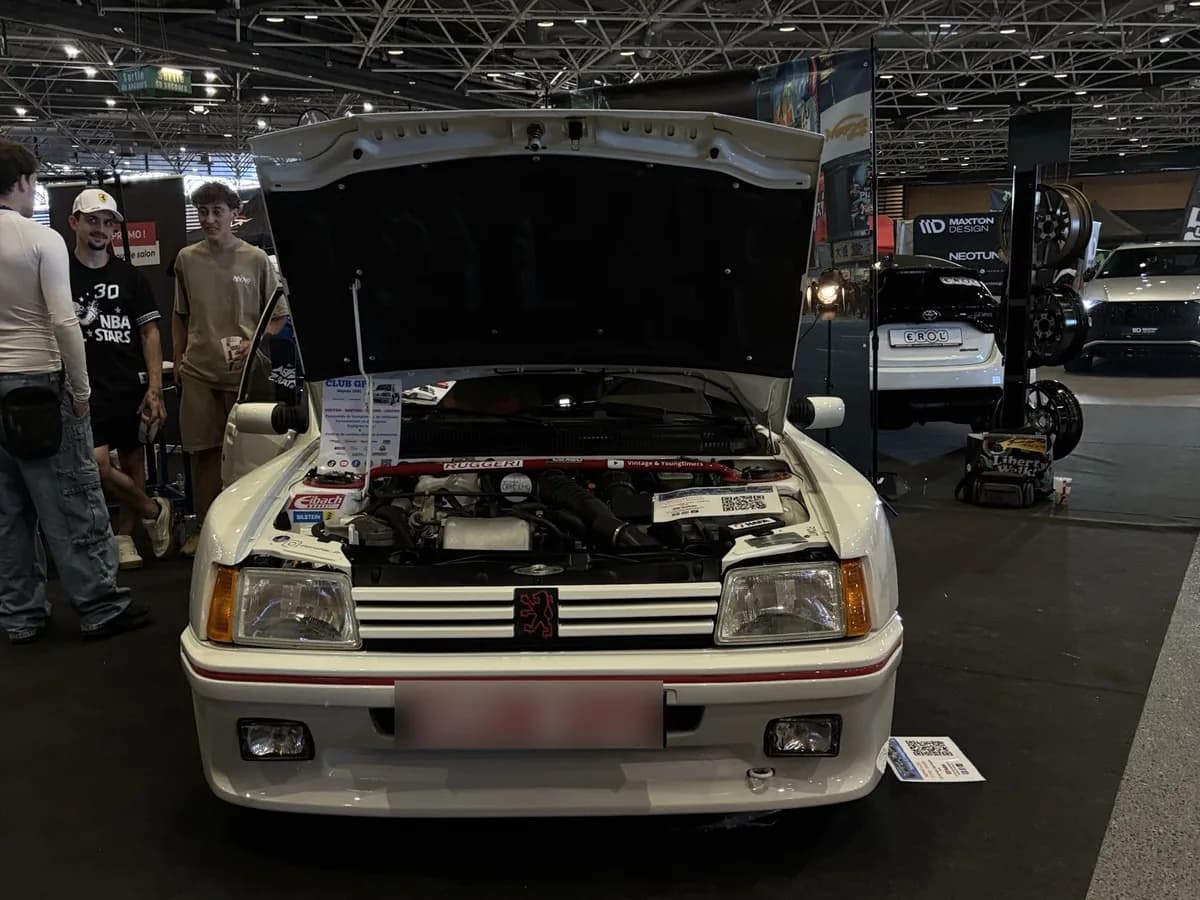
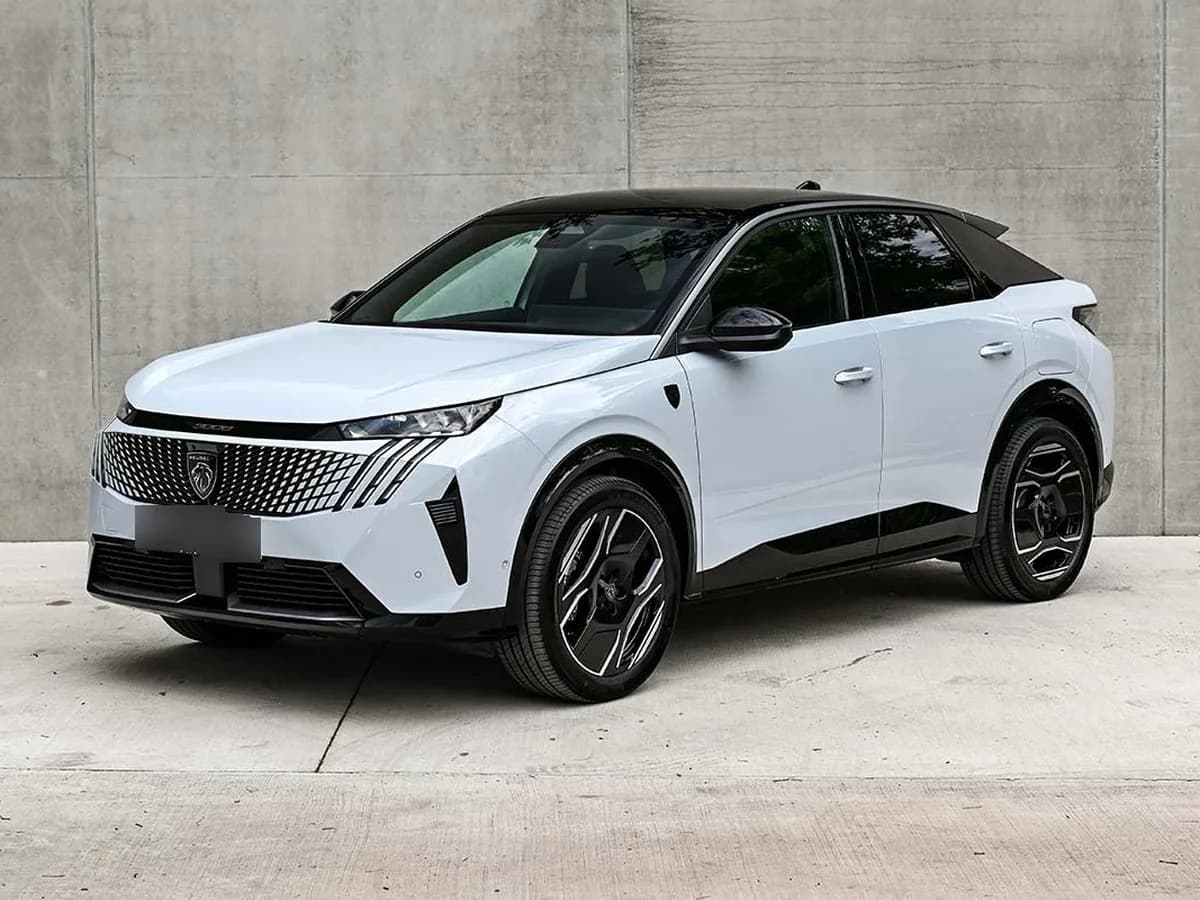
A few Peugeots from the ScanRacer library, each illustrating one piece of the name:


Where the rule no longer holds
The last digit stopped counting generations. The series ran in order — 301, 304, 305, 306, 307 — then hit 9, already taken by the 309. Peugeot stopped at 8 and left it there: today’s 308 is its third generation, all called 308. The digit meant to date the car no longer dates anything.
The central zero cost the Porsche 911 its name. Peugeot had registered in France the use of three-digit numbers with a zero in the middle. When Porsche unveiled its 901 at the 1963 Frankfurt show, Peugeot asserted its rights. Porsche renamed the car 911 — first for France, then everywhere, to keep a single name.
The double zero has not always meant SUV. It appeared on mid-2000s MPVs and crossovers such as the 1007 and 4007, before settling on SUVs with the 2008, 3008, and 5008. A 4007 and a 3008 follow different logics despite the identical name shape.
“GT” changed meaning twice. On a 1980s 205 GTI the letters marked the real hot hatch. Then “GT Line” appeared as a styling pack, before being dropped in 2021 in favour of plain “GT” — still a trim. Three eras, three meanings, and cars from all three still on the road.
The suffixes worth knowing
| Mention | Meaning |
|---|---|
| SW | Estate, for Station Wagon. |
| PureTech | Petrol, usually a turbocharged three-cylinder. |
| BlueHDi | Recent-generation diesel. HDi marks the earlier ones. |
| THP | 2010s turbo petrol, developed with BMW. |
| S&S | Stop & Start, the automatic engine cut at standstill. Nothing to do with a sporty version. |
| EAT8 | Eight-speed automatic gearbox. |
| GTi | The real hot hatch, historically: 205 GTI, 208 GTi. |
| PSE | Peugeot Sport Engineered, the current performance division. |
The trap: GT is not GTi
This is the most asked question about recent Peugeots, and it has a simple answer: two letters separate a trim from a performance car.
“GT”, like “GT Line” before it, is a trim: specific grille, wheels, upholstery, sometimes a firmer suspension. It can sit on a 130 hp diesel without contradiction. “GTi” instead marks the historic hot hatch — the 205 GTI, the 208 GTi — and “PSE”, for Peugeot Sport Engineered, the current performance division.
In front of the car, the tailgate badge is the best cue: “GT” appears as separate letters, while a “GTi” or “PSE” comes with parts that cannot be ticked as options — Kryptonite green brake calipers on a 508 PSE, for instance, or the widened track of a 205 GTI.
Dating a Peugeot when the name stops changing
Since three successive generations share the same name, the name alone no longer dates the car. Enthusiasts fall back on internal project codes, less known to the public than the German ones but used the same way.
Failing that, visual cues remain the most reliable: the light signature in particular changed radically across the three 308 generations — from plain lamps to the vertical claw, then to the three fangs of the current grille.
| Code | Generation |
|---|---|
| T7 | The first 308, launched in 2007. |
| T9 | The second, from 2013, with the vertical light claw. |
| P5 | The third, from 2021, recognizable by the new lion and the three fangs. |
| 205 / 206 / 207 | The old compact series, when the last digit still dated the car. |
To go further on dating a model, the dedicated guide covers the cues that separate two close generations.
Frequently asked questions
Why do Peugeots have a 0 in the middle?
It has been the brand’s signature since the 201 of 1929. The zero matched the starting-crank hole in the grille. Peugeot registered its use, which gives it exclusivity over that name shape.
Why isn’t the Porsche 911 called 901?
Because Peugeot had registered three-digit numbers with a central zero in France. Unveiled as the 901 in 1963, the Porsche was renamed 911 after Peugeot asserted its rights — first for the French market, then everywhere.
What exactly is GT Line?
A styling trim, not a performance version: specific grille, wheels, and upholstery on any engine. Peugeot dropped it in 2021 in favour of the “GT” trim. The real performance car wears GTi or PSE.
What does SW mean on a Peugeot?
SW stands for Station Wagon, meaning the estate body. A 308 SW is the estate version of the 308.
What does S&S mean on a Peugeot?
S&S marks Stop & Start, the system that cuts the engine at standstill to reduce consumption. It is a piece of equipment, unrelated to any performance version.
Why do the 3008 and 5008 have two zeros?
The double zero separates SUVs and MPVs from saloons. The first digit keeps its size meaning: the 3008 sits at 308 level, the 5008 above.
And if all you have is the car in front of you?
A badge can be removed, swapped, or added: it is one of the most common modifications. When the name is missing or looks wrong, the car itself remains — its silhouette, lights, and grille. That is where photo recognition takes over from decoding.