
Peugeot
Peugeot traces its origins to a family business founded in 1810 at Hérimoncourt in eastern France, long before it built cars. The company began in metalworking and gradually expanded into tools, coffee mills, bicycles and then automobiles. In 1889, the brand presented a three-wheeled steam-powered vehicle before moving quickly toward internal-combustion cars. Its automotive history has since covered family saloons, affordable small cars, utility vehicles and competition models. From the 201, 203 and 403 to the 205, 206, 207, 307 and 508, Peugeot’s three-digit naming system has accompanied several generations of French vehicles. That continuity helps explain the breadth of Peugeot models represented across different decades, body styles, powertrains and intended uses. The result is a catalogue that reflects both the brand’s long industrial background and its changing interpretation of everyday mobility.
Models from A to Z
100 Family
1007
104
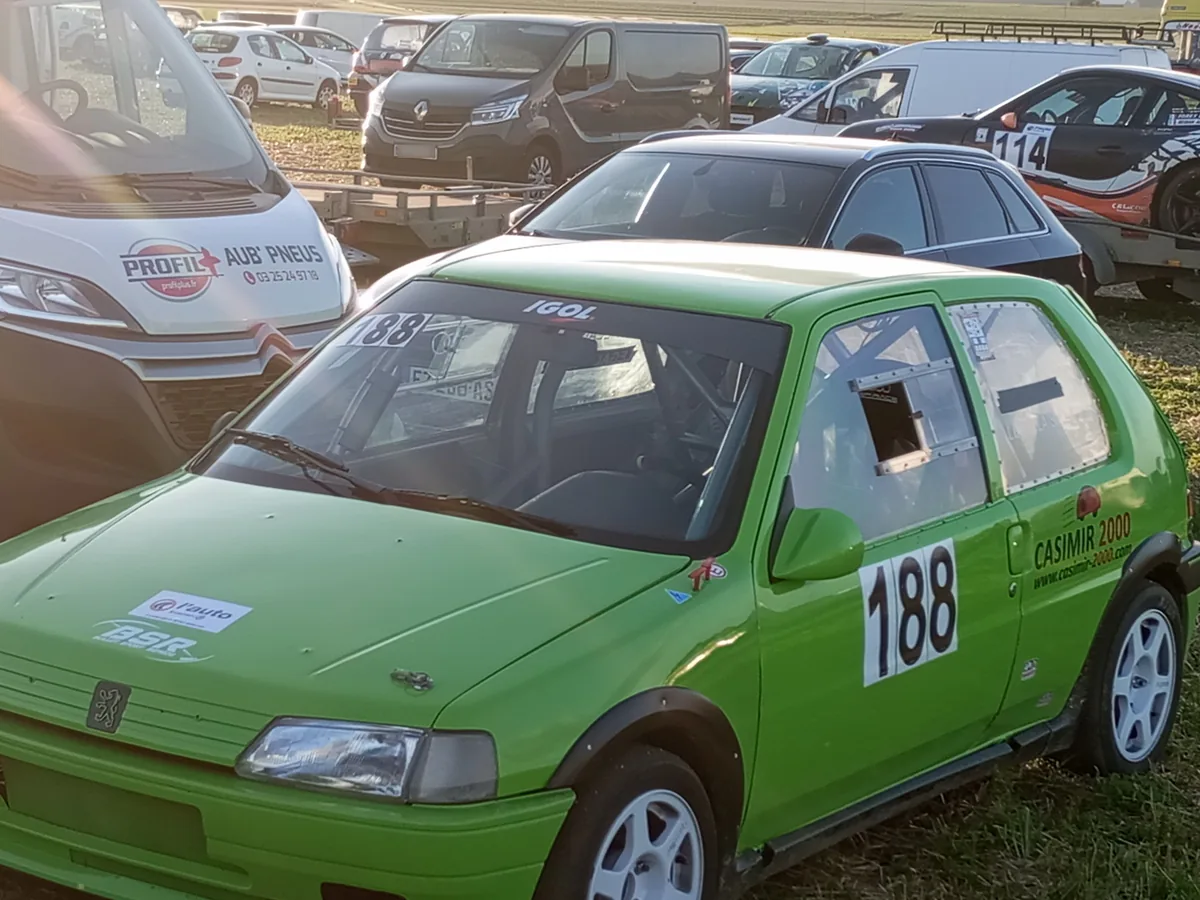
106
107
108
190

2008
201

202
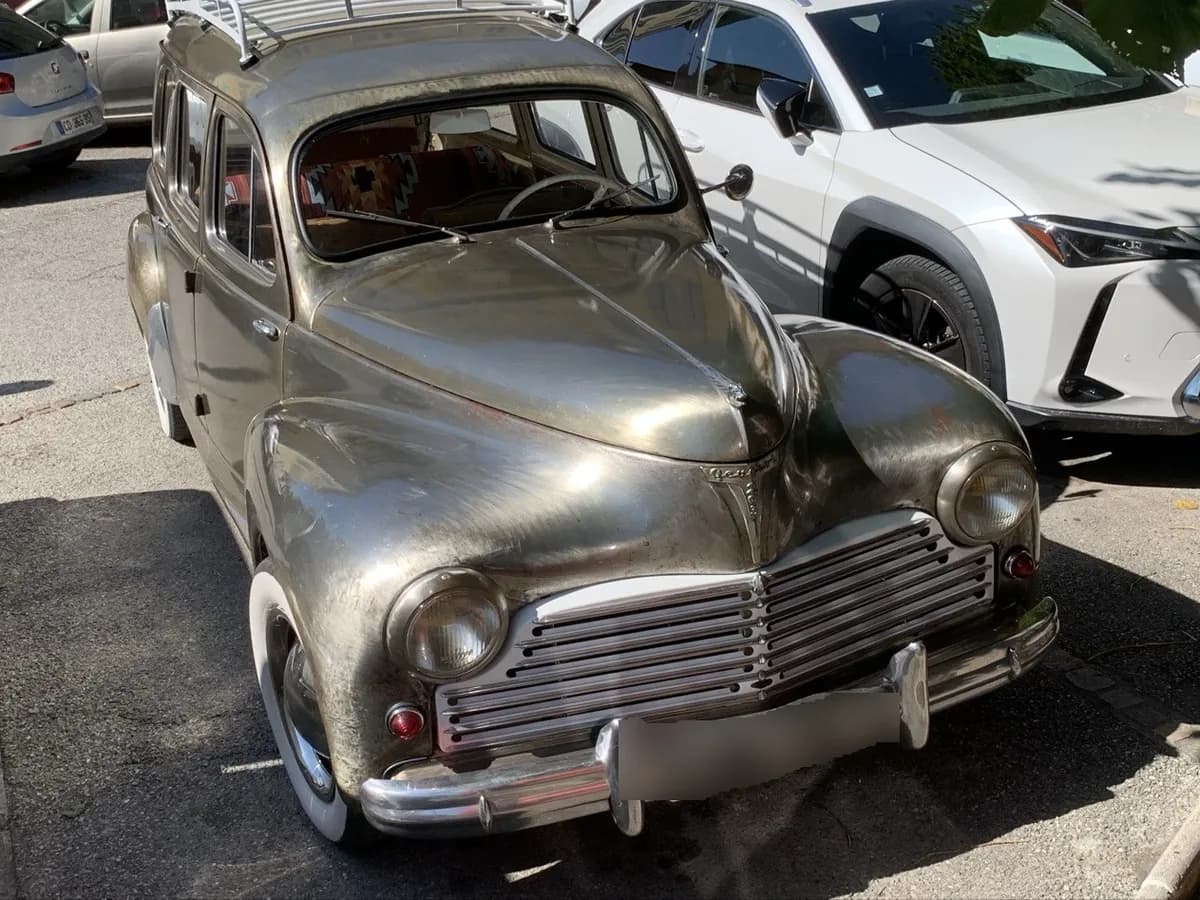
203
204
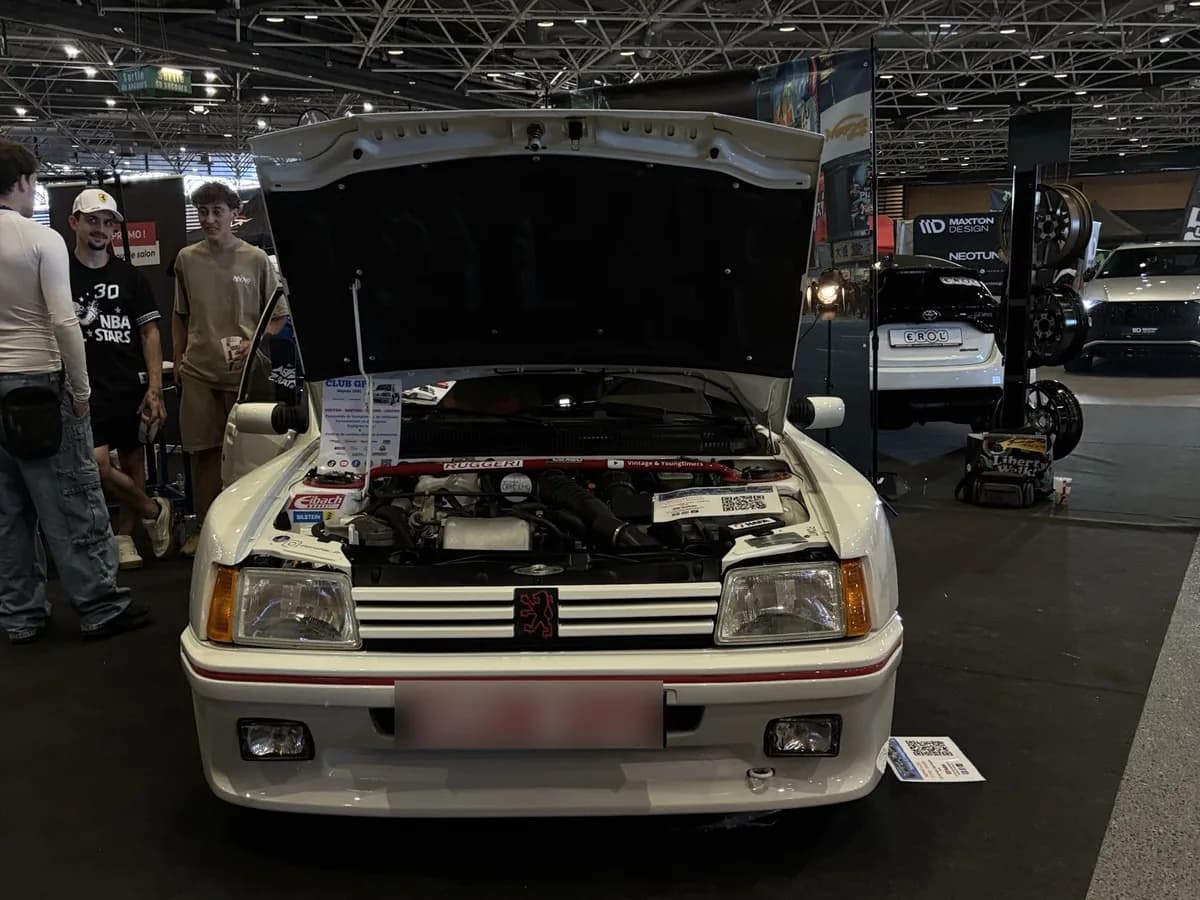
205

206
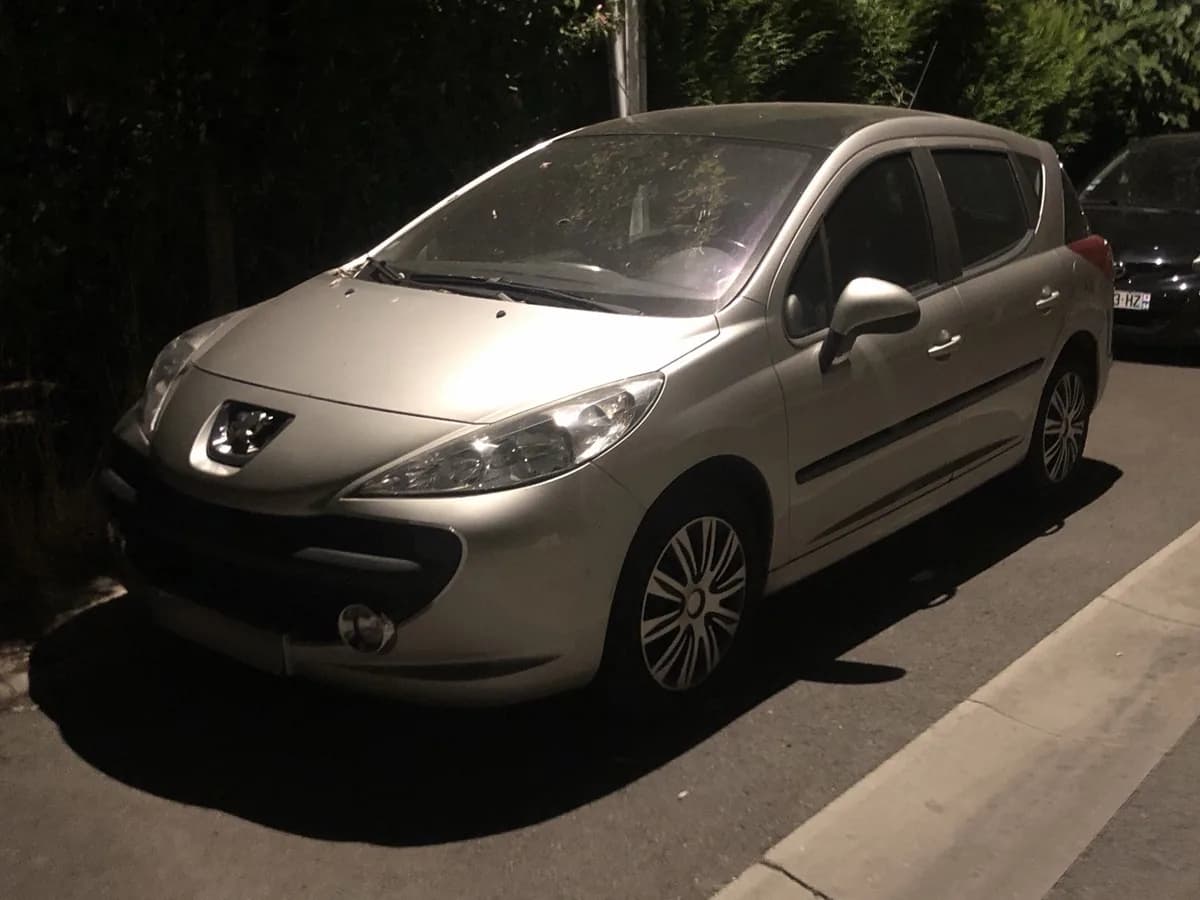
207

208
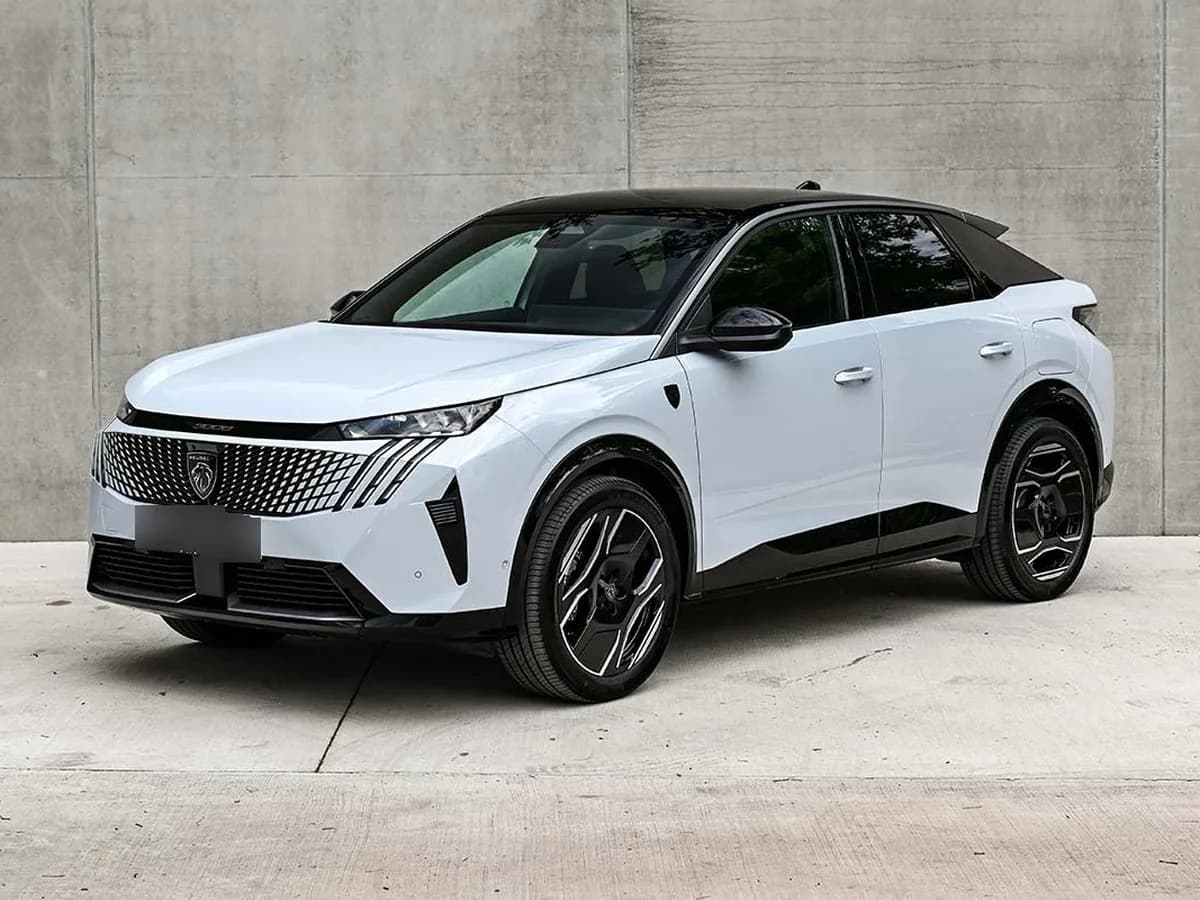
3008

301

302
304

305
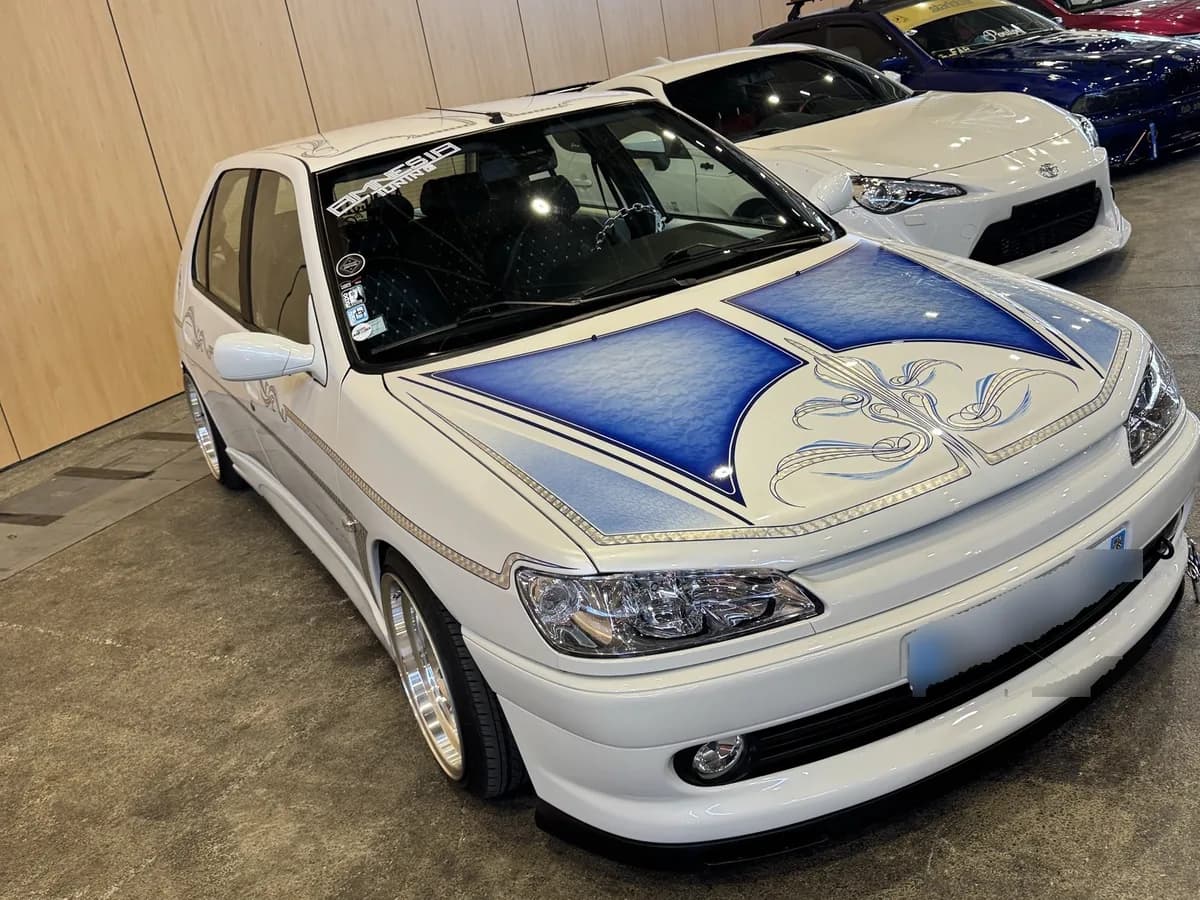
306
306 SW
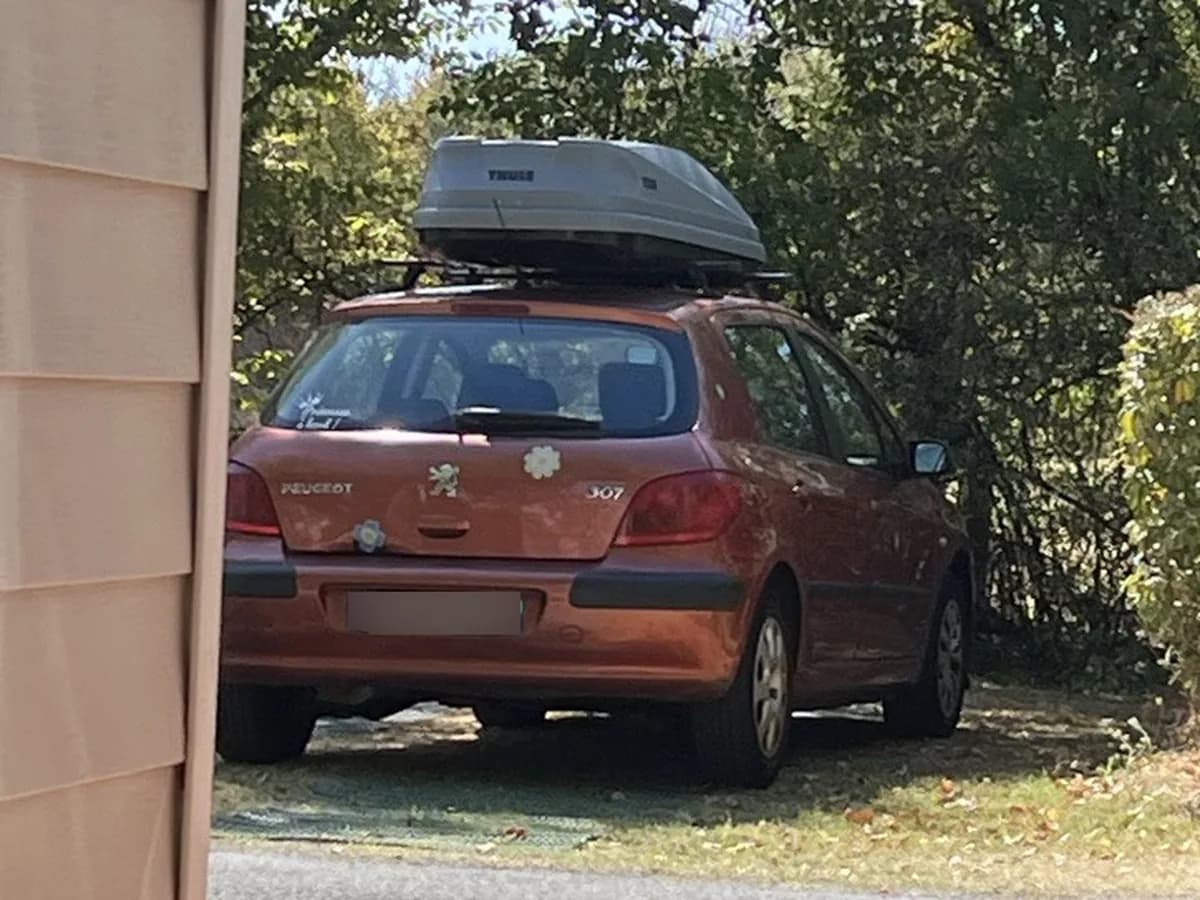
307
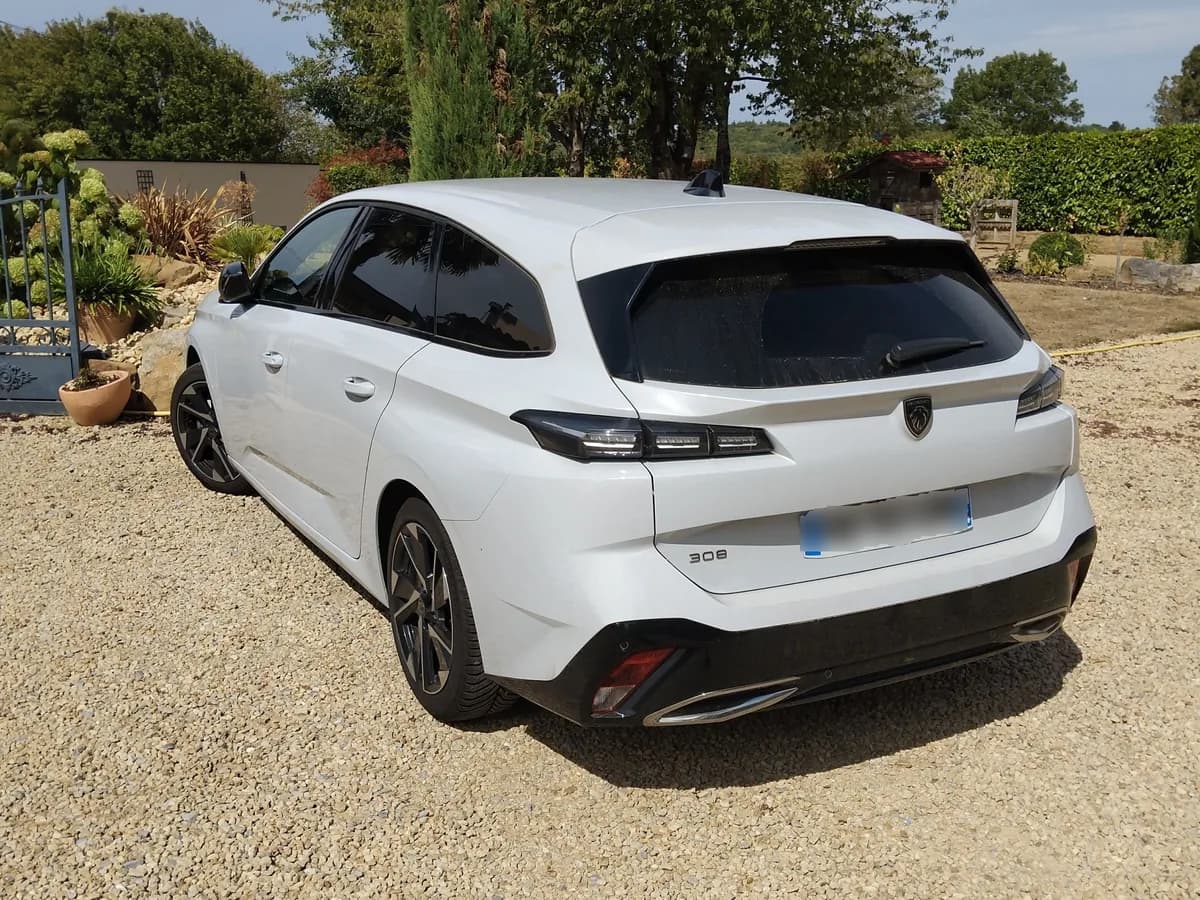
308
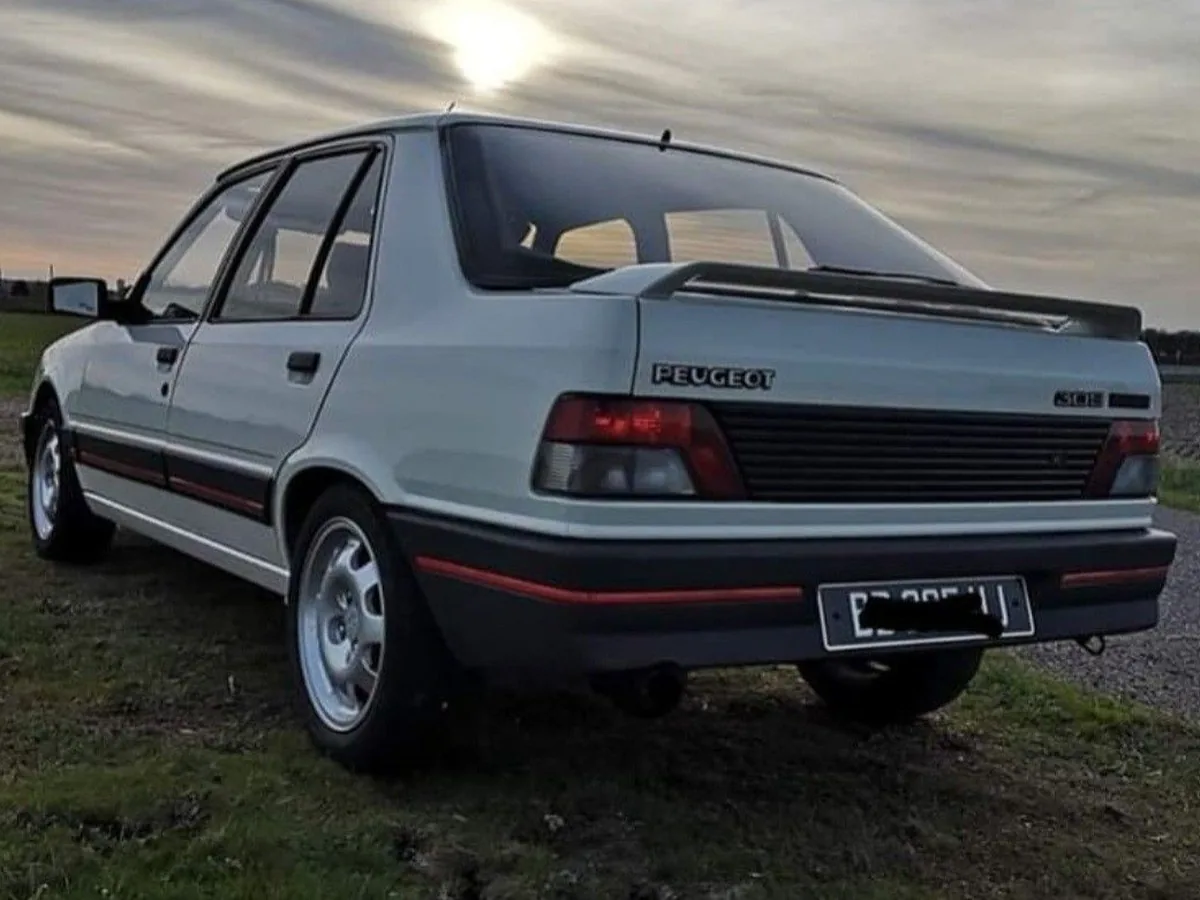
309
4007
4008
401
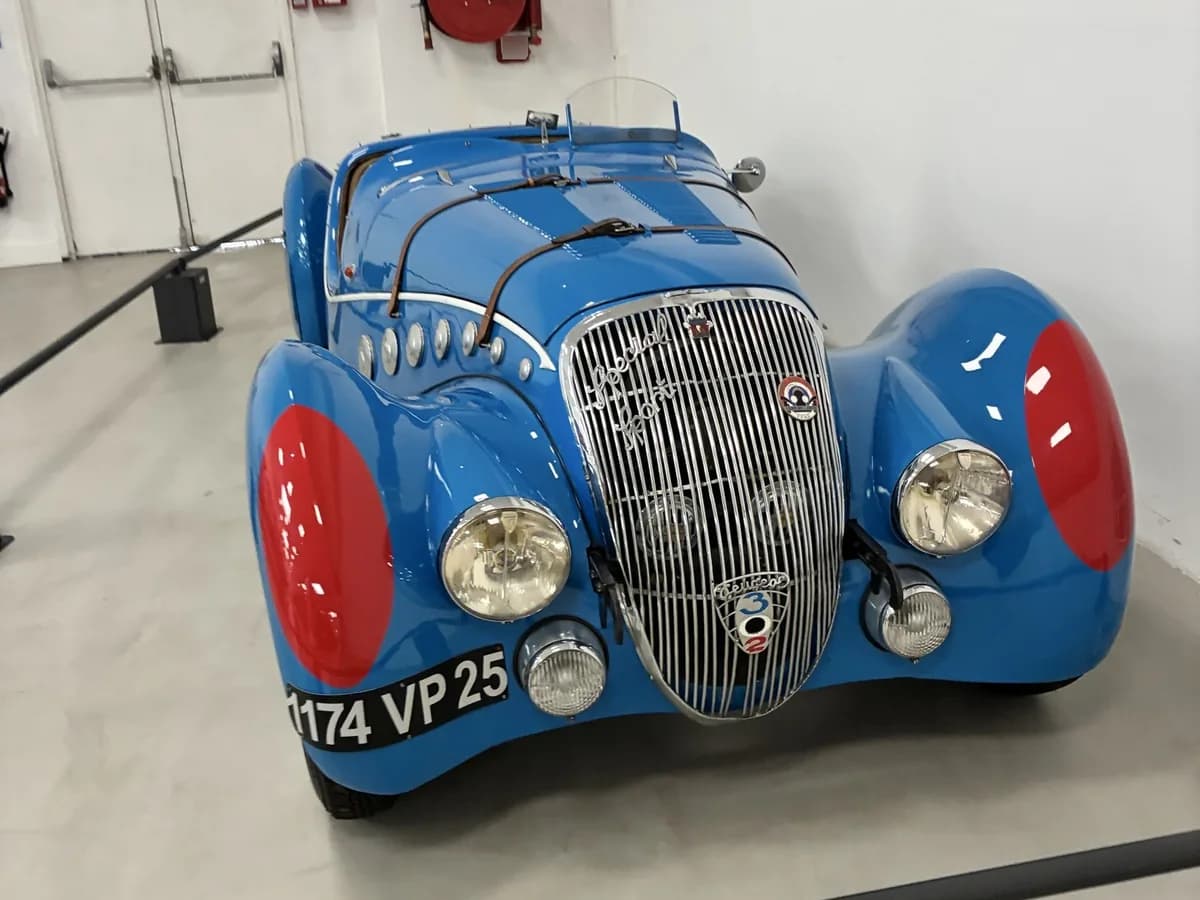
402
403
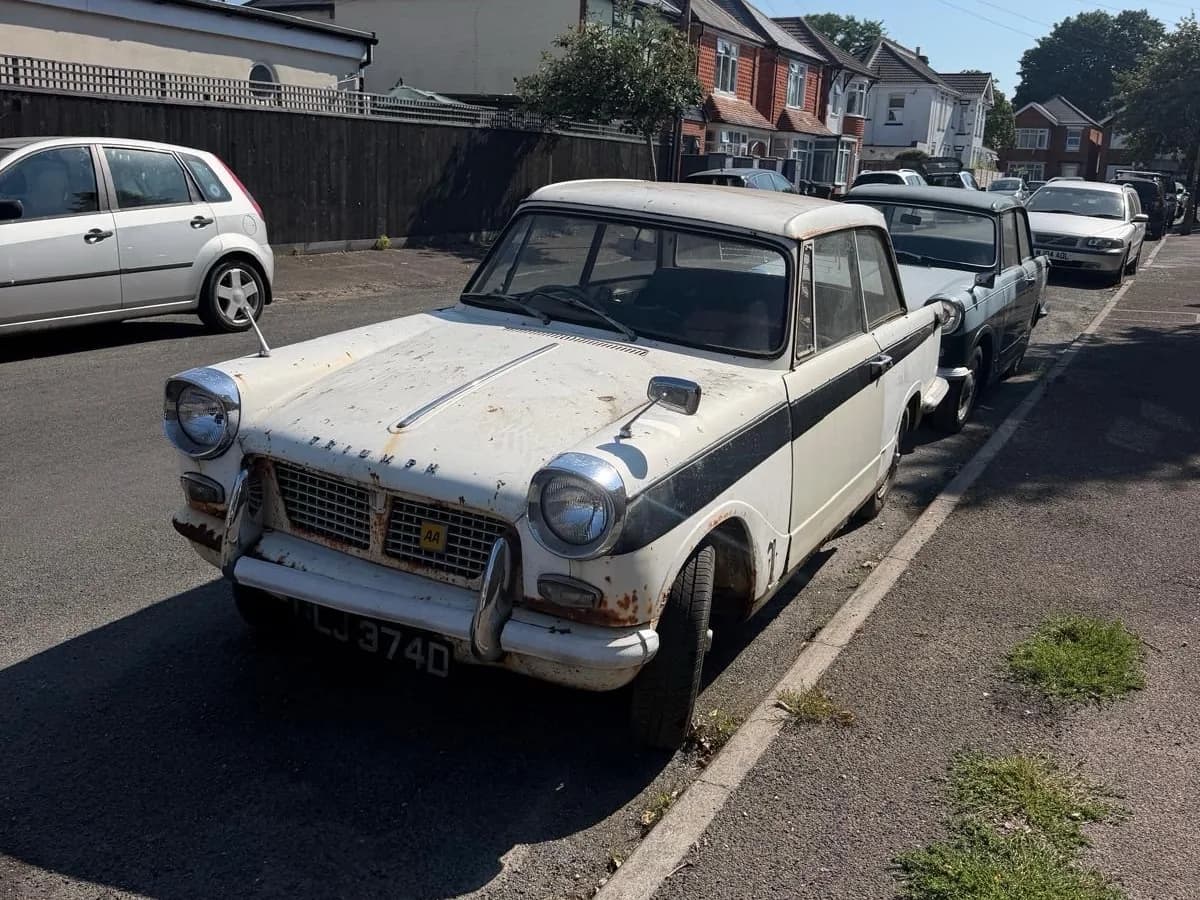
404
405
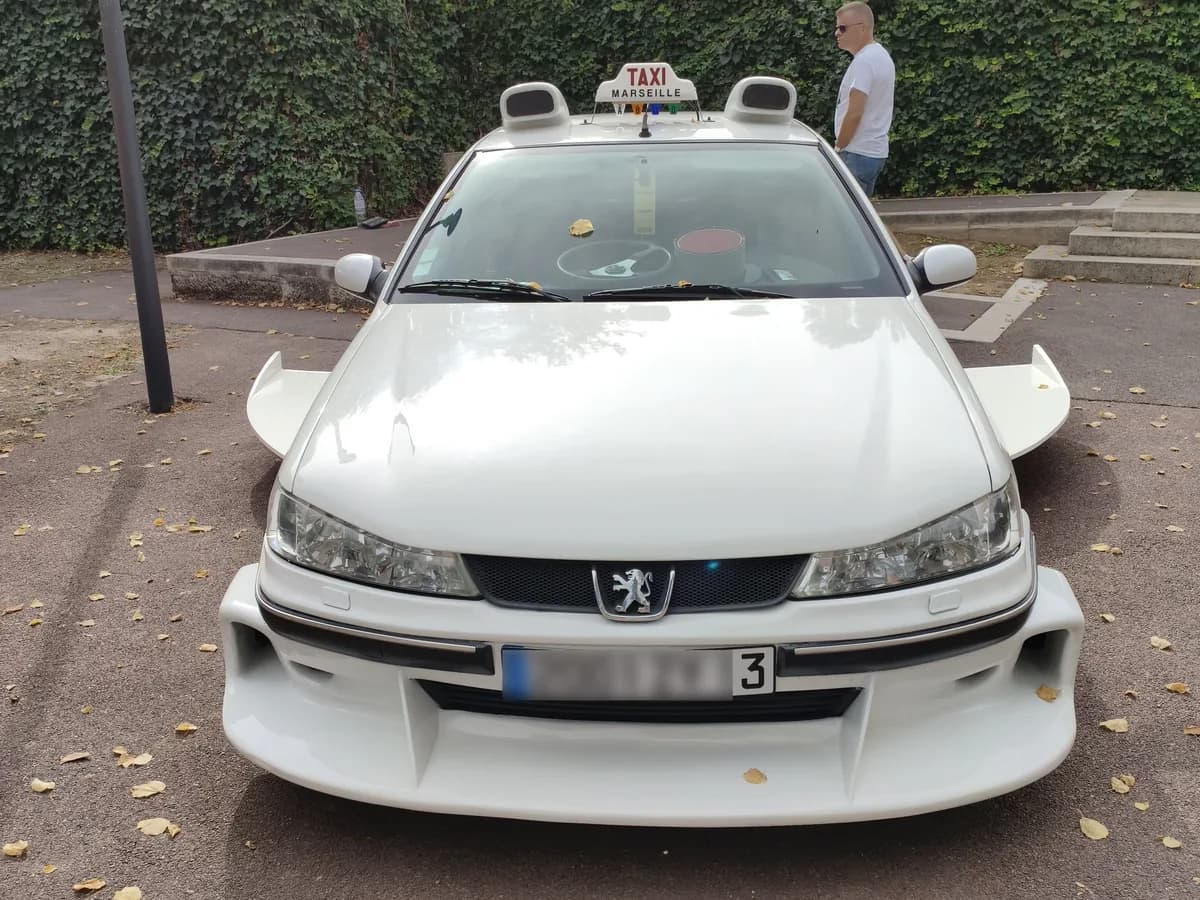
406
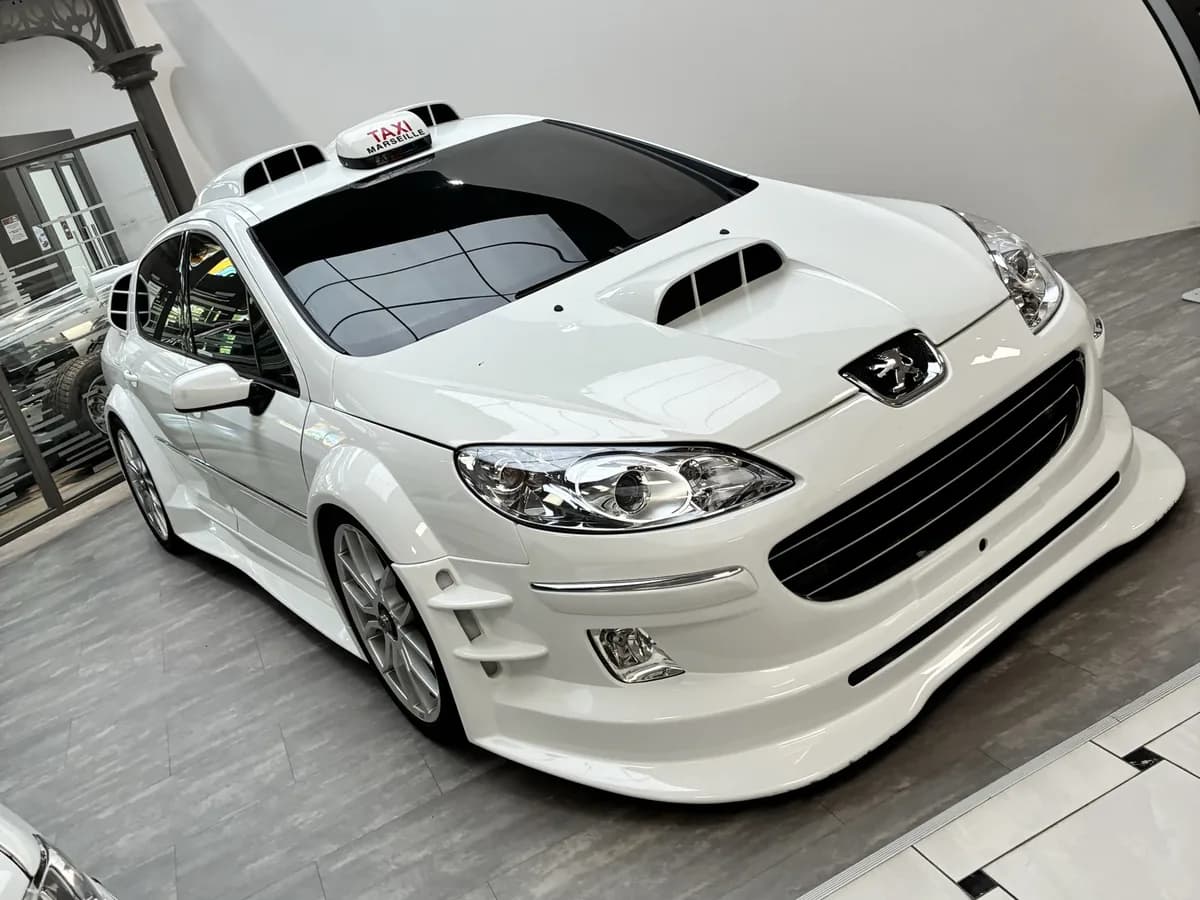
407
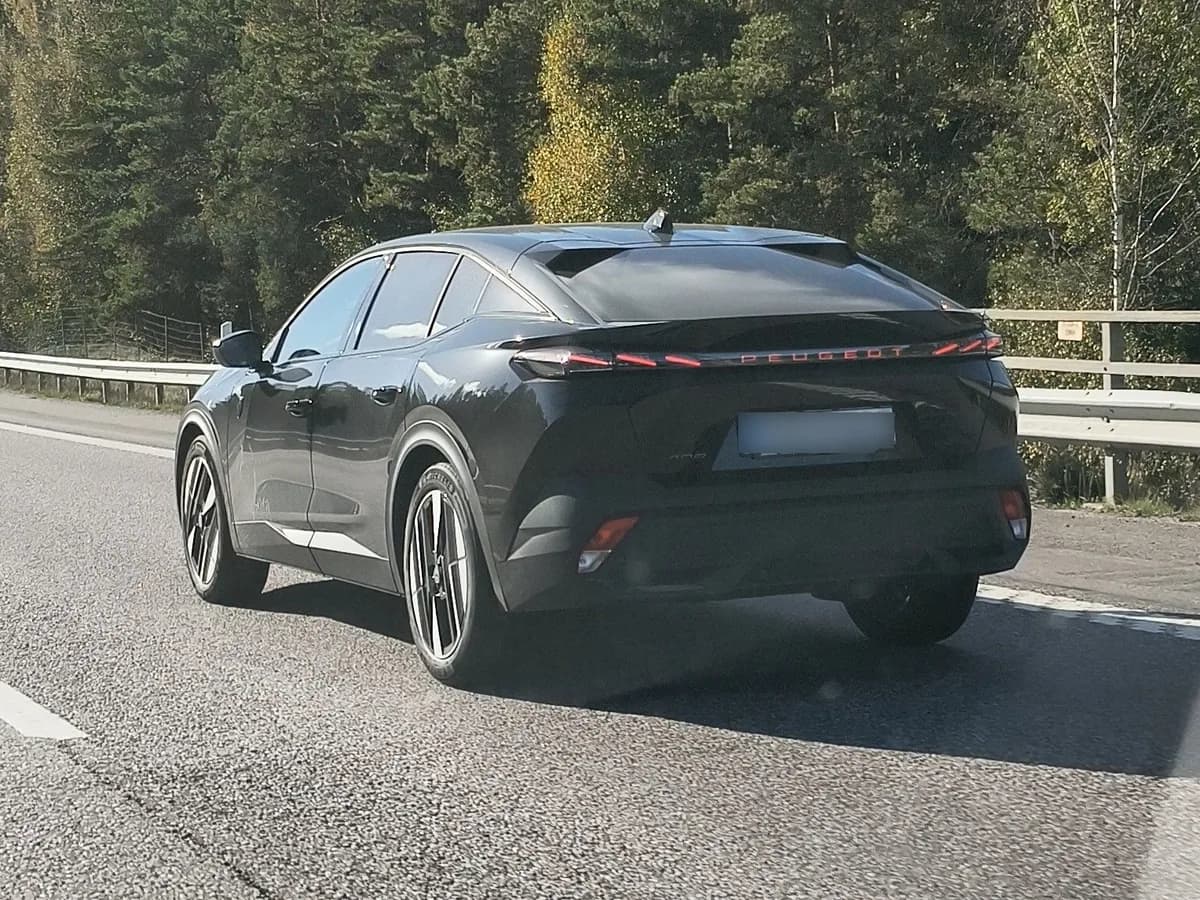
408
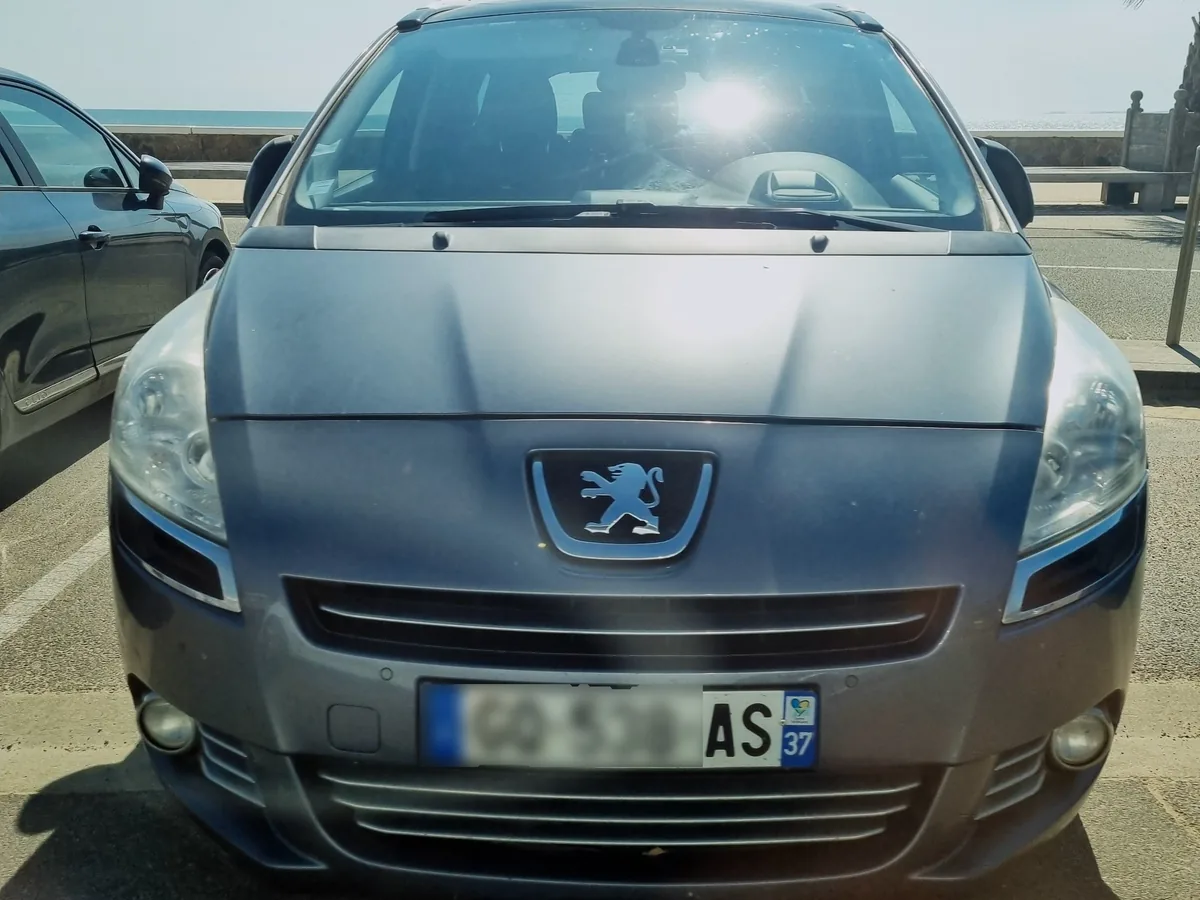
5008
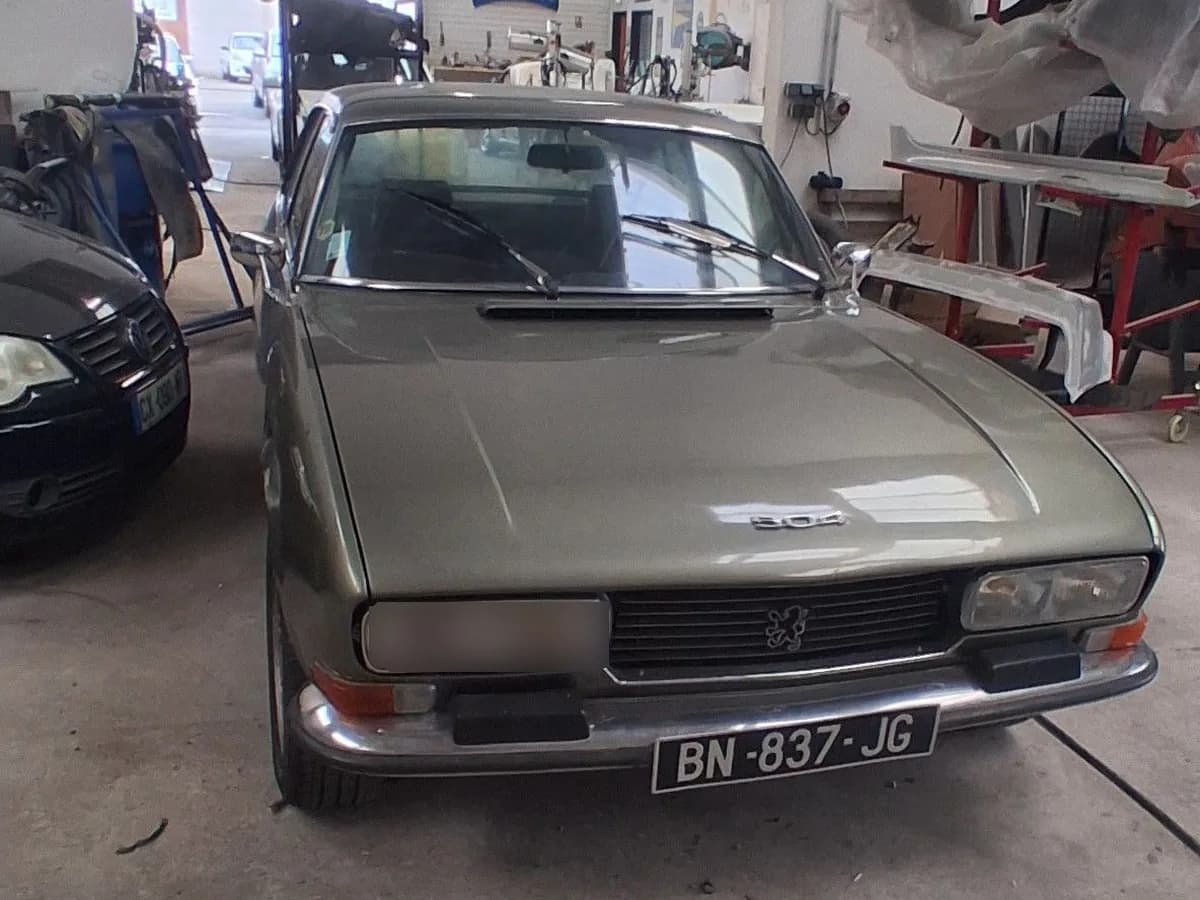
504
505
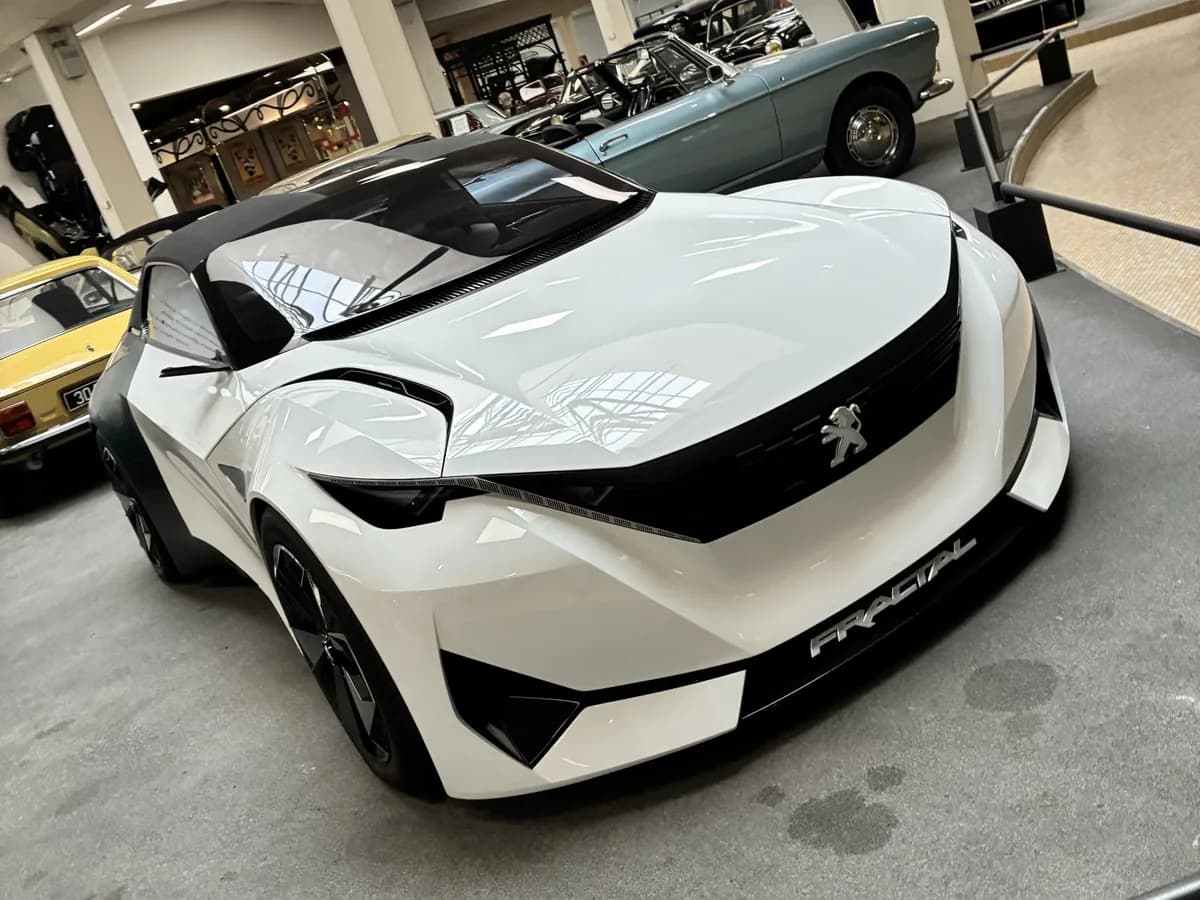
508
601
604
605
607

806

807

907
Bipper
Hoggar
iOn
Landtrek
P4
Pars
Partner
Pick Up
Ranch

RCZ
Rifter
Speedfight
Type 172
Type 177
Peugeot overview
Peugeot history
Peugeot’s industrial story began in 1810, when Jean-Frédéric and Jean-Pierre II Peugeot converted the family water mill at Hérimoncourt in eastern France into a steelworks. During the nineteenth century, the business diversified into tools, springs, coffee mills and bicycles. The lion became an established company emblem before the move into cars. In 1889, Armand Peugeot presented a three-wheeled steam vehicle developed with engineer Léon Serpollet. From 1890 onward, Peugeot adopted petrol power and built cars using Daimler engines supplied through Panhard and Levassor. During the twentieth century, the company organised much of its range around numerical series. The 201, introduced in the late 1920s, helped establish that naming pattern. After the Second World War, the 203 and 403 supported the return to mass production and broadened Peugeot’s customer base. The 404 and 504 strengthened the brand’s reputation for capable, comfortable road cars. In 1969, the 504 became the first Peugeot to win European Car of the Year. During the 1980s, the 205 transformed Peugeot’s compact-car offering and gained international attention through the Turbo 16 rally programme. The 405, 206, 307, 308 and 3008 later extended that product strategy across different market segments, while Peugeot gradually added electrified models to its range.
Peugeot positioning
Peugeot has historically operated as a broad mainstream manufacturer, covering a substantial part of the market rather than concentrating on one vehicle type. Its line-ups have included city cars, compact hatchbacks, family saloons, larger touring cars, estates, coupés, convertibles and commercial vehicles. That range is visible in the contrast between an everyday-focused 204 or 206 and a larger 504 or 508 designed with greater emphasis on comfort and long-distance travel. The brand has also repeatedly combined road manners, recognisable styling and technology suited to its period. The 504 reinforced Peugeot’s reputation for durability and comfort, while the 205 showed that a small Peugeot could also become a performance icon through the GTI and Turbo 16. It is therefore more accurate to describe Peugeot as adaptable than to assign it a single permanent character. Depending on the generation, market and body style, a Peugeot may prioritise practical simplicity, family versatility, driving involvement or newer forms of onboard technology.
Recognizing a Peugeot in a photo
When identifying a Peugeot, first look for the lion emblem on the grille, steering wheel or tailgate, then use the three-digit name when it is visible. On classic cars, the badge alone is not enough because several generations share similar numerical conventions. A 403 usually has a restrained three-box shape and prominent brightwork, while the 404 has a more angular profile and a larger glasshouse. The 504 is easier to recognise through its trapezoidal headlamps, sloping bonnet and substantial touring-saloon proportions. For newer cars, compare the headlamp design, rear-light shape, window outline and overall ride height. The 205 is a compact hatchback with relatively simple, upright volumes; the 206 introduces noticeably rounder forms. The 207, 307 and 508 are separated mainly by size, production era and body style. Badges such as GTI, Rallye, GT or Hybrid can help identify a specific derivative, but they should be treated as secondary clues. Trim names and equipment also varied by country, so market-specific details should not be used as universal identifiers.
Important Peugeot models
The Peugeot models represented include several milestones in the brand’s development. The 201 and 204 show how Peugeot approached compact, accessible cars in different periods. The 403 and 404 are central to the story of post-war French family saloons, combining practical proportions with a reputation for durability. The 504 is especially significant: introduced in 1968, it became the first Peugeot to win European Car of the Year in 1969 and went on to enjoy a long international career. The 205 is another defining model, both as a popular small car and as the road-going basis for the Turbo 16 competition programme. The 206 and 207 continued that compact-car tradition, while the 307 offered a more family-oriented and versatile interpretation. The 508 belongs to a newer generation of saloons and estates, with greater emphasis on comfort, technology and, depending on the version, electrification. These vehicles do not represent every Peugeot design, but together they show how the brand changed its approach to size, practicality, performance and market positioning over time.
Peugeot model names follow a precise logic — with a few exceptions. Decode a Peugeot name
References
- Evolution of the PEUGEOT logo and brand historyPEUGEOT
- The new 308 to mark the Peugeot brand’s 211th anniversary and 130 years of delivering automotive excellenceStellantis Media
- They have marked their era and the history of the car: from the 504 to the new 208, the six PEUGEOT Car Of The Year winnersStellantis Media
- The Peugeot 205 is turning 40: an alluring and sacred numberStellantis Media
- Excellence and enjoyment: the watchwords for Peugeot productsStellantis Media
- https://ksa.peugeot.com/ar/peugeot-universe/about-us/history.htmlksa.peugeot.com
- https://boutique.peugeot.com/model-cars/historic-cars.htmlboutique.peugeot.com