
208
Launched in 2012 as the successor to the 207, the Peugeot 208 is a versatile supermini that introduced a new design and driving philosophy for the French brand. Its first generation brought the Peugeot i-Cockpit to production, combining a compact steering wheel, raised instruments and a central touchscreen. In 2019, a second generation appeared with a more expressive body, newer vehicle architecture and, for the first time, a fully electric version known as the e-208. The model received another significant update in 2023, adding a revised light signature, upgraded digital equipment and 48-volt hybrid powertrains. The 2012–2023 period therefore covers two clearly distinct generations, along with important styling, technology and powertrain changes that help identify individual cars more accurately.
What about the car you photographed?
Upload a photo to get a suggested make, model and likely year.
No account needed for the result · Publish only if you choose
Variants by year
Make: Peugeot · Model: 208
4 / 4 versions shown
2023

2019

2015
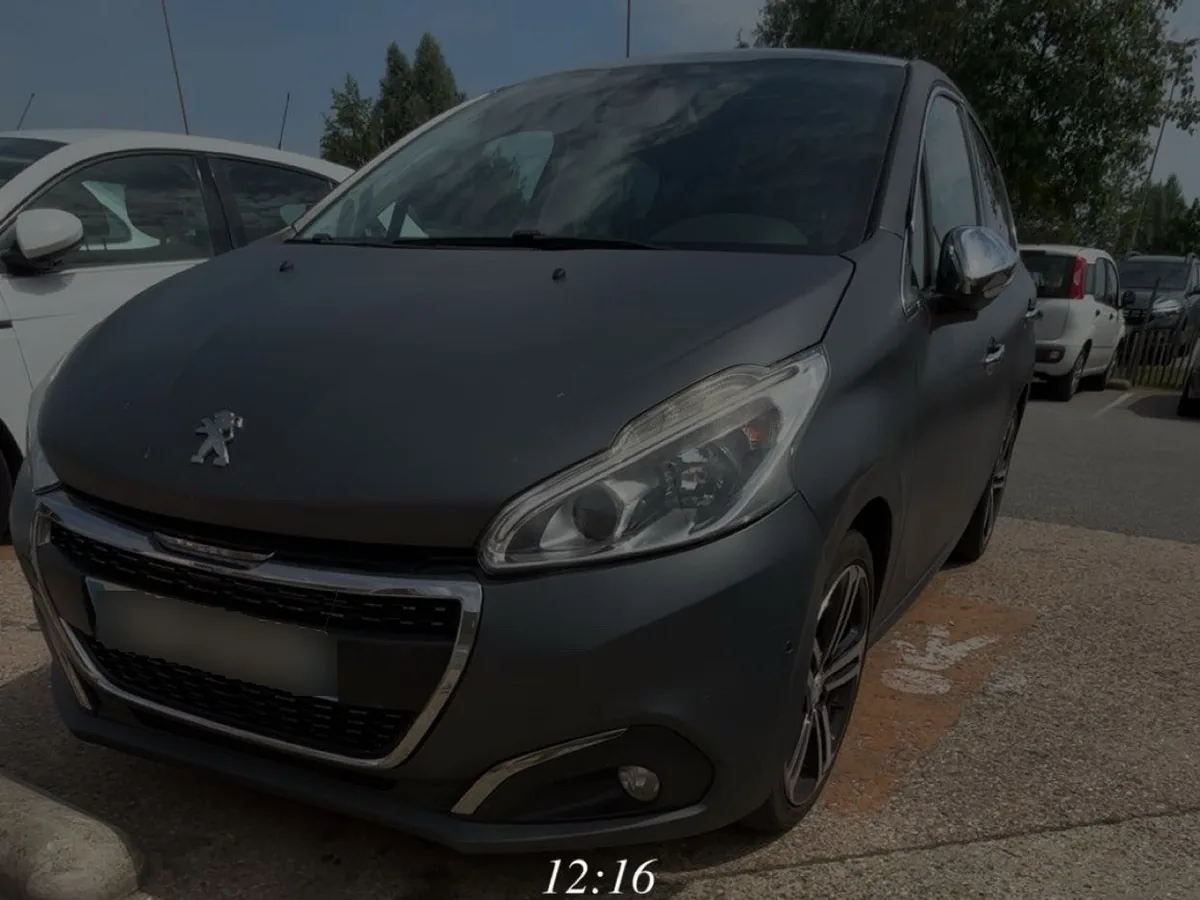
2012
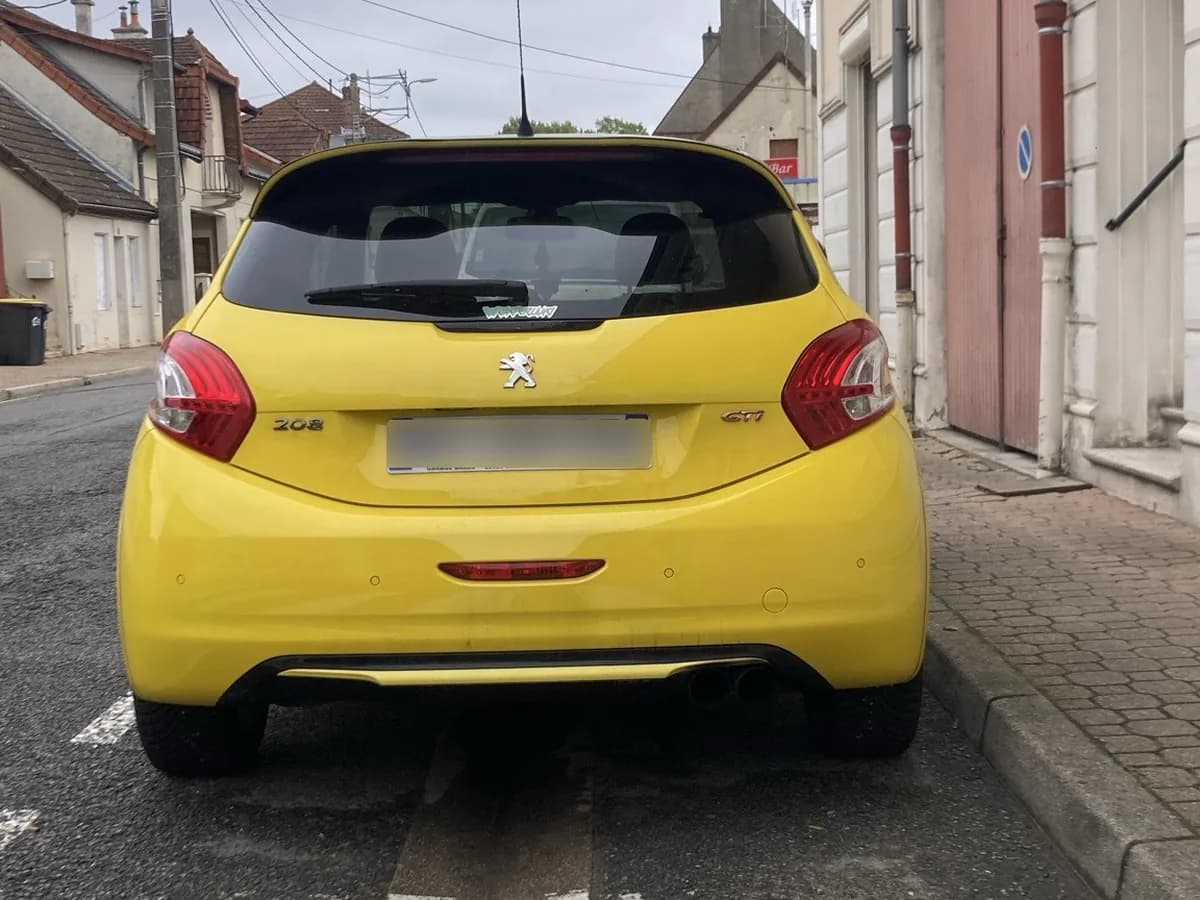
Peugeot 208 photos
Model summary
Data from the ScanRacer library, organized to compare versions quickly.
Model introduction
Launched in 2012 as the successor to the 207, the Peugeot 208 is a versatile supermini that introduced a new design and driving philosophy for the French brand. Its first generation brought the Peugeot i-Cockpit to production, combining a compact steering wheel, raised instruments and a central touchscreen. In 2019, a second generation appeared with a more expressive body, newer vehicle architecture and, for the first time, a fully electric version known as the e-208. The model received another significant update in 2023, adding a revised light signature, upgraded digital equipment and 48-volt hybrid powertrains. The 2012–2023 period therefore covers two clearly distinct generations, along with important styling, technology and powertrain changes that help identify individual cars more accurately.
History
The Peugeot 208 was introduced in 2012 as a supermini replacement for the 207. From the beginning, it combined a visually compact body with a redesigned cabin and a stronger emphasis on perceived lightness and driver involvement. The car was the first production Peugeot to introduce the i-Cockpit concept, pairing a small steering wheel with instruments positioned above it and a central touchscreen. This layout became one of the most recognizable features of modern Peugeot interiors. The first generation was offered with three-door and five-door bodies, depending on the market and model year. A mid-cycle update brought changes to the front-end styling, equipment and rear lighting, including three-dimensional claw-effect lamps on selected versions. The performance-oriented GTi variants also gave the first-generation 208 a more sporting identity. A second generation was unveiled in 2019 and brought a major technical change. It moved to the CMP platform and was designed from the outset to accommodate petrol, diesel and electric powertrains. The e-208 was introduced alongside the conventionally powered versions. In 2023, Peugeot revised the exterior, digital equipment and powertrain range, adding 48-volt hybrid options. These changes extended the second generation rather than creating a third one.
Generations
The first generation, commonly associated with Peugeot’s A9 internal designation, appeared from 2012 onward. It features relatively rounded bodywork, a horizontal grille and the original interpretation of the Peugeot i-Cockpit. Early cars were available with three-door and five-door bodies in some markets, while later examples of this generation were more commonly sold as five-door hatchbacks. The mid-life facelift introduced a more assertive front end, claw-effect rear lamps and revisions to the engine and equipment line-up. The second generation, identified by the P21 designation, arrived in 2019. Its styling is sharper and more technical, with prominent front lighting, a wider grille and a three-claw light signature. Inside, the i-Cockpit became more digital, with a three-dimensional instrument display available on certain trims. This generation is also the one associated with the e-208, which was developed alongside the petrol and diesel versions on the same broad vehicle architecture. The 2023 update remains part of the P21 generation. Its changes focus on the bumpers, lighting signatures, infotainment, equipment and powertrain selection. A revised appearance or a new engine option should therefore not automatically be treated as a new generation. For identification purposes, the most reliable distinction is between the 2012–2019 first-generation body and the more angular 2019-onward design.
Key differences
The clearest distinction is between the first-generation 208 and the model introduced in 2019. The earlier car has softer body lines, slimmer-looking headlamps and a cabin with analogue or partly digital instruments depending on specification. The later car has a more upright front end, a larger grille, claw-shaped lighting and a more sculpted interior. Its i-Cockpit can include a 3D digital instrument display. The powertrain is another important identifier. The e-208 belongs to the second generation and is not simply an equipment trim. On 2023 cars, the revised light signature, a 10-inch central touchscreen on applicable equipment levels and the introduction of 48-volt hybrid powertrains indicate the later phase of the P21 generation. Because trim names and standard equipment can differ between countries, the model year, body style and vehicle identification details should be checked before assigning a precise version.
Photo recognition
To identify a 2012–2015 Peugeot 208, look for the compact first-generation body, horizontal grille and simpler rear lamp design. Early three-door cars have a distinctive rear side-window shape and are easy to separate from five-door versions. Facelifted examples use more pronounced three-dimensional rear lamps, while the front bumper and grille give the car a wider and more developed appearance. A second-generation 208 from 2019 onward has sharper bodywork, heavily sculpted headlamps and a three-claw front light signature. The cabin is recognizable by the compact steering wheel and raised instrument layout, with a digital display fitted to some specifications. The e-208 is mainly identified through its badges, lack of an exhaust outlet and electric-specific information shown in the instrument cluster and central screen. For 2023 cars, check the updated light signature and redesigned bumper details. Equipment can vary considerably by market and trim, so the production date and VIN are more dependable than a visual comparison based on wheels or optional technology alone.
Important versions
The key versions for understanding the Peugeot 208 include the early three-door body, the more practical five-door hatchback, the first-generation GTi performance models and the e-208 introduced with the second generation. The GTi added a distinctly sporting focus and dedicated styling details, while the e-208 marked the arrival of a fully electric powertrain within the 208 range. The second generation also used trim names such as Active, Allure and GT, although equipment and presentation varied by market. In 2023, 48-volt hybrid versions joined the petrol and electric choices. Catalogue labels such as “Base” and “Hatch” can help organize model entries, but they should not be treated as substitutes for the official trim level, engine, body style or production code. Those details are needed to define an individual car accurately.
The name “208” follows Peugeot naming, with its rules and its exceptions. Decode a Peugeot name
References
- PEUGEOT updates 208 and e-208 with a new design, powertrains and technologiesPeugeot / Stellantis Media
- Peugeot 208: 2012 Euro NCAP assessmentEuro NCAP
- Peugeot 208: 2019 Euro NCAP assessmentEuro NCAP
- Used Peugeot 208 Mk1 reviewAuto Express
- Peugeot 208: essais, fiabilité, avis, photos, prixCaradisiac
- https://www.autocar.co.uk/car-review/peugeot/208-2012-2019/reliabilityautocar.co.uk
- https://www.autobild.de/artikel/peugeot-207-208-im-tuev-check-2026--28327317.htmlautobild.de
Frequently asked questions
- What years was the Peugeot 208 produced?
- ScanRacer's referenced versions cover 2012 - 2023.
- How many Peugeot 208 examples are documented on ScanRacer?
- 16 published scans from 16 members, with the latest photo added in October 2026.
What about the car you photographed?
Upload a photo to get a suggested make, model and likely year.
No account needed for the result · Publish only if you choose