
5008
Launched in 2009, the Peugeot 5008 changed category during its career. The first generation was a family-oriented compact MPV, built around interior flexibility and available with seating for up to seven occupants. Revealed in 2016 and brought to market from 2017, the second generation adopted an SUV body while retaining a family-focused layout and three rows of seats. In 2024, Peugeot introduced a third generation, also offered as the electric E-5008, using Stellantis’ STLA Medium platform. The ScanRacer records covered here include MPV entries from 2009 to 2013, SUV entries from 2016 to 2020, and a Base entry for 2024. These labels are useful cataloguing terms for the recorded vehicles; they should not automatically be read as the official trim names used in every market.
What about the car you photographed?
Upload a photo to get a suggested make, model and likely year.
No account needed for the result · Publish only if you choose
Variants by year
Make: Peugeot · Model: 5008
5 / 5 versions shown
2024

2020
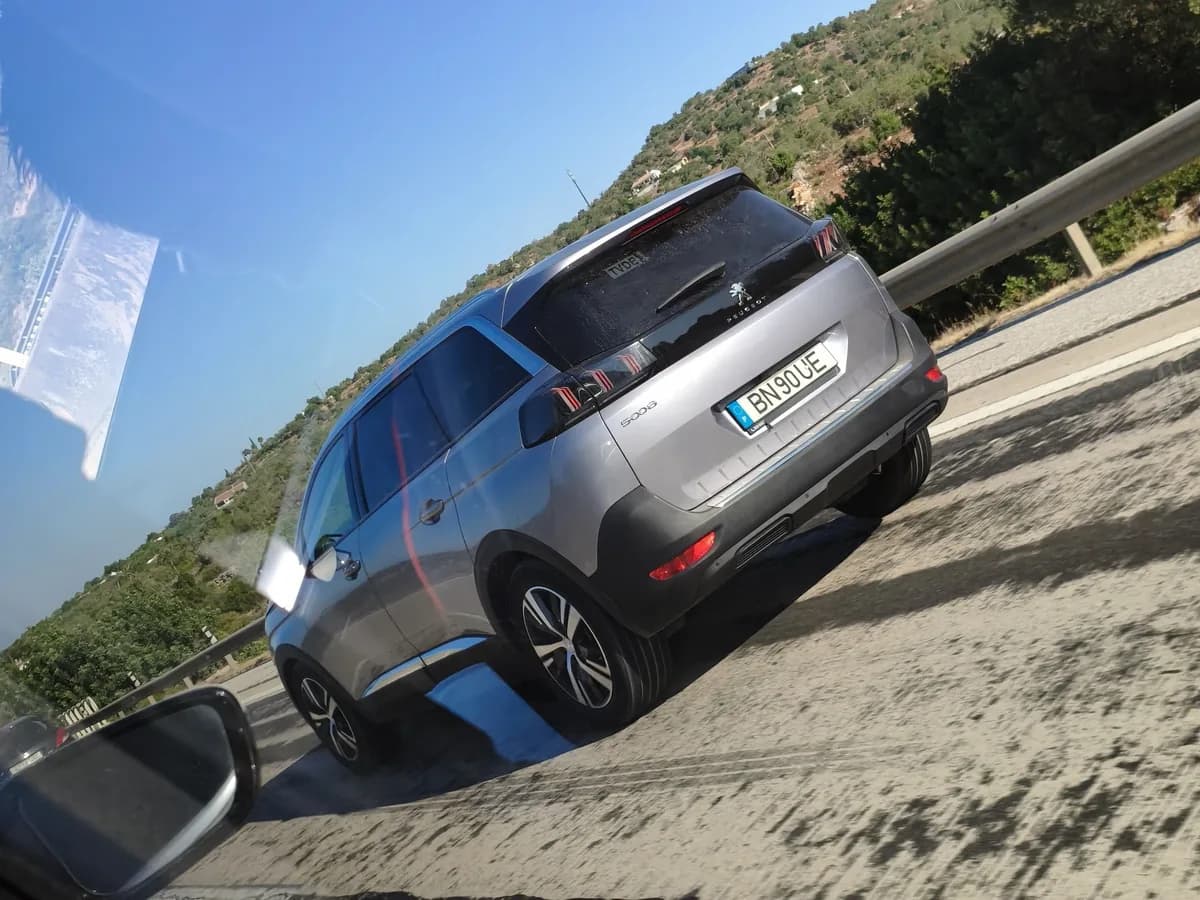
2016
2013
2009
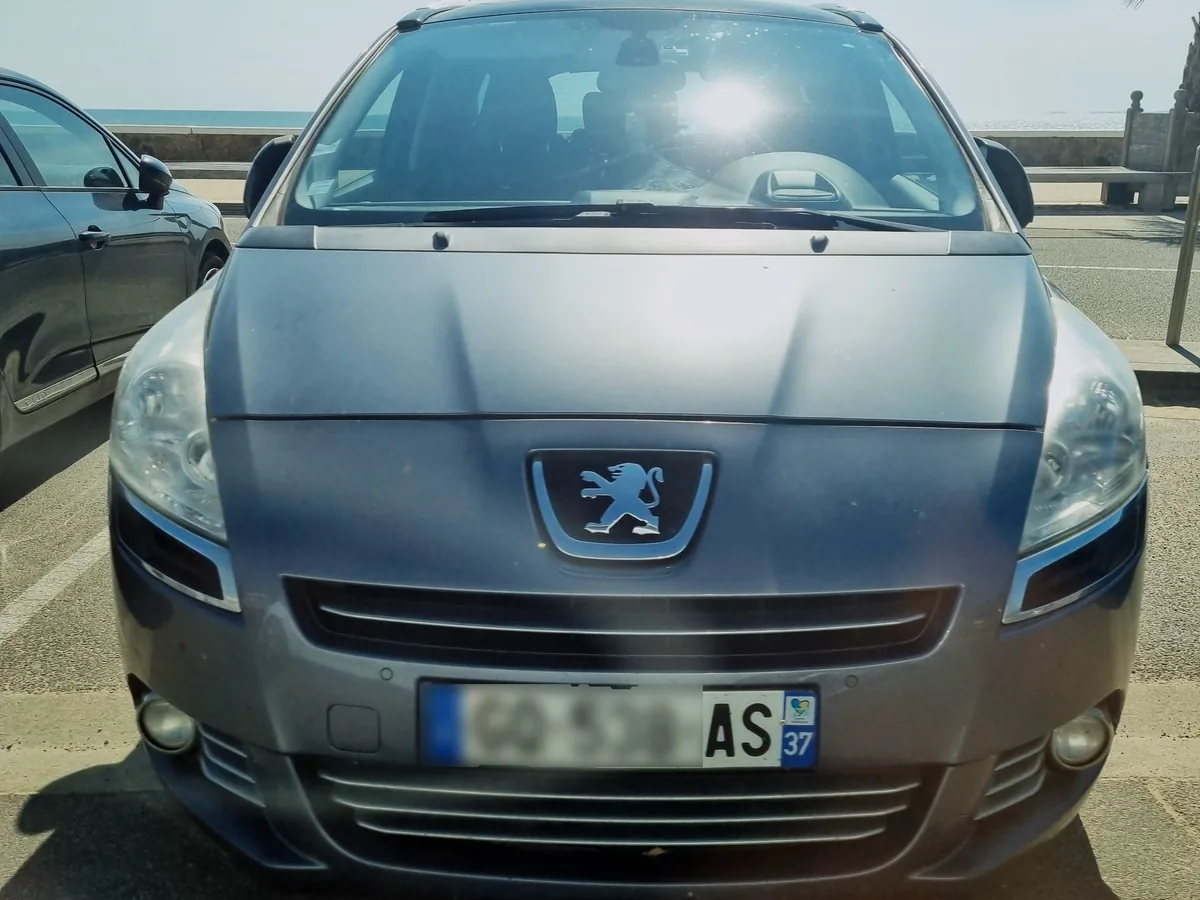
Peugeot 5008 photos
Model summary
Data from the ScanRacer library, organized to compare versions quickly.
Model introduction
Launched in 2009, the Peugeot 5008 changed category during its career. The first generation was a family-oriented compact MPV, built around interior flexibility and available with seating for up to seven occupants. Revealed in 2016 and brought to market from 2017, the second generation adopted an SUV body while retaining a family-focused layout and three rows of seats. In 2024, Peugeot introduced a third generation, also offered as the electric E-5008, using Stellantis’ STLA Medium platform. The ScanRacer records covered here include MPV entries from 2009 to 2013, SUV entries from 2016 to 2020, and a Base entry for 2024. These labels are useful cataloguing terms for the recorded vehicles; they should not automatically be read as the official trim names used in every market.
History
The 5008 arrived in Peugeot’s range in October 2009, at a time when the brand did not yet have a compact MPV using that name. Its first form was unmistakably family-oriented, with a tall body, a flexible cabin and an emphasis on usable interior space. It occupied a different position from the 307 SW and 308 SW estates, presenting itself more directly as an alternative to contemporary people-carriers. The major change came in 2016. Peugeot unveiled a new 5008 as a large C-segment SUV, with seven seats and a level of flexibility intended to rival established family carriers. Sales began in spring 2017. The transformation reflected the rapid shift in the European market, where SUVs were increasingly replacing MPVs in customer demand. Despite the new exterior identity, the second-generation 5008 retained a strong practical focus, using a longer body than the 3008 to provide additional cabin and luggage flexibility. A third chapter began in 2024 with a 5008 based on Stellantis’ STLA Medium platform. Peugeot introduced electrified powertrains, including the fully electric E-5008, while continuing to position the model as a seven-seat family vehicle. The name therefore refers to three distinct design phases rather than one unchanged body style.
Generations
The first generation, commonly associated with Peugeot’s T87 internal designation, is the MPV launched in 2009. It has the visual language of a compact people-carrier: a relatively tall roof, extensive glazing and a body designed around easy access and cabin flexibility. Period material describes five- and seven-seat configurations depending on specification and market. In the ScanRacer context, the MPV entry covers 2009 to 2013. The second generation was unveiled in September 2016 and went on sale from 2017, transforming the 5008 into an SUV. It shared its technical basis with the contemporary 3008 but used a longer wheelbase and a larger body to accommodate three seating rows. Its cabin also introduced Peugeot’s i-Cockpit approach. The ScanRacer SUV entry covers 2016 to 2020; that range should not be treated as the complete worldwide sales period for the generation. The third generation arrived in 2024. It retained the role of a large family SUV, moved onto Stellantis’ STLA Medium platform and was offered in forms including the fully electric E-5008. The 2024 Base entry follows the ScanRacer classification supplied here and should not be assumed to represent a universal official trim name.
Key differences
The clearest distinction is between the MPV 5008 and the later SUV generations. The 2009 model has a people-carrier profile, with a forward-set windscreen, tall roof, generous glazing and visual emphasis on cabin volume. The second-generation 5008 SUV instead uses a more pronounced bonnet, an upright front end, a higher-looking beltline and a longer profile than the 3008 to preserve its seven-seat layout. The 2024 5008 introduces a newer interpretation of Peugeot design. Depending on specification, identifying details include the three-claw lighting signature, a grille that blends into the bodywork and an interior centred around the Panoramic i-Cockpit. Powertrain alone is not a dependable way to identify a generation because engines and electrified options varied by market and model year. A stronger identification combines body shape, lighting design, dashboard layout, door handles, wheel styles and the production or registration date. Trim names may also differ between countries, so they should be treated as supporting evidence rather than definitive proof.
Photo recognition
To recognise a first-generation 5008 MPV, start with its proportions. It is tall, fairly upright and clearly shaped as a people-carrier. The forward-set windscreen, large side windows and vertical rear treatment are more useful clues than the badge itself. Second-generation 5008 SUVs look longer and lower, with a more sculpted front end, a rising beltline and protective exterior details that reinforce their SUV identity. Their cabin can be identified by Peugeot’s small steering wheel and high-set instrument display, depending on equipment level. The 2024 model has a smoother front treatment, a grille integrated into the body colour and a newer three-claw lighting signature. Electric versions use the E-5008 name, although their exterior design remains closely related to hybrid versions. For model-year identification, compare the precise shape of the lamps, bumpers, wheel designs and dashboard. Equipment and trim names changed between markets, so a single badge, wheel or lighting detail should not be treated as conclusive. A combination of body style, interior architecture and dated vehicle documentation provides a more reliable result.
Important versions
The most important 5008 versions are defined by its three major changes in positioning. The 2009 5008 MPV is the original model: a compact family vehicle with a flexible cabin and, in some markets, seating for up to seven. The 5008 SUV revealed in 2016 is the key turning point, replacing the people-carrier body with a family SUV while retaining three seating rows. The 2024 generation broadens the concept with electrified powertrains and the electric E-5008, designed from the outset around a platform capable of supporting battery power. Within the ScanRacer library, the MPV, SUV and Base labels separate the recorded vehicle groups, but they should not be confused with the official trim names used in national Peugeot brochures.
The name “5008” follows Peugeot naming, with its rules and its exceptions. Decode a Peugeot name
References
- The all-new PEUGEOT 5008 - A whole new dimension for SUVsStellantis Media / Peugeot
- NEW PEUGEOT E-5008 CLASS-ABOVE ELECTRIC LARGE SUVStellantis Media / Peugeot
- PEUGEOT 5008: generations and model chronologyL'Argus
- Peugeot 5008 (2009–2017) ReviewAuto Express
- Peugeot 5008 SUV Price and Specification GuidePeugeot UK
- https://carreliabilityreport.com/en/reliability/peugeot-5008-2017-2024carreliabilityreport.com
- https://www.encycarpedia.com/peugeot/5008encycarpedia.com
Technical specifications
Structured data available for versions linked to this model.
| Version | Power | Torque | Top speed | Drivetrain | Fuel |
|---|---|---|---|---|---|
| Base | 130.2 KW @ 3750 RPM177 HP @ 3750 RPM175 BHP @ 3750 RPM | 295 lb-ft @ 2000 RPM400 Nm @ 2000 RPM | 129 mph (208 km/h) | Front Wheel Drive / 8-speed automatic | Diesel |
Frequently asked questions
- What years was the Peugeot 5008 produced?
- ScanRacer's referenced versions cover 2009 - 2024.
- How many Peugeot 5008 examples are documented on ScanRacer?
- 6 published scans from 5 members, with the latest photo added in September 2026.
- What is the power output of the Peugeot 5008?
- The sourced technical data lists 130.2 KW @ 3750 RPM177 HP @ 3750 RPM175 BHP @ 3750 RPM.
What about the car you photographed?
Upload a photo to get a suggested make, model and likely year.
No account needed for the result · Publish only if you choose