
3008
Launched in spring 2009, the Peugeot 3008 was the French brand’s first crossover. Its first generation combined a raised driving position, a family body with MPV-inspired practicality, and styling cues associated with an SUV. In 2016, the model changed direction with a second generation that adopted a much sharper appearance, a clearly defined compact-SUV identity, and an interior built around Peugeot’s i-Cockpit concept. That version was named European Car of the Year for 2017. Revealed in September 2023 and introduced from 2024 depending on the market, the third generation moved toward a fastback-SUV profile and expanded the range with the all-electric E-3008. From 2009 to 2024, the 3008 name therefore refers to three substantially different interpretations of a family crossover.
What about the car you photographed?
Upload a photo to get a suggested make, model and likely year.
No account needed for the result · Publish only if you choose
Variants by year
Make: Peugeot · Model: 3008
6 / 6 versions shown
2024
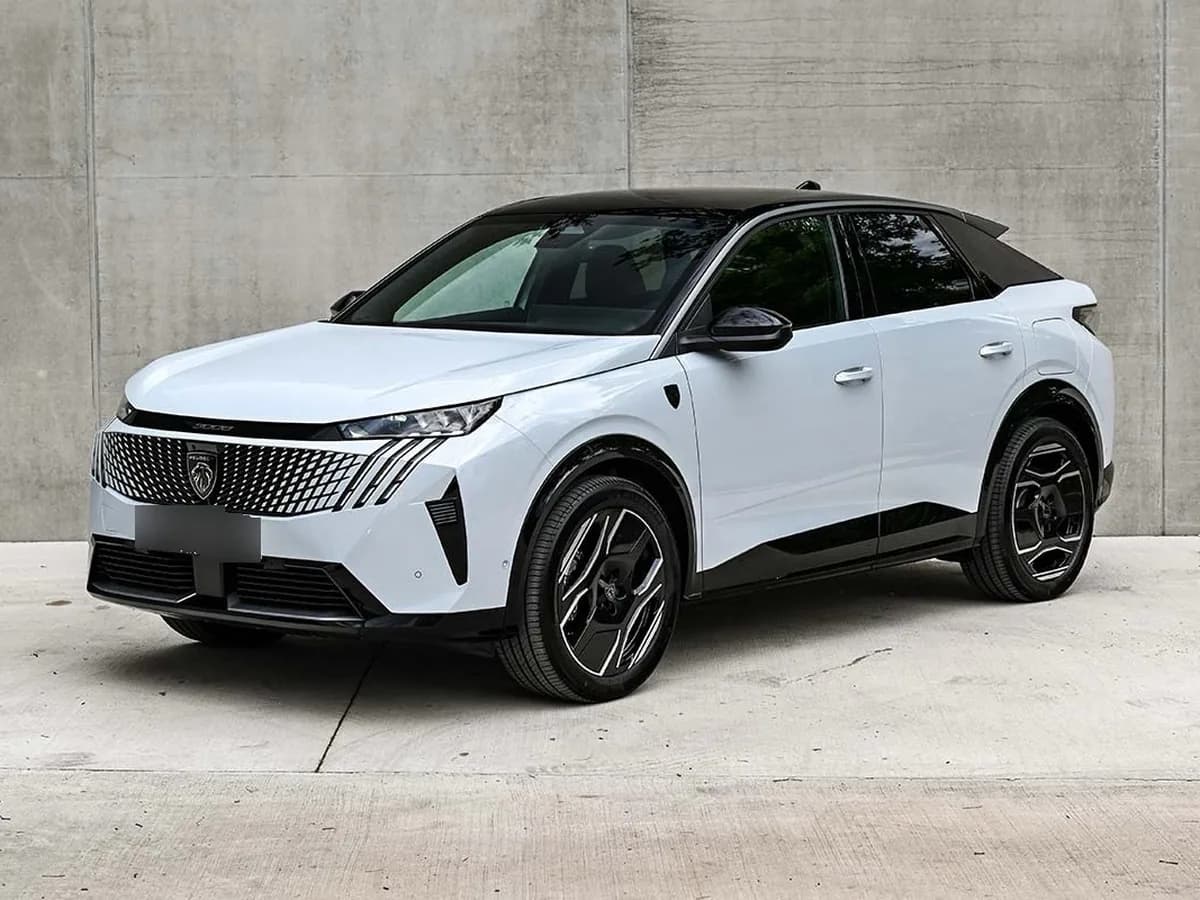
2020

2016
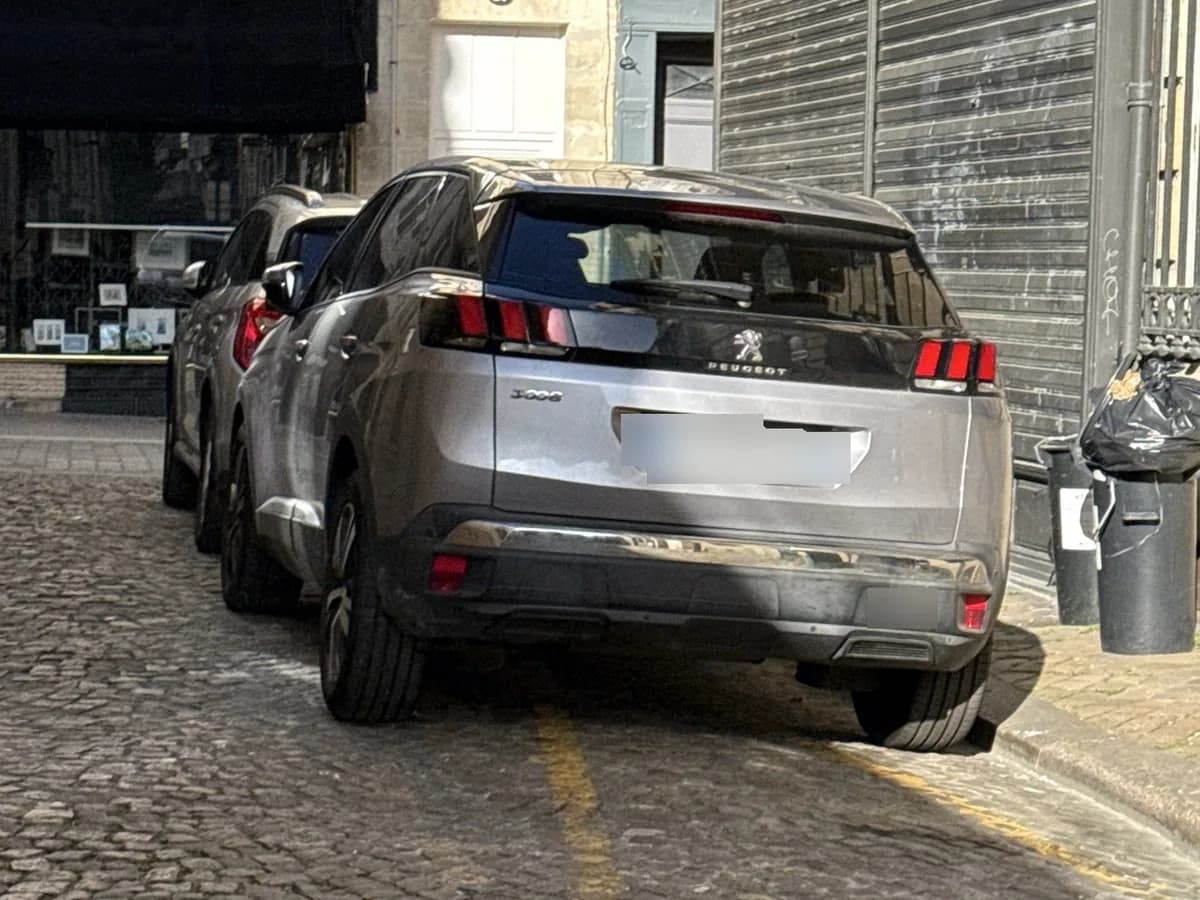
2013
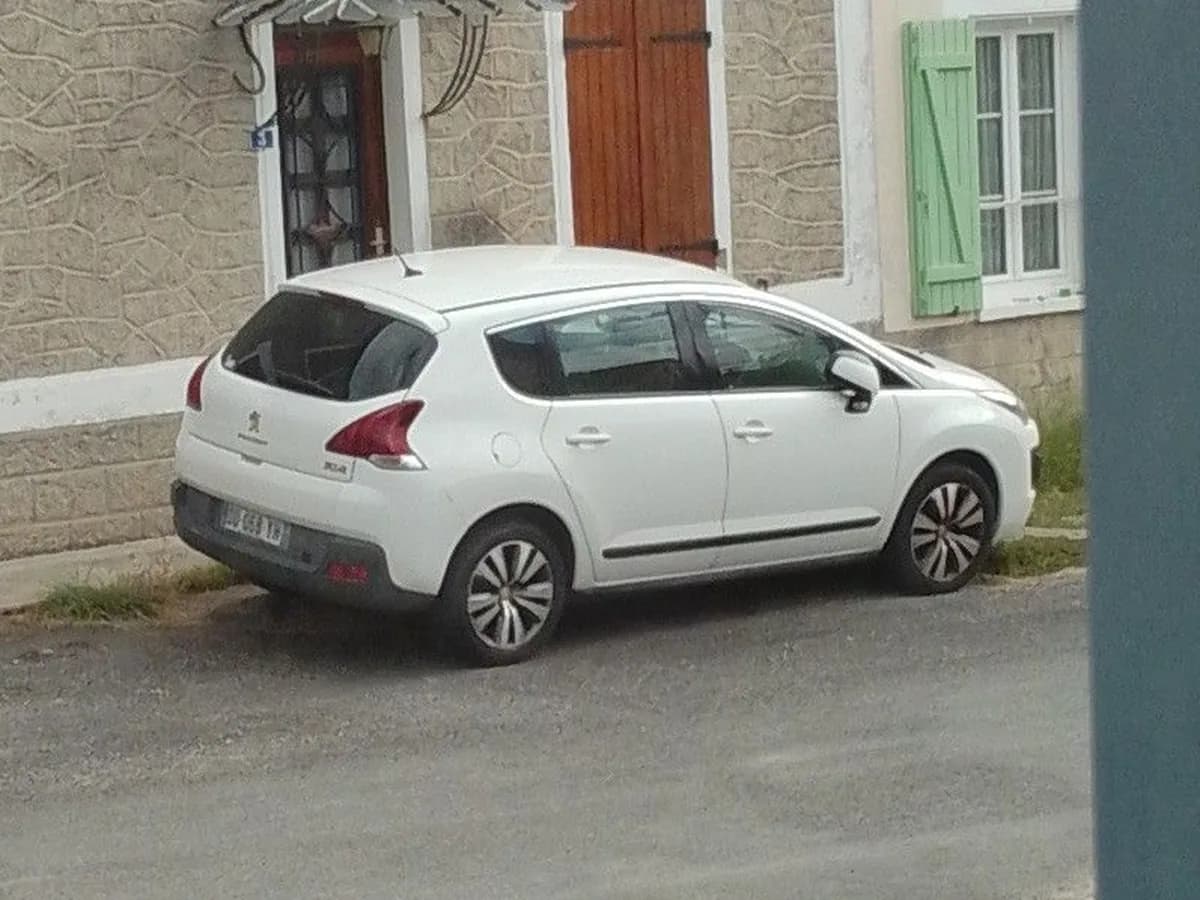
2012
2009
Peugeot 3008 photos
Model summary
Data from the ScanRacer library, organized to compare versions quickly.
Model introduction
Launched in spring 2009, the Peugeot 3008 was the French brand’s first crossover. Its first generation combined a raised driving position, a family body with MPV-inspired practicality, and styling cues associated with an SUV. In 2016, the model changed direction with a second generation that adopted a much sharper appearance, a clearly defined compact-SUV identity, and an interior built around Peugeot’s i-Cockpit concept. That version was named European Car of the Year for 2017. Revealed in September 2023 and introduced from 2024 depending on the market, the third generation moved toward a fastback-SUV profile and expanded the range with the all-electric E-3008. From 2009 to 2024, the 3008 name therefore refers to three substantially different interpretations of a family crossover.
History
The Peugeot 3008 reached the market in April 2009, at a time when manufacturers were still defining the compact-crossover category. Peugeot described it as the brand’s first crossover, combining saloon-like driving characteristics with a raised body and the useful interior volume associated with an MPV. This explains why the first generation looks different from later 3008 models: it is more of a high-bodied family vehicle than a conventional SUV. Its split tailgate and practical cabin reinforce that functional character. The early model’s history also includes the HYbrid4 system, which combined a diesel engine with electric assistance. Peugeot presented this combination as a world first for a production vehicle. A facelift during the first generation’s career updated the front and rear styling while retaining the original body concept. The second generation, unveiled in 2016, represented a decisive change. The MPV-influenced shape gave way to a more assertive compact-SUV design, a more technology-focused interior, and a new generation of Peugeot’s i-Cockpit. In March 2017, it became the first SUV-shaped vehicle to win the European Car of the Year award. The third generation was revealed on September 12, 2023. Introduced from 2024, it adopted a fastback profile and brought the electric E-3008 to the range on Stellantis’ STLA Medium platform.
Generations
The first generation, sold from 2009 to 2016, is identifiable by its tall and relatively upright body. It sits between a compact MPV, a family hatchback, and an SUV rather than fitting neatly into only one category. Its interior emphasizes practicality, visibility, and storage. A mid-cycle facelift brought a more contemporary exterior treatment without fundamentally changing the underlying body concept. The HYbrid4 derivative was one of the technically distinctive versions of this period. The second generation appeared in 2016 and remained listed through 2024 in some markets, depending on local production and sales schedules. Its design is more sharply defined, with a high waistline, sculpted sides, and the Peugeot front-end treatment associated with the period. Inside, the small steering wheel, digital display, and central touchscreen form the key elements of the i-Cockpit layout. The range included petrol, diesel, and plug-in hybrid powertrains, with availability varying by country and model year. A facelift later updated the lighting design and equipment. The third generation was revealed in 2023 for introduction from 2024. It moved to a more aerodynamic fastback-SUV shape and introduced the Panoramic i-Cockpit together with electric E-3008 variants. Output, battery capacity, and driving range depend on the particular specification and market.
Key differences
The biggest distinction is between the original 3008 and the two generations that followed. The 2009 model focused on the versatility of a tall family vehicle: it had a more upright profile, generous glazing, and an interior strongly oriented toward practicality. The second generation recast the model as a compact SUV, with sharper exterior styling and a much more visually distinctive dashboard. Its i-Cockpit driving position, road manners, and higher equipment ambitions represented a clear step up, although specifications varied between markets. The third generation is not simply a cosmetic update of the previous car. Its fastback body, Panoramic i-Cockpit interface, and STLA Medium platform represent a broader technical change. Electrification also became central through the E-3008. When comparing two vehicles, the generation should therefore be identified before relying on the 3008 name alone: body proportions, cabin architecture, infotainment systems, and powertrains can differ substantially.
Photo recognition
A first-generation 3008 can be identified by its tall compact body, relatively short bonnet, large glass area, and an interior that feels closer to an MPV than to a conventional SUV. The split tailgate is a useful clue, as is the center console that visually connects the dashboard with the front seats. Facelifted cars have newer front-end details and lighting signatures but retain the original proportions. The second generation is easier to recognize through its sharper lines, sculpted sides, and clearly defined SUV stance. Inside, the small steering wheel and the digital display positioned above it are strong i-Cockpit identifiers. Higher trim levels may add distinctive exterior details and larger wheels, although those features vary by market and year. The third generation stands out through its sloping fastback roofline, three-claw lighting signature, and wide panoramic display. The E-3008 badge identifies electric versions, but exterior appearance alone does not always reveal the exact power output or equipment level. Registration documents, model-year information, and the vehicle identification number remain the safest ways to confirm a specific version.
Important versions
The first-generation 3008 HYbrid4 deserves particular attention in the model’s history. It combined a diesel engine with electric assistance and used a rear electric motor to provide all-wheel drive. On the second generation, GT versions and plug-in hybrids represented the upper end of the range in several markets, with equipment and output varying by year. The third generation introduced the E-3008, offered with different electric configurations depending on the market, alongside non-plug-in hybrid versions. Commercial names and trim levels are not identical worldwide, so any version identification should be checked against the vehicle’s model year and market.
The name “3008” follows Peugeot naming, with its rules and its exceptions. Decode a Peugeot name
References
- Crossovers 3008 et 3008 HYbrid4, un nouveau regard pour une expérience inéditeStellantis Media
- New PEUGEOT 3008: Advanced SUVStellantis Media
- New PEUGEOT 3008 SUV named Car of the Year 2017Stellantis Media
- Peugeot E-3008: Next-Level All-Electric Fastback SUVStellantis Media
- Peugeot 3008: Modelle, Technische Daten, PreiseADAC
- PEUGEOT 3008: GenerationsL’Argus
- https://carreliabilityreport.com/en/reliability/peugeot-3008-2016-2024carreliabilityreport.com
Technical specifications
Structured data available for versions linked to this model.
| Version | Power | Torque | Top speed | Drivetrain | Fuel |
|---|---|---|---|---|---|
| Base | 147.1 kw (200 hp) | 368.8 lb-ft (500 Nm) | 119 mph (192 km/h) | Front Wheel Drive / 6-speed automatic | Hybrid |
Frequently asked questions
- What years was the Peugeot 3008 produced?
- ScanRacer's referenced versions cover 2009 - 2024.
- How many Peugeot 3008 examples are documented on ScanRacer?
- 15 published scans from 10 members, with the latest photo added in August 2026.
- What is the power output of the Peugeot 3008?
- The sourced technical data lists 147.1 kw (200 hp).
What about the car you photographed?
Upload a photo to get a suggested make, model and likely year.
No account needed for the result · Publish only if you choose