
205
La Peugeot 205 was launched in France on February 24, 1983, and quickly became the small car that reshaped the Lion brand’s modern image. Its range combined compact dimensions with petrol and diesel engines, an automatic transmission option, and a broad selection of trim levels. The 205 was offered as a three- or five-door hatchback, a convertible, and a commercial derivative, while the GTI, Rallye, and Turbo 16 versions extended its reputation far beyond urban motoring. The model variants recorded for the years covered here include the 1983 Hatch, the 1986 Cabriolet and Multi, and the 1994 Fourgonnette. That variety is important when identifying a 205: the name refers to a family of related body styles and specifications rather than to one single configuration.
What about the car you photographed?
Upload a photo to get a suggested make, model and likely year.
No account needed for the result · Publish only if you choose
Variants by year
Make: Peugeot · Model: 205
5 / 5 versions shown
1994
1986
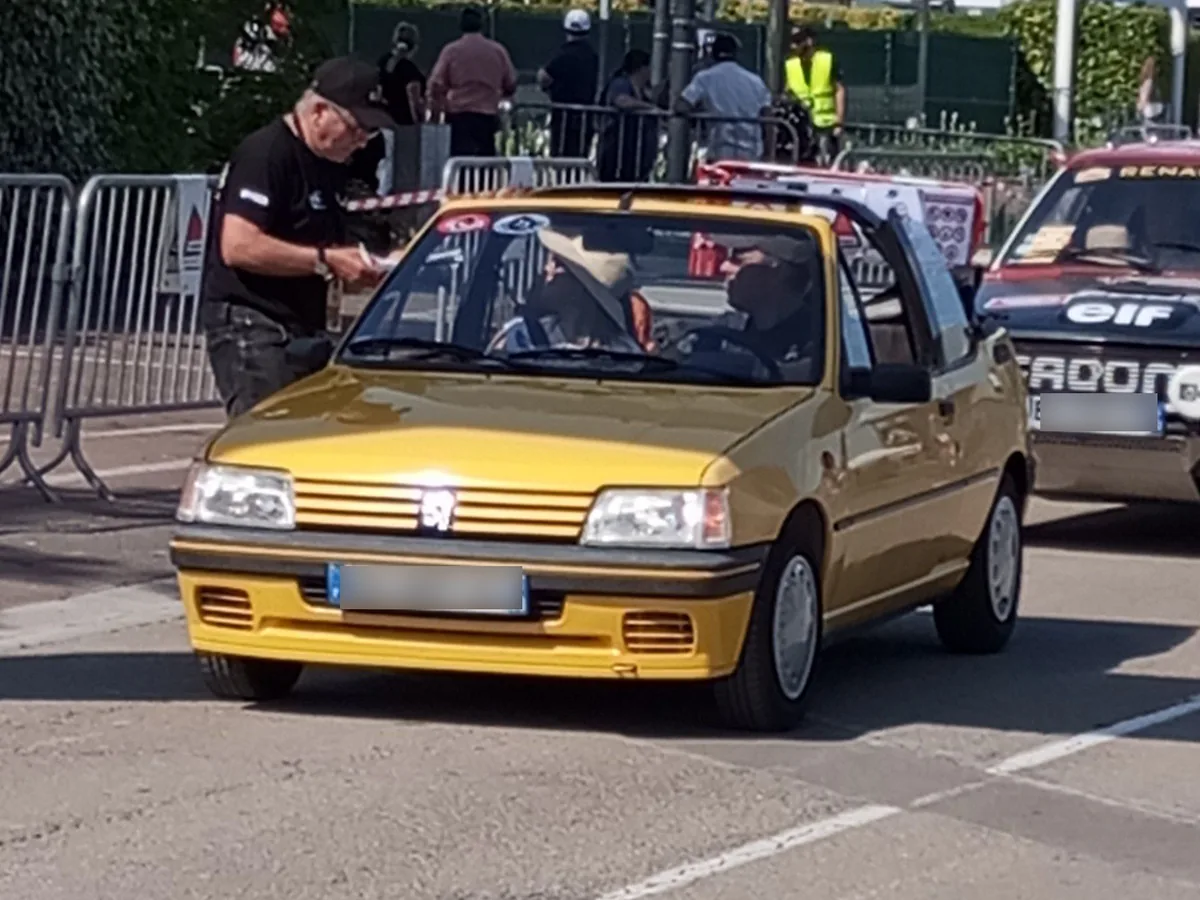
1984
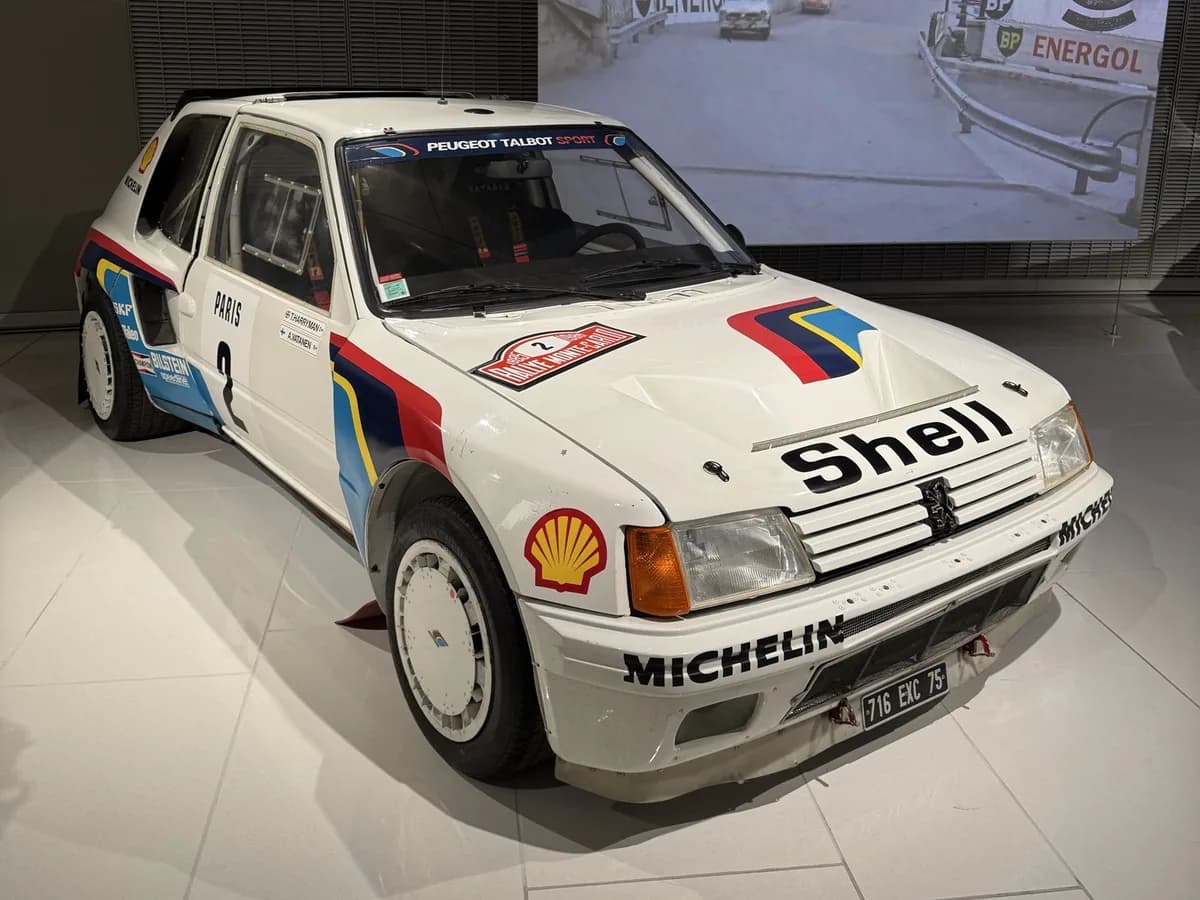
1983
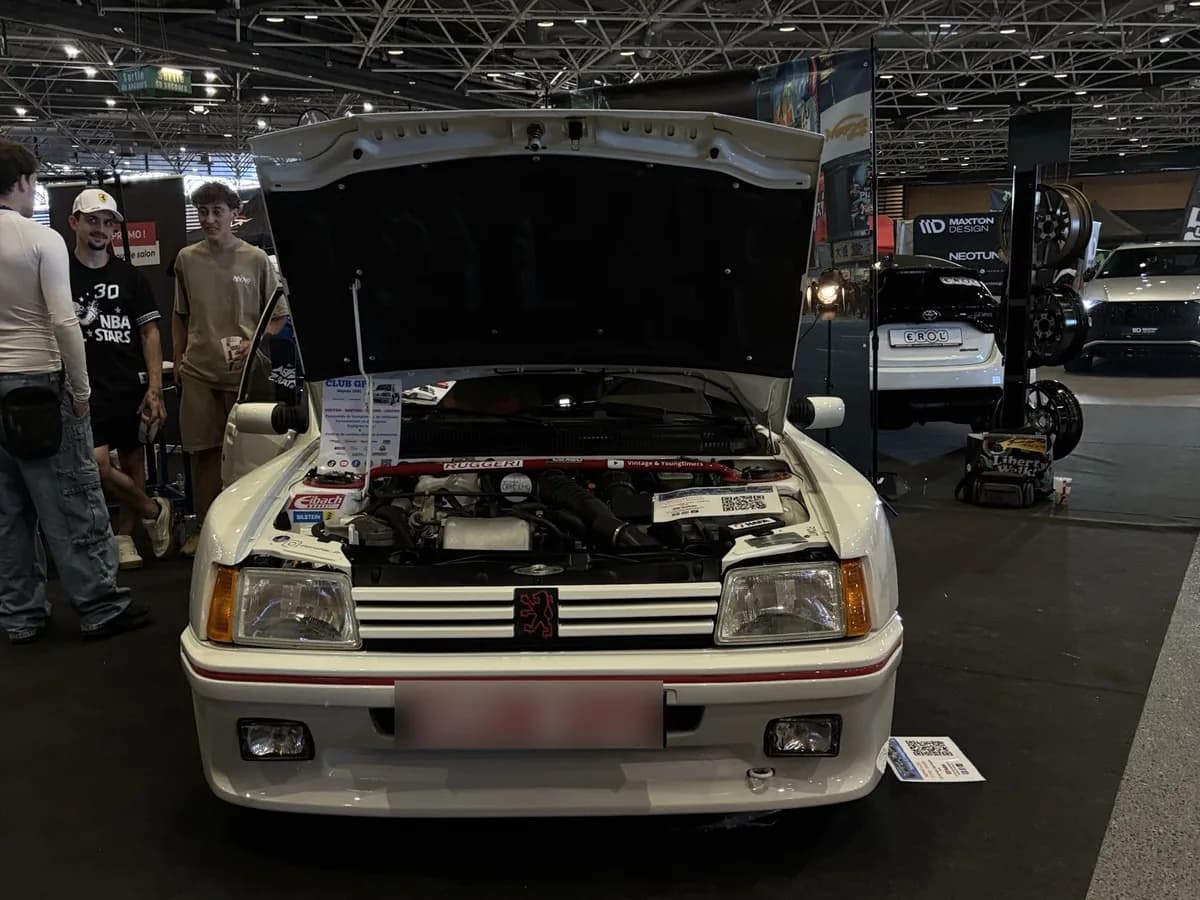
Peugeot 205 photos
Model summary
Data from the ScanRacer library, organized to compare versions quickly.
Model introduction
La Peugeot 205 was launched in France on February 24, 1983, and quickly became the small car that reshaped the Lion brand’s modern image. Its range combined compact dimensions with petrol and diesel engines, an automatic transmission option, and a broad selection of trim levels. The 205 was offered as a three- or five-door hatchback, a convertible, and a commercial derivative, while the GTI, Rallye, and Turbo 16 versions extended its reputation far beyond urban motoring. The model variants recorded for the years covered here include the 1983 Hatch, the 1986 Cabriolet and Multi, and the 1994 Fourgonnette. That variety is important when identifying a 205: the name refers to a family of related body styles and specifications rather than to one single configuration.
History
The 205 project emerged at a time when Peugeot wanted a stronger position in the small-car market. Sales began with a five-door version in 1983, followed by the three-door body and the 105 bhp 1.6 GTI in 1984. The same period brought the road-going Turbo 16, produced to meet Group B homologation requirements. Its four-wheel-drive competition derivative achieved its first World Rally Championship victory in 1984, followed by driver and manufacturer titles in 1985 and 1986. Those results greatly increased public attention for the wider 205 range. The model expanded with a Pininfarina-developed convertible in 1986, new 115 and 130 bhp GTI versions, and the Rallye in 1988. A revised dashboard appeared in 1987, while a modest exterior update followed in 1990. Trim levels such as Junior, Roland Garros, and Gentry show how Peugeot positioned the 205 across a broad market, from basic transport to more luxurious small-car motoring. GTI production ended in 1993, the convertible ended in 1995, and the 205 was ultimately replaced by the 206 in 1998.
Generations
The Peugeot 205 does not have clearly defined official generations in the way many modern models do. Instead, it is best understood as one long-running family that received gradual updates. For identification purposes, three broad stages are useful. The first covers the early cars launched from 1983, with the original dashboard, three- and five-door bodies, and the first engine and trim combinations. The second follows the 1987 update, which introduced a revised dashboard and brought changes to equipment and several engines. The third covers the 1990s cars, which received detail revisions including changes to lighting and presentation features. These stages should not be treated as completely new generations because the basic shape remained remarkably consistent. The most important differences usually come from the body style, trim level, engine, and intended market. A Hatch, Cabriolet, and Fourgonnette can therefore belong to the same broader 205 family while serving very different purposes and looking substantially different. The Multi designation is also associated with 1986 in the available model data, but its precise configuration should be confirmed against a period Peugeot document or market-specific technical record.
Key differences
The main differences between 205 versions begin with the body style. The Hatch is the conventional hatchback, available in three- or five-door form depending on trim and market. The Cabriolet replaces the fixed roof with a conversion developed with Pininfarina; its folding top, altered rear structure, and unique side sections make it easy to distinguish from the hatchback. The Fourgonnette is aimed at commercial use and has a more practical load-carrying layout. Multi is recorded for 1986, but its equipment and interior arrangement should not be inferred from the name alone. Sporting versions add more obvious changes. The GTI uses plastic wheel-arch extensions, distinctive bumper treatment, wider wheels, and revised suspension. The Rallye follows a more stripped-back philosophy, emphasizing low weight and amateur competition appeal. Regular trim levels may retain the same basic silhouette while differing in bumpers, wheel covers, upholstery, instrumentation, and engines. Reliable identification therefore requires several clues at once: body style, model year, factory identification plate, engine specification, and period equipment. Badges alone are not sufficient because components can be replaced or added during restoration.
Photo recognition
When identifying a Peugeot 205, begin with the body shape rather than the badge. A Hatch has a vertical tailgate and a continuous roofline, while the three-door version uses longer doors than the five-door model. A Cabriolet is defined by its folding roof, reinforced structure, and revised rear bodywork. A Fourgonnette has a commercial purpose, with a load-carrying area and a layout less focused on passenger use. Multi should be approached cautiously because the designation alone does not establish its exact interior or equipment. On sporting cars, look for the GTI’s plastic wheel-arch extensions, fuller bumper treatment, distinctive wheels, and sport-oriented cabin details. A genuine Rallye is more likely to show Peugeot Sport graphics, white steel wheels on some specifications, and reduced equipment, although all of these items can be changed during restoration. Always check the identification plate, chassis number, engine type, invoices, and the consistency between the claimed year and dashboard details. Badges and paint schemes are useful clues, but they are not proof of originality.
Important versions
The GTI is the most famous road-going version, beginning with the 105 bhp 1.6 in 1984 and later evolving into 115 bhp and 130 bhp 1.9-litre forms. The Cabriolet, introduced in 1986, included CT and CTI versions; the latter adopted the visual character of the GTI while retaining the structural requirements of an open-top car. The Rallye arrived in 1988 with a more stripped-back approach and an emphasis on accessible sporting use. The Turbo 16 is a separate case: its 200 road cars were built for homologation of Peugeot’s rally programme and should not be treated as an ordinary performance 205. Other versions, including Junior, Roland Garros, and Gentry, demonstrate how broadly Peugeot positioned the model across the small-car market.
The name “205” follows Peugeot naming, with its rules and its exceptions. Decode a Peugeot name
References
- La Peugeot 205 fête ses 40 ans : un sacré numéro qui a de l’allurePeugeot / Stellantis Media
- The Peugeot 205 Is Turning 40: An Alluring & Sacred NumberPeugeot / Stellantis Media
- 40 anni di Peugeot 205 GTiPeugeot / Stellantis Media
- Peugeot 205 GTI: Buying guide and review (1984-1994)Auto Express
- Peugeot 205 Cabriolet (1986–1995), un charme étonnamment accessibleCaradisiac
- https://www.rac.co.uk/drive/car-reviews/peugeot/205/205-1983-1997/rac.co.uk
Frequently asked questions
- What years was the Peugeot 205 produced?
- ScanRacer's referenced versions cover 1983 - 1994.
- How many Peugeot 205 examples are documented on ScanRacer?
- 16 published scans from 13 members, with the latest photo added in September 2026.
What about the car you photographed?
Upload a photo to get a suggested make, model and likely year.
No account needed for the result · Publish only if you choose