
Renault
Built around Louis Renault’s first voiturette, unveiled in Paris in 1898, Renault became one of France’s major automotive brands. Its history combines affordable cars, family saloons, commercial vehicles, packaging innovation and motorsport success. The Renault 4 established a practical and versatile formula, while the Renault 5 helped define the market for economical small cars during the 1970s. Later, the Espace and Scénic helped popularise the MPV, while Clio and Mégane became important names in their respective segments. Renault’s historical range also includes models such as the 12, 19, 21, Laguna, Kangoo and Logan, alongside performance derivatives and more recent electric vehicles. Together, these cars show how the brand repeatedly adapted familiar vehicle formats to changing lifestyles, regulations and customer expectations.
Models from A to Z
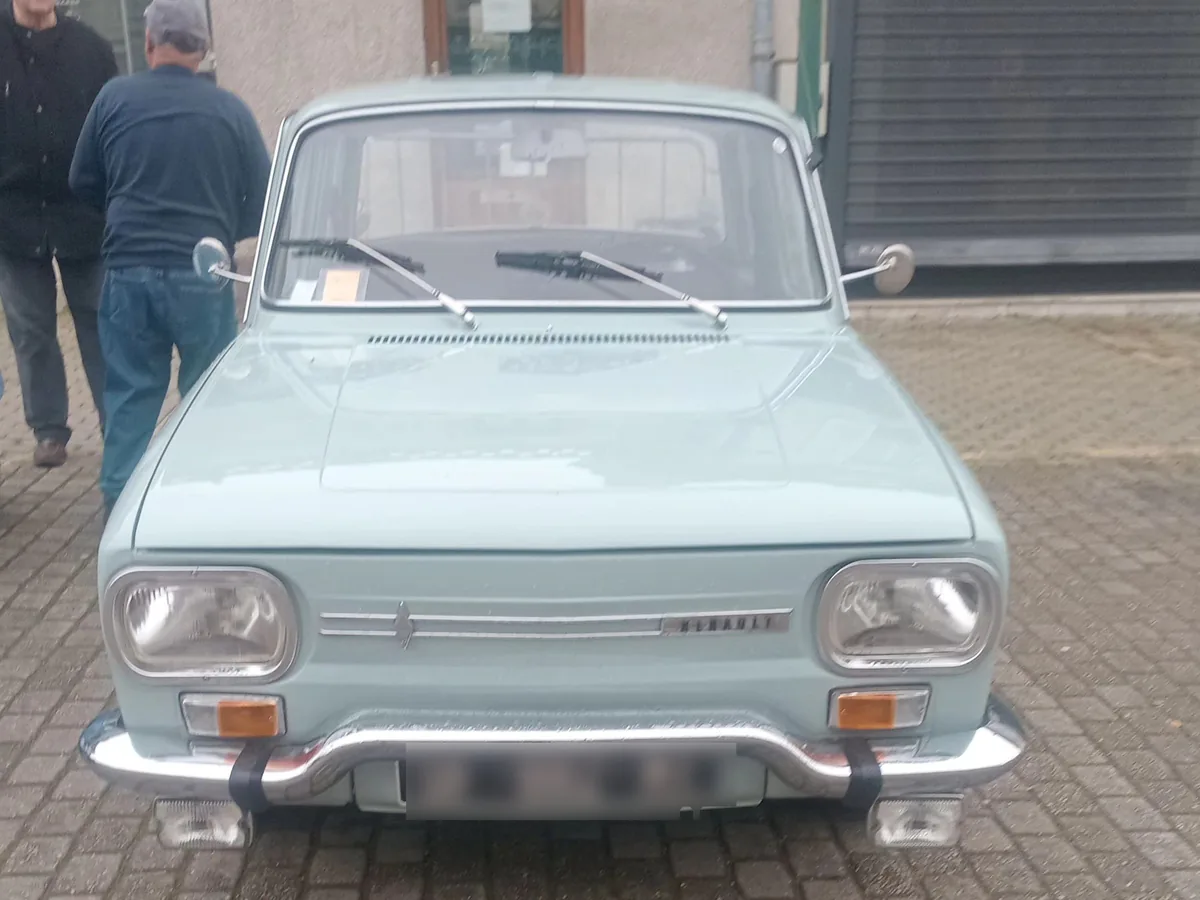
10
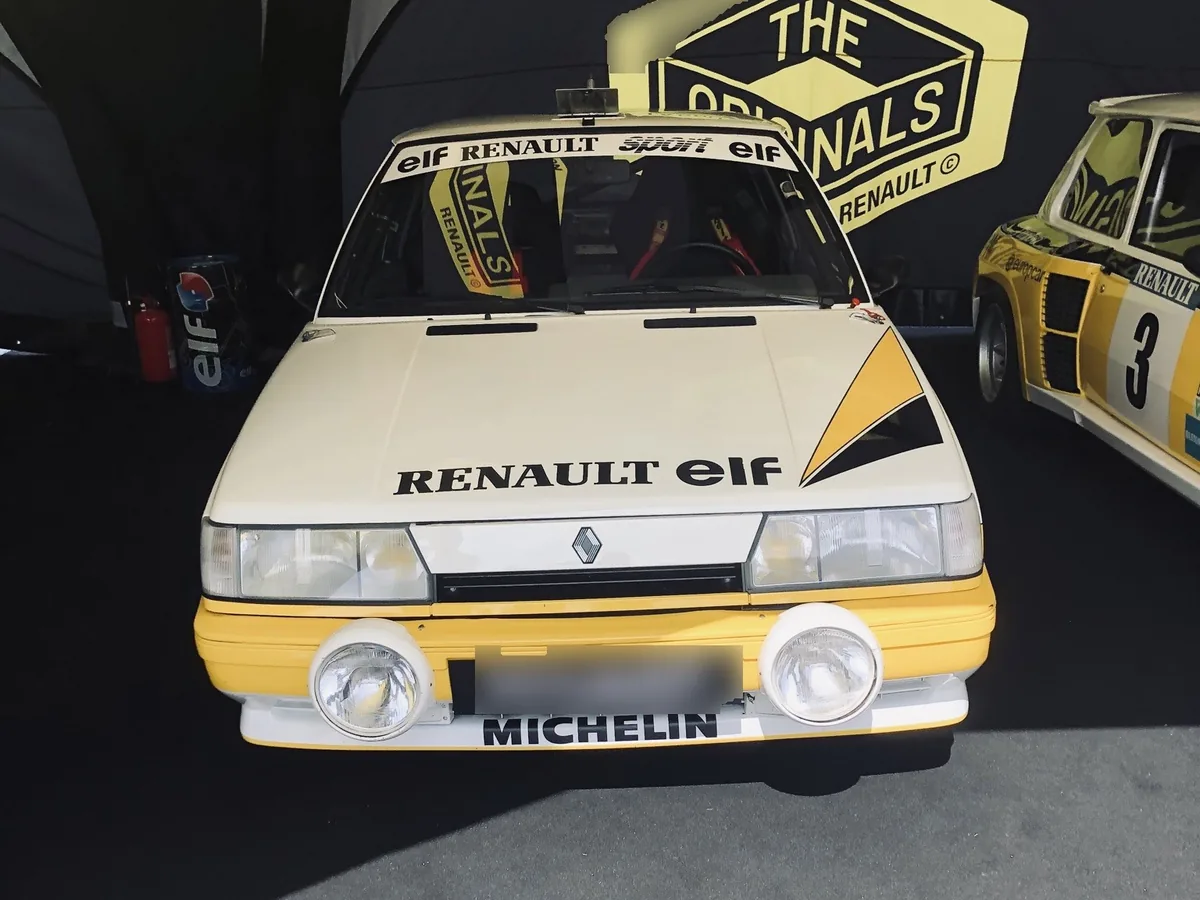
11
12
14
15
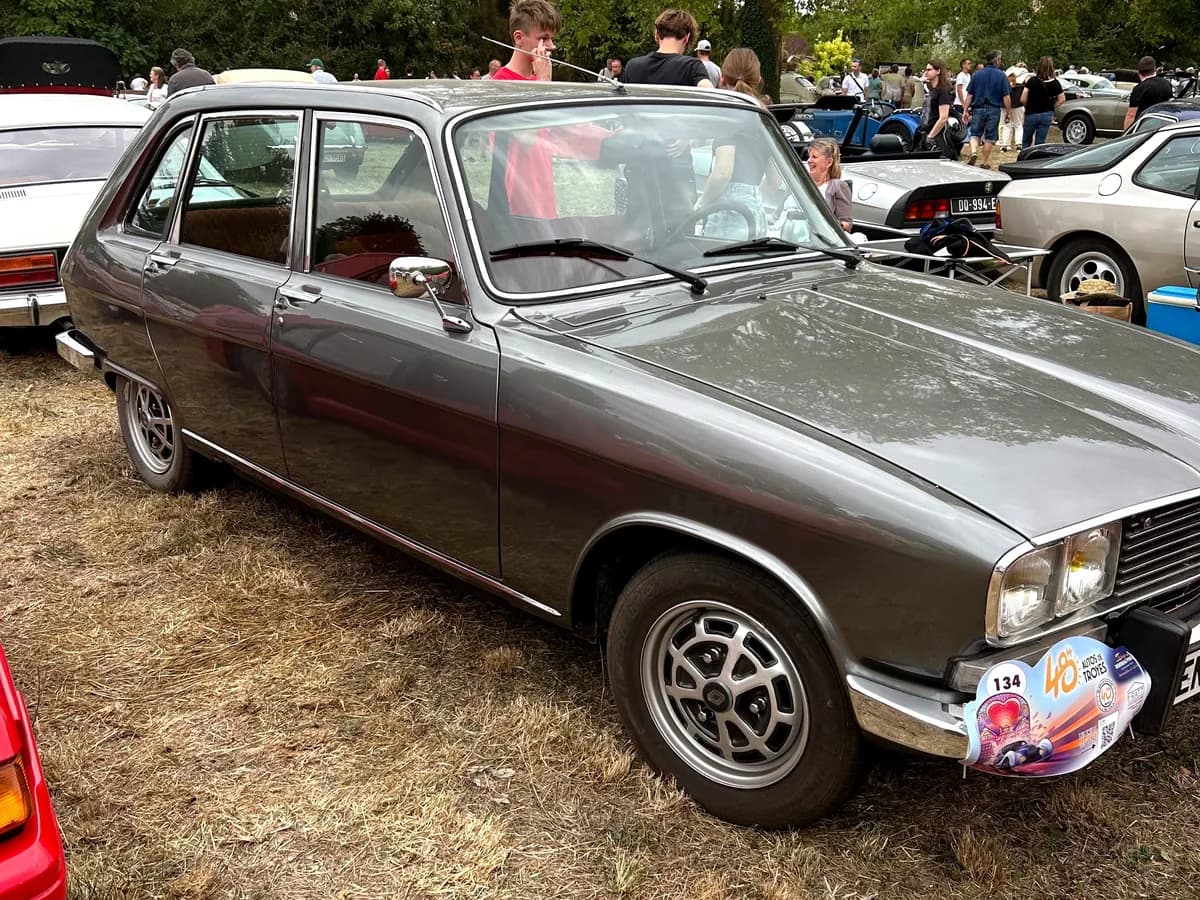
16
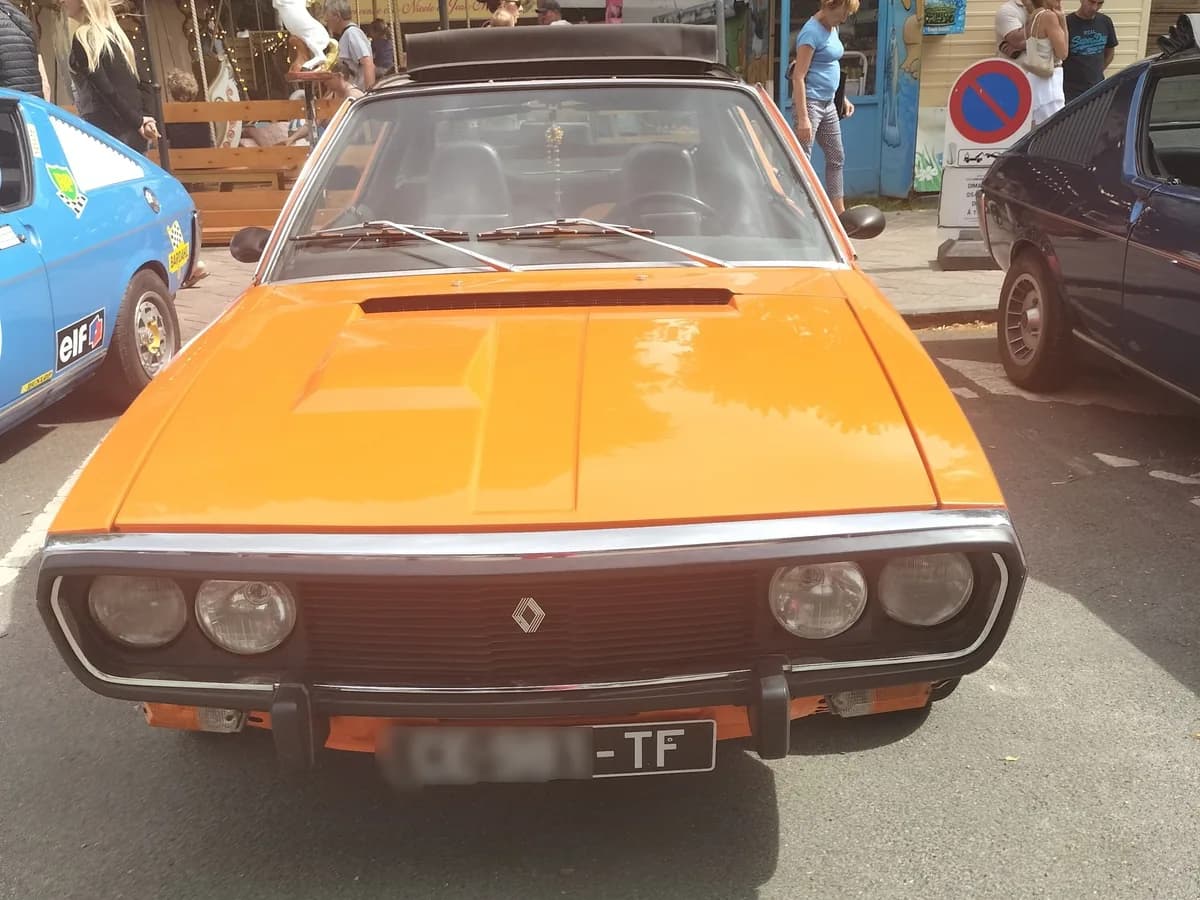
17
18
19
20
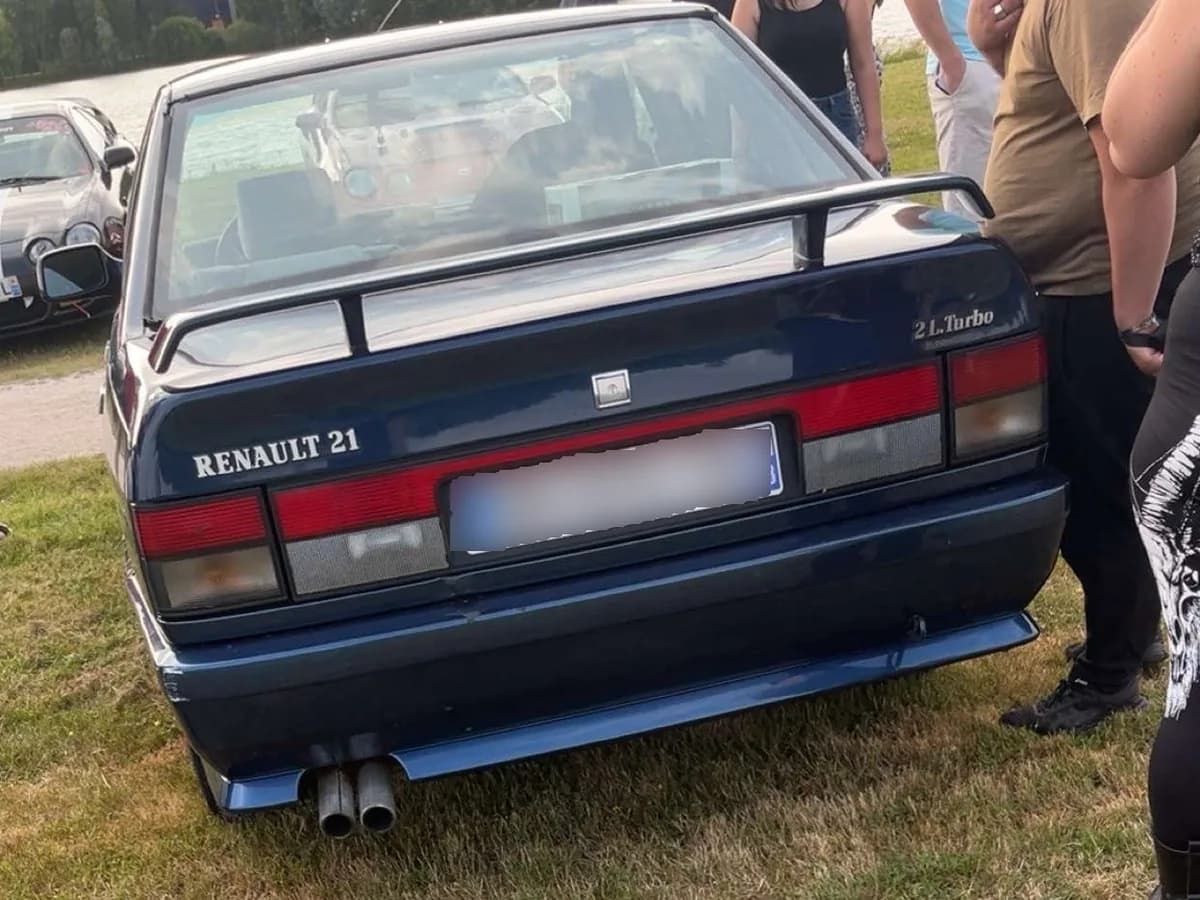
21

25
3
30
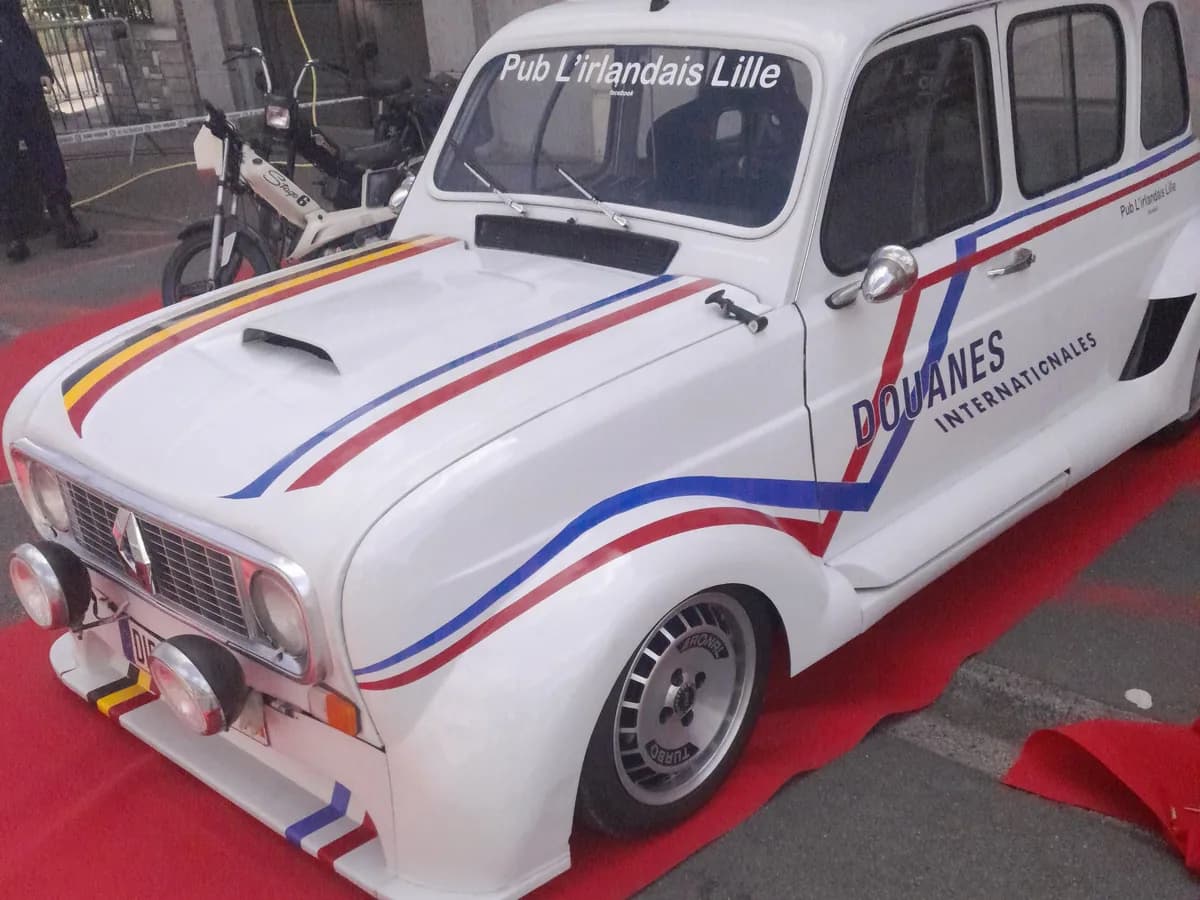
4
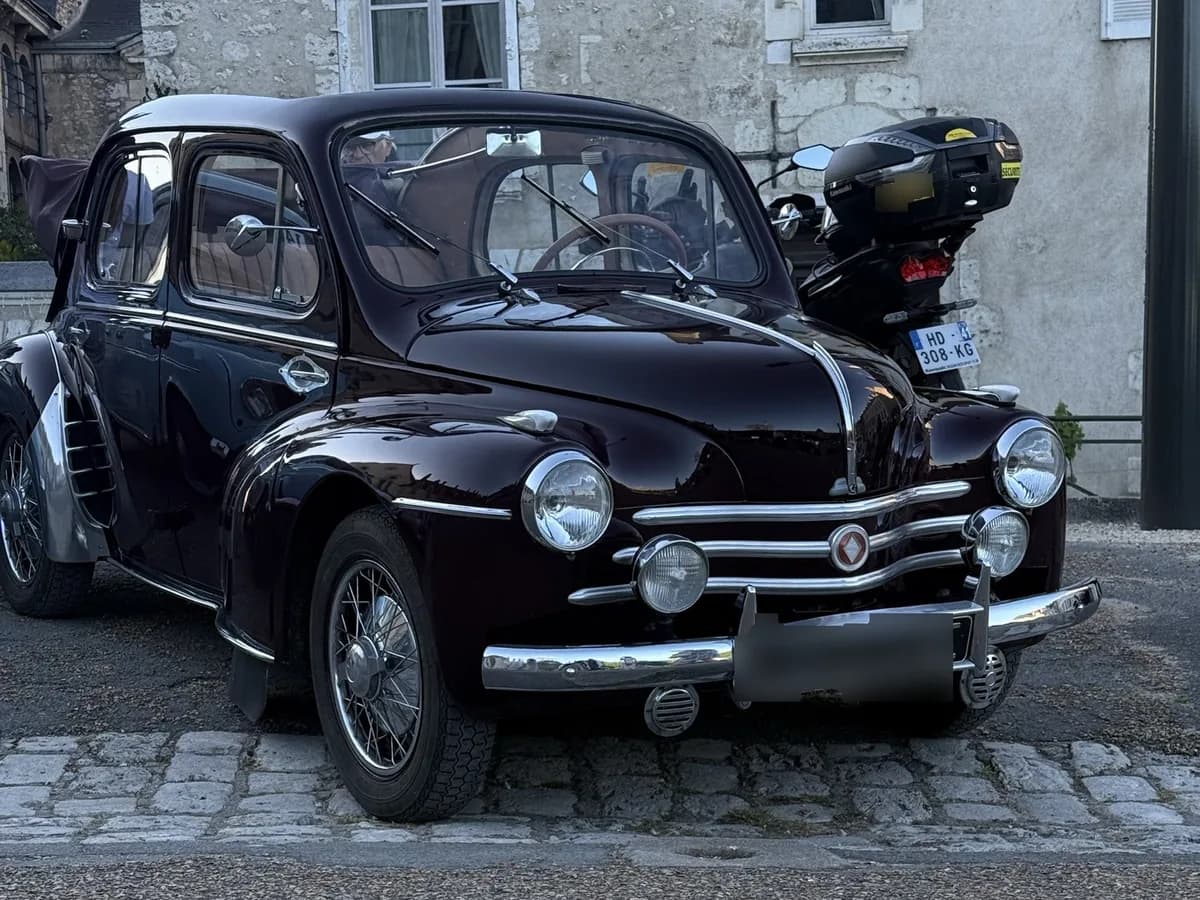
4CV
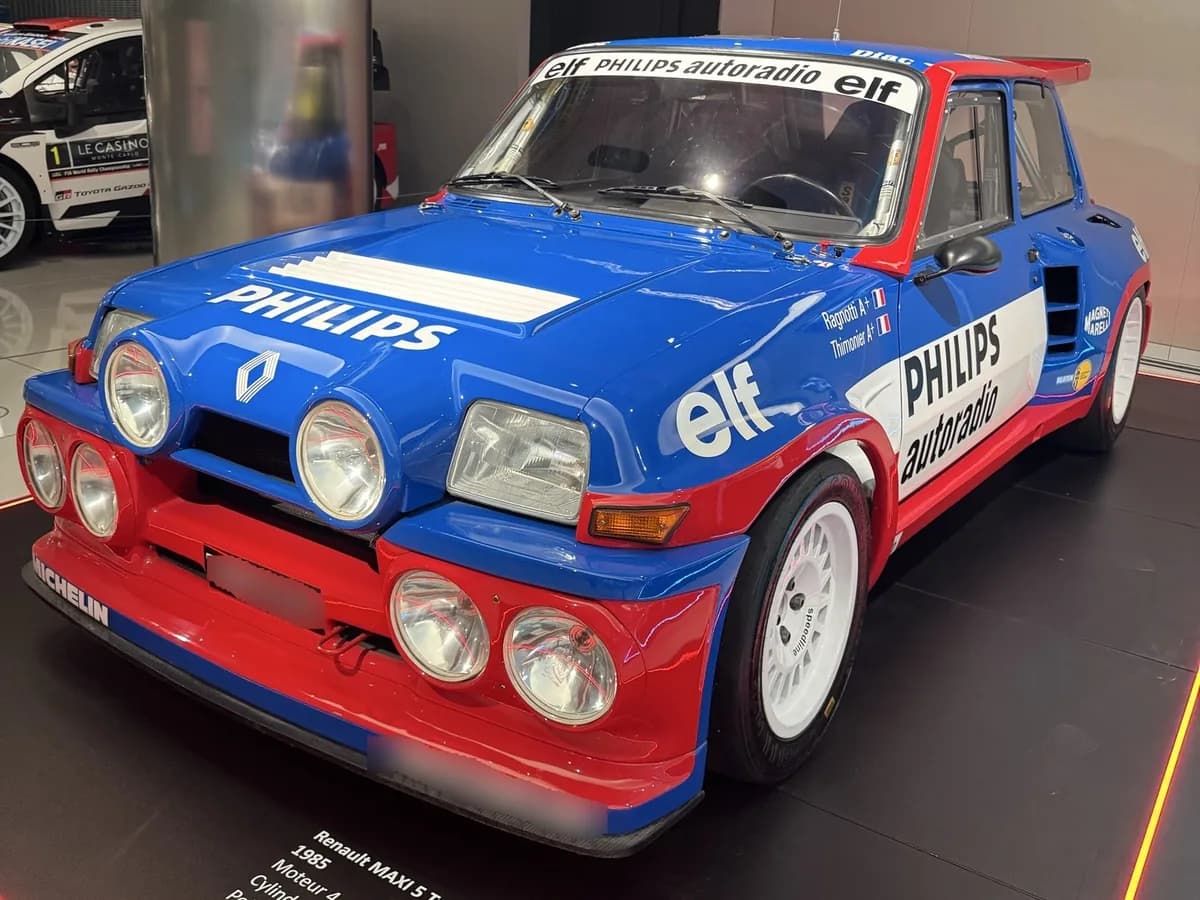
5
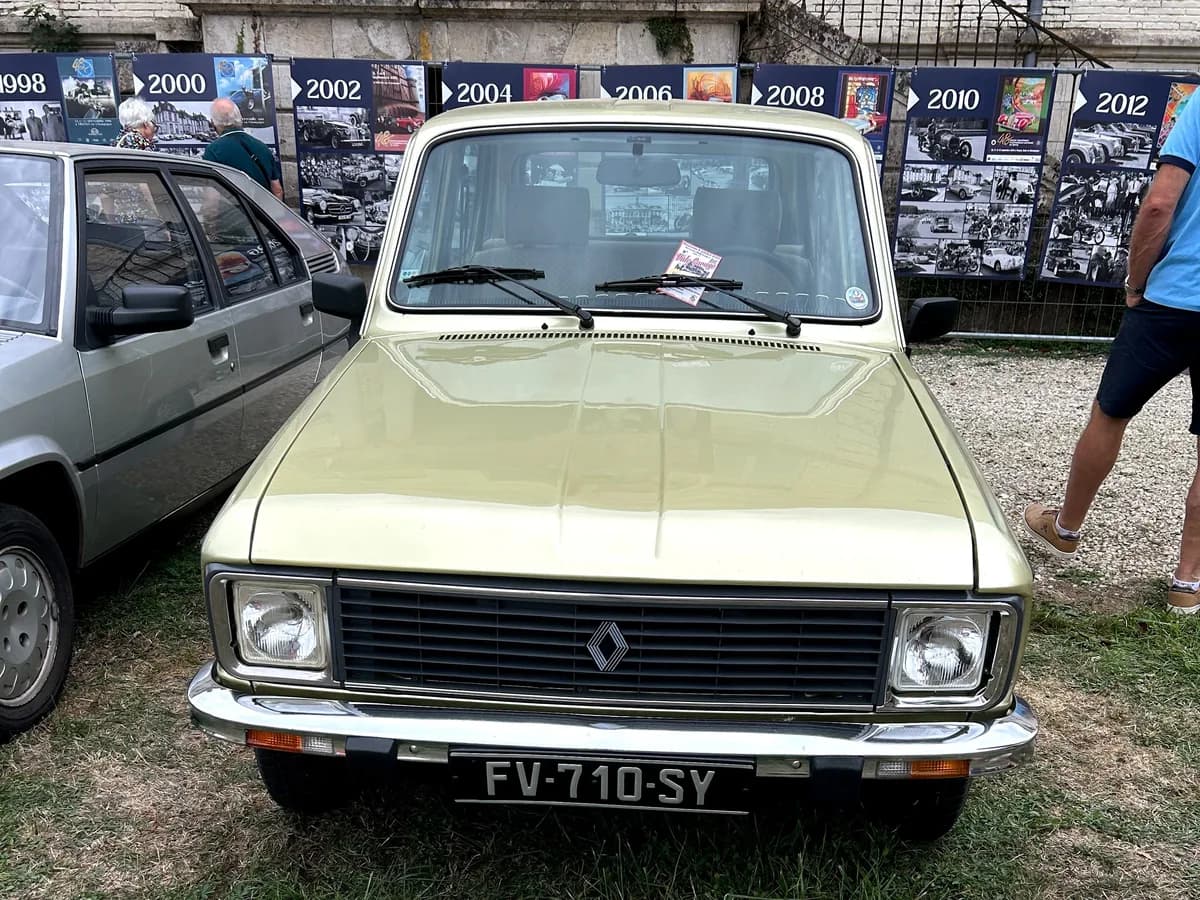
6
7
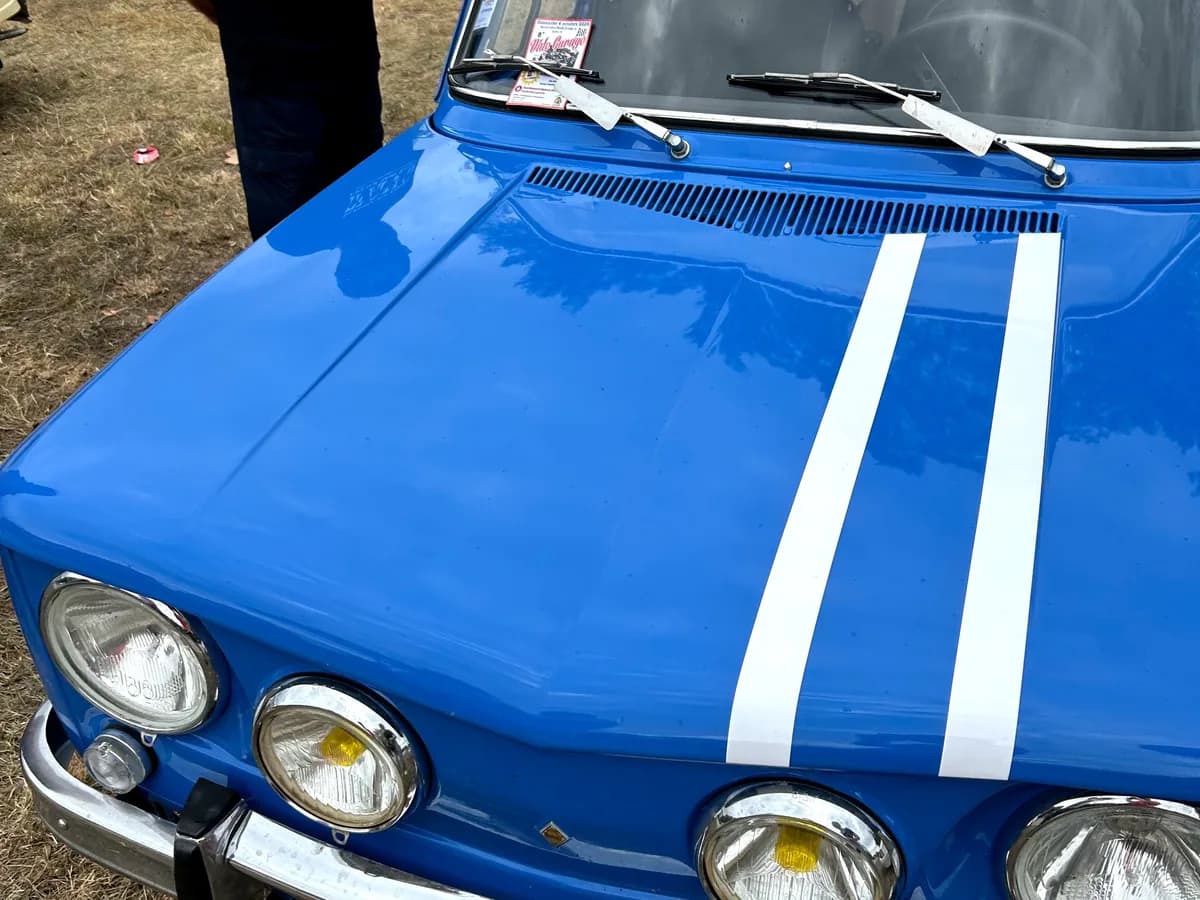
8
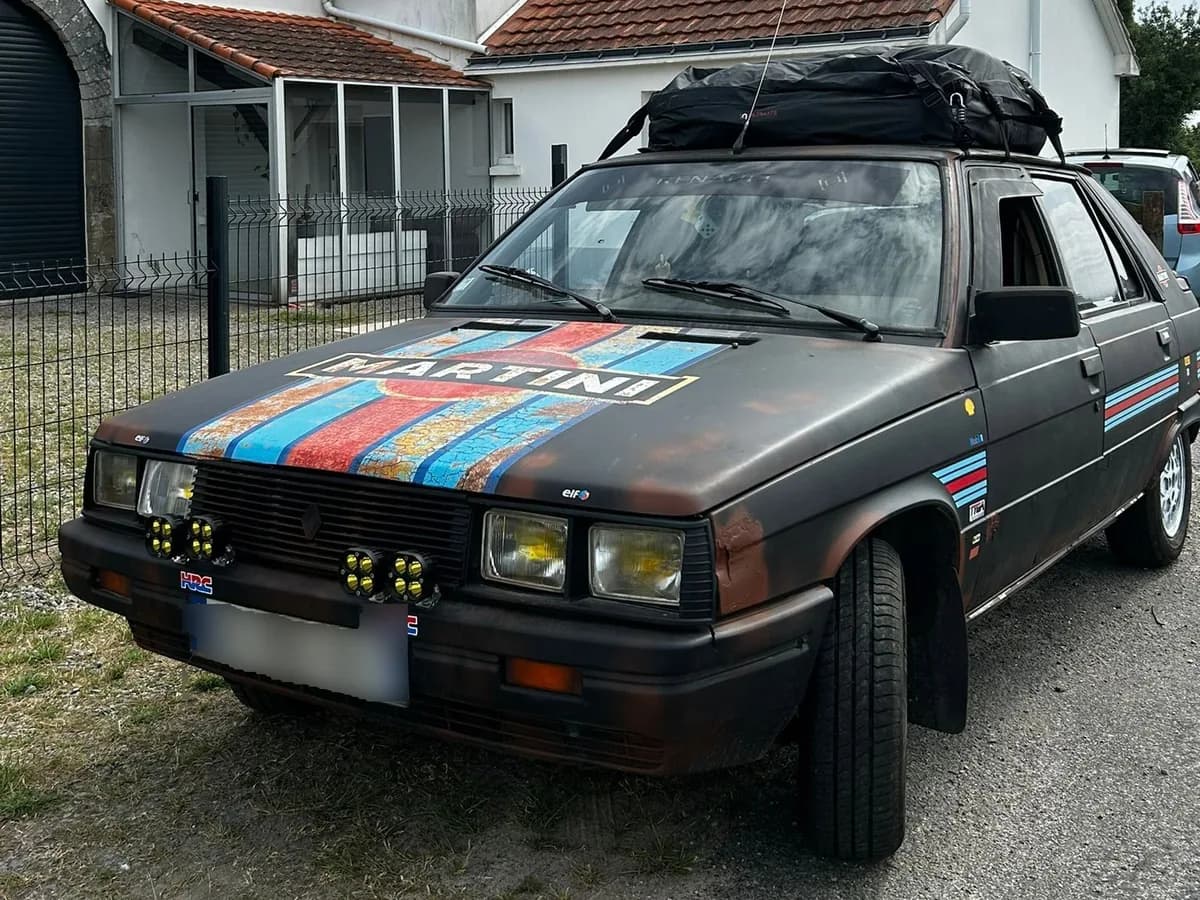
9
Alaskan
Alliance
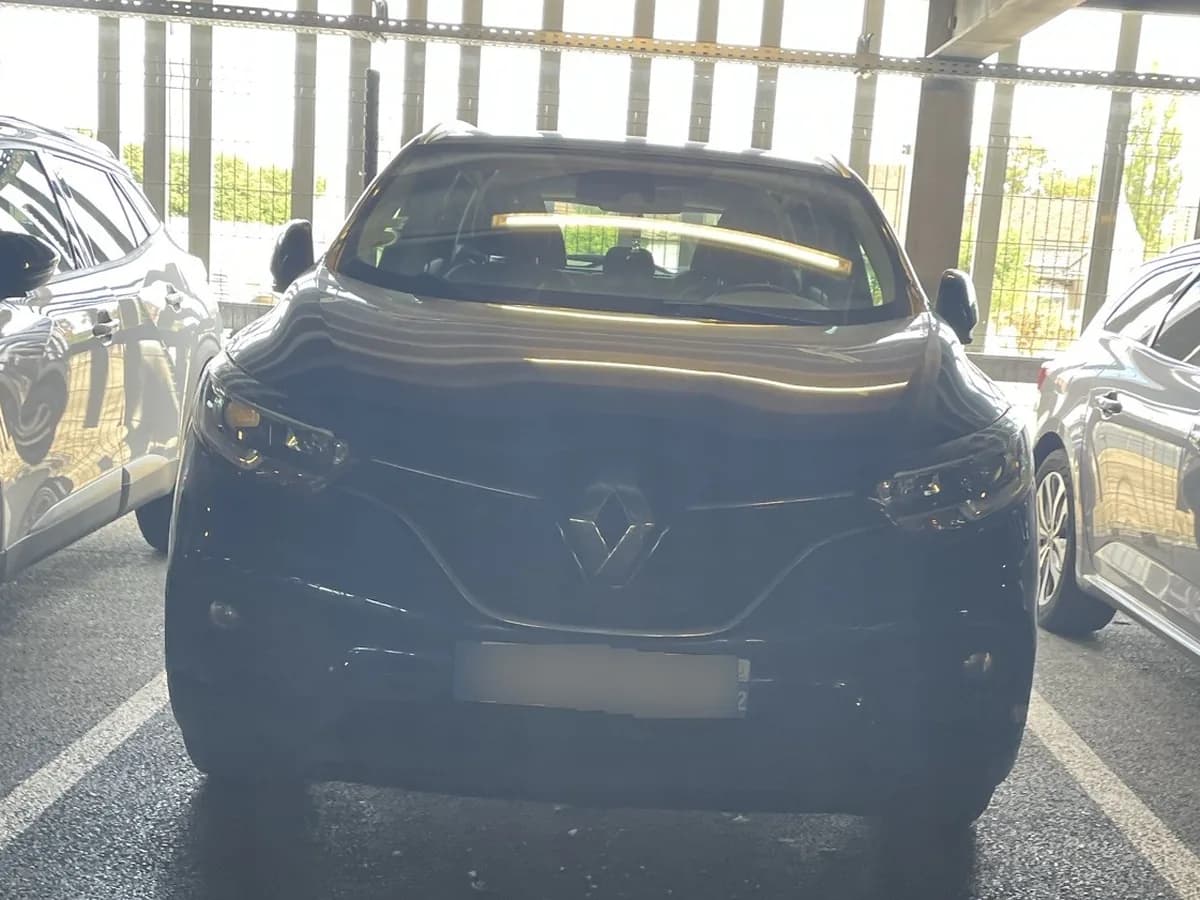
Arkana
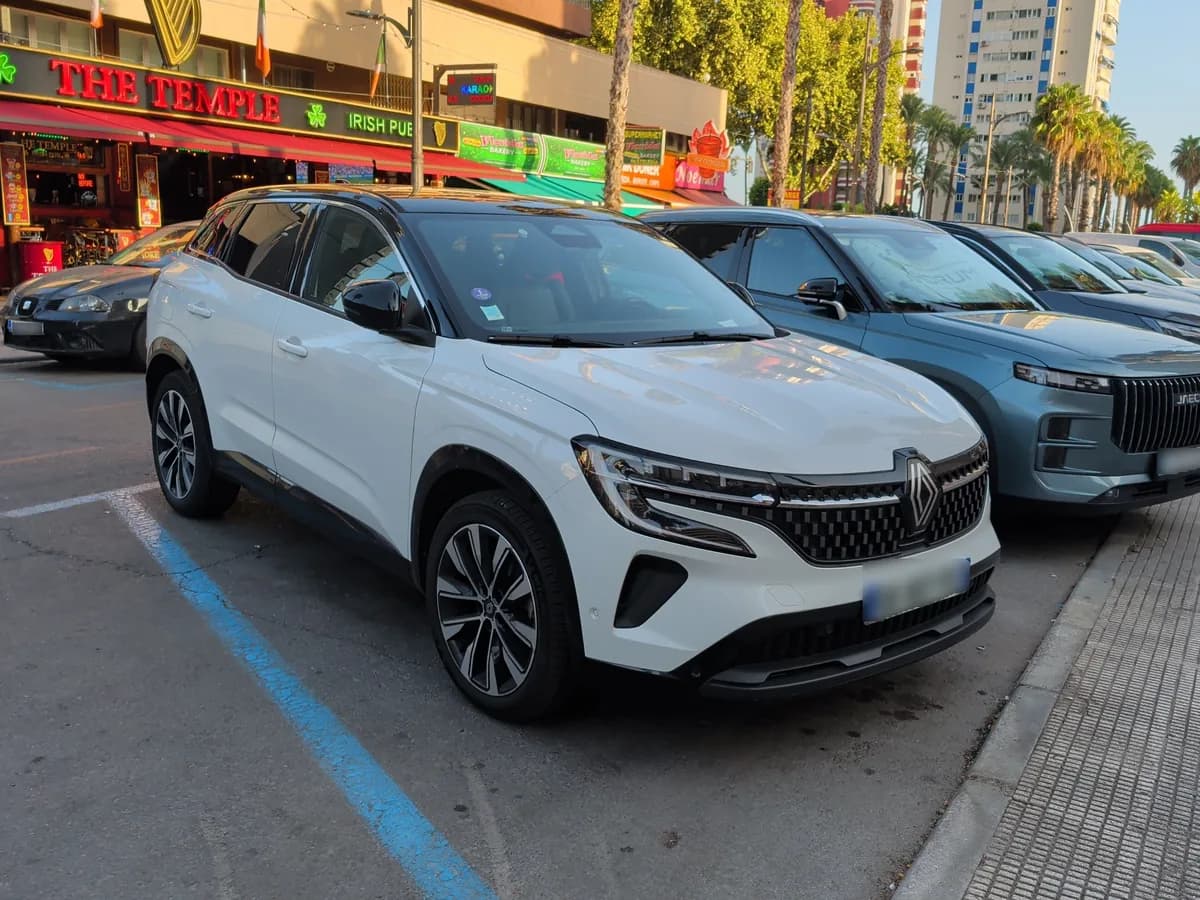
Austral
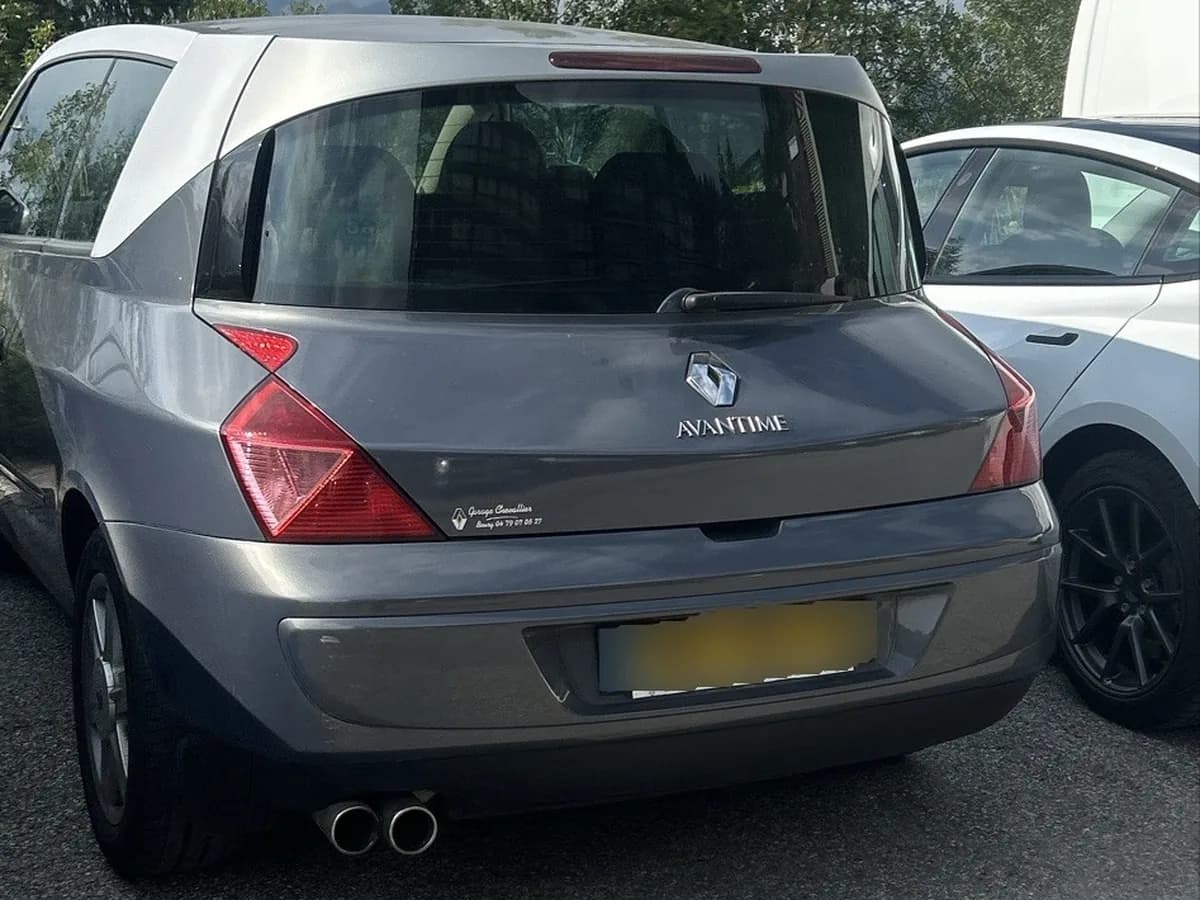
Avantime
Boreal

Captur
Caravelle
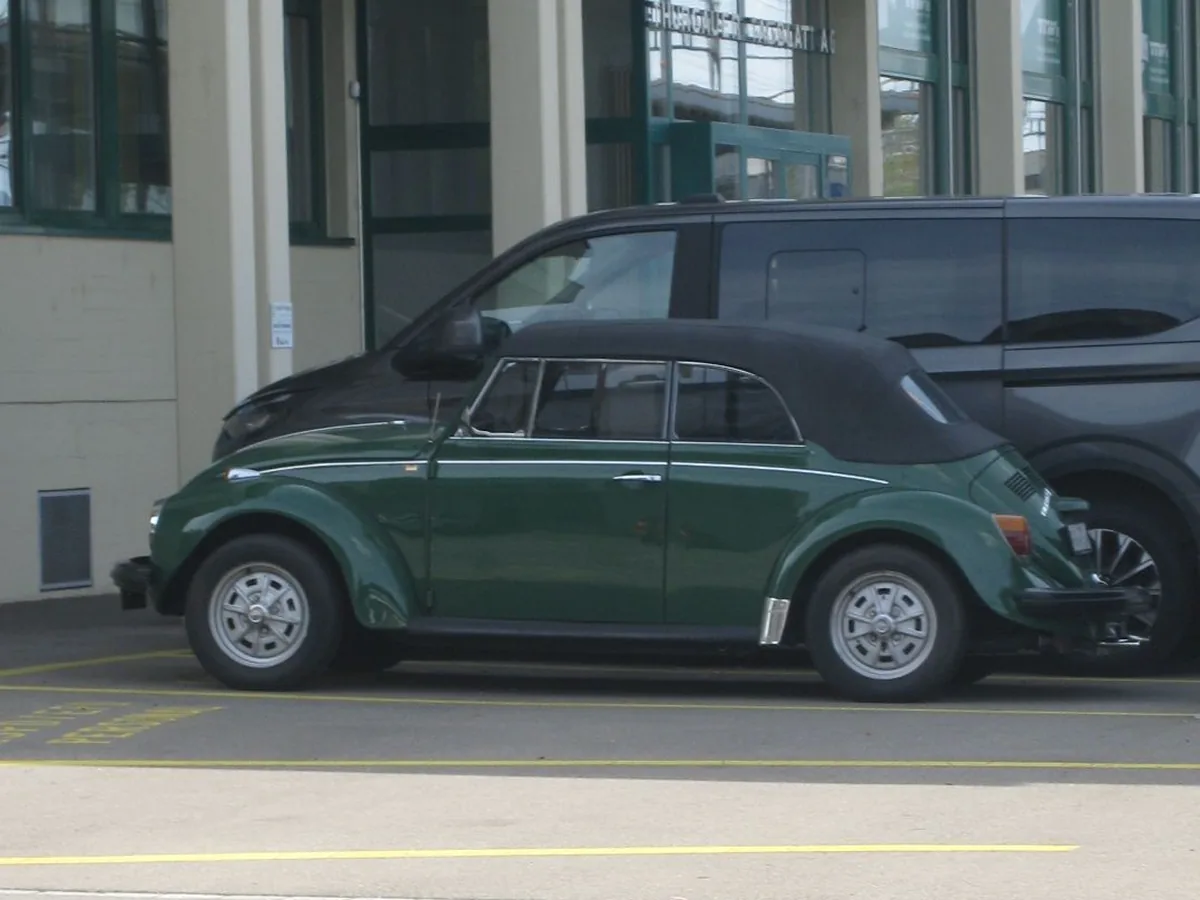
Celtaquatre
City K-ZE
Citybus
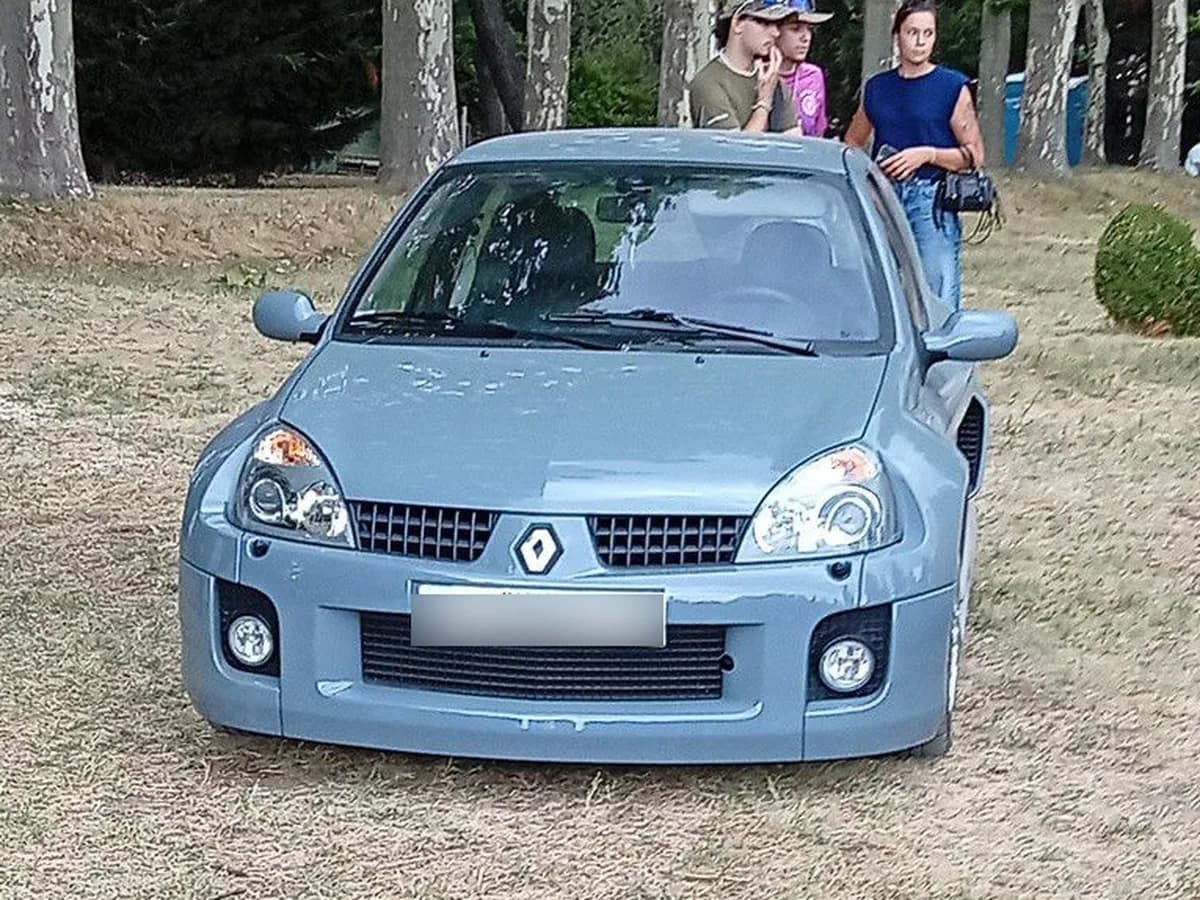
Clio
Clio Symbol
Colorale
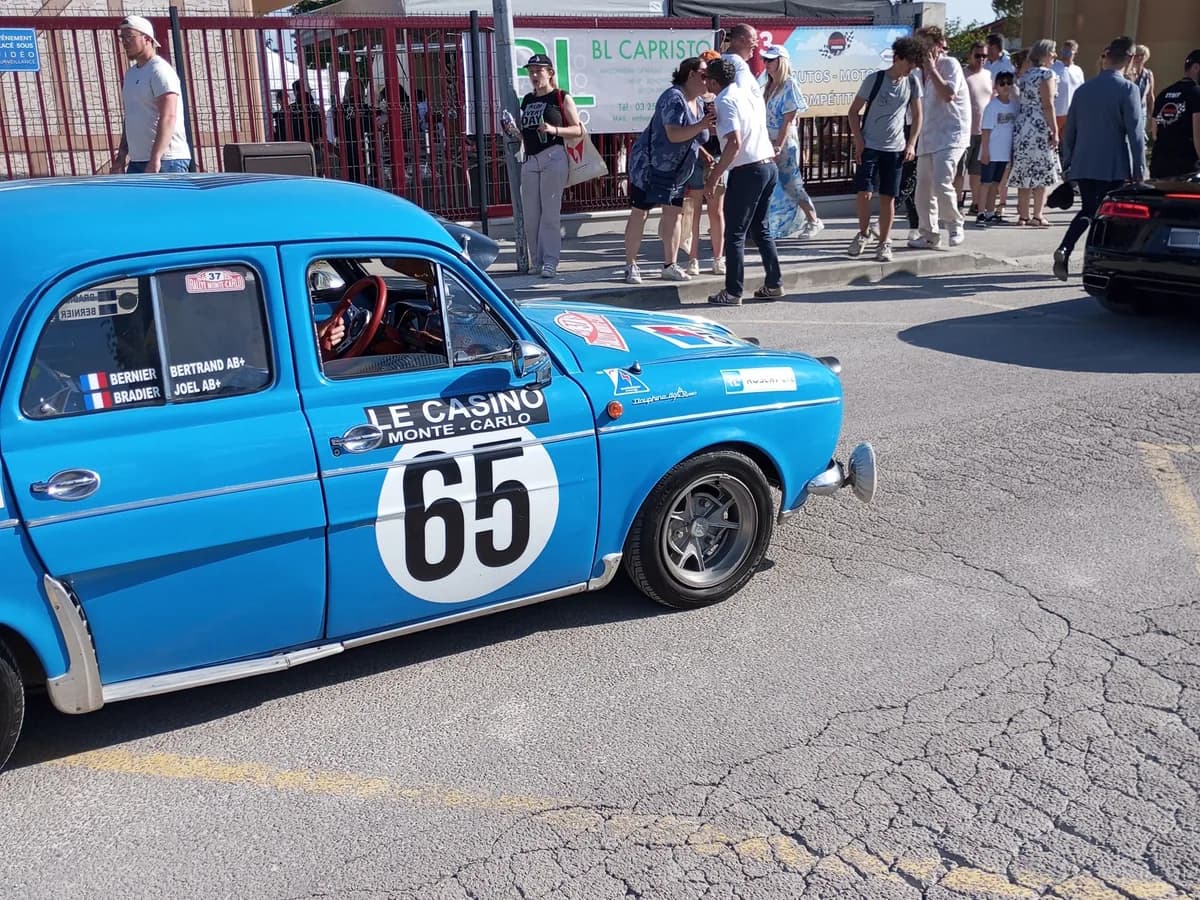
Dauphine
Dokker

Duster
Encore

Espace
Express
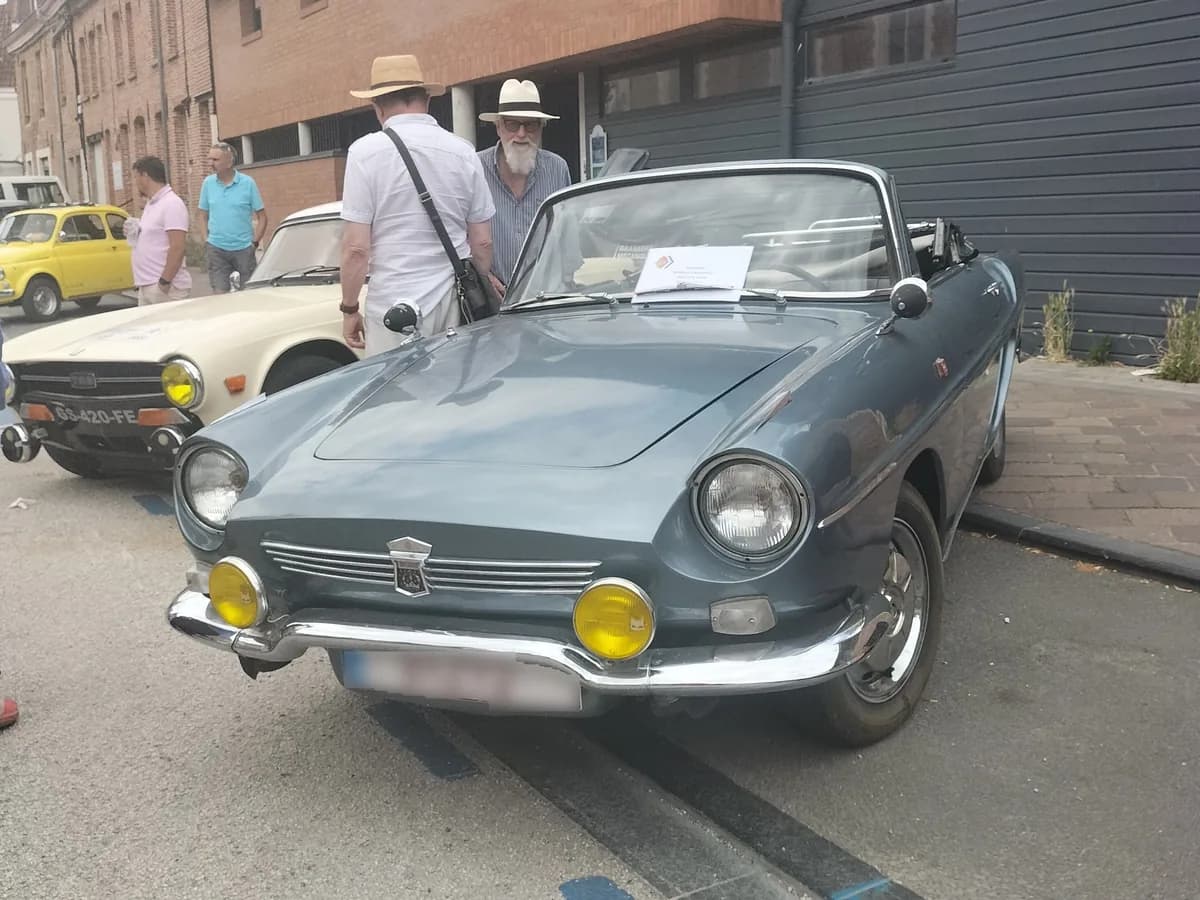
Floride
Fluence
Frégate
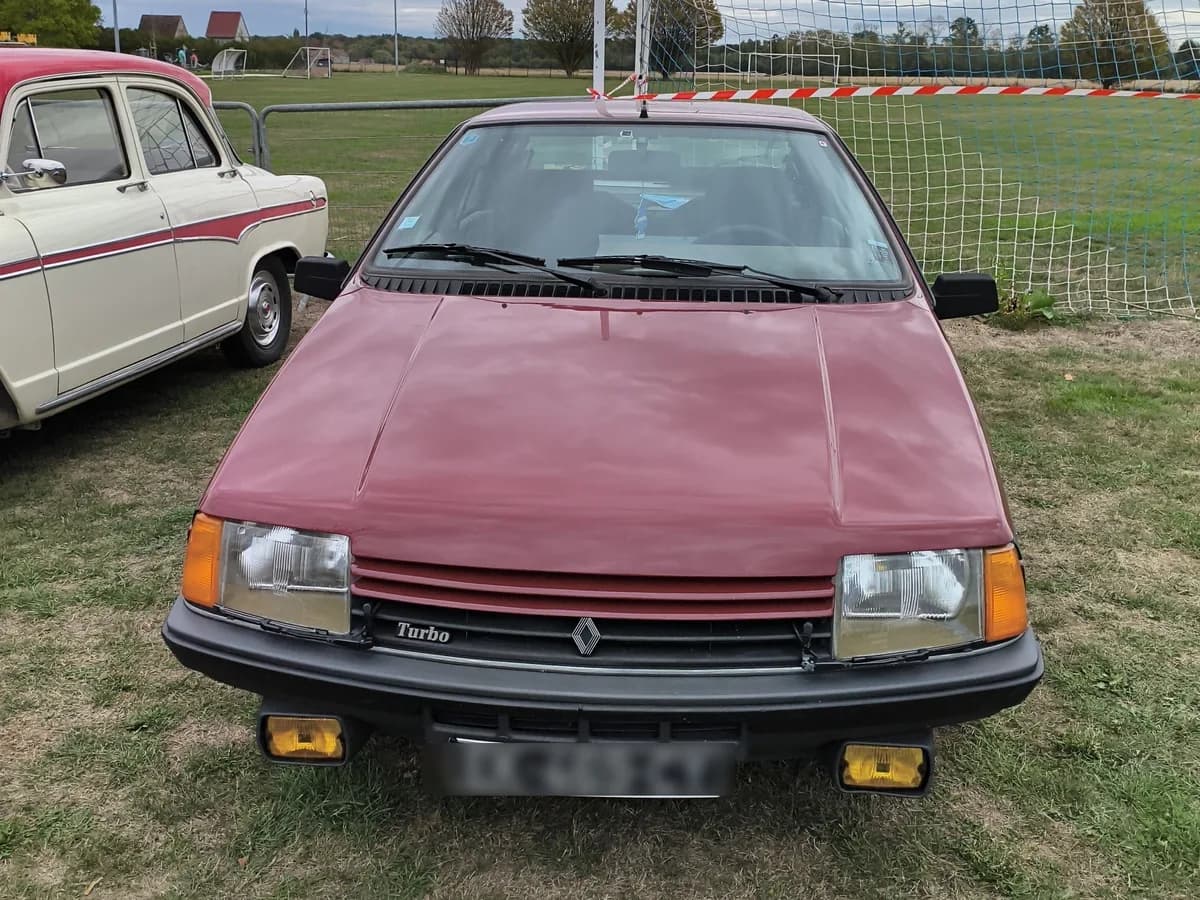
Fuego
Goélette
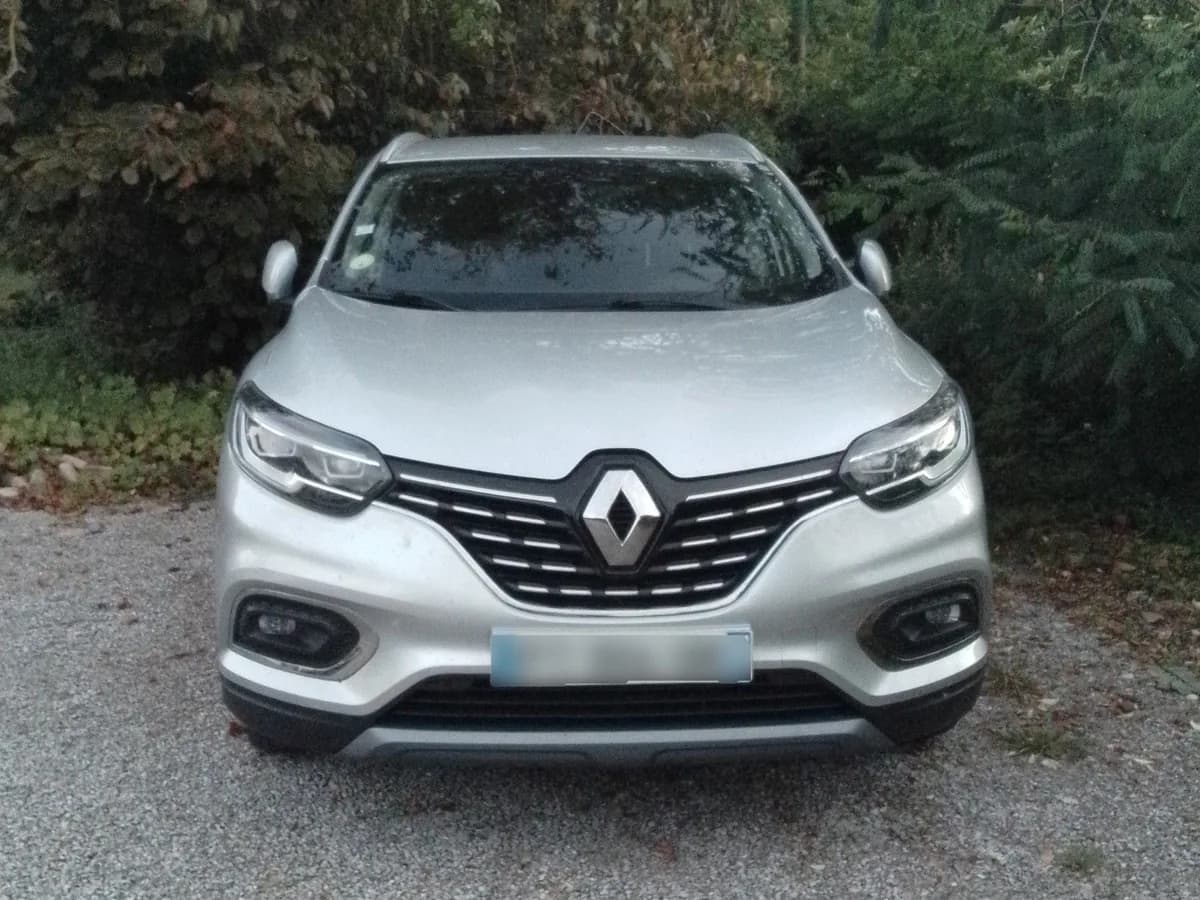
Kadjar
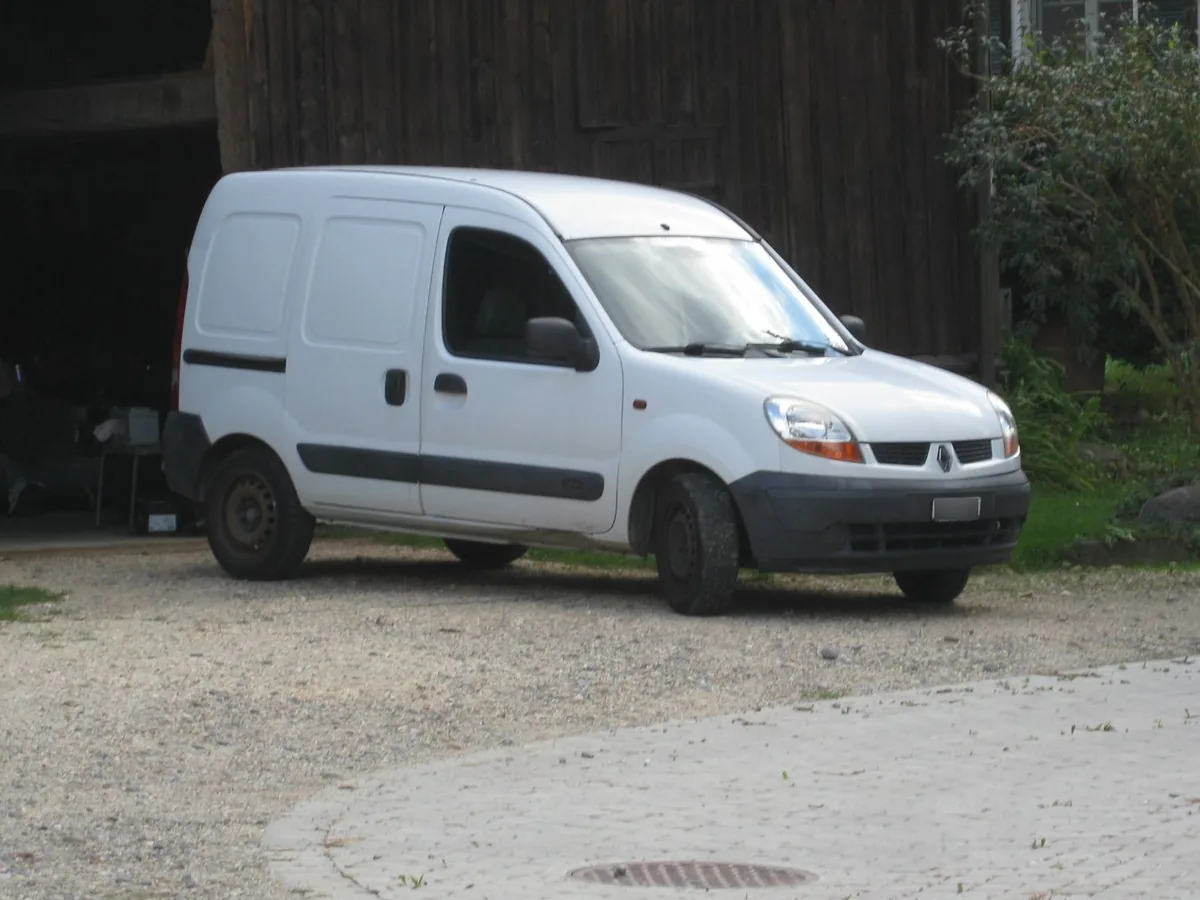
Kangoo
Kaptur
Kardian
Kiger

Koleos
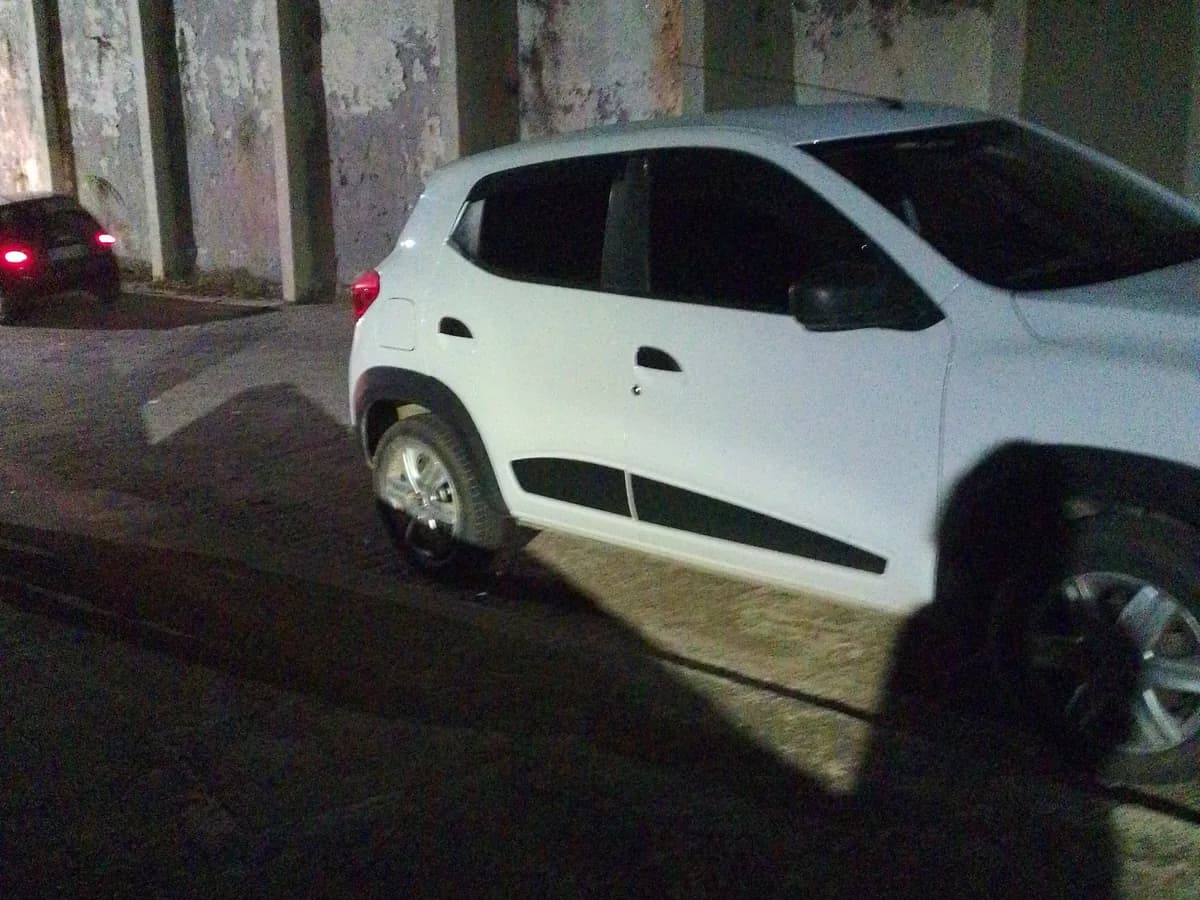
Kwid
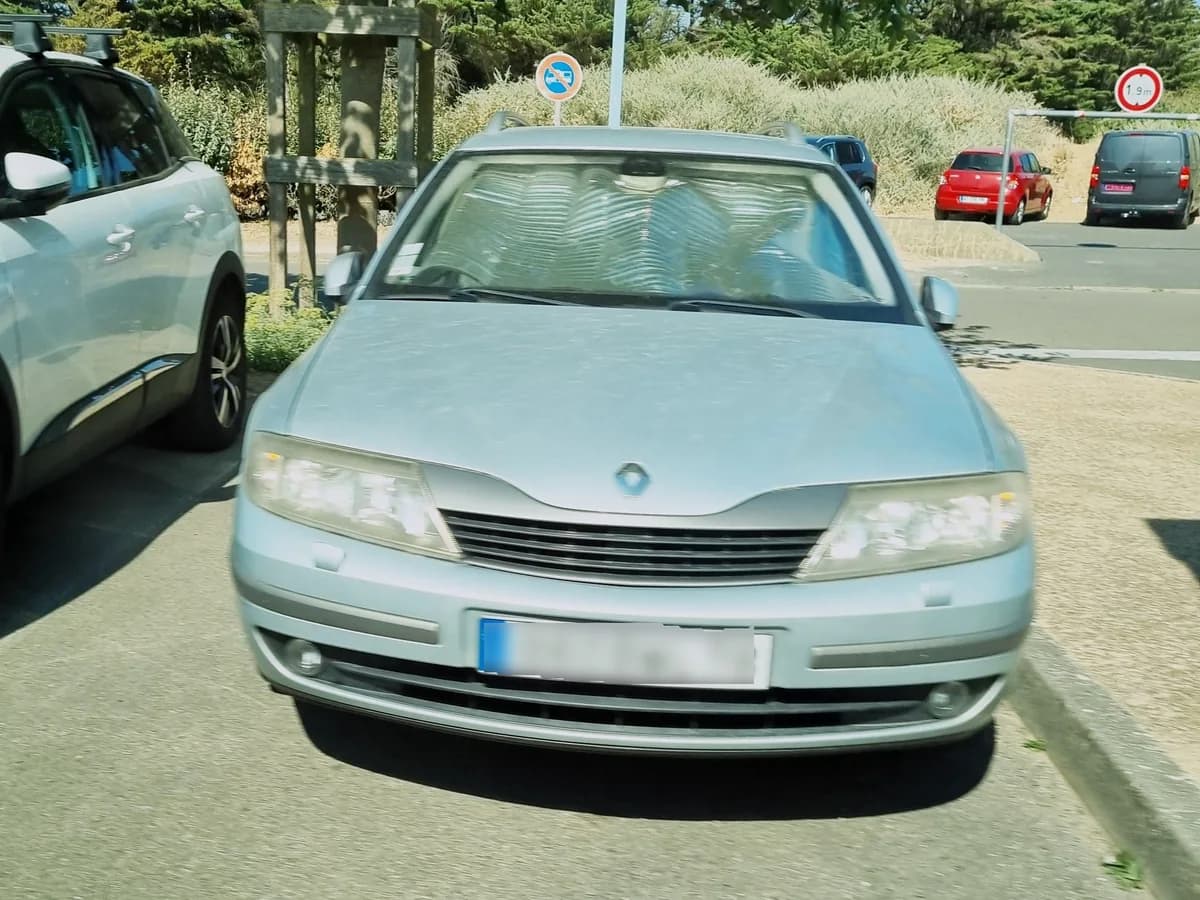
Laguna
Latitude
Lodgy
Logan
Lutecia
Maxity
Medallion
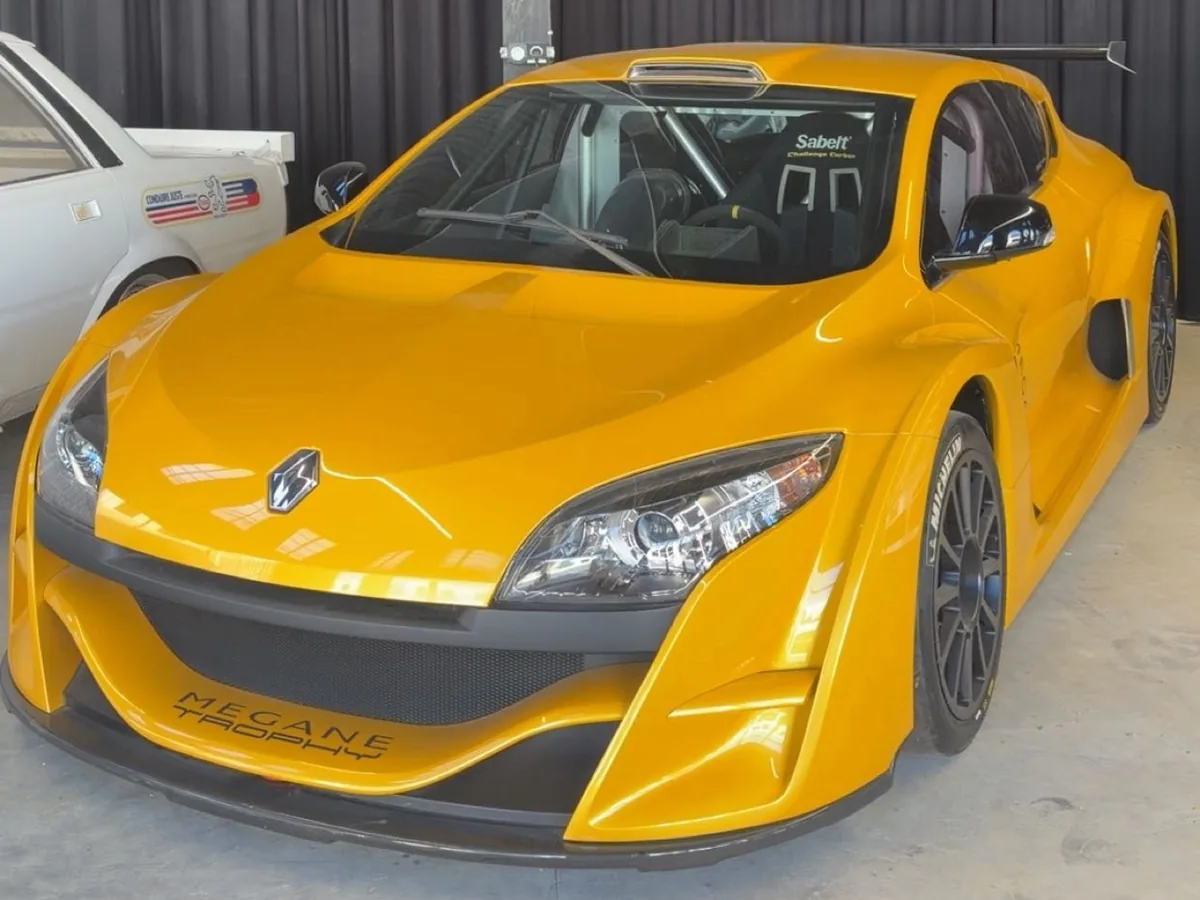
Mégane

Modus
Oroch

R.S.17
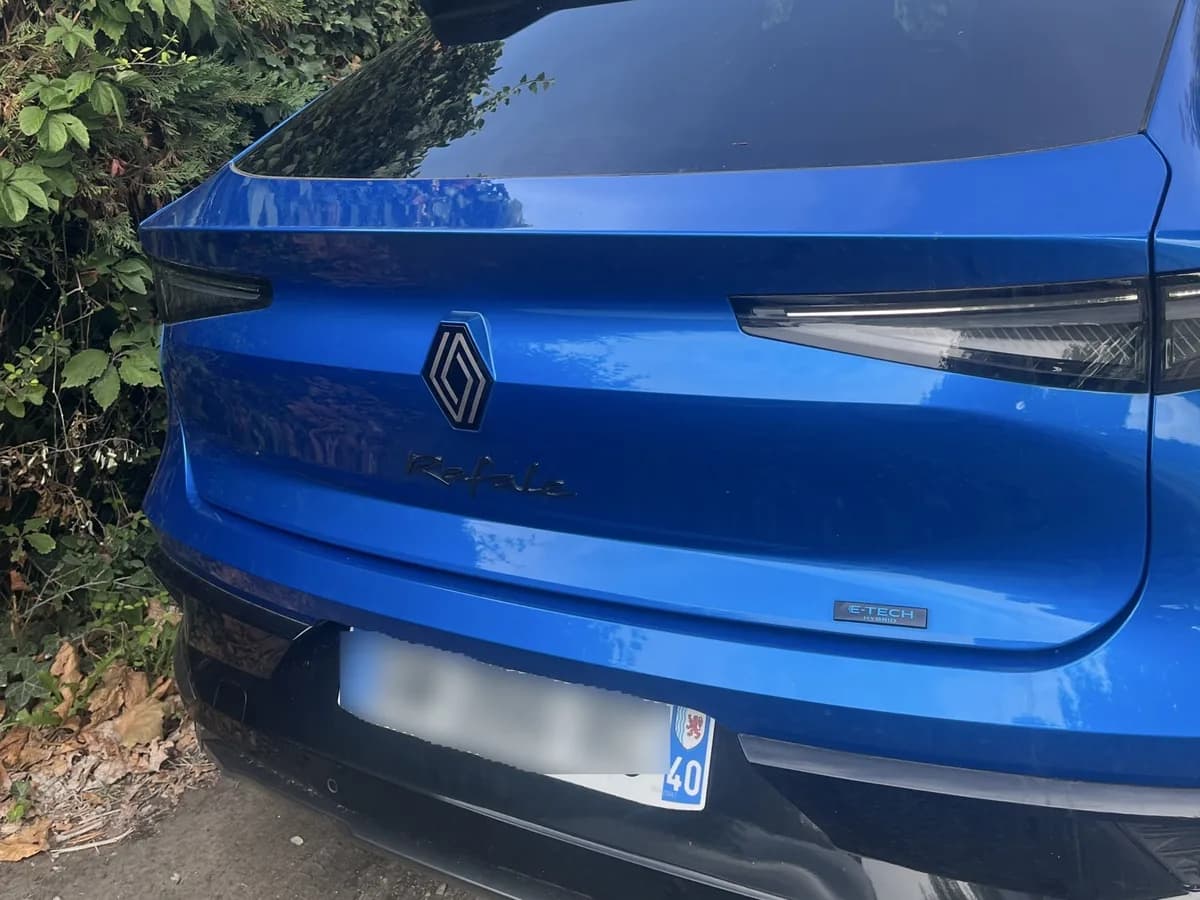
Rafale
Rapid
Rodéo
Safrane
Sandero
Scala
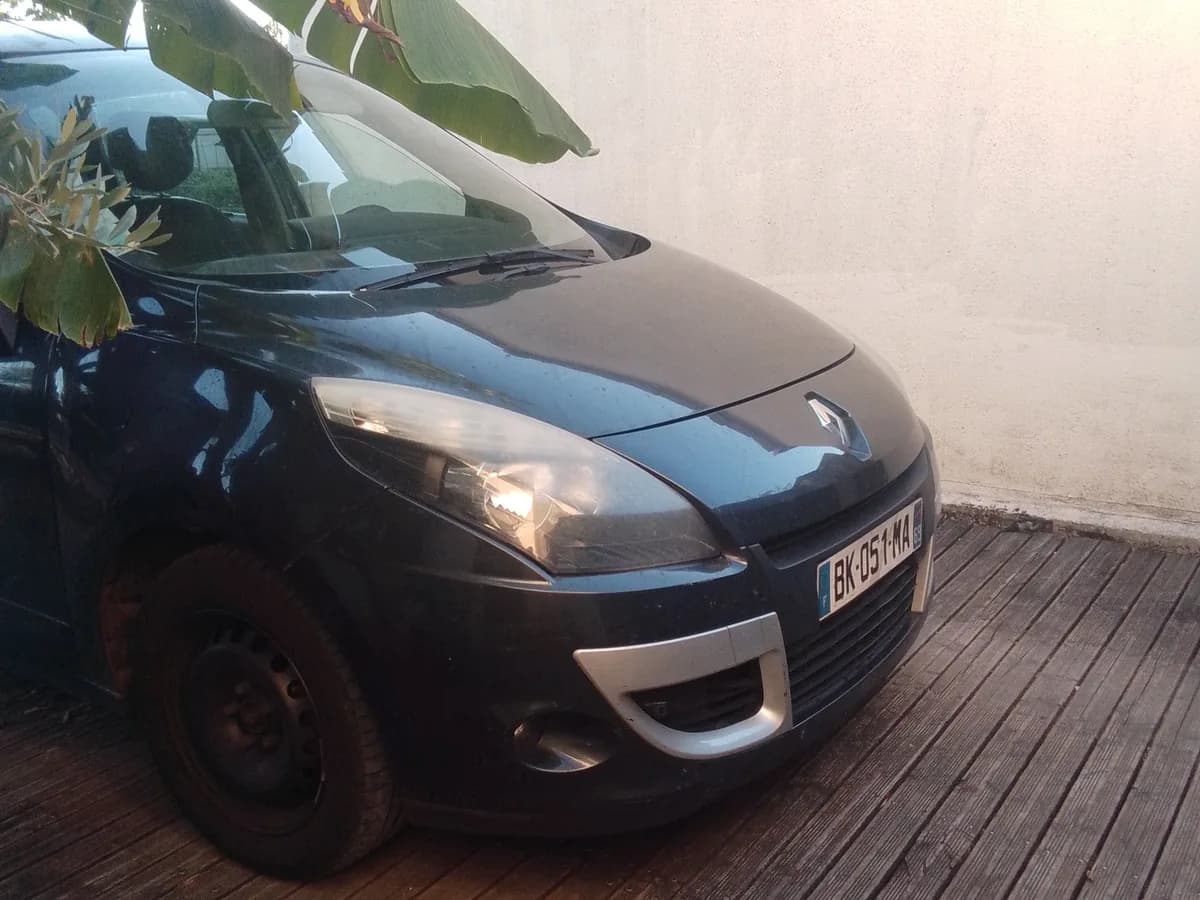
Scénic
Siete
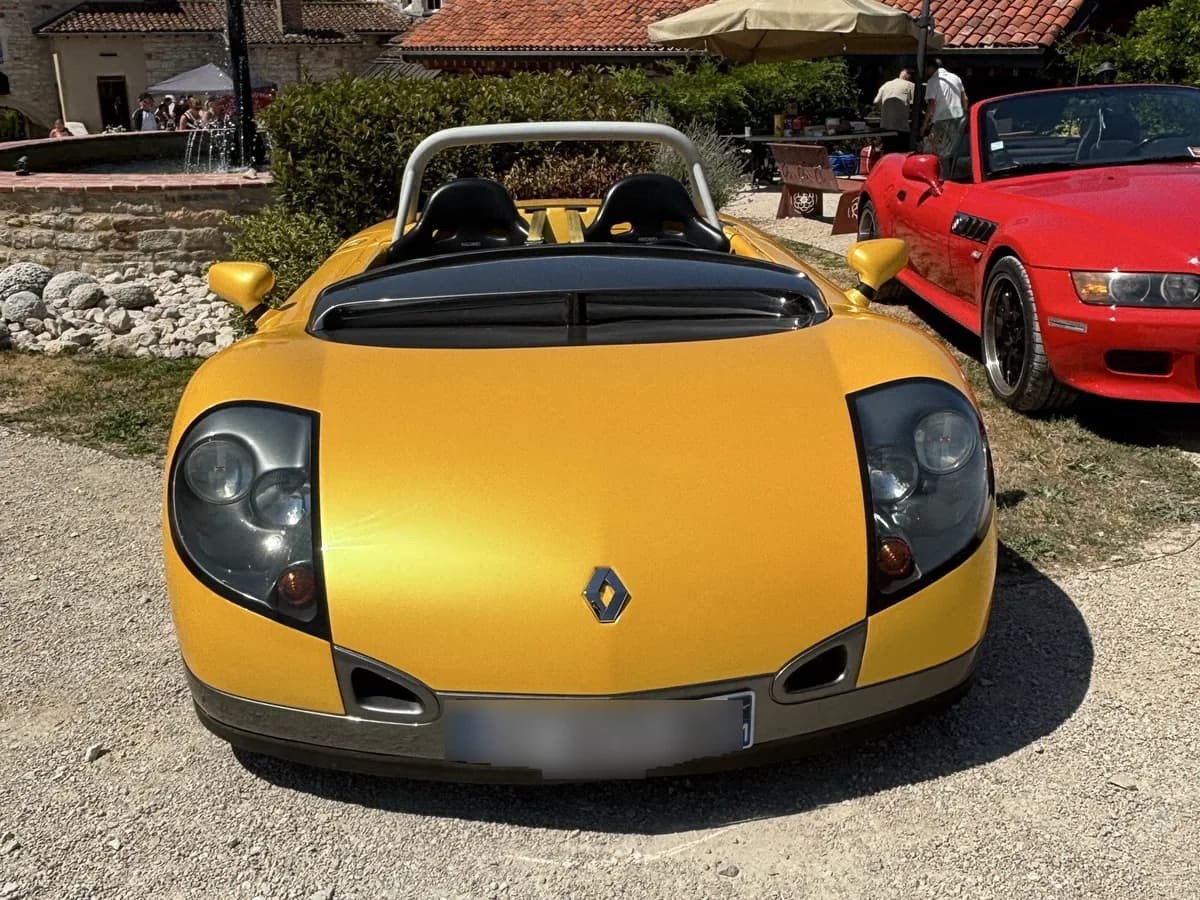
Sport Spider
Stepway
Symbioz

Symbol
Taliant

Talisman
Thalia
Tondar 90

Torino
Trafic
Triber
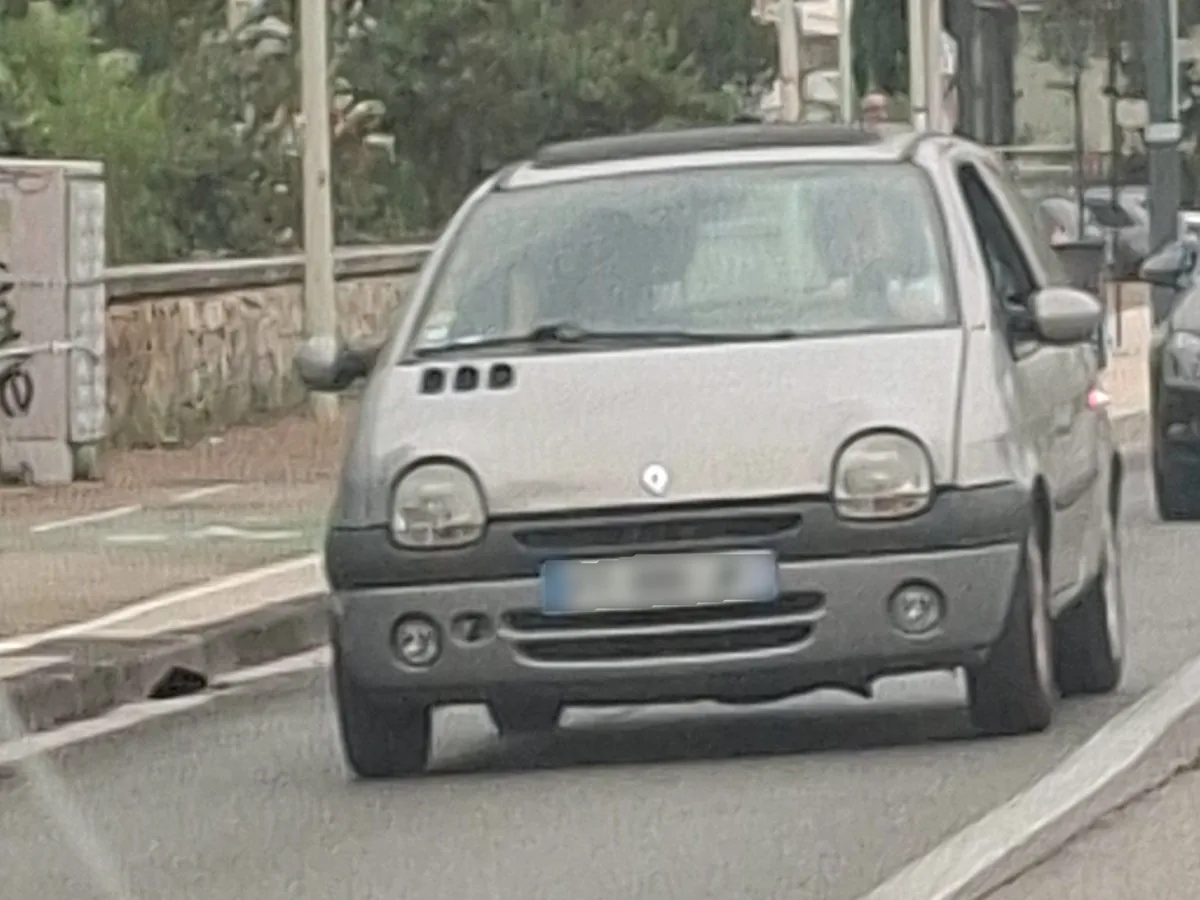
Twingo
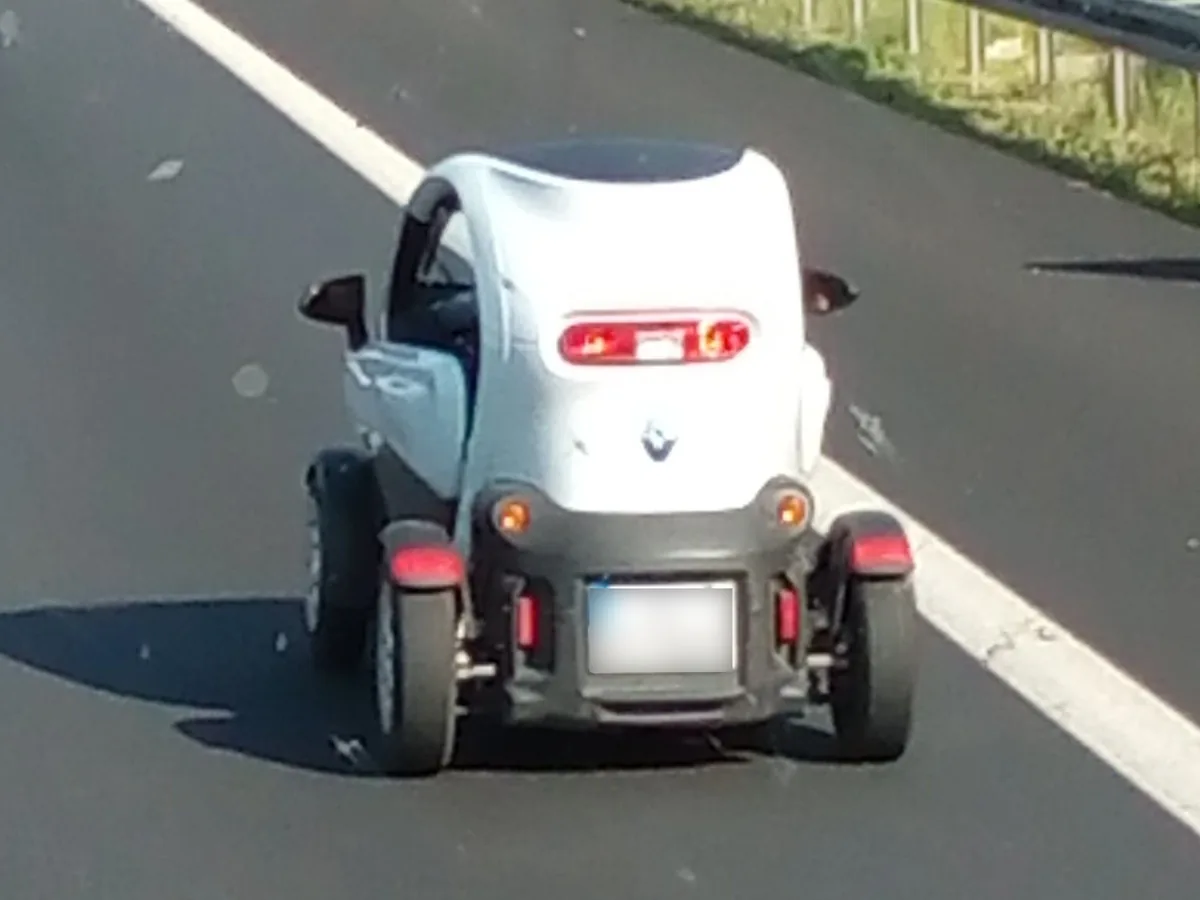
Twizy Z.E
Twizy Z.E.
Vel Satis
Wind
Zoe
Renault overview
Renault history
Renault’s story began in 1898, when Louis Renault completed a small single-cylinder car in the family workshop at Boulogne-Billancourt. Driving the Type A up Paris’s steep Rue Lepic helped attract its first customers. Louis and his brothers Marcel and Fernand then organised the Renault Frères company, whose vehicles gradually gained recognition for their durability, engineering solutions and success in long-distance road events. During the early twentieth century, Renault also developed commercial vehicles and built an international reputation through motor racing. After the Second World War, the 4CV contributed to mass motorisation in France. Launched in 1961, the Renault 4 brought a practical body and front-wheel drive to a broad range of customers. The Renault 16 followed with a family hatchback format, while the Renault 5 addressed growing demand for compact and economical cars in the early 1970s. The Espace, introduced in 1984, and the Scénic, launched in 1996 as the Mégane Scénic, demonstrated Renault’s focus on interior space and versatility. During the 1990s, Clio and Mégane renewed the brand’s city-car and compact-car offerings. Renault continues that evolution through hybrid and electric models.
Renault positioning
Renault has traditionally approached the car through everyday usability. Its most significant models are not confined to one body style: the brand has produced affordable city cars, hatchbacks, estates, coupés, commercial vehicles and highly adaptable family vehicles. That variety is evident in the 4, 5, Clio and Mégane ranges, as well as in the Espace and Scénic, both designed around efficient use of interior space. Renault’s positioning generally combines accessible pricing, comfort, practicality and distinctive design. The brand has also maintained a sporting identity through Renault Sport, Turbo derivatives, rallying and Formula 1. This combination of mainstream and technical appeal explains the coexistence of rational vehicles such as the Kangoo and Logan with more specialised cars including the Clio Williams and Mégane Coupé. In its recent product strategy, Renault has placed greater emphasis on electrification while retaining a visual identity centred on the diamond emblem. Exact equipment, engines and body styles vary considerably by generation and market.
Recognizing a Renault in a photo
When identifying a Renault, start with the diamond emblem, but also check its shape and position because the logo changed significantly over the decades. Older cars may carry badges that look very different from those on modern vehicles. The Renault 4 is often recognisable by its compact hatchback body, upright proportions and practical profile. The Renault 5 has a lower, more angular two-box shape and a distinctive small-car stance. A Clio usually has city-car proportions, with increasingly rounded styling on later generations. Mégane is harder to identify from one feature because it appeared as a hatchback, saloon, estate, coupé, cabriolet and MPV. Scénic typically uses a taller body, independent rear seats and generous glasshouse proportions. On older Renault 12, 19, 21 and Laguna models, the grille, lamps, roof pillars and hatch or boot shape are often more useful than the badge alone. Trim and market differences can alter these cues.
Important Renault models
The Renault 4 holds a central place in the brand’s history: more than eight million were built in 29 countries between 1961 and 1992, combining simplicity, usable space and versatility. Launched in 1972, the Renault 5 achieved international distribution and exceeded 5.5 million units through 1985. The Clio, introduced in 1990, became a major Renault city car and spawned notable performance versions such as the Clio Williams. Mégane arrived in 1995 as the successor to the Renault 19 and stood out for an unusually broad choice of body styles. The Scénic, derived from Mégane from 1996, helped establish the compact MPV and became a separate model name in 1999. Although it is not included in the supplied primary model selection, the Espace remains essential to understanding Renault’s long-standing focus on spacious and modular family vehicles.
Renault model names follow a precise logic — with a few exceptions. Decode a Renault name
References
- Our historyRenault Group
- Type AThe Originals Renault Museum
- Renault 4The Originals Renault Museum
- R5 TLThe Originals Renault Museum
- Clio WilliamsThe Originals Renault Museum
- Mégane CoupéThe Originals Renault Museum
- Scenic RXTThe Originals Renault Museum
- Espace TSEThe Originals Renault Museum