
Twingo
First unveiled in 1992 and launched from 1993, the Renault Twingo redefined the small city car with a one-box body, an expressive front end and an unusually adaptable cabin. The original generation combined a compact 3.43-metre body with a sliding and folding rear bench, making it practical both in crowded urban streets and for carrying bulky items. (theoriginals.renault.com) Across three generations, the Twingo changed its styling, engineering layout and market position. The 2007 model introduced more performance-oriented versions, while the 2014 generation adopted five doors and a rear-mounted engine through a development partnership involving Daimler. The range later gained the Twingo Z.E. electric version in 2020. (theoriginals.renault.com)
Variants by year
2025
2014
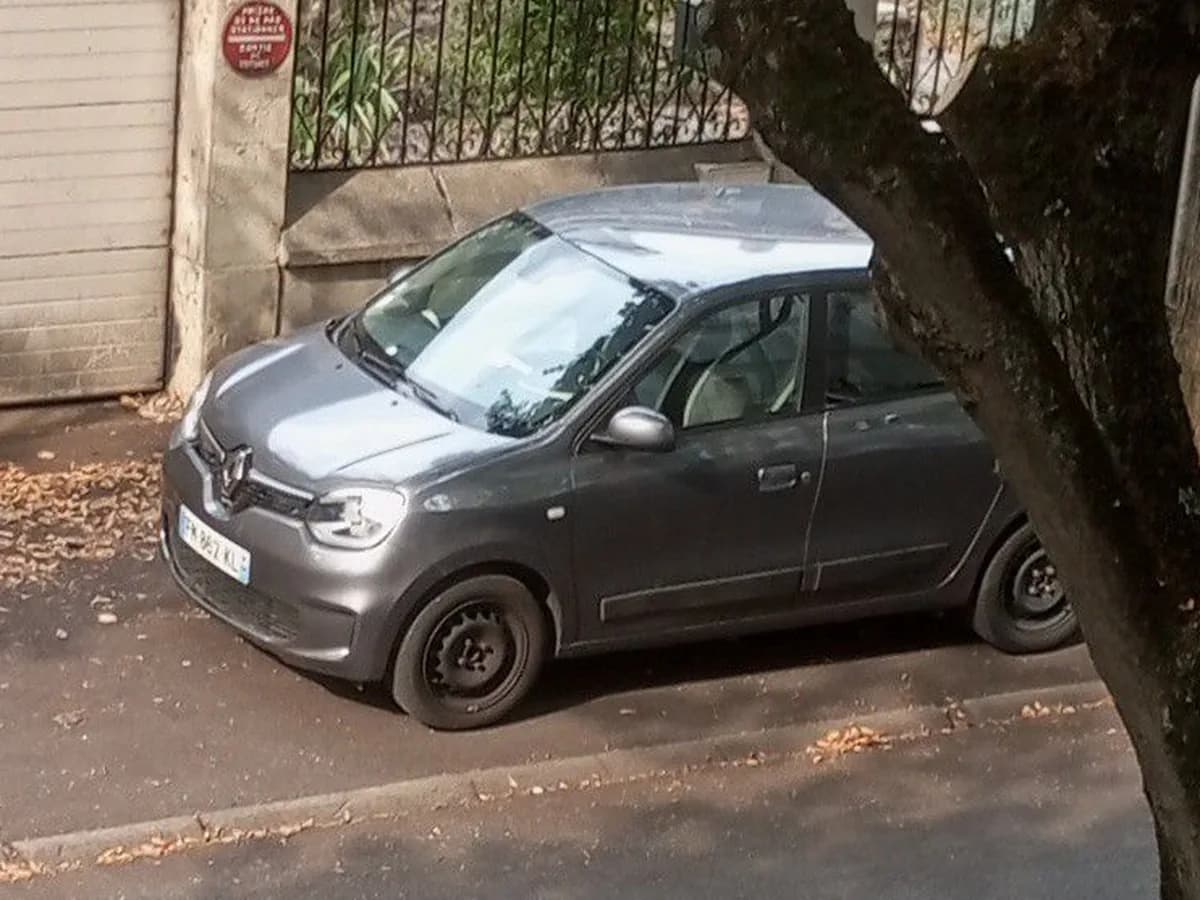
2011
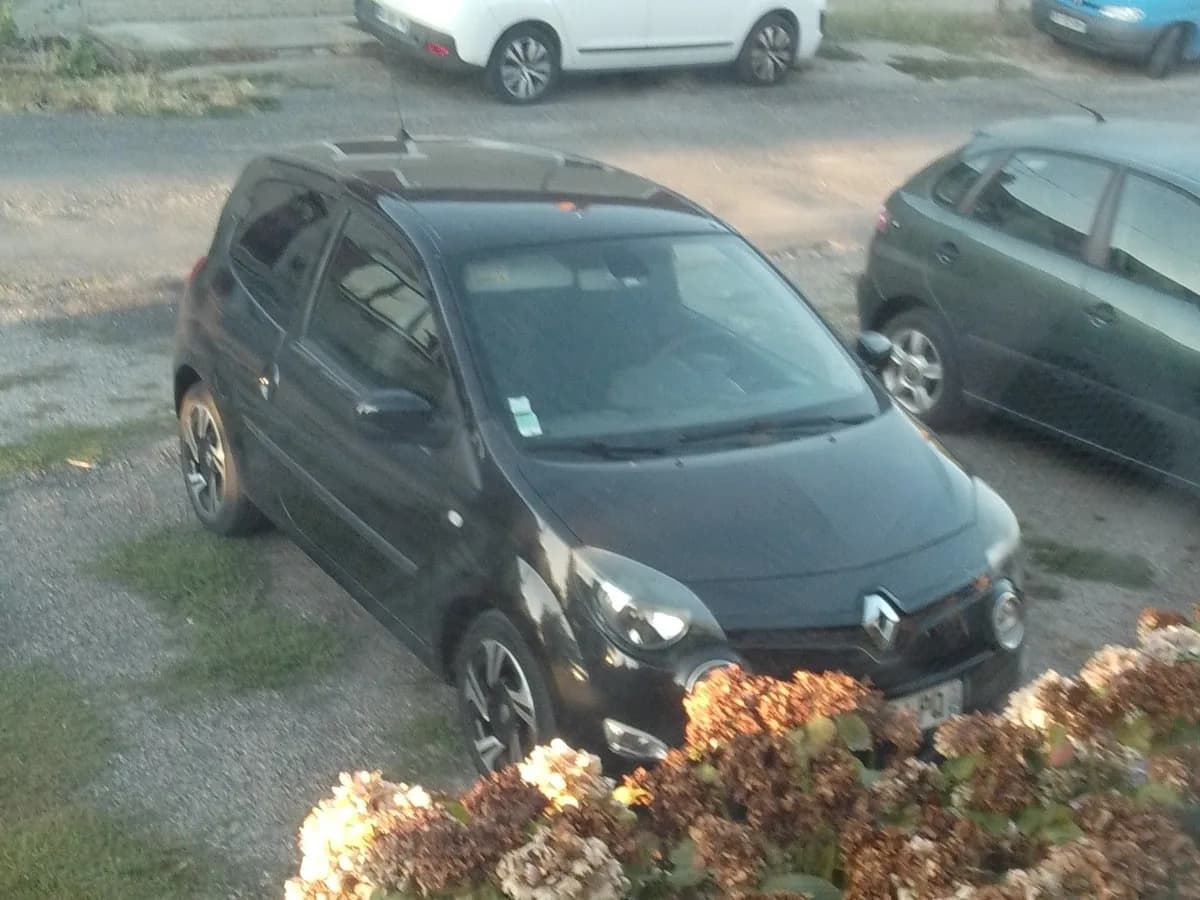
2007
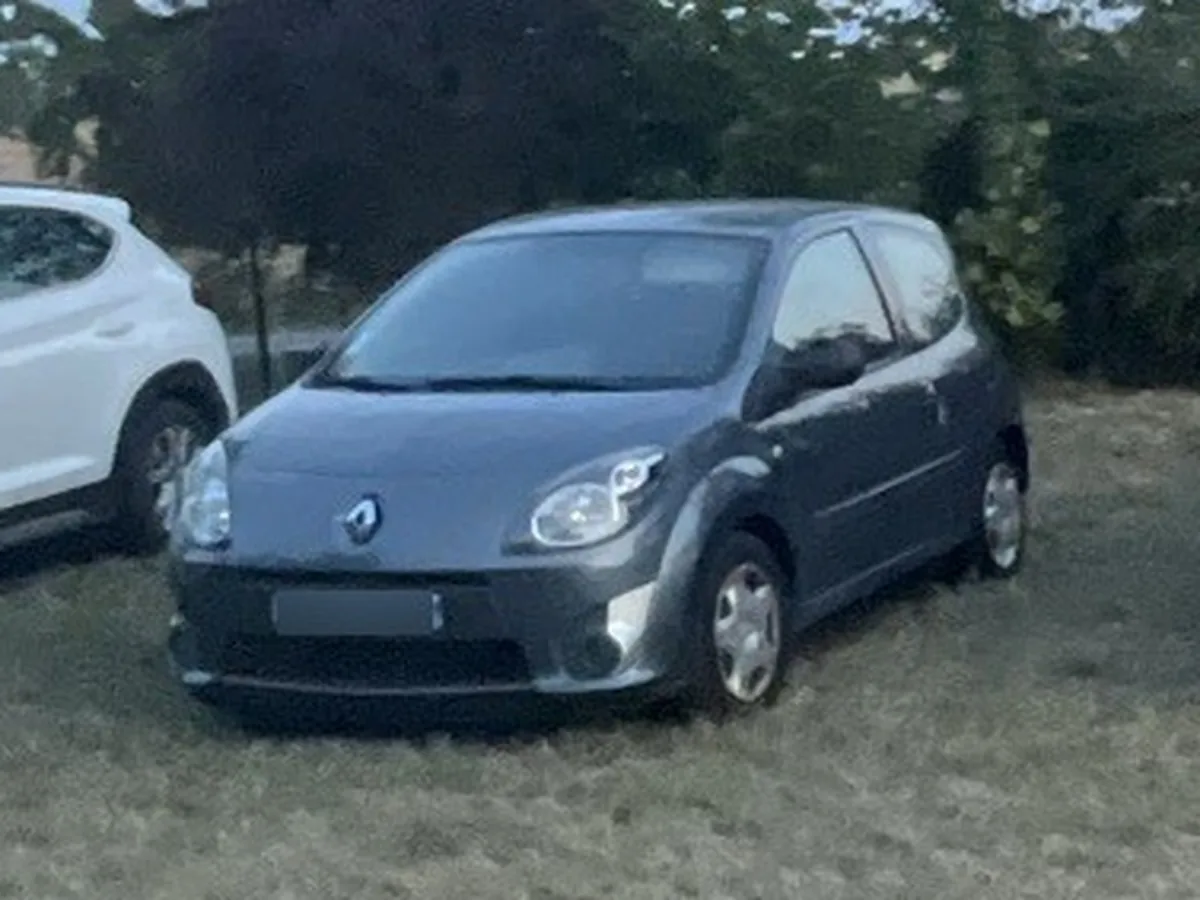
1992
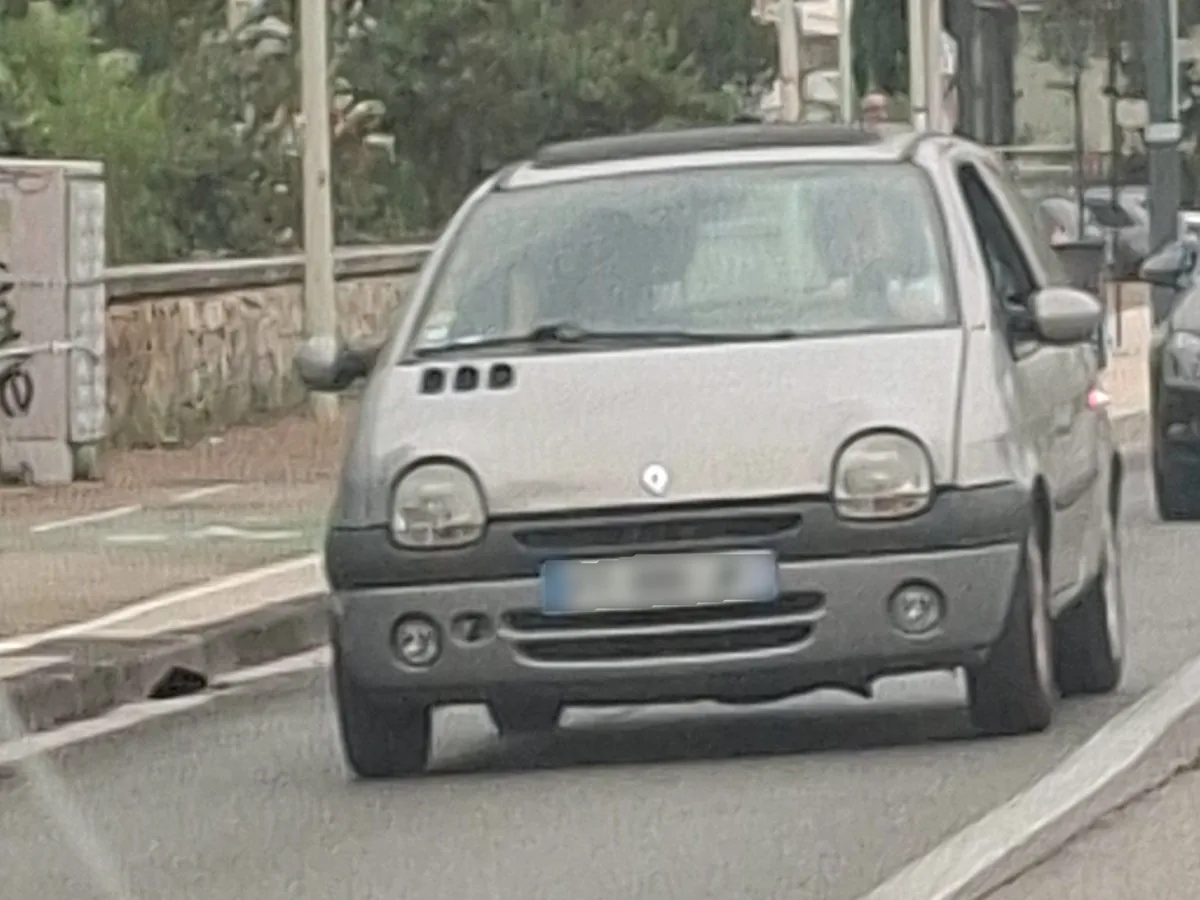
Model summary
Data from the ScanRacer library, organized to compare versions quickly.
Model introduction
First unveiled in 1992 and launched from 1993, the Renault Twingo redefined the small city car with a one-box body, an expressive front end and an unusually adaptable cabin. The original generation combined a compact 3.43-metre body with a sliding and folding rear bench, making it practical both in crowded urban streets and for carrying bulky items. (theoriginals.renault.com) Across three generations, the Twingo changed its styling, engineering layout and market position. The 2007 model introduced more performance-oriented versions, while the 2014 generation adopted five doors and a rear-mounted engine through a development partnership involving Daimler. The range later gained the Twingo Z.E. electric version in 2020. (theoriginals.renault.com)
History
The Twingo was unveiled at the 1992 Paris Motor Show. Renault treated it as a complete concept rather than simply another city car: one version, one engine, one price and four launch colours. The project was associated with programme director Yves Dubreil and designer Jean-Pierre Ploué. (theoriginals.renault.com) Its one-box proportions, wheels pushed toward the corners and flexible cabin gave it a character unlike conventional small hatchbacks. The sliding and reclining rear bench was one of its most distinctive practical features, while folding seatbacks could significantly increase carrying capacity. (theoriginals.renault.com) Renault introduced the second generation in 2007. It adopted a more conventional overall shape but offered a broader selection of equipment, editions and performance-focused derivatives; a major facelift followed in 2011. In 2014, the third generation brought a more fundamental technical change, with five doors, a rear-mounted engine and wheels positioned at the corners of the body. Renault developed this car within a cooperation programme involving Daimler and the future Smart models. (theoriginals.renault.com) The Twingo Z.E., revealed in 2020, extended the nameplate into electric urban mobility. (media.renault.com)
Generations
The first generation, launched in the early 1990s, is identified by its three-door one-box body, forward-set windscreen and rounded front end. It uses a front-engine, front-wheel-drive layout. Renault lists a 3.43-metre overall length and an initially petrol-only range, although engines and equipment changed through successive phases. (theoriginals.renault.com) The second generation arrived in 2007. It retained front-wheel drive and a front-mounted engine, while adopting proportions and styling closer to other Renault city cars of the period. Its life cycle included several trim levels, special editions and the sporty GT, Gordini and Renault Sport derivatives. The 2011 facelift is a useful visual reference when separating later examples from earlier cars. (theoriginals.renault.com) The third generation, launched in 2014, replaced the three-door body with five doors. Its rear-mounted engine freed space at the front and helped produce a notably tight turning circle; Renault also highlighted a flat floor and a possible 2.20-metre loading length with the appropriate seat configuration. (be.media.renaultgroup.com) This generation was also offered as the electric Twingo Z.E., introduced in 2020. (media.renault.com)
Key differences
The easiest visual reference is the number of doors: the Twingo I and II use three doors, while the Twingo III has five. The first generation has a tall one-box profile, round headlamps integrated into a friendly front end and a distinctive centrally mounted dashboard. The Twingo II looks lower and more like a conventional small hatchback; its front bumper and headlamp treatment changed significantly with the 2011 facelift. The Twingo III can be identified by its disguised rear door handles, round daytime running lights and broad glass tailgate. (theoriginals.renault.com) The mechanical distinction is even clearer: the first two generations use a front-mounted engine and front-wheel drive, whereas the third uses a rear-mounted engine. Identification should still account for market differences, special editions and facelift phases, which can alter colours, wheels, bumpers or equipment without creating a new generation.
Photo recognition
To identify a Twingo I, look for a short, tall body, three doors, a steeply sloping bonnet and a front end dominated by two round lamps. Early cars are strongly associated with the four launch colours—ultramarine blue, Indian yellow, coral red and coriander green—although the palette expanded quickly. The sliding rear bench is an important interior clue. (theoriginals.renault.com) A Twingo II has more conventional proportions and no rear door handles because it remains a three-door car. The 2011 facelift can be recognised by its more pronounced front-end treatment and redesigned light clusters. The Twingo III is easy to separate from both earlier generations through its two rear doors, handles integrated into the rear pillars, vertical rear lamps and round daytime running lights. The rear-mounted engine is not visible during a casual inspection, but the short nose and wheels pushed toward the corners are useful exterior clues. (be.media.renaultgroup.com)
Important versions
The launch Twingo is a key reference because it embodied the original formula with one trim, one engine and four colours. The Benetton, Kenzo, Perrier and Elite editions later demonstrated Renault’s emphasis on personalisation during the first generation. (theoriginals.renault.com) The Twingo II is especially notable for its GT, Gordini and Renault Sport 133 versions, which gave the small hatchback a more performance-oriented identity. Renault also produced numerous special editions, including Nokia, Night & Day, Rip Curl, Miss Sixty, Mauboussin and Red Bull Racing. (theoriginals.renault.com) On the Twingo III, the Hipanema, Le Coq Sportif and La Parisienne editions are among the most recognisable style-focused variants. The Twingo Z.E., introduced in 2020, marks the major drivetrain change, bringing a fully electric version to the model line. (theoriginals.renault.com)
The name “Twingo” follows Renault naming, with its rules and its exceptions. Decode a Renault name
References
- Twingo - The Originals Renault MuseumRenault
- Nouvelle Twingo : Renault réinvente sa citadineRenault Group Media
- Nouvelle Twingo révèle ses prixRenault Group Media
- The New Twingo Electric: more than ever the queen of the cityRenault Group Media
- Rear bench: sliding on the new generation Twingo tooRenault Group
- https://auto.ria.com/newauto/catalog/renault/twingo/auto.ria.com
- https://www.encycarpedia.com/renault/twingoencycarpedia.com
Technical specifications
Structured data available for versions linked to this model.
| Version | Power | Torque | Top speed | Drivetrain | Fuel |
|---|---|---|---|---|---|
| Base | 63 KW @ 4000 RPM86 HP @ 4000 RPM84 BHP @ 4000 RPM | 148 lb-ft @ 1750 RPM201 Nm @ 1750 RPM | 115 mph (185 km/h) | Front Wheel Drive / 5-speed, Manual | Diesel |
Frequently asked questions
- What years was the Renault Twingo produced?
- ScanRacer's referenced versions cover 1992 - 2025.
- How many Renault Twingo examples are documented on ScanRacer?
- 11 published scans from 11 members, with the latest photo added in August 2026.
- What is the power output of the Renault Twingo?
- The sourced technical data lists 63 KW @ 4000 RPM86 HP @ 4000 RPM84 BHP @ 4000 RPM.