
11
Introduced by Renault in April 1983, the Renault 11 was a compact hatchback developed as the hatchback counterpart to the Renault 9. Its three- and five-door body styles were marked by a four-headlamp front end and a distinctive glass tailgate bubble, a design feature also associated with the Renault Fuego. The 11 used a transverse-engine, front-wheel-drive layout, but presented it in a more expressive and practical shape than the family’s three-box sedan. Renault also used the model to introduce electronic equipment that was unusual in this class at the time, particularly on Electronic versions. The range quickly expanded with the Renault 11 Turbo in 1984, followed by styling and equipment changes late in the model’s career. The car belongs to an important period in Renault’s renewal of its compact range, leading eventually to the Renault 19.
Variants by year
1986
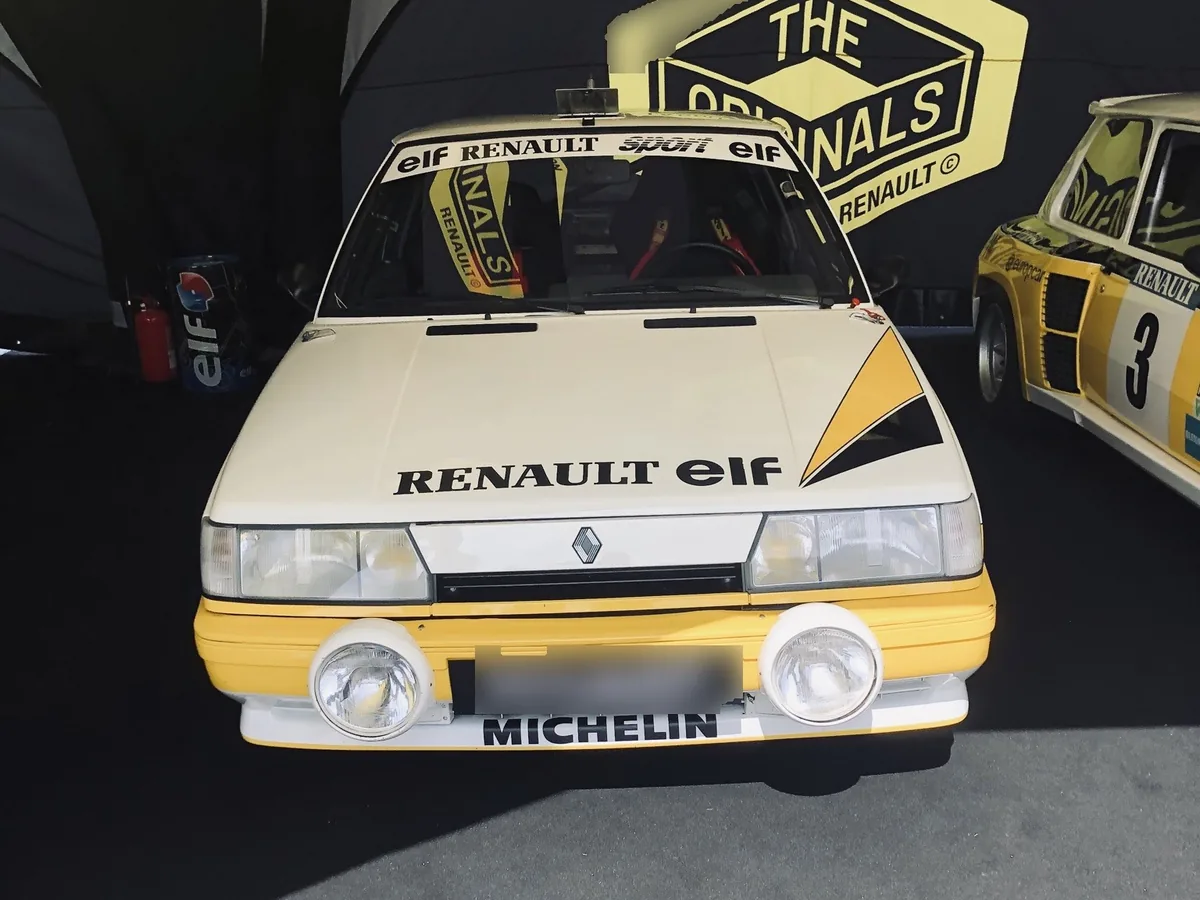
1981
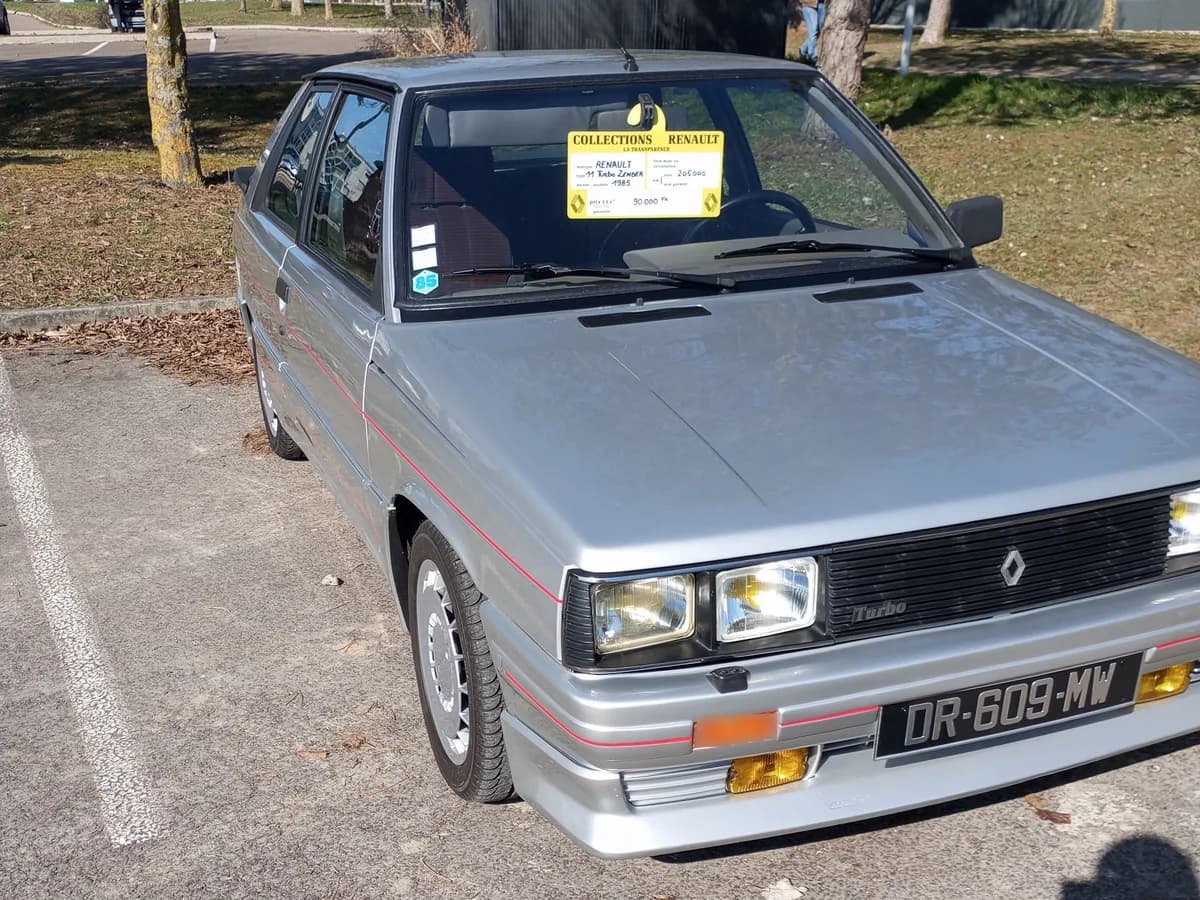
Model summary
Data from the ScanRacer library, organized to compare versions quickly.
Model introduction
Introduced by Renault in April 1983, the Renault 11 was a compact hatchback developed as the hatchback counterpart to the Renault 9. Its three- and five-door body styles were marked by a four-headlamp front end and a distinctive glass tailgate bubble, a design feature also associated with the Renault Fuego. The 11 used a transverse-engine, front-wheel-drive layout, but presented it in a more expressive and practical shape than the family’s three-box sedan. Renault also used the model to introduce electronic equipment that was unusual in this class at the time, particularly on Electronic versions. The range quickly expanded with the Renault 11 Turbo in 1984, followed by styling and equipment changes late in the model’s career. The car belongs to an important period in Renault’s renewal of its compact range, leading eventually to the Renault 19.
History
The Renault 11 came from the same development program as the Renault 9, introduced in 1981. Renault launched the 11 in April 1983 as a hatchback compact aimed at buyers seeking greater versatility and a less conventional silhouette. Robert Opron’s design retained the 9’s technical foundation but used a two-box body available as a three-door coach and a five-door hatchback. The glass bubble incorporated into the tailgate improved cabin light and became one of the model’s most recognizable details. The Renault 11 also occupies a distinctive place in the history of automotive equipment. Electronic versions introduced a digital instrument display and voice-related functions, an approach Renault presented as an innovation for a mass-produced car. In March 1984, the range gained the Renault 11 Turbo. Its 1,397 cc turbocharged petrol engine produced 105 hp in its initial form and positioned the car against the growing market for sporty compact models. It was initially offered as a three-door, followed by a five-door version. The Turbo Zender special series later added a French-market appearance package. At the end of 1986, the Renault 11 was restyled for the following model year before gradually giving way to the Renault 19 in 1989.
Generations
The Renault 11 is not best understood as a model divided into several completely separate generations. Renault sources describe it as one model that evolved through different phases, beginning in 1983 and continuing into the late 1980s depending on market and body style. This distinction matters because changes to trim, engines, and appearance do not automatically represent a new generation in the strict sense. The first phase is the Renault 11 introduced in 1983. Its main visual cues include the four-headlamp front end, the glass bubble tailgate, and the availability of three- and five-door bodies. Equipment levels differed considerably between markets, covering family use, comfort, and technology. The Electronic version is best treated as an equipment variant rather than a separate generation. The Renault 11 Turbo, introduced in 1984, formed the sporting branch of the same model family. It received dedicated styling and a turbocharged engine while retaining the car’s basic architecture. A styling update arrived at the end of 1986 for the 1987 model year. For that reason, it is more accurate to discuss Renault 11 production phases and significant versions than to describe the car as having several unrelated generations.
Key differences
The main Renault 11 differences involve body style, equipment level, and engine specification. The three-door coach has a sportier presentation and was the body associated with the launch of the Turbo. The five-door hatchback provides easier rear access and joined the Turbo range one year after the original version. Regular trim levels differ mainly through equipment, upholstery, instrumentation, and the engines offered in each market. The Renault 11 Electronic stands out through its digital dashboard and voice-related functions. The Turbo adds a more assertive exterior identity, fog lamps, a spoiler integrated into the plastic front bumper, a tachometer, and oil-pressure and boost-pressure gauges. Power outputs and equipment can nevertheless vary by model year and country. The Turbo Zender is best regarded as a special series with dedicated styling rather than as a separate generation.
Photo recognition
A Renault 11 is first identified by its two-box hatchback shape and broad glass tailgate. The rear bubble, echoing the styling language of the Fuego, is the most characteristic clue when the car remains close to original specification. The 11 differs from the Renault 9 at the front through its four-headlamp arrangement, usually set into a rectangular grille. Compact proportions, upright rear doors on five-door cars, and the sloping rear window help complete the identification. A Turbo can be recognized through its Turbo badges, fog lamps, front spoiler, and sport-oriented trim. The cabin may include a four-spoke steering wheel, a tachometer, and additional pressure gauges. An Electronic version is more readily identified by its digital instrument display and voice-related controls. Identification should still be made carefully because bumpers, wheel covers, badges, and equipment could vary by market, model year, or later restoration.
Important versions
The most significant versions are the Renault 11 Electronic and Renault 11 Turbo. The Electronic demonstrated Renault’s effort to bring digital instrumentation and voice-related functions to a mass-produced compact car. Introduced in 1984, the Turbo became the model’s defining performance version: its 1,397 cc turbocharged engine produced 105 hp in its initial specification, while Renault’s museum information gives a claimed top speed of 193 km/h for the Turbo version. It was launched as a three-door, followed by a five-door model. The Turbo Zender added exterior styling and chassis work associated with the German specialist Zender. Standard trim names and engine combinations should be checked against the relevant market and model year.
The name “11” follows Renault naming, with its rules and its exceptions. Decode a Renault name
References
- Renault 11, a car of its timeThe Originals Renault Services
- Renault 11 TurboThe Originals Renault Museum
- Renault 11 era nata digitaleL’Automobile / Automobile Club d’Italia
- https://www.renault-9-11.fr/maronze/html/pubs/brochures.htmrenault-9-11.fr
- https://www.renault-9-11.fr/www/technique/documentation.htmlrenault-9-11.fr
- https://www.renaultclub.us/newsletters/RN118.pdfrenaultclub.us
Frequently asked questions
- What years was the Renault 11 produced?
- ScanRacer's referenced versions cover 1981 - 1986.
- How many Renault 11 examples are documented on ScanRacer?
- 2 published scans from 2 members, with the latest photo added in August 2026.