
5
Introduced in 1972, the Renault 5 is a small hatchback that had a lasting influence on Renault and the European car market. Its compact shape, plastic bumpers and flexible interior suited buyers looking for an economical, practical and easy-to-drive city car. The range later expanded with three- and five-door bodies, Société commercial derivatives, a convertible version and several sporting models. The Renault 5 Turbo, launched in 1980 with a mid-mounted rear engine, gave the R5 name an entirely different character. In 1984, the Supercinq replaced the original car with a new technical platform while retaining a recognisable visual link to the first-generation model. After a long gap, the Renault 5 name returned in 2024 on the Renault 5 E-Tech electric, an all-electric city car designed as a modern interpretation of the original concept.
Variants by year
2025
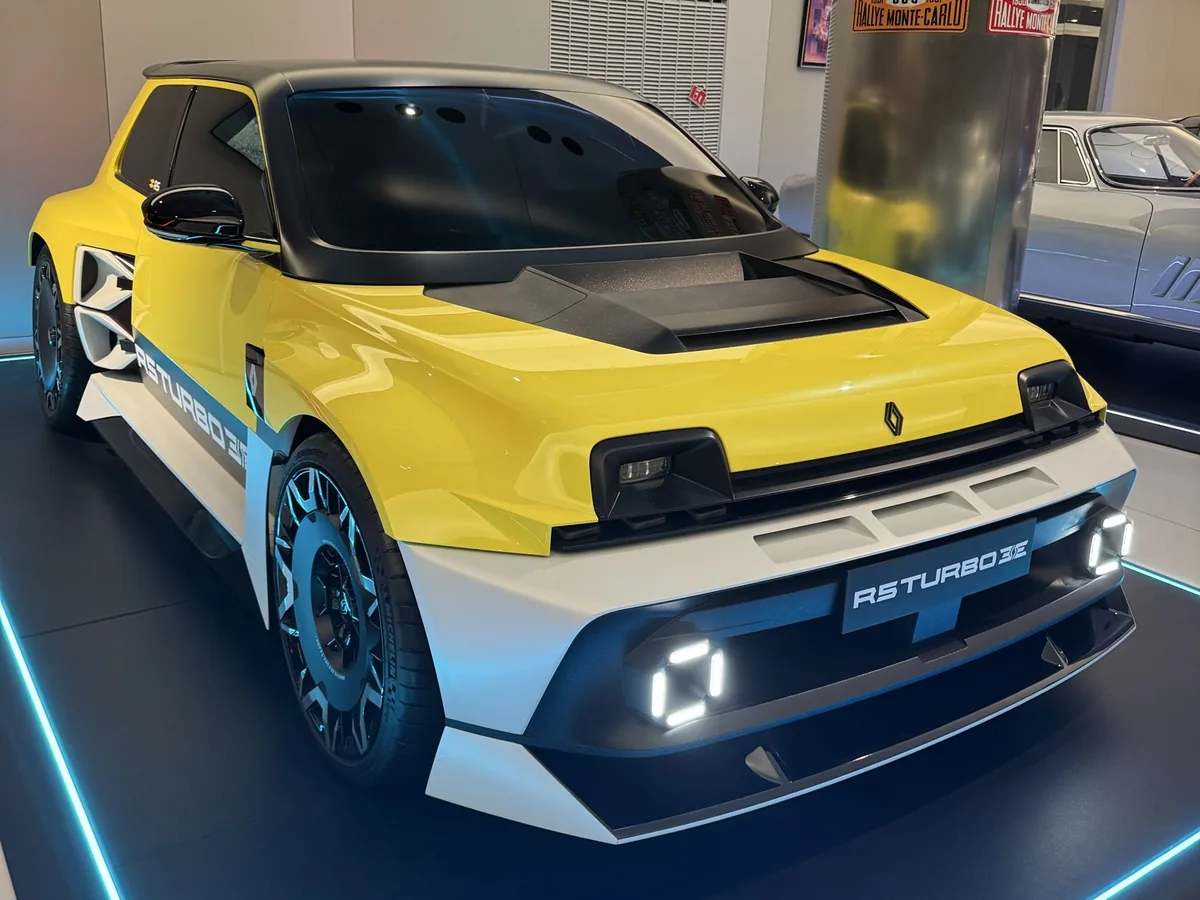
2024
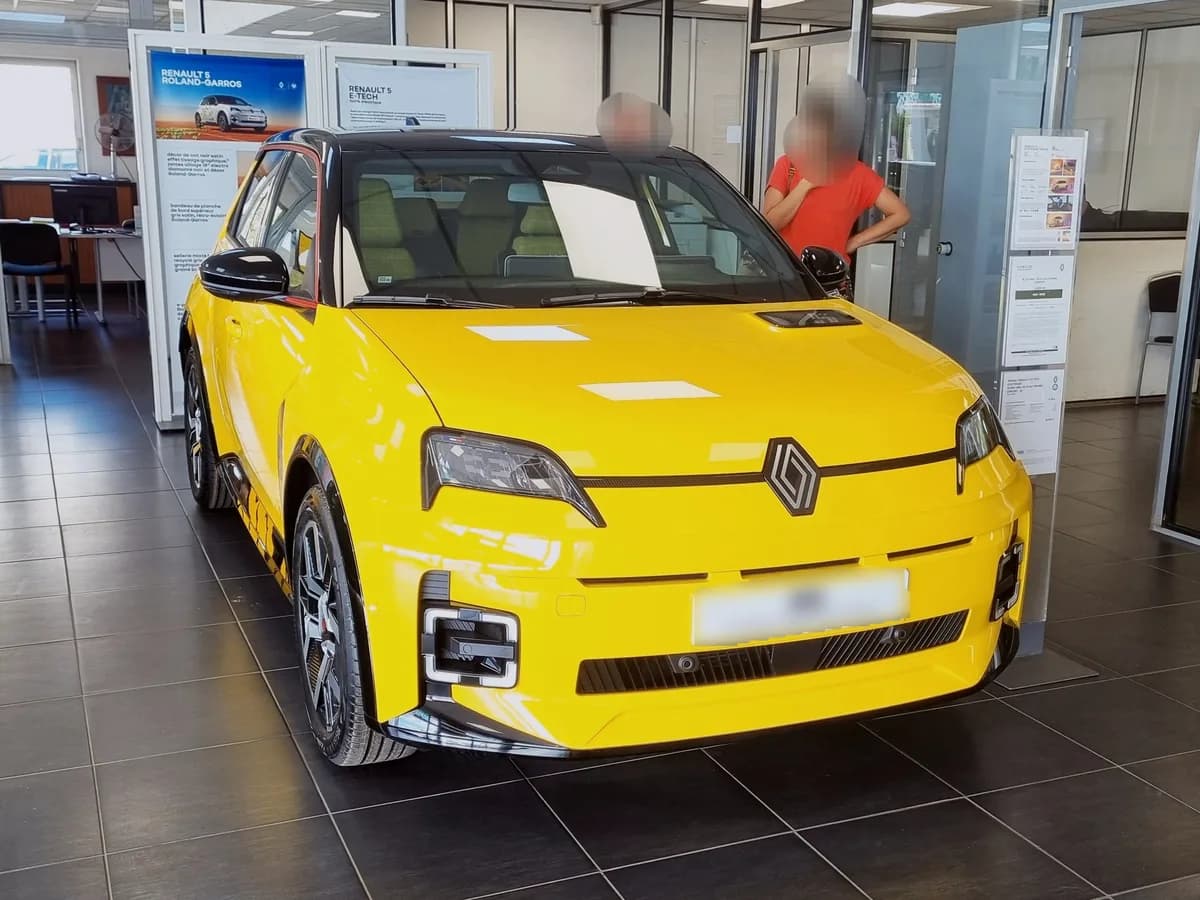
1989
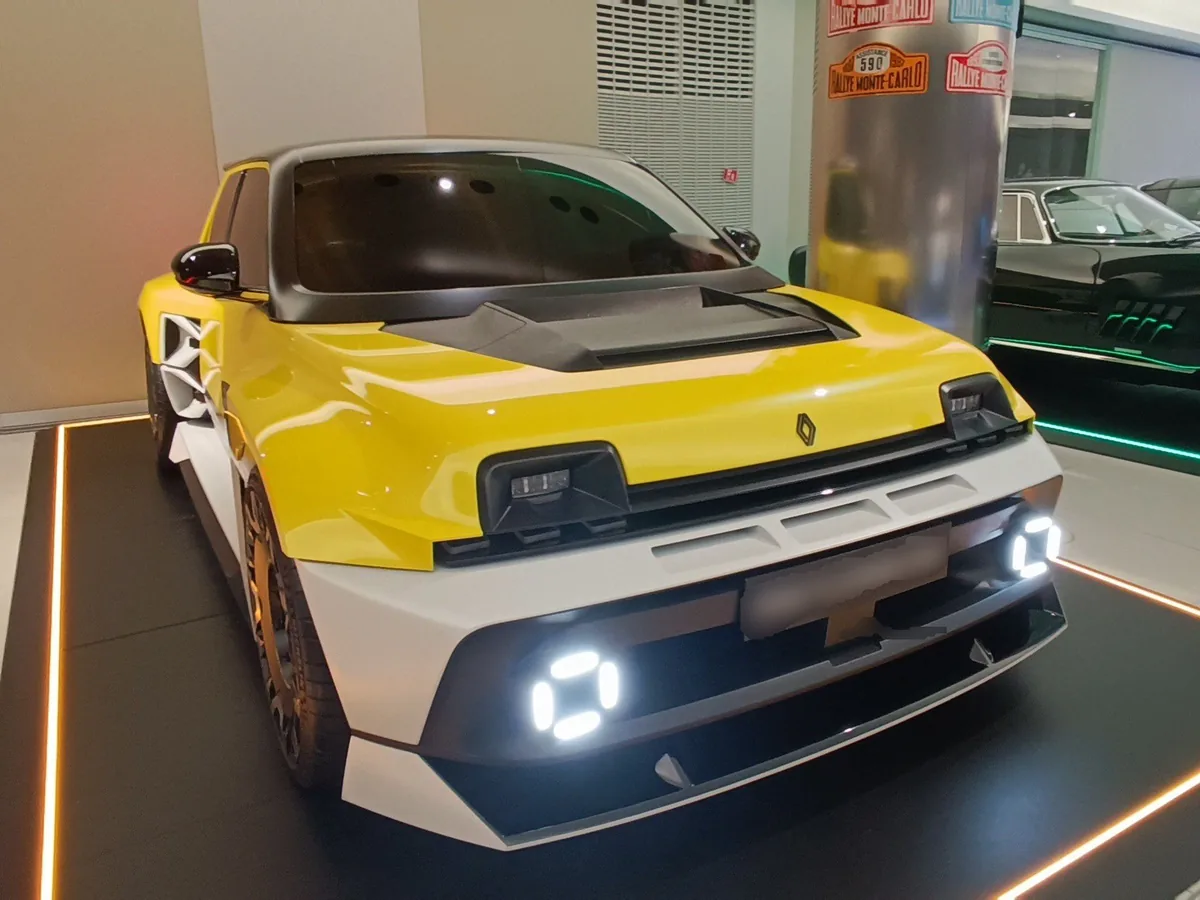
1985
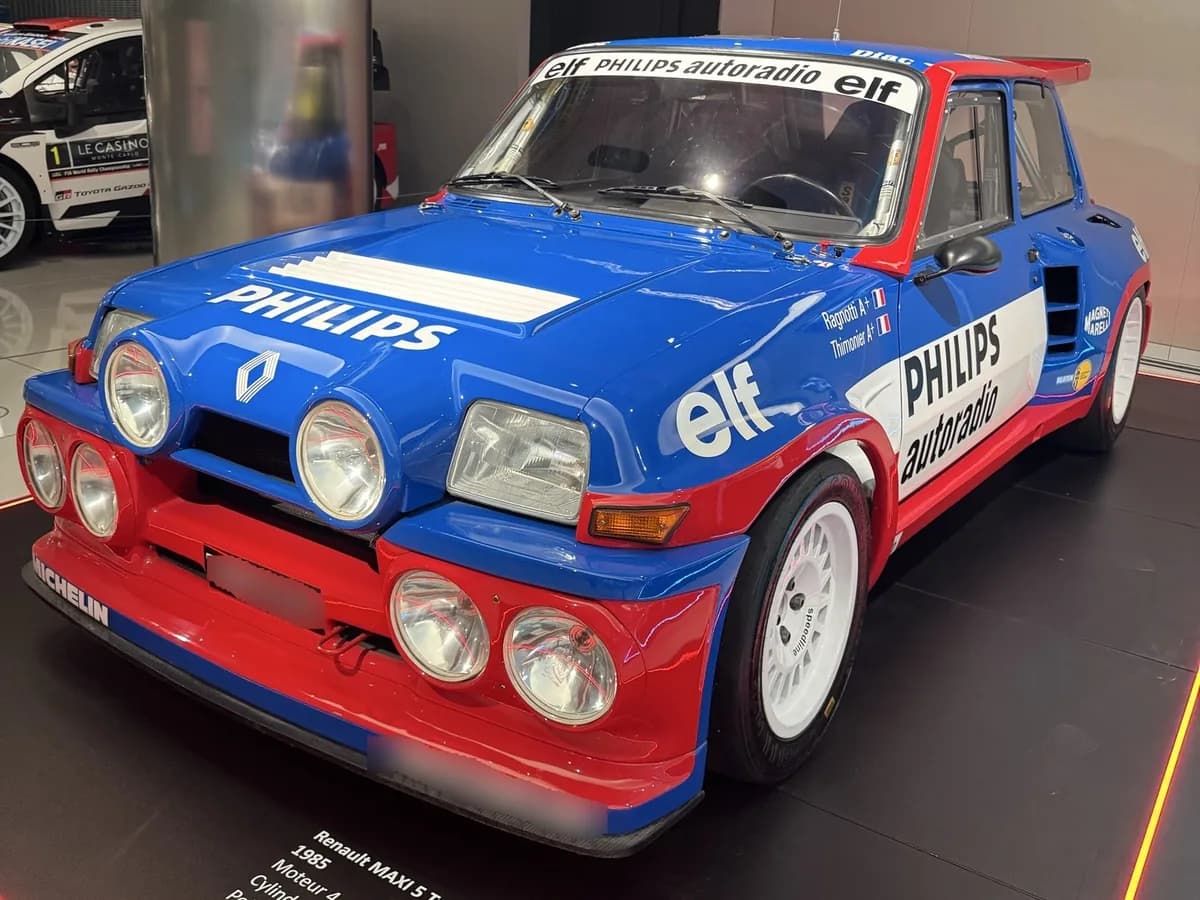
1984
1980
 CC
CC1976
1972
Model summary
Data from the ScanRacer library, organized to compare versions quickly.
Model introduction
Introduced in 1972, the Renault 5 is a small hatchback that had a lasting influence on Renault and the European car market. Its compact shape, plastic bumpers and flexible interior suited buyers looking for an economical, practical and easy-to-drive city car. The range later expanded with three- and five-door bodies, Société commercial derivatives, a convertible version and several sporting models. The Renault 5 Turbo, launched in 1980 with a mid-mounted rear engine, gave the R5 name an entirely different character. In 1984, the Supercinq replaced the original car with a new technical platform while retaining a recognisable visual link to the first-generation model. After a long gap, the Renault 5 name returned in 2024 on the Renault 5 E-Tech electric, an all-electric city car designed as a modern interpretation of the original concept.
History
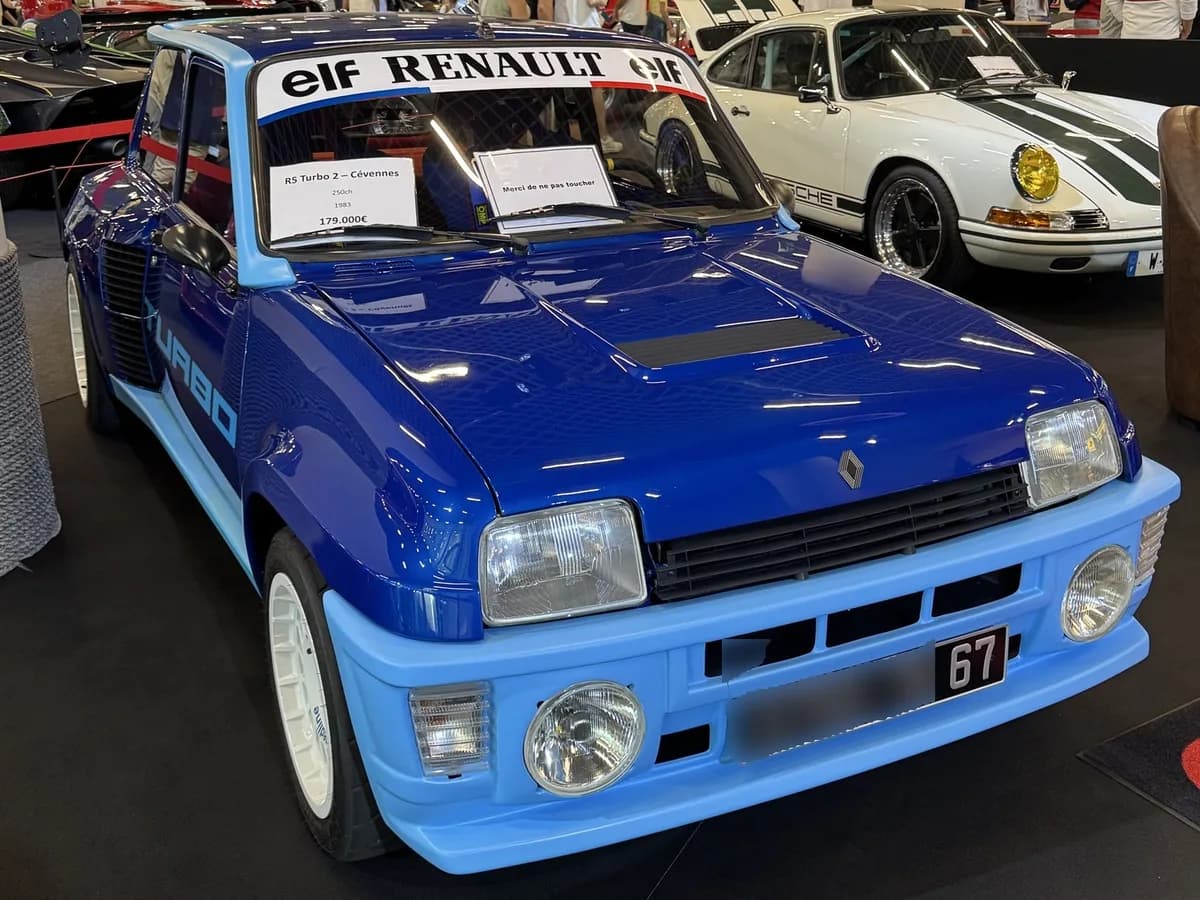
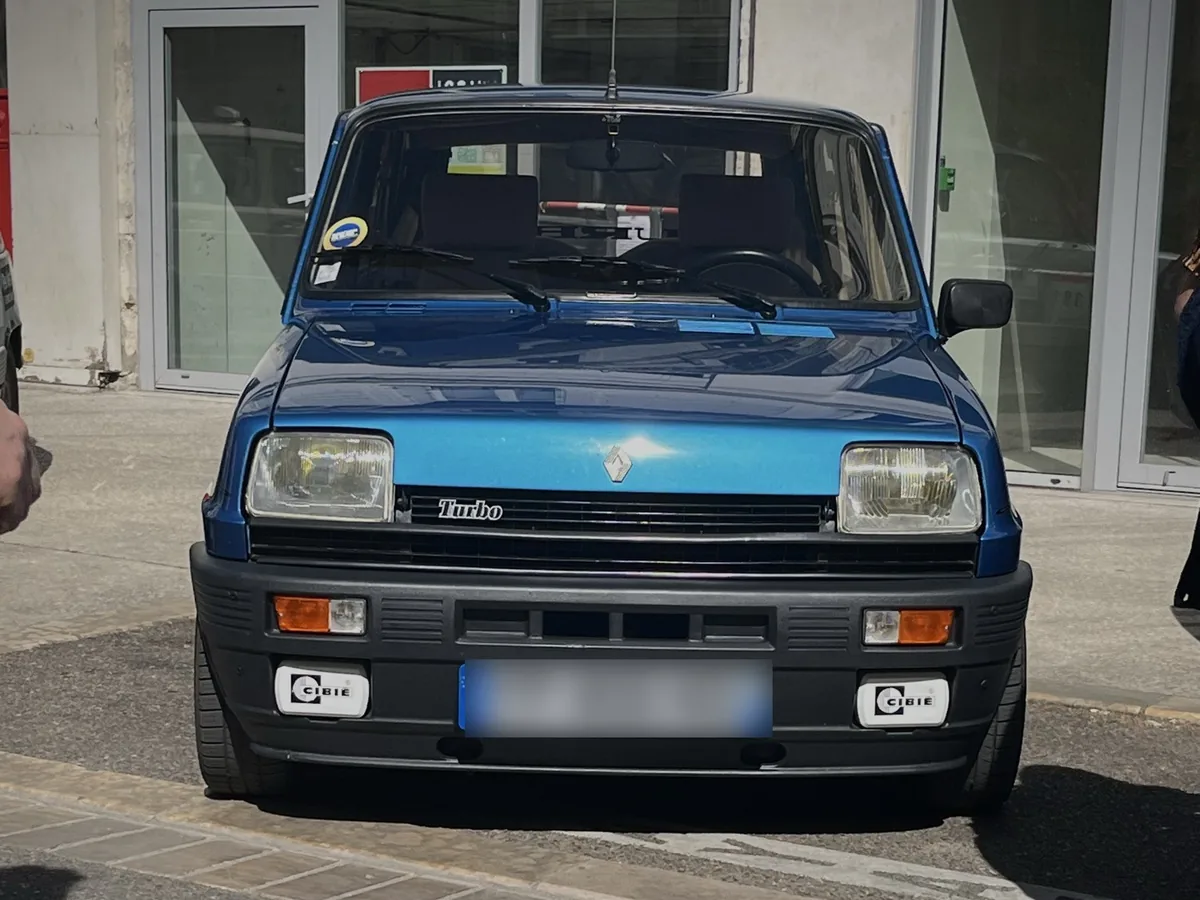
The Renault 5 was introduced at the beginning of 1972, when European manufacturers were developing smaller and more versatile cars for increasingly crowded cities. Renault gave it a hatchback body and a deliberately modern appearance, including moulded plastic bumpers designed to tolerate minor urban knocks. The car was initially sold mainly as a three-door, while the arrival of a five-door body toward the end of the 1970s made it more suitable for family use. Société derivatives were also offered for commercial customers, with a more clearly utilitarian interior and body configuration. The first Renault 5 gained a broader reputation through its performance-oriented variants. The 1976 Renault 5 Alpine and later turbocharged models helped establish the car in the emerging small-performance-car market. The Renault 5 Turbo, sold from 1980, was a much more specialised machine: its four-cylinder engine was mounted behind the passenger compartment in a mid-rear position, and the design was closely connected with Renault’s competition ambitions. In 1984, Renault introduced the Supercinq, a larger car with a new technical foundation that continued the R5 name into the 1990s. The name returned in 2024 with the Renault 5 E-Tech electric, an all-electric city car deliberately connected to the historical model’s design language.
Generations
The first generation is the Renault 5 introduced in 1972. It is identified by very short proportions, a steeply sloping hatch, plastic bumpers and, depending on the version, rectangular or round headlamps. Its engineering drew heavily on solutions already used by Renault in its smaller front-wheel-drive cars. During its career, the range gained revised engines, additional equipment and a five-door body. The performance-oriented Turbo models from this period should not be treated as ordinary trim levels: the Renault 5 Turbo used a distinctive body and a fundamentally different mechanical layout. The second generation is the Supercinq, launched in 1984. Its styling, created by Marcello Gandini, retained the broad profile of the original Renault 5, but the car was built on a new platform derived from the Renault 9 and 11. The engine was mounted transversely at the front, and passenger space increased. The generation included Hatch, Société and Cabrio derivatives in the model nomenclature considered here, as well as the GT Turbo performance version in markets where it was sold. The 2024 Renault 5 E-Tech electric is a further interpretation of the name. It does not continue the old mechanical design, but uses visual references to the historic cars within a modern electric architecture.
Key differences
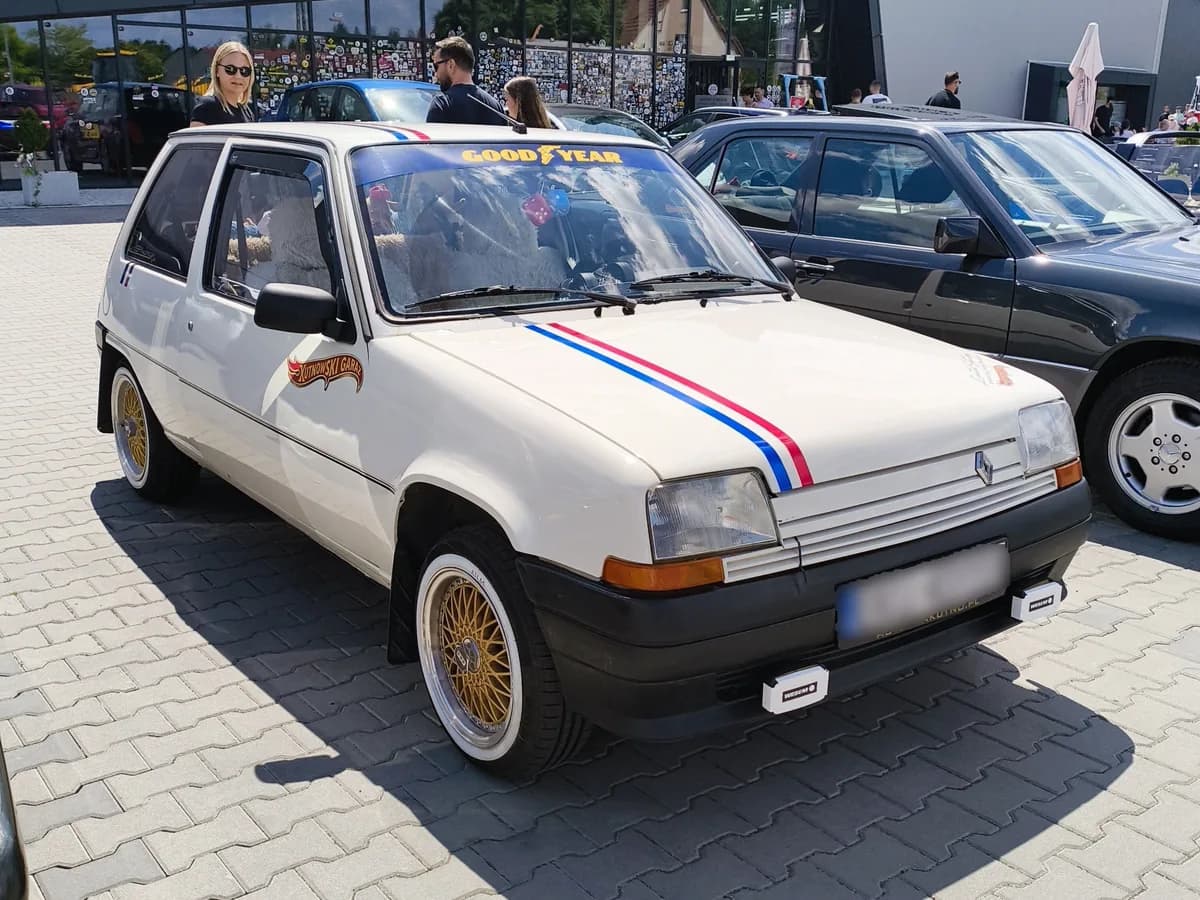
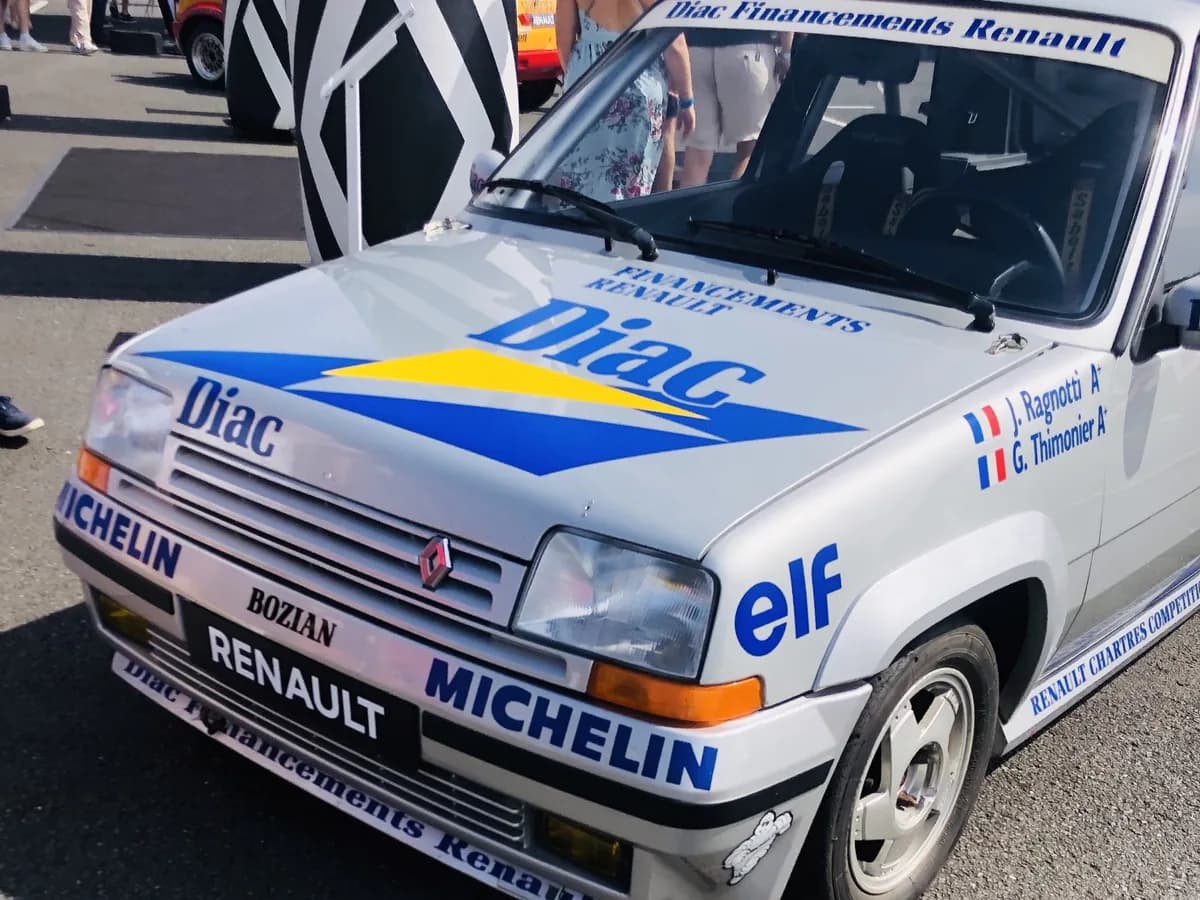
The main differences between Renault 5 models concern generation, body style and mechanical layout. An early Renault 5 generally has a narrower stance, highly enveloping plastic bumpers and a simpler cabin. The Supercinq is wider and more substantial in appearance; its glazing, proportions and dashboard help identify it even though the overall design theme remains familiar. Société derivatives focus on carrying goods and may have a simpler interior finish. The Supercinq Cabrio is identified by its fabric roof and specialised conversion rather than by a conventional factory trim package. The Renault 5 Turbo can be confused with an ordinary R5 in period photographs, but its widened bodywork, additional air intakes and mid-rear engine make it a fundamentally separate design. The Renault 5 E-Tech electric is visually distinct again, with contemporary body surfacing, modern lighting elements and no combustion engine. It belongs to a new chapter of the name rather than being a direct mechanical continuation of the historic petrol-powered cars.
Photo recognition
To identify an early Renault 5, begin with the overall body shape and the position of the exterior trim. The first series has a short, upright rear profile and prominent plastic bumpers. The Supercinq looks wider and more planted; its bumpers are integrated more closely into the body design and its side panels are more sharply defined. Door count can help, but it is not conclusive because both generations were offered in more than one configuration. A Société model may be identified by partially blanked rear glazing, a load-oriented interior and the absence of some equipment intended for rear passengers. A Cabrio is naturally distinguished by its fabric roof and the structural details of the conversion. On a Renault 5 Turbo, look for flared wheel arches, side air intakes and a substantially more aggressive stance. The Renault 5 E-Tech electric is immediately recognisable through its modern lighting, its number-5 charging indicator and body details that reference the R5 Turbo. Its electric proportions and contemporary cabin separate it clearly from the historic petrol cars.
Important versions
The standard Renault 5 formed the core of the range introduced in 1972, using a Hatch body for versatile urban transport. Société models addressed commercial users and were configured primarily for carrying goods. The 1980 Renault 5 Turbo was a specialised sports car with a mid-rear engine layout and a strong competition connection. The Supercinq Hatch, launched in 1984, represented a complete technical renewal of the city car with a modern platform. The Supercinq Société retained that foundation in a commercial configuration, while the Supercinq Cabrio illustrated a much rarer open-top conversion. The 2024 Renault 5 E-Tech electric returned to the name with several styling references to its predecessors, but it uses an entirely electric powertrain and the AmpR Small architecture.
The name “5” follows Renault naming, with its rules and its exceptions. Decode a Renault name
References
- 1972-2022, RENAULT 5 AT THE CORE OF RENAULT’S INNOVATIONRenault Group
- RENAULT 5 GT TURBO: 30 YEARS, REALLY?Renault Group
- Renault 5 E-Tech electric: the electric & renaulutionary pop iconRenault Global Media
- Renault lifts another corner of the veil on Renault 5 E-Tech electricRenault Global Media
- Renault 5 (1972–1984) ReviewHonest John Classics
- https://presse.renault.de/40-jahre-renault-5-1/?lang=deupresse.renault.de
Technical specifications
Structured data available for versions linked to this model.
| Version | Power | Torque | Top speed | Drivetrain | Fuel |
|---|---|---|---|---|---|
| Base | 118 KW @ 6000 RPM 160 HP @ 6000 RPM 158 BHP @ 6000 RPM | 155 lb-ft @ 3250 RPM 210 Nm @ 3250 RPM | 127 mph (204 km/h) | Rear Wheel Drive / 5-speed manual | Gasoline |
Frequently asked questions
- What years was the Renault 5 produced?
- ScanRacer's referenced versions cover 1972 - 2025.
- How many Renault 5 examples are documented on ScanRacer?
- 24 published scans from 18 members, with the latest photo added in September 2026.
- What is the power output of the Renault 5?
- The sourced technical data lists 118 KW @ 6000 RPM 160 HP @ 6000 RPM 158 BHP @ 6000 RPM.