
Volkswagen
Volkswagenwerk GmbH was established in 1937, but production of Volkswagen’s mass-market car expanded mainly after the Second World War. Known as the Käfer in Germany and the Beetle in many other markets, the rear-engined car became one of the most influential vehicles in automotive history, with more than 21.5 million built. During the 1970s, Volkswagen changed its technical and commercial direction with the Passat, Golf and Polo, adopting transverse engines, front-wheel drive and more flexible body styles. Launched in 1974, the Golf became the brand’s central model, while the Polo strengthened its position in the small-car segment. Since 2020, the electric ID. family has extended that transformation with vehicles based on Volkswagen’s MEB architecture.
Models from A to Z
Amarok
Apollo
Arteon
Atlantic
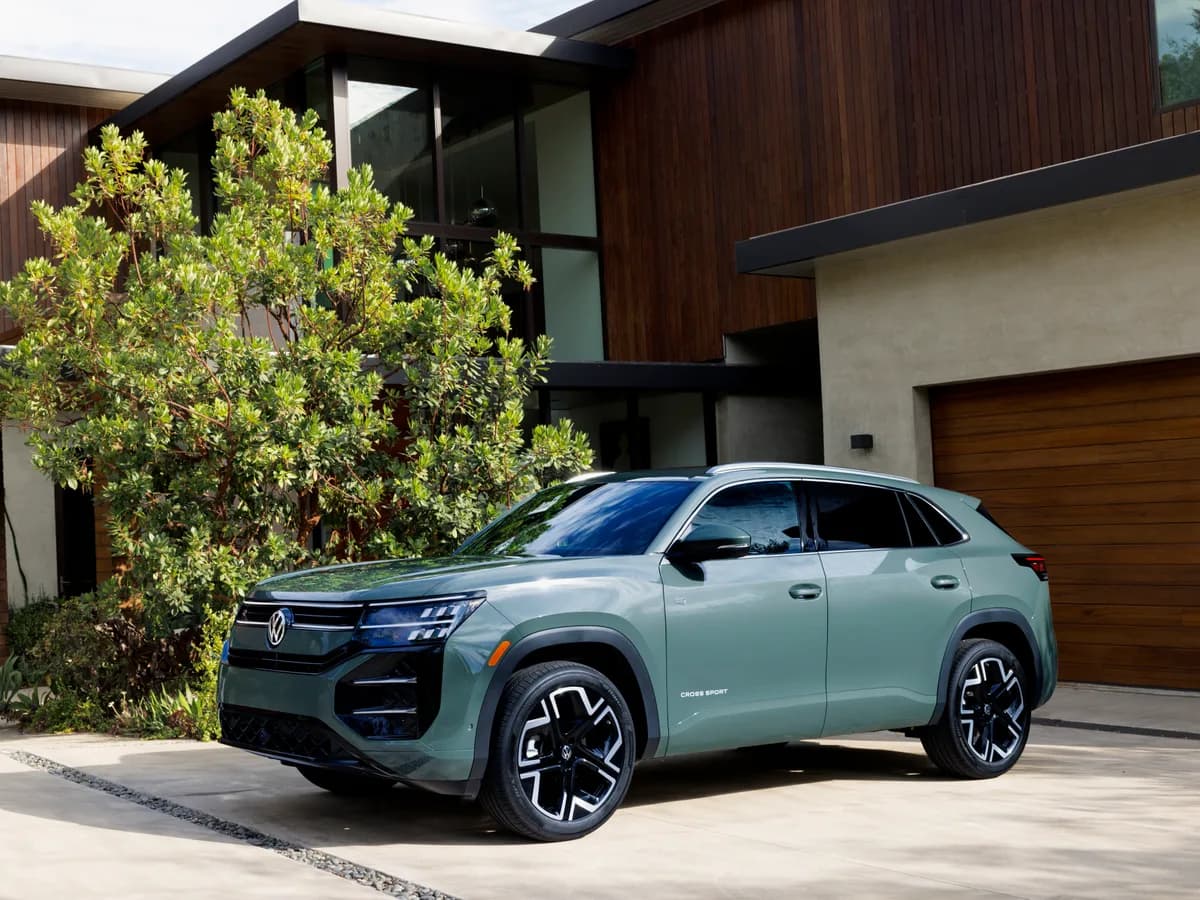
Atlas
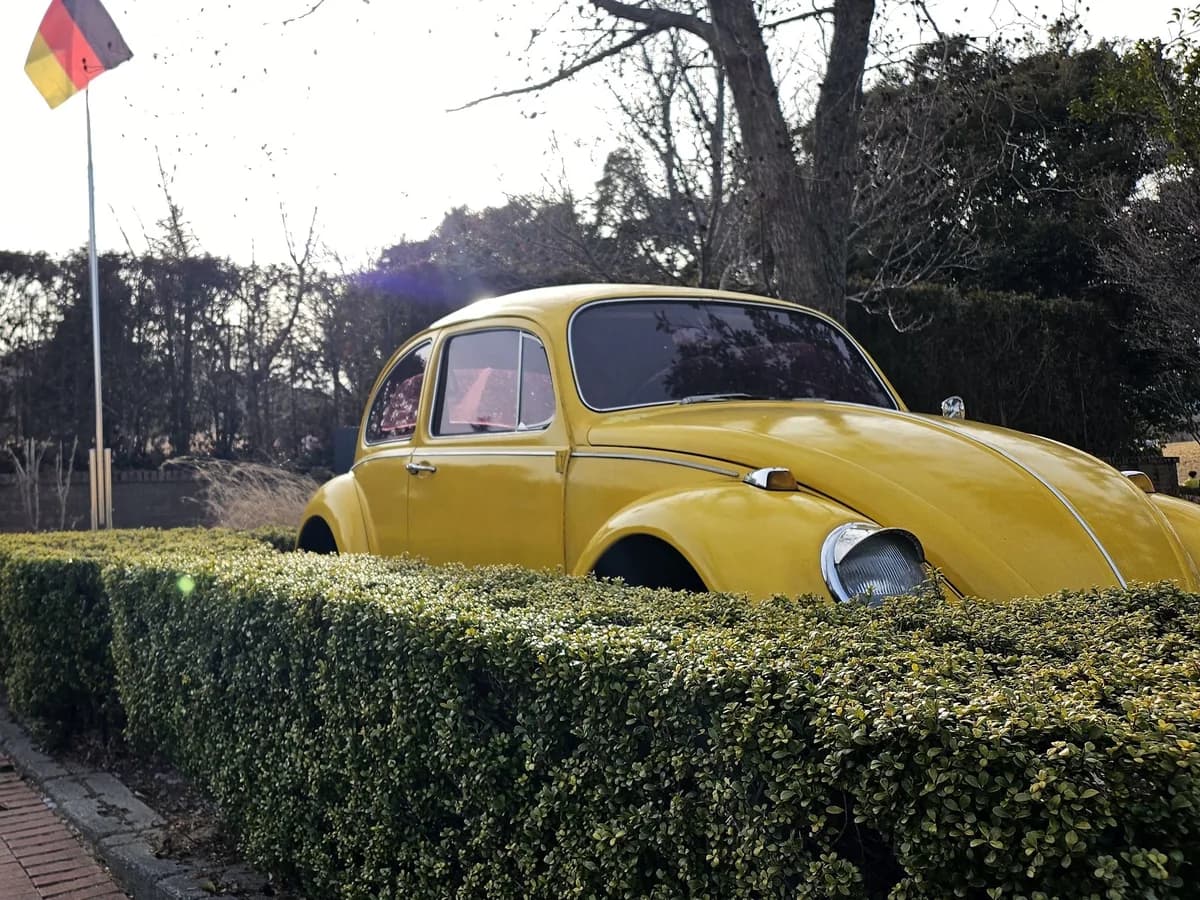
Beetle
Bora
Brasília
Bus
C-Trek
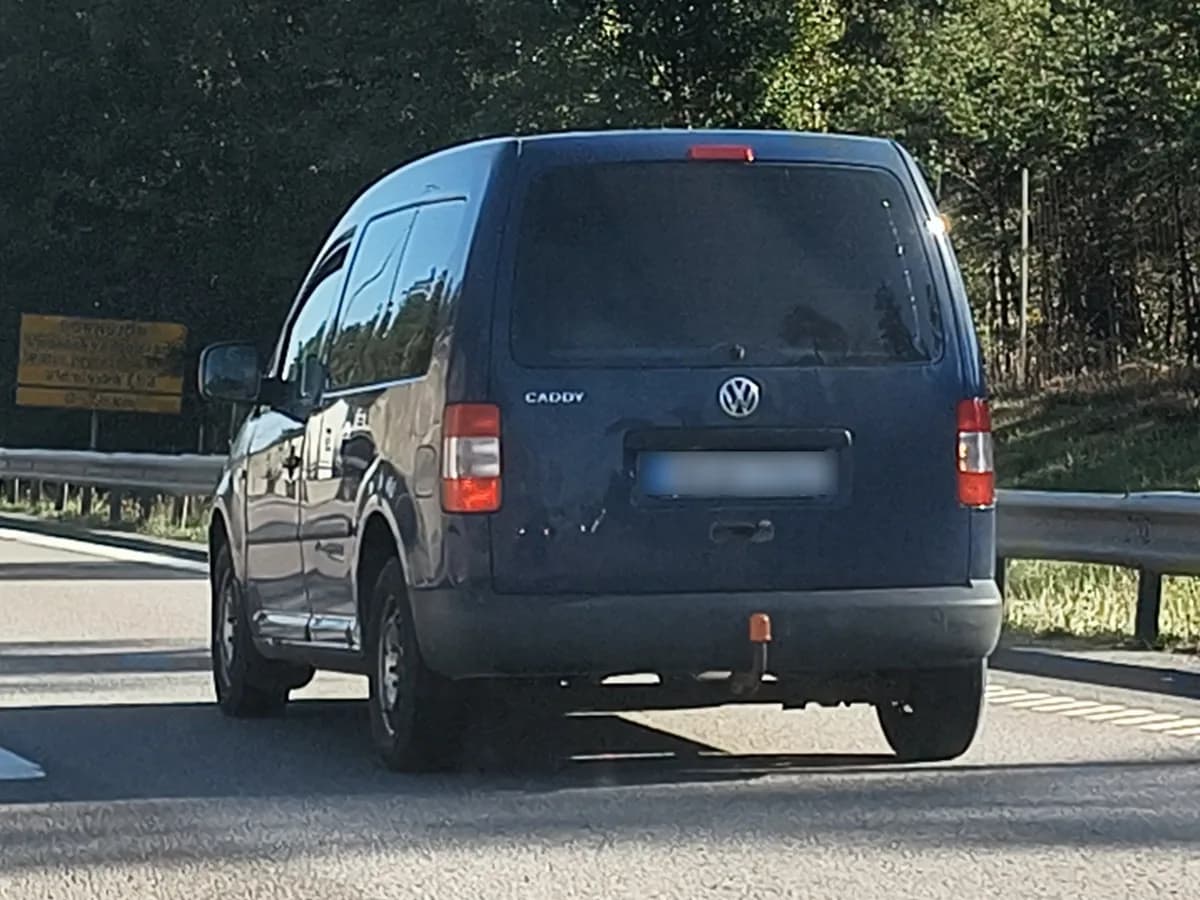
Caddy
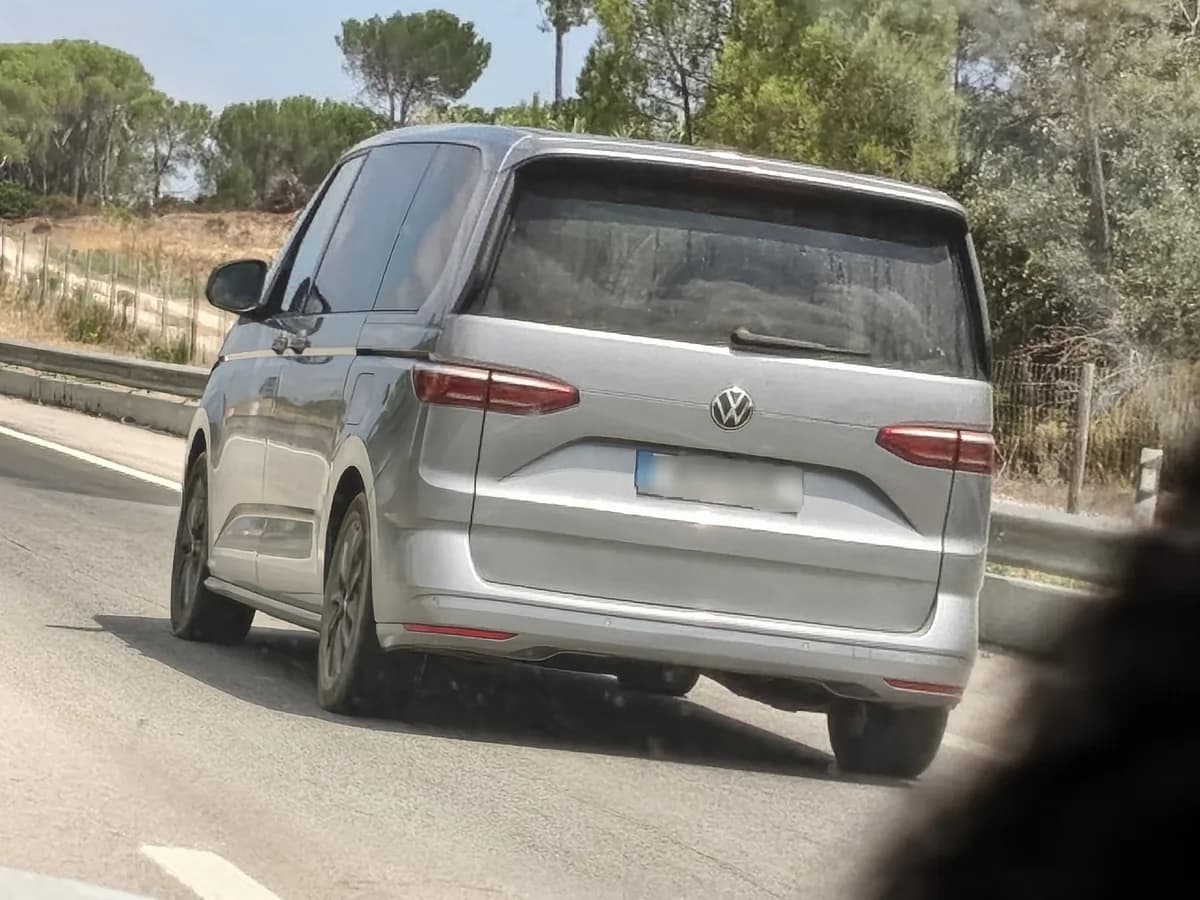
California
Caravelle
Caribe
CC
Clasico
Corrado
Corsar
Crafter
CrossCaddy
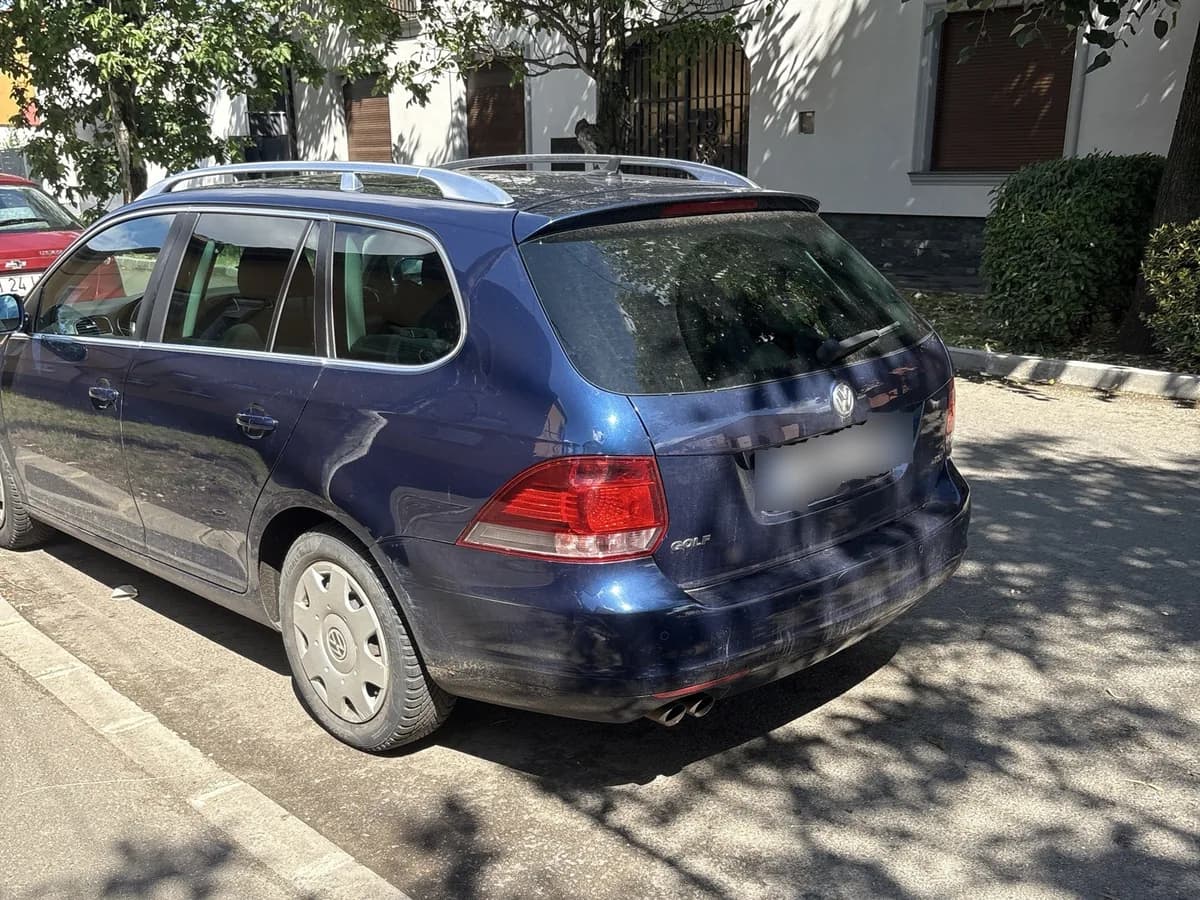
CrossGolf
Derby
Eos
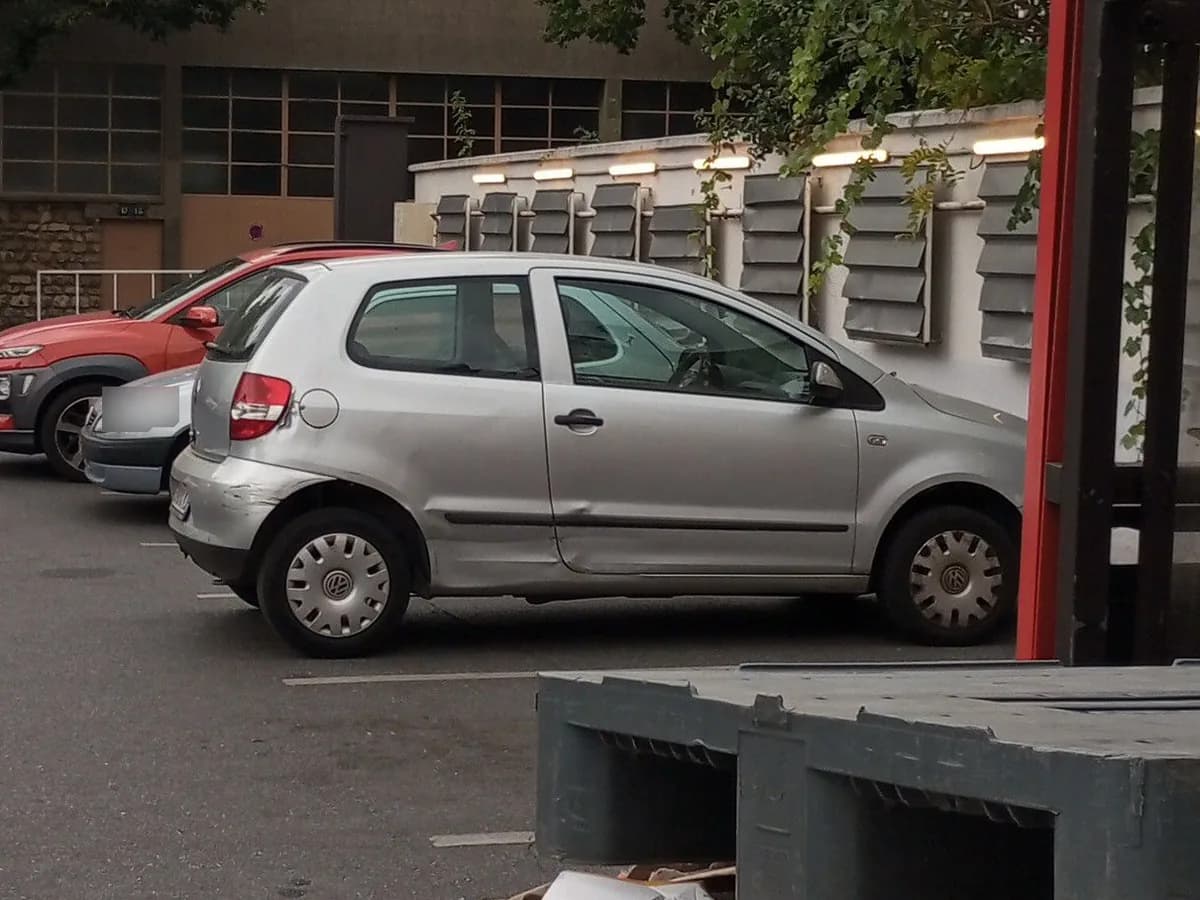
Fox

Gol

Golf
Golf Plus
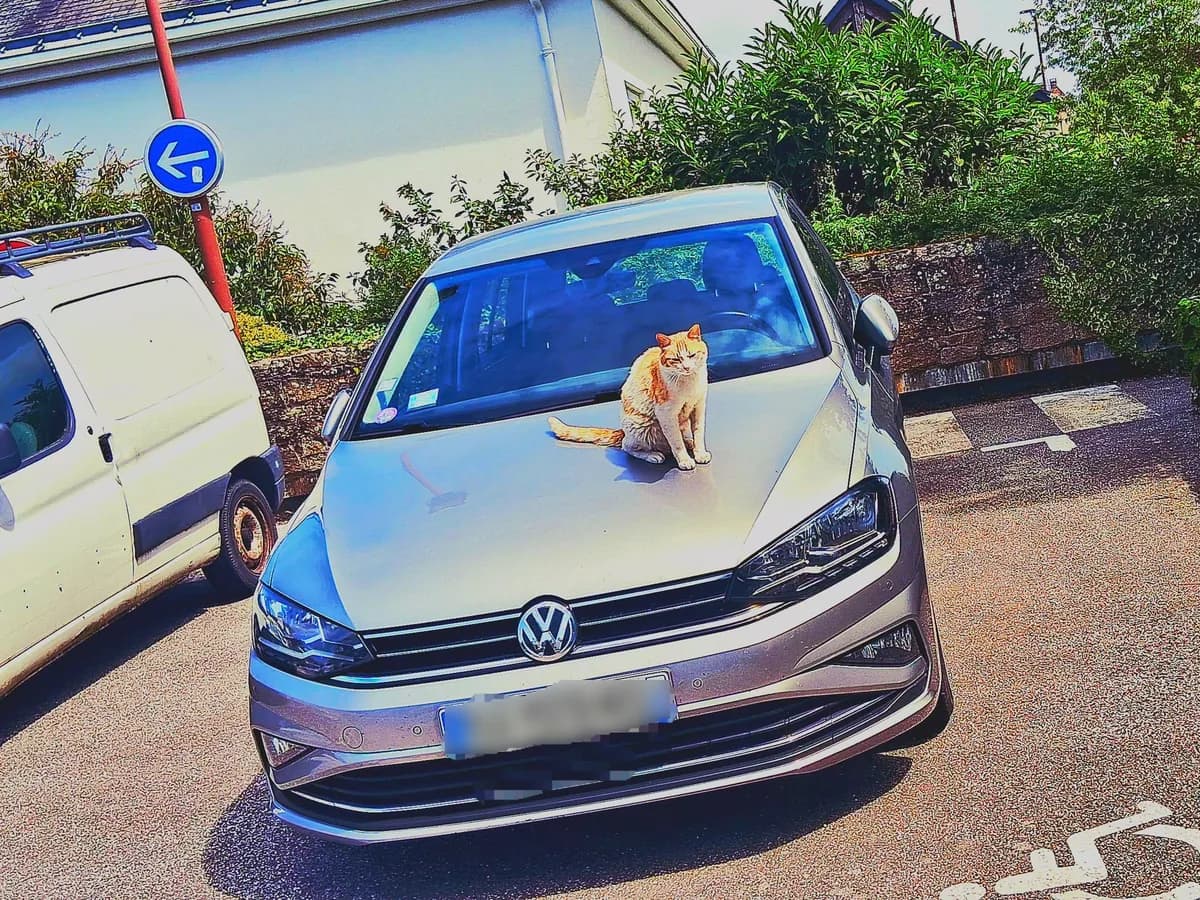
Golf Sportsvan
Golf Touran
ID.3
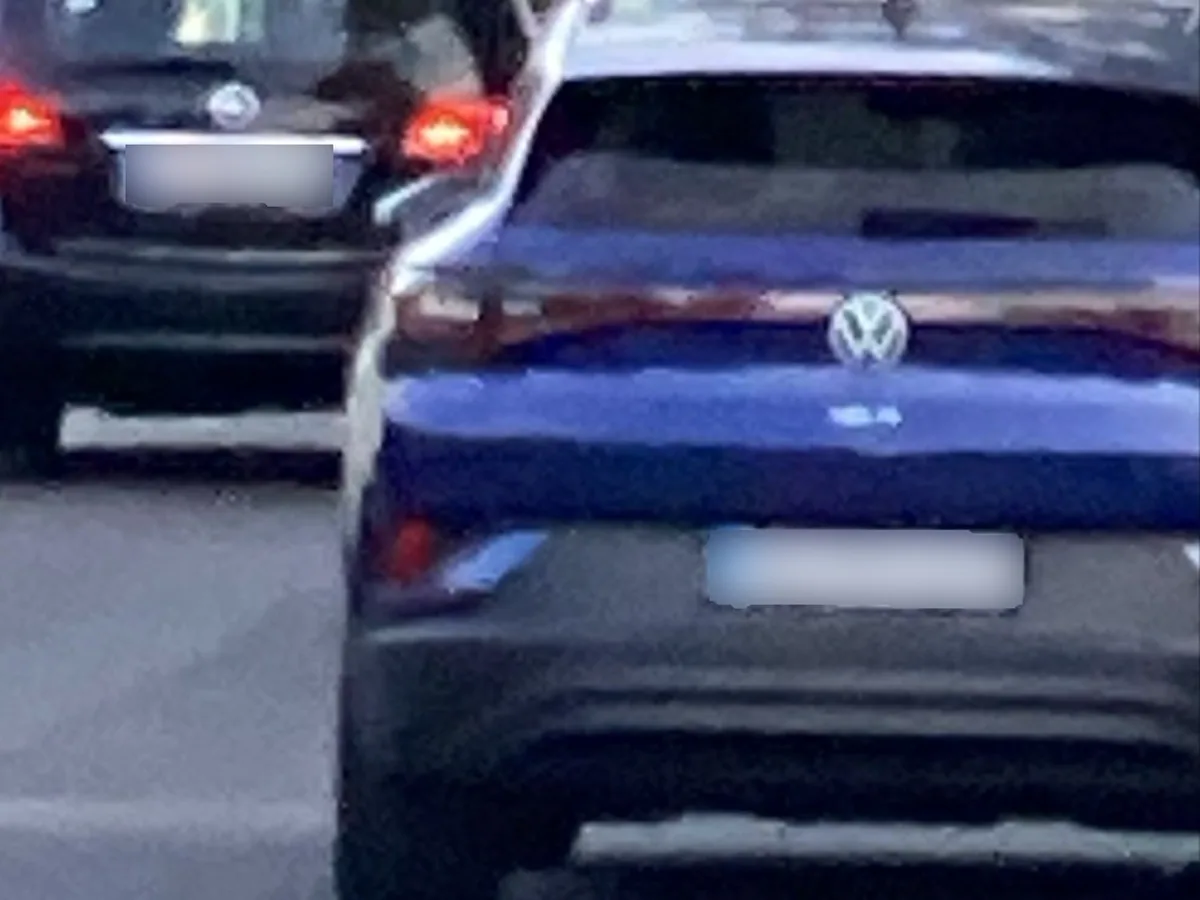
ID.4

ID.5
ID.6
ID.7
ID.Era 9X
ID.Unyx 06
Iltis
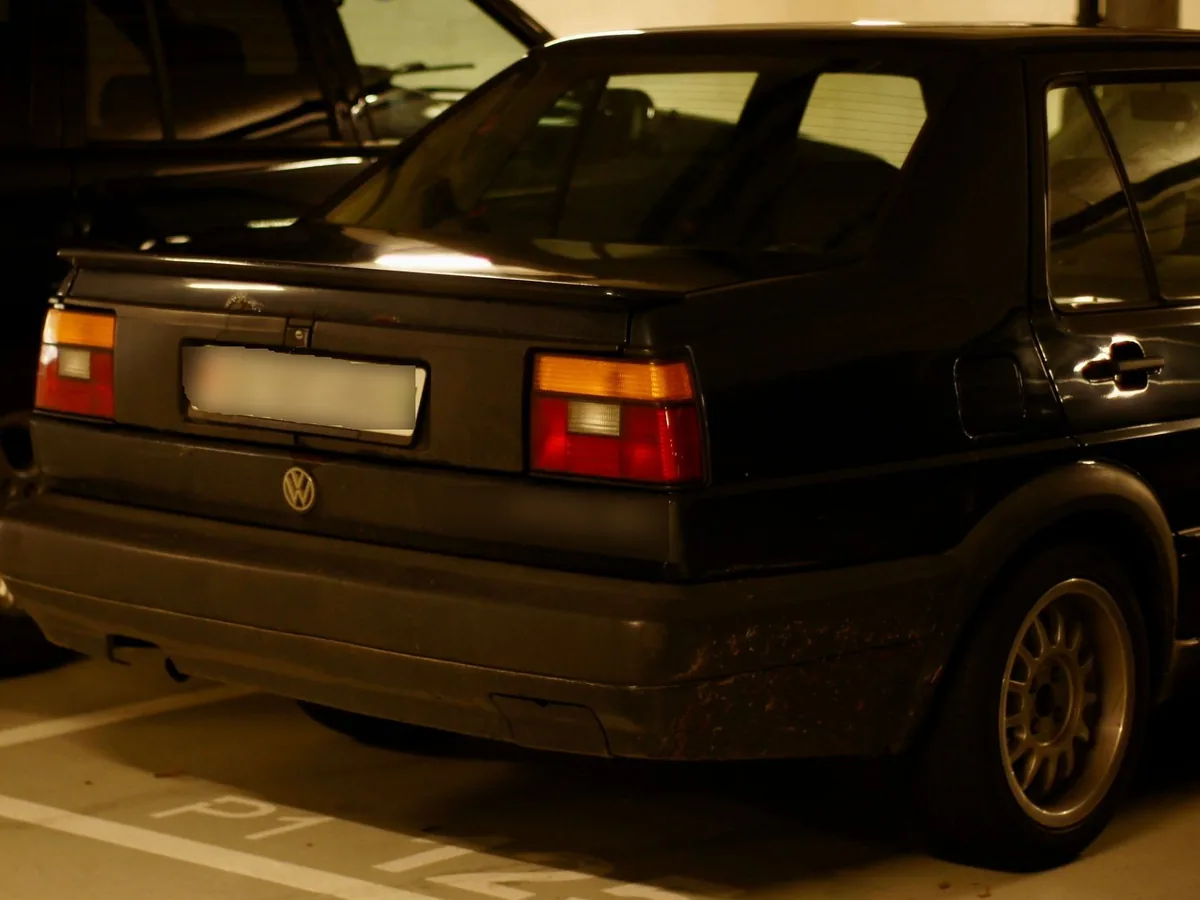
Jetta
K70
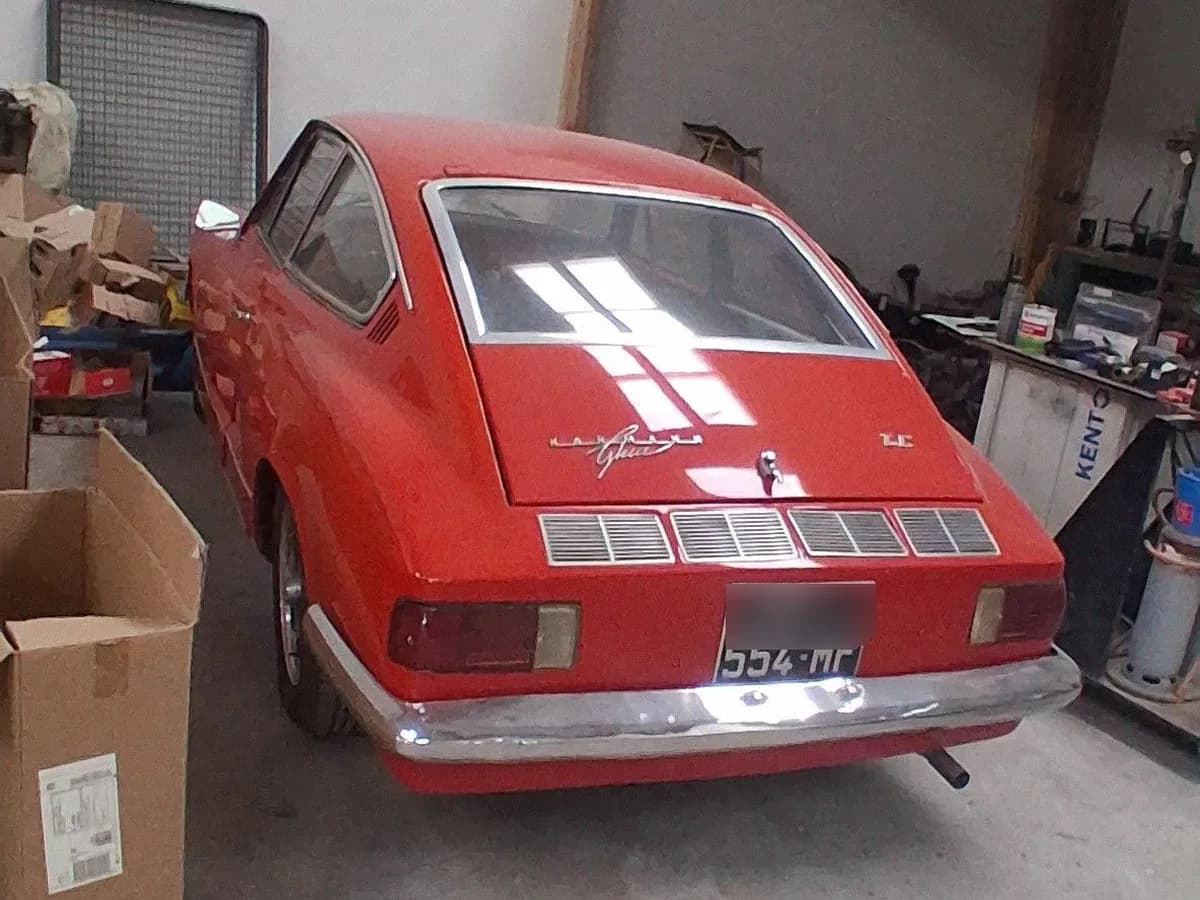
Karmann-Ghia
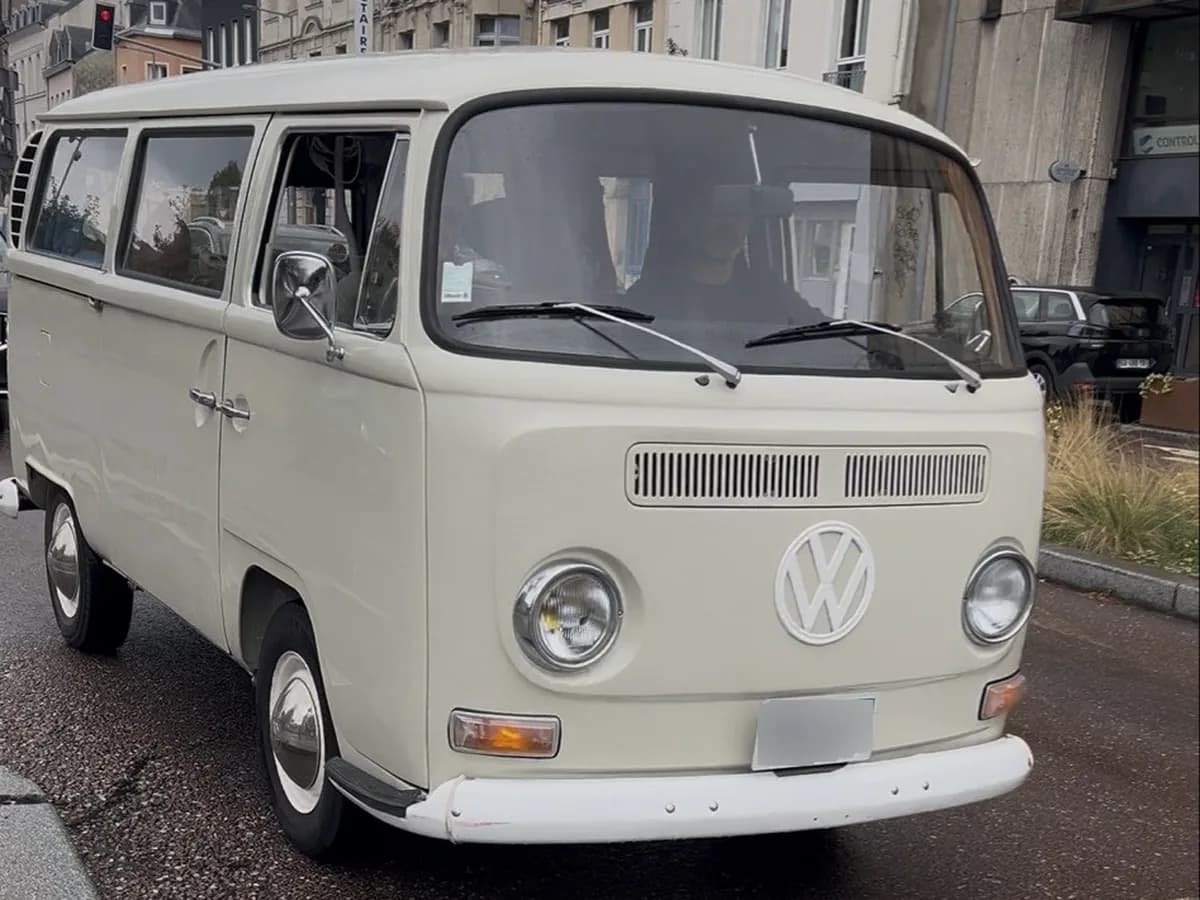
Kombi
Lamando
Lavida
Logus
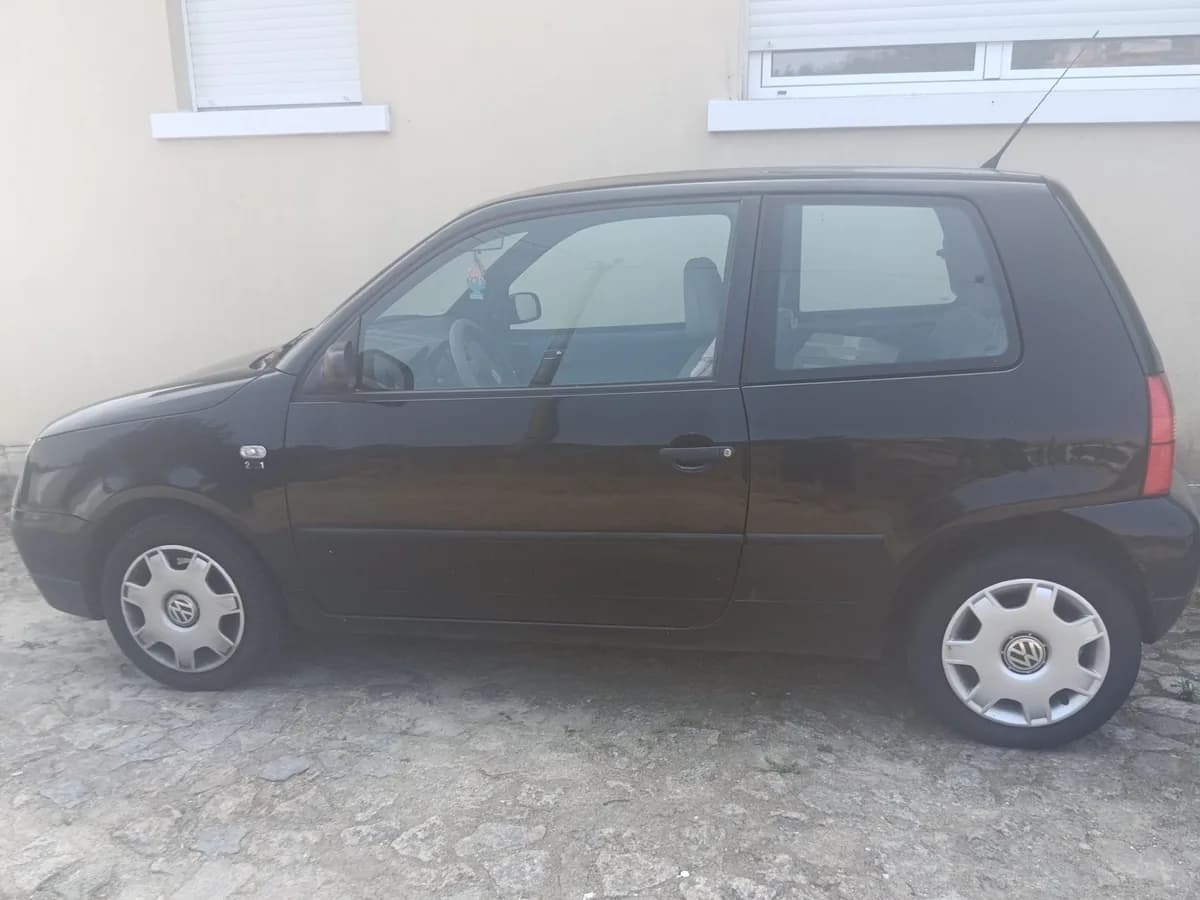
Lupo
Magotan
Multivan
Nivus
Parati
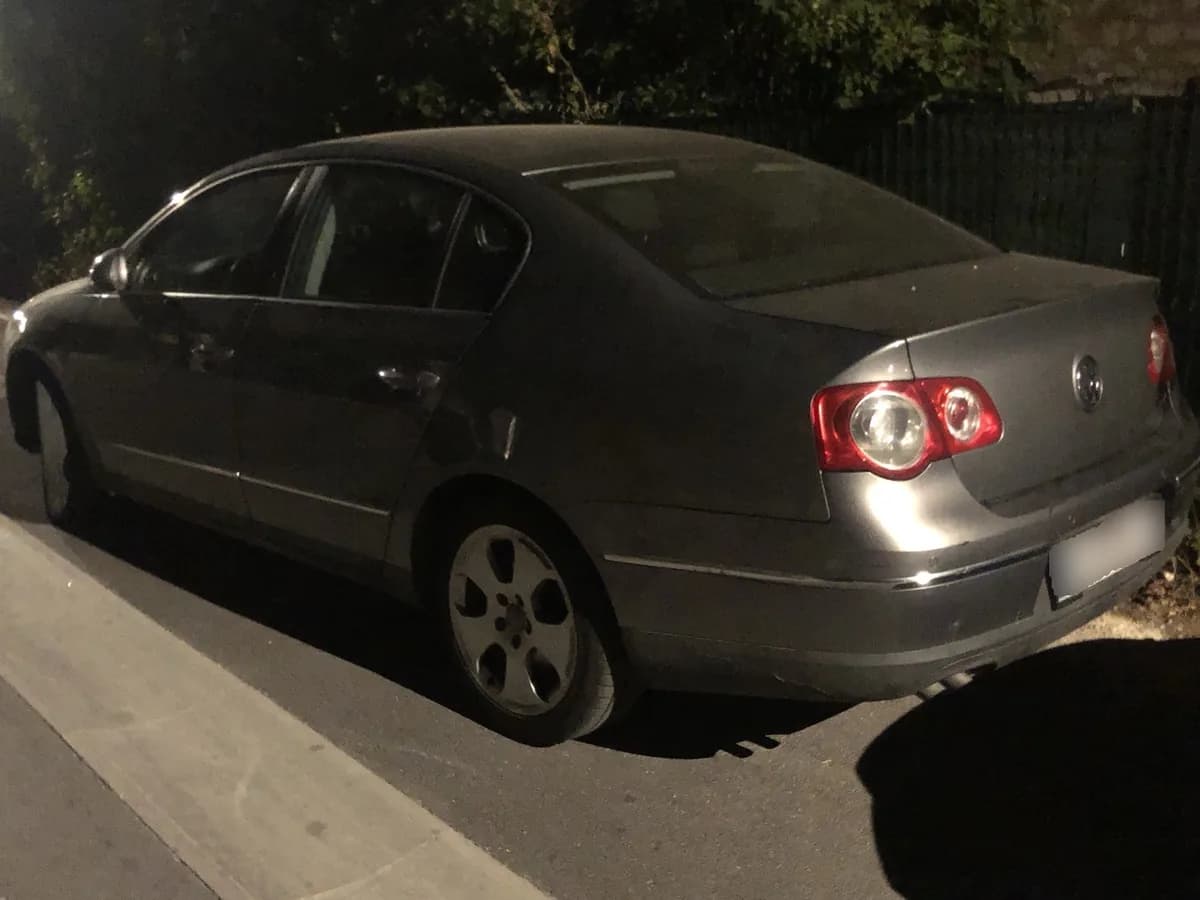
Passat
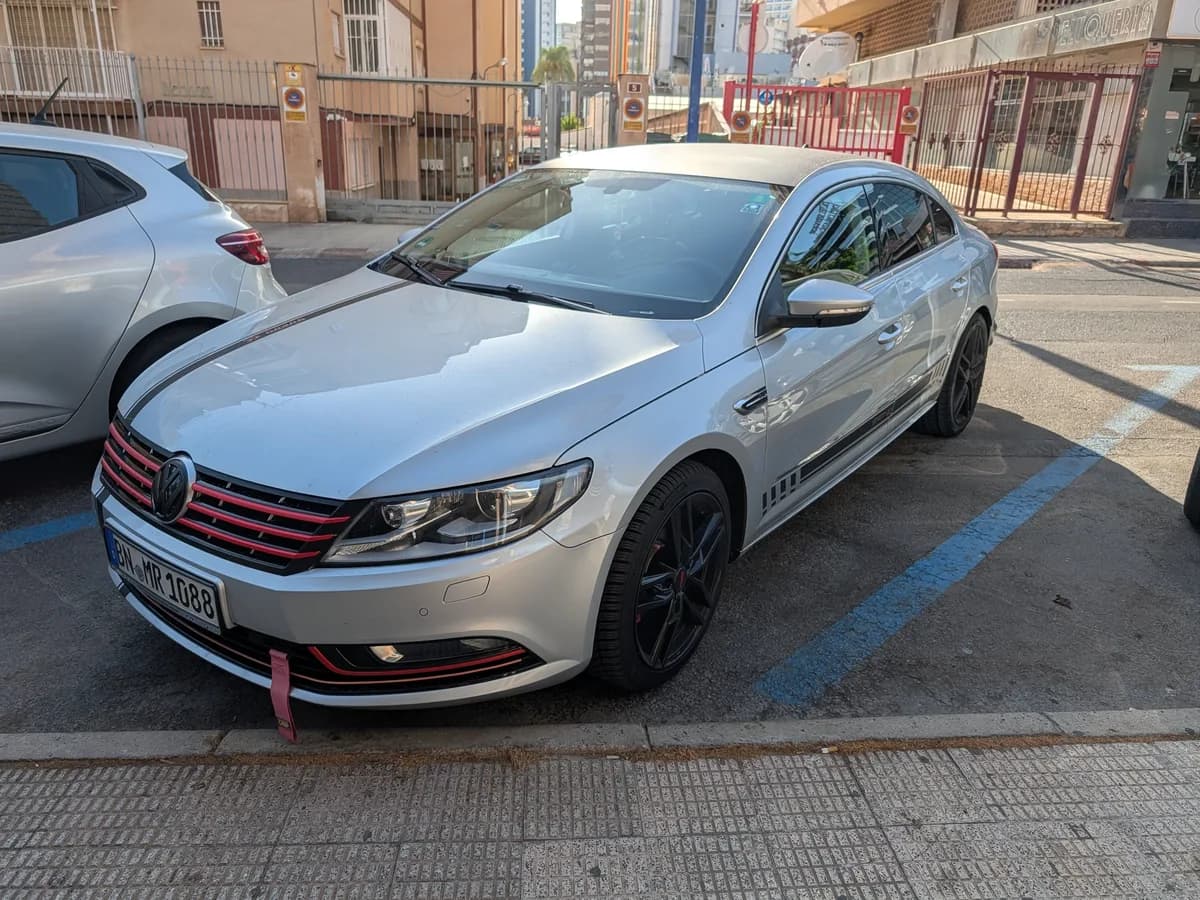
Passat CC

Phaeton
Phideon
Pointer
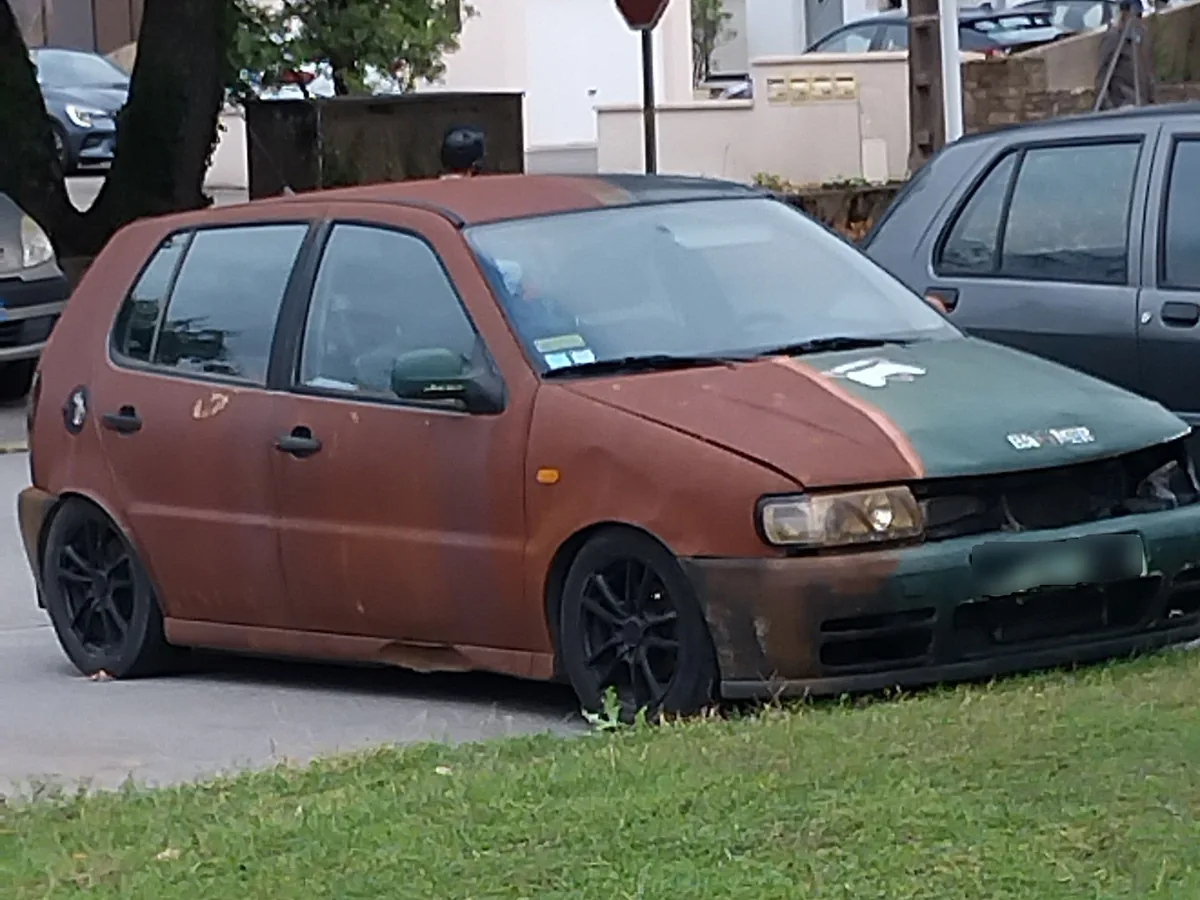
Polo
Quantum
R36
Rabbit
Routan
Sagitar
Santana
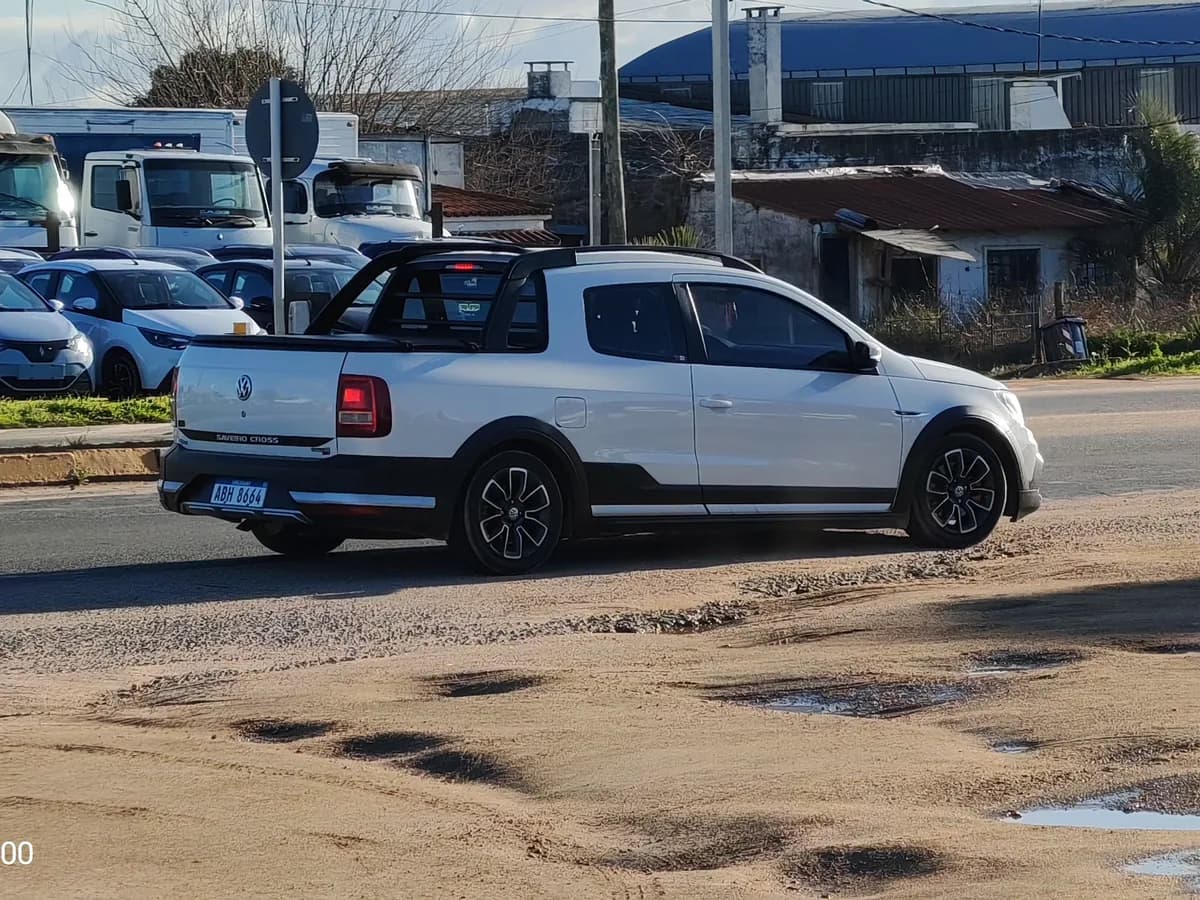
Saveiro

Scirocco
Sharan
SP2
SpaceCross
SpaceFox
Suran
T-Cross

T-Roc
T-Roc cabriolet
Tacqua
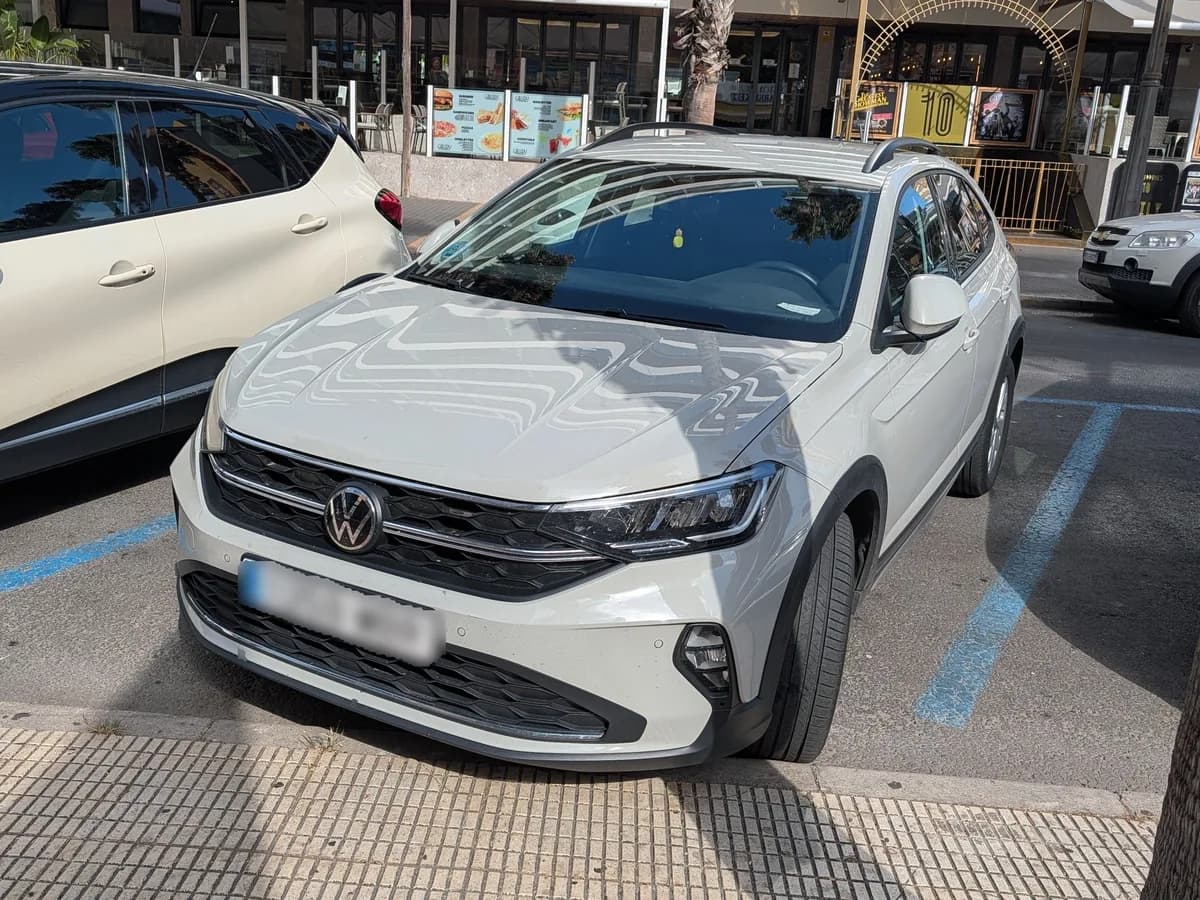
Taigo
Talagon
Taos
Tarek
Taro
Tavendor
Tayron
Tera
Teramont
Tharu

Tiguan

Touareg

Touran

Transporter
Typ 147 Fridolin
Typ 166 Schwimmwagen

Typ 181

Typ 3
Typ 4
Typ 82
up!
Variant

Vento
Viloran
Virtus

Voyage
XL1
Volkswagen overview
Volkswagen history
Volkswagen’s history began within the political context of Nazi Germany. The “people’s car” project was taken over by the German Labour Front, and the preparatory company founded in May 1937 was renamed Volkswagenwerk GmbH in September 1938. The Wolfsburg plant was later incorporated into the wartime economy and used forced labour; this is an essential part of the company’s history and cannot be separated from its later expansion. After 1945, the British administration gradually restarted the factory and production of the pre-war car. The Beetle’s international success turned Volkswagen into a major volume manufacturer. The brand eventually had to respond to changing customer expectations and stronger competition from modern compact cars. The launch of the Passat in 1973, followed by the Golf in 1974 and the Polo in 1975, marked a shift toward transverse engines and front-wheel drive. The Golf gradually replaced the Beetle as Volkswagen’s core model and gave its name to an entire vehicle class. From the 1980s onward, Volkswagen expanded internationally and offered a wider range of body styles, engines and industrial partnerships. The twenty-first century introduced another major transition: the ID. family, opened by the ID.3 in 2020, brought vehicles developed around electric propulsion and Volkswagen’s MEB platform.
Volkswagen positioning
Volkswagen has traditionally positioned itself as a high-volume mainstream brand built around accessibility, versatility and industrial scale. That approach can be seen across its model families: the Polo in the small-car segment, the Golf among compact cars, the Passat as a family-oriented model, the Jetta as a conventional saloon and the California as a leisure-oriented camper van. Volkswagen has also adapted certain vehicles to regional markets, including the Lavida in China and the Santana, so names, body styles and powertrains can differ substantially between countries. The contemporary brand combines that mainstream heritage with a gradual move toward electrification. The ID.3, ID.4, ID.5, ID. Buzz and ID.7 belong to an all-electric family based on the MEB platform. For that reason, a Volkswagen is best compared by generation, market and trim level rather than by model name alone.
Recognizing a Volkswagen in a photo
Identifying a Volkswagen starts with separating its technical eras. The Beetle is distinguished by its rounded body, separate fenders and rear-mounted mechanical layout. From the 1970s onward, the Passat, Golf and Polo adopted a more modern transverse-engine, front-wheel-drive architecture; the Golf is generally recognizable by its compact hatchback shape, while the Polo uses smaller proportions. The Jetta is closely related to the Golf but has a separate boot, and the Bora is a compact saloon derived from the same general family in certain markets. Generations can often be separated by headlamp and bumper shapes, rear-quarter window design, tail lamps and dashboard layout. Model names require caution because one badge may cover different regional products. Chinese-market models such as the Lavida, as well as some Santana derivatives, should not be identified solely by comparison with European Volkswagens. On electric vehicles, the lack of an exhaust outlet, a mostly closed front end and the ID. designation are useful clues, although equipment and exterior details can vary by trim and market.
Important Volkswagen models
The Beetle forms Volkswagen’s historical foundation: produced from the late 1930s and distributed worldwide after 1945, it established the image of a people’s car with a rear-mounted engine. Launched in 1974, the Golf took the brand in a new direction with a compact hatchback body, front-wheel drive and a layout better suited to modern expectations. The Passat, introduced in 1973, became a major family-oriented model, while the Polo, launched in 1975, established Volkswagen in the small-car segment. The Jetta and Bora represent saloon versions of the compact family, although their names and generations vary by market. The Santana and Lavida demonstrate the importance of regional programmes, particularly in China. The California extends Volkswagen’s leisure-vehicle tradition, while the Teramont addresses demand for large SUVs in several markets. Finally, the ID. family—including the ID.3, ID.4, ID.5, ID. Buzz and ID.7—represents the brand’s electric transition since 2020.
Volkswagen model names follow a precise logic — with a few exceptions. Decode a Volkswagen name
References
- HistoryVolkswagen Newsroom
- History: Volkswagen GroupVolkswagen Group
- 1937 to 1945 – Founding of the Company and Integration into the War EconomyVolkswagen Group
- A world bestseller celebrates its 50th birthday: Volkswagen started production of the first Golf on 29 March 1974Volkswagen Newsroom
- The new Golf – Retrospective: history of the GolfVolkswagen Newsroom
- ID. familyVolkswagen Newsroom
- A milestone in the transformation: Volkswagen delivers the 1.5 millionth all-electric ID. modelVolkswagen Newsroom
- https://www.volkswagen-newsroom.com/en/press-releases/new-functions-and-greater-comfort-volkswagen-launches-over-the-air-updates-for-the-id-family-7285volkswagen-newsroom.com