
Passat
Launched in 1973, the Volkswagen Passat was conceived as a modern family car with a water-cooled engine and front-wheel drive, arriving as Volkswagen was reshaping its model range. The first generation, styled by Giorgetto Giugiaro from the technical basis of the Audi 80, used a hatchback body and introduced a more versatile interpretation of the family saloon. The Variant estate followed in January 1974 and gradually became one of the model’s defining forms. Across successive generations, the Passat developed into a roomier, more technologically advanced long-distance car with a strong presence in company fleets. Body styles and naming conventions vary by market, however: European, American and Chinese Passats are not always technically identical. That distinction matters when comparing photographs, equipment, engines or production dates. (volkswagen-newsroom.com)
What about the car you photographed?
Upload a photo to get a suggested make, model and likely year.
No account needed for the result · Publish only if you choose
Variants by year
Make: Volkswagen · Model: Passat
37 / 37 versions shown
2024
2023
2021
2019
2015
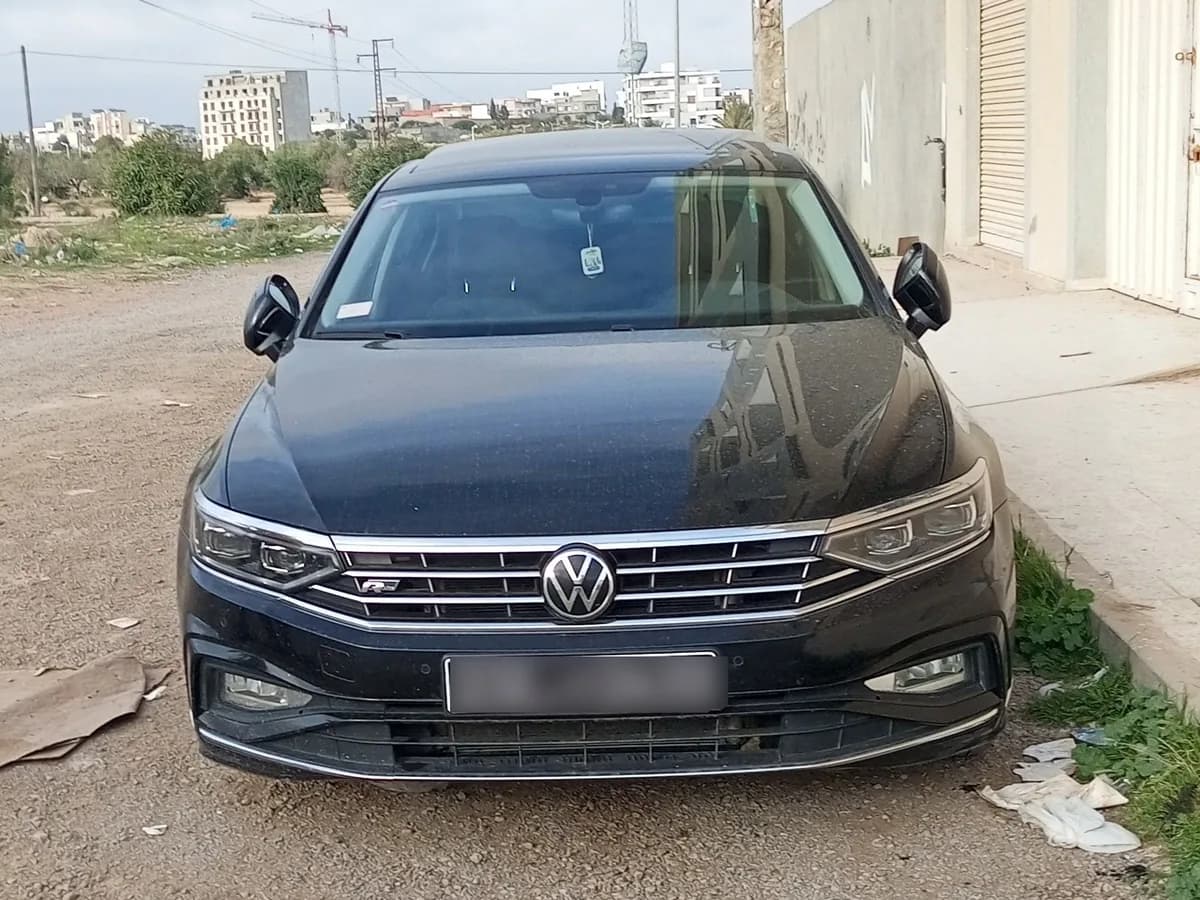
2012
2011
2010
2009
2005
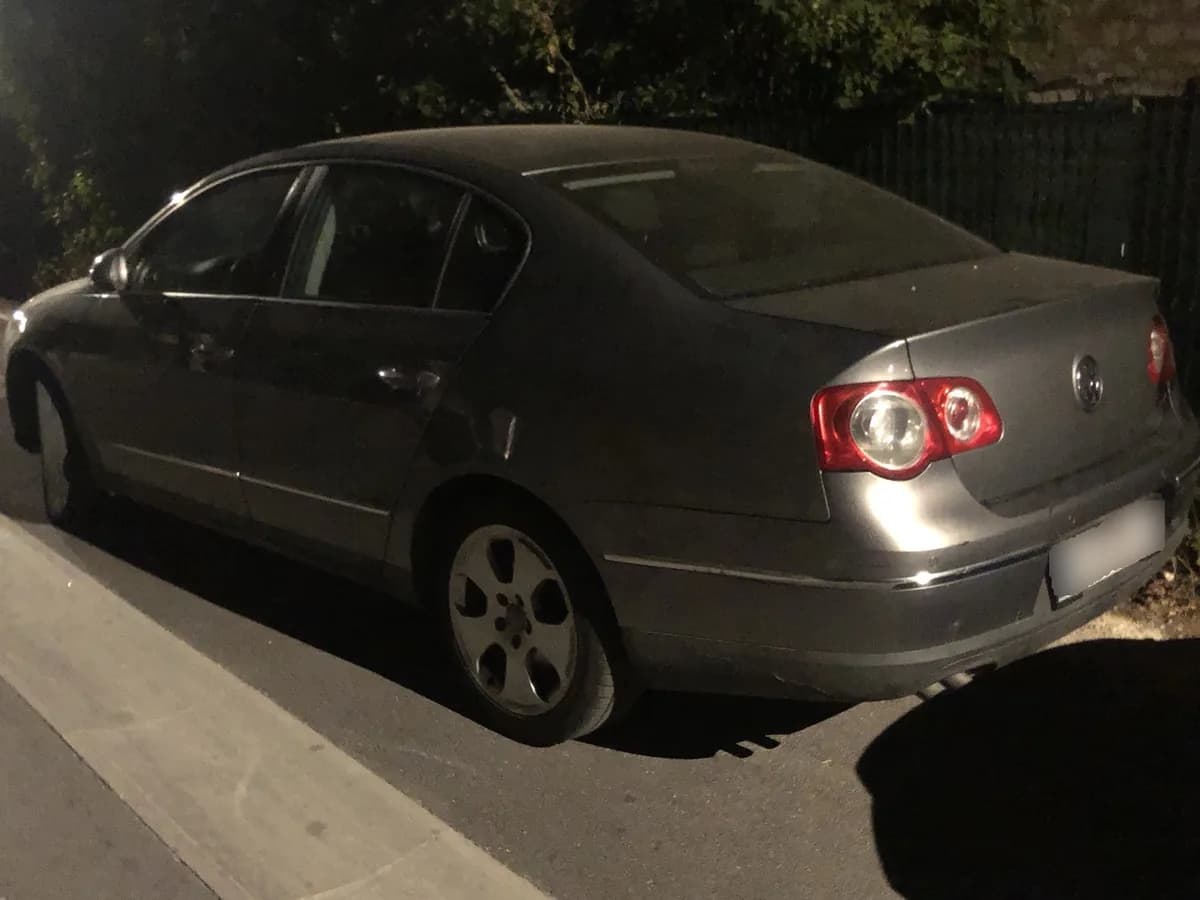
2000
1996
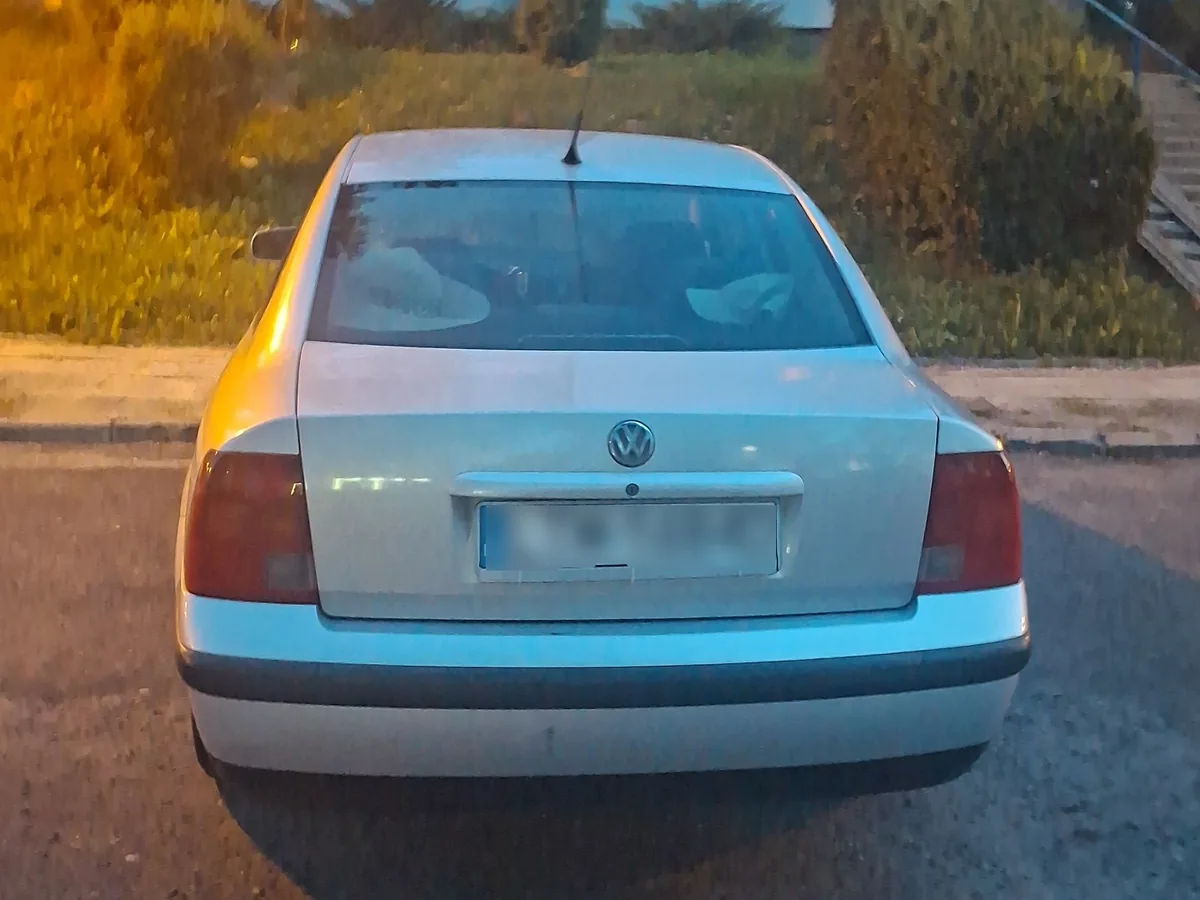
1993
1988
1985
1984
1981
1979
1977
1974
1973
Volkswagen Passat photos
Model summary
Data from the ScanRacer library, organized to compare versions quickly.
Model introduction
Launched in 1973, the Volkswagen Passat was conceived as a modern family car with a water-cooled engine and front-wheel drive, arriving as Volkswagen was reshaping its model range. The first generation, styled by Giorgetto Giugiaro from the technical basis of the Audi 80, used a hatchback body and introduced a more versatile interpretation of the family saloon. The Variant estate followed in January 1974 and gradually became one of the model’s defining forms. Across successive generations, the Passat developed into a roomier, more technologically advanced long-distance car with a strong presence in company fleets. Body styles and naming conventions vary by market, however: European, American and Chinese Passats are not always technically identical. That distinction matters when comparing photographs, equipment, engines or production dates. (volkswagen-newsroom.com)
History
The Passat B1 was introduced in May 1973 and represented a major change for Volkswagen: a front-mounted longitudinal engine, front-wheel drive and a hatchback body replaced the philosophy of older air-cooled, rear-engined family cars. The initial range used 1.3- and 1.5-litre petrol engines, while a naturally aspirated diesel arrived in 1978. The Variant estate followed in 1974, adding greater carrying ability and quickly becoming central to the model’s appeal. (volkswagen-newsroom.com) Introduced in 1980, the B2 grew substantially and gained syncro four-wheel drive in 1984. The 1988 B3 brought a much more extensive redesign, including transverse engine installation and a grille-less front end. The 1993 B4 retained the broad B3 concept but strengthened safety, with front airbags, belt tensioners and ABS listed as standard equipment by Volkswagen. (volkswagen-newsroom.com) The B5 returned to a longitudinal layout and shared its platform with the Audi A4. The B6 and B7 then moved back to transverse architecture while adding more equipment and driver-assistance systems. The ninth generation arrived for 2024 and, in Europe, is offered exclusively as a Variant estate with new plug-in hybrid powertrains among its options. (volkswagen-newsroom.com)
Generations
Volkswagen’s commonly identified Passat generations are B1, 1973–1980; B2, 1980–1988; B3, 1988–1993; B4, 1993–1997; B5, 1996–2005; B6, 2005–2010; B7, 2010–2014; B8, introduced in 2014 and substantially updated in 2019; and B9, introduced in Europe for 2024. Production years, model years and market launches do not always align, which explains overlaps such as the B4/B5 transition and the B7/B8 changeover. (volkswagen-newsroom.com) The B1 is identified by its Giugiaro styling and hatchback bodies. The B2 is larger and more squared-off. The B3 introduced the distinctive grille-less nose, while the B4 returned to a conventional radiator grille. The B5 stands out through its rounded design, longitudinal powertrain and technical relationship with the Audi A4. The B6 brought a more expressive appearance with a broad chrome grille. The B7 was a heavily revised development of the B6. The B8 brought newer structure and digital interfaces, while the B9 focuses on the Variant estate, interior space and electrified powertrains. (volkswagen-newsroom.com)
Key differences
The most important differences between Passat generations concern their mechanical layout. The B1 and B2 use longitudinal engines; the B3 and B4 switch to transverse installation, creating more room in the passenger compartment. The B5 returns to a longitudinal powertrain with a platform closely related to the Audi A4, before the B6 and B7 move back to transverse architecture. (volkswagen-newsroom.com) Body styles and regional products also make comparisons more complicated. The European Variant is an estate, while the North American Passat introduced in 2011 is a larger sedan than the corresponding European model. In China, the Passat name was also used for market-specific derivatives, including the Lingyu produced by Shanghai Volkswagen from 2005. The Alltrack is a raised, four-wheel-drive estate derivative, first introduced with the B7 and later continued in different forms depending on market. Country, model year and generation code should therefore be checked before matching a body style to a specification sheet. (volkswagen-newsroom.com)
Photo recognition
For an early Passat, start with the front end. The B1 has a hatchback profile and different headlamp arrangements depending on trim; its Variant estate arrived in 1974. The B2 is noticeably larger, with a square-bodied design and, on later versions, more enveloping bumpers introduced during its updates. (volkswagen-newsroom.com) The B3 is especially easy to identify because it has no conventional radiator grille: the Volkswagen badge sits within a broad central air intake. The B4 restores a raised grille and uses larger rear lamps. The B5 has a rounded body, a pronounced bonnet arc and a more formal appearance. The B6 is marked by its large chrome grille, while the B7 retains a broadly similar shape with a flatter front treatment and revised details. (volkswagen-newsroom.com) On newer cars, screens, lighting signatures and headlamp design are more useful than badges alone. North American and Chinese derivatives may carry the Passat name while using different proportions, body dimensions or market-specific equipment. A photograph should therefore be checked against the market and production period before a generation is assigned. (volkswagen-newsroom.com)
Important versions
The Variant estate is the most important body-style derivative in the range: introduced in 1974, it made the Passat both a family estate and a practical business vehicle. The B2 added syncro four-wheel drive, while the B3 offered notable versions such as the G60 Syncro and VR6. The B5 stood out through its Variant TDI models and the rare 4.0-litre W8. The B6 reached its performance peak with the 3.6-litre six-cylinder R36. The B7 introduced the Alltrack, a raised estate with 4MOTION all-wheel drive. In China, the Lingyu was a market-specific derivative launched by Shanghai Volkswagen in 2005. The B9, meanwhile, is sold in Europe exclusively as a Variant and introduces plug-in hybrid powertrains. (volkswagen-newsroom.com)
The name “Passat” follows Volkswagen naming, with its rules and its exceptions. Decode a Volkswagen name
References
- Passat B1 (1973–1980)Volkswagen Newsroom
- Techno Classica 2023: Volkswagen celebrates 50 years of the PassatVolkswagen Newsroom
- Passat B2 (1980–1988)Volkswagen Newsroom
- Passat B3 (1988–1993)Volkswagen Newsroom
- Passat B4 (1993–1997)Volkswagen Newsroom
- Passat B5 (1996–2005)Volkswagen Newsroom
- Passat B6 (2005–2010)Volkswagen Newsroom
- Passat B7 (2010–2014)Volkswagen Newsroom
Technical specifications
Structured data available for versions linked to this model.
| Version | Power | Torque | Top speed | Drivetrain | Fuel |
|---|---|---|---|---|---|
| Base | 176.5 KW @ 4000 RPM240 HP @ 4000 RPM237 BHP @ 4000 RPM | 369 lb-ft @ 1750-2500 RPM500 Nm @ 1750-2500 RPM | 145 mph (233 km/h) | All Wheel Drive / 7-speed automatic (DSG) | Diesel |
| Base | 125 KW @ 4200 RPM170 HP @ 4200 RPM168 BHP @ 4200 RPM | 258 lb-ft @ 1750-2500 RPM350 Nm @ 1750-2500 RPM | 138.6 mph (223 km/h) | Front Wheel Drive / 6-speed automatic (DSG) | Diesel |
| Base | 110.3 KW @ 5500 RPM150 HP @ 5500 RPM148 BHP @ 5500 RPM | 162 lb-ft @ 1500-4500 RPM220 Nm @ 1500-4500 RPM | 130 mph (209 km/h) | Front Wheel Drive / 6-speed manual | Natural Gas |
Frequently asked questions
- What years was the Volkswagen Passat produced?
- ScanRacer's referenced versions cover 1973 - 2024.
- How many Volkswagen Passat examples are documented on ScanRacer?
- 4 published scans from 4 members, with the latest photo added in August 2026.
What about the car you photographed?
Upload a photo to get a suggested make, model and likely year.
No account needed for the result · Publish only if you choose