Volkswagen Passat Sedan 2015
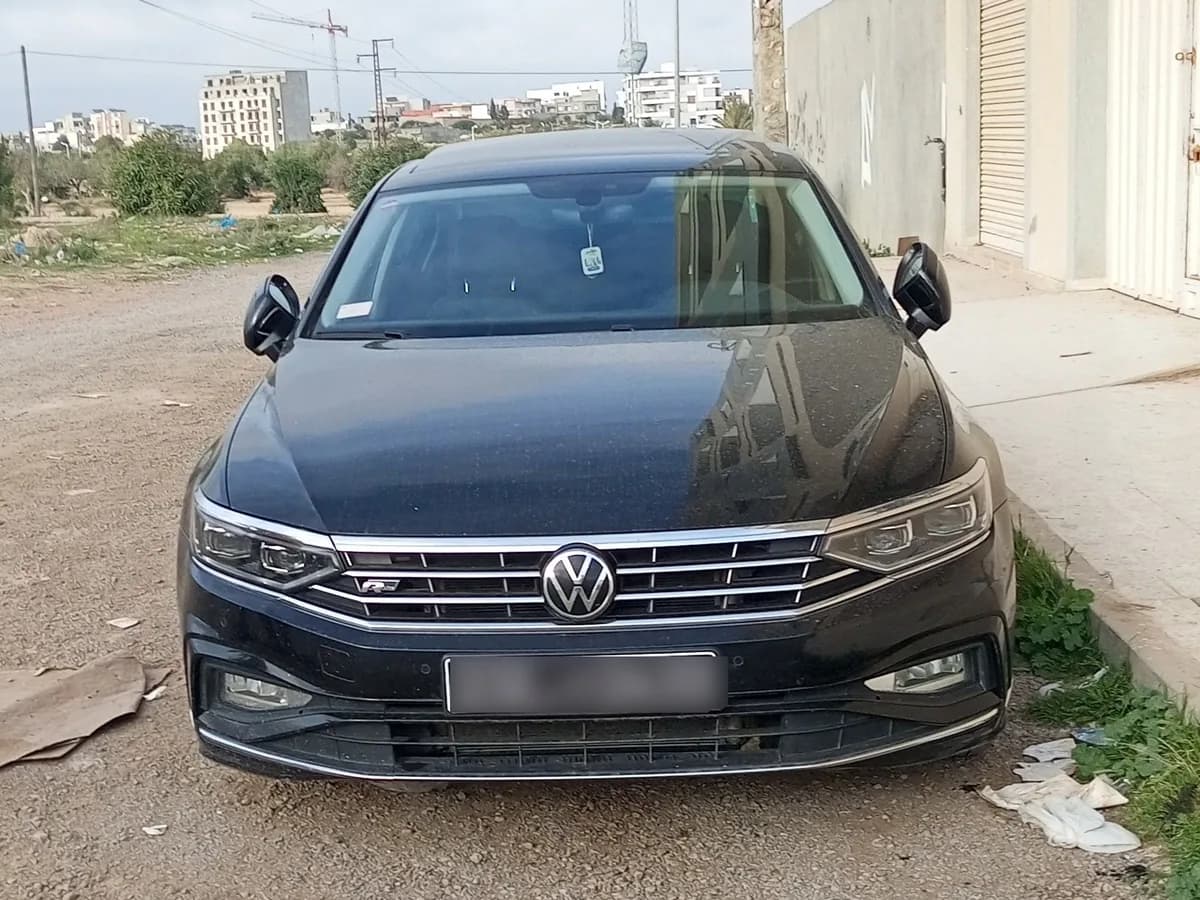
The 2015 Volkswagen Passat Sedan belongs to the eighth European generation of the Passat, known internally as the B8. Introduced in 2014, it was based on Volkswagen’s modular MQB architecture and used a four-door saloon body designed to move the model closer to the premium end of the mainstream market. European versions combined turbocharged petrol and diesel engines with manual or DSG transmissions, while 4MOTION all-wheel drive was available with selected powertrains. The B8 was engineered to offer more space, lower weight and a wider range of driver-assistance technologies than its predecessor. It was aimed at families, long-distance drivers and company-car users. In 2015, the European Passat also won the Car of the Year award, giving the model a significant distinction in its class.
Curious about this car?
Explore Passat, then try your own photo.
No account needed for the result · Publish only if you choose
History
The Passat first appeared in Volkswagen’s range in 1973 and gradually became one of Europe’s best-known family and company cars. The eighth generation was revealed in July 2014 and reached European markets toward the end of that year. For this redesign, Volkswagen moved to the MQB modular platform, an architecture already used by several Group models. The change helped reduce weight, improve packaging and support a broader range of electronic and driver-assistance systems.
The Passat B8 retained a conventional saloon body alongside the Variant estate, but adopted a cleaner and more precise design. Depending on trim level, the cabin could include a digital instrument display, advanced assistance systems and more upscale interior equipment. The European engine range consisted of several TSI petrol and TDI diesel units, with power outputs and transmissions varying by market. In 2015, the Passat received the European Car of the Year title, finishing ahead of the Citroën C4 Cactus and Mercedes-Benz C-Class. The award reflected its balance of comfort, space, efficiency and long-distance ability.
Latest scans
Photos added by the community for this page.
Anecdotes
The 2015 Passat won the European Car of the Year award with 340 points and 30 first-place votes from the jury. The result came more than four decades after the model’s original launch. The same generation also achieved a five-star Euro NCAP rating in testing conducted in 2014. Euro NCAP stated that the rating applied to the saloon and, on the basis of Volkswagen’s technical information, to the Variant estate as well.
Production
Production of the Passat B8 began in Europe in 2014, gradually replacing the Passat B7, whose production ended in February 2015 according to Volkswagen’s archive material. The B8 generation remained in production for several years in different body styles and with powertrains adapted to individual markets and emissions requirements. Volkswagen treated this European family as separate from the Passat versions developed for North America and China.
A precise production total for the 2015 Passat Sedan alone is not clearly published in the sources reviewed. It would therefore be misleading to assign a specific volume to that body style. For the wider Passat family, Volkswagen stated in 2018 that more than 29 million vehicles had been built across eight generations by the model’s 45th anniversary. That figure covers the global Passat lineage and should not be interpreted as a total for the 2015 European saloon.
Press reception
Automotive reviewers generally praised the Passat B8 for its comfort, generous interior space, perceived quality and ability to cover long distances with little effort. European road tests also noted that the saloon combined relatively low weight with acceptable agility for its size. Diesel versions were considered especially well suited to high-mileage use, while the petrol models delivered quieter and smoother everyday performance.
Criticism focused mainly on the conservative exterior design and on the fact that the Passat did not always feel as distinctive as some rivals. Its strongest formal recognition came from the 2015 European Car of the Year jury, which ranked it ahead of the Citroën C4 Cactus and Mercedes-Benz C-Class. The model also strengthened its family-car credentials with a five-star Euro NCAP result from testing carried out in 2014.
Evolution
Compared with the Passat B7, the B8 was a substantial technical step rather than a minor facelift. The move to the MQB platform changed the vehicle’s underlying architecture and made it easier to integrate compact turbocharged engines, updated infotainment and a broader selection of driver-assistance technologies. Its exterior design also became more horizontal, with a wider grille and sharper lines that gave the saloon a more upscale appearance.
During its production run, Volkswagen expanded the range with additional engines, digital equipment and selected all-wheel-drive versions. The saloon was sold alongside the Passat Variant estate and, later, the raised Alltrack derivative. Despite those extensions, the four-door model remained focused on quiet, efficient long-distance travel and practical everyday use.
Variants
References
- Passat B7 (2010–2014)Volkswagen Newsroom
Supports the B7 production end in February 2015 and the transition to the B8.
- Bestselling mid-size model in the world: the Passat has stood for 45 yearsVolkswagen Newsroom
Supports the Passat’s historical role, global production context and more than 29 million units built across eight generations by 2018.
- Volkswagen Passat, Car of the YearEuropean Car of the Year
Supports the 2015 award, 340 points and 30 top marks from the jury.
- Car of the Year 2015: Voting gridEuropean Car of the Year
Supports the European body-style range and the jury context surrounding the Passat’s victory.
- Volkswagen Passat – Euro NCAP Results 2014Euro NCAP
Supports the five-star safety result for the Passat tested in 2014.
- 2015 Volkswagen Passat Euro-Spec First DriveCar and Driver
Supports the European-market distinction, four-door sedan format, engine-range examples and driving impressions.
- Passat (USA version)Volkswagen Newsroom
Supports the distinction between the European Passat and the separately developed North American sedan.
- 2015 Volkswagen Passat ReviewCars.com
Provides independent contemporary commentary on comfort, space, drivability and the North American model distinction.