
Tiguan
Introduced in 2007, the Volkswagen Tiguan is a compact SUV positioned between Volkswagen’s smaller family vehicles and the larger Touareg. Its name combines “tiger” with “Leguan,” the German word for iguana, following a naming contest organized by Auto Bild. From the beginning, the Tiguan paired a raised driving position with practical bodywork and, depending on specification, Volkswagen’s 4MOTION all-wheel-drive system. Over its career, it developed into a global model family that included a longer-wheelbase version, plug-in hybrid powertrains, and the high-performance Tiguan R. The third generation launched in Europe for 2024 and reached North America as a 2025 model. It introduced a more digital cabin, updated driver-assistance technology, and a broader electrified range in markets where those powertrains are offered. Equipment, engines, seating configurations, and naming can differ substantially between regions.
What about the car you photographed?
Upload a photo to get a suggested make, model and likely year.
No account needed for the result · Publish only if you choose
Variants by year
Make: Volkswagen · Model: Tiguan
7 / 7 versions shown
2025
2024
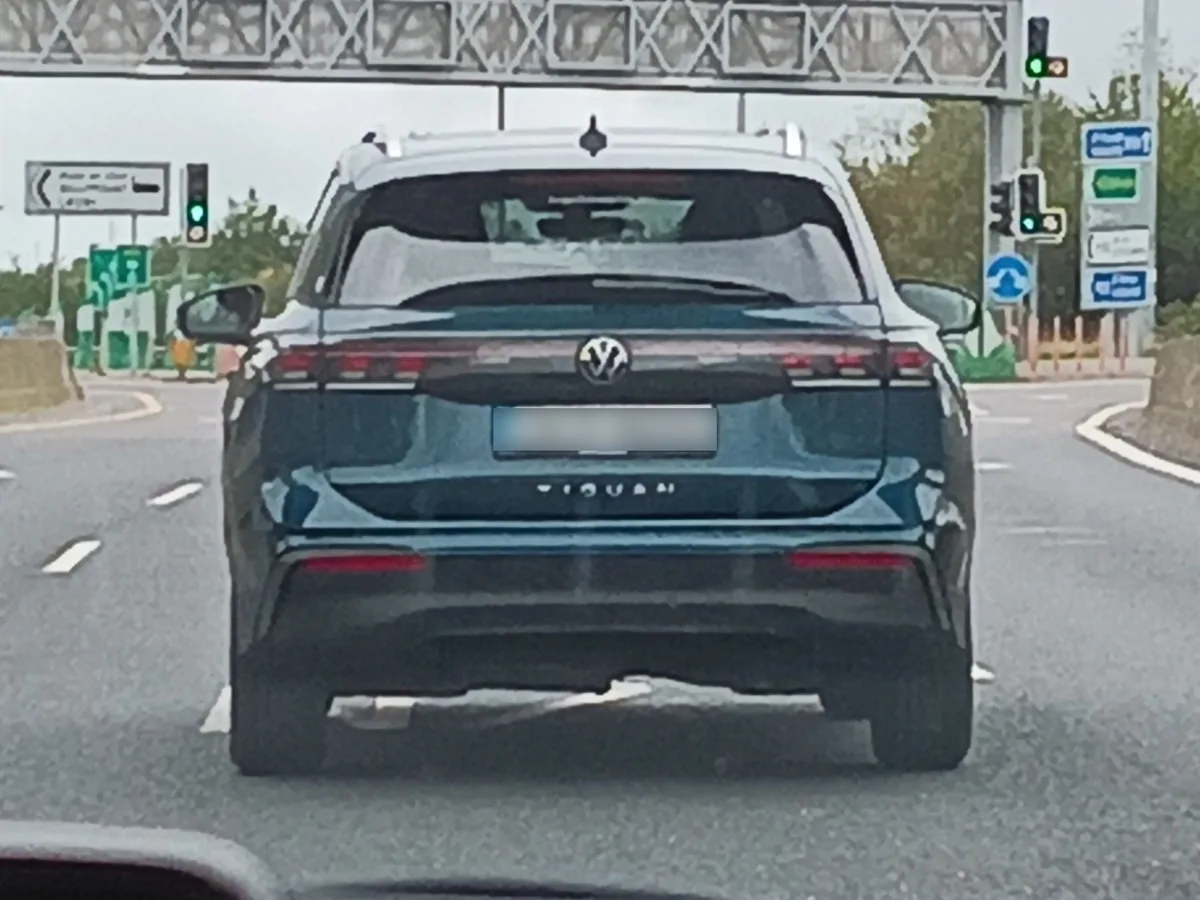
2020
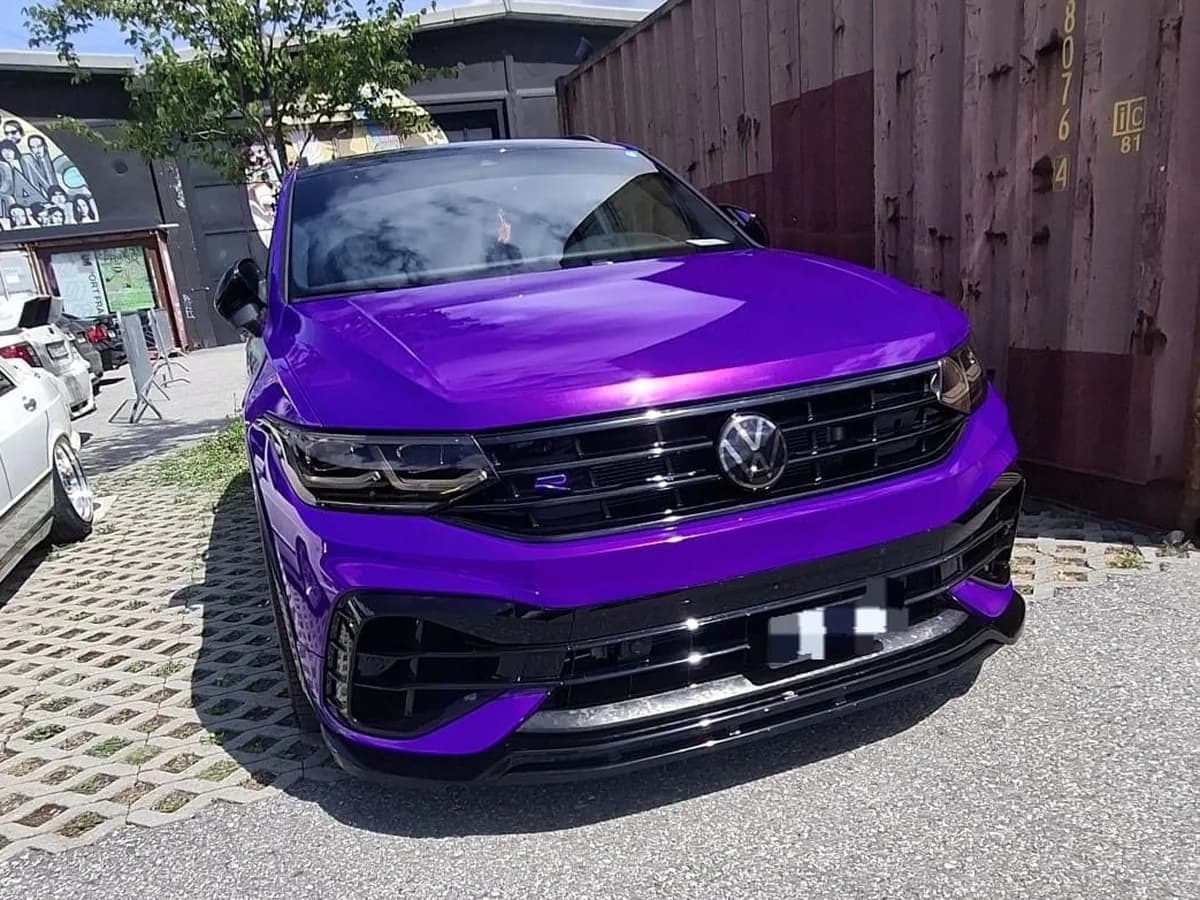
2016
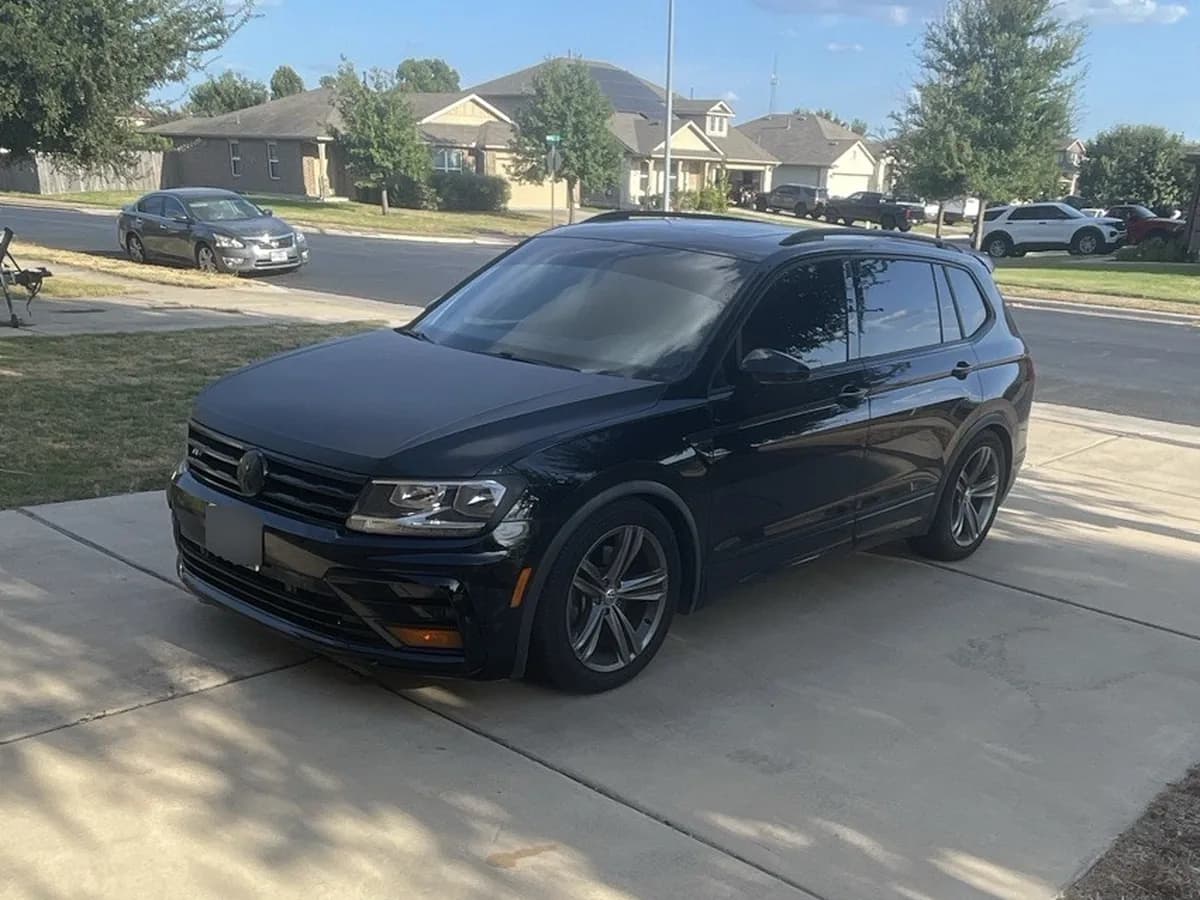
2011

2007
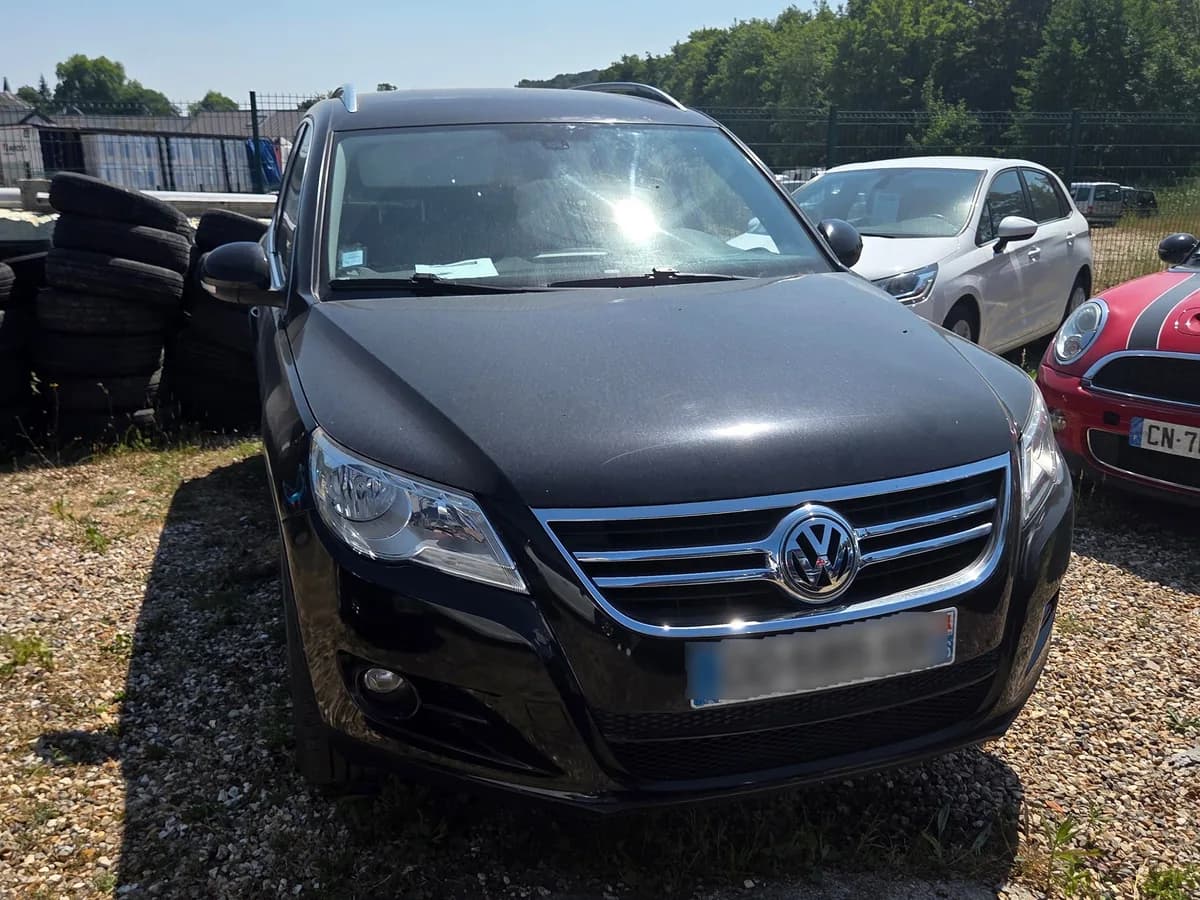
Volkswagen Tiguan photos
Model summary
Data from the ScanRacer library, organized to compare versions quickly.
Model introduction
Introduced in 2007, the Volkswagen Tiguan is a compact SUV positioned between Volkswagen’s smaller family vehicles and the larger Touareg. Its name combines “tiger” with “Leguan,” the German word for iguana, following a naming contest organized by Auto Bild. From the beginning, the Tiguan paired a raised driving position with practical bodywork and, depending on specification, Volkswagen’s 4MOTION all-wheel-drive system. Over its career, it developed into a global model family that included a longer-wheelbase version, plug-in hybrid powertrains, and the high-performance Tiguan R. The third generation launched in Europe for 2024 and reached North America as a 2025 model. It introduced a more digital cabin, updated driver-assistance technology, and a broader electrified range in markets where those powertrains are offered. Equipment, engines, seating configurations, and naming can differ substantially between regions.
History
The Tiguan’s story began with a concept shown at the 2006 Los Angeles Auto Show, followed by the production model’s debut at the 2007 Frankfurt Motor Show. Sales started later that year. Volkswagen positioned it as a versatile compact SUV, with front-wheel drive or 4MOTION all-wheel drive depending on market and specification. A significant update arrived in 2011, bringing revised exterior styling and equipment changes. The second generation launched in 2016. It moved to Volkswagen Group’s modular transverse matrix, known as MQB, and became longer and roomier than its predecessor. In 2017, the range expanded with the Tiguan Allspace, a longer-wheelbase derivative offering up to seven seats in selected markets. The 2020 facelift brought revised connectivity, updated driver-assistance systems, and new derivatives, including the plug-in hybrid Tiguan eHybrid and the 320-PS Tiguan R. The third generation was revealed in 2023 and reached European dealerships for the 2024 model year. It uses the MQB evo evolution and places greater emphasis on electrification, digital interfaces, and comfort features. In North America, the 2025 Tiguan uses a two-row body and a market-specific gasoline powertrain. These regional differences mean that model-year dates and available versions should always be checked against the relevant market.
Generations
The first generation, commonly identified as Tiguan I or type 5N, covers the model’s launch in 2007 through the arrival of its successor. It has an upright, compact appearance, a relatively tall glasshouse, and an interior dominated by physical controls. The 2011 facelift is most easily identified by its revised front end, which brought the SUV closer to Volkswagen’s design language of that period. The second generation arrived in 2016 with sharper surfacing, a broader grille, and a larger overall package. It introduced the Tiguan to Volkswagen Group’s MQB architecture and was also offered as the longer-wheelbase Tiguan Allspace. The 2020 facelift was not a new generation, but it brought noticeable changes to lighting signatures, bumpers, infotainment, and available driver-assistance systems. The Tiguan R appeared during this later phase as the performance-oriented flagship. The third generation launched in Europe from 2024 and in North America as a 2025 model. It adopts smoother bodywork, a digital instrument display, and a large central touchscreen. eTSI mild-hybrid and eHybrid plug-in powertrains are offered in selected markets. Because Volkswagen adjusts engines, seating layouts, equipment, and model-year timing by region, generation boundaries should be interpreted alongside the market in which a vehicle was sold.
Key differences
The differences between generations involve more than styling. The first-generation Tiguan uses a compact, conventional formula, with engines and drivetrains varying considerably by market. The second generation moved to MQB, gained interior and cargo space, and adopted a more digital cabin. It also introduced the Allspace body style, which was not part of the first-generation range, along with specialized derivatives such as the Tiguan R and post-facelift eHybrid. The third generation continues that expansion with MQB evo, stronger electrification in Europe, and comfort technology associated with more expensive vehicle classes. European plug-in hybrid models should not be confused with the gasoline-powered North American 2025 Tiguan. Trim names also do not guarantee identical equipment across countries. A meaningful comparison should therefore consider generation, sales market, model year, body style, drivetrain, and engine—not simply the vehicle’s Tiguan badge. This is particularly important when identifying imported vehicles or comparing a European Tiguan with a North American example.
Photo recognition
A first-generation Tiguan can usually be identified by its upright proportions, relatively plain side surfaces, and compact front end. Early cars have a different grille and headlamp treatment from the facelifted models introduced around 2011. The second-generation Tiguan looks longer and more planted, with stronger side creases and a wider horizontal grille. Allspace versions have a stretched wheelbase and, where fitted, a third seating row. The second-generation facelift, introduced around 2020 depending on market, brought newer headlamp graphics and revised lighting signatures. The Tiguan R adds model-specific performance details, although exact trim features vary. The third-generation Tiguan has smoother bodywork, slimmer front lighting, and, on certain versions, a visual light connection across the grille area. Its cabin is dominated by a large central display and a digital instrument panel. These are useful identification clues rather than absolute rules: bumpers, wheels, lamps, trim details, and equipment can differ by market, model year, and option package.
Important versions
Key versions include the first-generation Tiguan, which established the nameplate as a global compact SUV, and the MQB-based second generation introduced in 2016. The Tiguan Allspace added a longer wheelbase and up to seven seats in selected markets. The 2020 facelift period brought the 320-hp Tiguan R and the Tiguan eHybrid to several European markets. The third generation expanded the range with eTSI mild-hybrid and eHybrid plug-in powertrains, while North America received a two-row, gasoline-powered 2025 Tiguan with market-specific specifications. Exact trims, engines, seating layouts, and drivetrain choices depend on the country and model year.
The name “Tiguan” follows Volkswagen naming, with its rules and its exceptions. Decode a Volkswagen name
References
- Tiguan: Global bestseller breaks the six million markVolkswagen Newsroom
- TiguanVolkswagen Newsroom
- Electrified and energised: world premiere of the new TiguanVolkswagen Newsroom
- Powerful 320 PS Performance version of the successful SUVVolkswagen Newsroom
- Volkswagen celebrates world premiere of the all-new TiguanVolkswagen Newsroom
- Now available to order: Long-range plug-in hybrid drives for the TiguanVolkswagen Newsroom
- 2025 Tiguan Press KitVolkswagen of America
- https://www.volkswagen-newsroom.com/en/press-releases/the-new-tiguan-edition-20-volkswagen-celebrates-two-decades-of-a-success-story-20508volkswagen-newsroom.com
Technical specifications
Structured data available for versions linked to this model.
| Version | Power | Torque | Top speed | Drivetrain | Fuel |
|---|---|---|---|---|---|
| Base | 80.9 KW @ 4200 RPM110 HP @ 4200 RPM108 BHP @ 4200 RPM | 207 lb-ft @ 1750 RPM280 Nm @ 1750 RPM | 108 mph (174 km/h) | Front Wheel Drive / 6-speed manual | Diesel |
Frequently asked questions
- What years was the Volkswagen Tiguan produced?
- ScanRacer's referenced versions cover 2007 - 2025.
- How many Volkswagen Tiguan examples are documented on ScanRacer?
- 12 published scans from 10 members, with the latest photo added in September 2026.
- What is the power output of the Volkswagen Tiguan?
- The sourced technical data lists 80.9 KW @ 4200 RPM110 HP @ 4200 RPM108 BHP @ 4200 RPM.
What about the car you photographed?
Upload a photo to get a suggested make, model and likely year.
No account needed for the result · Publish only if you choose