
Polo
Launched in spring 1975, the Volkswagen Polo became one of the longest-running nameplates in the German manufacturer’s range. Positioned below the Golf, it belonged to Volkswagen’s new front-engine, front-wheel-drive model family alongside the Passat and Golf. The first Polo was roughly 3.5 metres long and used a technical foundation closely related to the Audi 50, while offering simpler equipment and a more accessible price. Across six generations, the model developed from a lightweight two-door car into a larger, better-equipped supermini with increasing emphasis on safety, connectivity and driver assistance. Its history also includes a wide range of derivatives, including a coupé, notchback saloon, estate, CrossPolo, GTI, G40, Harlequin and R WRC. Volkswagen states that more than 20 million Polos have been sold worldwide, underlining the model’s international importance in the small-car segment.
What about the car you photographed?
Upload a photo to get a suggested make, model and likely year.
No account needed for the result · Publish only if you choose
Variants by year
Make: Volkswagen · Model: Polo
32 / 32 versions shown
2022
2021
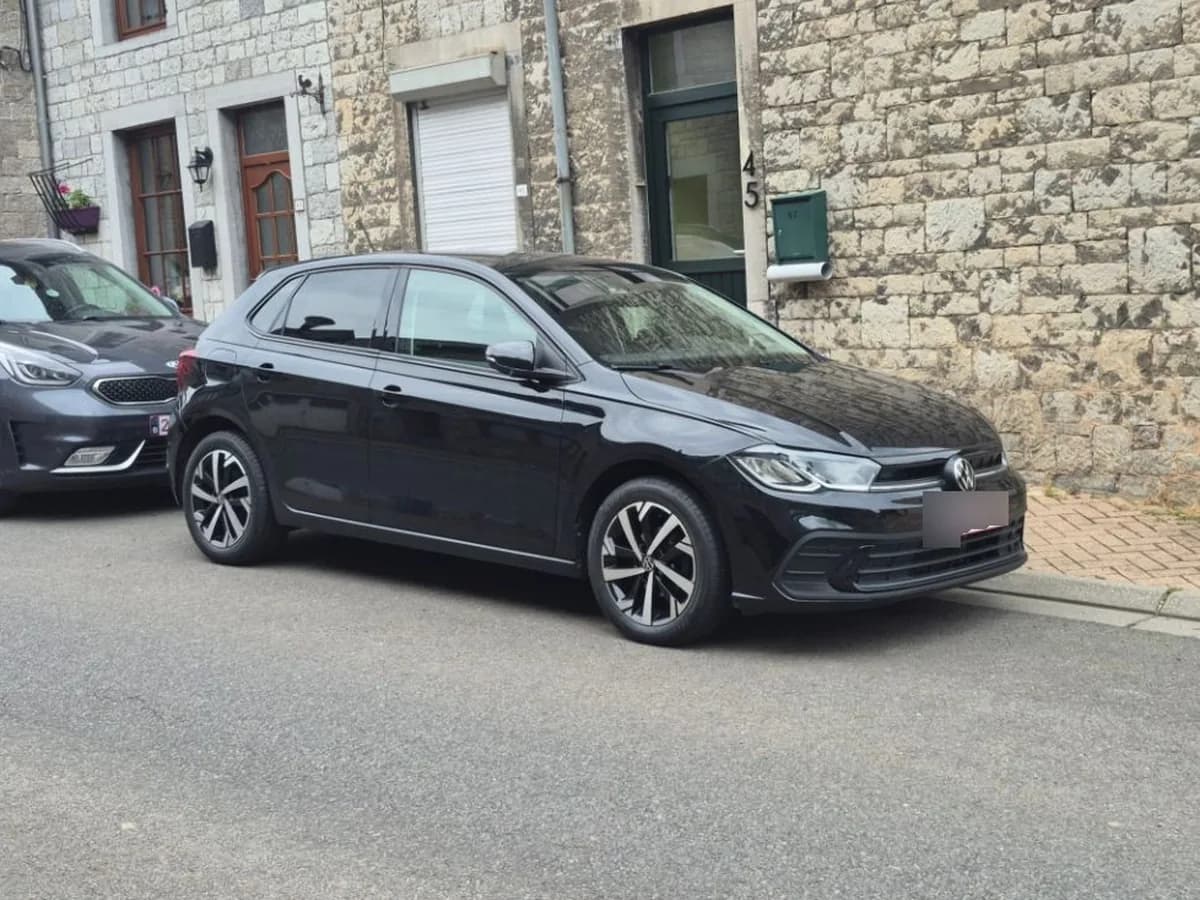
2020

2017

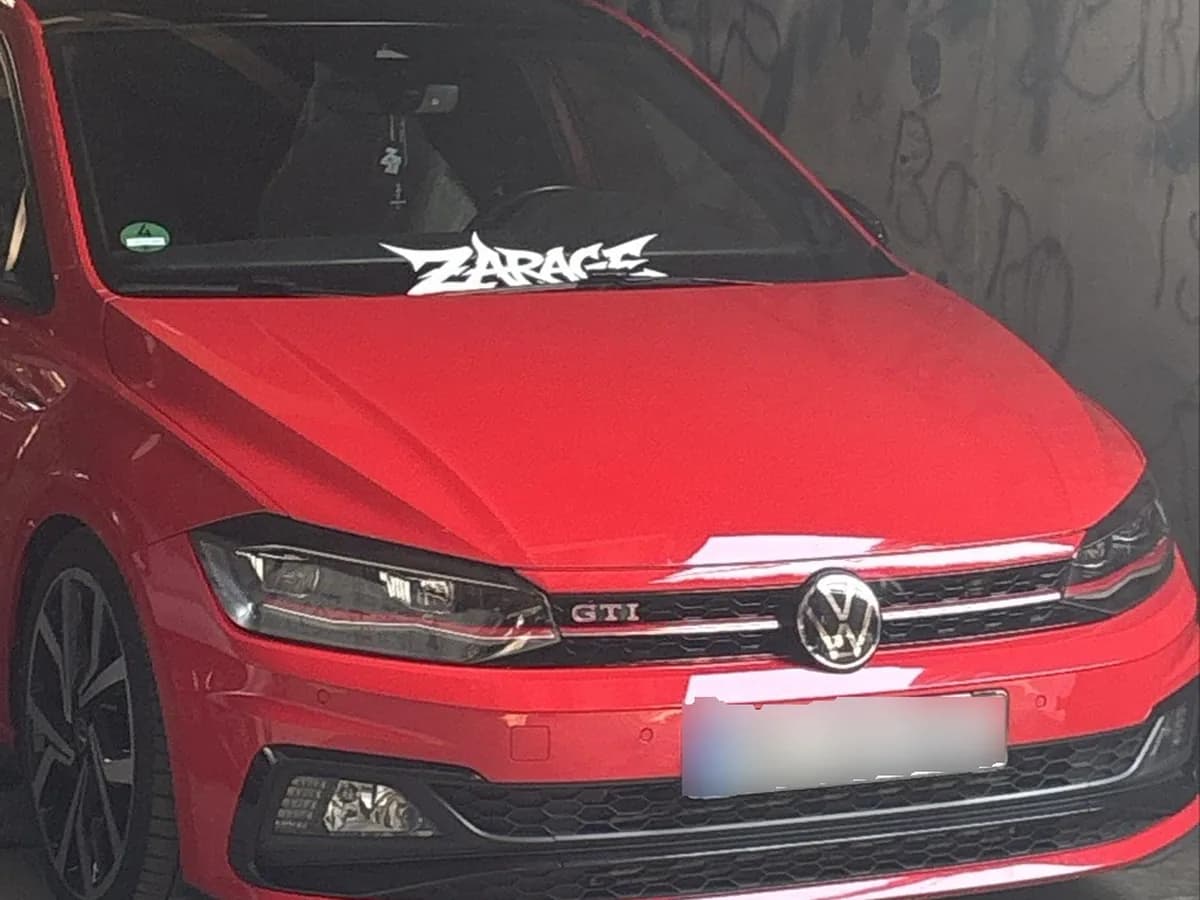
2015
2014
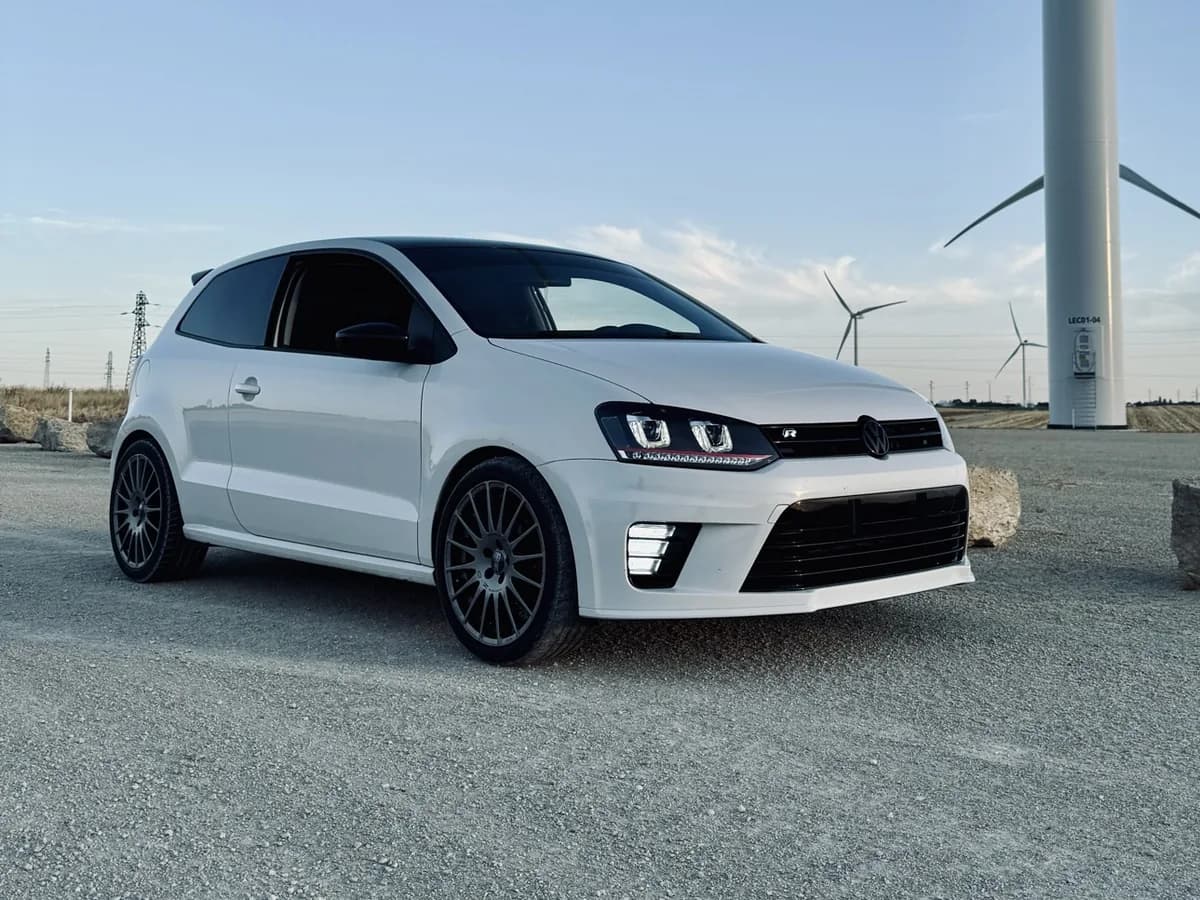
2010
2009
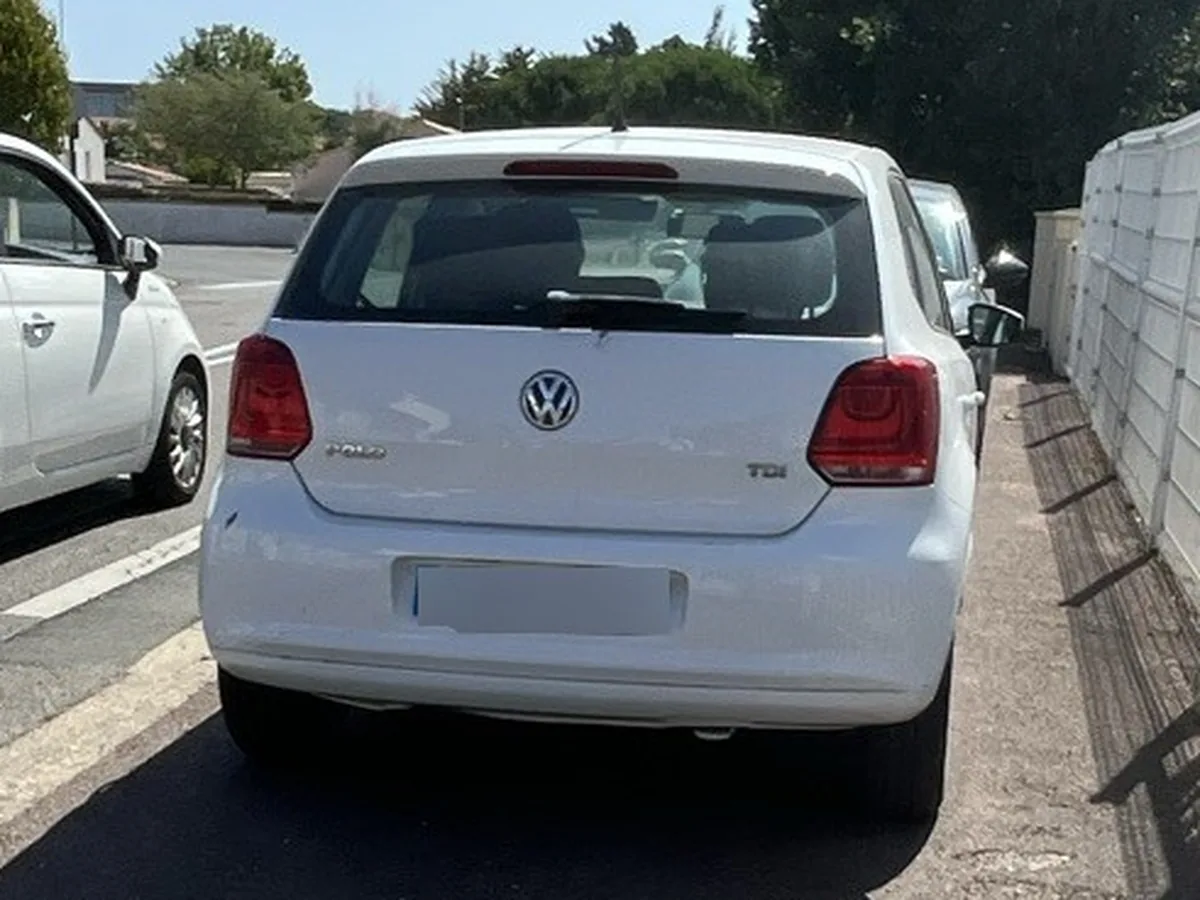
2006
2005
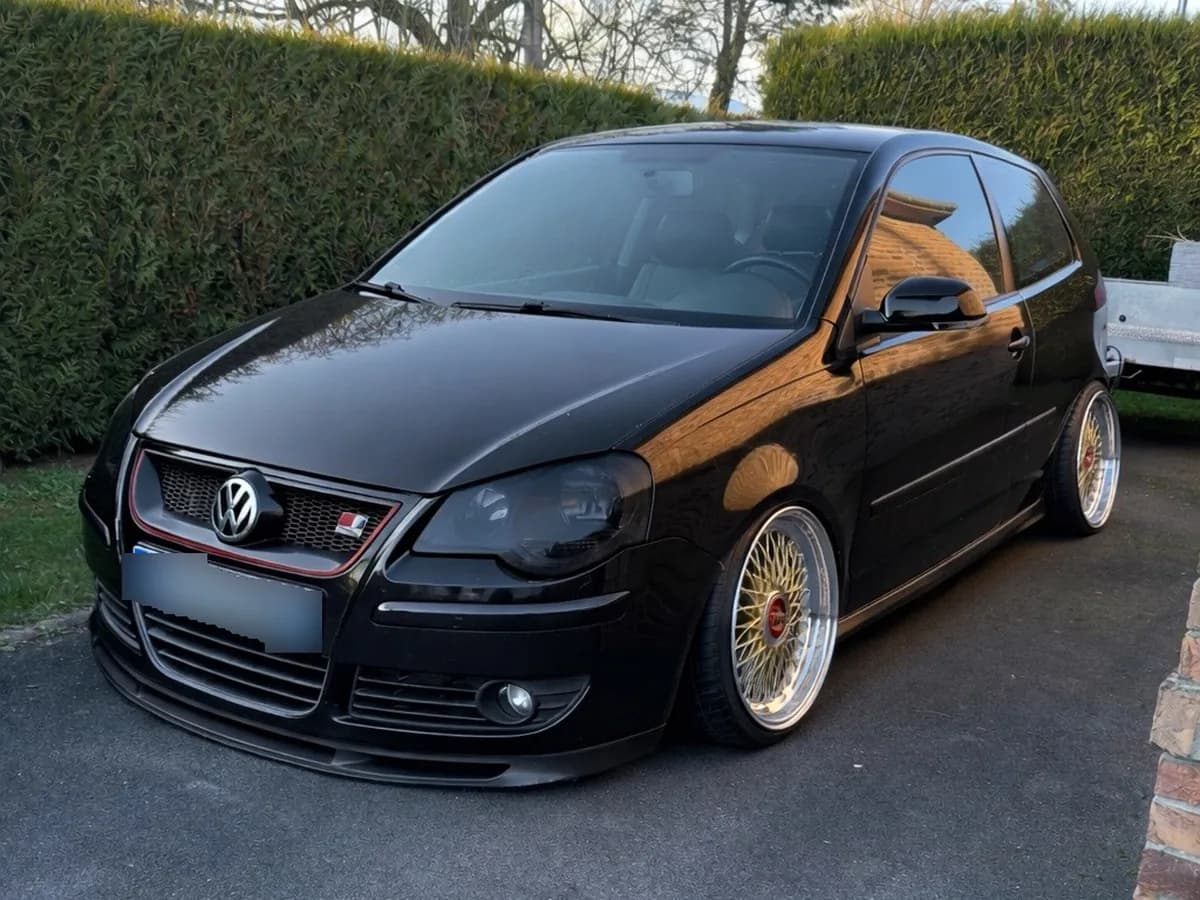
2004
2003
2001
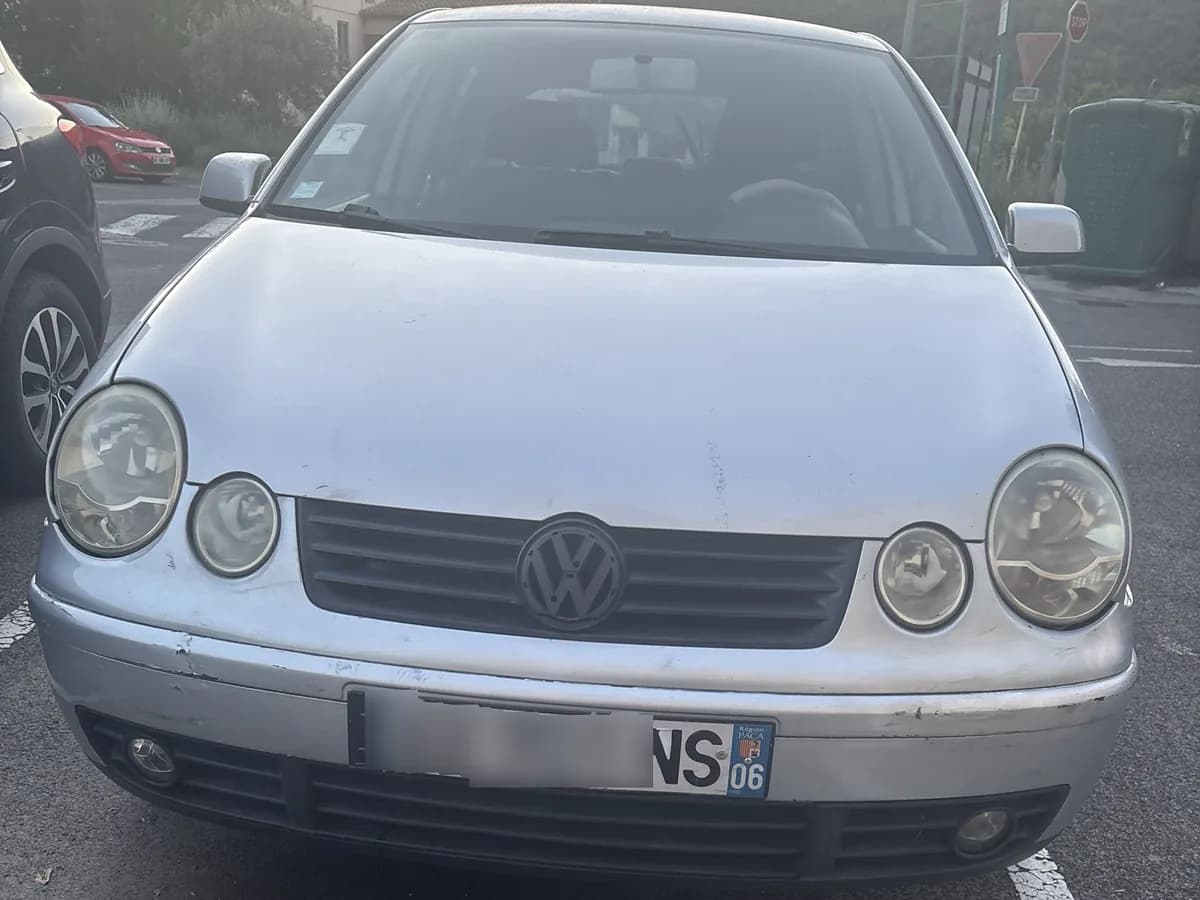
1999
1997
1996
1995
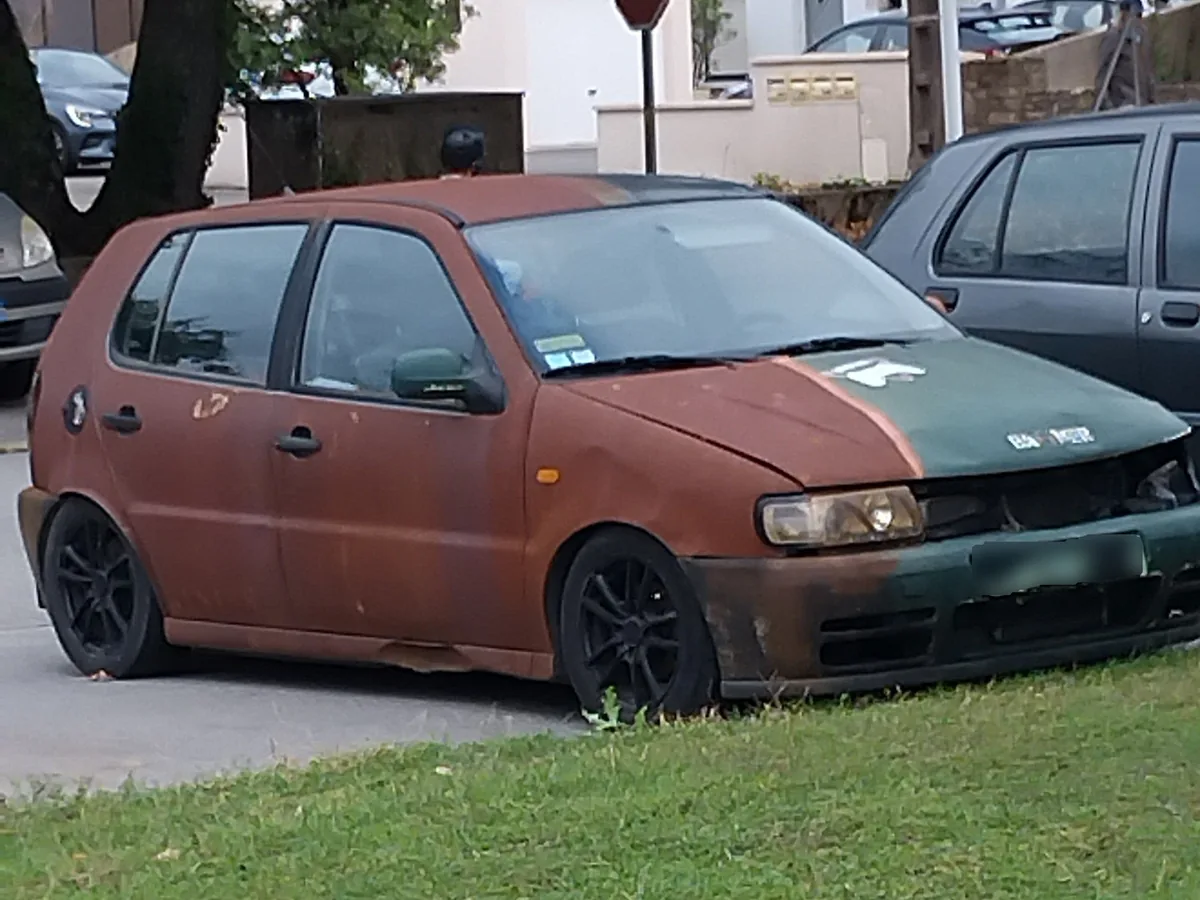
1994
1990
1985
1982
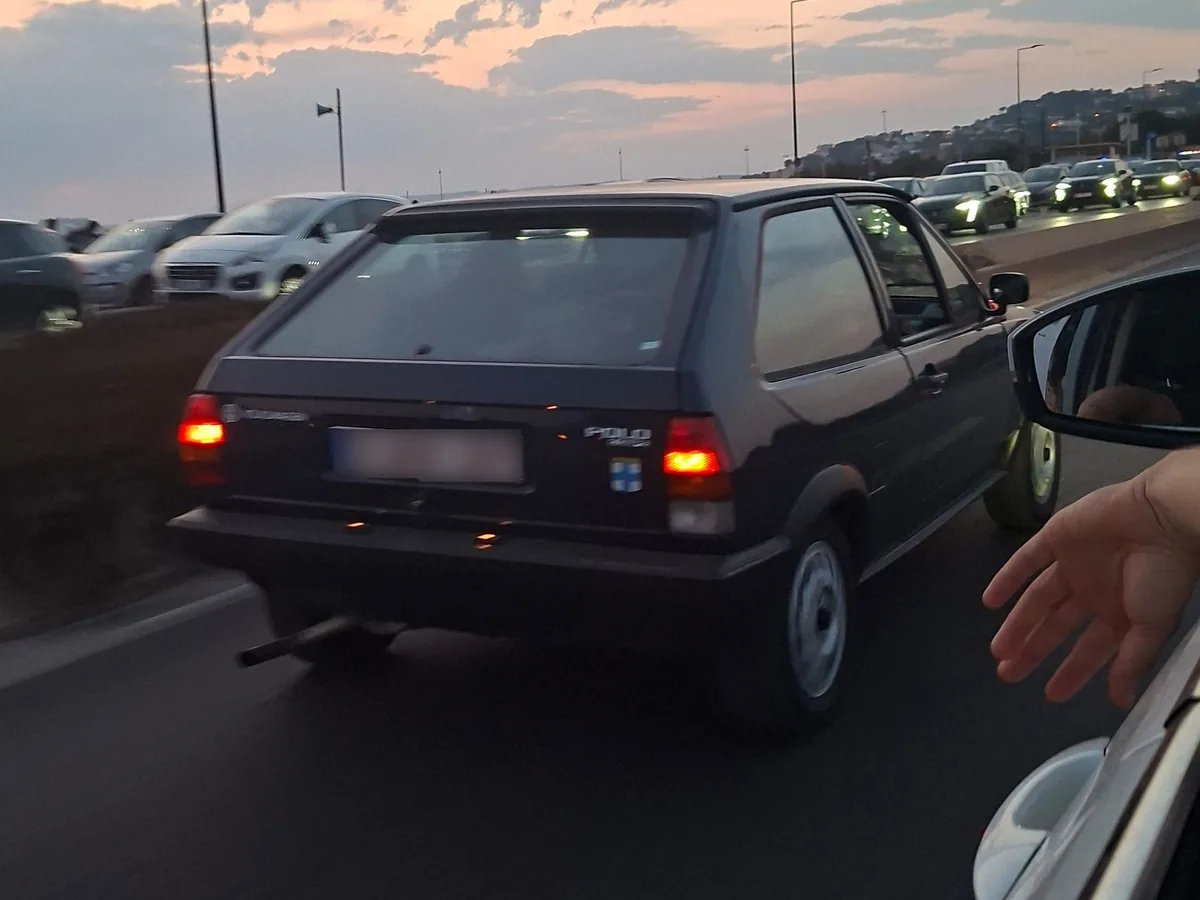
1981
1975
Volkswagen Polo photos
Model summary
Data from the ScanRacer library, organized to compare versions quickly.
Model introduction
Launched in spring 1975, the Volkswagen Polo became one of the longest-running nameplates in the German manufacturer’s range. Positioned below the Golf, it belonged to Volkswagen’s new front-engine, front-wheel-drive model family alongside the Passat and Golf. The first Polo was roughly 3.5 metres long and used a technical foundation closely related to the Audi 50, while offering simpler equipment and a more accessible price. Across six generations, the model developed from a lightweight two-door car into a larger, better-equipped supermini with increasing emphasis on safety, connectivity and driver assistance. Its history also includes a wide range of derivatives, including a coupé, notchback saloon, estate, CrossPolo, GTI, G40, Harlequin and R WRC. Volkswagen states that more than 20 million Polos have been sold worldwide, underlining the model’s international importance in the small-car segment.
History
The Polo was unveiled in Geneva in March 1975 before reaching dealerships in spring of the same year. It completed Volkswagen’s post-Beetle model family, following the Passat in 1973 and the Golf in 1974. The first generation was a deliberately simple two-door car designed to provide strong everyday utility at an accessible price. An updated version remained in production until 1981, while the Derby derivative added a separate luggage compartment as early as 1977. The second generation arrived in 1981 and expanded the range with a practical body style followed by a fastback coupé in 1982. It also introduced a diesel option, the economy-focused Formel E and sporting GT and G40 versions. In 1994, the third generation brought a clear increase in equipment and safety: front airbags, belt tensioners and ABS became part of the model’s development, while five-door bodywork was offered depending on market. The Polo III also produced notable derivatives such as the Harlequin, estate and limited-production GTI. Later generations increased space, equipment and performance. The Polo IV introduced a turbocharged GTI, the Polo V became the basis for Volkswagen’s successful R WRC rally programme, and the sixth-generation car, unveiled in 2017, moved to the modular MQB platform. Volkswagen marked the model’s fiftieth anniversary in 2025.
Generations
The Polo I covers 1975 to 1981. It is identified by its very compact dimensions, two-door body and angular styling. The Derby, introduced from 1977, was the main notchback derivative with a separate luggage compartment. The Polo II arrived in 1981 and continued until 1994, using a taller and more practical body. A fastback coupé joined the range in 1982. The 1990 facelift is particularly easy to identify by its rectangular headlamps. This generation is associated with the Polo GT, GT G40 and G40, as well as the arrival of a diesel model. The Polo III, introduced in 1994, grew to a length comparable with that of the original Golf. Its styling became softer, body-coloured bumpers were widely used and safety equipment advanced substantially. The generation produced the Harlequin in 1995, a true estate model in 1997 and a limited-production GTI capped at 3,000 cars. A major facelift followed in 1999. The Polo IV, built from 2001 to 2009, adopted a more expressive front end and spawned versions such as the Polo FUN, CrossPolo and 150-horsepower GTI. The Polo V covered 2009 to 2017 and included BlueMotion, GTI and R WRC derivatives. The sixth-generation Polo was unveiled in 2017, moved to the MQB platform and received a substantial visual and technical facelift in 2021.
Key differences
The main differences between generations concern body shape, proportions and equipment. The Polo I is a very light two-door car, while the Polo II adopts a taller silhouette and a more practical rear section. The second-generation fastback coupé has a clearly different roofline and rear profile from the standard hatchback. The Polo III is recognisable by its softer styling, increased safety equipment and the arrival of five-door and estate body styles in selected markets. The Polo IV appears more upright and sophisticated, with split headlamp designs on some versions. The Polo V uses a more horizontal and tightly drawn design, while the Polo VI generally looks wider and more technology-focused because of its MQB architecture. Sporting badges also require care. G40 identifies a family of supercharged Polo II models, GTI refers to a later performance line and R WRC describes a highly limited road car inspired by Volkswagen’s rally programme. Equipment and engines varied by country, model year and market, so the registration year and original sales region remain important when identifying an individual car.
Photo recognition
When identifying an older Polo, begin with the body shape and headlamp design. The Polo I has a very angular profile and a simple compact front end. The Polo II remains small but commonly uses round headlamps until the 1990 facelift, after which rectangular units become a useful clue. The fastback coupé is identified by its sloping rear, while G40 models usually carry specific sporting trim, wheels or aerodynamic details. The Polo III has softer contours, frequently body-coloured bumpers and the rounded front treatment often associated with its “Happy Face” design. The Harlequin is immediately identifiable by its deliberately mixed exterior colours. The estate introduced in 1997 has an extended rear body and additional side glass. The Polo IV looks taller and has a more expressive front end. The CrossPolo adds exterior cladding, roof rails and a visually raised stance. On the fifth- and sixth-generation cars, headlamps, grille shape, rear-light graphics and dashboard screen layout are among the most useful clues. Identification by vehicle identification number is still preferable because trim levels, engines and equipment differed substantially between countries and model years.
Important versions
Among the most significant derivatives is the Derby, a notchback version introduced in 1977. The 1987-1988 Polo Coupé GT G40 brought supercharging to a small performance car, followed by the G40 offered from 1990. The Polo III produced two especially distinctive versions that are now widely recognised by enthusiasts: the multi-coloured Harlequin and the GTI limited to 3,000 cars. The Polo FUN and later CrossPolo gave the model a more adventurous appearance without turning it into a true off-road vehicle. The 2006 Polo IV GTI stood out with its turbocharged 1.8-litre engine. The fifth-generation Polo made its strongest sporting impression through the limited R WRC Street, a road-going derivative inspired by Volkswagen’s World Rally Championship car. The Polo GTI remains the principal performance version of the sixth generation.
The name “Polo” follows Volkswagen naming, with its rules and its exceptions. Decode a Volkswagen name
References
- 50 years of the Volkswagen Polo: small on the outside, big on the inside and successful worldwideVolkswagen Newsroom
- 50 Years of Polo: Jubilee BrochureVolkswagen Newsroom
- Content Creator Days – 50 years of PoloVolkswagen Newsroom
- The Polo forgoes short-lived effectsVolkswagen Newsroom
- Small can also be big: Volkswagen celebrates 50 years of the PoloVolkswagen Newsroom
- https://www.volkswagen-newsroom.com/en/press-releases/50-years-of-the-volkswagen-polo-small-on-the-outside-big-on-the-inside-and-successful-worldwide-19232/downloadvolkswagen-newsroom.com
- https://www.motor1.com/news/148519/volkswagen-polo-history/motor1.com
- https://www.volkswagen-newsroom.com/en/press-releases/volkswagen-at-the-bremen-classic-motorshow-celebrating-50-years-of-the-polo-18984/downloadvolkswagen-newsroom.com
Technical specifications
Structured data available for versions linked to this model.
| Version | Power | Torque | Top speed | Drivetrain | Fuel |
|---|---|---|---|---|---|
| Base | 66 KW @ 3500 RPM90 HP @ 3500 RPM89 BHP @ 3500 RPM | 170 lb-ft @ 1750-2500 RPM230 Nm @ 1750-2500 RPM | 110 mph (177 km/h) | Front Wheel Drive / 7-speed automatic DSG | Diesel |
Frequently asked questions
- What years was the Volkswagen Polo produced?
- ScanRacer's referenced versions cover 1975 - 2022.
- How many Volkswagen Polo examples are documented on ScanRacer?
- 17 published scans from 14 members, with the latest photo added in October 2026.
- What is the power output of the Volkswagen Polo?
- The sourced technical data lists 66 KW @ 3500 RPM90 HP @ 3500 RPM89 BHP @ 3500 RPM.
What about the car you photographed?
Upload a photo to get a suggested make, model and likely year.
No account needed for the result · Publish only if you choose