
Aston Martin
Founded in London in 1913 by Lionel Martin and Robert Bamford, Aston Martin developed around a clear idea: combine sporting performance, elegance and careful craftsmanship. The marque’s name refers to the Aston Clinton hill climb, where Lionel Martin competed successfully in one of the company’s early cars. Its history includes sports cars, grand tourers, Lagonda saloons and, more recently, extreme-performance models such as the Valkyrie. The DB line, associated with the David Brown era, includes significant cars such as the DB5, DB6, DB7, DBS, DB11 and DB12. Vantage is another continuous thread in the company’s story, evolving from high-performance derivatives into a distinct model line. The generations represented here span very different periods, from pre-war motoring to models listed for 2026, providing a broad view of Aston Martin’s changing engineering and design priorities.
Models from A to Z

AMR26
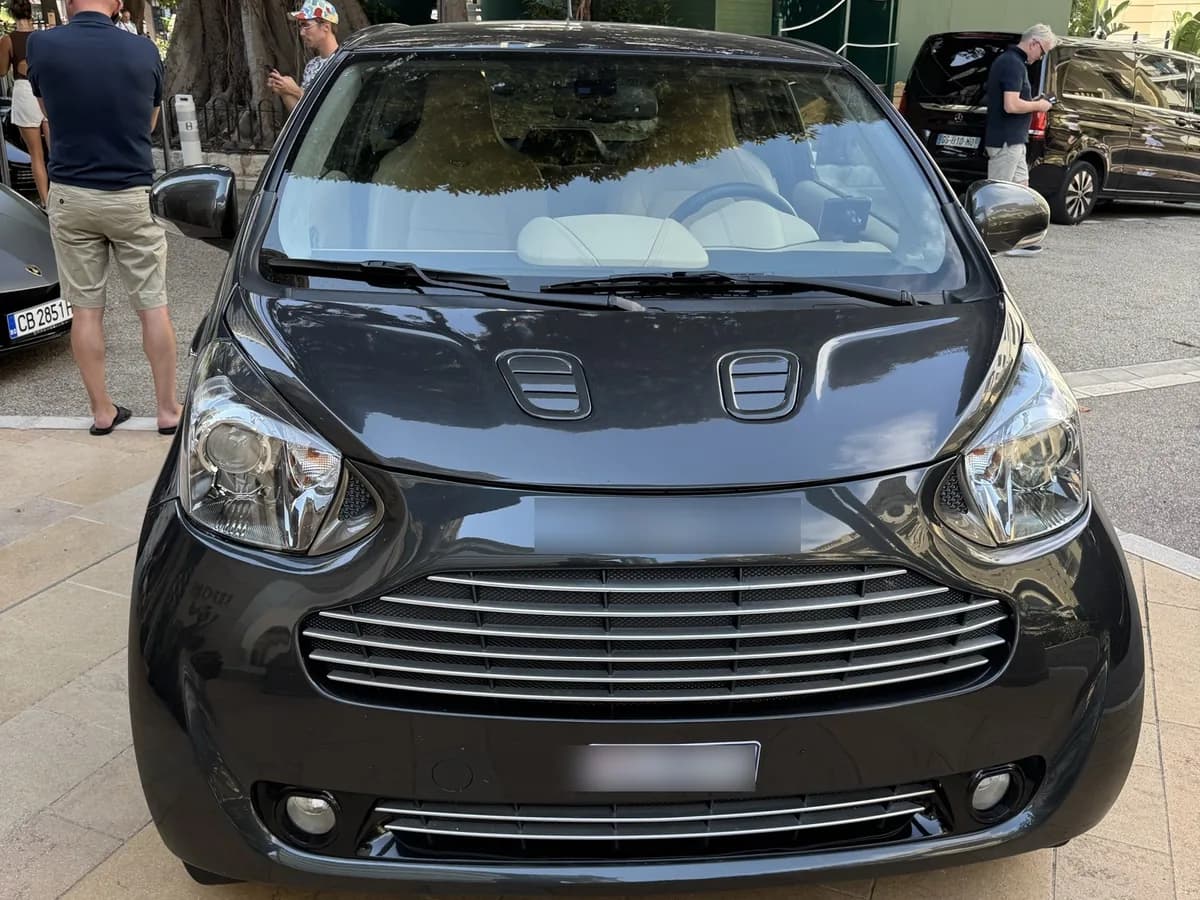
Cygnet
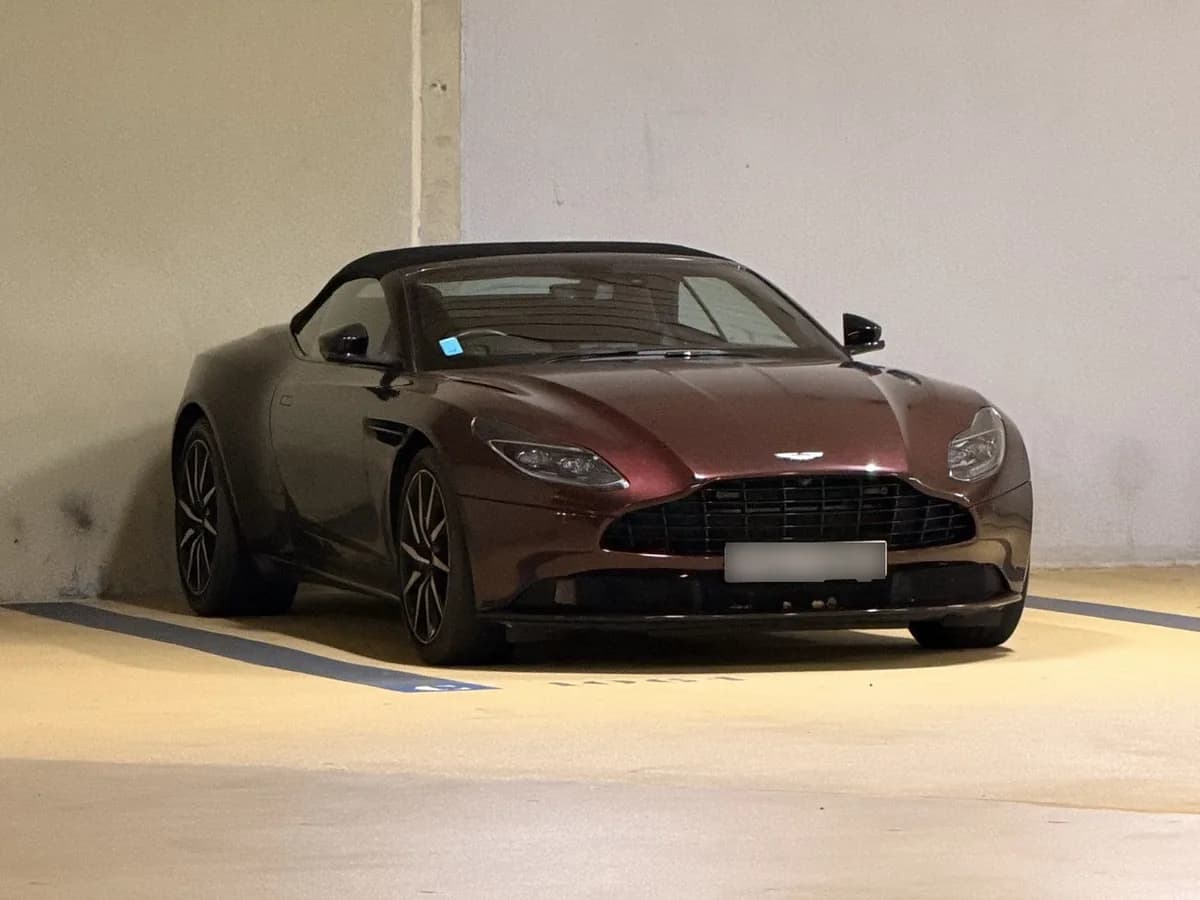
DB11
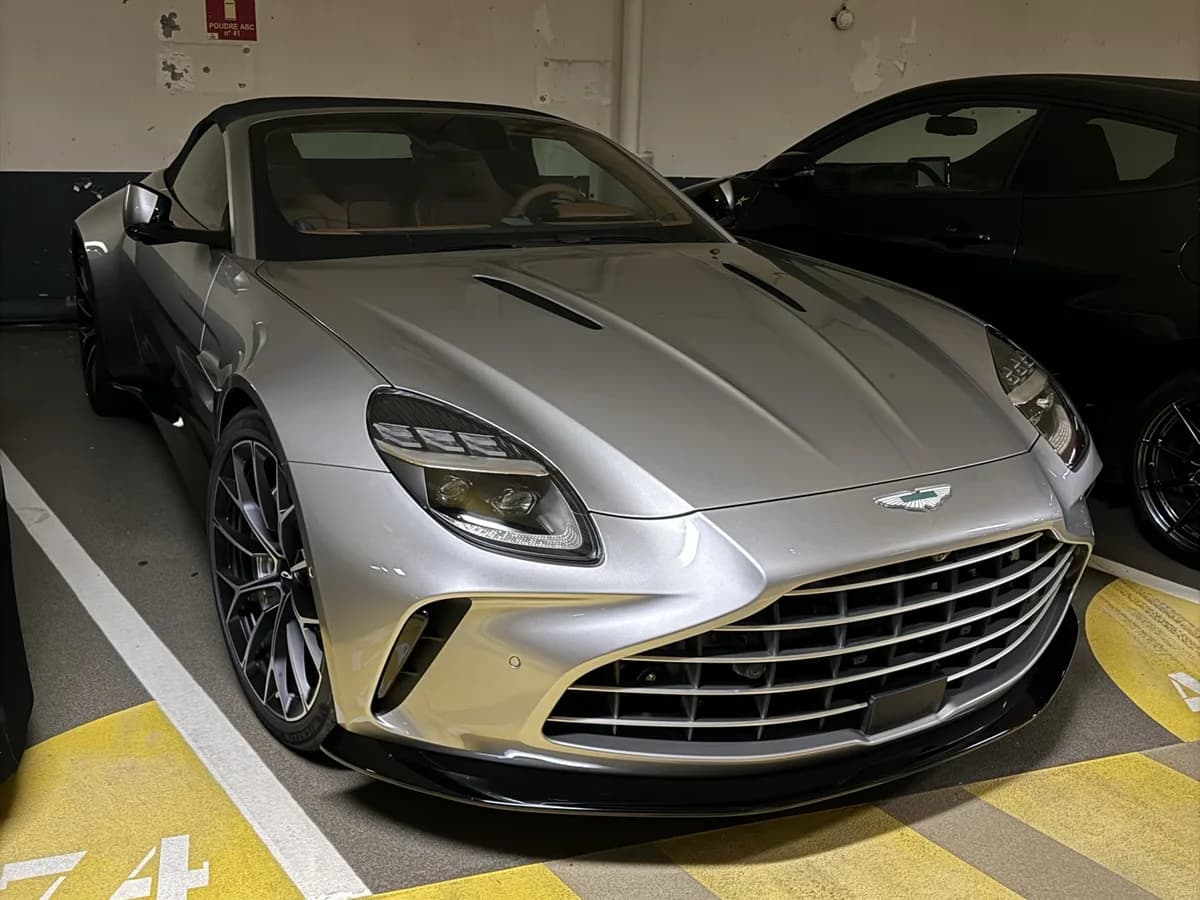
DB12
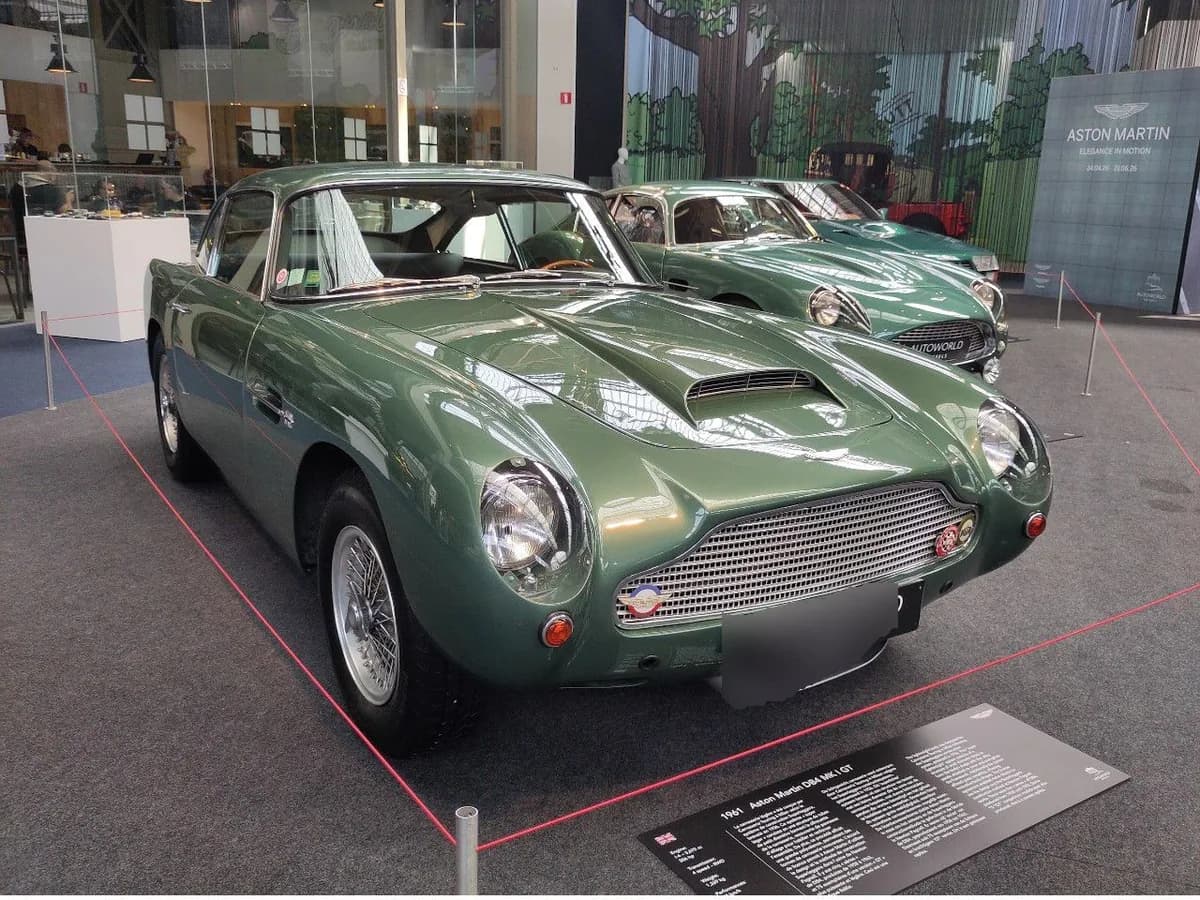
DB4

DB4 GT

DB5
DB5 Volante

DB6

DB7
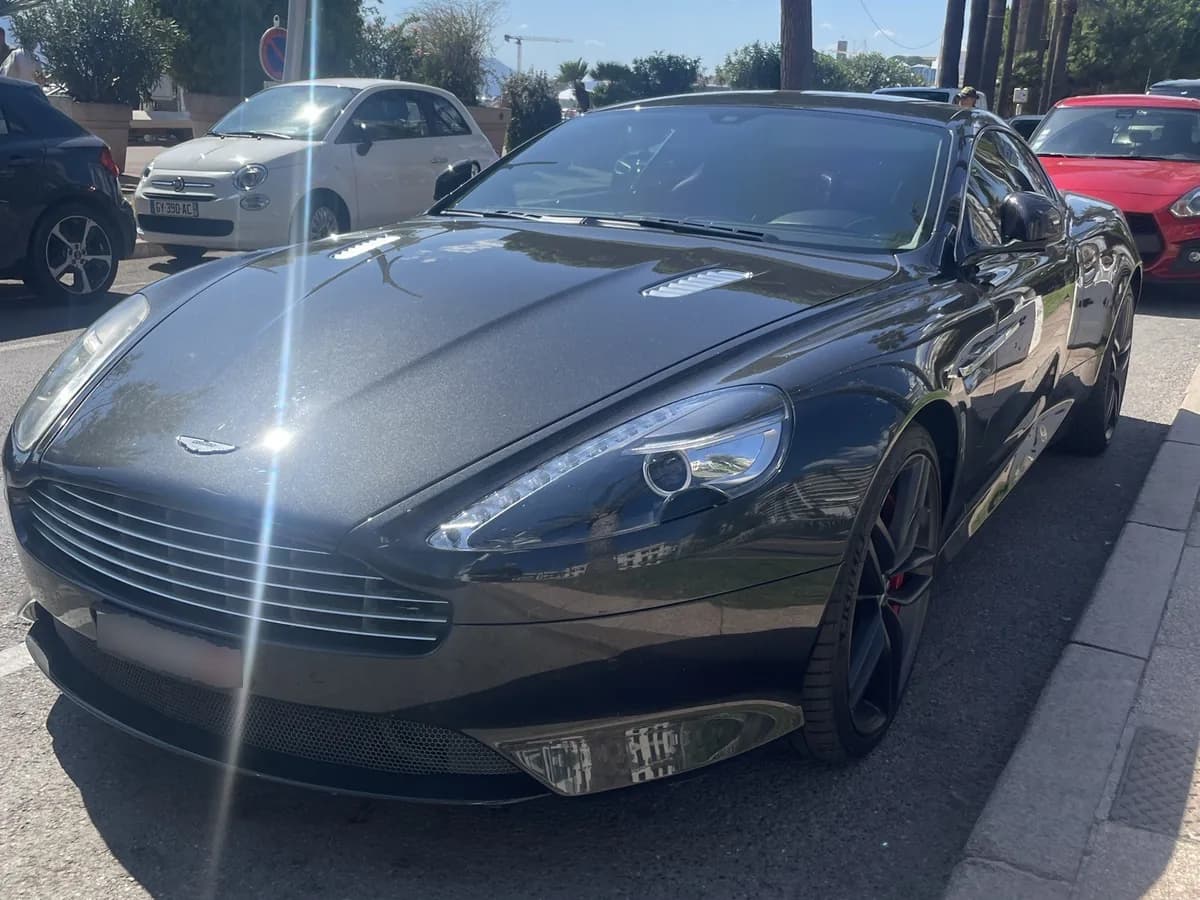
DB9

DB9 volante

DBR1

DBR22
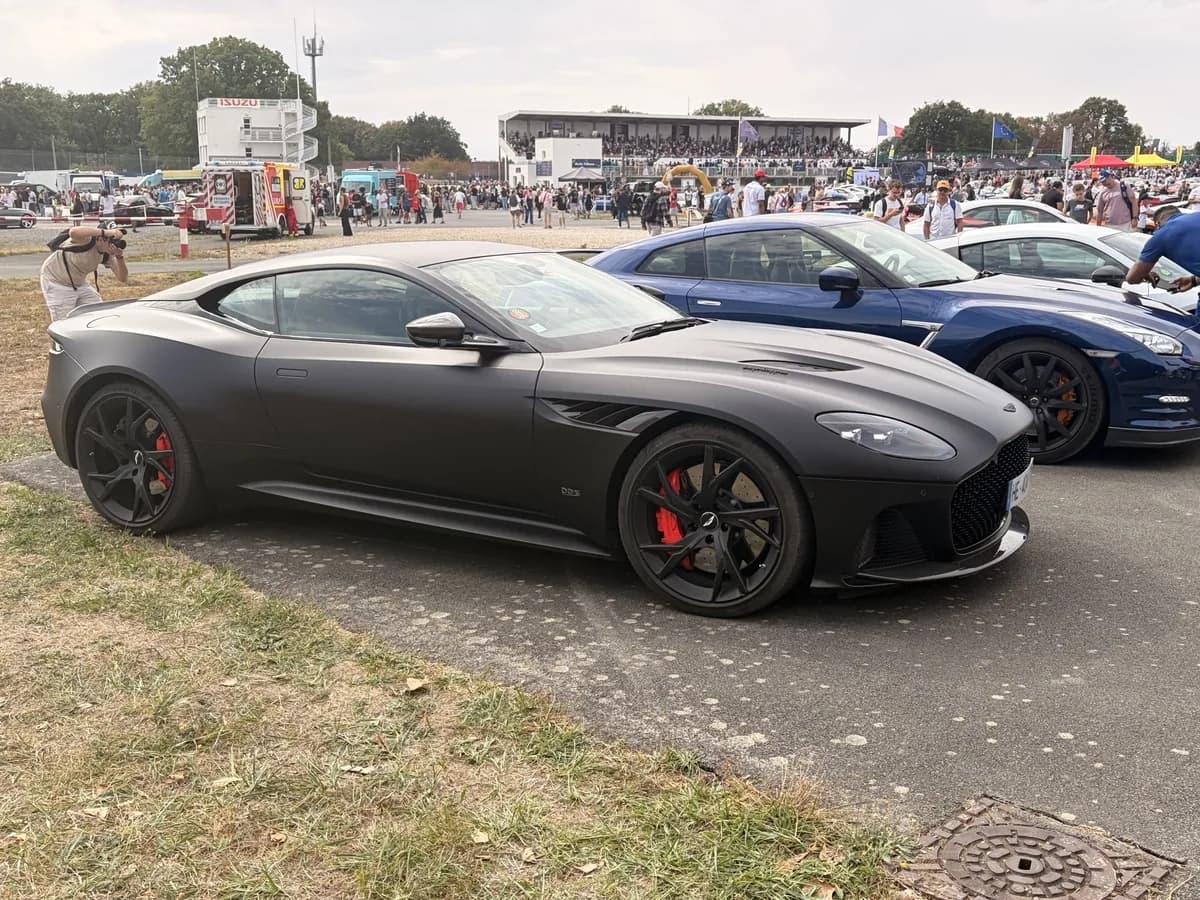
DBS
DBS Volante
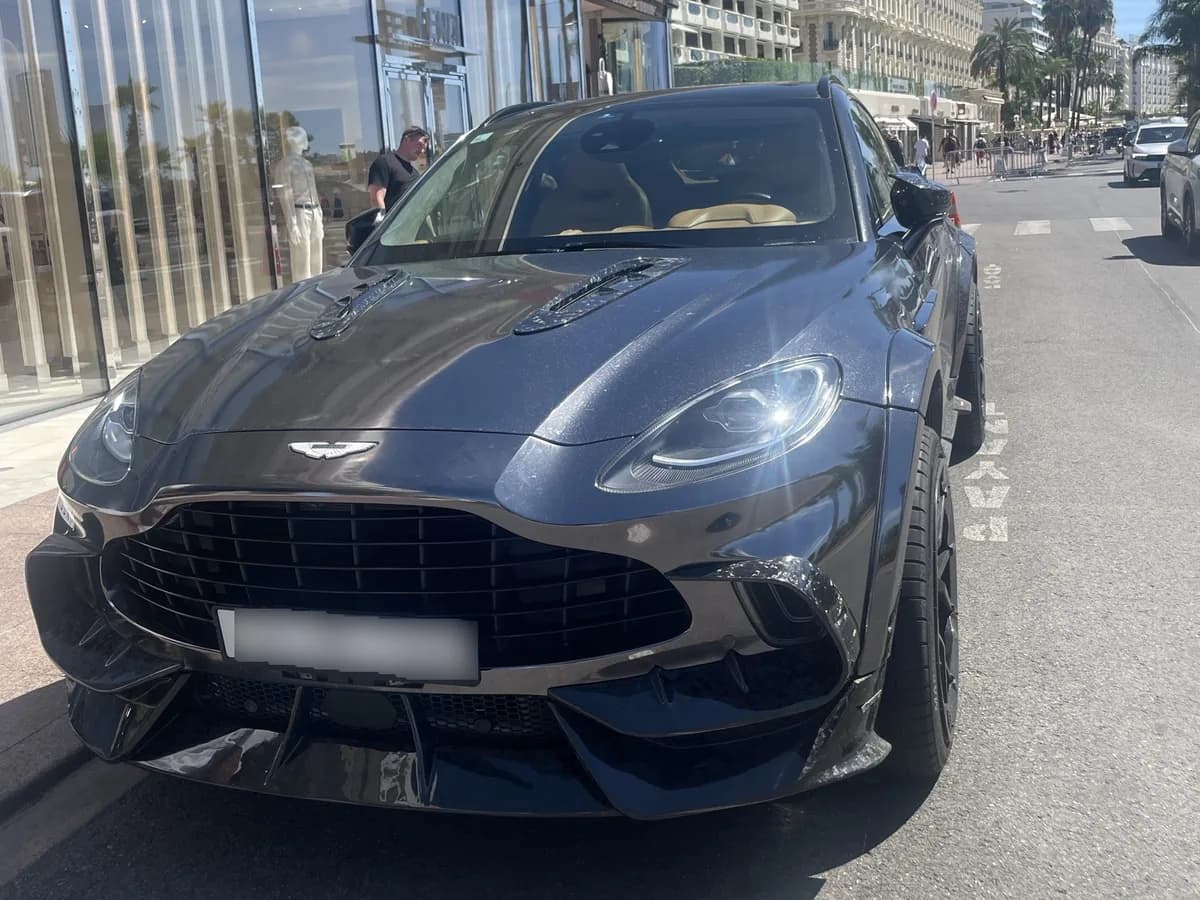
DBX
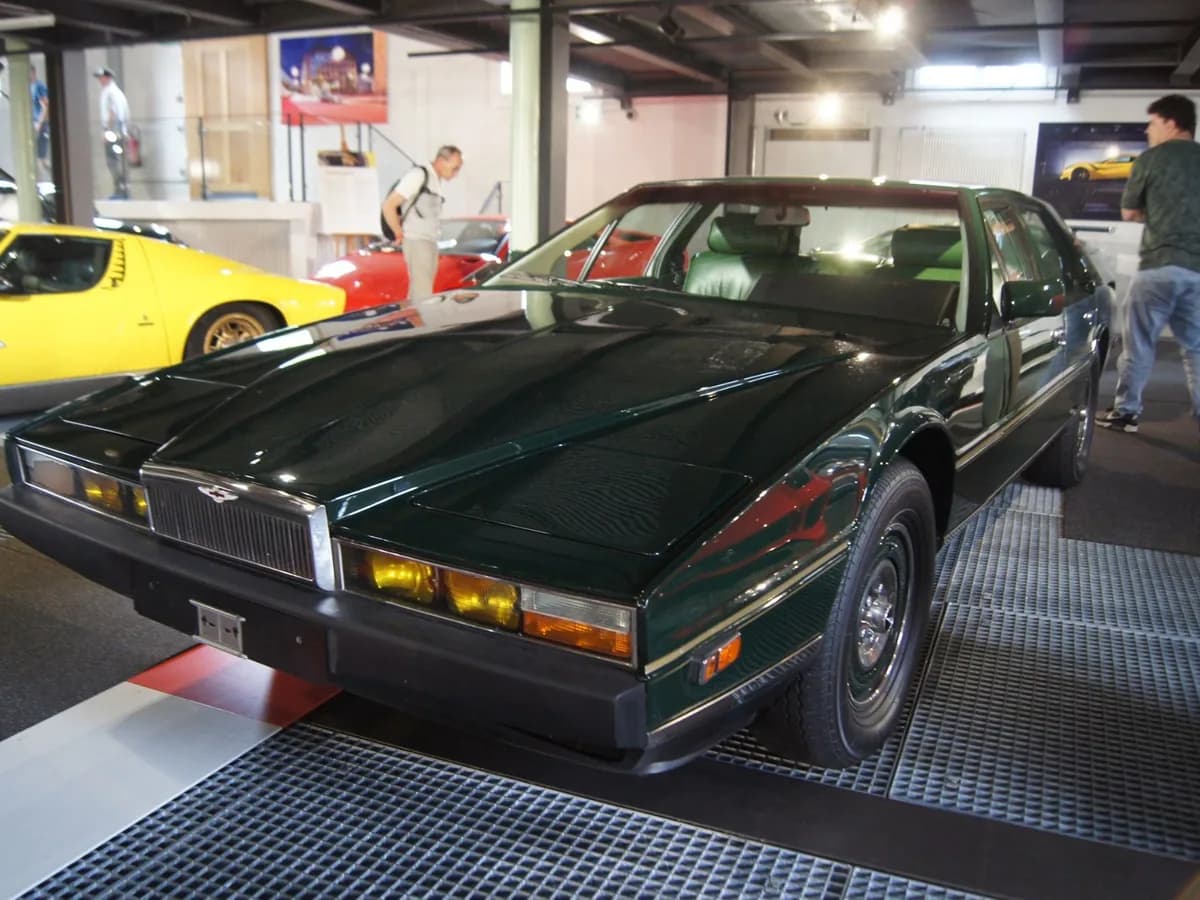
Lagonda
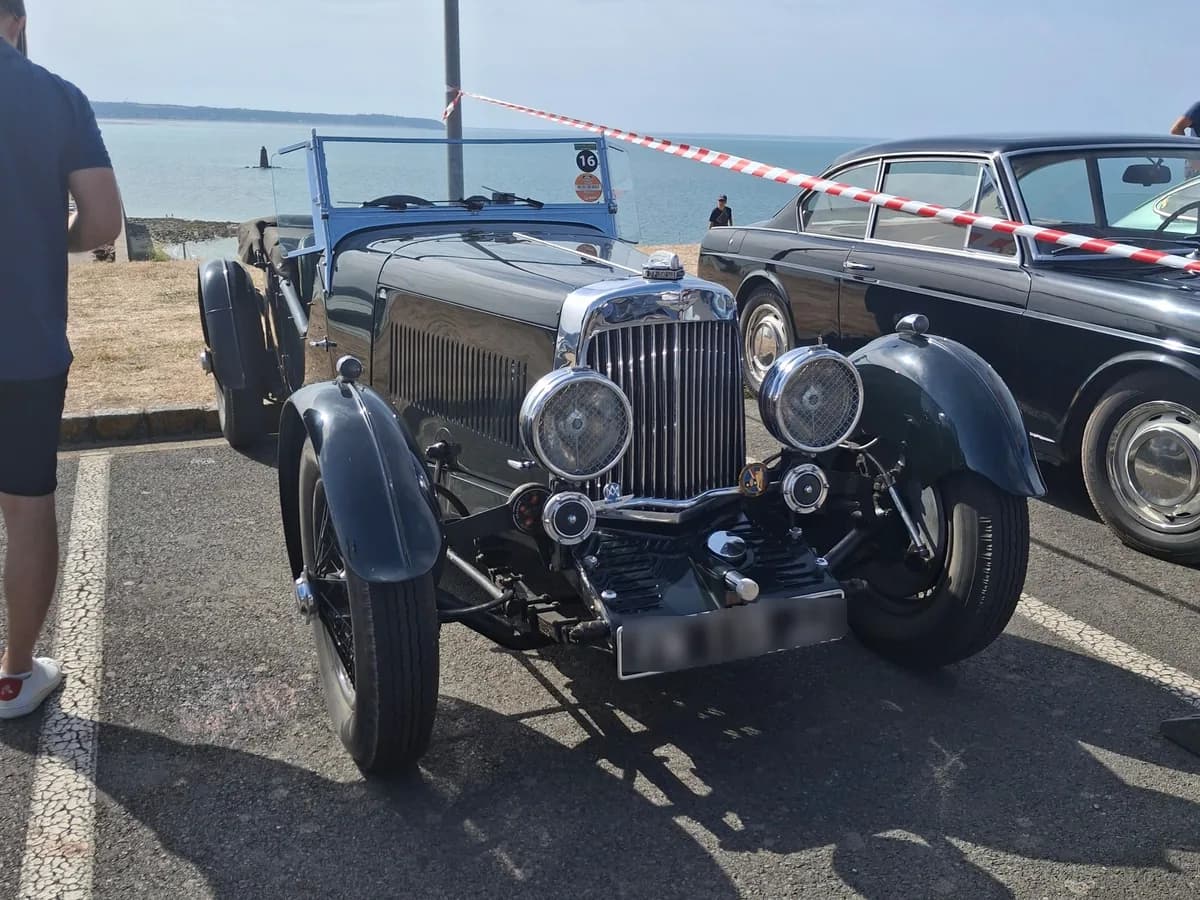
Mark
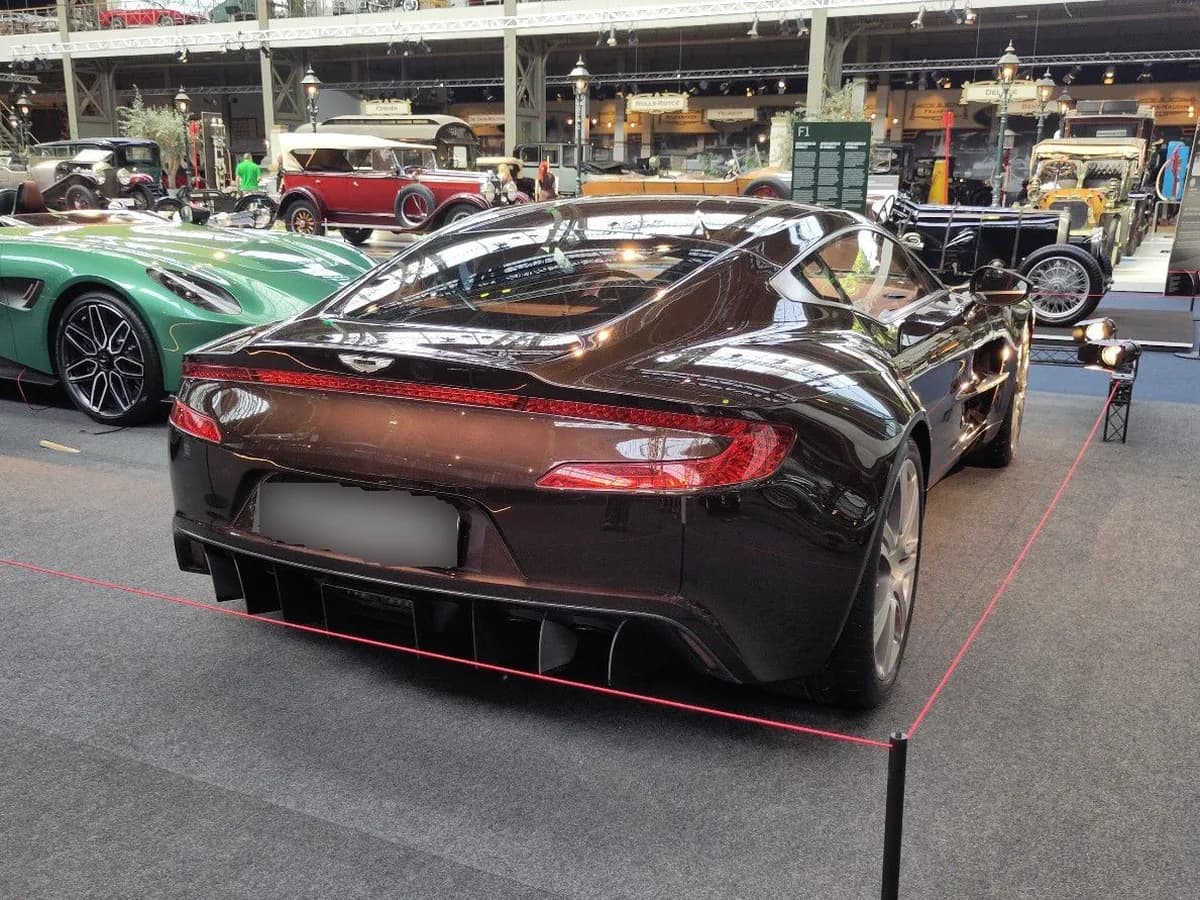
One-77

Rapide

V12 Speedster
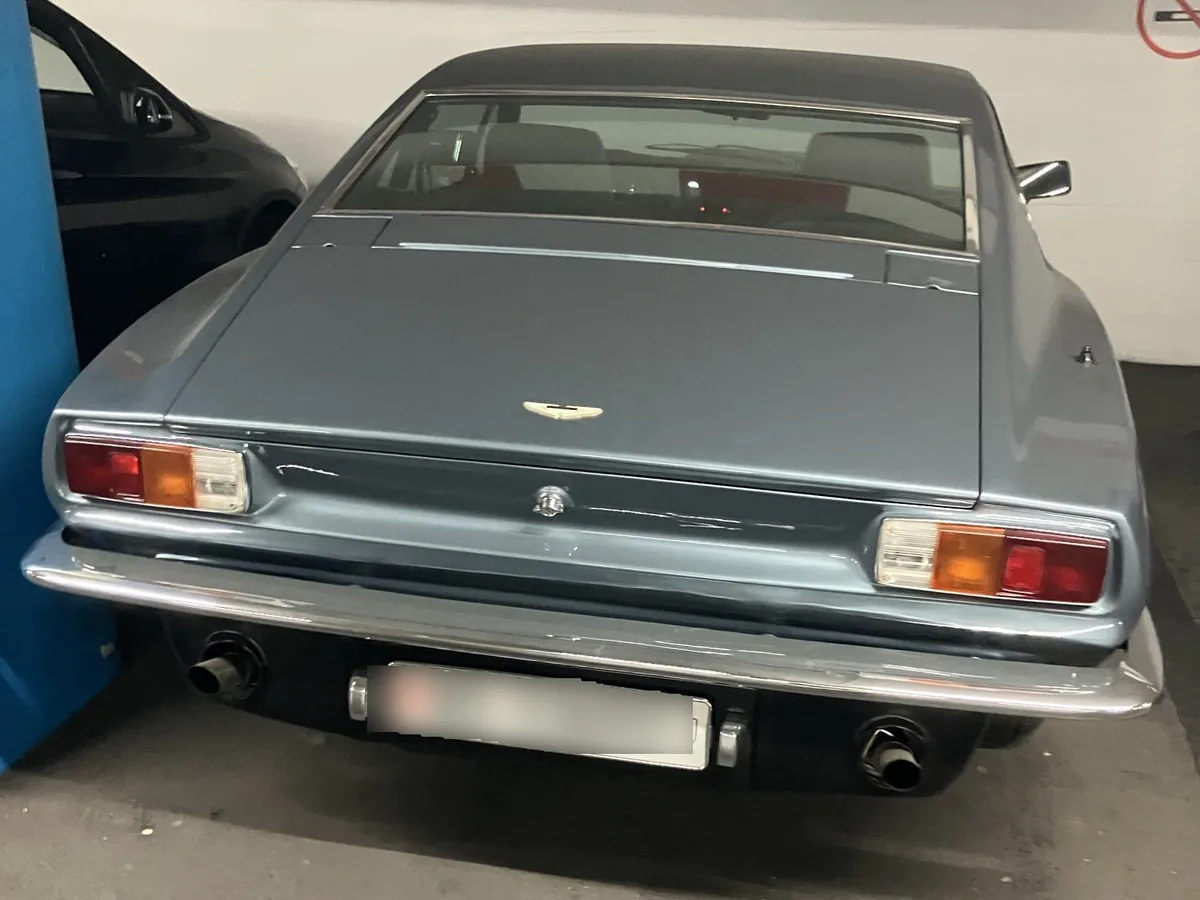
V8

V8 Vantage
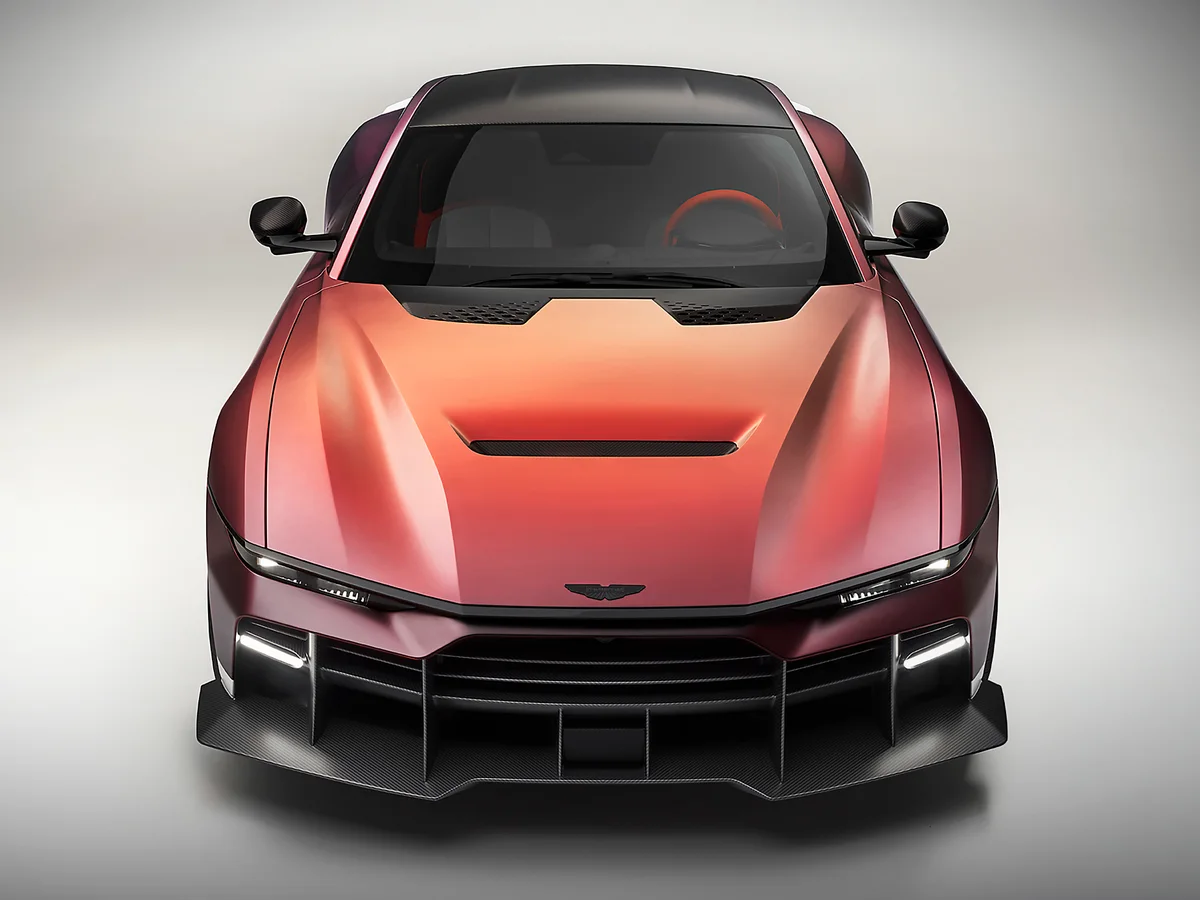
Valen
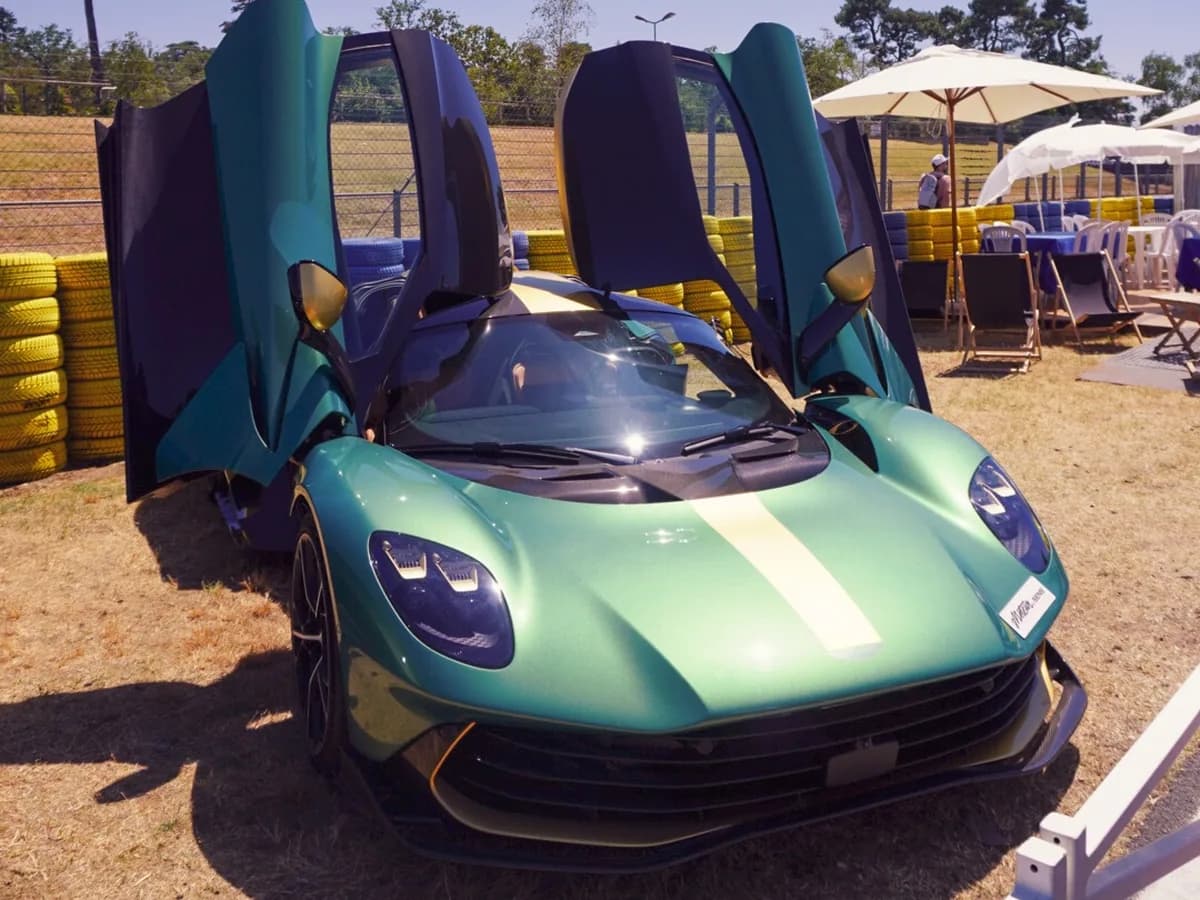
Valhalla
Valiant
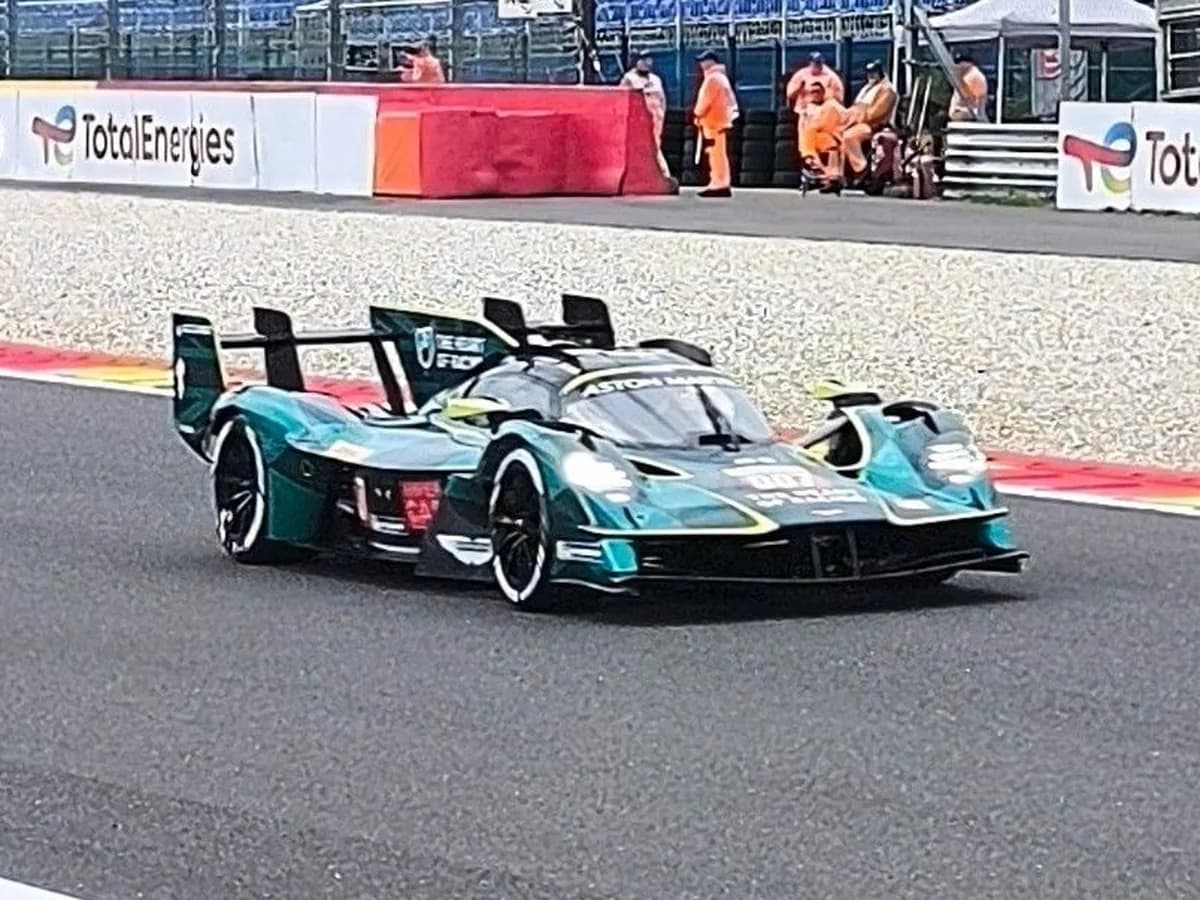
Valkyrie

Valkyrie Spyder

Valour

Vanquish
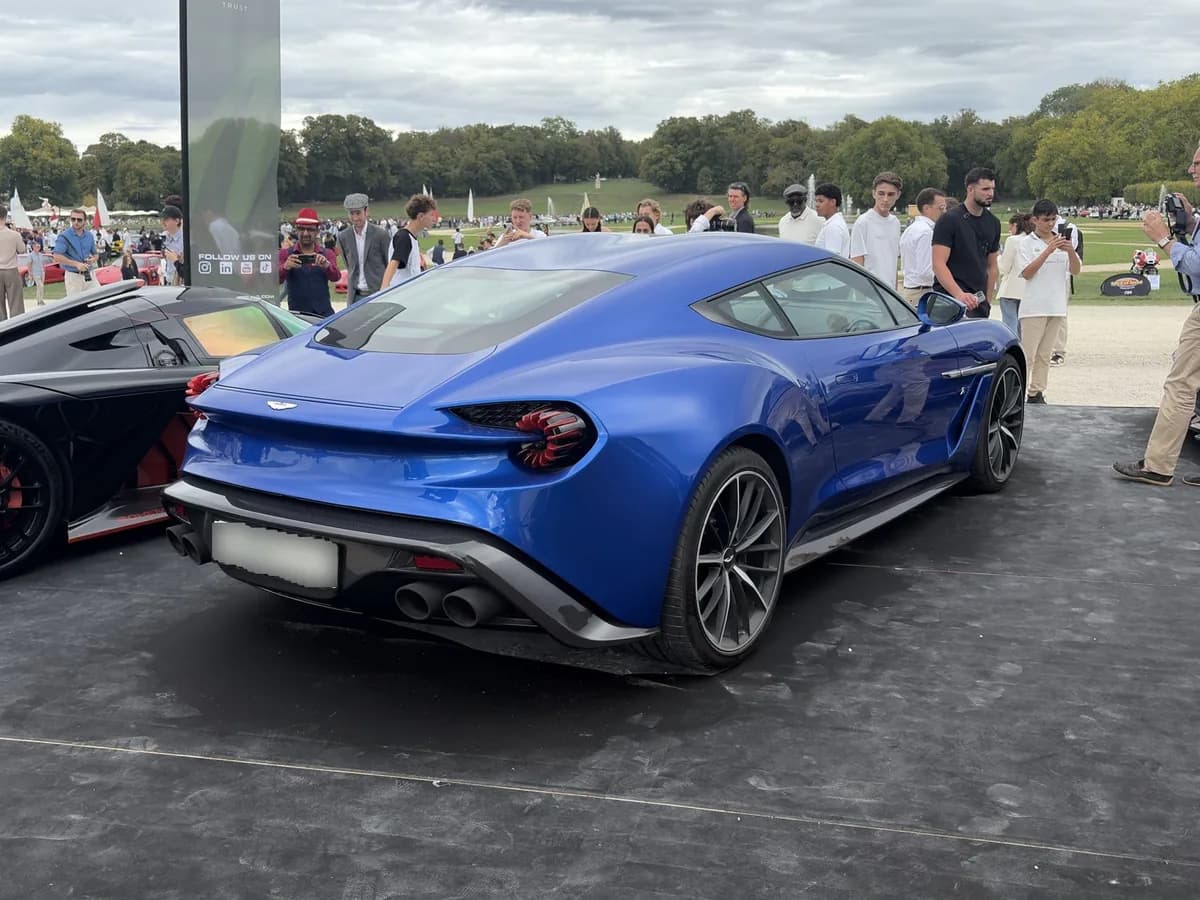
Vanquish Zagato
Vanquish Zagato Shooting Brake
Vanquish Zagato Volante
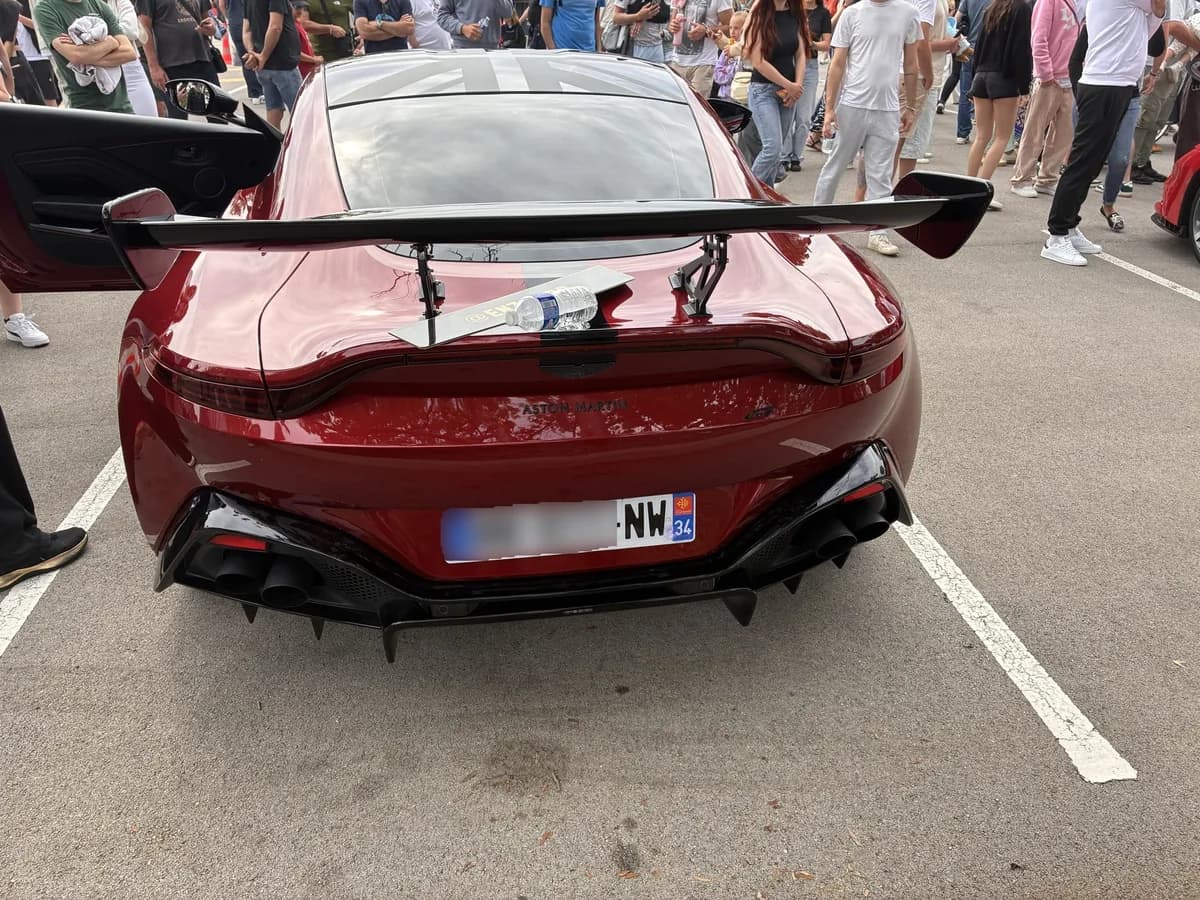
Vantage
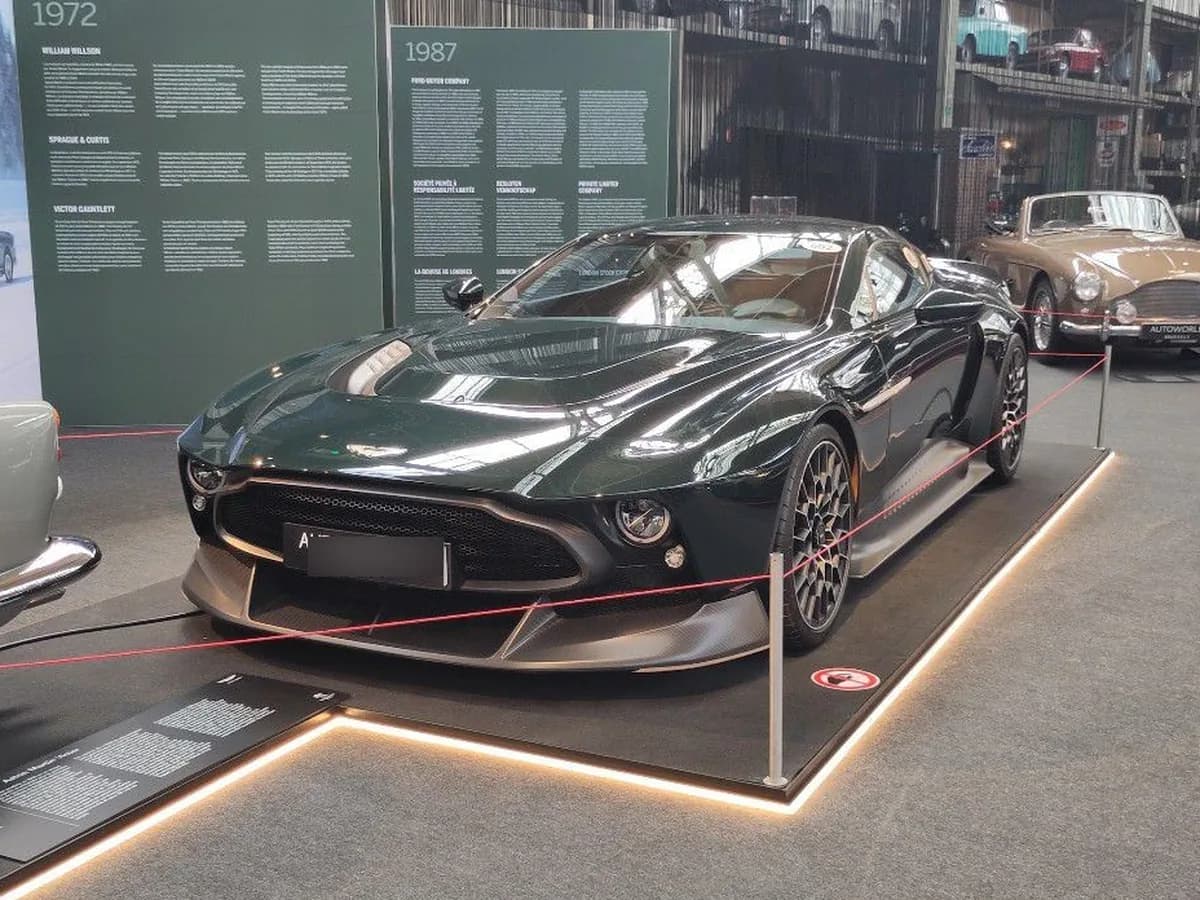
Victor
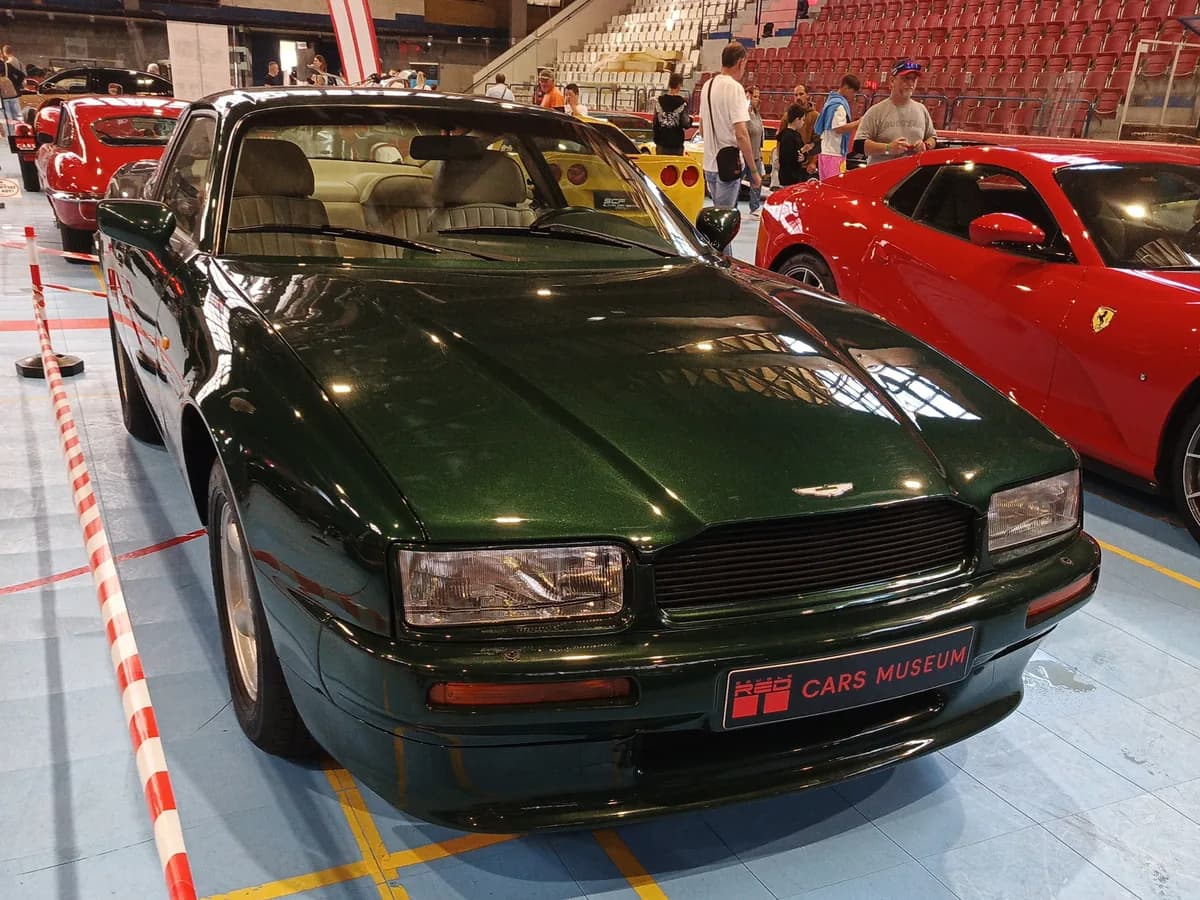
Virage
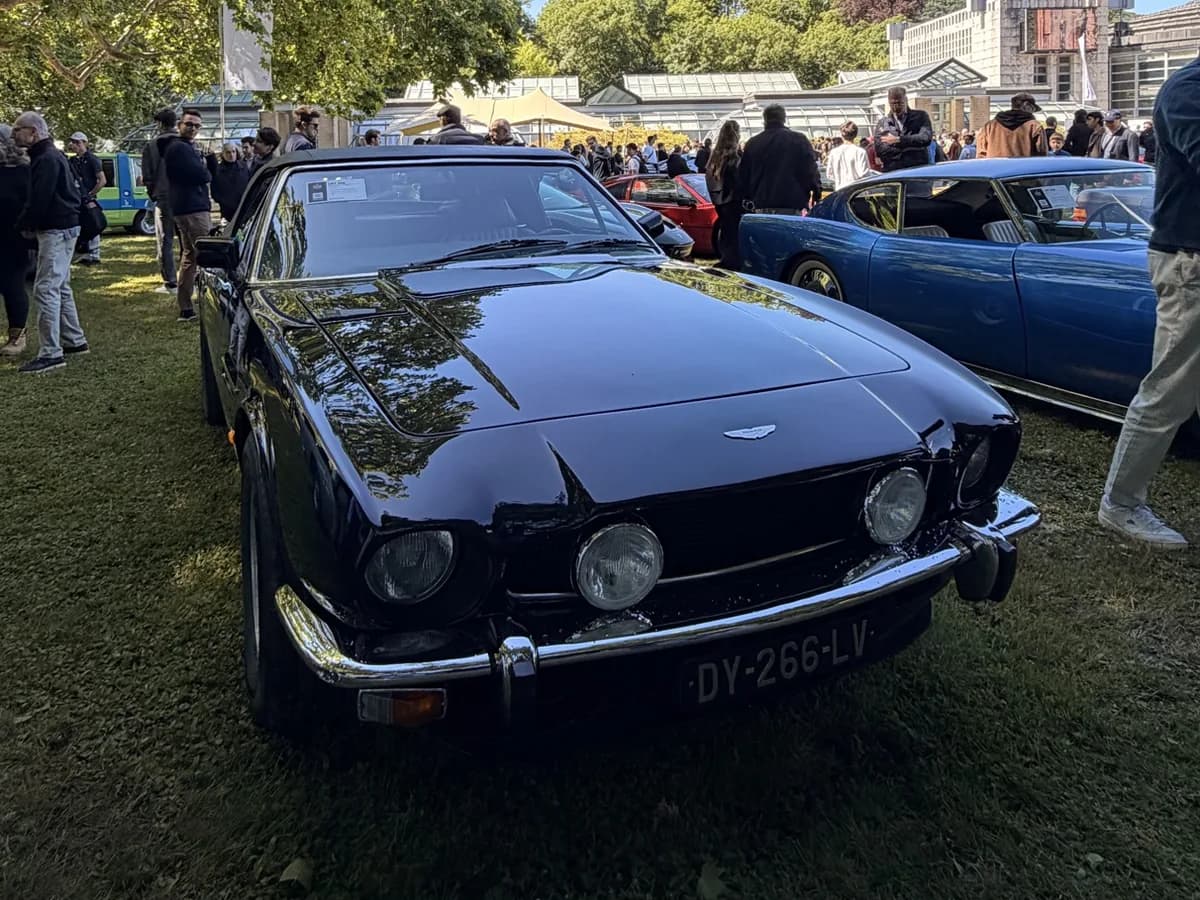
Virage Volante
Vulcan
Aston Martin overview
Aston Martin history
On 15 January 1913, Robert Bamford and Lionel Martin established their business at Henniker Mews in London. Their first prototype, known as “Coal Scuttle”, used a Coventry-Simplex engine and a chassis designed by the company. The First World War interrupted plans for production and competition, but Aston Martin returned to racing soon afterwards. Its TT1 and TT2 prototypes appeared in European events during the early 1920s. The company then passed through several difficult periods before being purchased by David Brown in 1947. That acquisition became a decisive turning point. Brown’s initials gave their name to the DB series, beginning with the DB2, while the purchase of Lagonda brought valuable engine expertise into the group. The DB4, DB5 and DB6 established Aston Martin as a major British grand-tourer marque. Launched in 1963, the DB5 became internationally famous after appearing in Goldfinger in 1964. Aston Martin continued to evolve through the DBS, V8, Virage and DB7, followed by modern models such as the V8 Vantage, DB9, Rapide and Vanquish. The Valkyrie later extended the company’s technical ambitions into hypercar territory, with development closely connected to racing technology. This history explains the diversity of Aston Martin’s catalogue: luxurious GTs, more compact sports cars, four-door models and highly focused performance machines all belong to the same lineage.
Aston Martin positioning
Aston Martin has historically occupied the space between the sports car and the luxury grand tourer. Official company material presents the marque around style, performance, exclusivity and a high level of craftsmanship. Its identity is therefore not based on power alone. DB models traditionally emphasize long-distance speed and comfort, while Vantage places greater emphasis on agility and immediate dynamic response. Rapide extended that philosophy into a four-door body, and Valkyrie moved the brand towards hypercar performance. The modern range also includes the DBX SUV, showing that Aston Martin has expanded beyond coupes and convertibles. It is reasonable to interpret this development as an effort to retain an ultra-luxury image while serving a wider range of customer uses. Exact power outputs, equipment and availability should nevertheless be checked by model year and market, because specifications can differ between versions.
Recognizing a Aston Martin in a photo
When identifying an Aston Martin, begin with the overall shape and grille. Many of the marque’s coupes and convertibles use a long nose, a set-back cabin and a low, distinctive grille opening. Flush door handles and streamlined mirrors appear on several recent generations, but they are not enough to identify a model on their own. Vantage is generally recognized by its more compact proportions and tighter stance compared with the DB grand tourers. DB9, DB11 and DB12 have longer bodies and a stronger long-distance touring character. Vanquish varies considerably by generation, but the latest version is distinguished by its dramatic bodywork and twin-turbocharged V12. Valkyrie is unmistakable because of its very low seating position, aerodynamically shaped surfaces and advanced cockpit. Reliable identification requires checking the badges, lamps, door handles, air intakes and model year. Similar design themes recur across the range, so details are more dependable than color or general body shape.
Important Aston Martin models
Vantage is one of the most extensively represented Aston Martin nameplates in the library, with a story running from the 1977 V8 Vantage to the modern generation introduced in 2005. The DB5, launched in 1963, remains the model most closely associated with Aston Martin because of its role in Goldfinger. DB6 continued that lineage with greater emphasis on space and touring comfort, while DBS occupied a more performance-focused position near the top of the range. The DB7, introduced in the 1990s, was important to the marque’s modern revival. DB11 and DB12 represent the recent evolution of Aston Martin’s DB grand tourers; Aston Martin markets DB12 as a “Super Tourer”. Vanquish has repeatedly served as a high-performance flagship, while Rapide extended the brand into four-door luxury. Valkyrie represents a major technical departure: an extreme hypercar developed around an approach strongly influenced by competition engineering.
References
- 113 Years in the MakingAston Martin
- About usAston Martin Lagonda
- Fighting Spirit: The History of Aston Martin in Grand Prix RacingAston Martin
- Introducing the new Vantage: the successor to a true sporting dynastyAston Martin
- James BondAston Martin
- Aston Martin celebrates 60th anniversary of GoldfingerAston Martin
- DB12 | Super GTAston Martin
- Vanquish: Super GT V12 Sports CarAston Martin