
Vantage
The modern Aston Martin Vantage appeared at the 2005 Geneva Motor Show as a more compact, driver-focused sports car than the marque’s larger GT models. Its first era used an aluminium VH architecture, a front-mounted naturally aspirated V8 and rear-wheel drive, followed by a V12 version in 2009. The range later expanded with Roadster body styles, S derivatives and several competition-inspired limited editions. A replacement model was unveiled in 2017 for the 2018 model year, and that car received a substantial technical and visual update in 2024. The Vantage name therefore covers several distinct automotive characters: the analogue VH-platform V8, rare V12 and track-influenced specials, and the contemporary twin-turbo model, which is wider, faster and more electronically sophisticated. Identification is best made from the body design, grille, lighting, engine configuration and special-edition details.
What about the car you photographed?
Upload a photo to get a suggested make, model and likely year.
No account needed for the result · Publish only if you choose
Variants by year
Make: Aston Martin · Model: Vantage
18 / 18 versions shown
2025
2024

2022

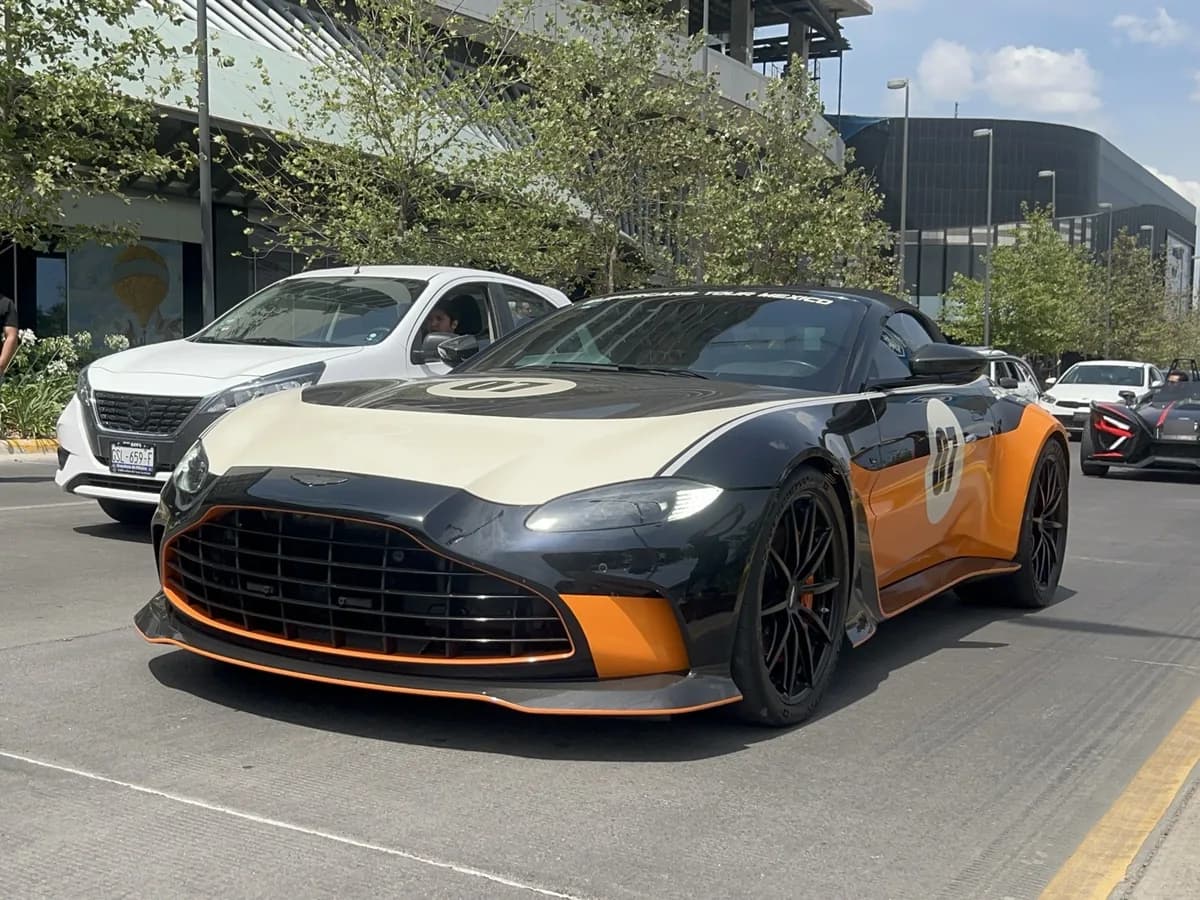
2020
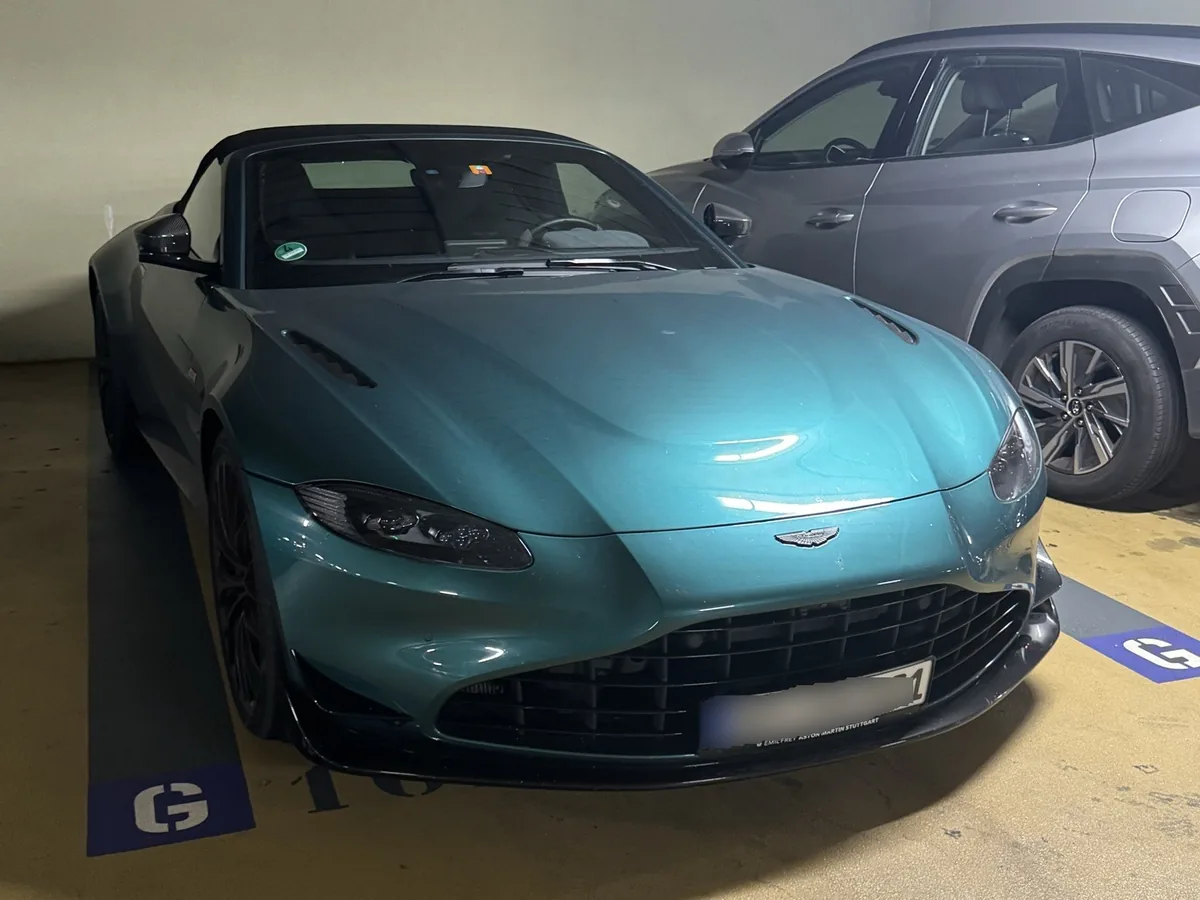
2019
2018
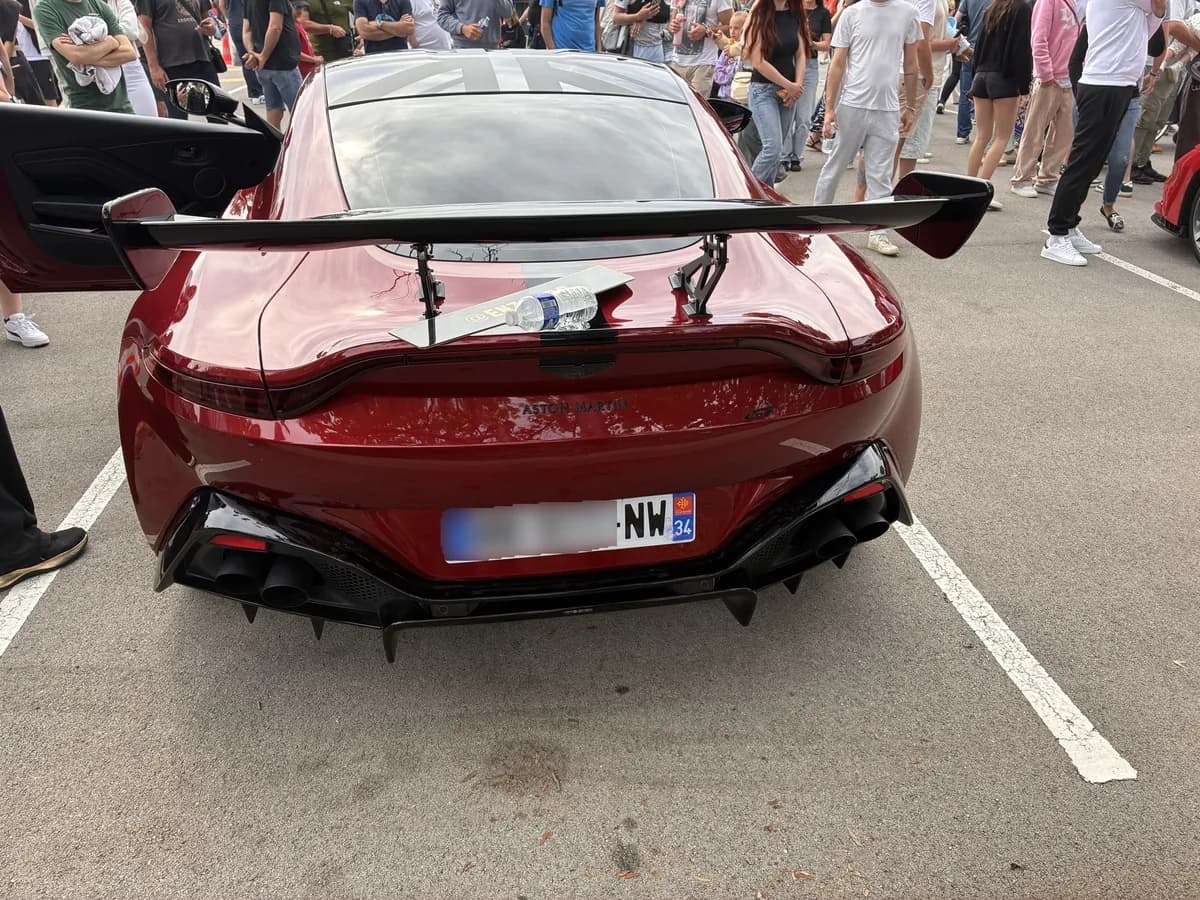
2017
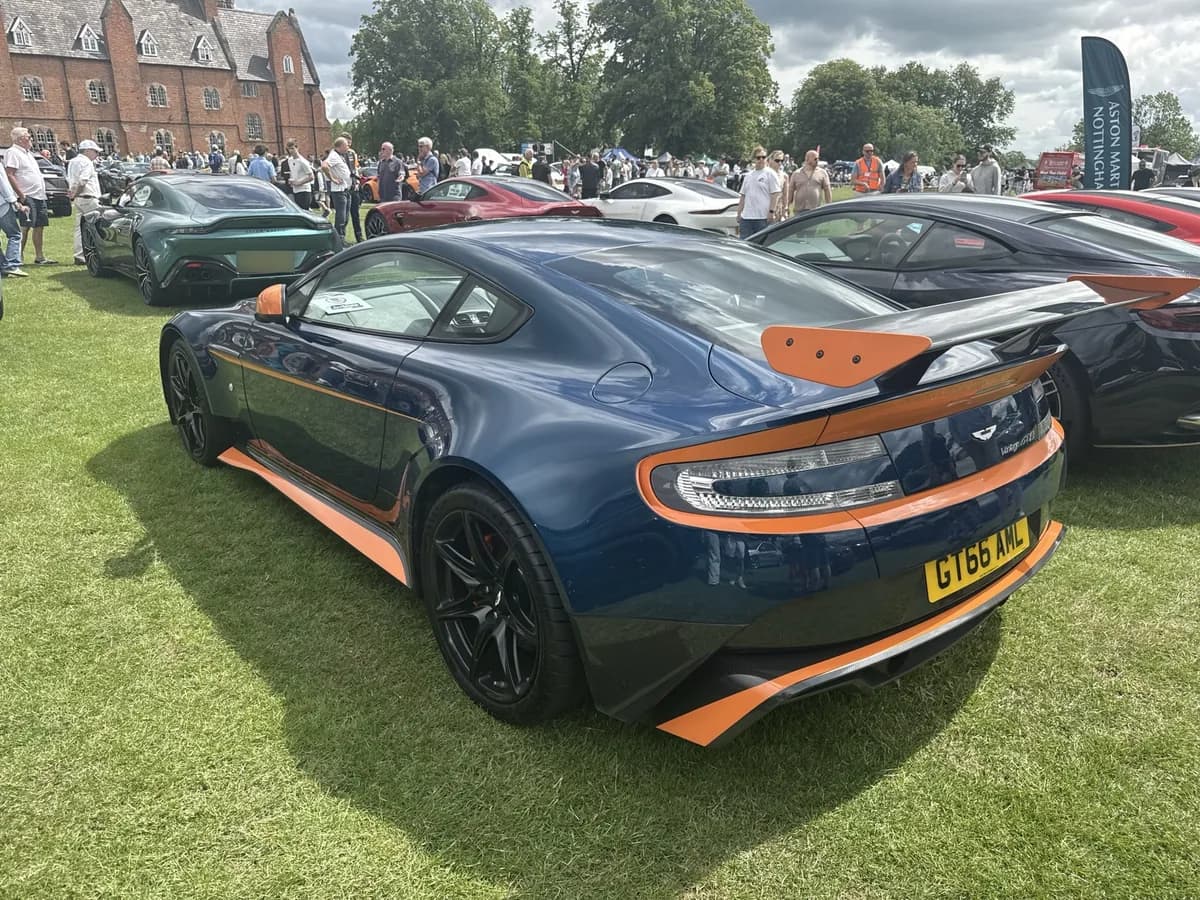
2015
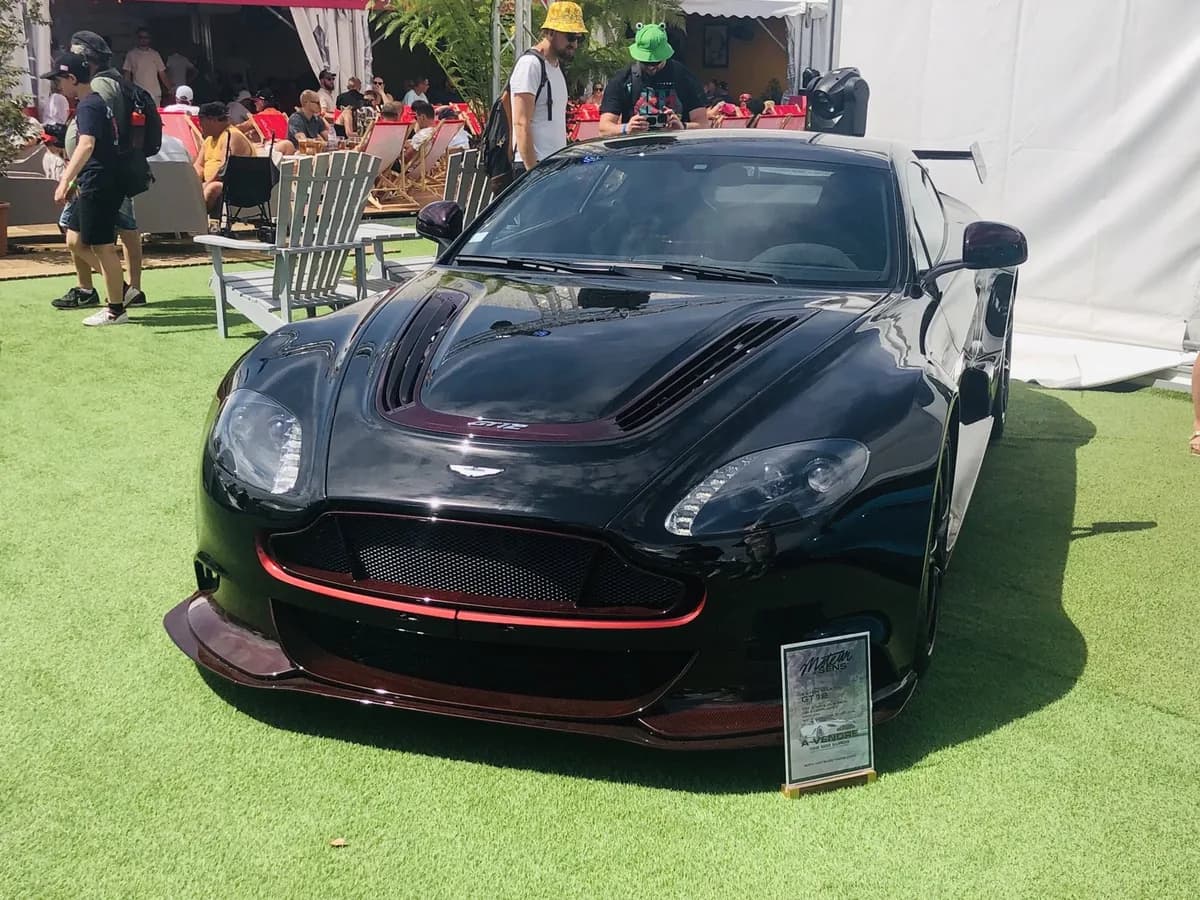
2014
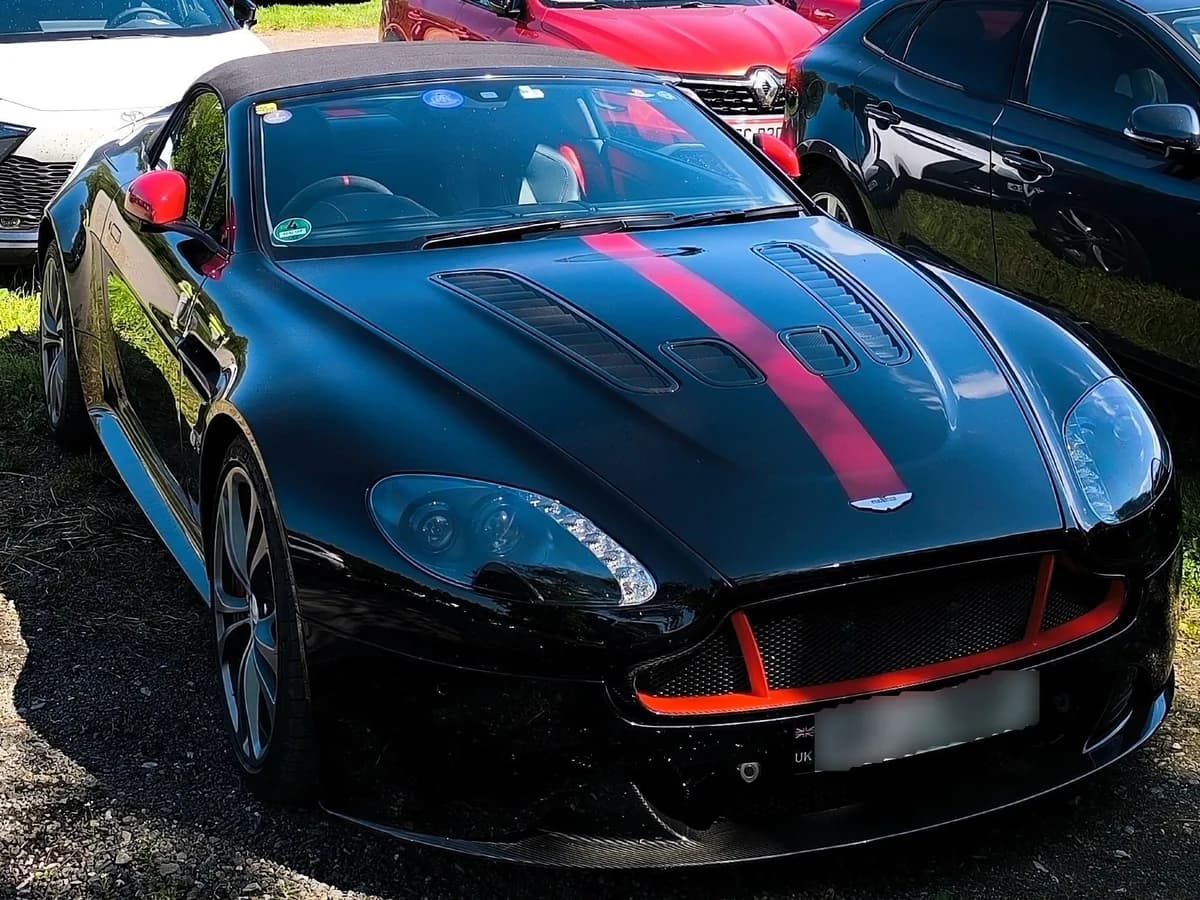
2013
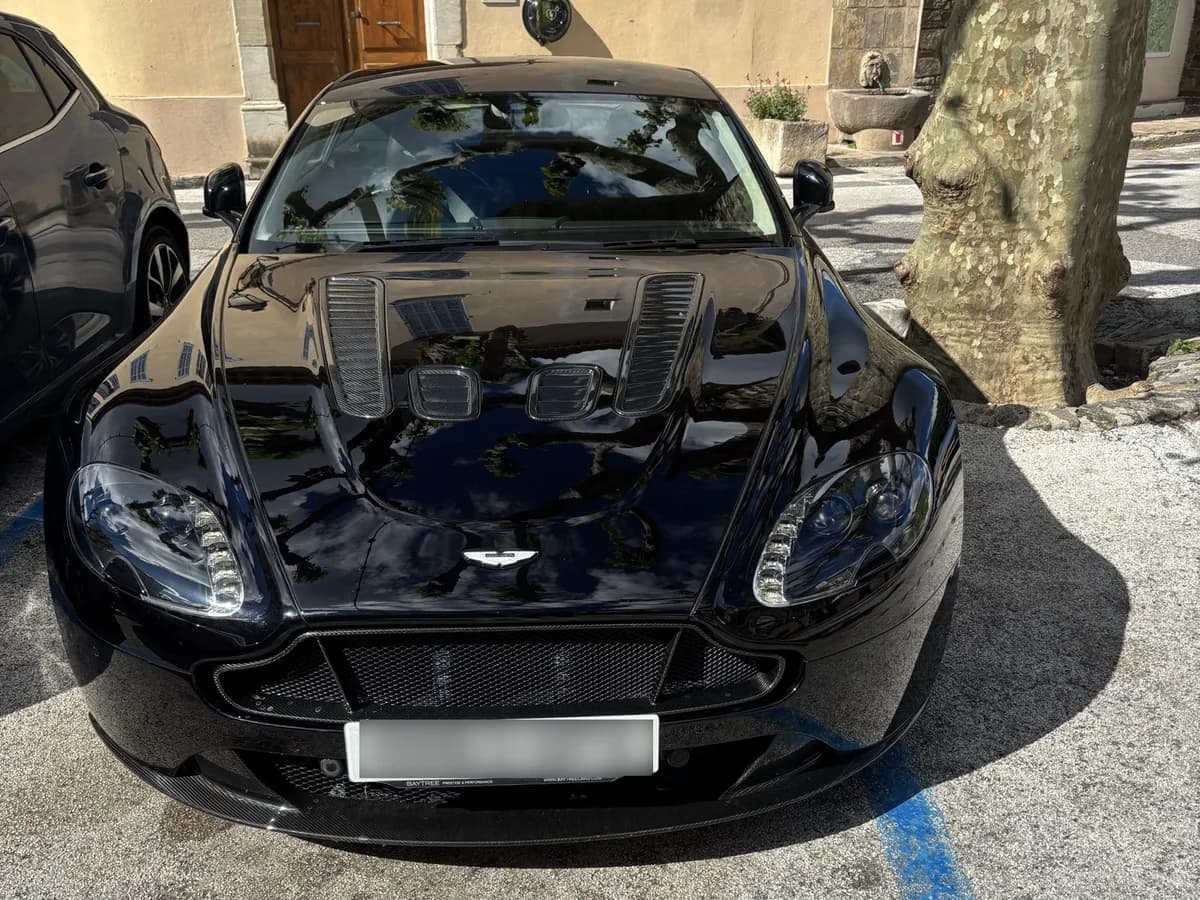
2011
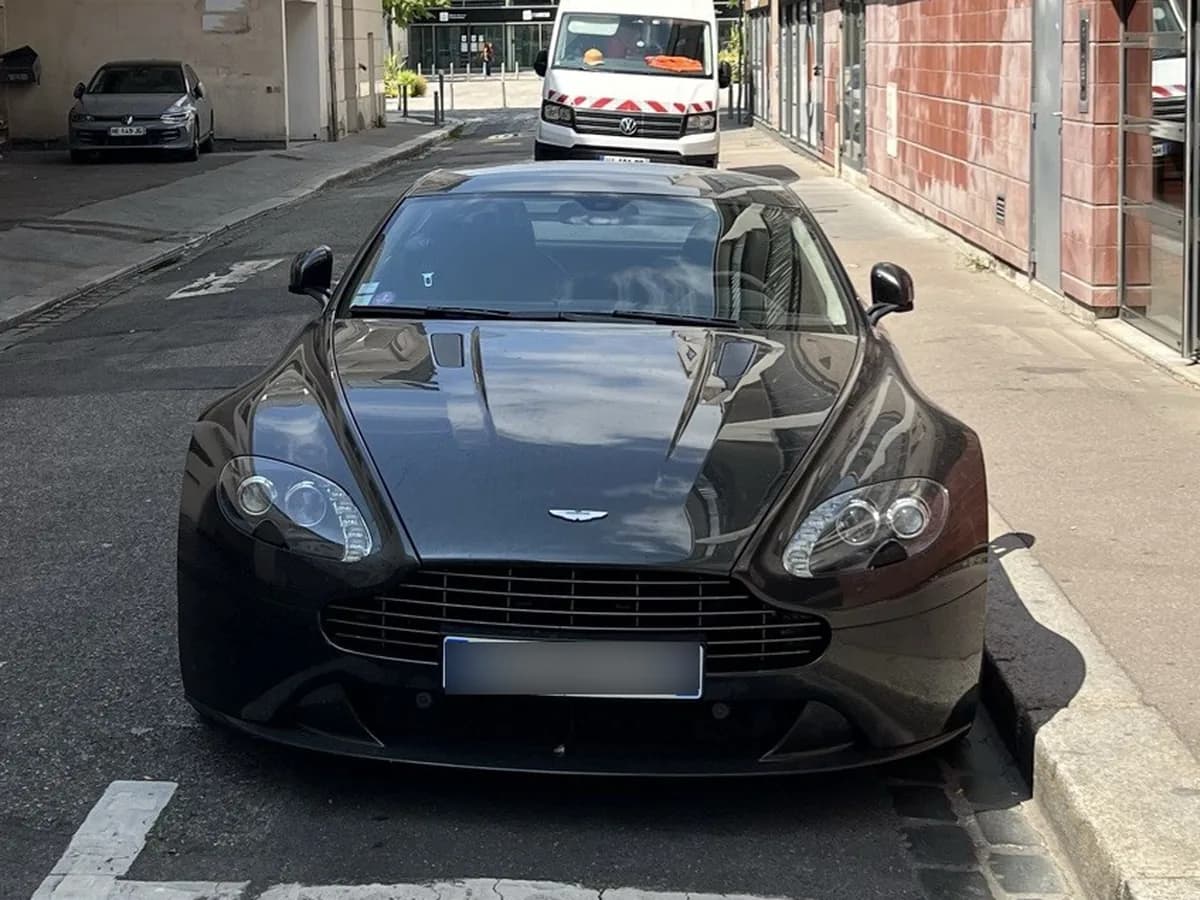
2009
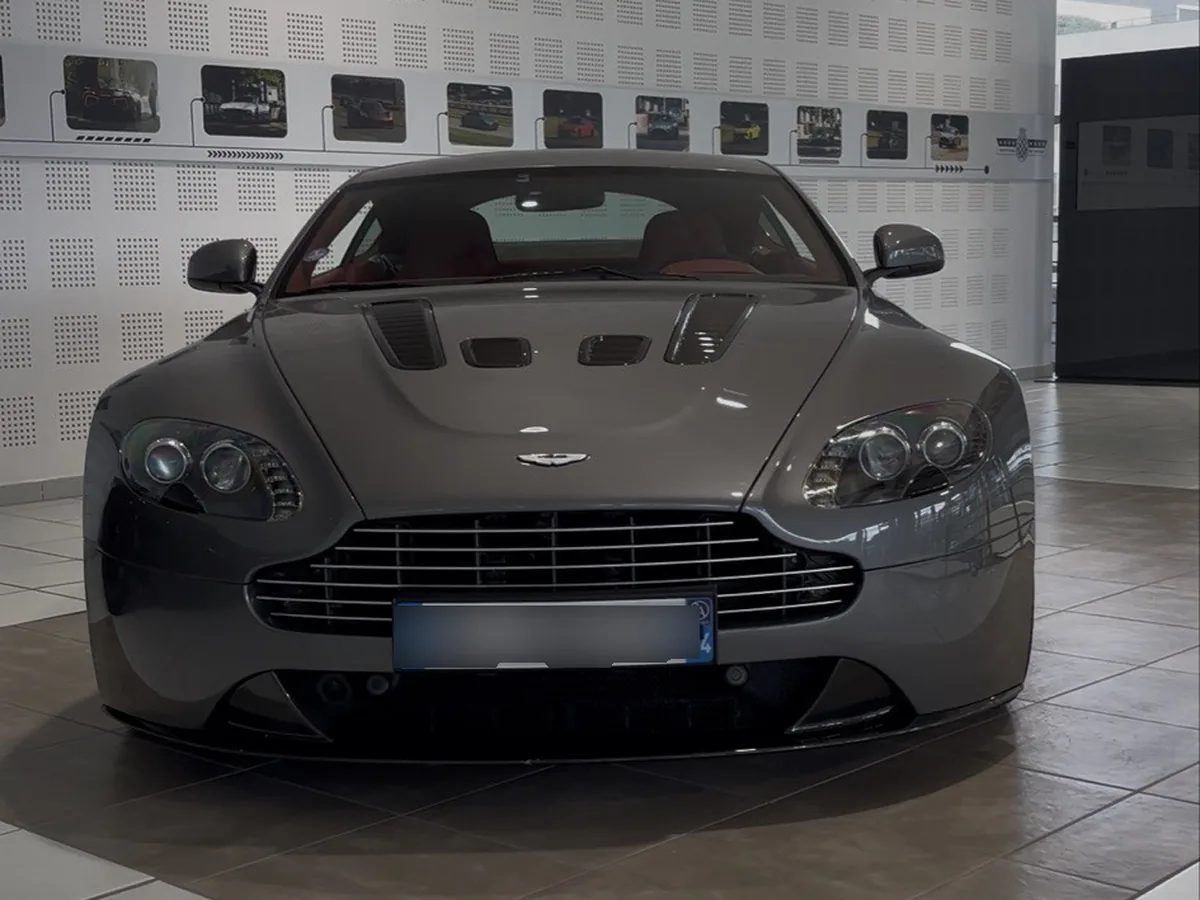
2006
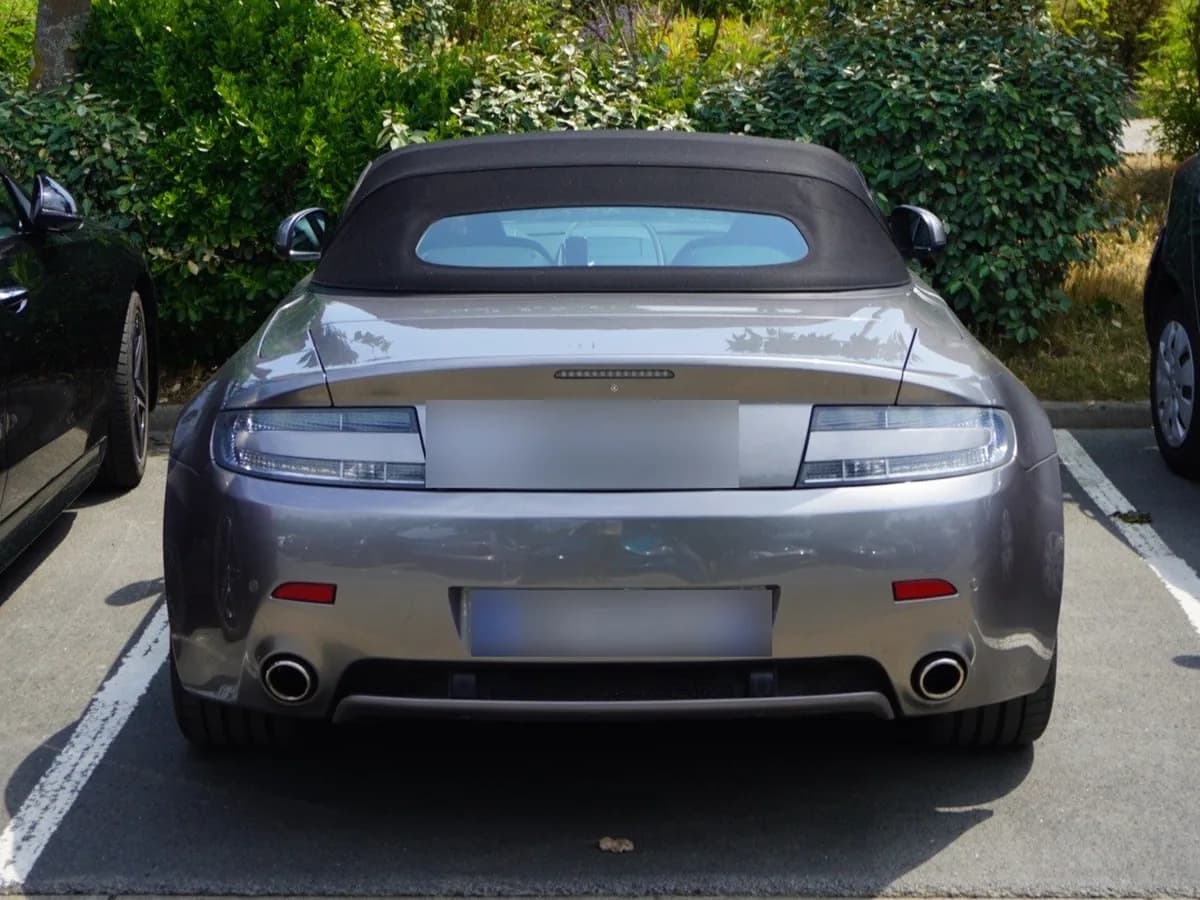
2005
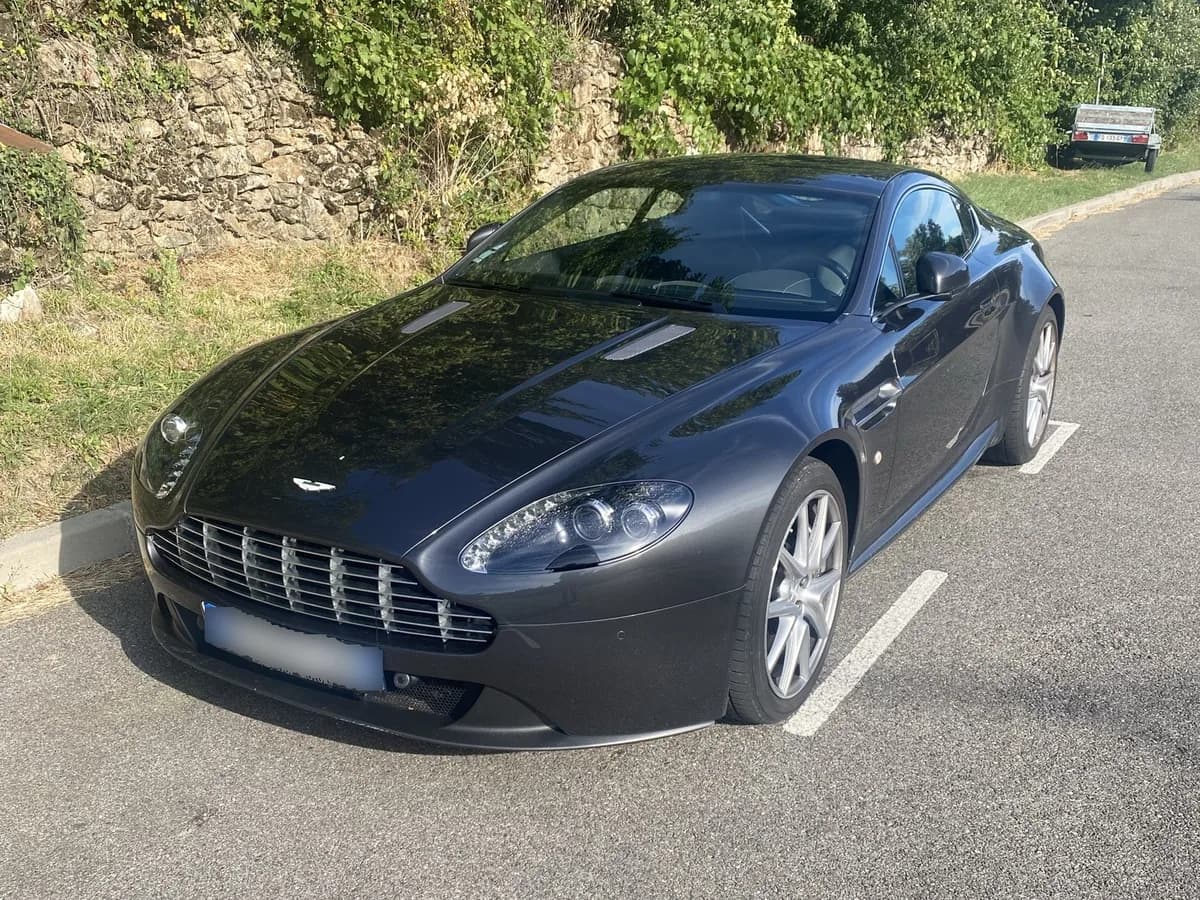
Aston Martin Vantage photos
Model summary
Data from the ScanRacer library, organized to compare versions quickly.
Model introduction
The modern Aston Martin Vantage appeared at the 2005 Geneva Motor Show as a more compact, driver-focused sports car than the marque’s larger GT models. Its first era used an aluminium VH architecture, a front-mounted naturally aspirated V8 and rear-wheel drive, followed by a V12 version in 2009. The range later expanded with Roadster body styles, S derivatives and several competition-inspired limited editions. A replacement model was unveiled in 2017 for the 2018 model year, and that car received a substantial technical and visual update in 2024. The Vantage name therefore covers several distinct automotive characters: the analogue VH-platform V8, rare V12 and track-influenced specials, and the contemporary twin-turbo model, which is wider, faster and more electronically sophisticated. Identification is best made from the body design, grille, lighting, engine configuration and special-edition details.
History
The Vantage name has a long history at Aston Martin, but the modern period begins with the V8 Vantage shown at the 2005 Geneva Motor Show. It introduced a more compact interpretation of the Aston Martin sports car, built around the VH platform and a bonded aluminium structure. The original 4.3-litre V8 later grew to 4.7 litres through successive updates, while a conventional manual gearbox was offered alongside the automated Sportshift transmission. A Roadster joined the range in 2006. In 2009, Aston Martin pushed the model toward a much more exclusive role with the V12 Vantage, developed from a concept shown in 2007. Its 6.0-litre V12 and distinctive aerodynamic treatment made it a substantially different proposition from the V8. The following years brought V8 Vantage S and V12 Vantage S derivatives, together with highly limited special editions. The 100-car GT12 drew on GT3 racing themes, while the 150-car GT8 used lightweight construction and a more track-oriented brief. The second major phase arrived in 2017 with a replacement Vantage launched for the 2018 model year. It moved from the naturally aspirated V8 to a 4.0-litre twin-turbo V8 supplied by Mercedes-AMG. In 2022, the final V12 Vantage of this generation used a 5.2-litre twin-turbo V12 and was limited to 333 examples worldwide. A heavily revised Vantage introduced in February 2024 delivered 665PS and continued the nameplate into the model years covered here.
Generations
The first major modern generation consists of the VH-platform V8 and V12 Vantage, beginning in 2005 and extending into the late 2010s. These cars have compact proportions, a low grille, almond-shaped lighting and an interior built around relatively traditional controls. The naturally aspirated V8 forms the core of the range in Coupé and Roadster forms, while the V12 adds more assertive cooling and aerodynamic details. S derivatives, the GT12 and the GT8 are performance-focused developments or limited editions within this same broad technical family. The second generation was unveiled in November 2017 and reached customers from 2018. Its styling is sharper, with horizontal rear lamps, a DB10-influenced rear treatment and a broader front grille. The powertrain changed to a 4.0-litre twin-turbo V8, paired with an eight-speed automatic transmission in a front-engine, rear-wheel-drive layout. This generation also produced versions such as the AMR, the V12 Vantage and several bespoke or limited-run editions. The 2024 car is best understood as a major revision of the second generation rather than an entirely separate lineage. The body became 30mm wider, the grille grew substantially and the headlamps adopted a Matrix LED signature. Output rose to 665PS and 800Nm. Chassis changes included an electronic rear differential, Bilstein DTX adaptive dampers and a more sophisticated active vehicle-dynamics system. These revisions give the later car a more modern, high-performance character while preserving the Vantage’s front-engine and rear-drive identity.
Key differences
The clearest divide is between the VH-platform Vantage and the replacement model introduced for 2018. Earlier V8 cars use a naturally aspirated engine, compact proportions and a more mechanical cabin environment. The period V12 cars add two cylinders, greater performance and model-specific aerodynamic or cooling details. S versions focus on sharper performance, while the GT12 and GT8 are limited editions with a stronger competition influence. The 2018 Vantage changes direction with a 4.0-litre twin-turbo V8, an eight-speed automatic transmission and more sharply defined styling. Its horizontal rear lamps and sculpted roofline are useful visual clues. The 2024 revision can be identified by its much larger grille, Matrix LED headlamps, wider bodywork and quad exhaust outlets. Because Aston Martin produced many special editions and overlapping model names, the badge alone is not enough for accurate classification. The safest method is to compare the production year, body style, engine layout, lamps, grille, wheels and any documented edition-specific equipment.
Photo recognition
A first-generation V8 Vantage usually has a short, low-slung body, a relatively shallow rectangular grille, narrow swept-back headlamps and separate rear lamps. Its bonnet and flanks are comparatively clean, although S, N420, N430 and GT derivatives add distinctive trim. A V12 Vantage can often be identified by more prominent air openings, a more aggressive bumper, carbon-fibre components and model-specific exhaust treatment. The V12 Vantage S may feature a carbon-fibre front grille and stronger aerodynamic detailing. The Vantage introduced for 2018 has horizontal rear lamps, a visually broad rear treatment, a wider grille and more sculpted body surfaces. The 2024 update adds Matrix LED headlamps, a more open front end, wider wings and quad exhaust outlets. GT12 and GT8 cars should be verified through their bodywork, wheels, trim and documentation, since some visual features can be copied onto standard cars. For cataloguing purposes, engine configuration is particularly useful. A naturally aspirated V8 points toward the earlier VH family; a 4.0-litre twin-turbo V8 indicates the later mainstream generation; and a V12 badge requires closer inspection because several different V12 derivatives existed between 2009 and 2022. Roadster roof mechanisms, carbon parts and factory option records can further separate closely related versions.
Important versions
The V8 Vantage is the central model of the modern family, offered first as a Coupé and later as a Roadster. The 2009 V12 Vantage was the major twelve-cylinder expansion of the range, followed by the V12 Vantage S in Coupé and Roadster forms. The GT12 and GT8 are especially significant to collectors: the GT12 was a 100-car GT3-inspired series, while the GT8 was limited to 150 cars and emphasised lower weight and track influence. The 2018 V600 Coupé and Roadster are exceptionally rare, with Aston Martin stating that only seven examples of each body style were built. The 2022 V12 Vantage closed the later V12 chapter with 333 cars worldwide, powered by a 5.2-litre twin-turbo V12. These limited editions should be checked against factory documentation rather than badges alone.
References
- Introducing the new Vantage: the successor to a true sporting dynastyAston Martin
- Introducing new Vantage: Engineered for real driversAston Martin Media
- VantageAston Martin
- V12 VantageAston Martin Media
- V12 Vantage SAston Martin Media
- V12 Vantage brochureAston Martin
- Aston Martin Vantage GT8 returns to the Green HellAston Martin
- https://www.carcollectorinternational.com/research/buyers-guides/aston-martin/v8-vantagecarcollectorinternational.com
Technical specifications
Structured data available for versions linked to this model.
| Version | Power | Torque | Top speed | Drivetrain | Fuel |
|---|---|---|---|---|---|
| Base | 435.4 KW @ 6750 RPM 592 HP @ 6750 RPM 584 BHP @ 6750 RPM | 457 lb-ft @ 5750 RPM 620 Nm @ 5750 RPM | 195 mph (314 km/h) | Rear Wheel Drive / 7-Speed manual | Gasoline |
Frequently asked questions
- What years was the Aston Martin Vantage produced?
- ScanRacer's referenced versions cover 2005 - 2025.
- How many Aston Martin Vantage examples are documented on ScanRacer?
- 71 published scans from 49 members, with the latest photo added in September 2026.
- What is the power output of the Aston Martin Vantage?
- The sourced technical data lists 435.4 KW @ 6750 RPM 592 HP @ 6750 RPM 584 BHP @ 6750 RPM.
What about the car you photographed?
Upload a photo to get a suggested make, model and likely year.
No account needed for the result · Publish only if you choose