
DB9
Introduced in 2003 and entering production in 2004, the Aston Martin DB9 marked a new chapter for the British marque. It replaced the DB7 with an aluminium structure based on Aston Martin’s VH architecture, a front-mid-mounted V12 and a clear grand-touring mission. The DB9 was built at Aston Martin’s new Gaydon facility, becoming the first production model assembled there. Its long bonnet, compact overhangs, 2+2 cabin and richly trimmed interior give it the character of a luxury GT, while its engine and rear-wheel-drive layout provide genuine sports-car pace. Across the 2004-2012 period covered by ScanRacer, Aston Martin progressively revised the chassis, powertrain, equipment and exterior details. The core range is divided between the fixed-roof Coupé and the open-top Volante.
What about the car you photographed?
Upload a photo to get a suggested make, model and likely year.
No account needed for the result · Publish only if you choose
Variants by year
Make: Aston Martin · Model: DB9
4 / 4 versions shown
2012
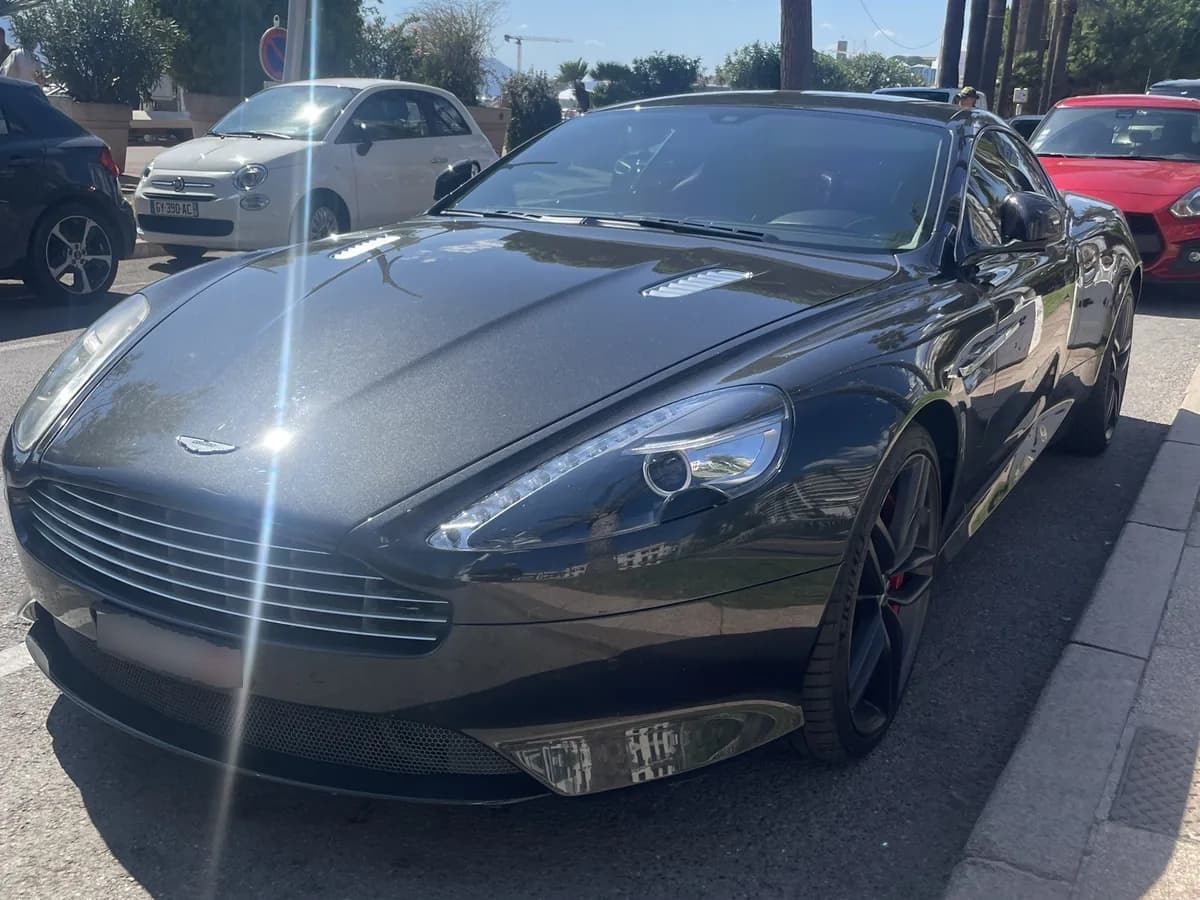
2004
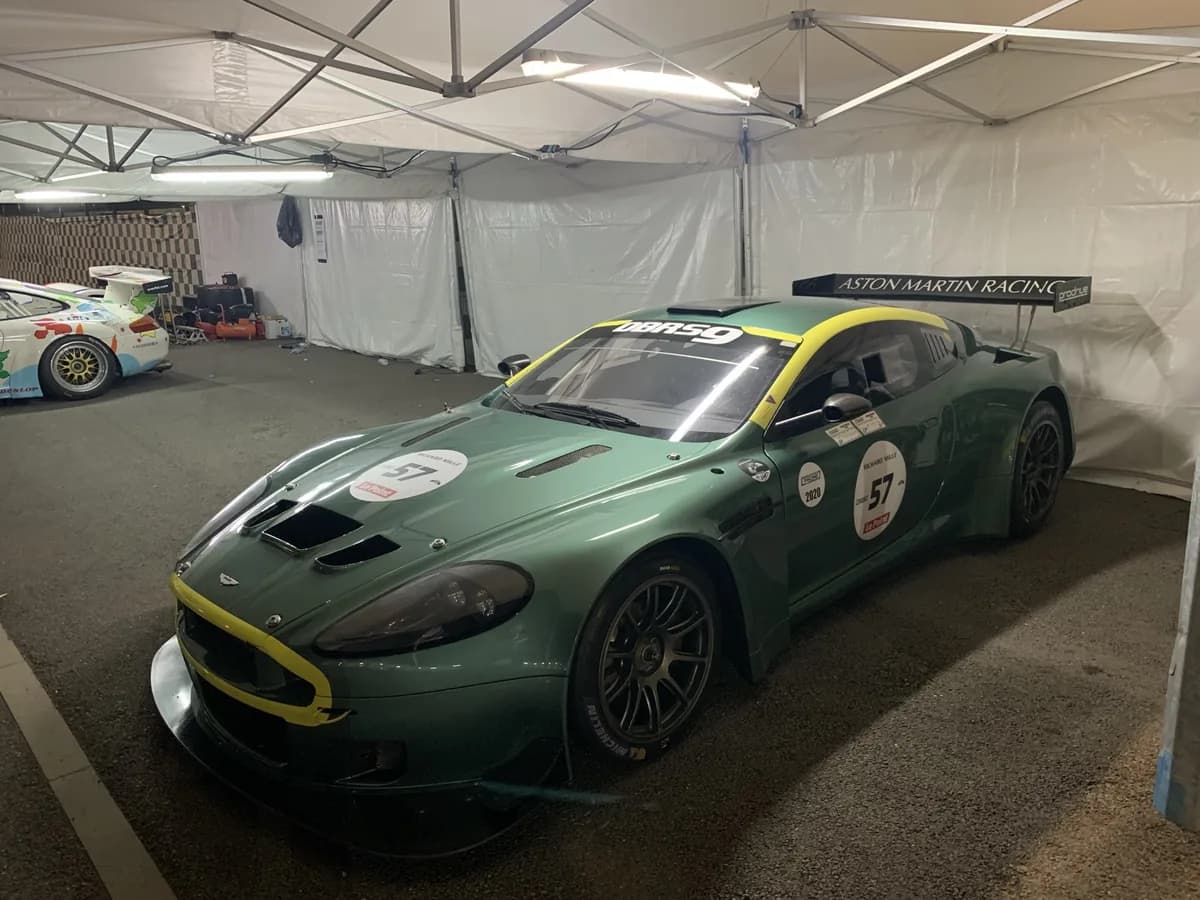
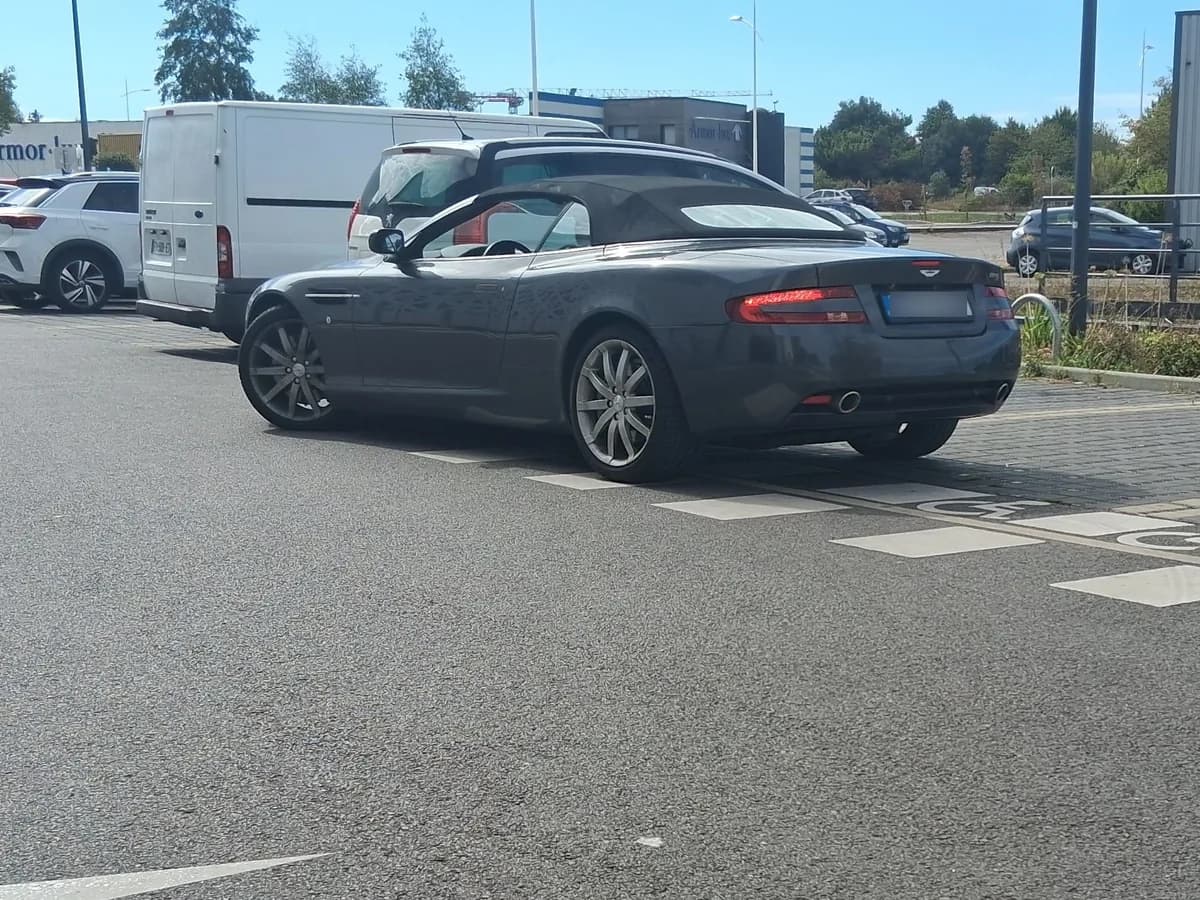
Aston Martin DB9 photos
Model summary
Data from the ScanRacer library, organized to compare versions quickly.
Model introduction
Introduced in 2003 and entering production in 2004, the Aston Martin DB9 marked a new chapter for the British marque. It replaced the DB7 with an aluminium structure based on Aston Martin’s VH architecture, a front-mid-mounted V12 and a clear grand-touring mission. The DB9 was built at Aston Martin’s new Gaydon facility, becoming the first production model assembled there. Its long bonnet, compact overhangs, 2+2 cabin and richly trimmed interior give it the character of a luxury GT, while its engine and rear-wheel-drive layout provide genuine sports-car pace. Across the 2004-2012 period covered by ScanRacer, Aston Martin progressively revised the chassis, powertrain, equipment and exterior details. The core range is divided between the fixed-roof Coupé and the open-top Volante.
History
The DB9 was unveiled at the 2003 Frankfurt Motor Show and replaced the DB7 in early 2004. Aston Martin selected the DB9 name rather than DB8 to signal that the new car represented a major technical step rather than a routine numerical succession. It used the company’s new VH architecture, developed as a foundation for several future Aston Martin models. The body combined aluminium with composite panels, while the 5.9-litre V12 evolved from the marque’s earlier twelve-cylinder engine family. Launch output was stated at roughly 450 bhp, depending on the market and period specification. The Volante arrived in 2004 with a fabric roof and additional structural reinforcement for open-top driving. In 2006, the optional Sport Pack introduced firmer suspension tuning and a lower ride height. For 2008, Aston Martin revised the engine and chassis, increasing output to approximately 470 bhp. Later cars gained further equipment, infotainment and suspension changes. A more substantial update for 2012 brought approximately 510 bhp along with revised front-end styling and other structural and mechanical improvements. These milestones are important when comparing DB9s, because cars carrying the same model designation can differ noticeably in performance, equipment and visual details.
Generations
Aston Martin did not officially divide the 2004-2012 DB9 into separate generations. It is therefore more accurate to describe the model through major development phases. The first phase covers the cars launched in 2004 and built close to the original specification. These cars used a V12 producing roughly 450 bhp and could be ordered, depending on market and equipment, with a six-speed manual or Touchtronic automatic transmission. Coupé and Volante models shared most of their mechanical package, although the Volante required a folding roof, additional reinforcement and related body changes. The next phase includes the revisions introduced between 2006 and 2011. The optional Sport Pack, suspension changes, cabin equipment updates and the increase to approximately 470 bhp created several intermediate specifications. Original options and market equipment matter, since not every car received the same features. The 2012 phase is the most visibly different within the period covered here. It brought redesigned front-end styling, output of about 510 bhp and further chassis and suspension development. This was a substantial evolution of the DB9, but it should not be described as an entirely separate official generation.
Key differences
The clearest distinction is between the Coupé and the Volante. The Coupé has a fixed roof, generally lower weight and a body structure designed without the compromises required for a convertible. The Volante adds a folding fabric roof, extra reinforcement and dedicated roof hardware, making it typically heavier and slightly different in driving character. Year-to-year differences mainly concern power output, dampers, springs, brakes, wheels, electronics and interior trim. Early DB9s are associated with approximately 450 bhp, intermediate cars with around 470 bhp, and 2012 cars with roughly 510 bhp. The Sport Pack indicates firmer suspension tuning and a lowered ride height, but its absence cannot by itself establish a car’s model year. Reliable identification requires several clues together: model year, vehicle identification number, body style and factory option list. Market-specific equipment can also create differences between otherwise similar cars.
Photo recognition
The DB9 is first identified by its grand-touring proportions: a long bonnet, set-back cabin, short overhangs and flowing roofline. The Aston Martin grille, sculpted flanks and horizontal rear lamps are useful clues, although these details changed during the model’s production run. On early cars, pay attention to the front-end shape, wheel design and cabin trim. Sport Pack cars may feature distinctive wheels, a lower ride height and firmer suspension, but those features were not fitted to every car from a given year. Later DB9s within the period covered here are most readily distinguished by revised front-end treatment, updated lighting and newer interior details. A folding fabric roof identifies a Volante, while a fixed roof indicates a Coupé. Visual identification should be treated cautiously: wheels, bumpers, lights and interior components may have been replaced. The most dependable check combines the vehicle identification number, documented model year, factory build information and the original equipment specification.
Important versions
The two principal body styles are the DB9 Coupé and DB9 Volante, both represented within the 2004-2012 period. The Coupé is the conventional fixed-roof grand tourer. The Volante is designed for open-air driving, using a fabric roof and additional structural reinforcement while carrying more weight than the Coupé. The early cars, producing approximately 450 bhp, represent the launch specification. The mid-2000s Sport Pack is significant for buyers seeking firmer handling and a lower ride height. Cars producing around 470 bhp belong to a later, updated phase of the model, while 2012 examples stand out through higher output, revised chassis engineering and refreshed exterior styling. Equipment levels can differ by market and factory options, so a model name alone does not establish the complete specification of an individual car.
References
- DB9 — Historic ModelAston Martin Media
- 2005 Aston Martin DB9 GT First DriveCar and Driver
- Used Aston Martin DB9 (2004-2016) reviewAuto Express
- Aston Martin DB9: Models, Specs, and Buyer’s GuideCar & Classic
- Aston Martin DB9 Model YearsJ.D. Power
- https://www.simonandschuster.com/books/Aston-Martin-DB9-and-Vanquish/James-Taylor/9780719843167simonandschuster.com
- https://www.carwow.co.uk/editorial/classic-cars/buying-guides/aston-martin-db9-buying-guidecarwow.co.uk
Technical specifications
Structured data available for versions linked to this model.
| Version | Power | Torque | Top speed | Drivetrain | Fuel |
|---|---|---|---|---|---|
| — | 456 chevaux (450 PS) | — | — | Propulsion arrière / Boîte manuelle à six vitesses ou boîte automatique Touchtronic 2 | — |
Frequently asked questions
- What years was the Aston Martin DB9 produced?
- ScanRacer's referenced versions cover 2004 - 2012.
- How many Aston Martin DB9 examples are documented on ScanRacer?
- 8 published scans from 7 members, with the latest photo added in September 2026.
- What is the power output of the Aston Martin DB9?
- The sourced technical data lists 456 chevaux (450 PS).
What about the car you photographed?
Upload a photo to get a suggested make, model and likely year.
No account needed for the result · Publish only if you choose