
DB11
Unveiled at the Geneva Motor Show in March 2016, the Aston Martin DB11 marked a new chapter for the DB lineage and gradually replaced the DB9. The grand tourer introduced a bonded aluminium structure, a completely revised design language, and aerodynamic features including the Aeroblade system integrated into the rear pillars. The DB11 initially arrived as a Coupé with a 5.2-litre twin-turbocharged V12, while the range later expanded with a 4.0-litre twin-turbo V8 and the open-top Volante body style. In the ScanRacer catalogue, the listed versions are the Coupé associated with 2016 and the Volante associated with 2018. These entries cover the model’s early years, before later performance-focused developments and AMR variants joined the wider DB11 family.
What about the car you photographed?
Upload a photo to get a suggested make, model and likely year.
No account needed for the result · Publish only if you choose
Variants by year
Make: Aston Martin · Model: DB11
2 / 2 versions shown
2018
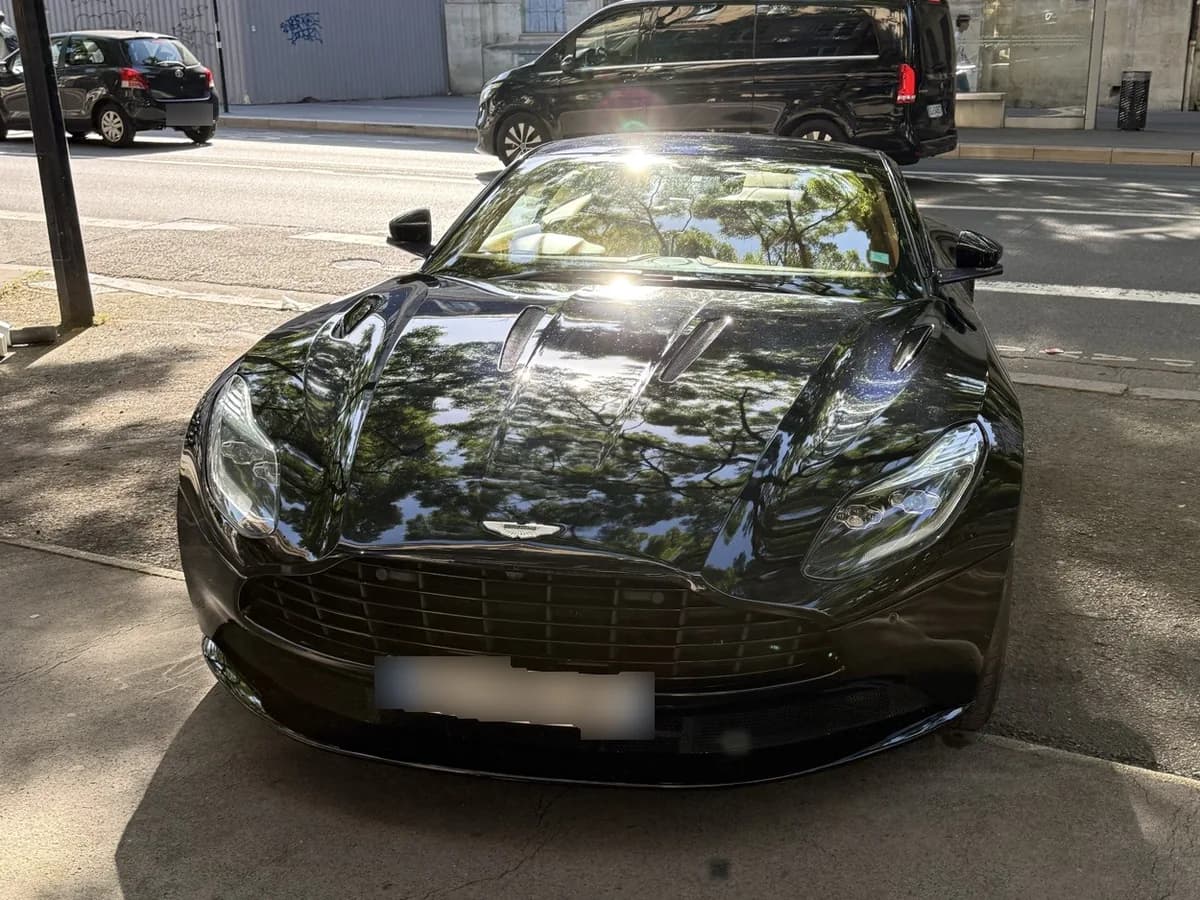
2016
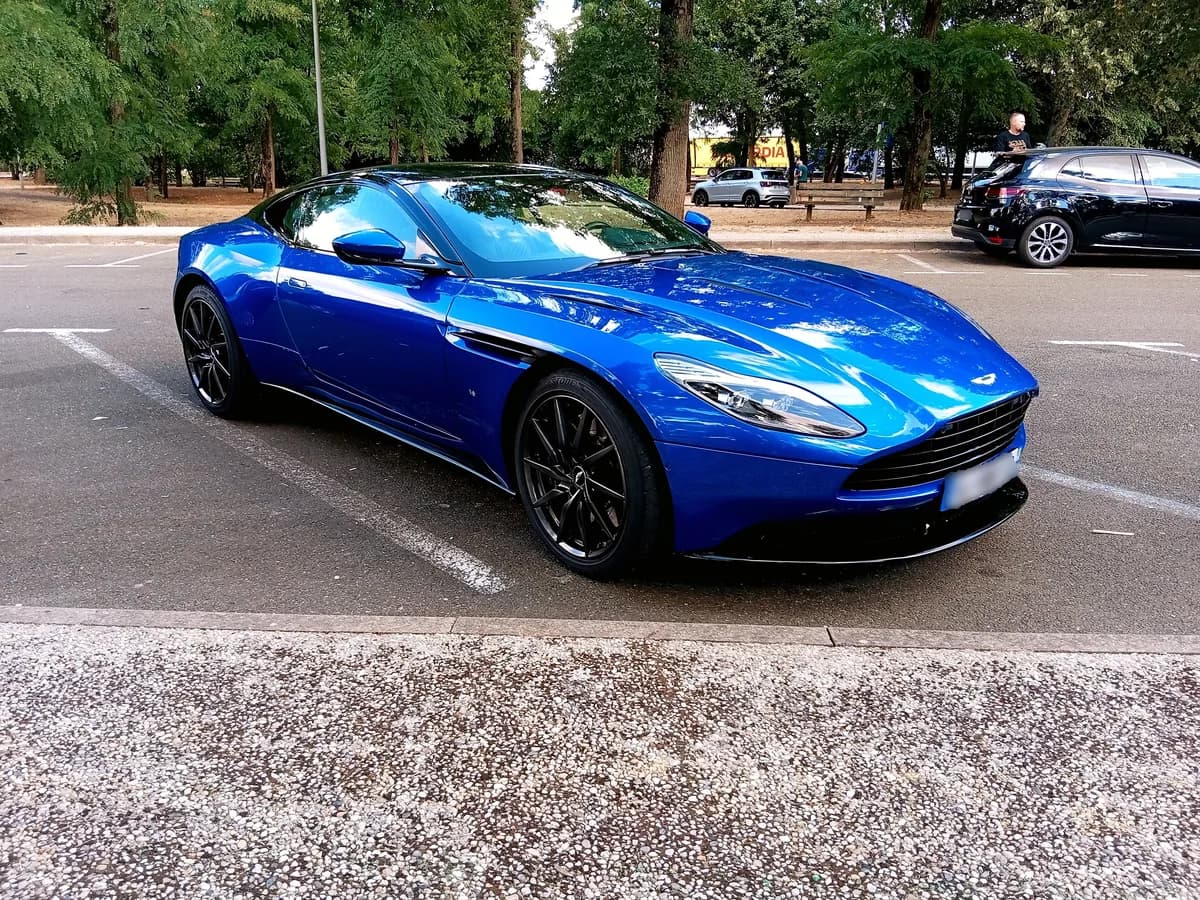
Aston Martin DB11 photos
Model summary
Data from the ScanRacer library, organized to compare versions quickly.
Model introduction
Unveiled at the Geneva Motor Show in March 2016, the Aston Martin DB11 marked a new chapter for the DB lineage and gradually replaced the DB9. The grand tourer introduced a bonded aluminium structure, a completely revised design language, and aerodynamic features including the Aeroblade system integrated into the rear pillars. The DB11 initially arrived as a Coupé with a 5.2-litre twin-turbocharged V12, while the range later expanded with a 4.0-litre twin-turbo V8 and the open-top Volante body style. In the ScanRacer catalogue, the listed versions are the Coupé associated with 2016 and the Volante associated with 2018. These entries cover the model’s early years, before later performance-focused developments and AMR variants joined the wider DB11 family.
History
The DB11 was the first model introduced under Aston Martin’s “Second Century” plan. Revealed at the Geneva Motor Show in March 2016, it succeeded the DB9 with a more modern architecture and a body built around a bonded aluminium structure. Aston Martin presented it as a car intended to establish a new design direction while preserving the long-distance touring character associated with earlier DB models. The first production DB11 used Aston Martin’s 5.2-litre twin-turbocharged V12, mounted in a front-mid position and paired with an eight-speed ZF automatic transmission. In 2017, Aston Martin expanded the range with a 4.0-litre twin-turbo V8 and the DB11 Volante, which was unveiled in October of that year. First Volante deliveries were scheduled for the first quarter of 2018. The convertible retained the Coupé’s basic technical foundation but added a fabric roof and structural changes required for open-top driving. Aston Martin also introduced the DB11 AMR in 2018 as the V12 range flagship. It brought more power, sharper chassis tuning, and distinctive exterior and interior details. During the model’s early years, however, the Coupé and Volante remained the principal DB11 body styles.
Generations
The DB11 was not merely a restyled DB9. It introduced a new technical foundation and a new design language for Aston Martin. Its bonded aluminium structure was intended to combine stiffness, reduced weight, and more efficient use of interior space. Key visual features include sculpted side surfaces, a wider grille, slim rear light units, and aerodynamic elements integrated into the bodywork. The Aeroblade system channels air from the rear pillars toward the deck area, helping manage airflow at higher speeds. The first stage of the range was the V12 Coupé, introduced in 2016. A V8 Coupé followed in 2017, using a 4.0-litre twin-turbocharged engine and offering a somewhat different balance of performance and character. The Volante, with first deliveries scheduled for 2018, retained the Coupé’s overall styling but added a multi-layer fabric roof and the structural reinforcements required for an open body. The 2018 AMR was a performance development rather than a separate generation. It kept the DB11’s fundamental silhouette while adding specific power, chassis, and trim changes. For the ScanRacer references covered here, the key milestones are therefore the 2016 Coupé and the 2018 Volante.
Key differences
The Coupé and Volante share the same DB11 identity, but their use and presentation are clearly different. The Coupé has a fixed roof and a body structure more directly optimized for stiffness and acoustic isolation. It was launched with the 5.2-litre V12 and later became available with the 4.0-litre twin-turbo V8 from 2017. The Volante is a two-door convertible fitted with a fabric roof. Aston Martin developed it around the Coupé’s aluminium foundation, adding structural adaptations and extra weight associated with the roof mechanism and reinforcements. The version announced in 2017 used the 4.0-litre twin-turbo V8 rather than the original launch V12. Its roofline, rear bodywork, and folded fabric hood make it easy to distinguish from the Coupé. Exact equipment and engine availability should still be checked against the relevant market and model year, since specifications could differ by region.
Photo recognition
To identify a DB11, start with the large Aston Martin grille, long bonnet, and two-door grand-touring proportions. The sides feature taut surfaces and flush-fitting door handles. At the rear, slim light units stretch across the body, while the centre of the deck appears visually lighter than on the preceding DB9. The rear pillars also contain elements that help direct airflow toward the Aeroblade system. The Coupé is identified by its fixed metal roof and continuous rear pillars. The Volante has a fabric hood, a shorter roofline, and a distinct transition between the roof and the rear deck. Exterior clues are less dependable when identifying the engine, because wheels, exhaust finishes, and trim could be customized. A precise identification should therefore rely on the VIN plate, vehicle documentation, or inspection of the engine bay. AMR badging and darker performance-oriented details indicate a later sporting derivative rather than the standard early DB11. Market-specific equipment should not be assumed from appearance alone.
Important versions
The V12 Coupé was the DB11 launch version in 2016. Its 5.2-litre twin-turbocharged V12 and bonded aluminium structure established the model’s original technical identity. The later V8 Coupé added a 4.0-litre twin-turbo engine and provided a lighter alternative within the range. The DB11 Volante, unveiled in 2017 for deliveries in 2018, adapted the same basic architecture to a convertible body and used the V8 powertrain. The DB11 AMR, introduced in 2018, became the sporting flagship of the V12 family. It added increased power, sharper dynamic settings, and dedicated trim details. In the ScanRacer context supplied here, the listed variants are the 2016 Coupé and the 2018 Volante; the other names represent additional versions from the model’s broader historical range.
References
- Aston Martin DB11: the latest in an illustrious bloodlineAston Martin
- DB11 Volante: return of the ultimate convertible Sports GTAston Martin
- DB11 AMR - New performance flagship of the DB11 rangeAston Martin
- Aston Martin DB11 Volante reviewevo
- Aston Martin DB11 brochureAston Martin brochure archive
- https://astonmartins.com/wp-content/uploads/2018/04/Aston_Martin_DB11_overview_2018Amer.pdfastonmartins.com
- https://www.edmunds.com/aston-martin/db11/2018/review/edmunds.com
- https://www.topgear.com/car-reviews/aston-martin/db11-volantetopgear.com
Technical specifications
Structured data available for versions linked to this model.
| Version | Power | Torque | Top speed | Drivetrain | Fuel |
|---|---|---|---|---|---|
| — | 510 PS | — | — | Rear-wheel drive / 8-speed automatic | — |
Frequently asked questions
- What years was the Aston Martin DB11 produced?
- ScanRacer's referenced versions cover 2016 - 2018.
- How many Aston Martin DB11 examples are documented on ScanRacer?
- 7 published scans from 7 members, with the latest photo added in September 2026.
- What is the power output of the Aston Martin DB11?
- The sourced technical data lists 510 PS.
What about the car you photographed?
Upload a photo to get a suggested make, model and likely year.
No account needed for the result · Publish only if you choose