
McLaren
McLaren began in motor racing before becoming one of the most recognisable names in British performance cars. Bruce McLaren founded his racing team in 1963, and a McLaren single-seater made its Formula 1 debut at the 1966 Monaco Grand Prix. That engineering-led competition culture carried into road cars, from the landmark F1 to the 12C, the first series-production McLaren of the modern era. The brand generally focuses on low weight, carbon-fibre construction and aerodynamic performance developed with racing in mind. Recent model families such as the 570, 600LT, 650S, 675LT, 720S, 765LT, Senna, Artura and 750S show how the formula has evolved across road-focused supercars, track-oriented derivatives and hybrid powertrains.
Models from A to Z

540C
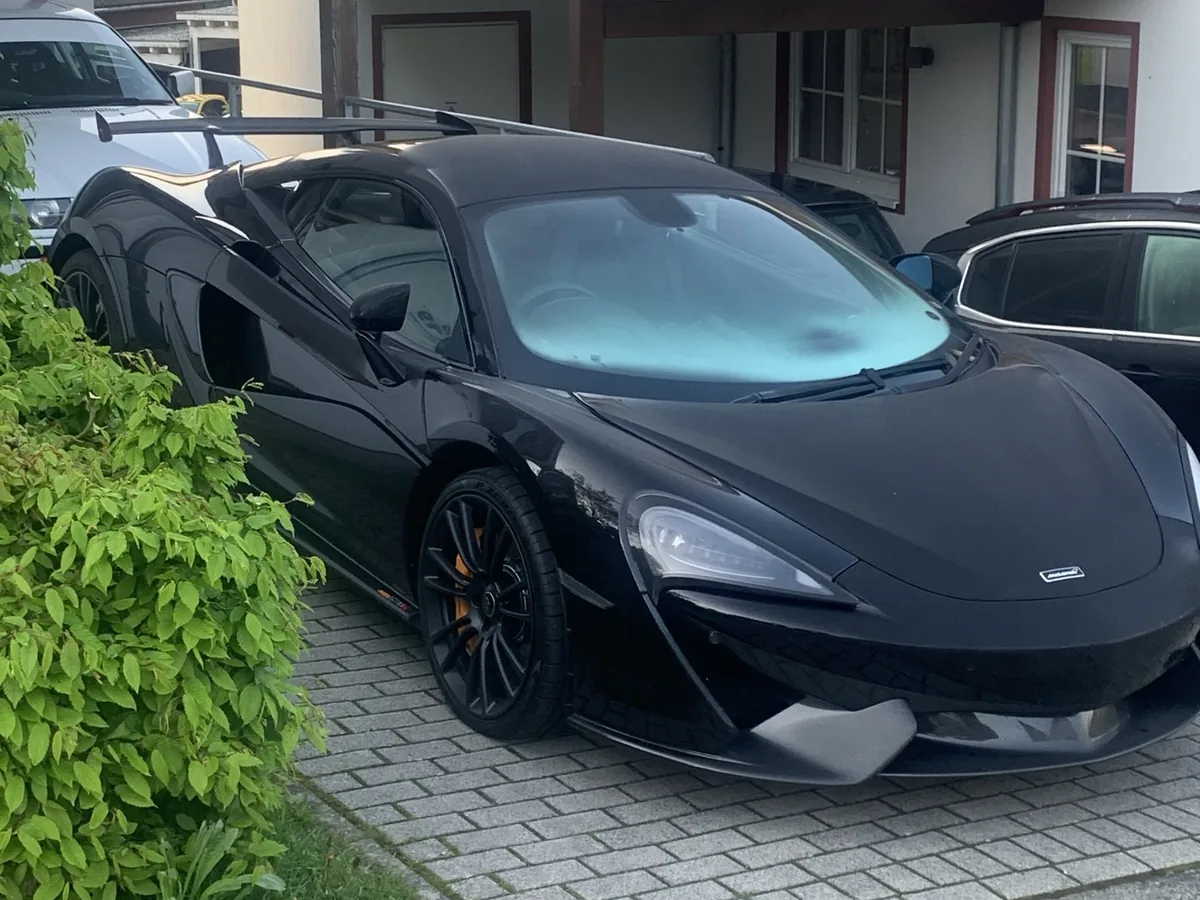
570
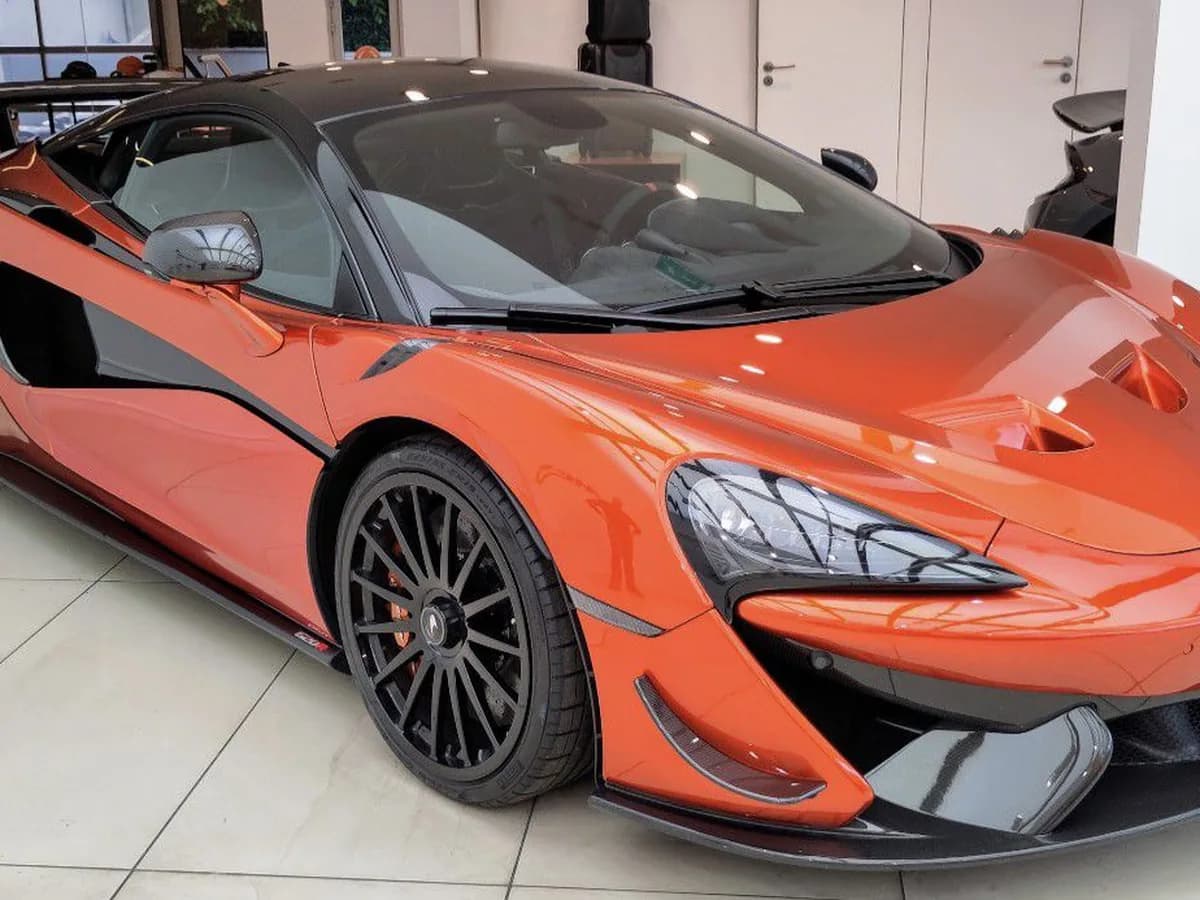
600LT
620R
625C
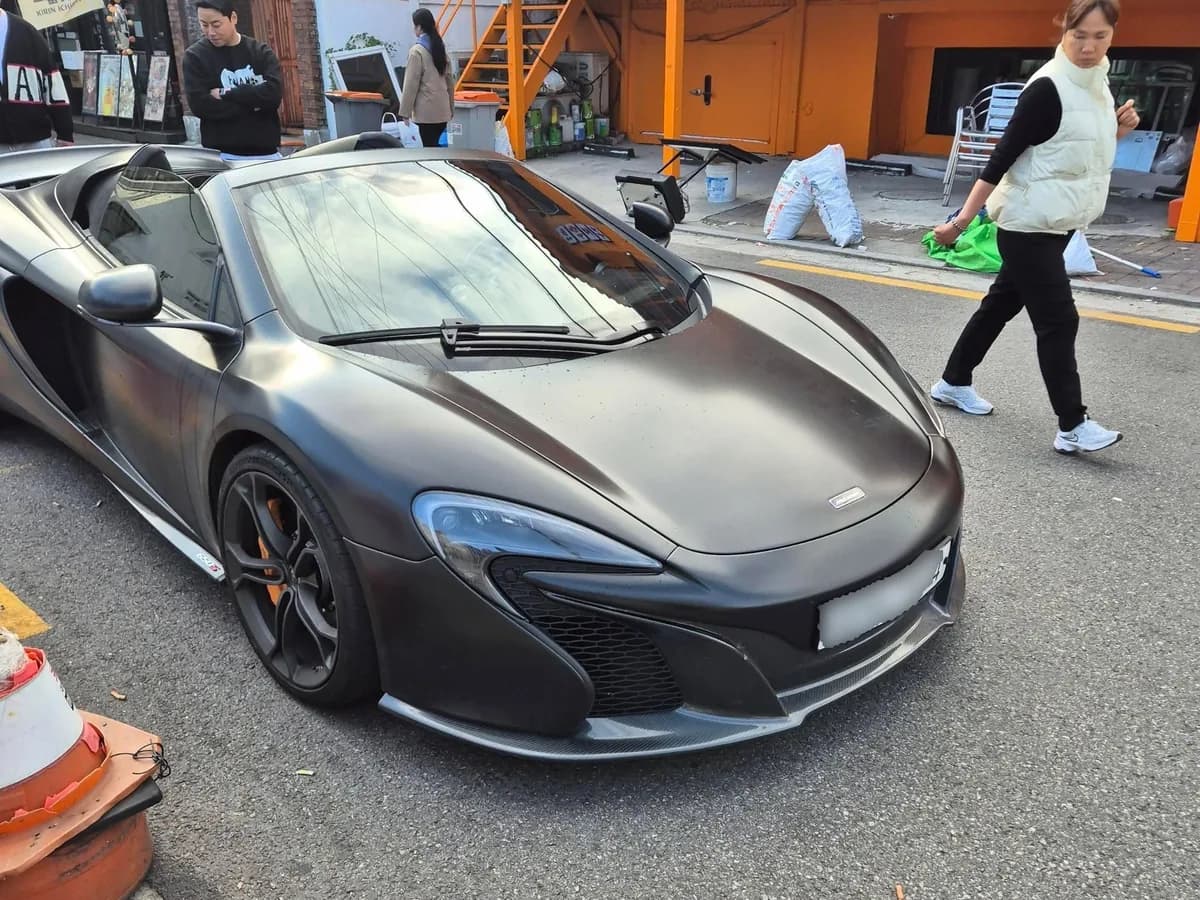
650S
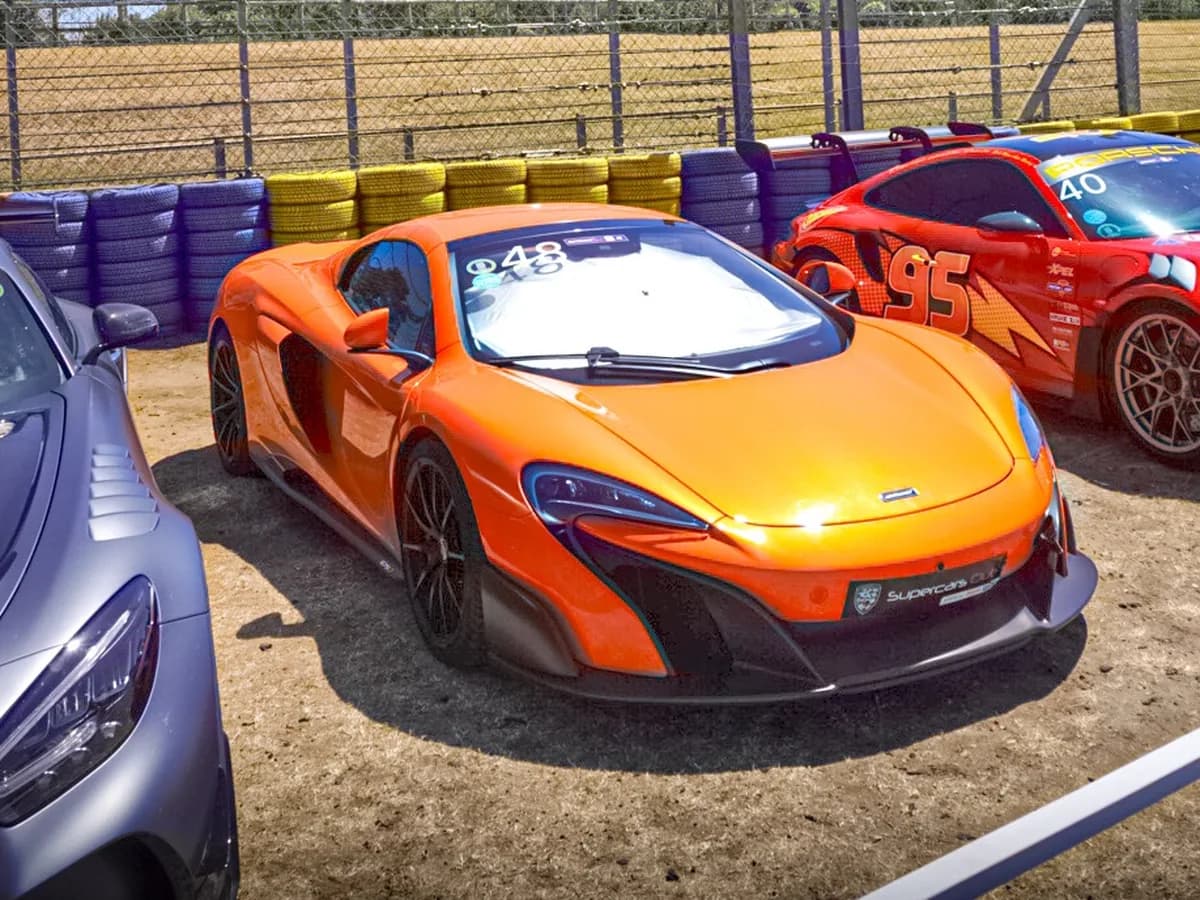
675LT
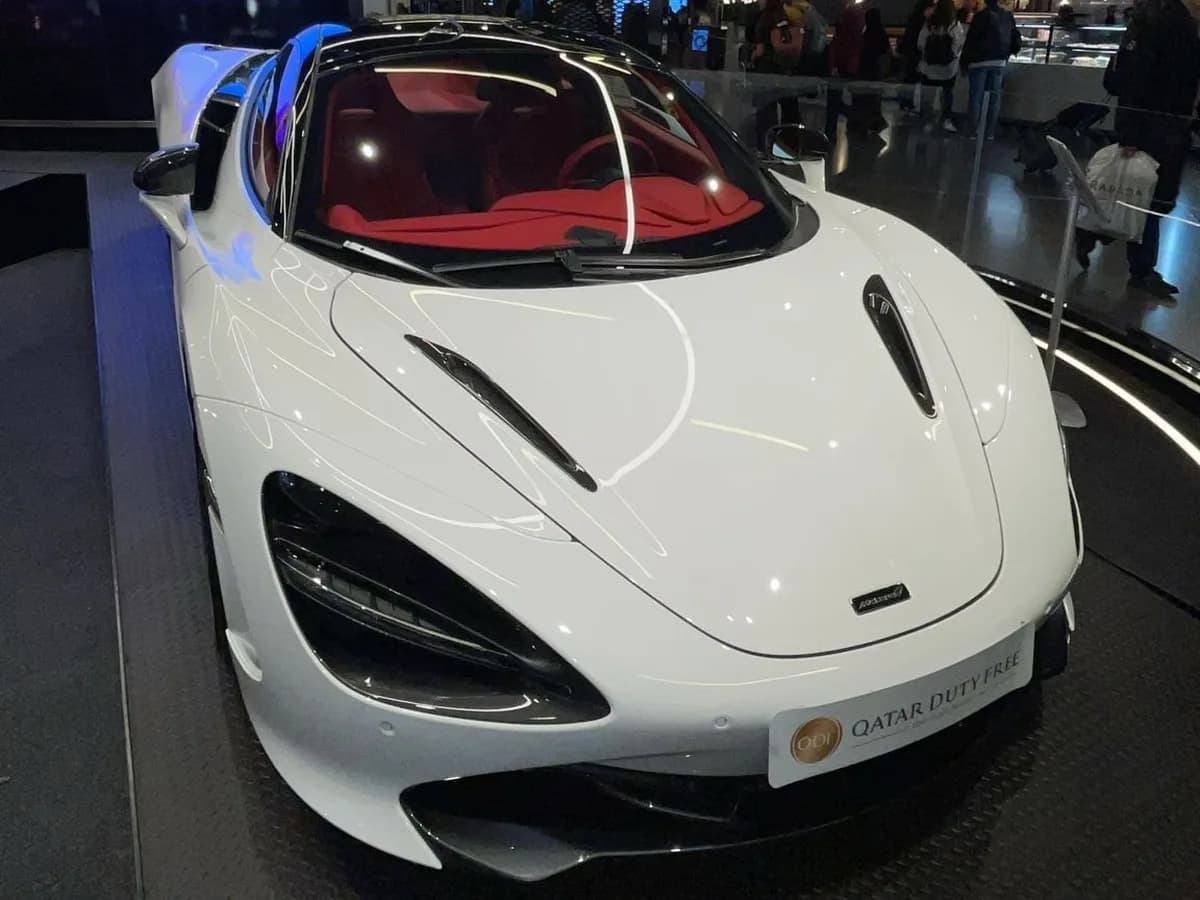
720s
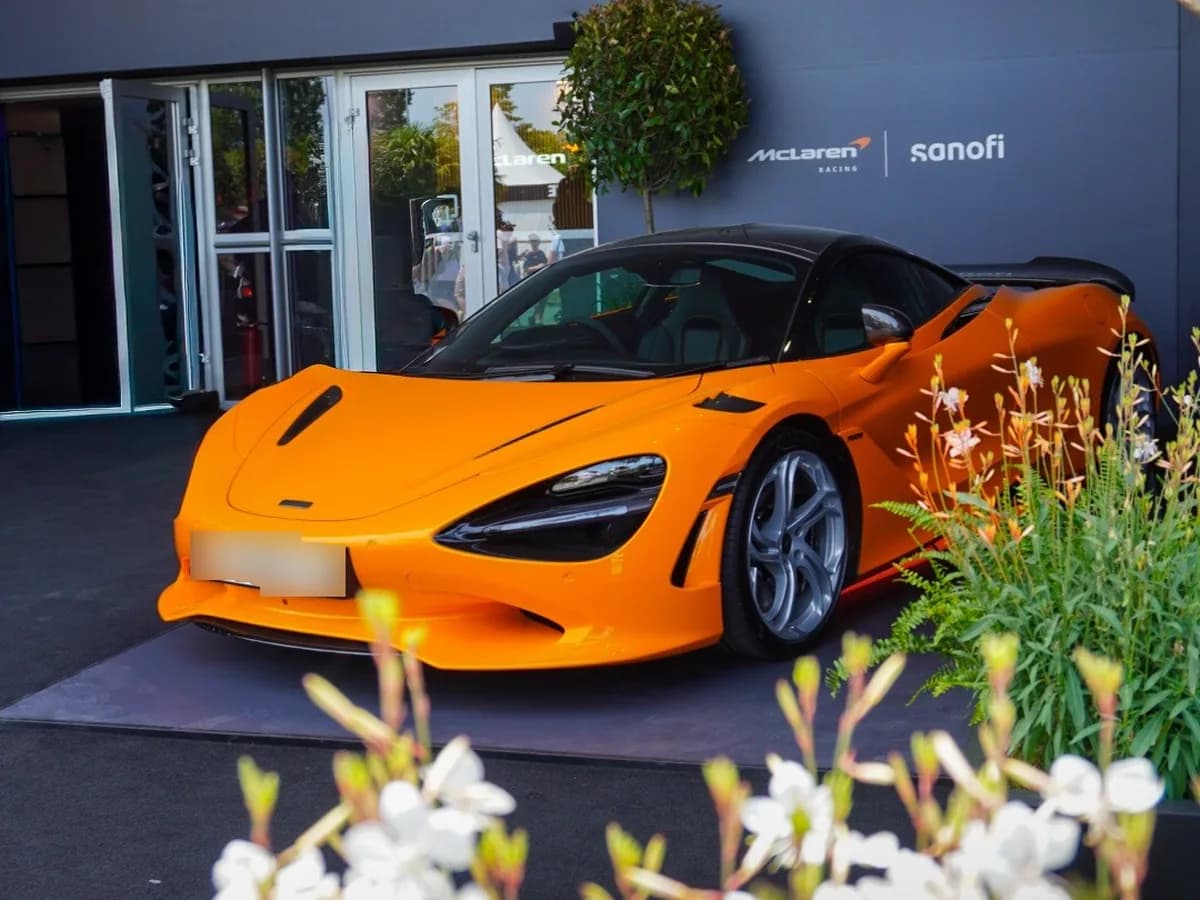
750S
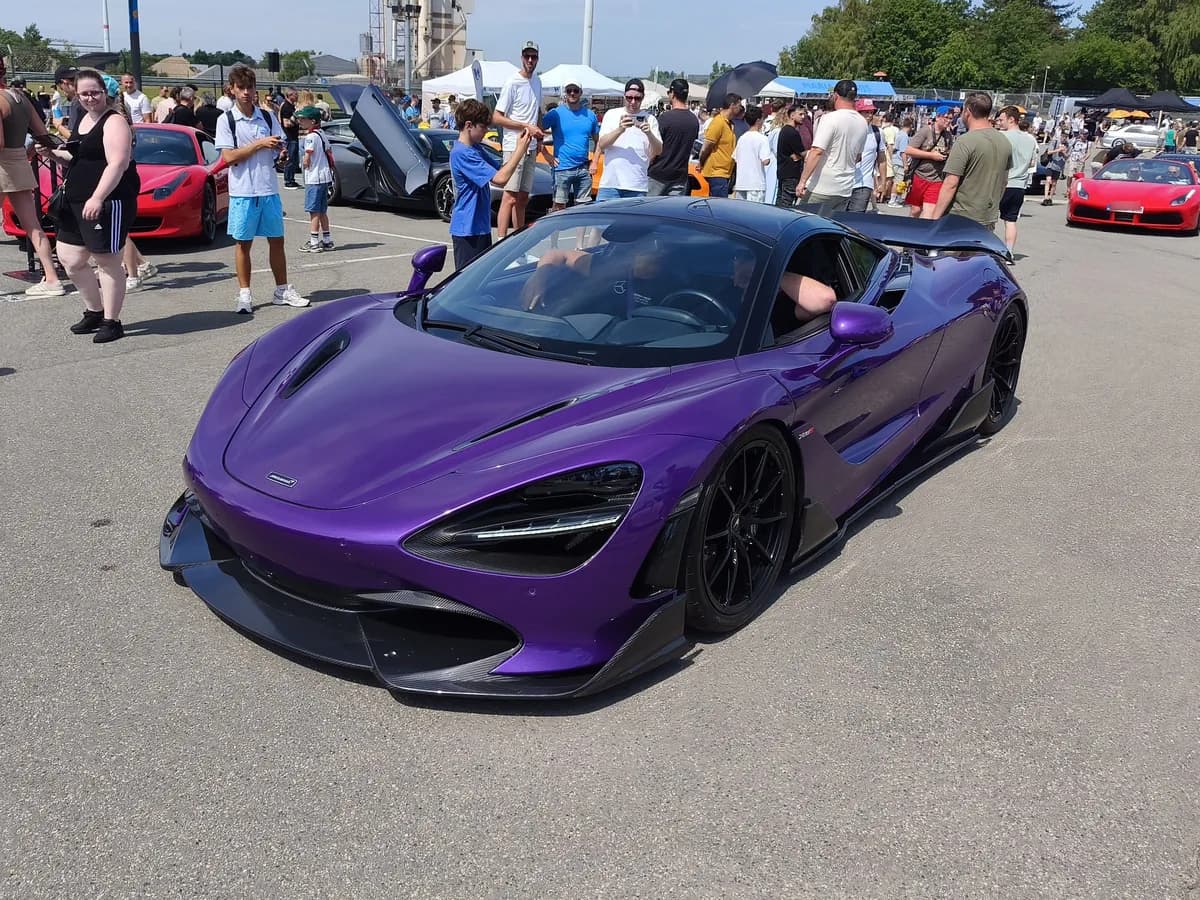
765LT
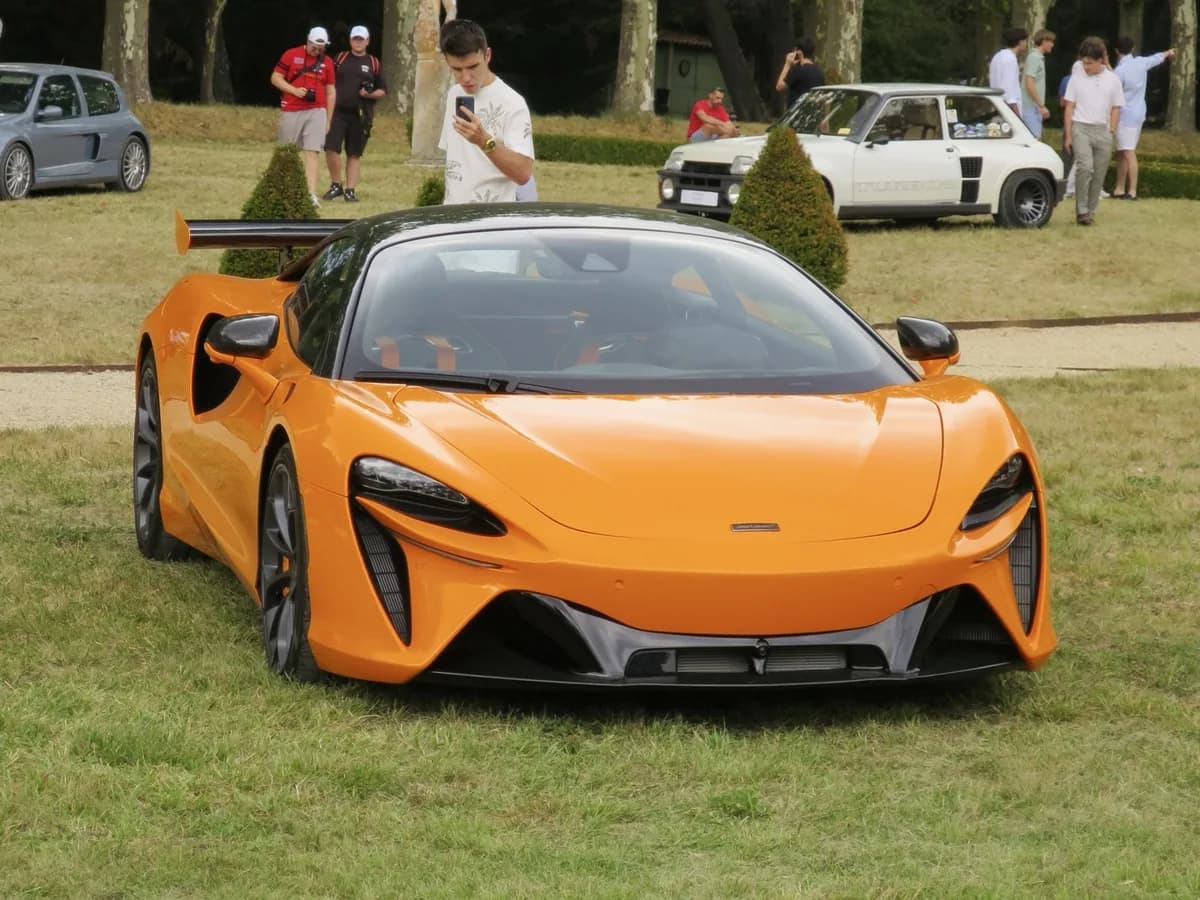
Artura
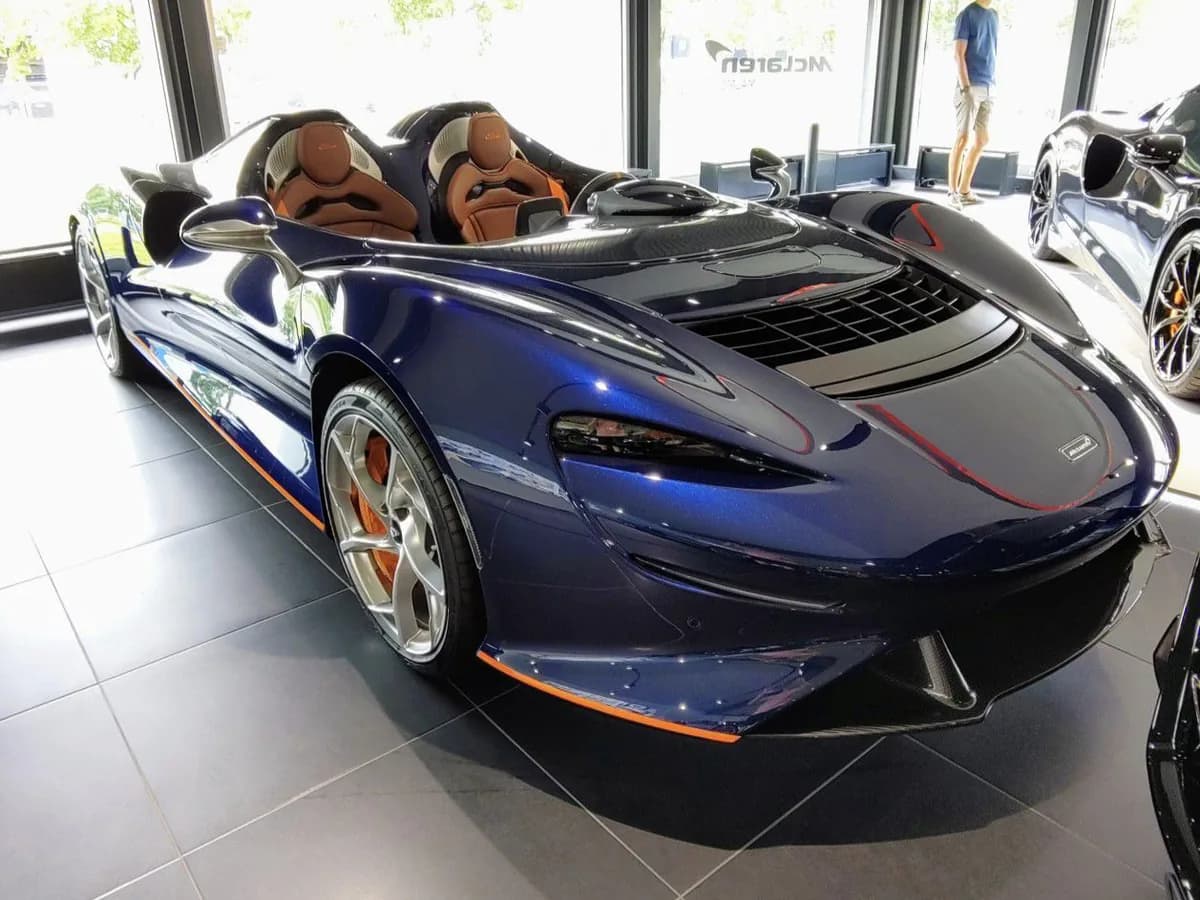
Elva
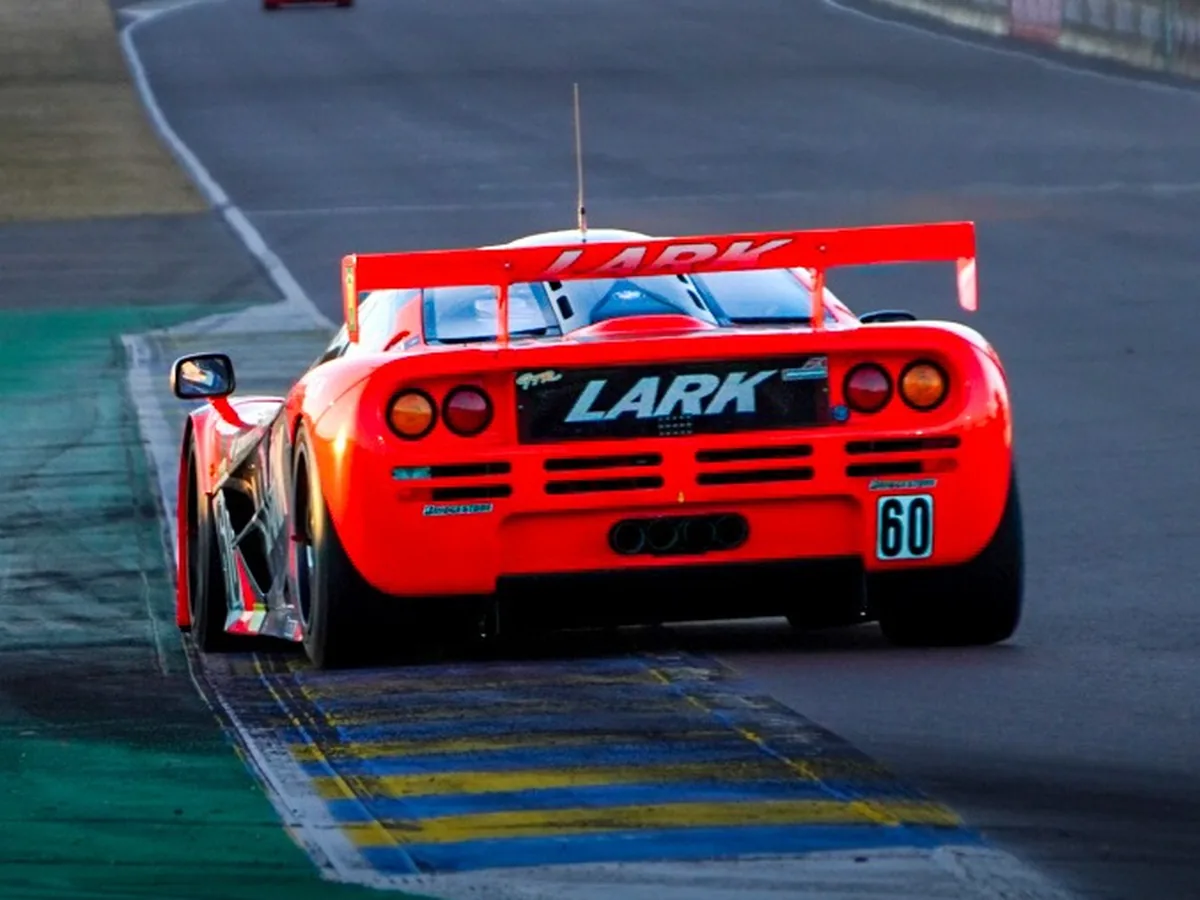
F1
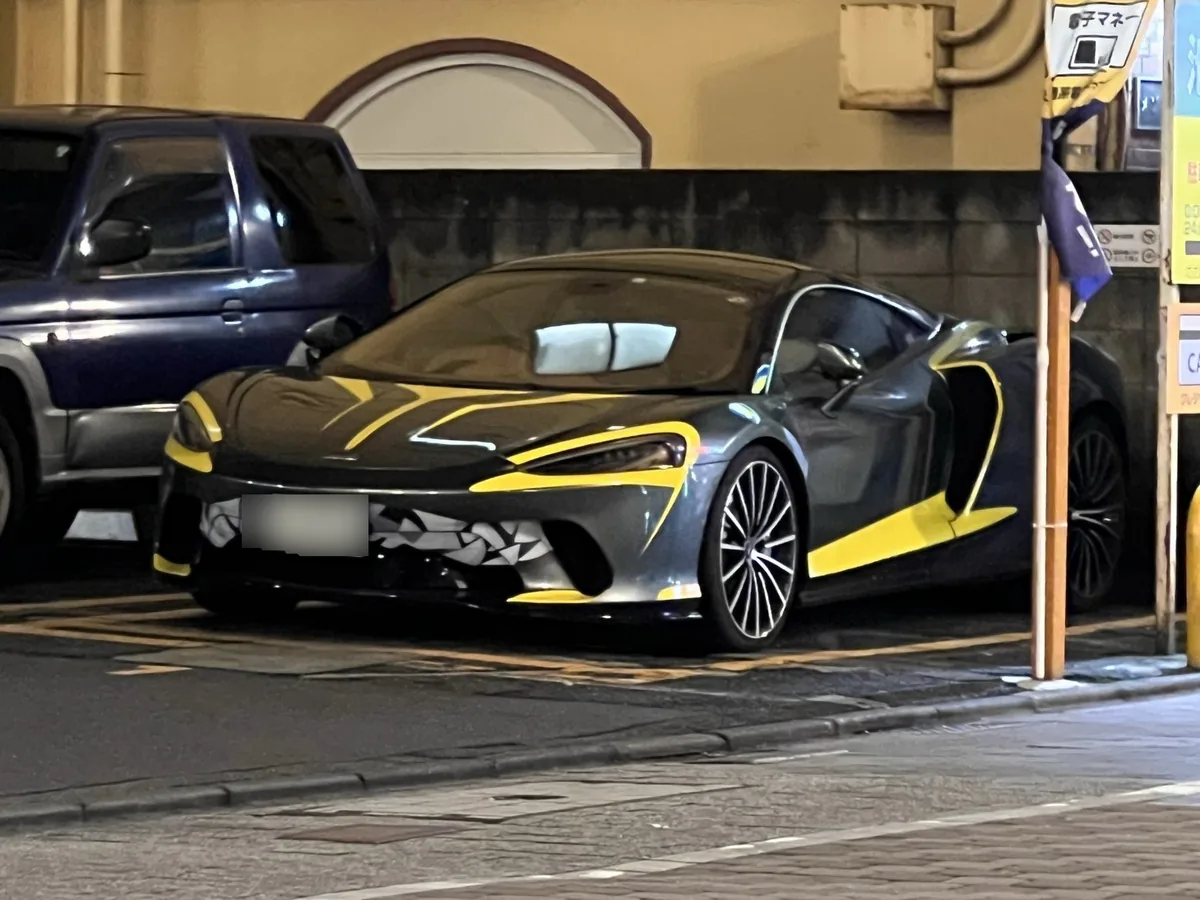
GT
M1
M6
McL 6GT
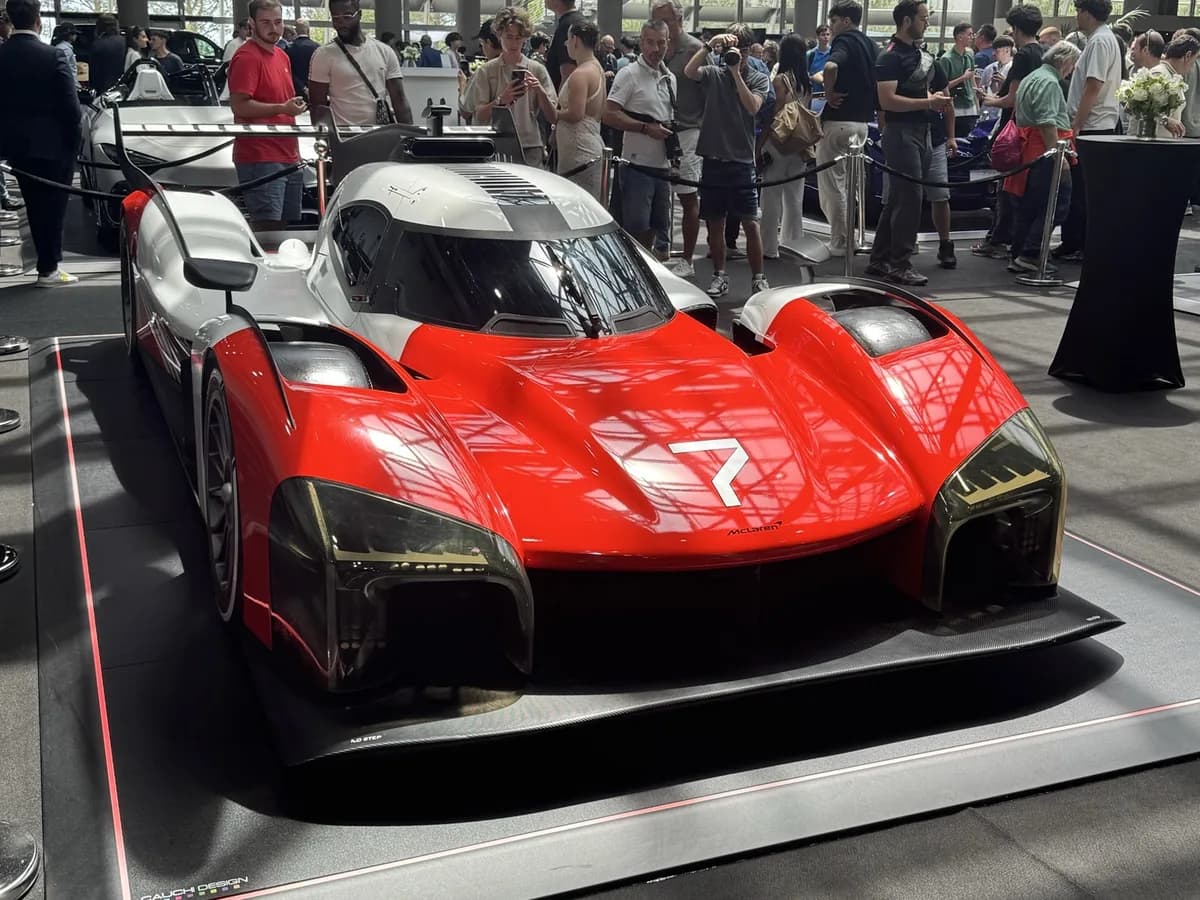
MCL-HY
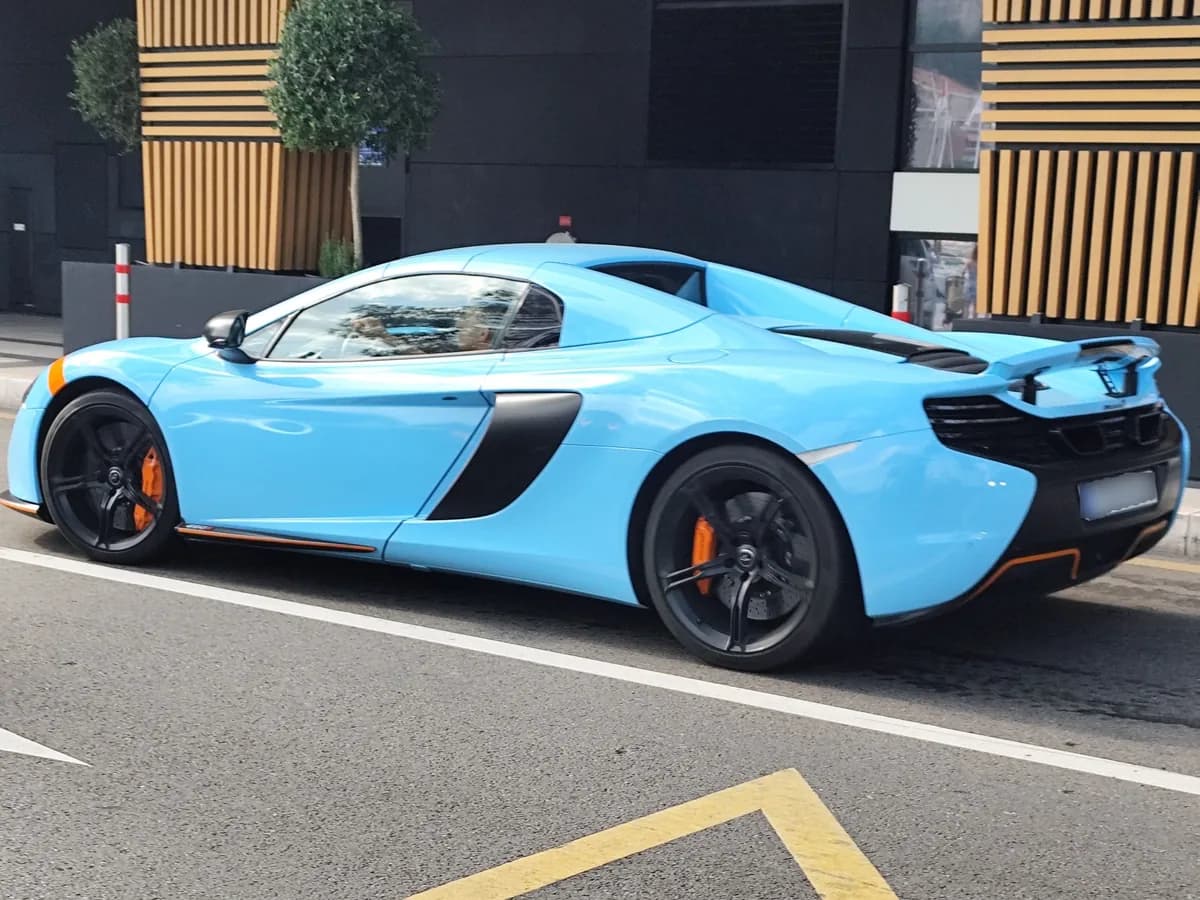
MP4-12C
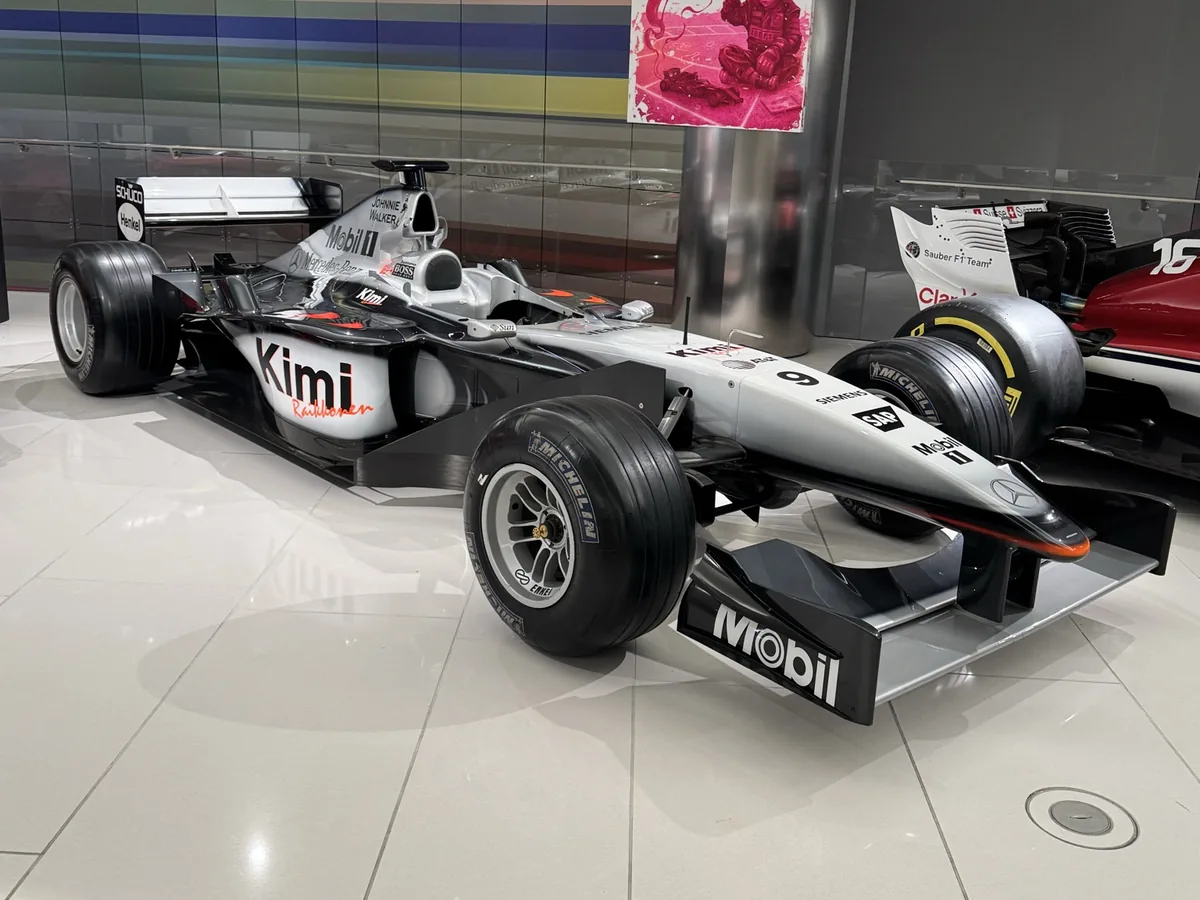
MP4-20
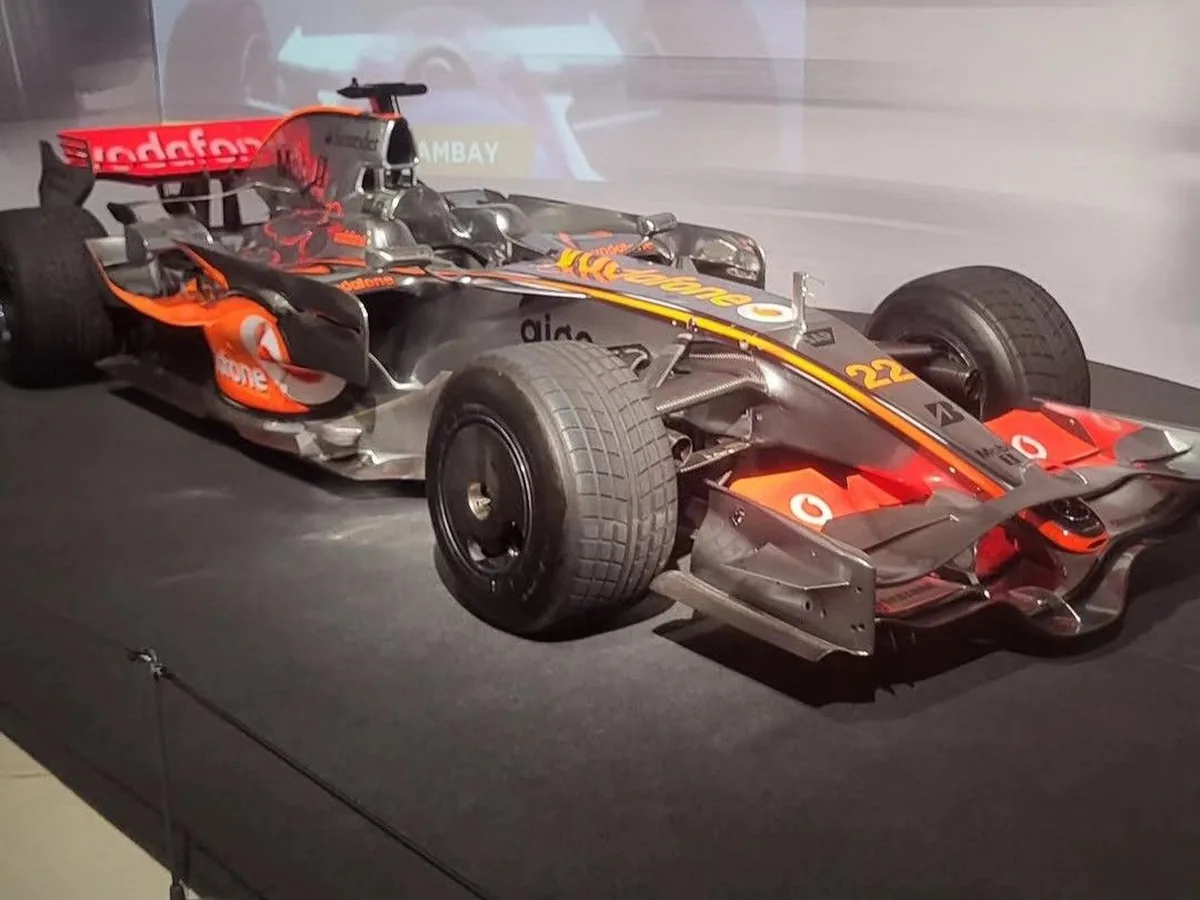
MP4-22
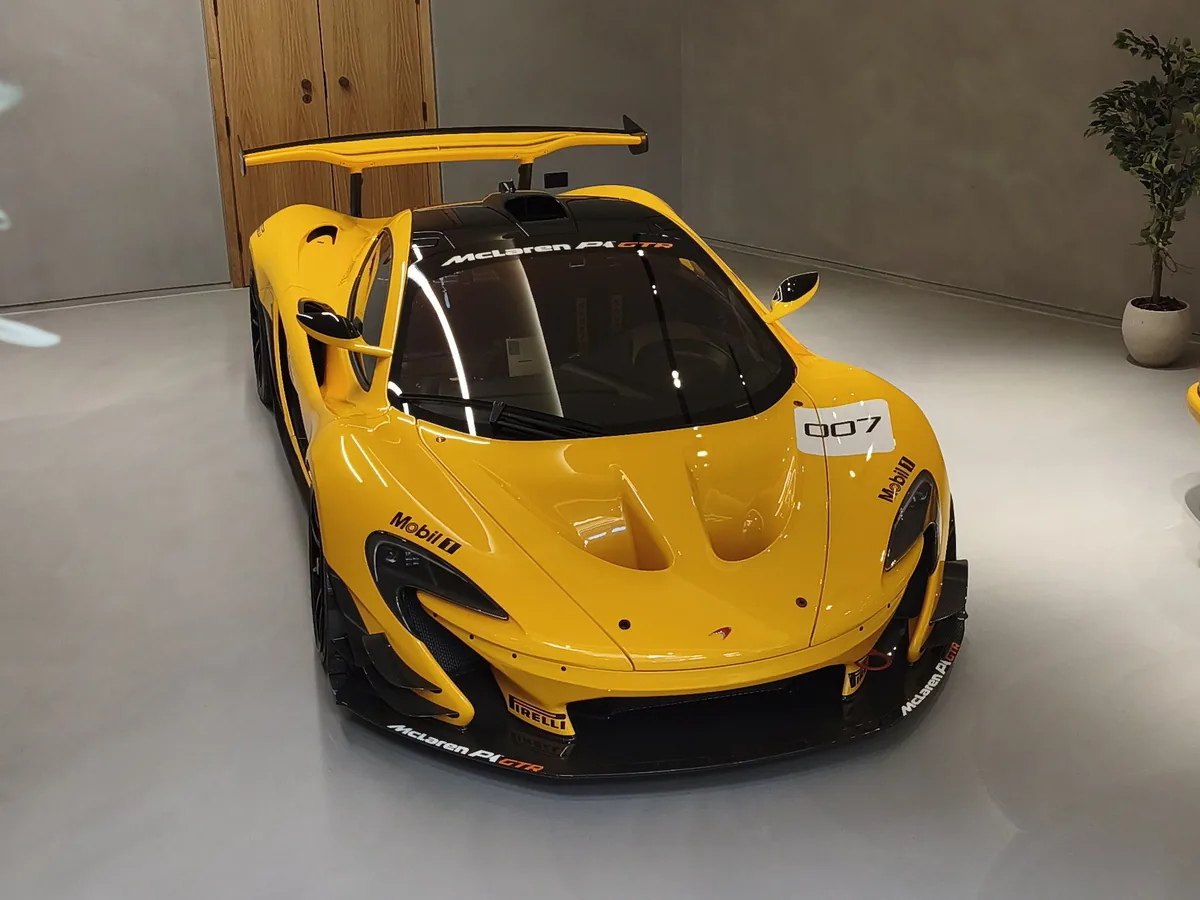
P1
Sabre
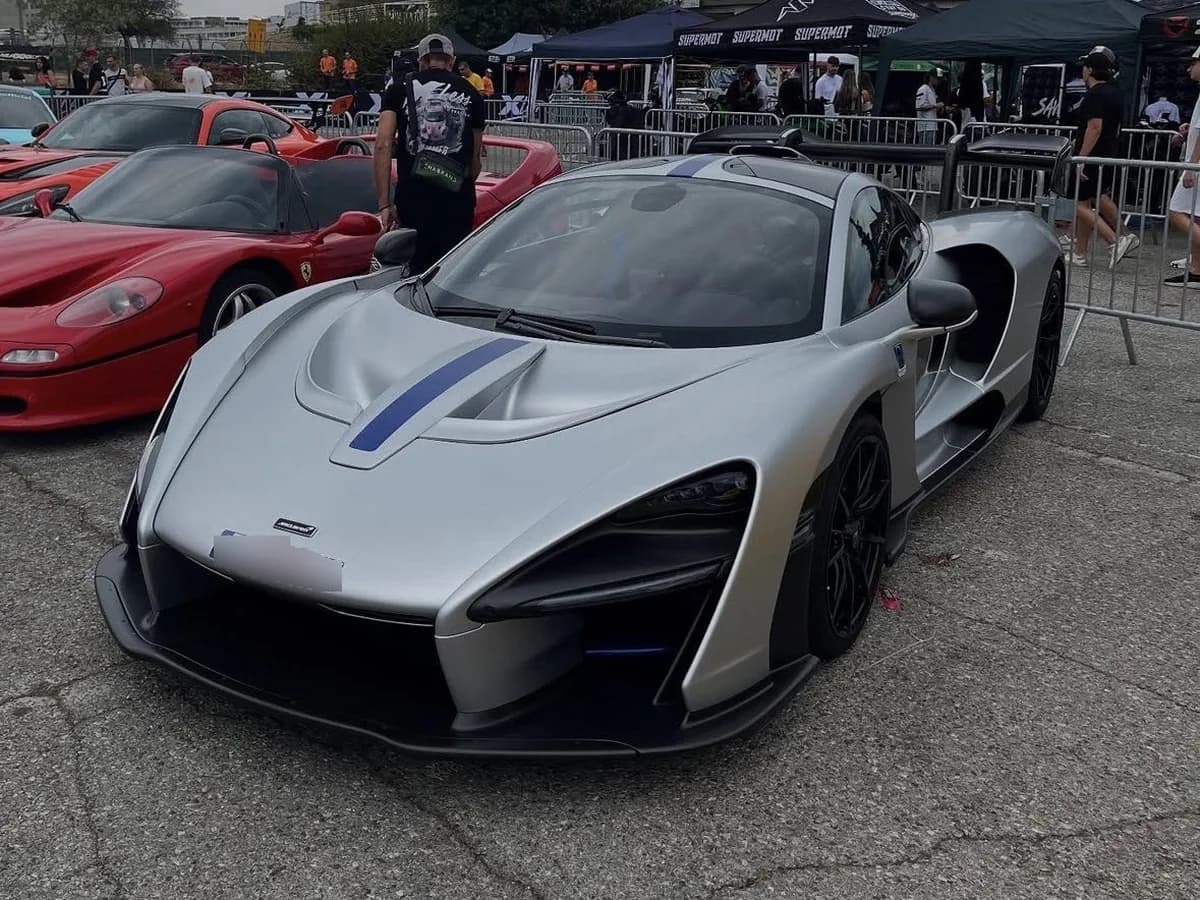
Senna
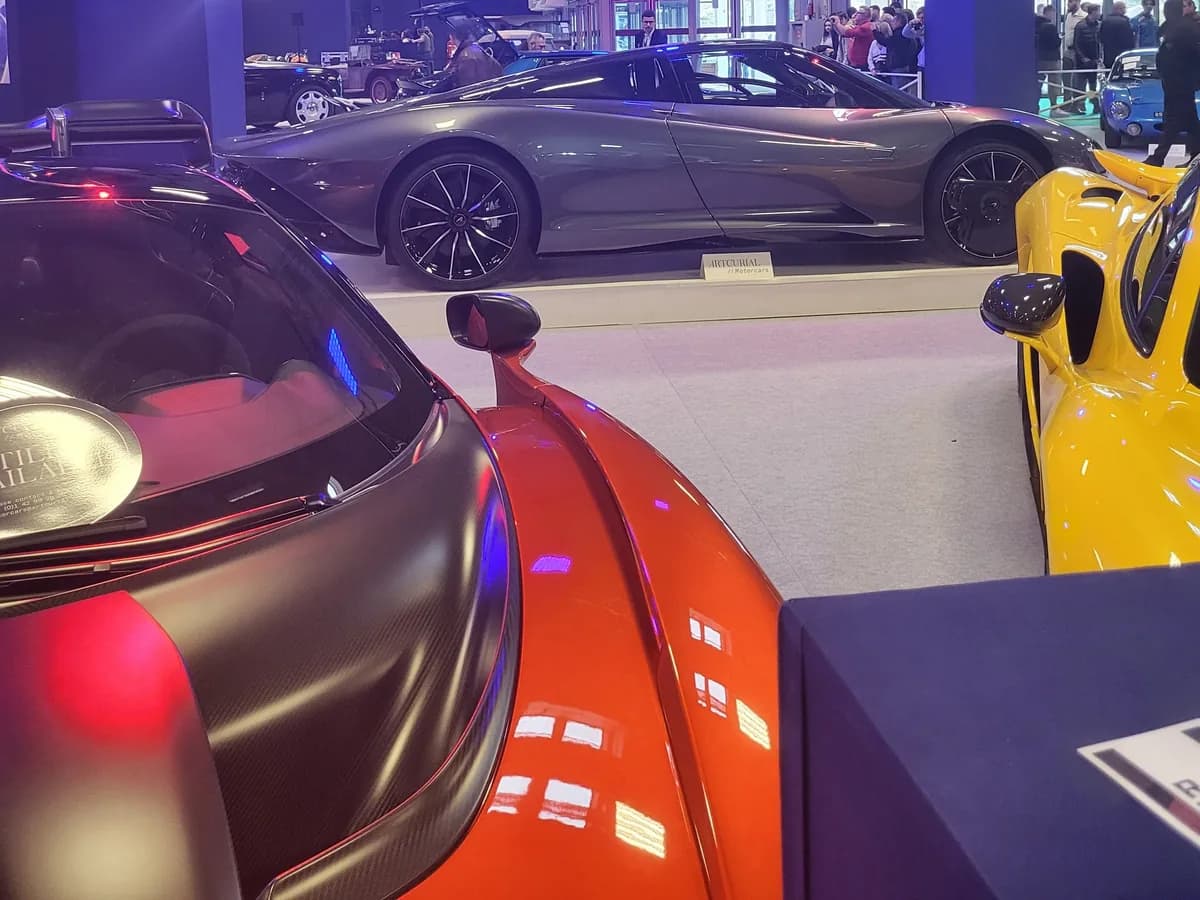
Speedtail
W1
McLaren overview
McLaren history
McLaren’s modern history officially begins in 1963, when New Zealand racing driver Bruce McLaren established his own competition organisation. The team soon became a major force in North American racing, particularly Can-Am, before entering Formula 1 in 1966. Its early F1 results were limited, but the Cosworth-powered M7A delivered McLaren’s first podium in 1968. After Bruce McLaren was killed in a testing accident in 1970, the team continued and gradually built a reputation around technical discipline, innovation and resilience. (mclaren.com) The automotive division later drew directly on that racing background. Conceived from 1988 and realised in 1992, the McLaren F1 became the marque’s first major road-car project. Its carbon-fibre monocoque and outright 1995 Le Mans victory established it as a landmark performance car. McLaren Automotive was launched in 2010, and the 12C introduced a new generation of series-production cars using a carbon-fibre MonoCell chassis. (cars.mclaren.com)
McLaren positioning
McLaren primarily operates in the performance-car and supercar segment, with a strong emphasis on engineering and technology. The brand is not focused solely on peak power; it places particular importance on the relationship between mass, rigidity, aerodynamics and driver feedback. Carbon fibre is central to that approach, while systems such as Brake Steer, active aerodynamics and, more recently, hybrid power are intended to deliver measurable performance benefits. (cars.mclaren.com) Within the range, models carrying the LT designation are generally associated with greater attention to weight reduction and circuit effectiveness, while the 570, 650S and 720S families represent the core mid-engined supercar line. The Senna, Elva, Speedtail and W1 sit in a more exclusive and specialised category. This is an editorial summary of McLaren’s published model hierarchy and technical emphasis, not a formal classification that applies identically in every market.
Recognizing a McLaren in a photo
A modern McLaren can often be identified by its very low body, forward-set cabin and large air intakes integrated into the doors or side surfaces. Most recent road cars use a mid-engined layout, airflow-focused bodywork and a carbon-fibre central structure. Dihedral doors are a useful visual clue on several models, but they are not enough to identify a specific generation. The headlamp shape, side openings, front bumper design and rear diffuser are more reliable details when separating model families. LT variants commonly add aerodynamic parts and lightweight components, while the Senna uses a particularly aggressive collection of wings, vents and air channels. The Artura has a distinct plug-in hybrid position within the range, whereas the F1 is immediately recognisable by its central driving seat, three-seat layout and butterfly doors. Wheel design, exhaust placement and rear-wing configuration can help confirm a precise variant.
Important McLaren models
The McLaren F1 remains the defining model of the marque’s modern road-car history. Built around a carbon-fibre monocoque, it also won the 1995 24 Hours of Le Mans in competition form. (cars.mclaren.com) The 570 became an important mid-engined supercar family, while the 600LT and 675LT placed greater emphasis on reduced weight and track-focused efficiency. The 650S and 720S mark two major stages in the development of McLaren’s Super Series. The 765LT takes that formula further with a more uncompromising specification. The Senna represents the brand’s most extreme road-car approach to circuit performance, the Elva focuses on open-air driving, and the Artura introduces a plug-in hybrid architecture. The 750S continues McLaren’s V8-powered supercar lineage, while the M6 points back to the company’s Can-Am racing roots. These models do not represent the whole McLaren story, but together they show the progression from competition engineering to contemporary series-production cars.
References
- McLaren Racing Heritage: Decades of Triumph & InnovationMcLaren Racing
- McLaren’s famous F1 firstsMcLaren Racing
- McLaren F1 - For Many, The Greatest Supercar Ever BuiltMcLaren Automotive
- McLaren 12C - F1 Inspired & Engineering-led SupercarMcLaren Automotive
- McLaren Automotive - Prepare, Commit, BelongMcLaren Automotive
- InnovationMcLaren Automotive
- All McLaren Ultimate Super Cars ModelsMcLaren Automotive
- https://www.mclaren.com/racing/heritage/bruce-mclaren-in-the-beginning/mclaren.com