
650S
Introduced in 2014, the McLaren 650S is a mid-engined two-seat supercar that retains the carbon-fibre architecture of the 12C while receiving substantially revised bodywork. Its name refers to the quoted output of 650 PS, equivalent to 641 bhp in the specification commonly used by McLaren. Power comes from a 3,799cc twin-turbocharged petrol V8 paired with a seven-speed dual-clutch transmission. McLaren quoted 0–100 km/h in 3.0 seconds and a 333 km/h top speed for the coupe. The range also included the 650S Spider, using a retractable hardtop and carrying a small weight penalty. In the ScanRacer catalogue, the model is represented by the Base and Spider versions, both associated with the 2014 model year.
Variants by year
2014
Model summary
Data from the ScanRacer library, organized to compare versions quickly.
Model introduction
Introduced in 2014, the McLaren 650S is a mid-engined two-seat supercar that retains the carbon-fibre architecture of the 12C while receiving substantially revised bodywork. Its name refers to the quoted output of 650 PS, equivalent to 641 bhp in the specification commonly used by McLaren. Power comes from a 3,799cc twin-turbocharged petrol V8 paired with a seven-speed dual-clutch transmission. McLaren quoted 0–100 km/h in 3.0 seconds and a 333 km/h top speed for the coupe. The range also included the 650S Spider, using a retractable hardtop and carrying a small weight penalty. In the ScanRacer catalogue, the model is represented by the Base and Spider versions, both associated with the 2014 model year.
History
The 650S appeared in early 2014, during the rapid expansion of McLaren Automotive’s modern road-car range. It was closely derived from the 12C, the company’s first contemporary series-production supercar, but McLaren treated it as more than a cosmetic revision. The car gained a P1-inspired front end, revised aerodynamic elements, retuned chassis systems and an updated version of the M838T V8. Established automotive publications describe roughly one quarter of the components as new compared with the 12C, although the carbon-fibre central cell and overall architecture remained closely related. Output rose to 650 PS and 678 Nm of torque. ProActive Chassis Control, carbon-ceramic brakes and active aerodynamic systems supported the car’s more focused positioning. McLaren presented the 650S as a road-going supercar with the ability to deliver serious circuit performance. The Spider used the same fundamental powertrain in a convertible body with a retractable hardtop. Its roof mechanism was developed with weight reduction in mind, limiting its effect on the car’s dynamic balance. The 650S was later followed by the 675LT, a lighter and more track-oriented derivative from the same technical family.
Generations
The McLaren 650S is not a completely separate generation in the conventional sense of a full platform change. It is better understood as a major development of the 12C within McLaren Automotive’s first modern supercar family. The relationship is evident in the carbon-fibre MonoCell, the mid-mounted V8 layout and the seven-speed dual-clutch transmission. At the same time, the 650S has distinctive bodywork, an upgraded engine and revised dynamic systems that make it more than a minor trim update. In McLaren’s model timeline, the 650S sits between the 12C and the 675LT. The 12C established the original technical foundation. The 650S increased output, introduced a P1-influenced front design and sharpened the car through chassis and aerodynamic changes. The later 675LT used the same broad technical family in a lighter, more focused interpretation. This positioning is more accurate than describing the 650S as an entirely new generation, while still acknowledging the scale of its engineering revisions. Within the supplied ScanRacer context, the available model year is 2014 and the listed variants are Base and Spider.
Key differences
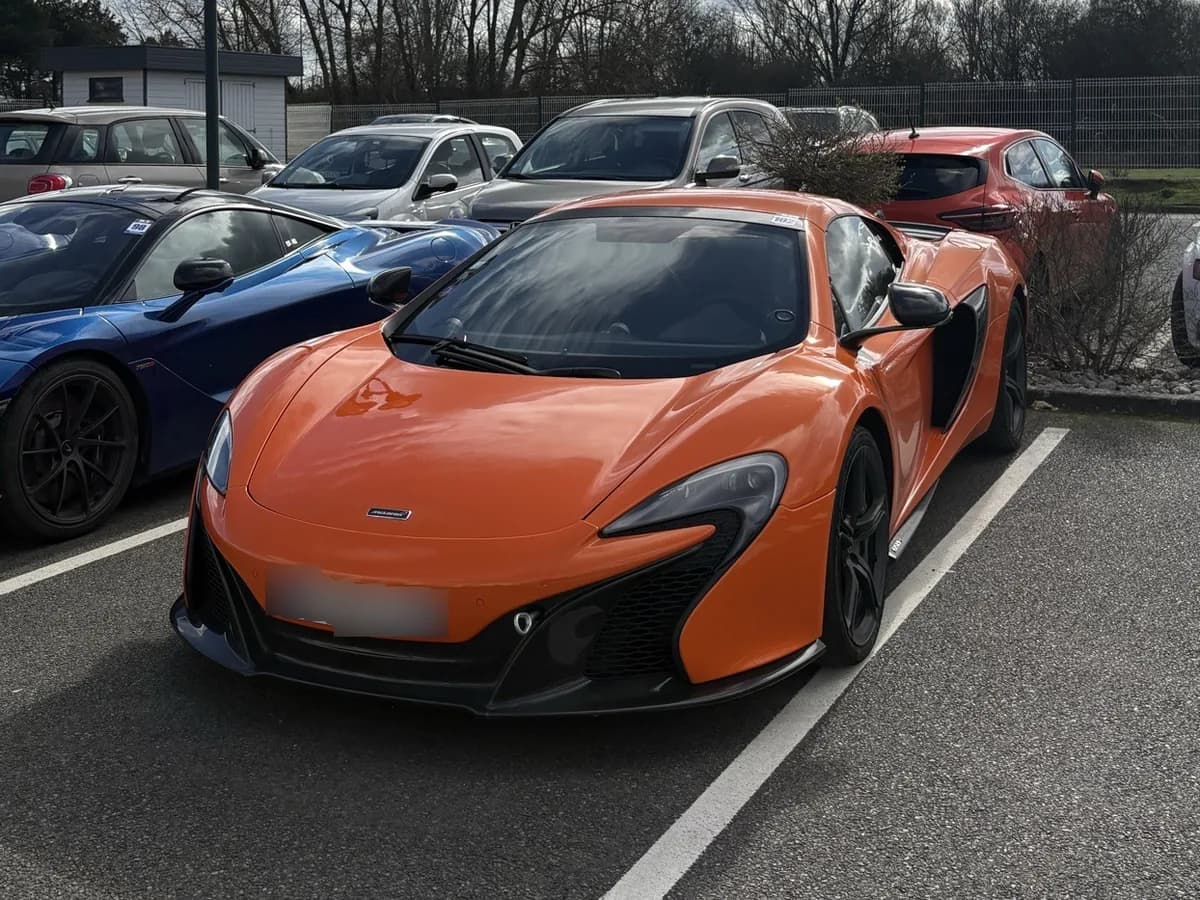
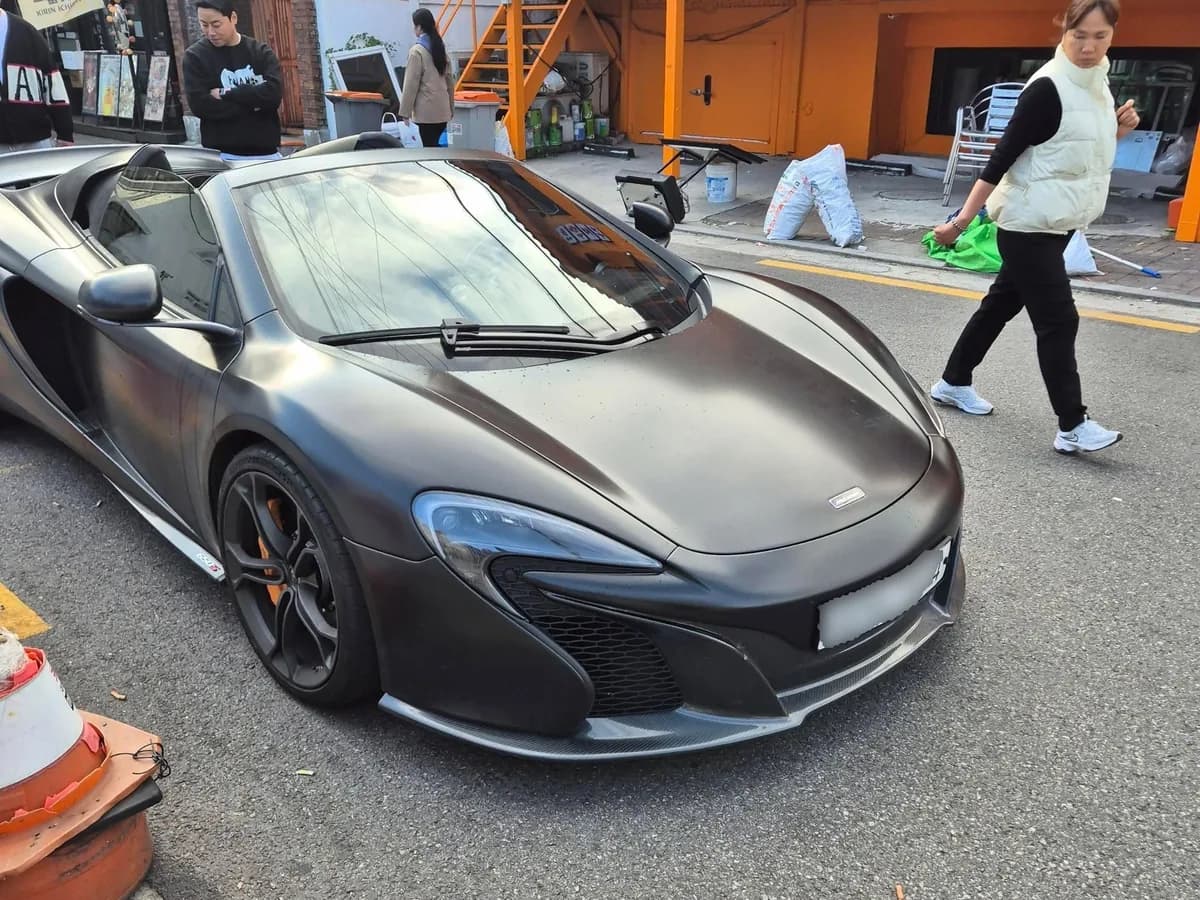
The clearest distinction between the two listed versions is the body style. The 650S Base is the fixed-roof coupe, while the Spider uses a retractable hardtop. Quoted performance remains close: McLaren lists 0–100 km/h in 3.0 seconds for both, but the top speed is 333 km/h for the coupe and 329 km/h for the Spider. The published minimum dry weight is also higher for the Spider, at 1,341 kg compared with 1,330 kg for the coupe. Both versions use the 3,799cc twin-turbocharged V8, with 650 PS, 678 Nm of torque and a seven-speed dual-clutch transmission. Small differences in published figures can result from equipment, testing method or market specification, so they should not be read as evidence of a different engine between Base and Spider.
Photo recognition
The 650S is most easily identified by its distinctive front end, whose headlights and bumper treatment visually echo the McLaren P1. This is the strongest clue when separating it from a 12C, which has a rounder and less aggressive front design. Carbon-fibre door blades, revised side intakes and the reshaped front bumper provide additional evidence, although individual details may vary with optional equipment. To distinguish the coupe from the Spider, inspect the roof. The coupe has a fixed roof, while the Spider uses a retractable hardtop and related rear bodywork. An open-top appearance alone is not enough to confirm a 650S Spider because the 12C Spider has a broadly similar profile. Identification should therefore combine the retractable roof with the P1-influenced nose, characteristic headlights and 650S-specific exterior details. Wheels, paint colours and visible carbon-fibre parts are weaker clues because they could depend on the original specification or later options.
Important versions
Within the supplied ScanRacer context, the 2014 range contains two entries: Base and Spider. Base refers to the fixed-roof coupe, the lighter configuration and the one with the higher quoted top speed. The Spider retains the same fundamental powertrain and quoted acceleration, but adds the retractable hardtop and carries more weight. The 650S family also produced rarer derivatives, including the 650S Can-Am Spider developed by McLaren Special Operations and limited to 50 examples worldwide. That edition is distinct from the two general variants listed here. The 675LT also belongs to the same technical lineage, but its more focused and lightweight character makes it more appropriate to treat it as a separate derivative rather than as a standard 650S trim.
References
- McLaren 650S Coupe – SpecificationMcLaren Automotive
- McLaren 650S Spider – Overview and SpecificationMcLaren Automotive
- 2015 McLaren 650S First Drive: Potential RealizedCar and Driver
- Used McLaren 650S Spider ReviewAutocar
- McLaren 650S ReviewHonest John
- McLaren 650S Can-Am Spider EditionMcLaren Automotive
- https://images.cdn.autocar.co.uk/car-review/mclaren/650s-spider-2014-2016images.cdn.autocar.co.uk
- https://www.autoexpress.co.uk/mclaren/650sautoexpress.co.uk
Frequently asked questions
- What years was the McLaren 650S produced?
- ScanRacer's referenced versions cover 2014.
- How many McLaren 650S examples are documented on ScanRacer?
- 7 published scans from 7 members, with the latest photo added in September 2026.