
Lamborghini
Founded by Ferruccio Lamborghini in Sant’Agata Bolognese on May 7, 1963, Automobili Lamborghini built its identity around an uncompromising interpretation of the sports car. Production of the 350 GT began in 1964, establishing the brand’s early formula with a sophisticated V12. Two years later, the Miura changed the layout and image of high-performance road cars through its transversely mounted mid-engine, while the Countach later made sharply angular design one of Lamborghini’s defining signatures. From the Diablo and Murciélago to the Gallardo and Urus, the company expanded its reach while retaining a recognizable combination of dramatic proportions, powerful engines and theatrical styling. The models represented span more than six decades, from the 350GT and 400GT to limited-production specials and newer electrified performance cars. Together, they show how Lamborghini repeatedly revised its technology and market reach without losing its visual and mechanical character. (lamborghini.com)
Models from A to Z
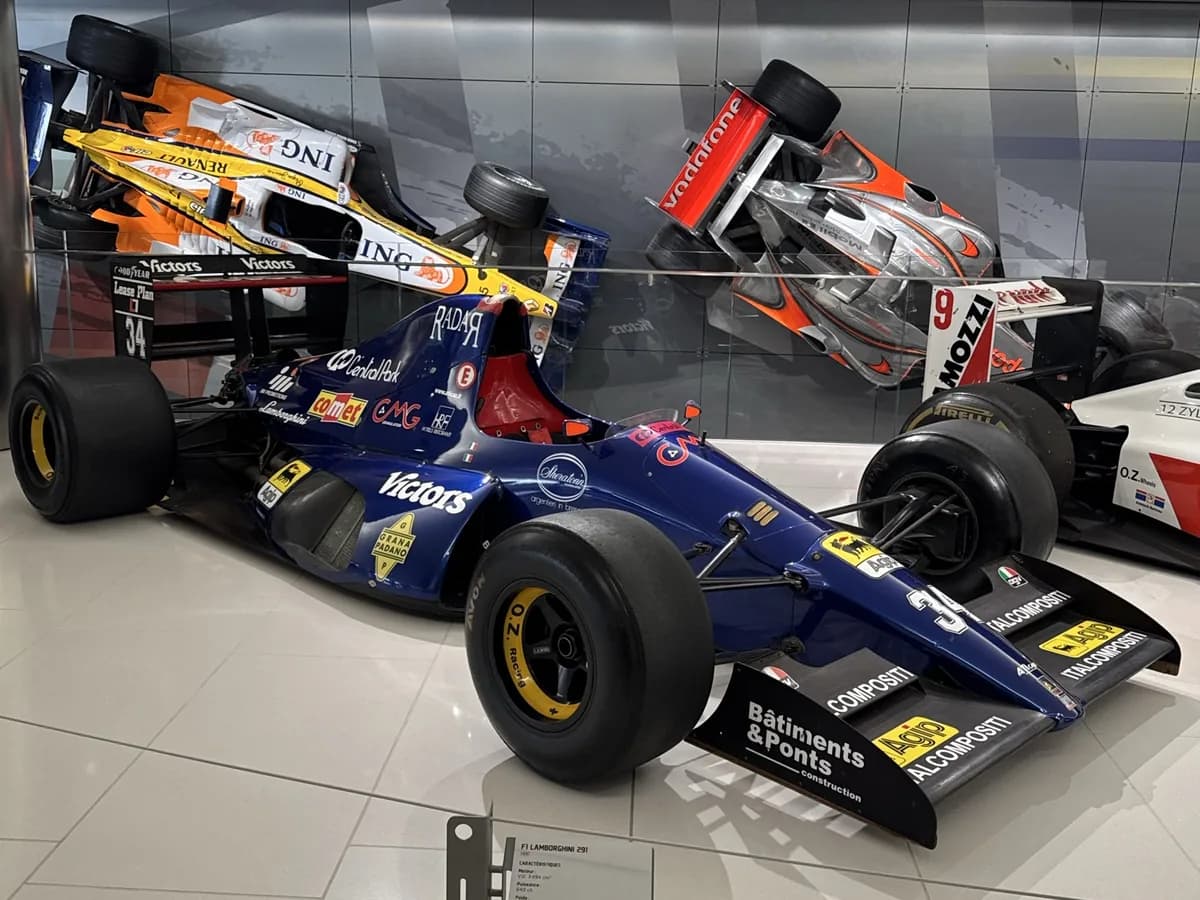
291

350GT

400GT
5-95 Zagato

Aventador

Centenario
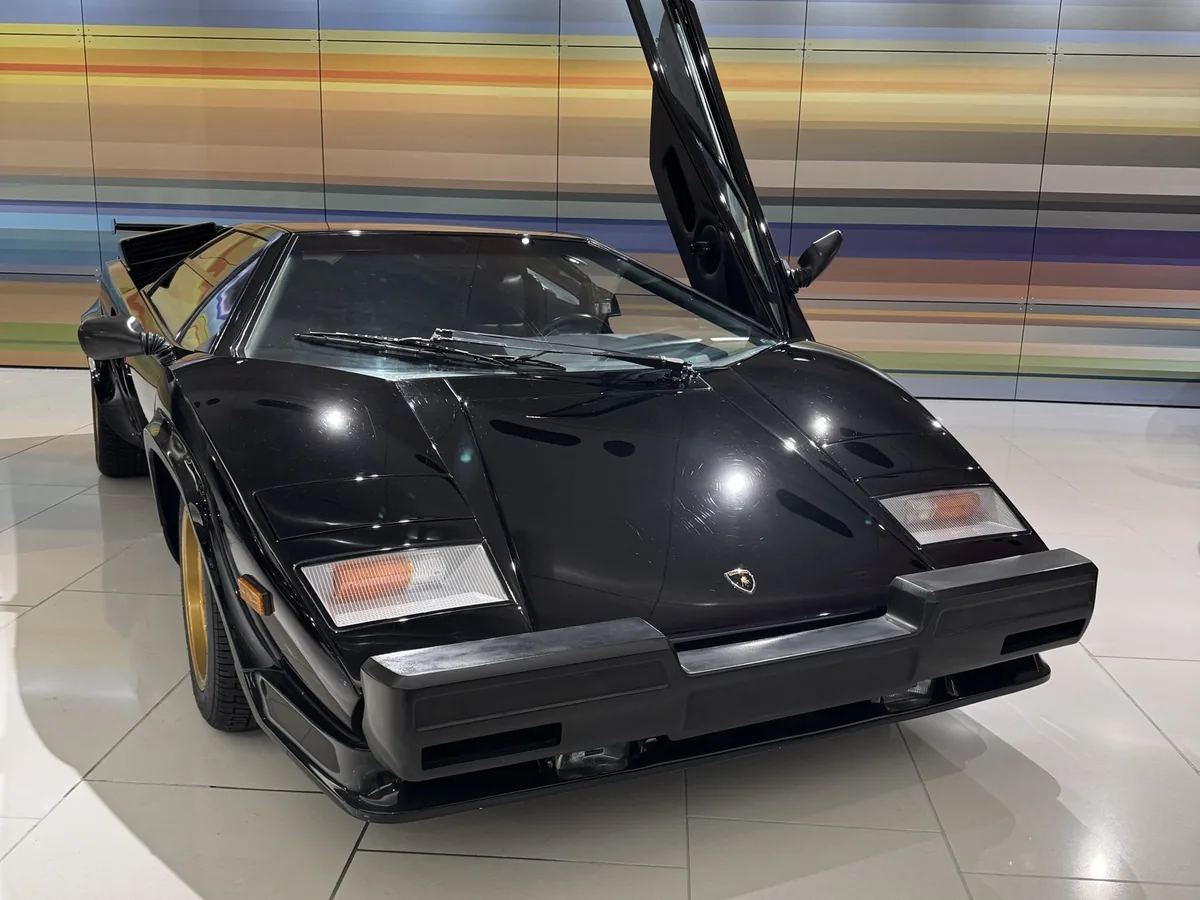
Countach

Diablo

Espada

Essenza SCV12
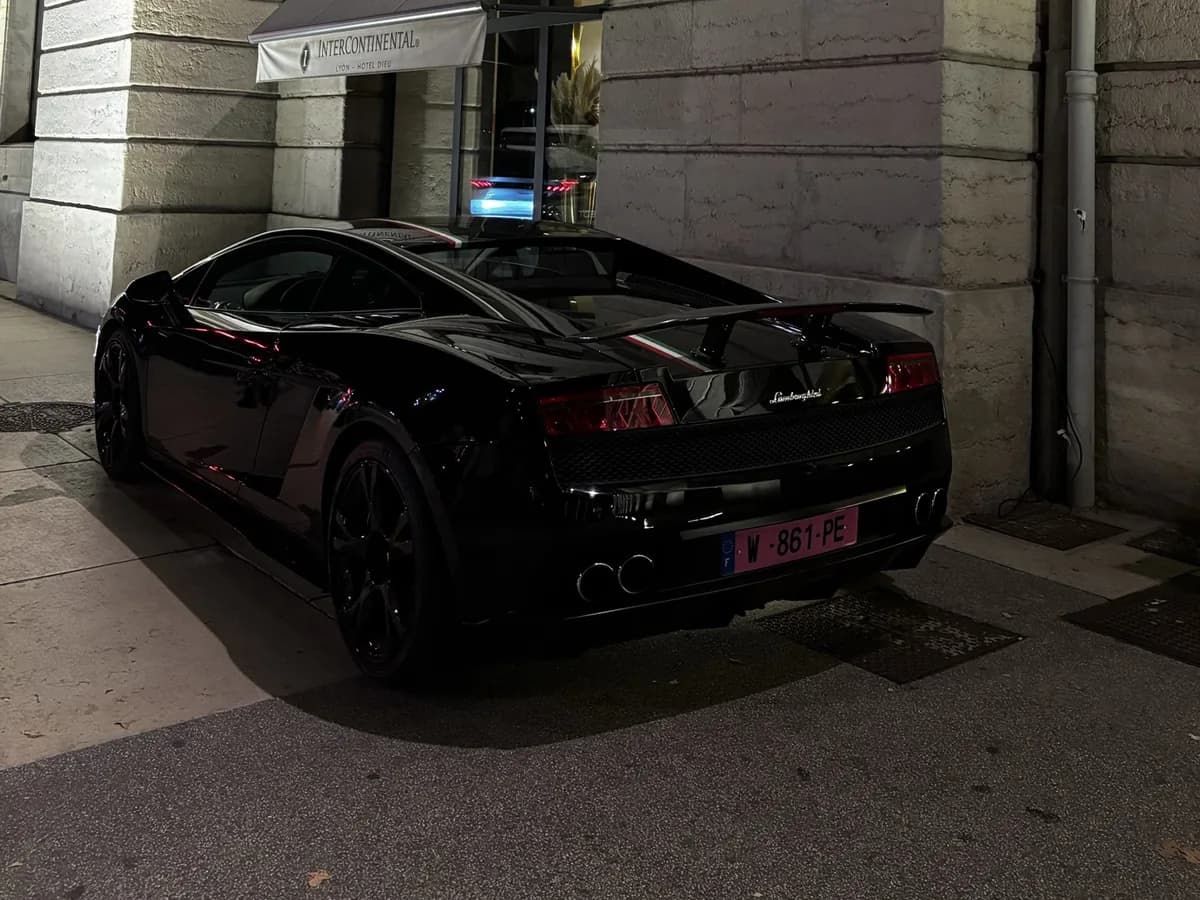
Gallardo

Huracán

Islero
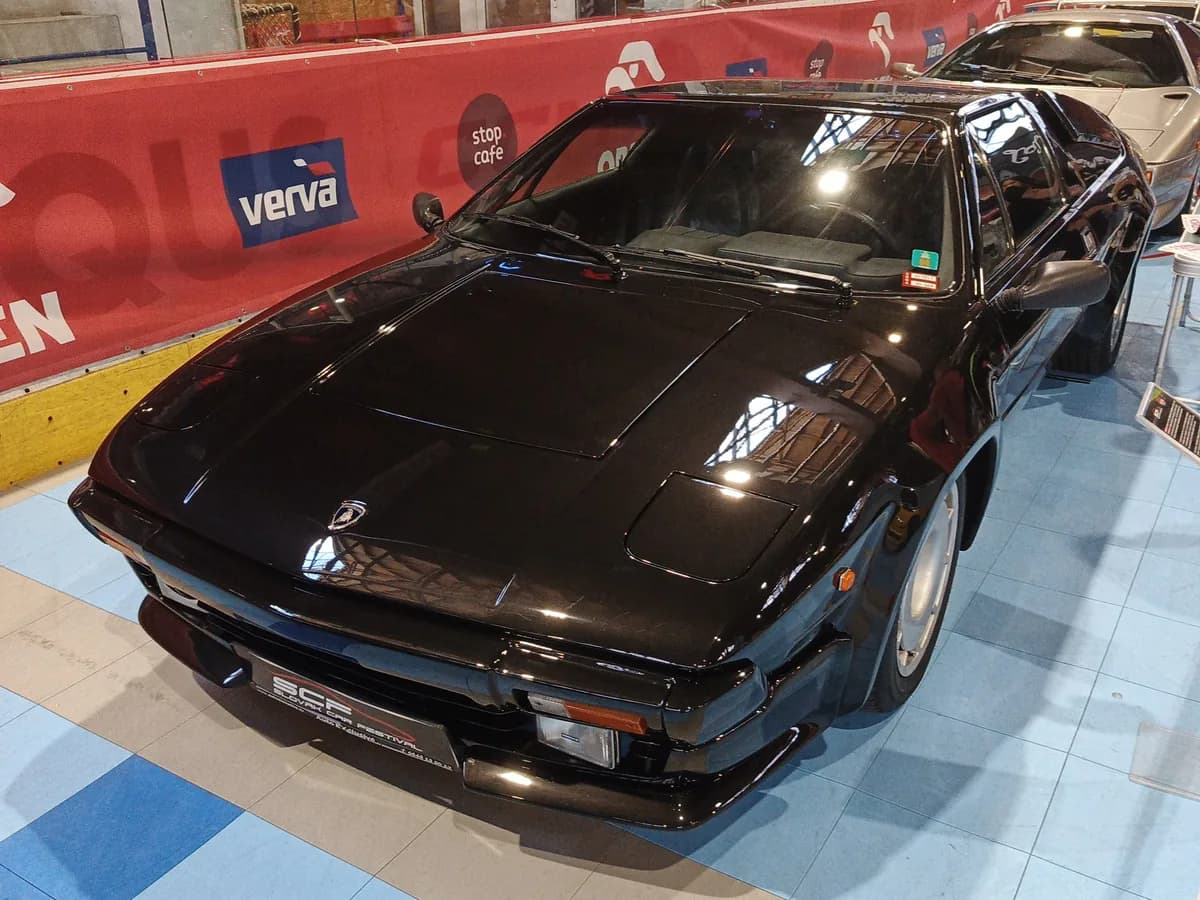
Jalpa
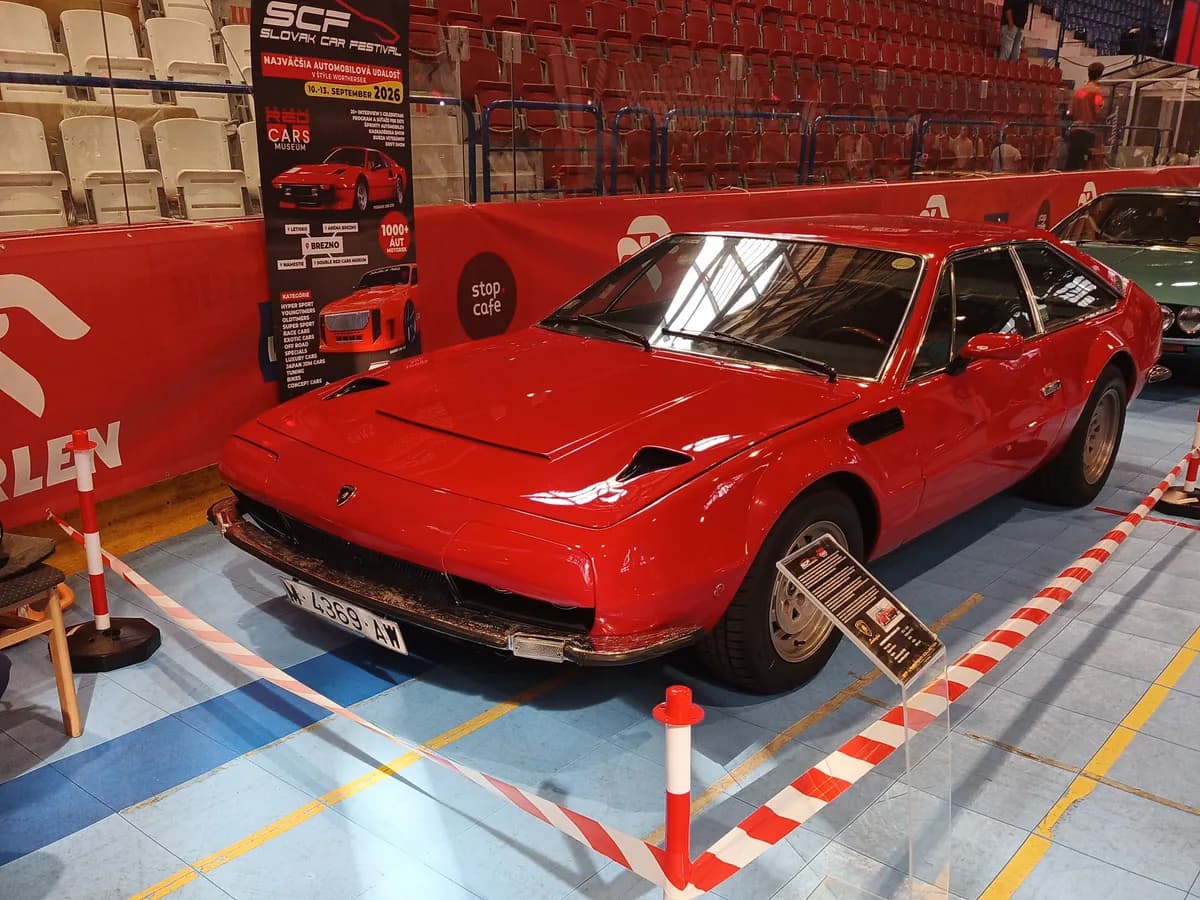
Jarama
LM-002
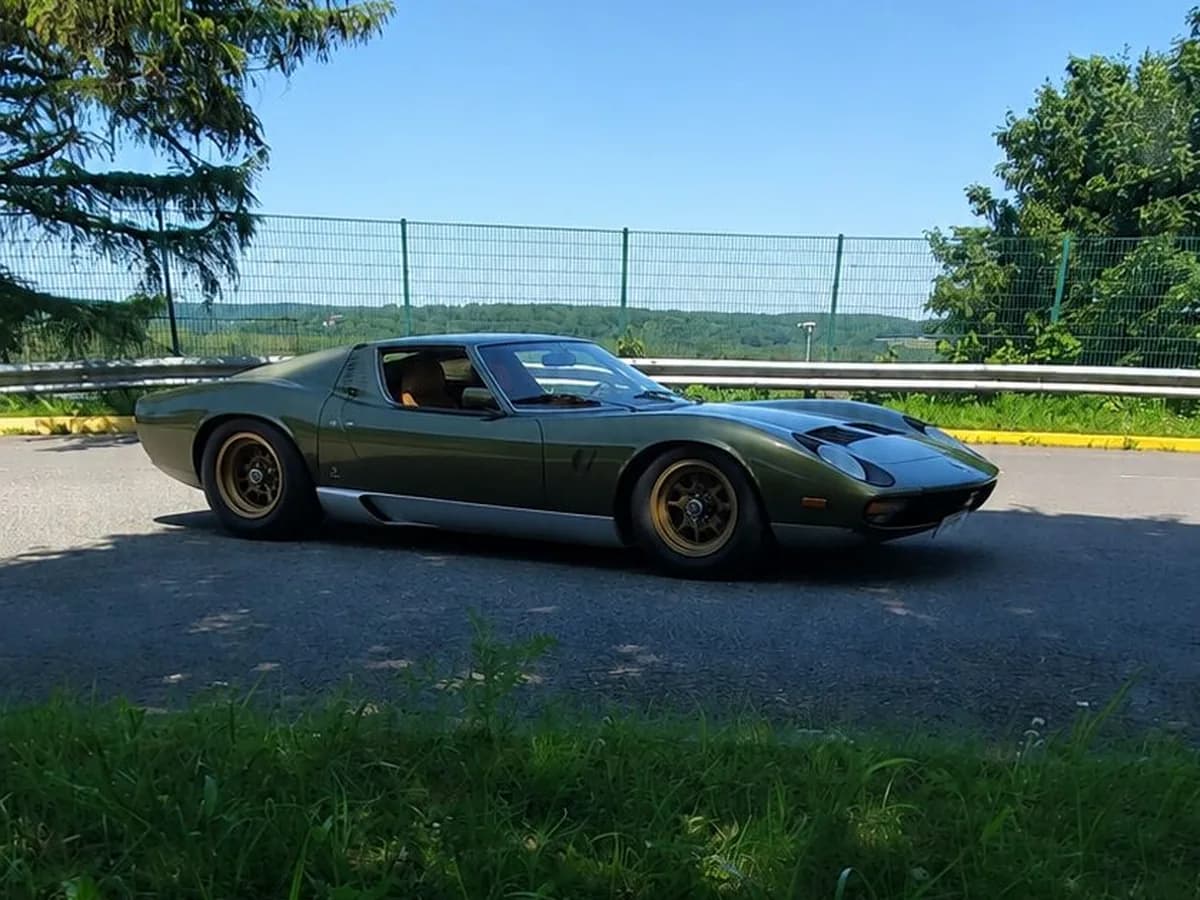
Miura

Murciélago
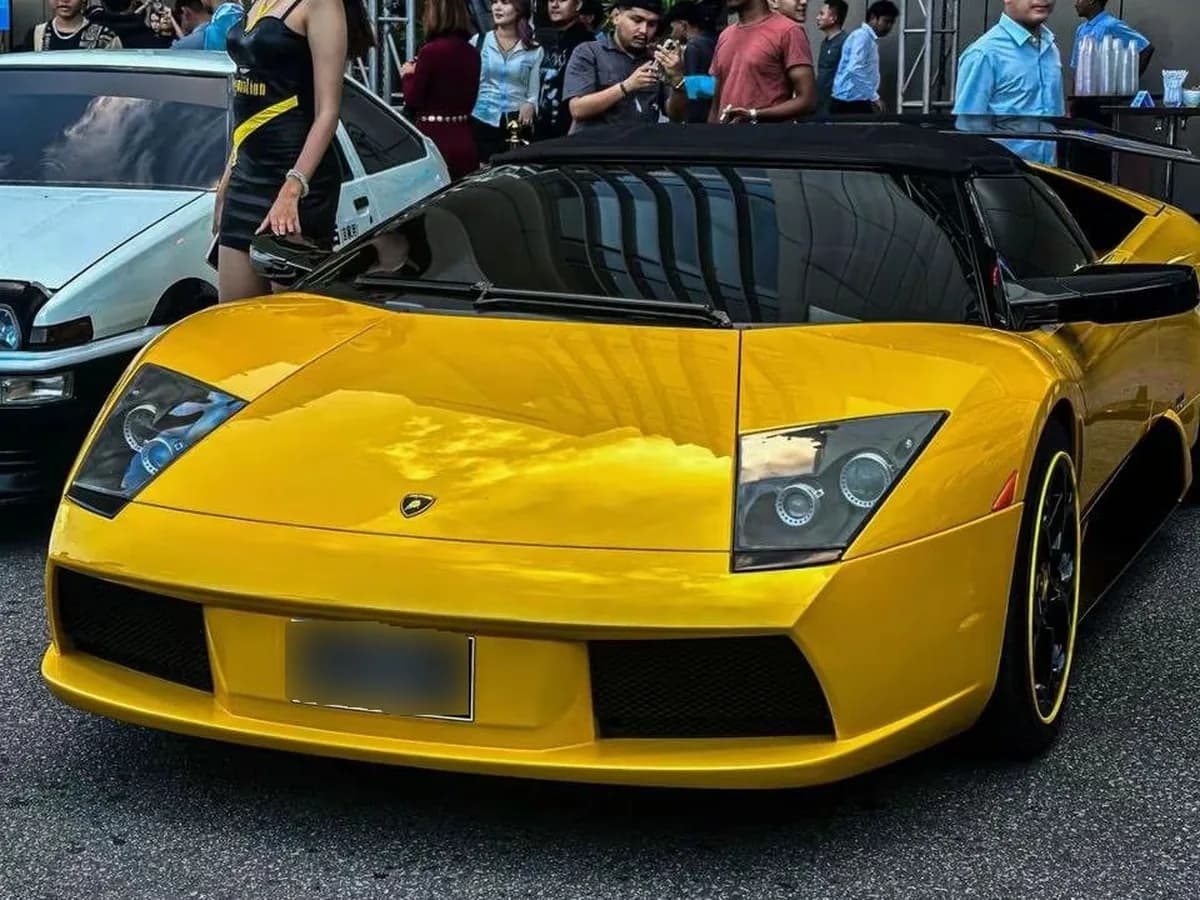
Murcielago roadster
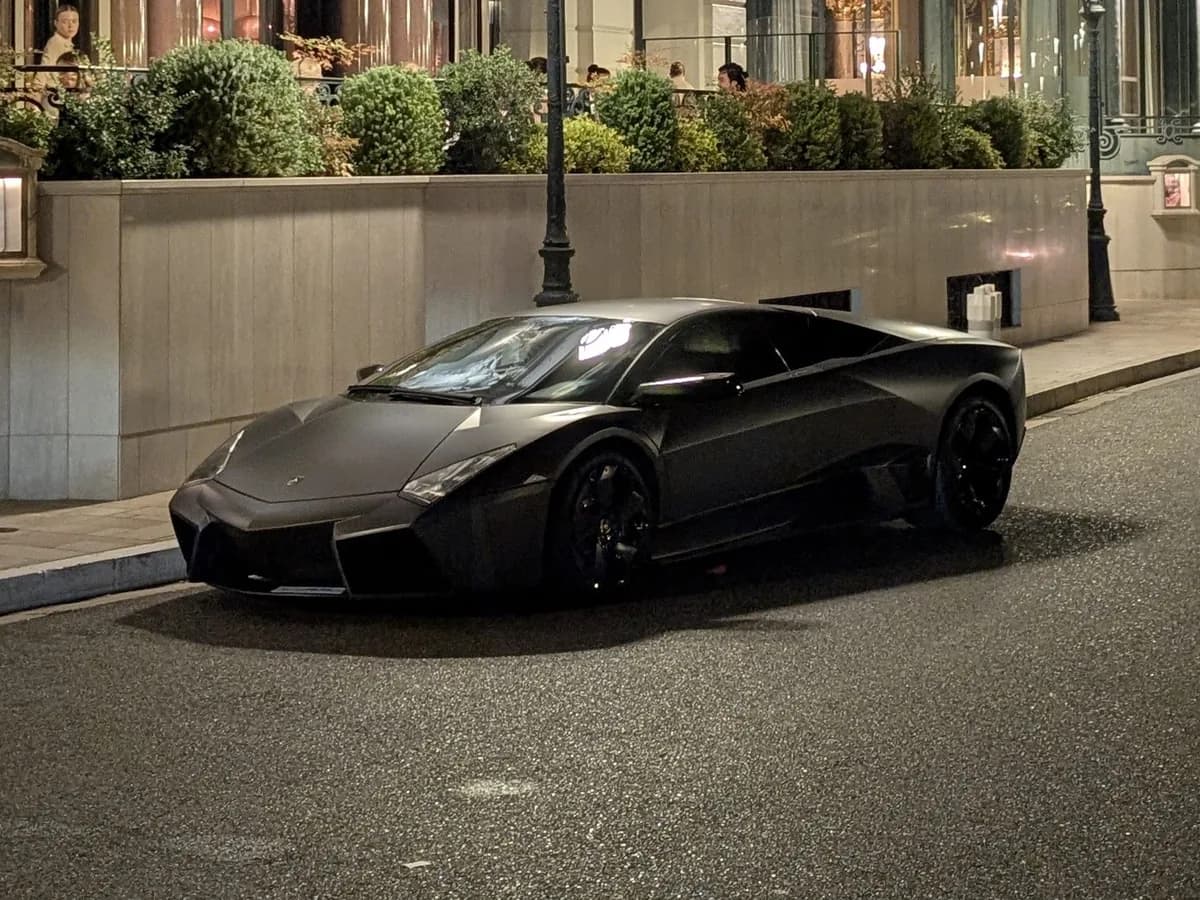
Reventón

Revuelto

Sián
Silhouette

Temerario
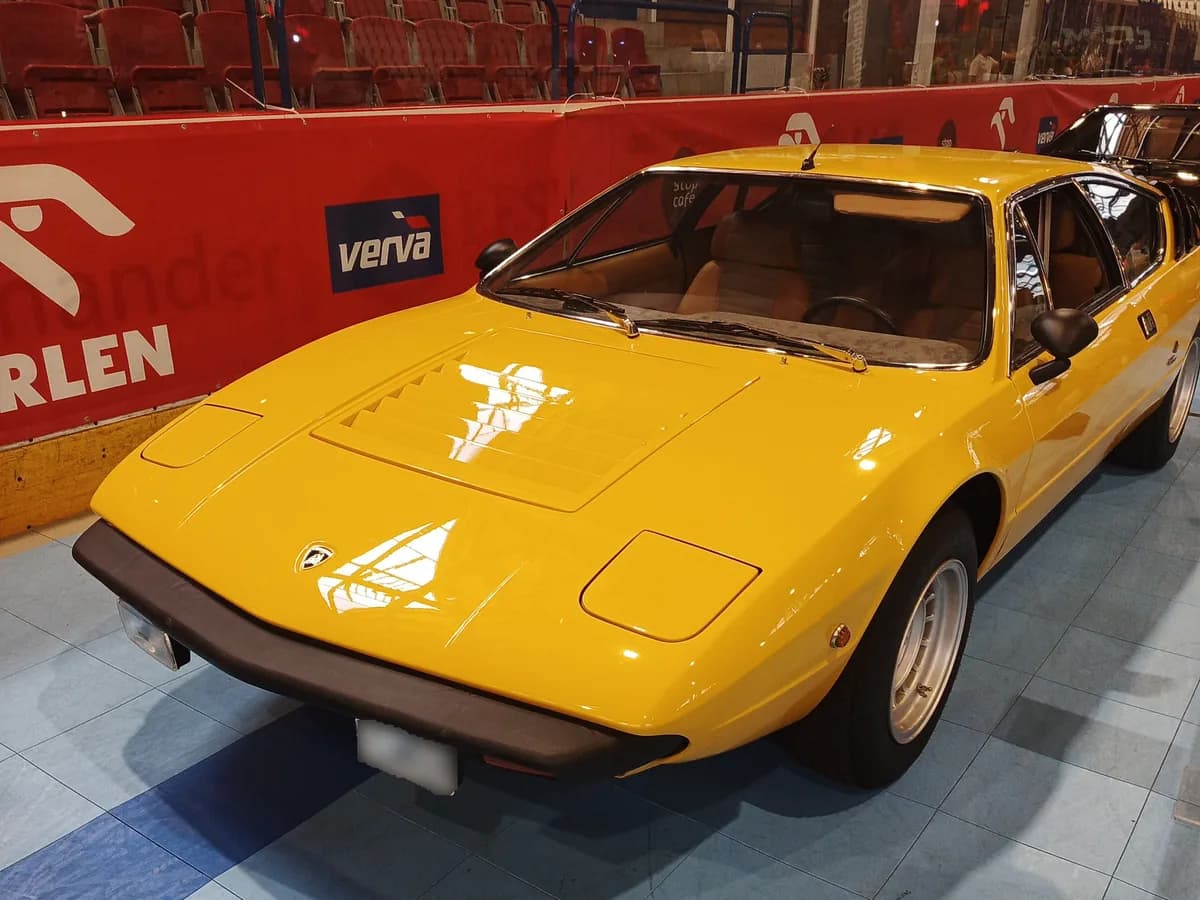
Urraco
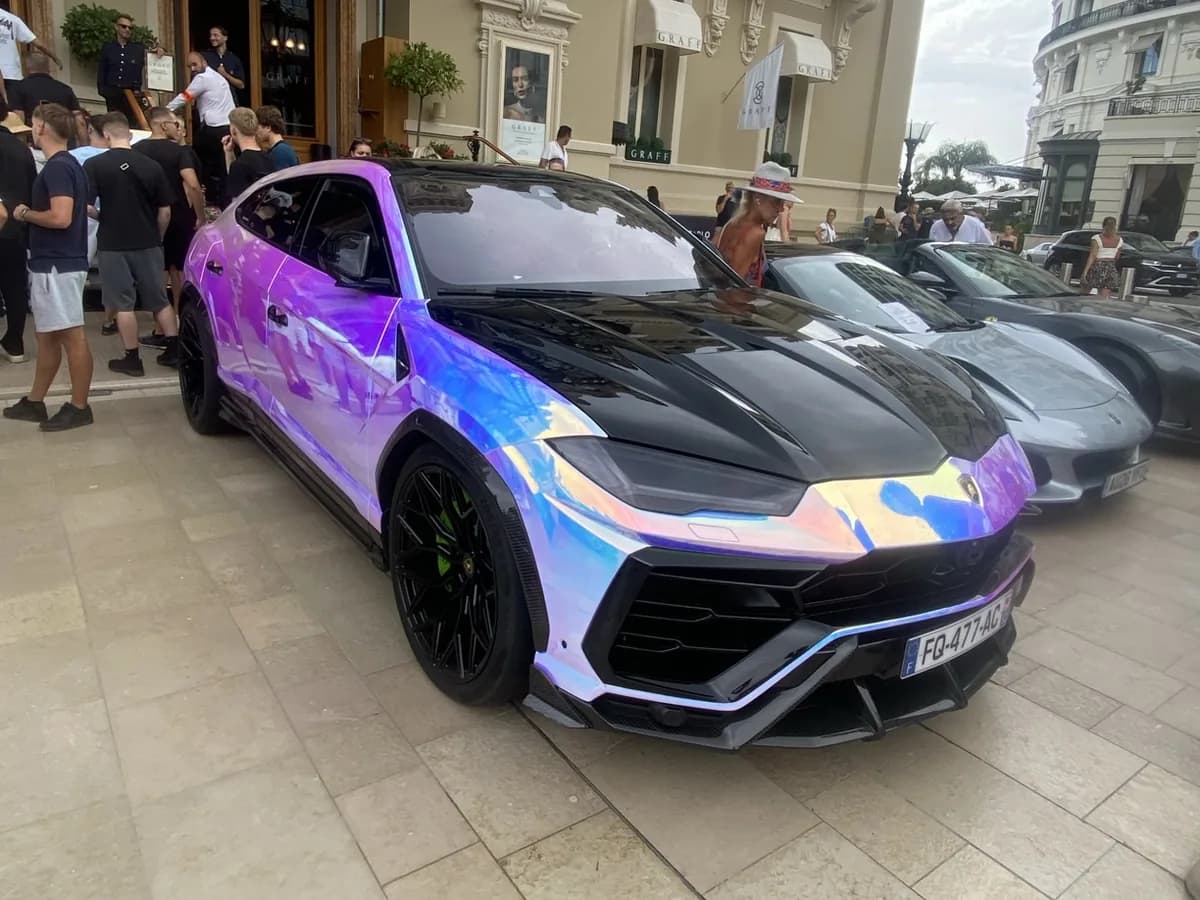
Urus
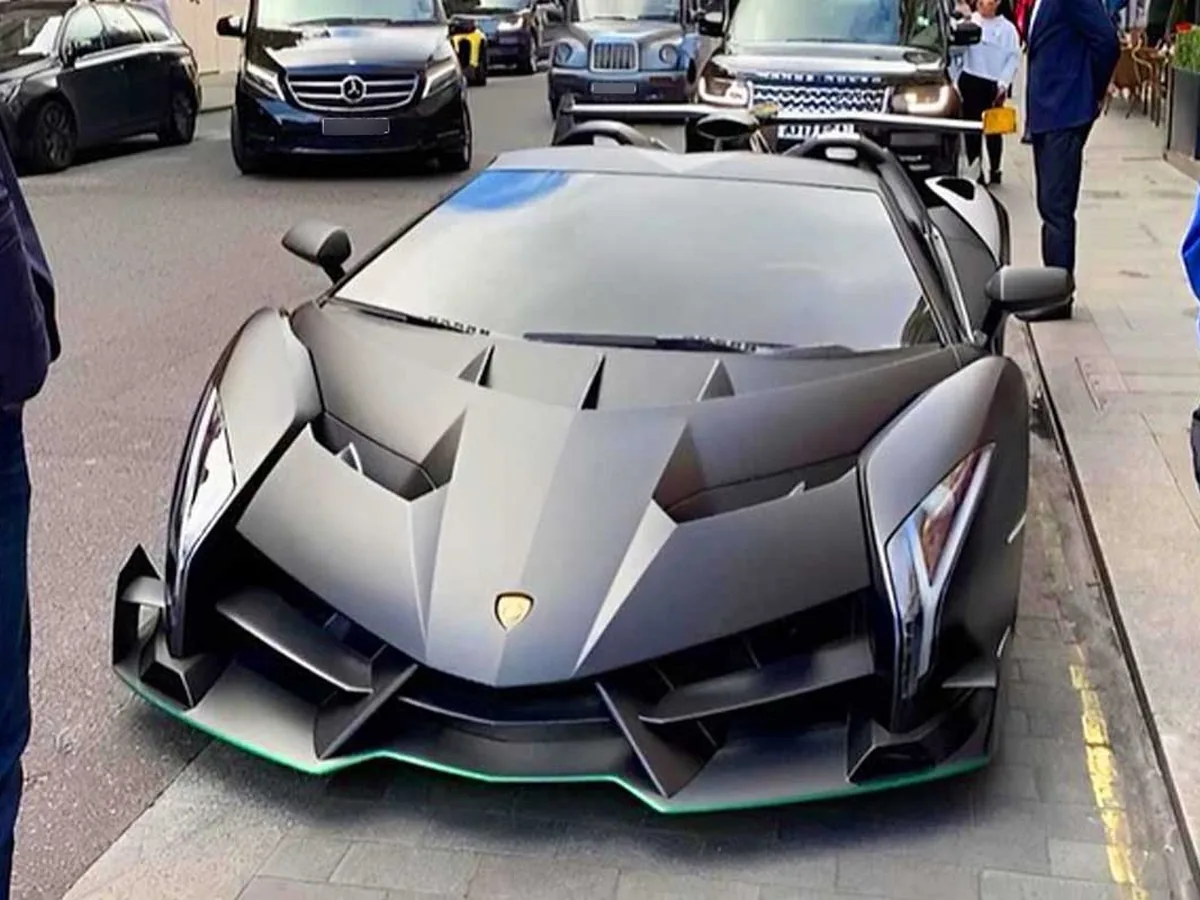
Veneno

Vision Gran Turismo
Lamborghini overview
Lamborghini history
Lamborghini presented its first prototype, the 350 GTV, at the Turin Motor Show in 1963. The 350 GT followed in 1964 as the company’s first production car. It was joined by the 400 GT, Espada and Islero, establishing Lamborghini as an Italian maker of sophisticated grand tourers and V12 sports cars. (lamborghini.com) The Miura, unveiled in Geneva in 1966, represented a decisive change in direction. Its transversely mounted V12 behind the cabin and Bertone bodywork helped define the modern supercar concept. The Countach LP500 prototype, shown in 1971, took the visual break even further before entering production as the LP400 in 1973. During the following decade, Lamborghini added the V8-powered Urraco, Silhouette and Jalpa, while the Countach developed through the S, 5000S and Quattrovalvole versions. (lamborghini.com) In 1986, the LM002 brought Lamborghini’s V12 and performance philosophy to a luxury off-road vehicle, creating a clear ancestor to the Urus. The Diablo replaced the Countach in 1990, followed in the modern era by the Murciélago, Gallardo, Aventador, Huracán and Urus. The Aventador was particularly significant for its in-house-developed carbon-fiber monocoque. Since 2023, Lamborghini has entered a new phase with high-performance hybrid vehicles, including the Revuelto, while continuing to use design and engineering as central parts of its identity. (lamborghini.com)
Lamborghini positioning
Lamborghini occupies the high-end sports-car and supercar segment, with particular emphasis on visual drama and mechanical performance. The company has not relied on a single formula: its history includes V8 and V12 engines, front-, mid- and rear-engine layouts, coupes, roadsters and four-wheel-drive vehicles. These variations are connected by a consistent design language built around sharp surfaces, low proportions and highly expressive interpretations of aerodynamics. (lamborghini.com) The LM002 and later Urus also demonstrate how Lamborghini adapted its character to a raised body style without treating it as an ordinary utility vehicle. The Urus broadened the brand’s commercial reach, while cars such as the Reventón, Sián and Veneno represent a more exclusive strategy based on very limited production. Lamborghini’s move toward hybridization, represented by the Revuelto and newer generations, is intended to evolve the underlying technology while retaining the performance focus and emotional character associated with the marque. (lamborghini.com)
Recognizing a Lamborghini in a photo
Identifying a Lamborghini usually begins with its proportions and surface treatment. Miura models have a low mid-engine silhouette and distinctive details such as the characteristic headlamp surrounds. The Countach is recognized by its sharply angular profile, scissor doors and pronounced side intakes. The Diablo retains the dramatic wedge shape but uses rounder volumes, while the Murciélago has a broader body, large air openings and a more substantial visual stance. (lamborghini.com) The Gallardo and Huracán are more compact than Lamborghini’s flagship V12 cars and can often be identified by their side intakes and crisp, geometric lines. The Aventador is especially notable for its scissor doors, heavily sculpted surfaces and carbon-fiber structure. The Urus carries several Lamborghini cues in an SUV body, whereas the LM002 has a much more utilitarian, off-road appearance. These features provide useful clues, but model years, trim levels and limited editions can substantially change exterior details, so badges, wheel designs and rear lighting should also be checked before assigning a precise variant. (lamborghini.com)
Important Lamborghini models
The 350GT marks the beginning of Lamborghini production and showed, from 1964, the company’s ambition to challenge established grand-tourer manufacturers. The Countach later became one of the most recognizable design statements of the 1970s and 1980s, while the Diablo carried that tradition into the 1990s with a 5.7-liter V12 and a claimed top speed above 320 km/h. (lamborghini.com) The Murciélago represents Lamborghini’s return to a modern flagship V12 supercar, while the Gallardo and Huracán occupied a more accessible position within the range and helped broaden the brand’s reach. The Aventador renewed the flagship formula with a carbon-fiber monocoque. The Urus serves a different role by applying Lamborghini performance and styling to the SUV category, following the conceptual path opened by the LM002. The Reventón, Sián and Veneno demonstrate another side of the company: limited-production cars created around particularly exclusive design themes or technical ideas. (lamborghini.com)
References
- History | LamborghiniAutomobili Lamborghini
- Milestones | LamborghiniAutomobili Lamborghini
- 60 years of Lamborghini historyAutomobili Lamborghini
- Lamborghini History: Countach and LM 002Automobili Lamborghini
- 60 years of history, 60 years of the Lamborghini factoryAutomobili Lamborghini
- CompanyAutomobili Lamborghini
- Lamborghini Miura: the history of the first standard production supercarAutomobili Lamborghini
- https://www.lamborghini.com/en-en/news/lamborghini-miura-born-incomparablelamborghini.com