
Countach
First shown as a prototype at the Geneva Motor Show in March 1971, the Lamborghini Countach changed the visual language of the performance car. Its wedge-shaped profile, extremely low cabin and vertically opening doors, designed by Marcello Gandini, had a lasting influence on automotive styling. Production of the LP400 began in 1974, followed by a series of updates affecting the bodywork, wheels, engine and aerodynamic details. The classic range continued until 1990 through the LP400, LP400 S, 5000 S, 5000 Quattrovalvole and 25th Anniversary versions. In 2021, the Countach name returned on the LPI 800-4, a 112-car limited series pairing a naturally aspirated V12 with electric assistance. (lamborghini.com)
What about the car you photographed?
Upload a photo to get a suggested make, model and likely year.
No account needed for the result · Publish only if you choose
Variants by year
Make: Lamborghini · Model: Countach
5 / 5 versions shown
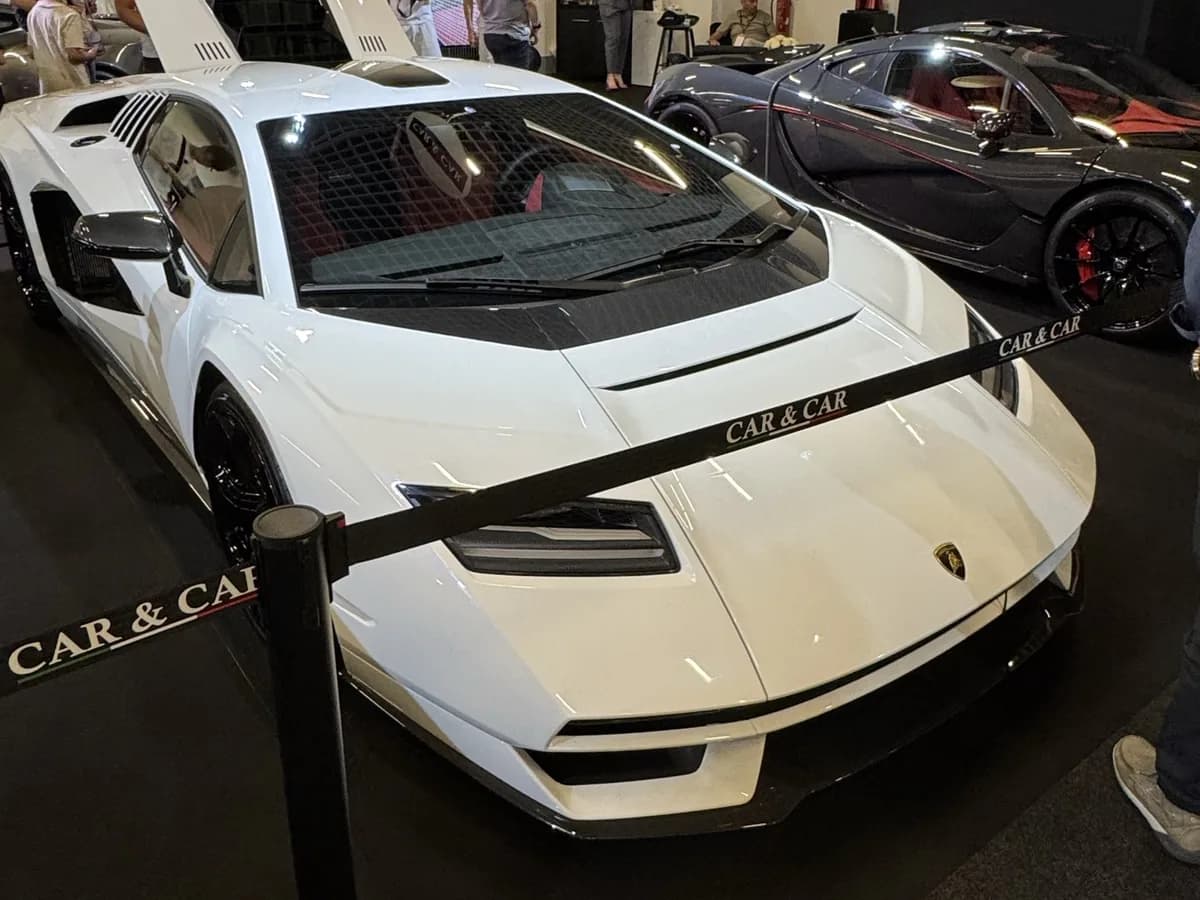
2021
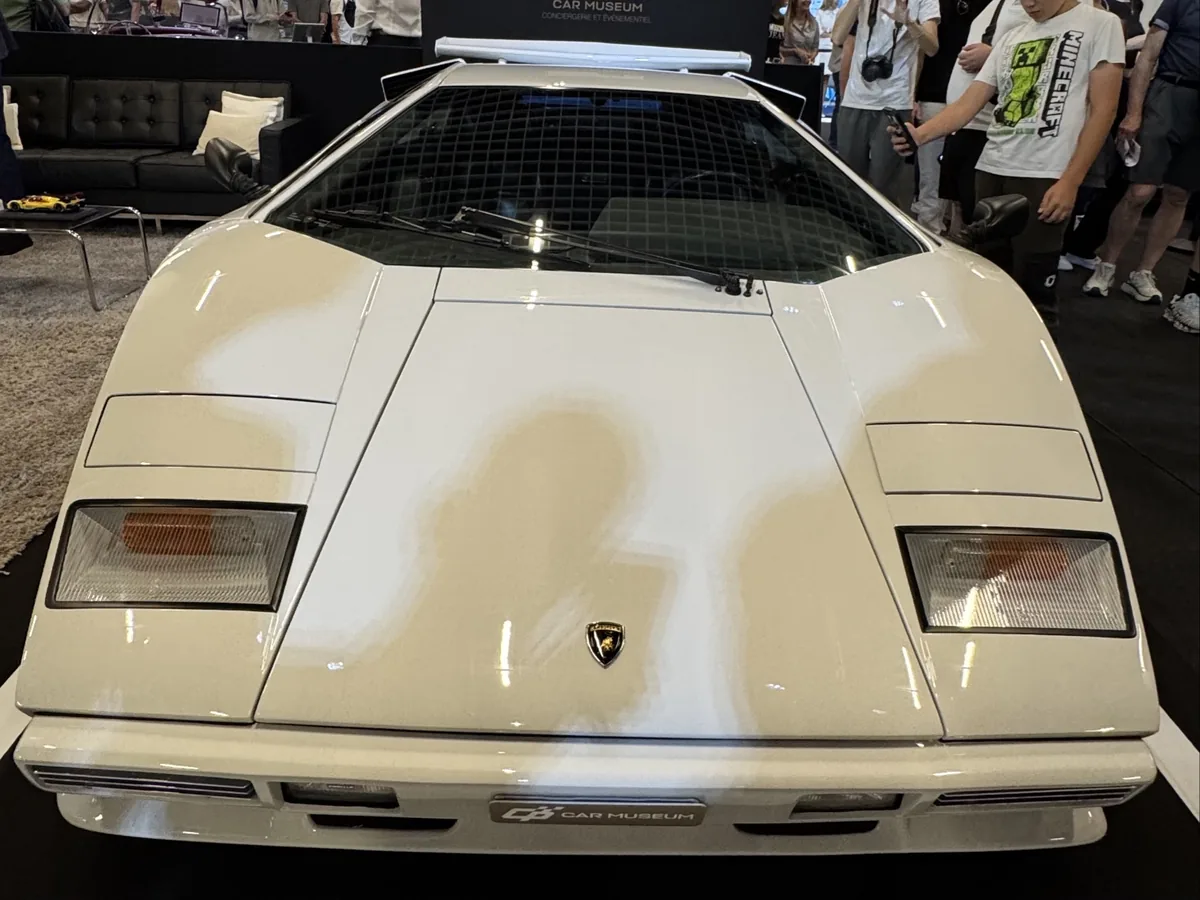
1988

1985
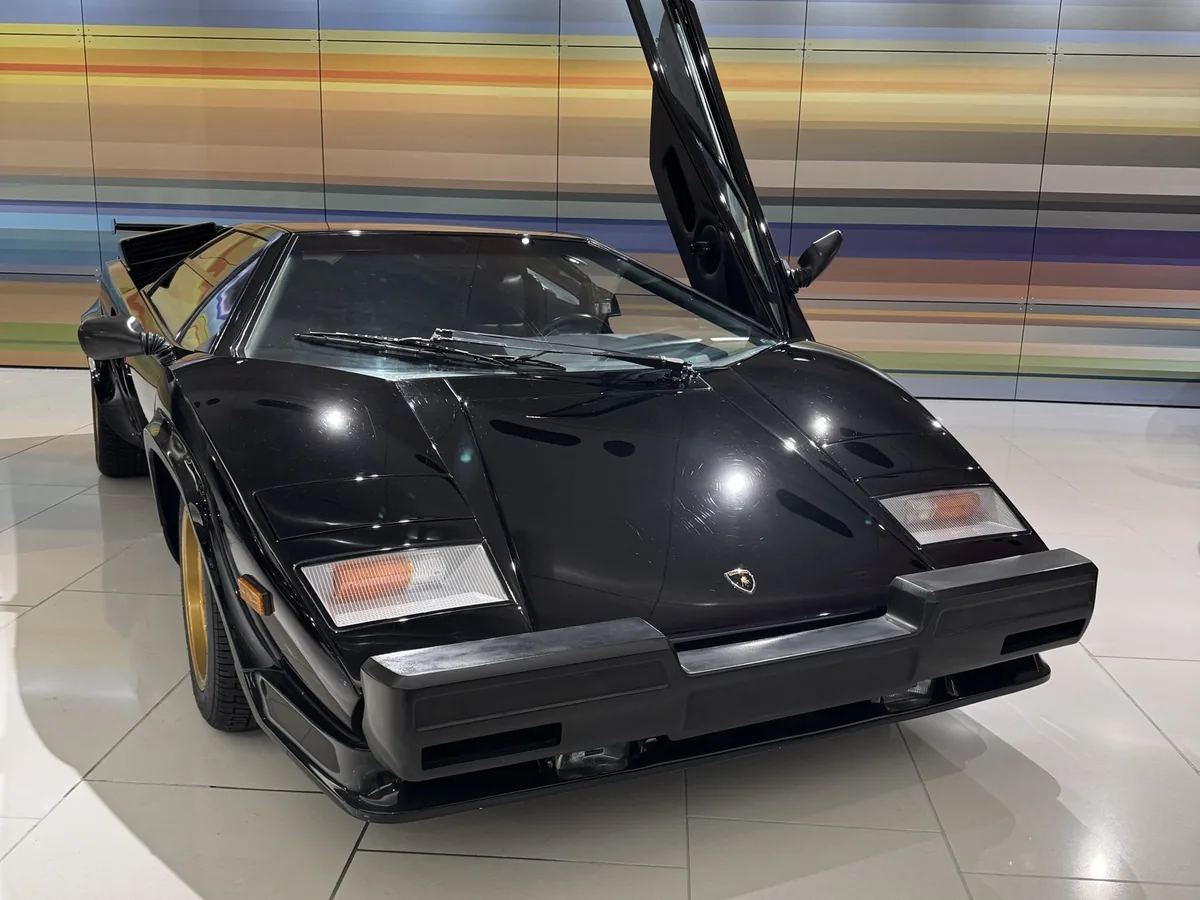
1978
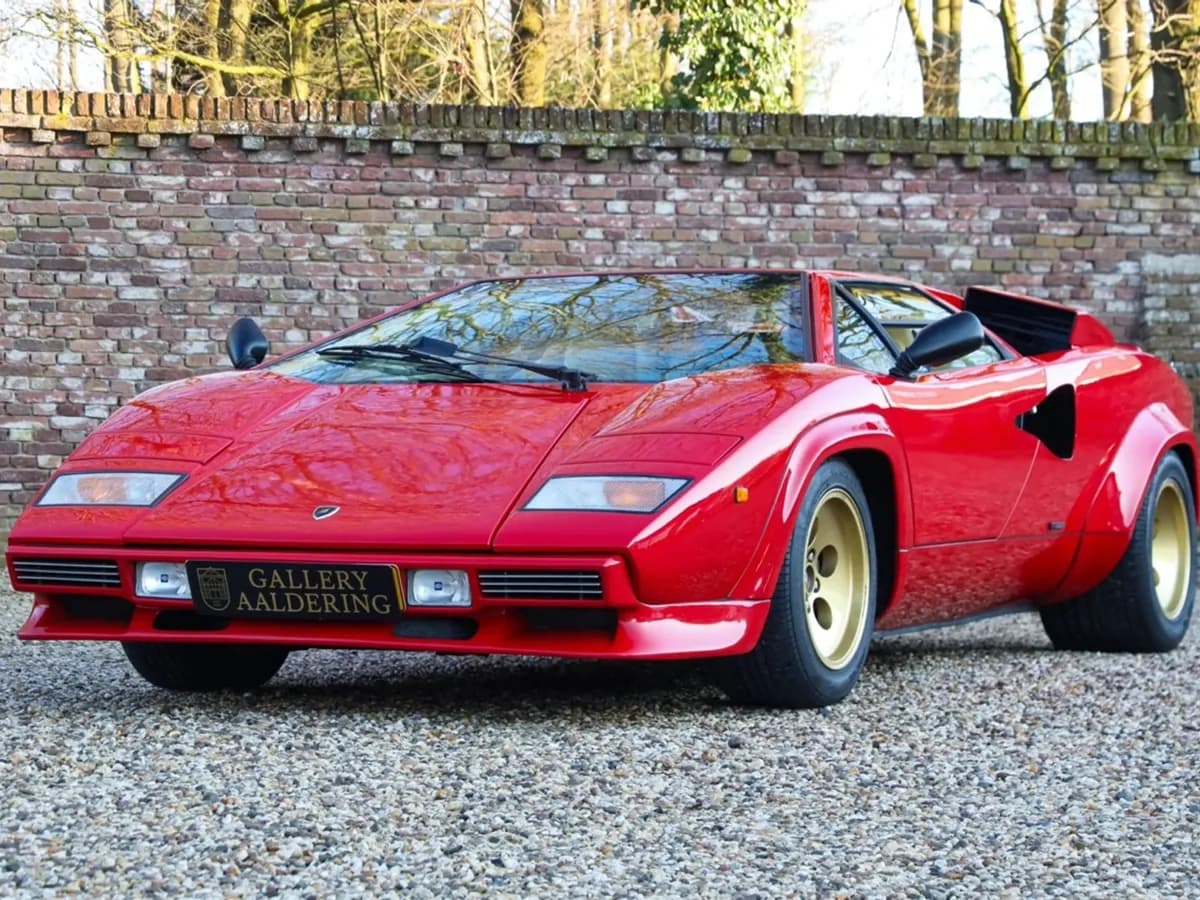
1974
Lamborghini Countach photos
Model summary
Data from the ScanRacer library, organized to compare versions quickly.
Model introduction
First shown as a prototype at the Geneva Motor Show in March 1971, the Lamborghini Countach changed the visual language of the performance car. Its wedge-shaped profile, extremely low cabin and vertically opening doors, designed by Marcello Gandini, had a lasting influence on automotive styling. Production of the LP400 began in 1974, followed by a series of updates affecting the bodywork, wheels, engine and aerodynamic details. The classic range continued until 1990 through the LP400, LP400 S, 5000 S, 5000 Quattrovalvole and 25th Anniversary versions. In 2021, the Countach name returned on the LPI 800-4, a 112-car limited series pairing a naturally aspirated V12 with electric assistance. (lamborghini.com)
History
The Countach project appeared in 1971 as a Bertone study designed by Marcello Gandini. Three years of technical development and road testing followed before the LP400 entered production in 1974. This first version had a relatively clean body without extended wheel arches, along with a central roof recess for the interior mirror that led to the “periscopio” nickname. Lamborghini built 152 examples between 1974 and 1978. The LP400 S arrived in 1978. Developed from a special Countach commissioned for Walter Wolf, it introduced wider Pirelli tyres, extended wheel arches, so-called “telephone dial” wheels and an aerodynamic element beneath the front end. The 5000 S of 1982 retained a similar appearance but increased the V12’s displacement to 4.8 litres. In 1985, the 5000 Quattrovalvole moved to 5.2 litres and four valves per cylinder. The final classic version, the 25th Anniversary, was produced from 1988 to 1990 and brought major revisions to the aerodynamic attachments, along with selected carbon-fibre body panels. (lamborghini.com)
Generations
The classic Countach is best understood as one heavily revised model line rather than several separate generations. The LP400 established the technical and styling basis from 1974 to 1978. It is the cleanest-looking version, with narrow bodywork and the “periscopio” roof recess on early cars. The LP400 S introduced the more dramatic visual language associated with the Countach from 1978 onward: wider tyres, extended wheel arches and the option of a rear wing. The 5000 S, launched in 1982, focused mainly on mechanical development, using a larger-displacement V12. The 1985 5000 Quattrovalvole represented a major step, with a 5.2-litre engine featuring four valves per cylinder. Its raised engine-cover section is an important visual clue. The 25th Anniversary built on that platform with more extensively revised aerodynamic surfaces, reshaped air intakes and selected carbon-fibre panels. The 2021 LPI 800-4 is not simply another historical facelift. It is a modern reinterpretation with all-wheel drive, a 6.5-litre V12, a supercapacitor-based hybrid system and a combined output of 814 CV. (lamborghini.com)
Key differences
The main differences between Countach versions are visible in the bodywork. The LP400 is identified by its narrow wheel arches and “periscopio” roof recess. The LP400 S adds extended arches, low-profile tyres, “telephone dial” wheels and a more prominent front aerodynamic element. The 5000 S keeps broadly similar styling but concentrates on increasing the V12’s displacement to 4.8 litres. The 5000 Quattrovalvole is marked by its raised engine-cover section and a 5.2-litre V12 with four valves per cylinder. The 25th Anniversary uses more integrated aerodynamic surfaces, revised side air intakes and selected carbon-fibre panels. Equipment and exterior details can vary by market and production period, so visual identification alone is not always conclusive. Factory records, chassis information and period documentation remain important when assessing an individual car. (lamborghini.com)
Photo recognition
Identification should begin with the Countach’s overall shape: an extremely low wedge profile, square cabin, steeply raked windscreen and vertically opening doors. Those doors are one of the car’s defining features and were also intended to help the driver see rearward when reversing. The side windows have a distinctive angular outline, while the air intakes behind the doors give the flanks their characteristic structure. An early LP400 looks slimmer, with restrained wheel arches and the roof recess associated with the “periscopio” nickname. An LP400 S or 5000 S will generally show extended wheel arches and “telephone dial” wheels. The 5000 Quattrovalvole can often be recognised by the raised section on its engine cover. The 25th Anniversary has more integrated aerodynamic attachments and model-specific body details. Bumpers, mirrors and equipment may vary by market, however, so one visual feature should not be treated as definitive without supporting documentation. (lamborghini.com)
Important versions
The key historical versions include the 1974 LP400, the first production Countach, followed by the 1978 LP400 S, which introduced the wider visual treatment. The 1982 5000 S and 1985 5000 Quattrovalvole then developed the V12, culminating in a 5.2-litre engine with four valves per cylinder. The 1988 25th Anniversary was the final classic version, with Lamborghini reporting 658 cars built. The 2021 LPI 800-4 is a modern reinterpretation limited to 112 units; its 780-CV V12 works with a 34-CV electric motor for a combined 814 CV. (lamborghini.com)
References
- 50 Years Ago the First Countach in Sant’Agata BologneseAutomobili Lamborghini
- Lamborghini Countach: design that made historyAutomobili Lamborghini
- New Countach LPI 800-4: Future is our legacyAutomobili Lamborghini
- Countach LPI 800-4Automobili Lamborghini
- https://www.lamborghini.com/en-en/news/countach-lpi-800-4-debuts-on-the-roadlamborghini.com
- https://www.lamborghini.com/jp-en/%E3%83%8B%E3%83%A5%E3%83%BC%E3%82%B9/50-years-ago-the-first-countach-in-santagata-bologneselamborghini.com
- https://www.lamborghini.com/en-en/news/lamborghini-history-countach-and-lm-002lamborghini.com
- https://www.lamborghini.com/en-en/news/an-exclusive-customer-experience-for-countach-ownerslamborghini.com
Frequently asked questions
- What years was the Lamborghini Countach produced?
- ScanRacer's referenced versions cover 1974 - 2021.
- How many Lamborghini Countach examples are documented on ScanRacer?
- 22 published scans from 17 members, with the latest photo added in October 2026.
What about the car you photographed?
Upload a photo to get a suggested make, model and likely year.
No account needed for the result · Publish only if you choose