
Gallardo
Introduced in 2003, the Lamborghini Gallardo was a V10-powered sports car that significantly broadened Lamborghini’s customer base in Sant’Agata Bolognese. Its original powertrain used a naturally aspirated 5.0-liter V10 rated at 500 hp, paired with either a six-speed manual gearbox or Lamborghini’s E-gear automated manual transmission, depending on specification. The Gallardo used a mid-mounted engine layout and all-wheel drive in its early forms, while its compact proportions and sharply defined bodywork made it more approachable on the road than Lamborghini’s larger V12 flagships. The coupe launched first, followed by the open-top Spyder during the middle of the decade. Within the ScanRacer coverage, the documented variants are the 2003–2008 coupe and the 2006–2008 Spyder. (lamborghini.com)
What about the car you photographed?
Upload a photo to get a suggested make, model and likely year.
No account needed for the result · Publish only if you choose
Variants by year
Make: Lamborghini · Model: Gallardo
5 / 5 versions shown
2009
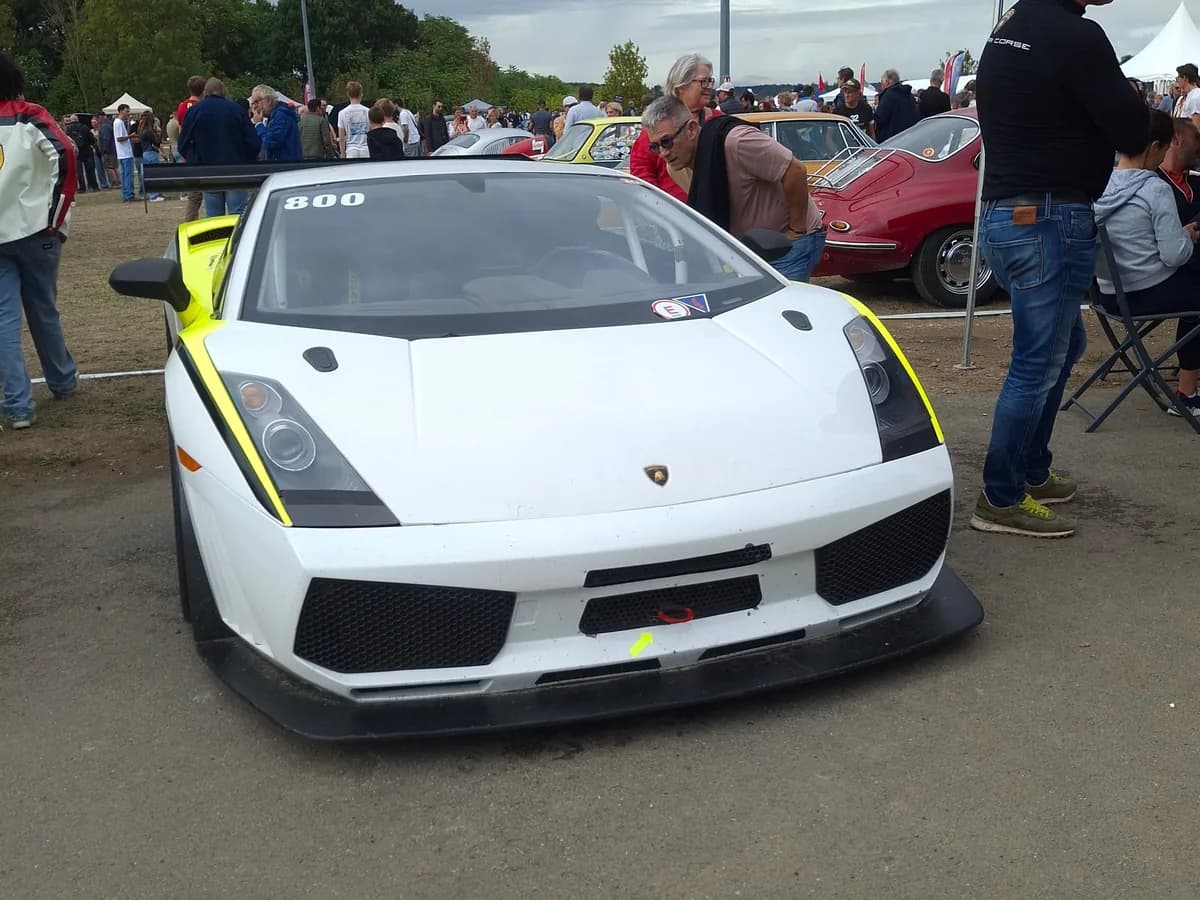
2008
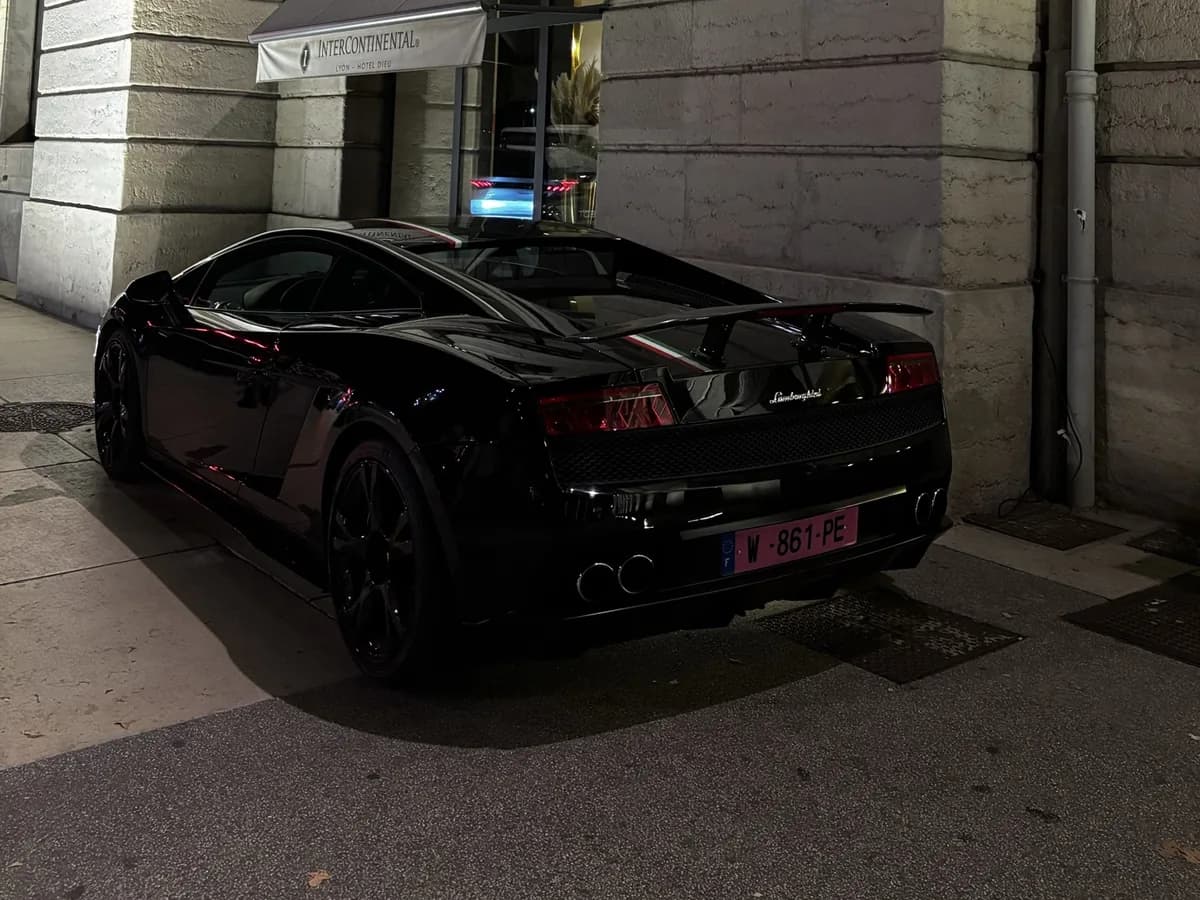

2006
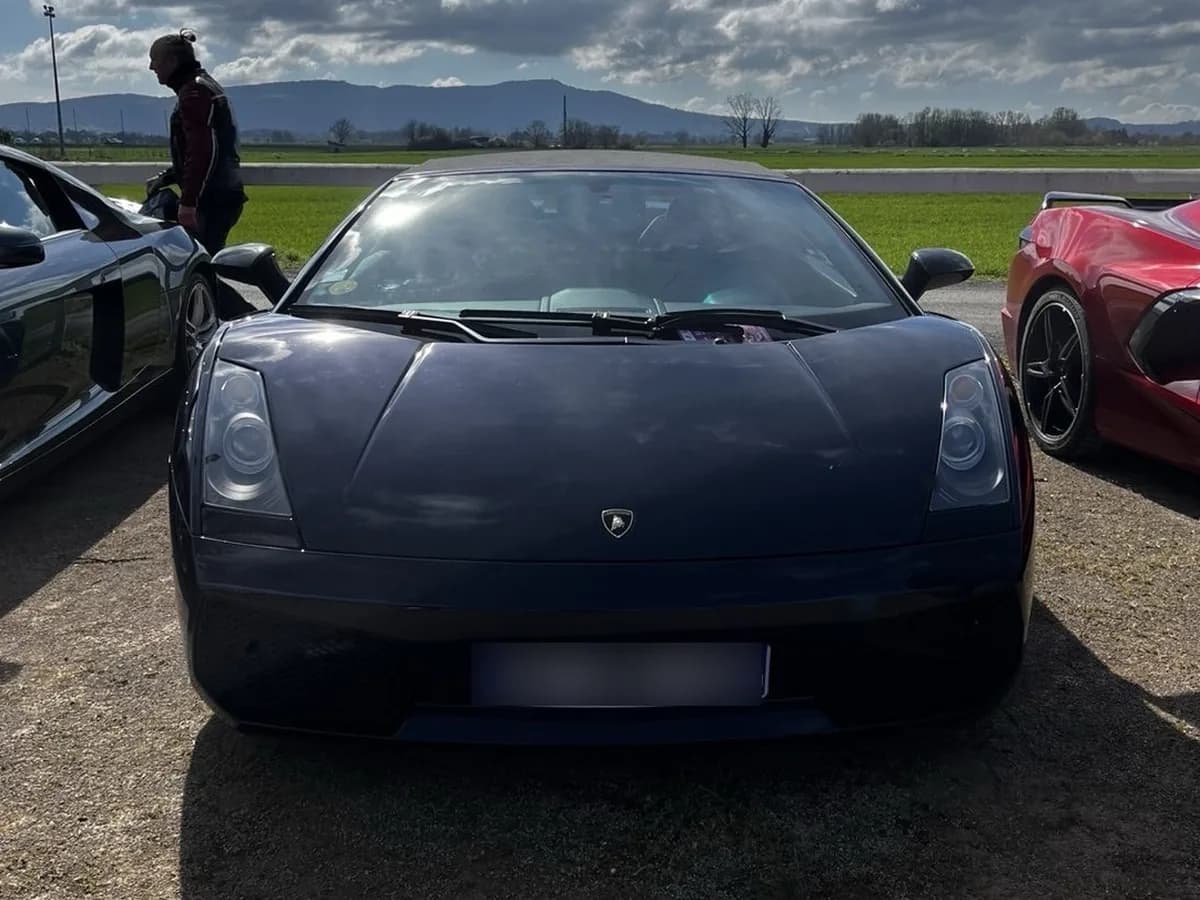
2003
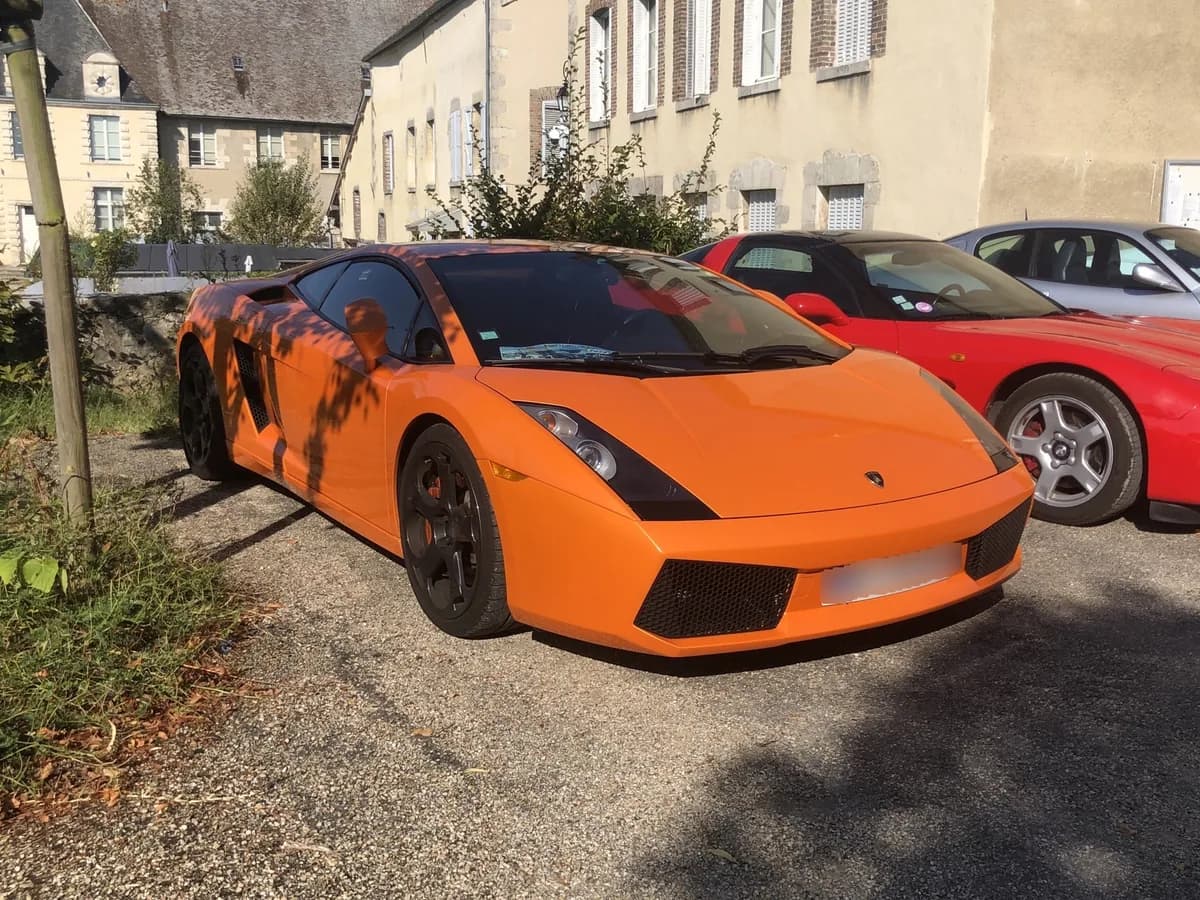
Lamborghini Gallardo photos
Model summary
Data from the ScanRacer library, organized to compare versions quickly.
Model introduction
Introduced in 2003, the Lamborghini Gallardo was a V10-powered sports car that significantly broadened Lamborghini’s customer base in Sant’Agata Bolognese. Its original powertrain used a naturally aspirated 5.0-liter V10 rated at 500 hp, paired with either a six-speed manual gearbox or Lamborghini’s E-gear automated manual transmission, depending on specification. The Gallardo used a mid-mounted engine layout and all-wheel drive in its early forms, while its compact proportions and sharply defined bodywork made it more approachable on the road than Lamborghini’s larger V12 flagships. The coupe launched first, followed by the open-top Spyder during the middle of the decade. Within the ScanRacer coverage, the documented variants are the 2003–2008 coupe and the 2006–2008 Spyder. (lamborghini.com)
History
The Gallardo project reflected Lamborghini’s ambition to create a more compact car than its V12 models. According to Lamborghini, the idea of a smaller model can be traced back to the 1970s, while the L140 project emerged in the late 1980s. After Lamborghini joined the Audi Group in 1998, development of a new ten-cylinder sports car benefited from stronger engineering and manufacturing resources. The Gallardo debuted in 2003 with a 5.0-liter V10, an aluminum structural chassis and a six-speed gearbox. Its styling, developed in the early 2000s, moved away from the highly angular forms of earlier Lamborghinis toward a tighter and more geometric design. (lamborghini.com) The coupe formed the foundation of the range. A soft-top Spyder followed, expanding the lineup while retaining the naturally aspirated V10 formula. The 2008 LP560-4 update brought a major technical and visual revision, including a 5.2-liter engine and redesigned bodywork. Production continued until 2013, with Lamborghini reporting 14,022 cars built. The Gallardo was then replaced by the Huracán, but its historical role is distinctive: it became Lamborghini’s most widely produced model of its era and helped establish the brand more firmly in international markets. (lamborghini.com)
Generations
The Gallardo is not best understood as a series of completely separate generations, as would be the case with some sedans. A more accurate approach is to identify two broad development phases. The first is the coupe introduced in 2003, recognizable by its simpler bumper design, sharply integrated side air intakes and 5.0-liter V10. This phase also includes the Spyder introduced during the middle of the decade. Within the ScanRacer coverage, it corresponds to the 2003–2008 coupe and the 2006–2008 Spyder. (lamborghini.com) The second phase begins with the 2008 update, commonly associated with the LP560-4 designation. It brought redesigned bodywork, revised aerodynamic details and a 5.2-liter V10 with increased output. Later cars gradually adopted LP naming and a wider range of performance derivatives, including the Superleggera and rear-wheel-drive models. These updates should not be treated as an entirely new generation: they are better described as revisions and derivatives within the same Gallardo program. That distinction helps explain the model’s year and variant structure without assigning generations that Lamborghini itself does not use as a formal classification. (automobile-catalog.com)
Key differences
The coupe and Spyder share the same general mechanical identity, but their body styles make them easy to separate. The coupe has a fixed roof and a visually tighter profile, while the Spyder uses a retractable soft top and a different rear treatment designed to preserve the car’s proportions with the roof lowered. Early Gallardos used a 5.0-liter V10 and could be ordered with either a six-speed manual gearbox or the automated E-gear transmission. Later designations such as LP560-4 indicate a more substantial technical and visual update, including a 5.2-liter V10 and revised bodywork. Exact power figures, drivetrains and equipment can vary by model year and market, so those details should be checked against the individual vehicle specification rather than inferred from the Gallardo name alone. (lamborghini.com)
Photo recognition
To identify an early Gallardo, start with the body and model year rather than paint or wheels, which are often changed. The 2003–2008 coupe has a fixed roof, heavily sculpted sides and a simpler front-end treatment than the cars updated after 2008. The Spyder is identified by its retractable soft top and distinct rear profile; it should not be confused with a coupe fitted with a glass roof or aftermarket trim. Exterior badges can provide clues, but they do not always distinguish a standard car from a special series. Steering wheels, seats, wheels and aerodynamic parts may also have been replaced. A reliable identification should therefore combine bumper design, roof type, the manufacturer’s plate, vehicle identification number and production year. These checks are especially important when separating an early Gallardo from a later LP model that may retain broadly similar proportions. (lamborghini.com)
Important versions
The most significant versions include the original 2003 coupe, which introduced the 5.0-liter V10, and the Gallardo Spyder launched during the middle of the decade. The 2007–2008 Superleggera added a more focused character through weight reduction and performance-oriented specification. The 2008 LP560-4 update then marked a major technical step with its 5.2-liter V10 and revised styling. Later, the LP550-2 Valentino Balboni stood out with rear-wheel drive and a distinctive white-and-gold longitudinal stripe. Not all of these derivatives are included in the supplied ScanRacer coverage, which is limited here to the early coupe and Spyder variants. (automobile-catalog.com)
References
- Celebrating The Lamborghini GallardoAutomobili Lamborghini
- Pre-Owned Lamborghini GallardoLamborghini Selezione
- Lamborghini Gallardo data and specifications catalogueAutomobile-Catalog
- Lamborghini Gallardo review: 2003–2013evo
- Lamborghini Gallardo buying guide, history and model reviewOctane
- Gallardo LP 550-2 Valentino BalboniAutomobili Lamborghini
- 2014 Lamborghini Gallardo Review, Pricing and SpecsCar and Driver
- https://www.caranddriver.com/news/a63872441/tedson-lamborghini-gallardo-specs-details/caranddriver.com
Frequently asked questions
- What years was the Lamborghini Gallardo produced?
- ScanRacer's referenced versions cover 2003 - 2009.
- How many Lamborghini Gallardo examples are documented on ScanRacer?
- 24 published scans from 22 members, with the latest photo added in October 2026.
What about the car you photographed?
Upload a photo to get a suggested make, model and likely year.
No account needed for the result · Publish only if you choose