
Huracán
Introduced at the 2014 Geneva Motor Show, the Lamborghini Huracán LP 610-4 replaced the Gallardo with a naturally aspirated 5.2-liter V10, all-wheel drive, and a seven-speed dual-clutch gearbox. Its chassis combines aluminum and carbon fiber, while the ANIMA control system adapts the car’s behavior through Strada, Sport, and Corsa modes. Over time, Lamborghini retained this core architecture while developing several distinct interpretations: rear-wheel drive in the LP580-2 and EVO RWD, track-focused performance in the Performante and STO, broader road usability in the EVO and Tecnica, and loose-surface capability in the Sterrato. The resulting family spans the 2014–2022 period represented here and includes versions that differ substantially in drivetrain, aerodynamics, weight reduction, and intended use. (lamborghini.com)
Variants by year
2022



2021
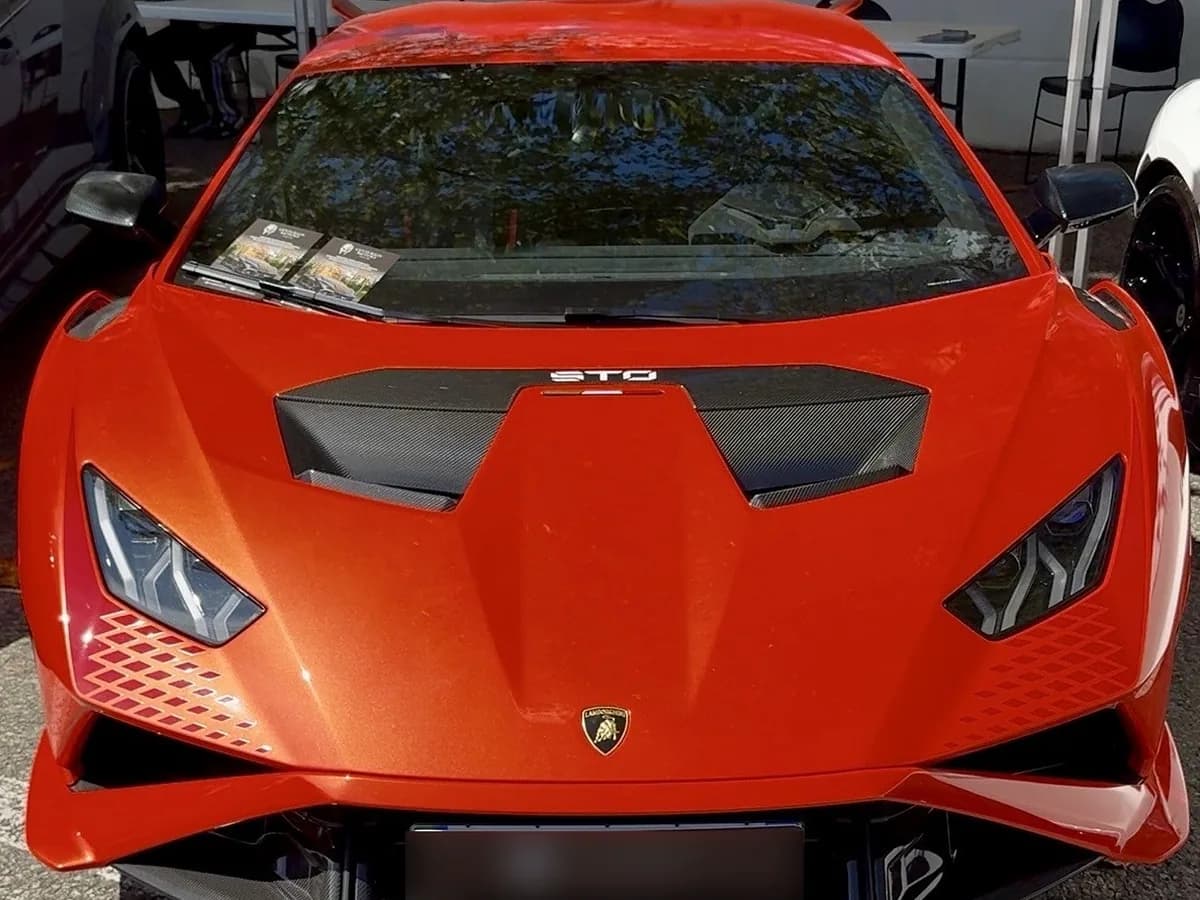
2020
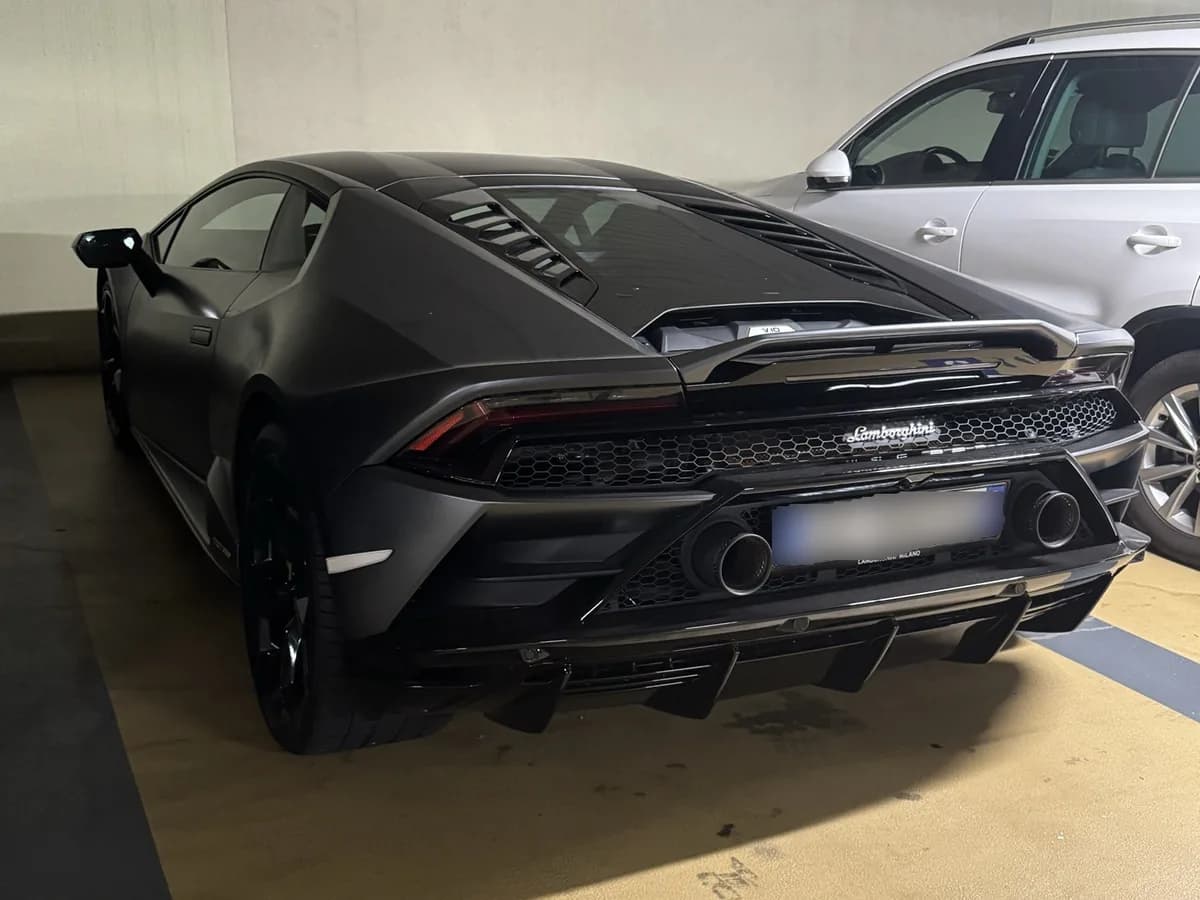
2019
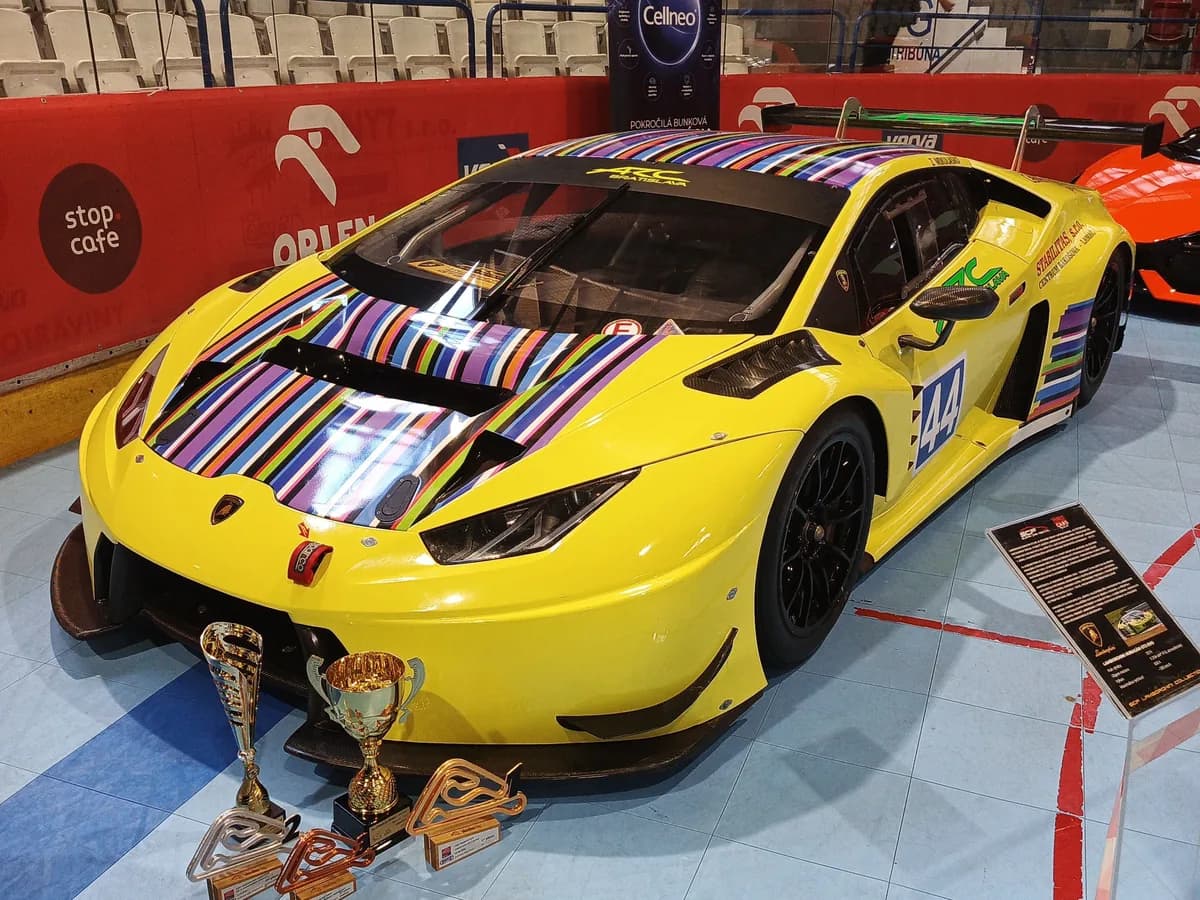
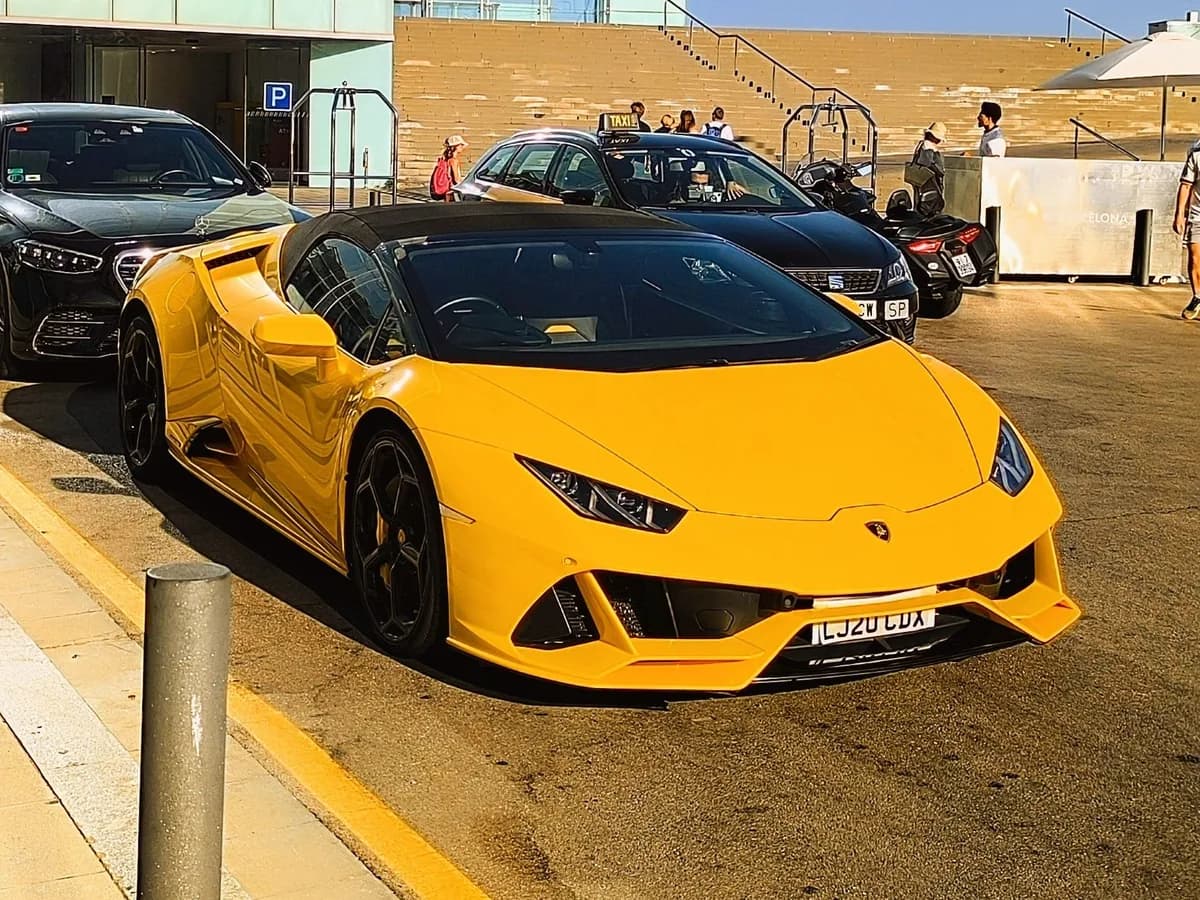
2017

2016

2014

Model summary
Data from the ScanRacer library, organized to compare versions quickly.
Model introduction
Introduced at the 2014 Geneva Motor Show, the Lamborghini Huracán LP 610-4 replaced the Gallardo with a naturally aspirated 5.2-liter V10, all-wheel drive, and a seven-speed dual-clutch gearbox. Its chassis combines aluminum and carbon fiber, while the ANIMA control system adapts the car’s behavior through Strada, Sport, and Corsa modes. Over time, Lamborghini retained this core architecture while developing several distinct interpretations: rear-wheel drive in the LP580-2 and EVO RWD, track-focused performance in the Performante and STO, broader road usability in the EVO and Tecnica, and loose-surface capability in the Sterrato. The resulting family spans the 2014–2022 period represented here and includes versions that differ substantially in drivetrain, aerodynamics, weight reduction, and intended use. (lamborghini.com)
History
The Huracán is the direct successor to the Gallardo, Lamborghini’s V10 model for more than a decade. Its 2014 launch brought a major technical step forward: the LP 610-4 combined a 610 CV naturally aspirated V10 with electronically controlled all-wheel drive and a dual-clutch transmission. Lamborghini also emphasized its digital instrumentation, aluminum-and-carbon-fiber hybrid chassis, and ANIMA drive modes. (lamborghini.com) The range then expanded with the LP580-2, which introduced rear-wheel drive and an output rated at 580 CV. In 2017, the Huracán Performante developed the performance concept further with a 640 CV engine, extensive weight-saving measures, and the ALA active aerodynamics system. Lamborghini presented it as a sharper, more circuit-oriented interpretation of the standard car. (lamborghini.com) The 2019 Huracán EVO represented a technical and styling update, adding LDVI, rear-wheel steering, and more predictive control of the car’s dynamic systems. The EVO RWD adopted a more driver-focused rear-wheel-drive layout. Launched in 2020, the STO transferred more competition-derived solutions to a road-legal model. The Tecnica and Sterrato, introduced in 2022, then followed different paths: enhanced road versatility in the Tecnica and loose-surface capability in the Sterrato. (lamborghini.com)
Generations
The Huracán is not officially divided into conventional generations. It is more accurate to describe one model family that went through several technical phases. The first phase is represented by the LP 610-4, launched in 2014. It is identified by the original design, full-LED lighting, and the combination of a naturally aspirated V10, all-wheel drive, and a seven-speed LDF gearbox. The LP580-2 kept the same basic concept but replaced all-wheel drive with rear-wheel drive and adopted a more driver-focused character. (lamborghini.com) The second phase includes the Performante and the EVO. The Performante focused on lower weight and aerodynamic efficiency through the ALA active system. The EVO brought a revised body, LDVI control logic, dynamic steering, and, depending on specification, rear-wheel steering. The EVO RWD formed a separate branch, identified by rear-wheel drive and its dedicated P-TCS traction-control system. (lamborghini.com) The final phase consists of specialized derivatives. The STO is defined by its road-legal, motorsport-derived approach, while the Tecnica aims to combine strong performance with broader road usability and everyday comfort. The Sterrato departs furthest from the conventional supercar formula, using increased ride height, protective body elements, all-terrain tires, and a Rally mode. These cars are therefore best understood as functional branches of the Huracán family rather than as one entirely new generation. (lamborghini.com)
Key differences
The main differences between Huracán versions concern the drivetrain. The LP610-4, Performante, and EVO use all-wheel drive, while the LP580-2, EVO RWD, and STO send power only to the rear wheels. This changes traction, torque delivery, and overall driving character, although drivetrain layout alone does not explain the full gap between models. (lamborghini.com) The Performante and STO go further in terms of weight reduction and aerodynamic development. The Performante introduced ALA active aerodynamics, while the STO uses extensive carbon-fiber elements, a dedicated body design, more aggressive aerodynamic hardware, and CCM-R brakes. The EVO places greater emphasis on electronic control and broader usability. The Tecnica sits between road and track use, whereas the Sterrato is designed for rougher surfaces with a 44 mm increase in ride height, protective components, and a Rally mode. These distinctions are supported by Lamborghini’s stated equipment and design objectives; their exact effect can still vary with specification, options, and market. (lamborghini.com)
Photo recognition
When identifying a Huracán, start with the bodywork and aerodynamic details rather than the overall silhouette alone. The LP610-4 and LP580-2 share the original family design; their key difference is the drivetrain, which may not be visible from the outside. The Performante is easier to recognize through its dedicated aerodynamic parts, lightweight body components, and ALA active-aerodynamics hardware. (lamborghini.com) The EVO introduced a revised front end with more pronounced Y-shaped elements, centrally positioned high-mounted exhaust outlets, and a modernized cabin centered around an 8.4-inch touchscreen. The EVO RWD shares that general design but uses a rear-wheel-drive-specific chassis and control calibration. The STO is considerably more extreme, with a one-piece cofango front assembly, additional air ducts, front-fender louvers, an adjustable rear wing, and extensive carbon-fiber construction. (lamborghini.com) The Tecnica has a more road-oriented treatment with aerodynamic details influenced by the STO. The Sterrato is the easiest derivative to distinguish, thanks to its raised ride height, wheel-arch protection, reinforced sills, market-dependent auxiliary lights, and roof-mounted air intake. A fully certain identification should still be checked against the badge, VIN, or vehicle documentation. (lamborghini.com)
Important versions
Among the versions covered, the LP610-4 represents the family’s starting point in 2014. The LP580-2 introduced a rear-wheel-drive configuration. The 2017 Performante focused on weight reduction and active aerodynamics. The 2019 EVO modernized the platform, while the EVO RWD emphasized a more direct rear-wheel-drive character. The 2021 STO transferred a stronger motorsport philosophy to a road-legal car. In 2022, the Tecnica aimed to balance everyday usability and performance, while the Sterrato adopted increased ride height, all-wheel drive, and a Rally mode for loose surfaces. The LP640-4 EVO and LP640-2 Tecnica labels indicate 640 CV versions associated with the EVO and Tecnica branches; naming conventions in databases can nevertheless vary by market. (lamborghini.com)
References
- Lamborghini Huracán – Technical Specifications and OverviewAutomobili Lamborghini
- Milestones – Huracán RevolutionAutomobili Lamborghini
- Huracán (R)evolution: A Story of Technology and InnovationAutomobili Lamborghini
- Lamborghini Huracán Performante – Technical SpecificationsAutomobili Lamborghini
- New Lamborghini Huracán STO: From Racetrack to RoadAutomobili Lamborghini
- Huracán EVO RWD – Pure Driving FunAutomobili Lamborghini
- Lamborghini Huracán EVOAutomobili Lamborghini
- Lamborghini Huracán SterratoAutomobili Lamborghini
Technical specifications
Structured data available for versions linked to this model.
| Version | Power | Torque | Top speed | Drivetrain | Fuel |
|---|---|---|---|---|---|
| Base | 449 KW @ 8250 RPM 610 HP @ 8250 RPM 602 BHP @ 8250 RPM | 413 lb-ft @ 6500 RPM 560 Nm @ 6500 RPM | 202 mph (325 km/h) | All Wheel Drive / 7-speed dual-clutch transmission | Gasoline |
Frequently asked questions
- What years was the Lamborghini Huracán produced?
- ScanRacer's referenced versions cover 2014 - 2022.
- How many Lamborghini Huracán examples are documented on ScanRacer?
- 195 published scans from 83 members, with the latest photo added in September 2026.
- What is the power output of the Lamborghini Huracán?
- The sourced technical data lists 449 KW @ 8250 RPM 610 HP @ 8250 RPM 602 BHP @ 8250 RPM.