
Ford
Founded in 1903 with an initial investment from 12 shareholders, Ford Motor Company had a lasting influence on industrial automobile production. Introduced in 1908, the Model T combined simplicity, durability and affordability, while the moving assembly line adopted at Highland Park in 1913 increased production efficiency and helped make car ownership more accessible. During the twentieth century, Ford expanded its range to include family cars, commercial vehicles, pickup trucks and performance models. The company also developed a major international presence, particularly in Europe, where vehicles such as the Fiesta, Escort and Taunus served different roles across national markets. This history explains the breadth of Ford generations, from early classics to later SUVs, trucks and electrified vehicles.
Models from A to Z
A-Series
Aerostar
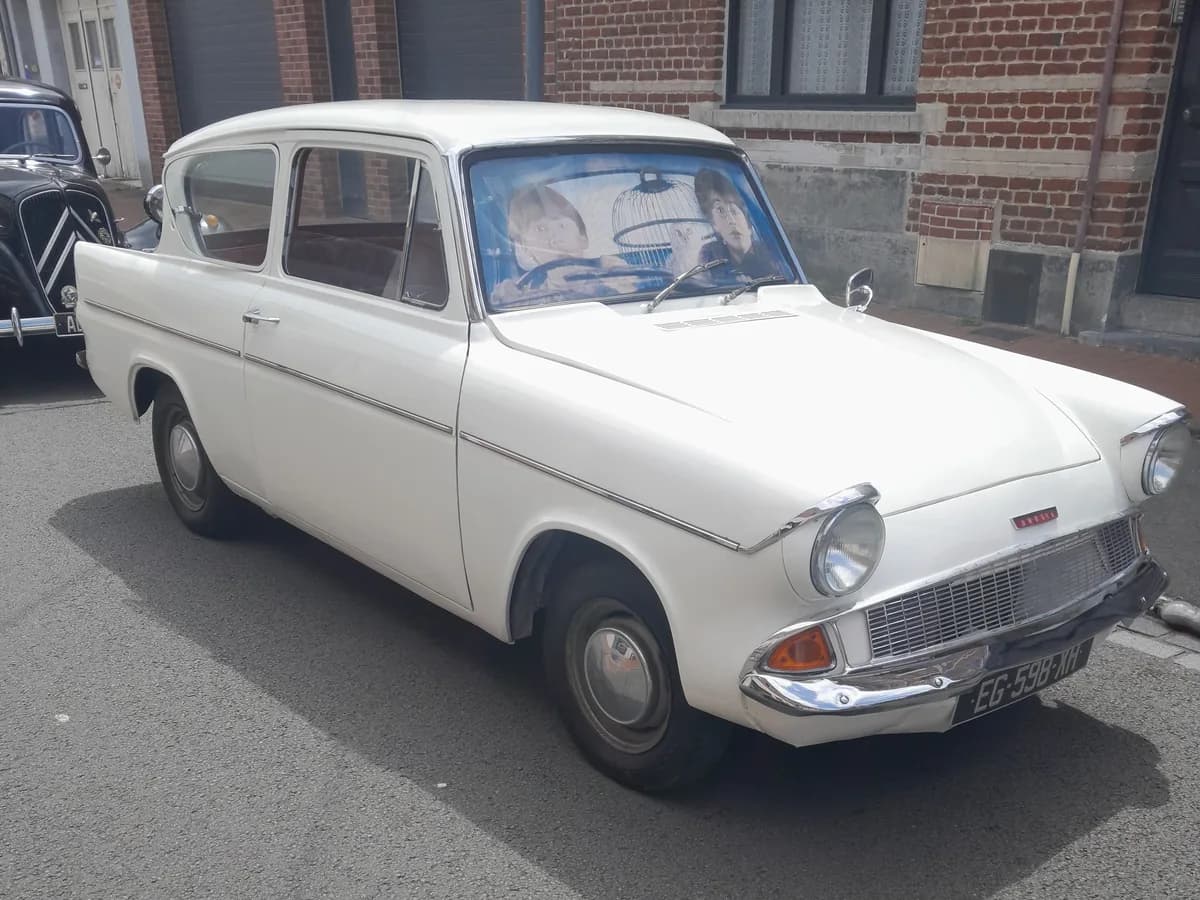
Anglia
Aspire
B-Max
Bantam
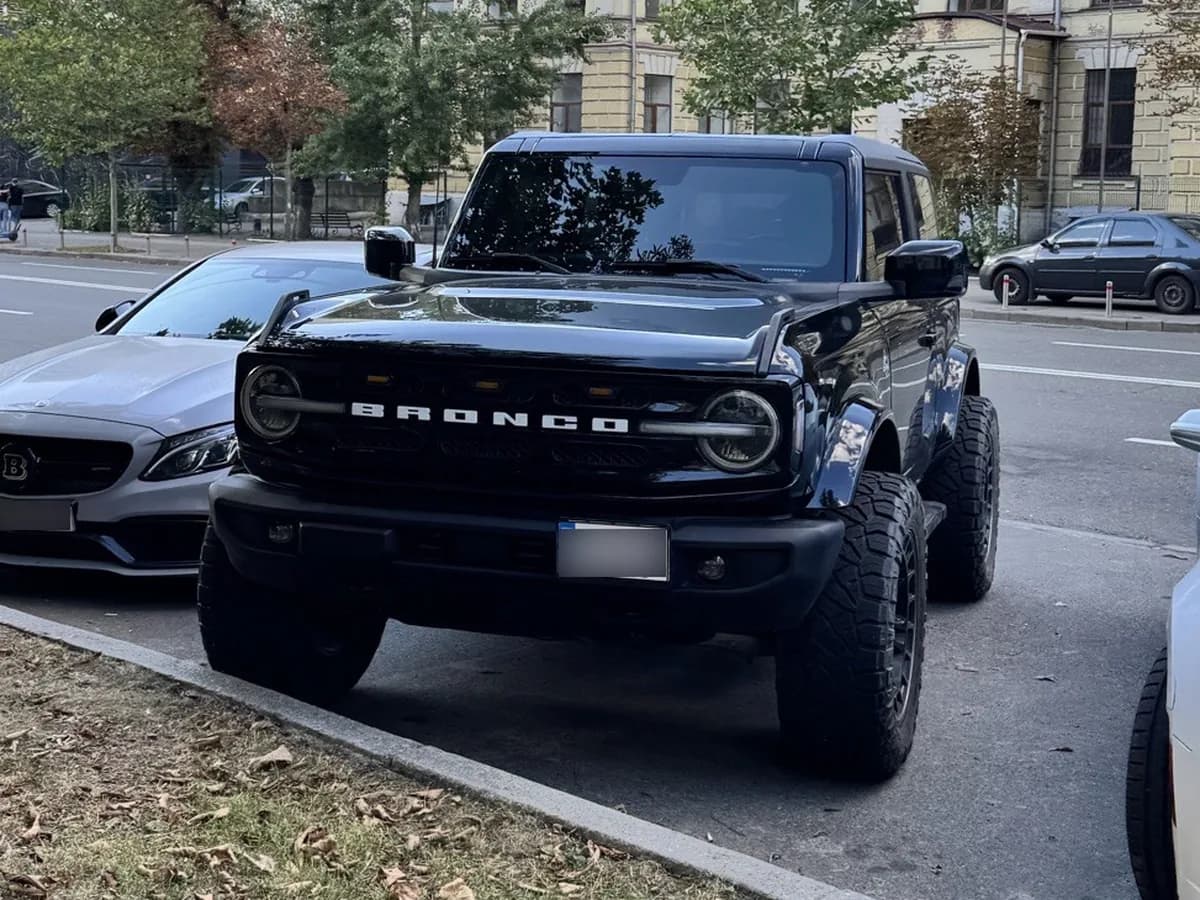
Bronco

Bronco II
Bronco New Energy
Bronco Sport
C-Max
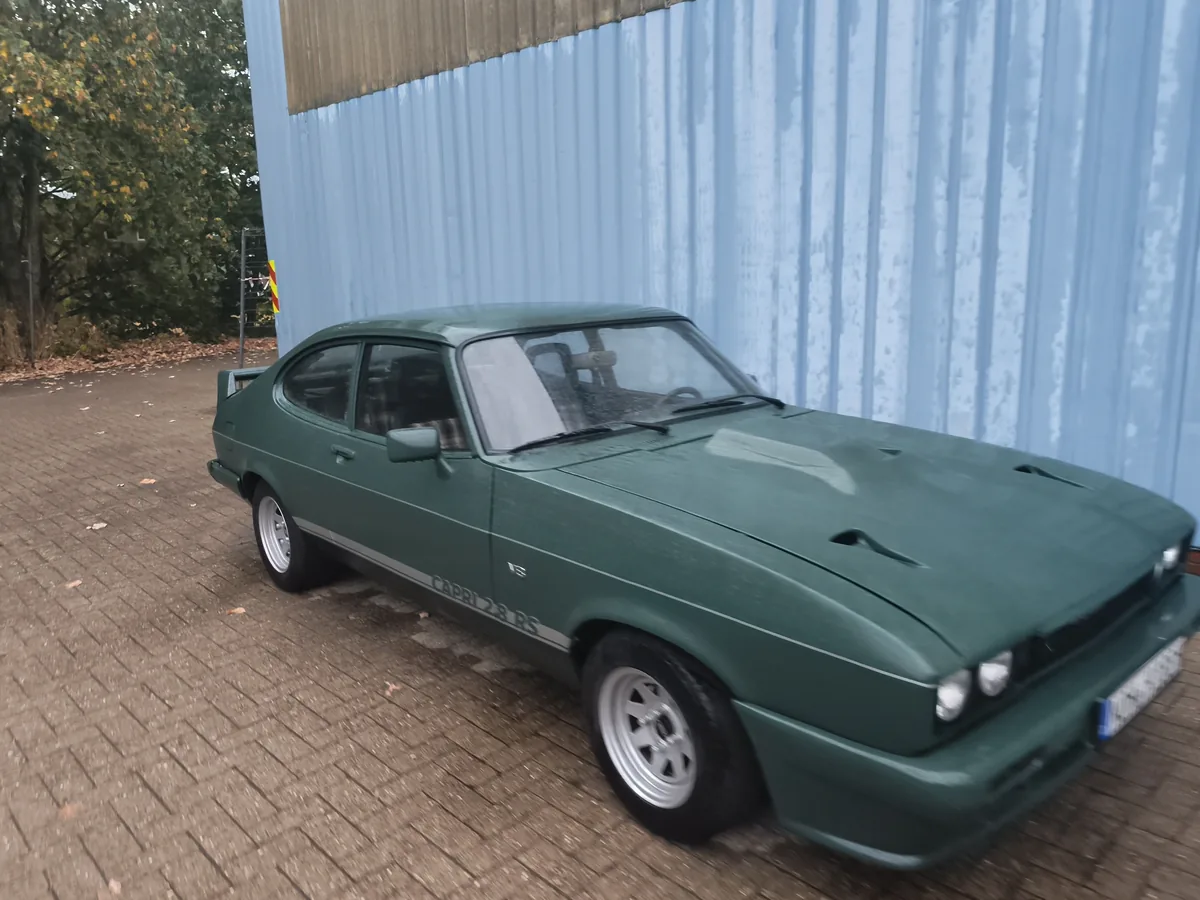
Capri

Cargo
Comète
Consul
Contour
Corcel
Corsair

Cortina
Cougar
Country Sedan
Courier

Crestline
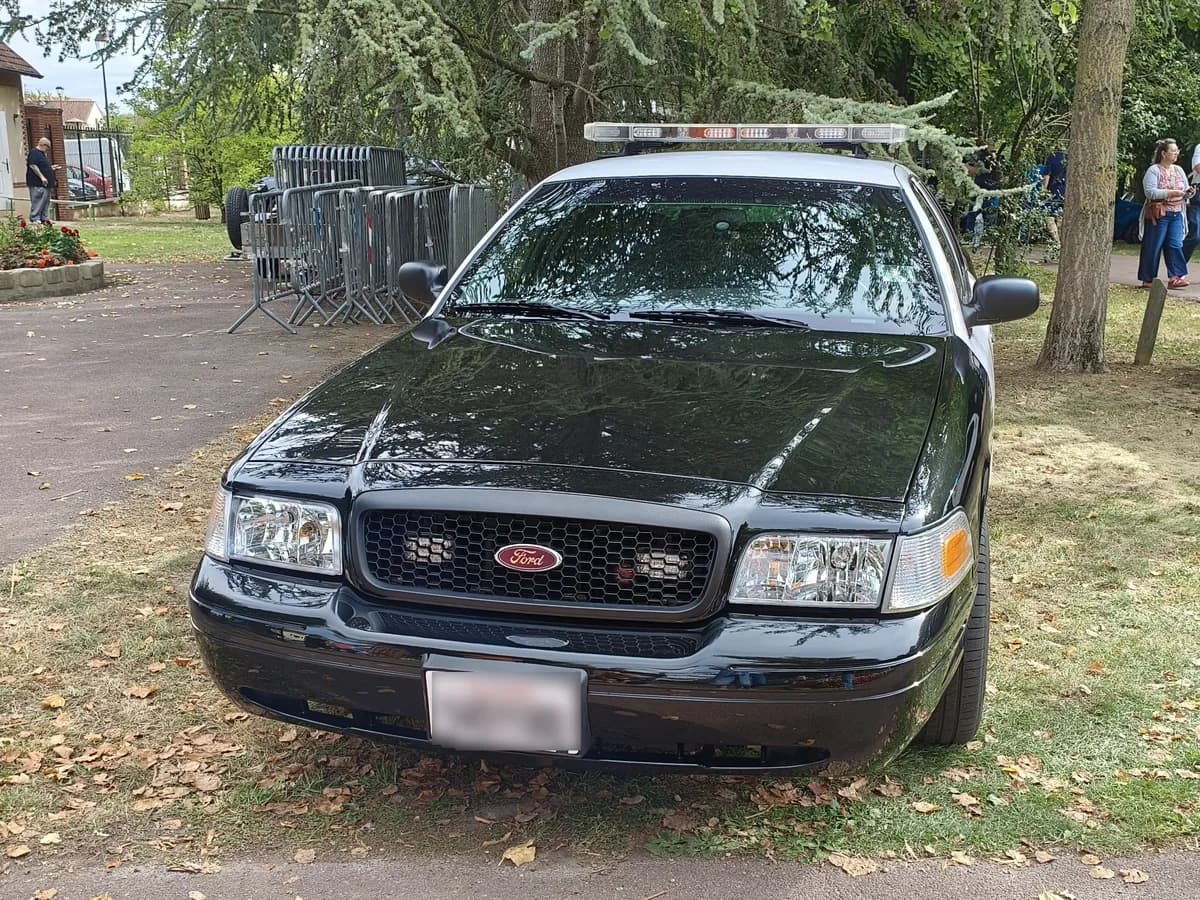
Crown Victoria
Del Rey
E-Series

EcoSport
Edge
Eifel
Endura
Equator
Escape
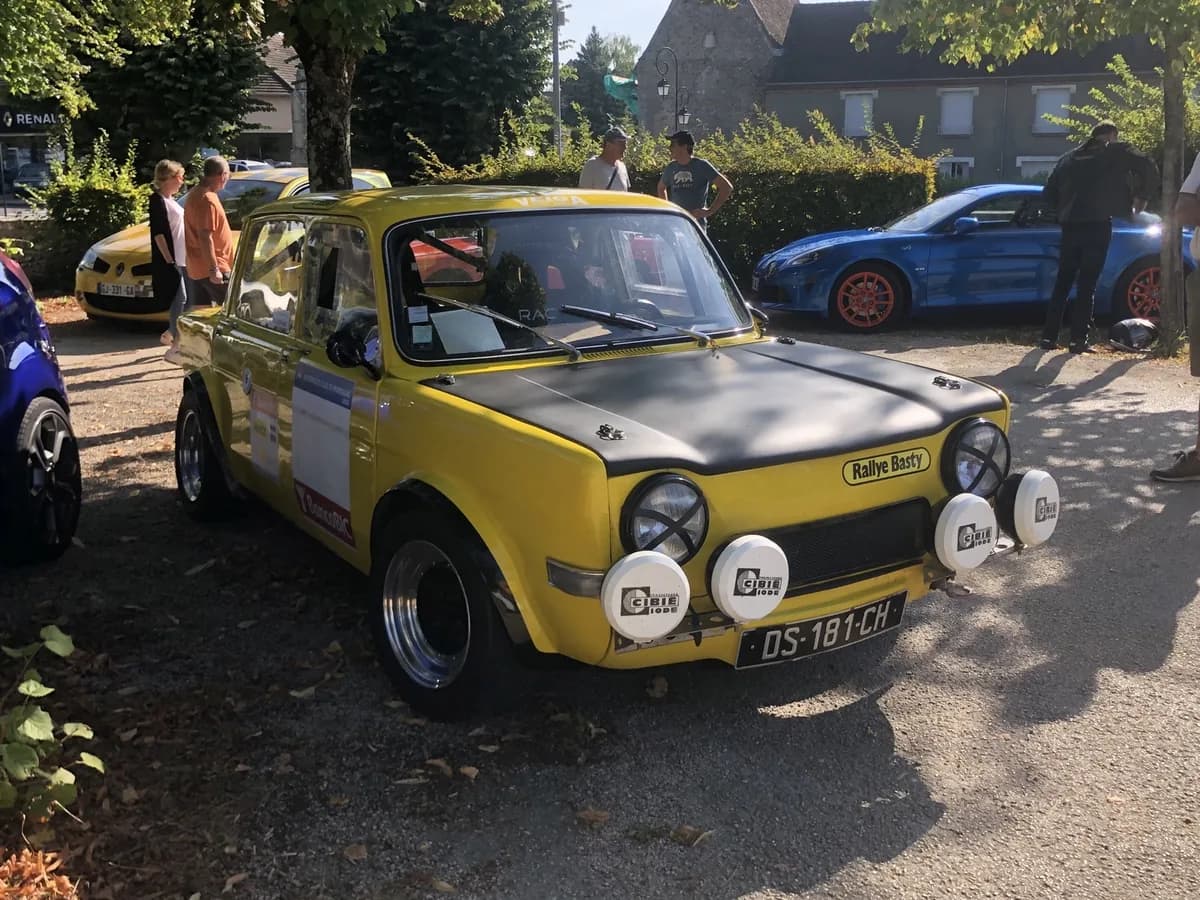
Escort
Escort Express
Everest
Evos
Excursion

Expedition

Explorer
F-1
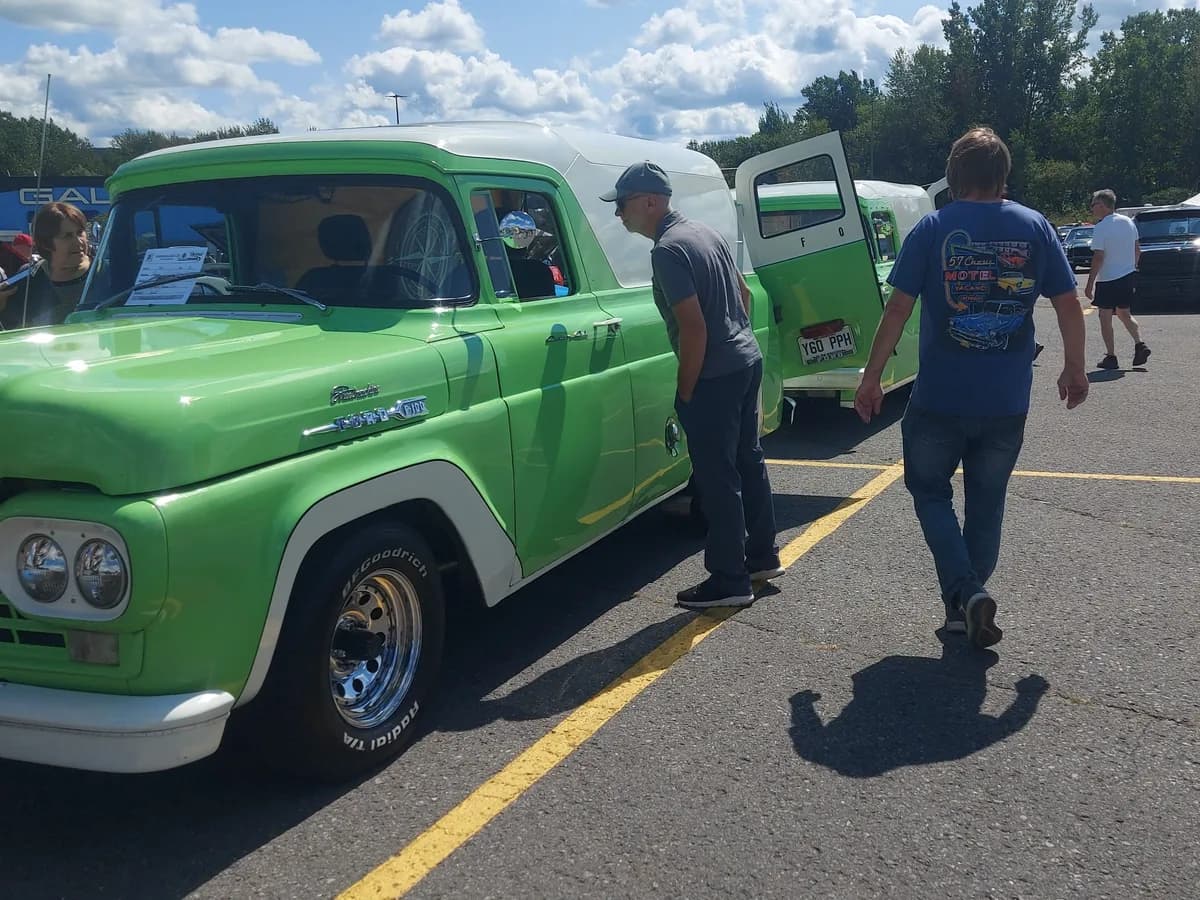
F-100
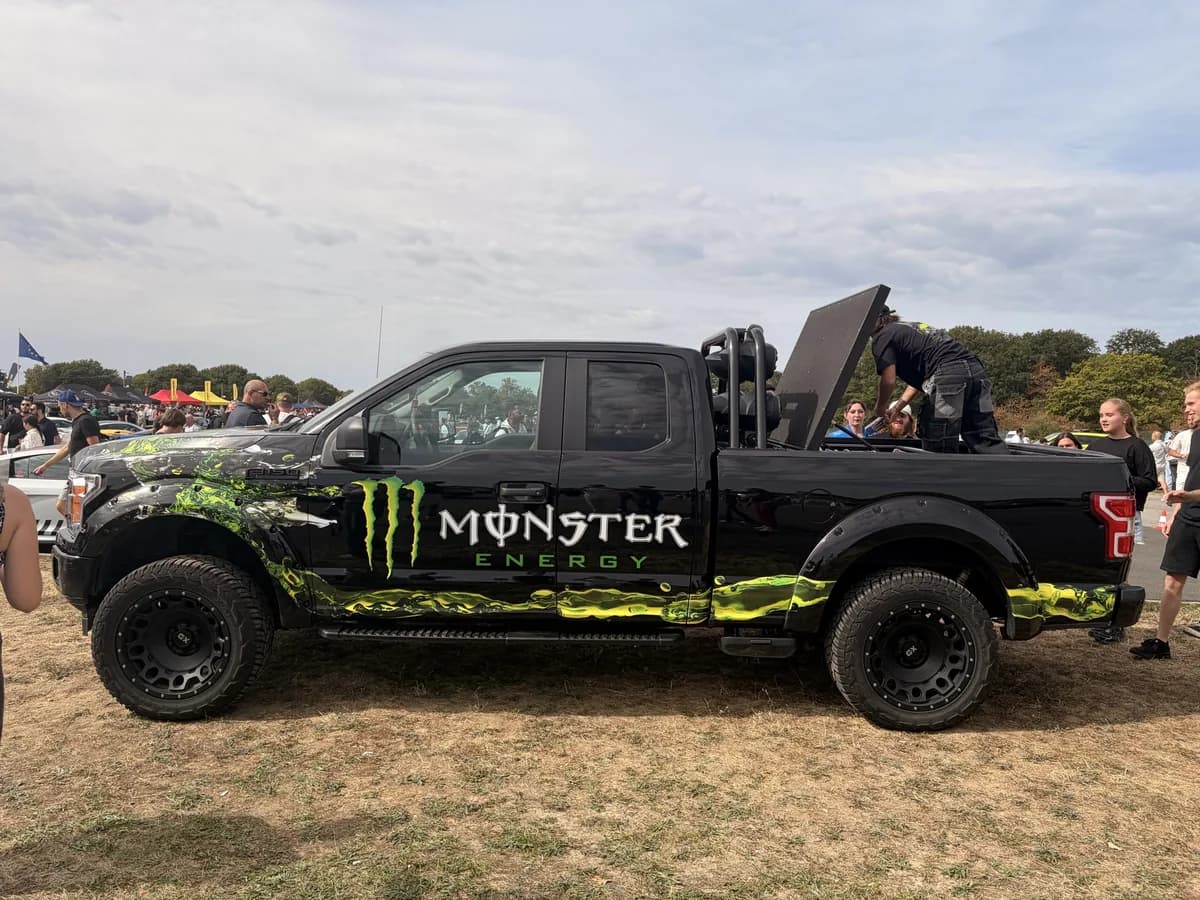
F-150
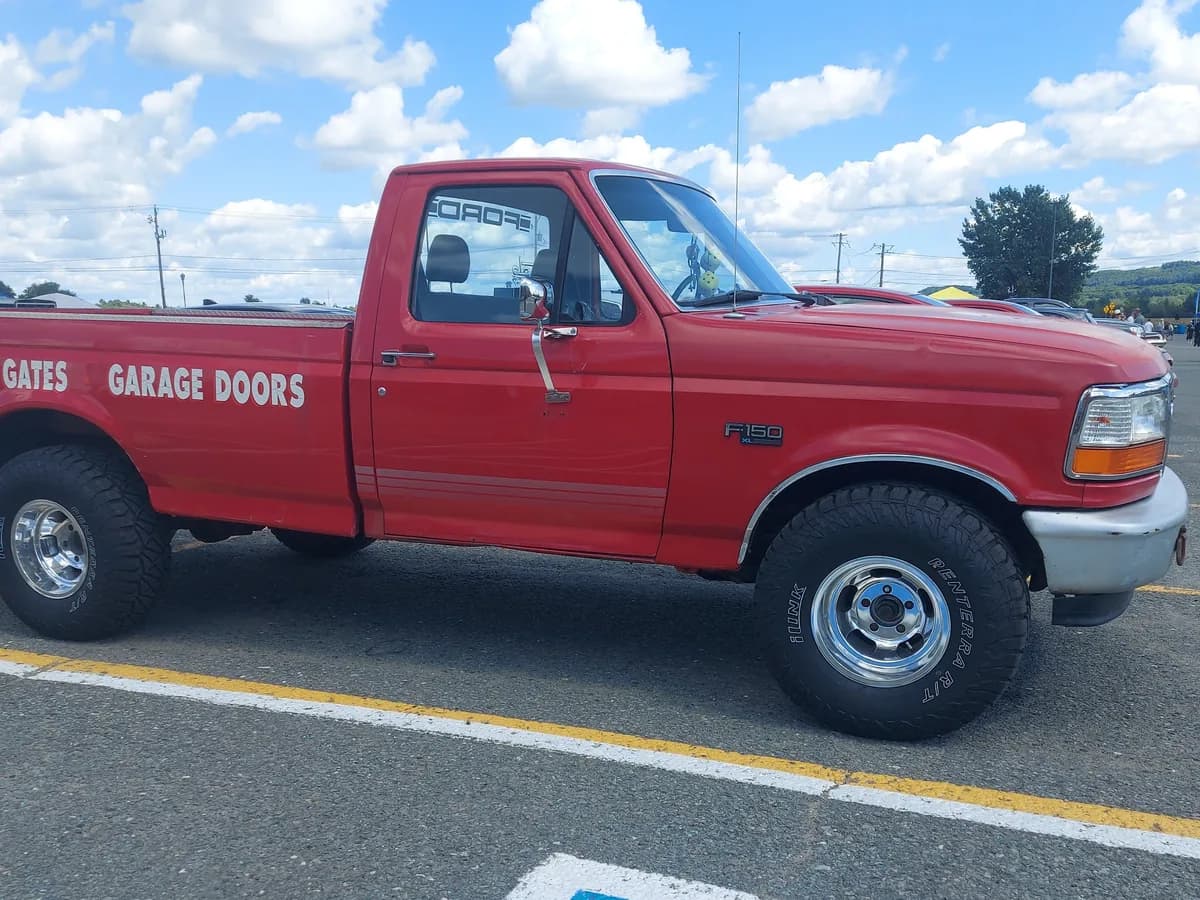
F-250

F-350

F-450
F-500
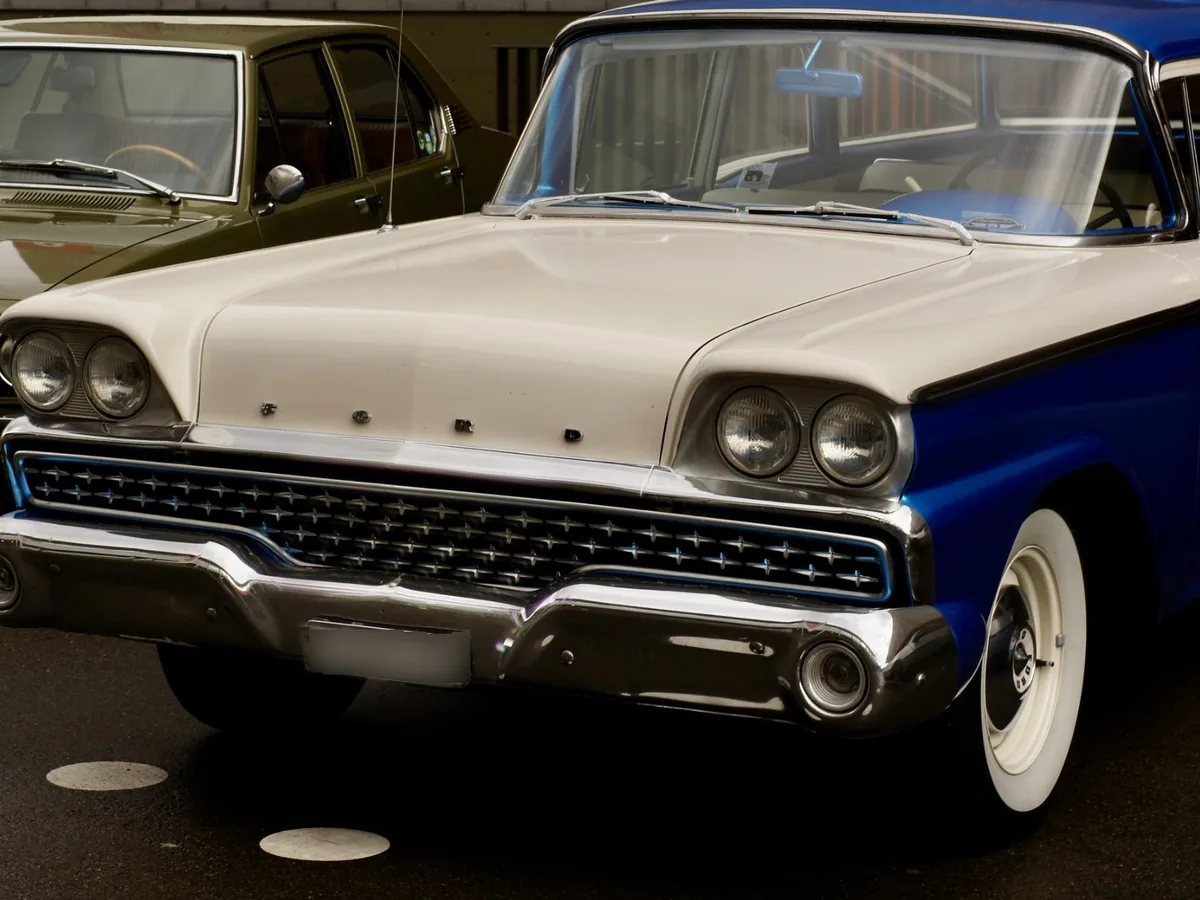
Fairlane
Fairmont
Falcon
Festiva
Festiva Mini Wagon

Fiesta
Fiesta Courier
Figo
Five Hundred
Flex

Focus

Focus SW
Freda
Freestar
Freestyle
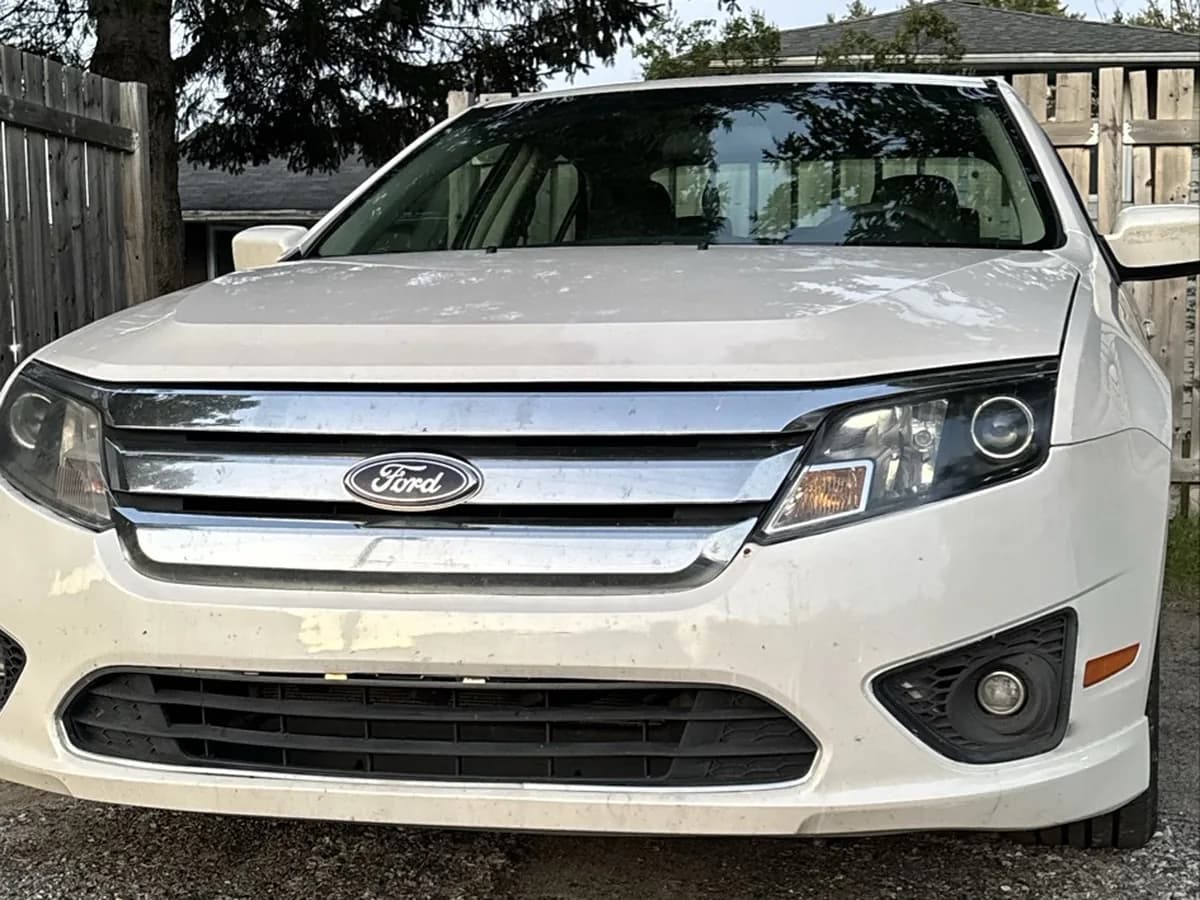
Fusion
Galaxie
Galaxy
GP

GP GPW
GPW
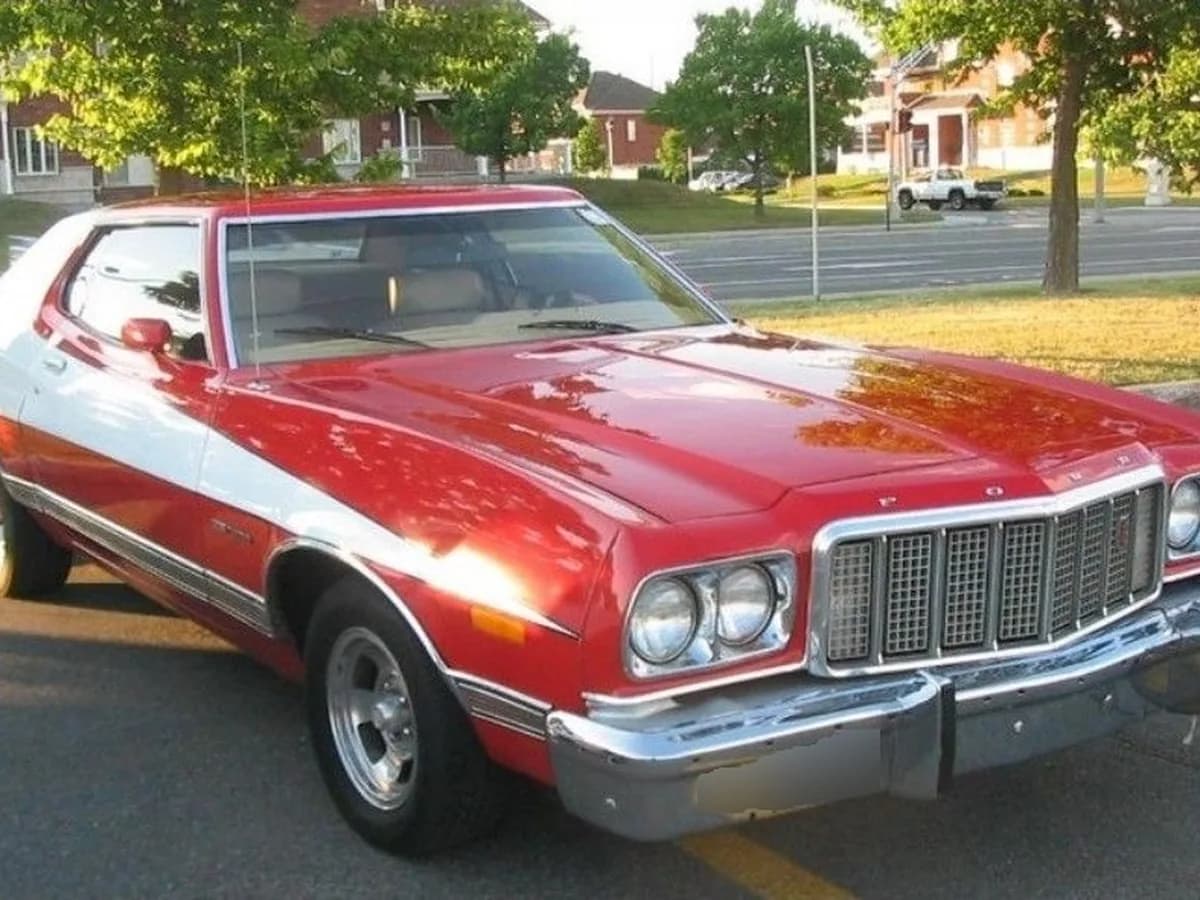
Gran Torino
Granada
Granada hatchback
Grand C-Max
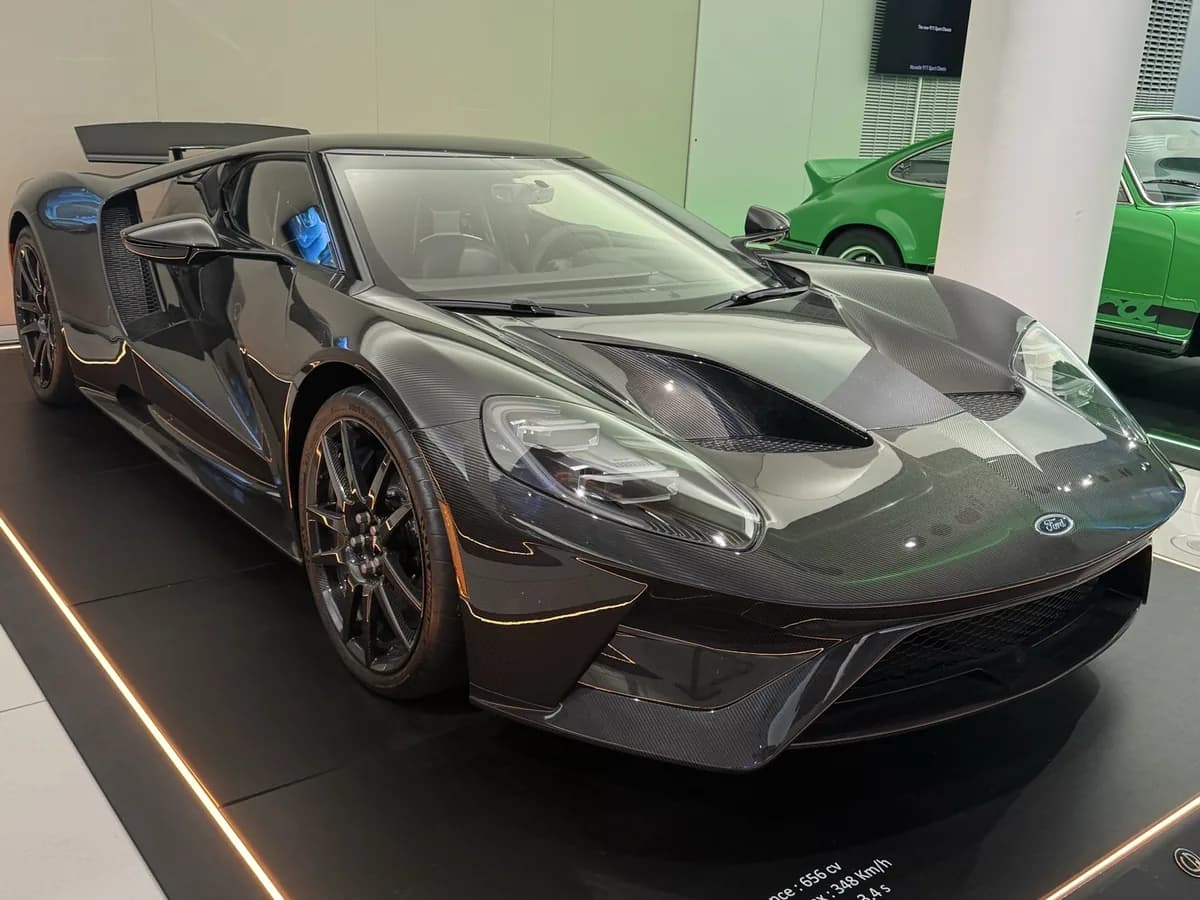
GT
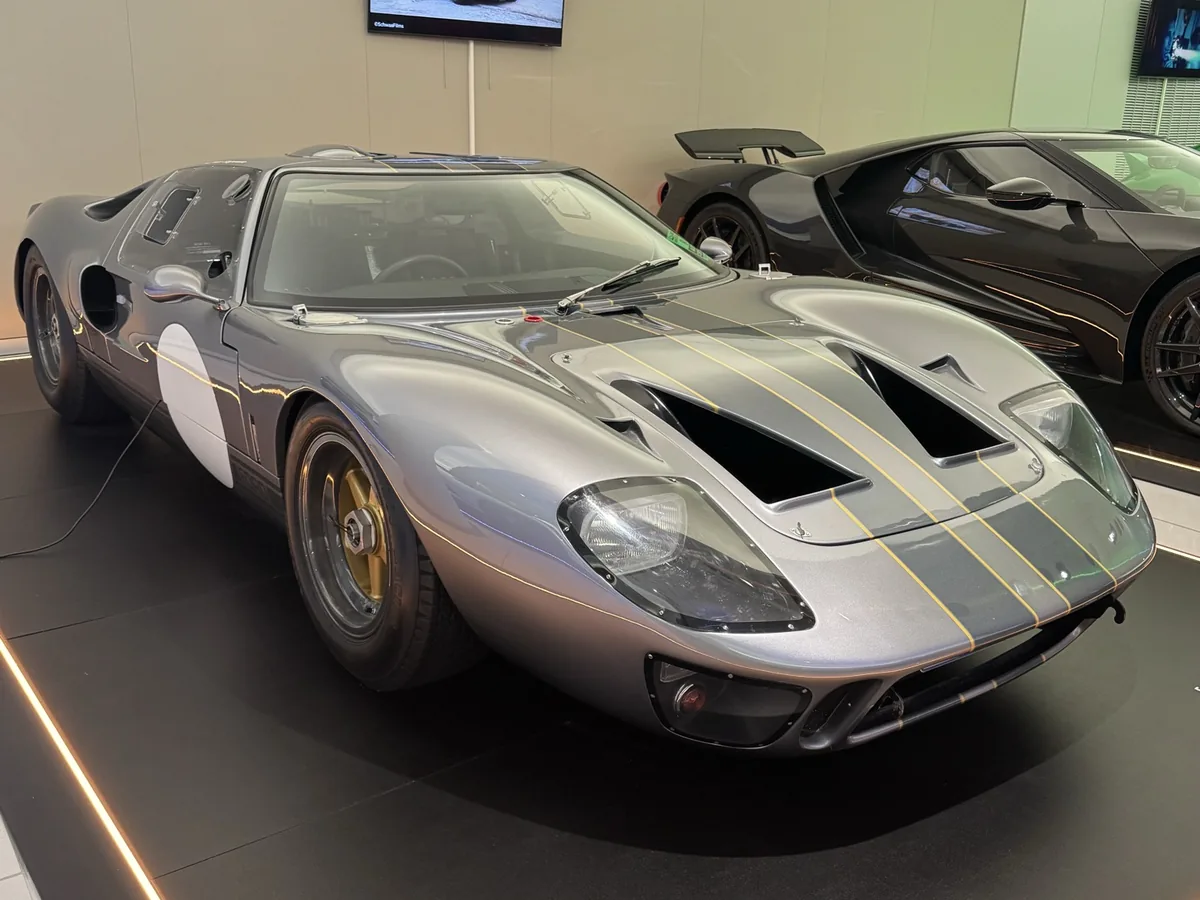
GT40
i-Max
Ixion

Ka

Kuga
Laser
Lobo
Marathon
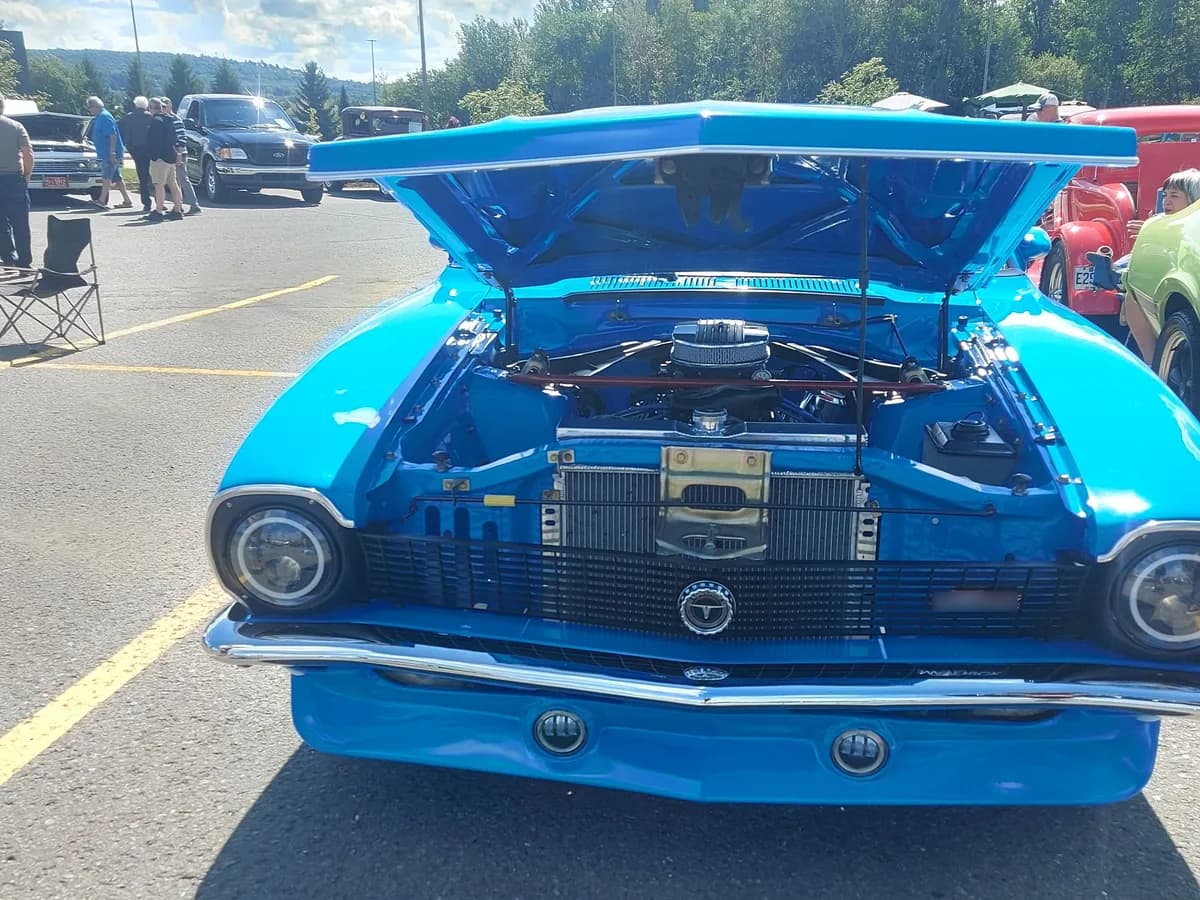
Maverick
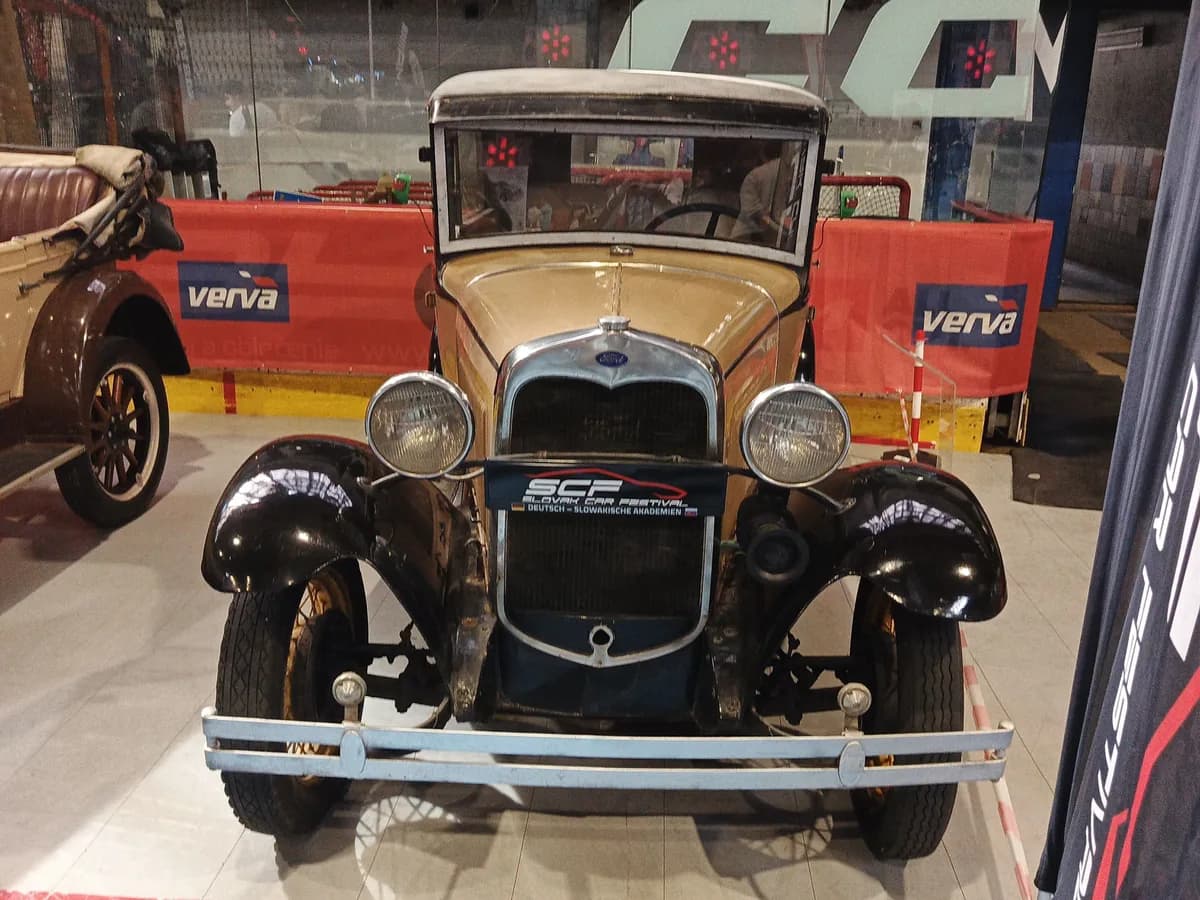
Model A

Model B

Model T

Mondeo
Mondeo SW
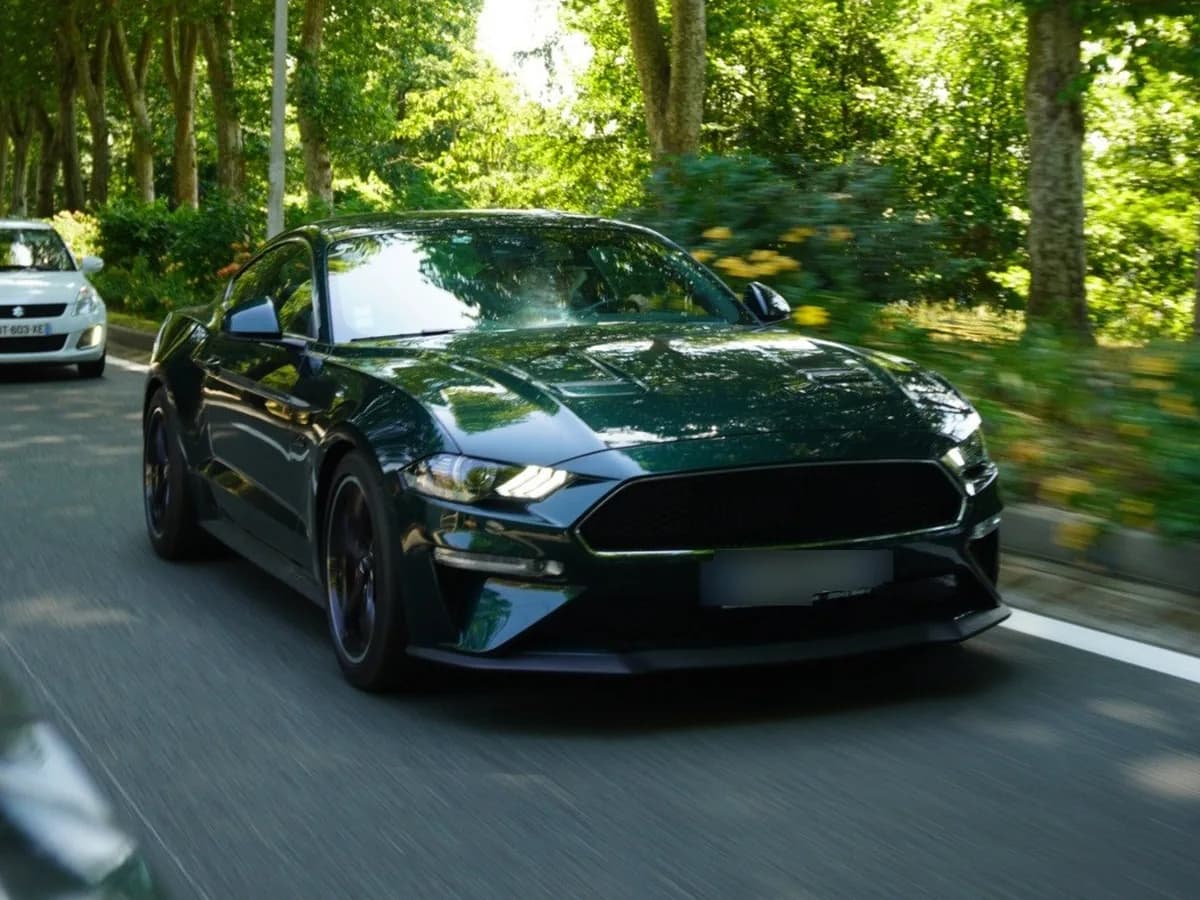
Mustang
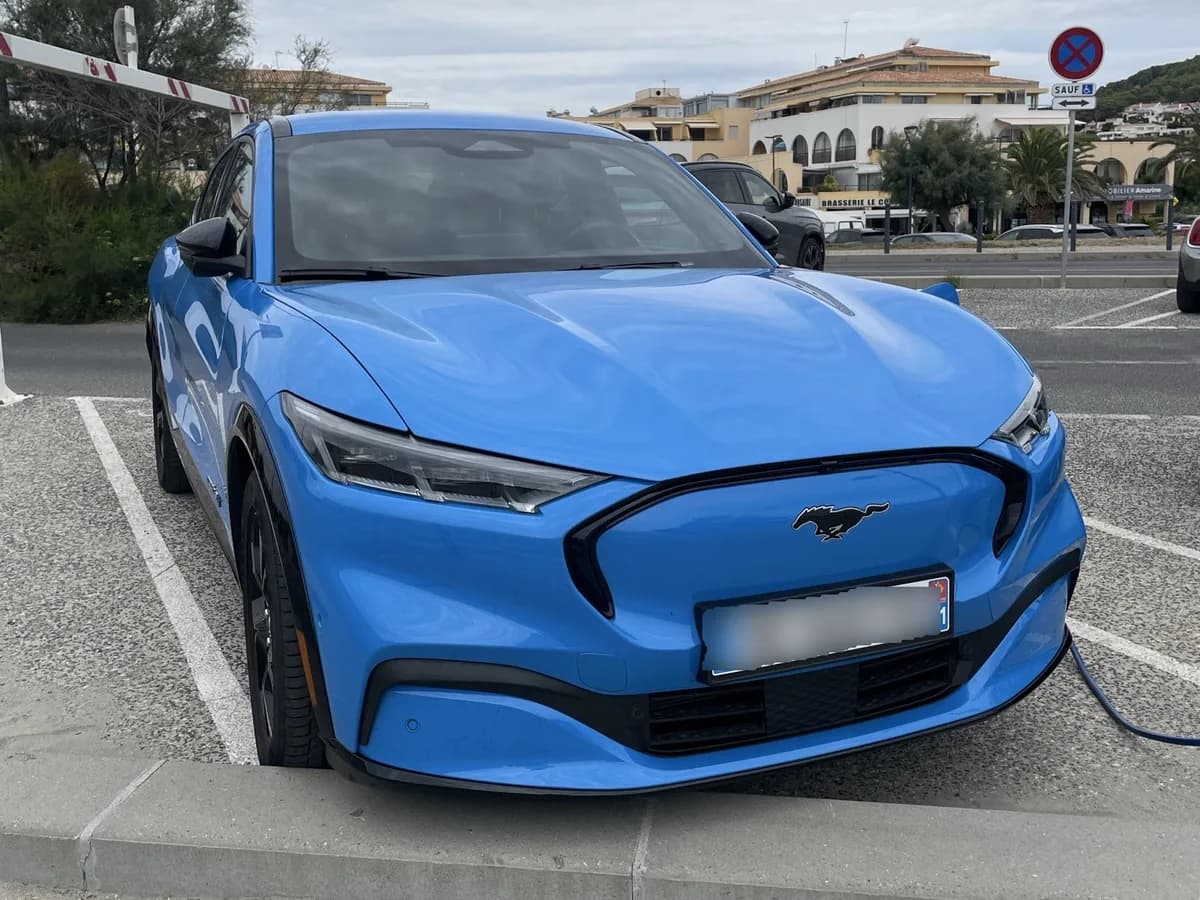
Mustang Mach-E
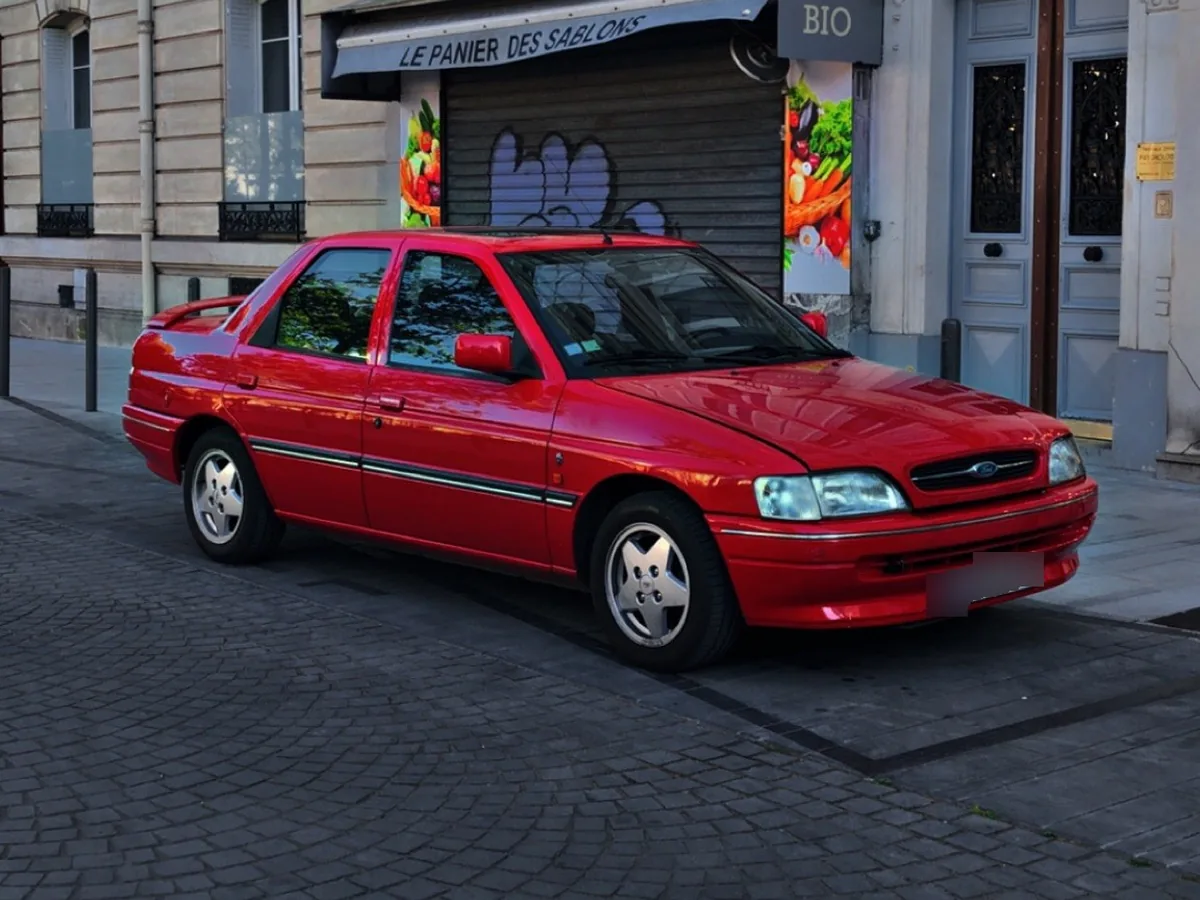
Orion
Otosan P100
Pampa
Pinto
Police Interceptor Sedan

Police Interceptor Utility
Popular
Prefect
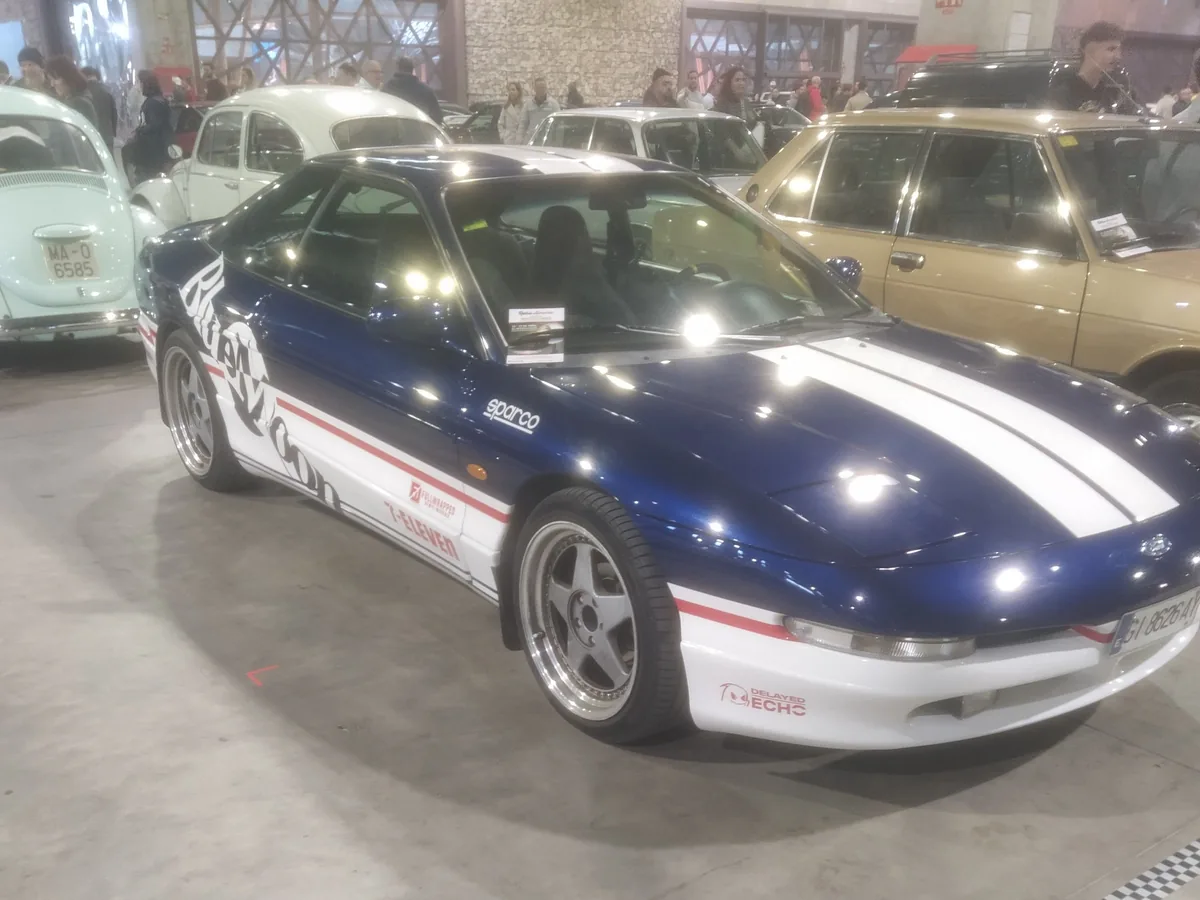
Probe
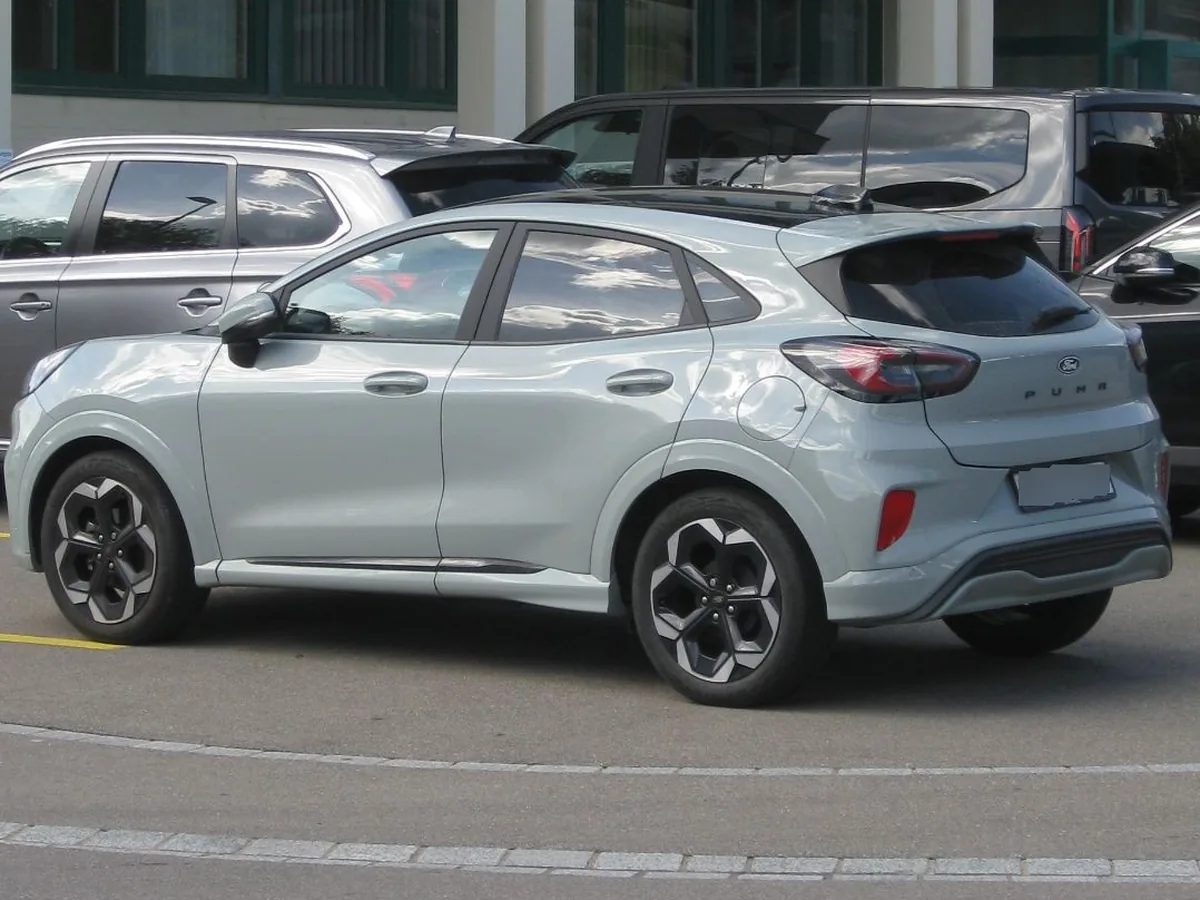
Puma
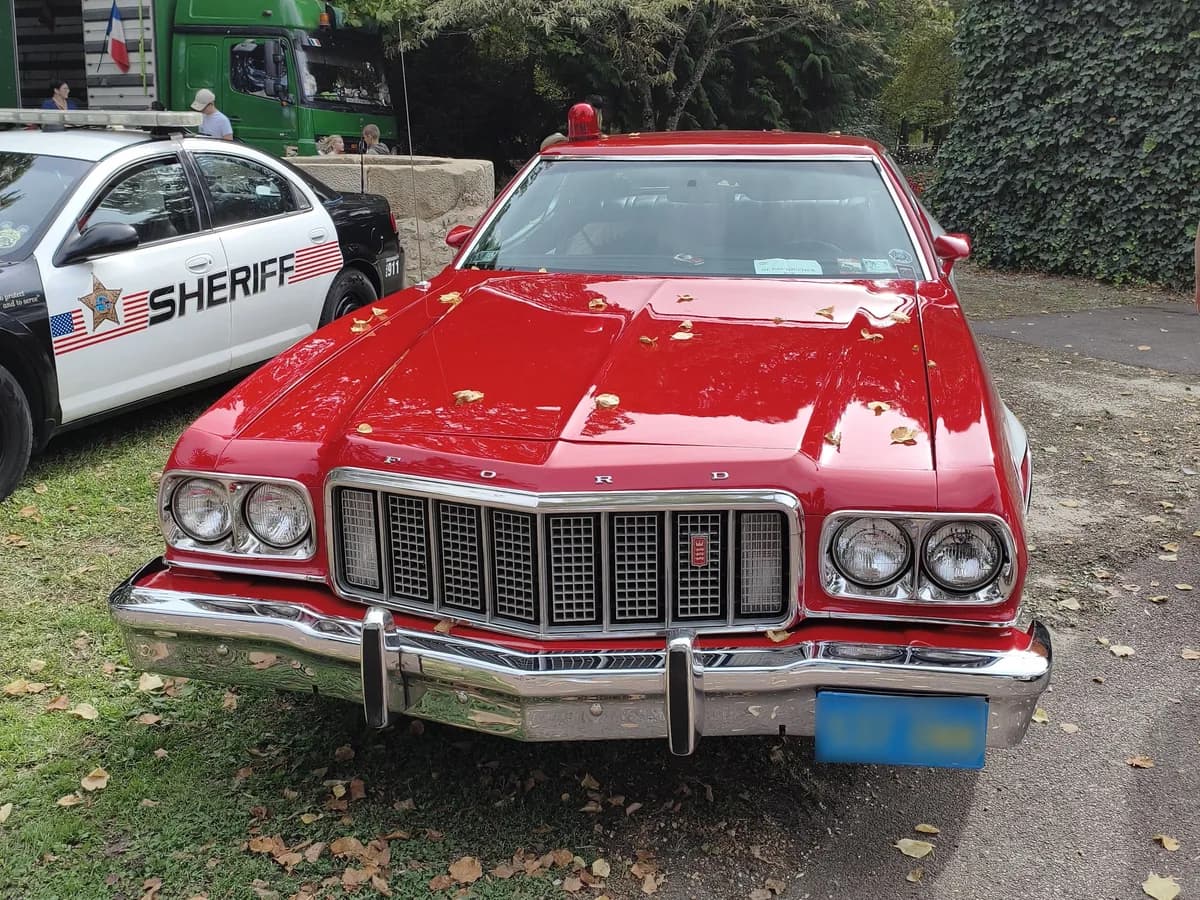
Ranchero
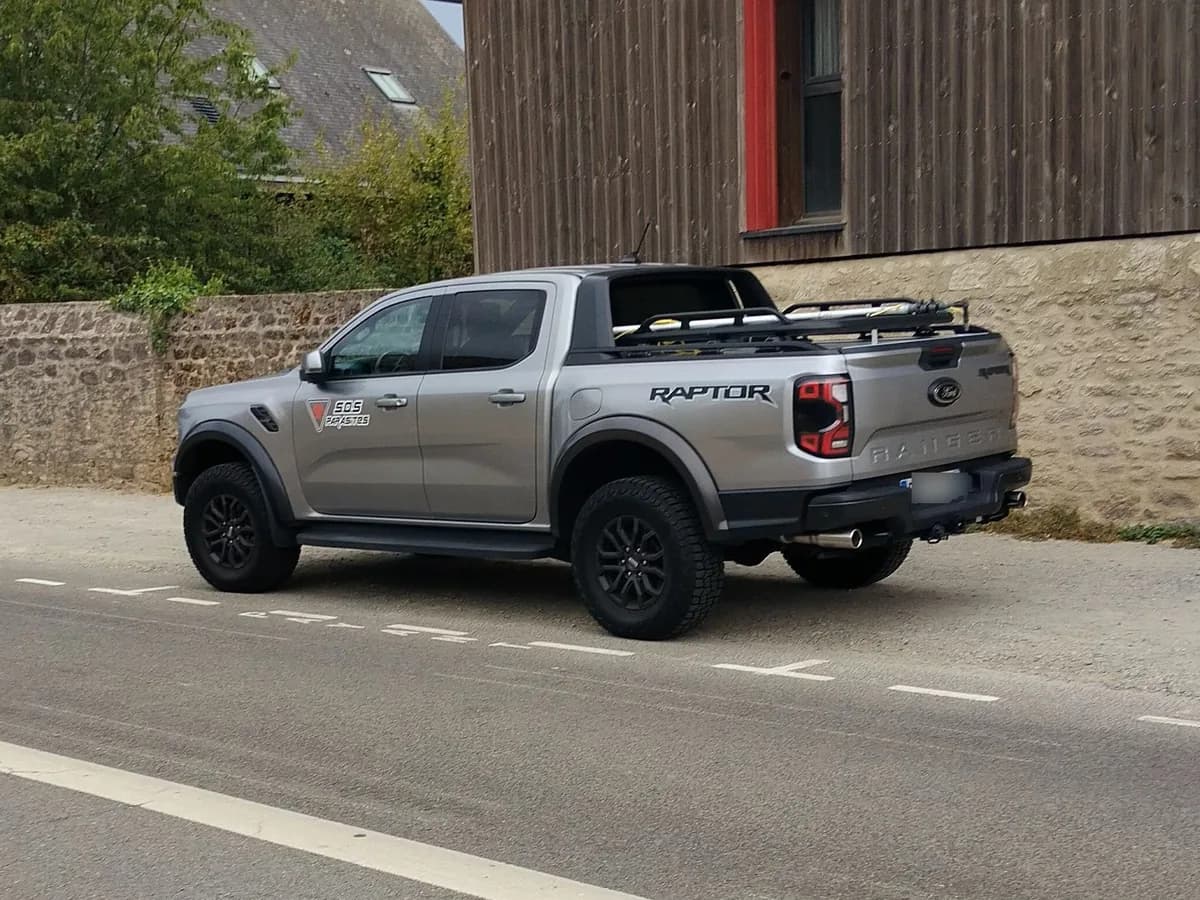
Ranger
RS200

S-Max
Scorpio
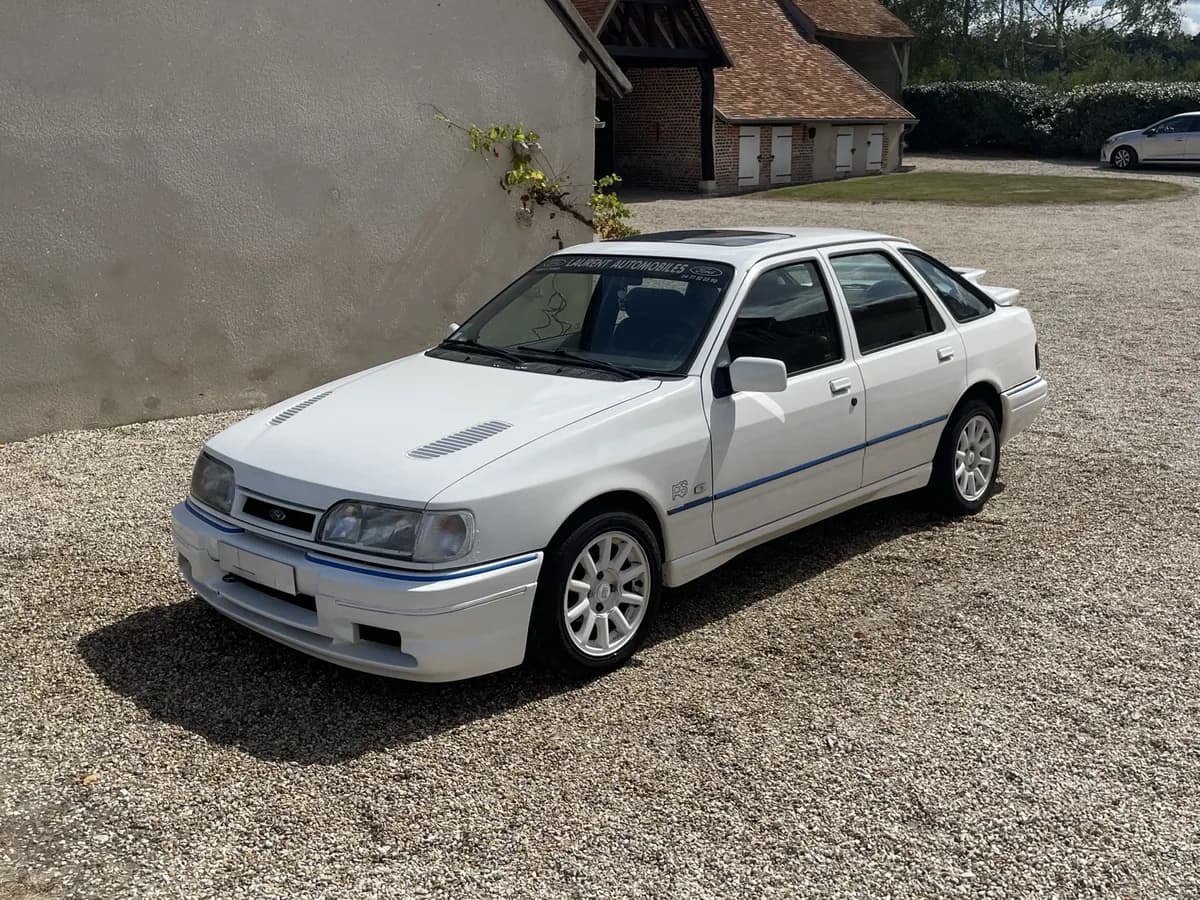
Sierra
Sierra P100

Taunus
Taurus
Taurus X
Telstar
Tempo
Territory

Thunderbird

Tourneo
Tourneo Connect
Verona
Versailles
Windstar
Ford overview
Ford history
Henry Ford built his first vehicle, the Quadricycle, in 1896. Ford Motor Company was incorporated on June 16, 1903, by Henry Ford and 12 investors. The Model T, introduced in 1908, became the foundation of the company’s early industrial strategy. Its design emphasized ease of operation, durability and straightforward maintenance. Ford states that more than 15 million Model Ts were produced before manufacturing ended in May 1927. A decisive step came in 1913, when Ford implemented the moving assembly line at its Highland Park plant in Michigan. Divided labor, interchangeable parts and the continuous movement of vehicles substantially reduced assembly time. The approach went on to influence manufacturing well beyond the automotive industry. Ford continued to expand through the River Rouge complex, international operations and a broader range of trucks, sedans and prestige models. After World War II, the company renewed its identity with the 1949 Ford, followed by the Thunderbird in 1954 and the Mustang in 1964. In Europe, the Fiesta arrived in 1976 as a front-wheel-drive small car developed for international success. Later decades brought the growth of the Escort, Taurus, Explorer and successive F-Series generations.
Ford positioning
Ford holds a distinctive place in automotive history by combining high-volume manufacturing, work-oriented vehicles and emotionally charged nameplates. The Model T represents mass motoring through standardization and lower production costs. The F-Series later demonstrated the growing specialization of pickup trucks: from 1948, Ford moved away from car-based truck designs toward a range built around a dedicated truck platform. The Thunderbird followed a different direction, emphasizing comfort and styling as well as performance. Introduced in 1964, the Mustang added an accessible performance identity that became one of Ford’s most recognizable signatures. In Europe, the Fiesta, Escort and Taunus reflected the importance of compact dimensions, family use and regional market requirements. The Explorer and Bronco subsequently strengthened Ford’s presence in the SUV and off-road categories.
Recognizing a Ford in a photo
When identifying an older Ford, start with the body shape, chassis layout and grille details rather than relying only on the badge. Cars from the early decades often have separate body construction, prominent fenders and tall proportions. The 1949 Ford stands out through its smooth sides, lower profile and integrated fenders, marking a major postwar styling change. 1950s Thunderbirds combine a low two-seat body with a more refined presentation and, on certain versions, distinctive porthole roof windows. First-generation Mustangs are generally recognizable by their long hood, short rear deck and compact sporting proportions. For European generations, a small footprint, five-door body style and front-wheel-drive layout may point toward a Fiesta, Escort or Focus. F-Series pickups are best separated by overall size, cab configuration, grille treatment and payload class. Badges can help, but trim changes and market-specific versions mean that headlights, taillights, wheelbase and body panels should also be compared.
Important Ford models
Several nameplates define Ford’s history. The Model T remains the company’s major industrial reference, combining mass production with the broad adoption of automobile ownership. The Thunderbird represents Ford’s more comfort-oriented and stylistic direction, while the Mustang introduced an accessible performance identity that became globally recognizable. The F-Series occupies a central position among commercial vehicles and pickup trucks, with an exceptionally long run of successive generations. In Europe, the Fiesta and Escort illustrate complementary approaches to compact and family motoring. The Taunus and Consul also reflect the variety of Ford’s European offerings. Falcon, Galaxie and Focus belong to different periods and markets, demonstrating the breadth of Ford’s naming strategy. Bronco and Explorer extend the range into off-road vehicles and SUVs. Taken together, these models cover Ford’s recurring themes: affordability, family transportation, professional use, performance and recreation.
References
- Our HistoryFord Motor Company
- Company TimelineFord Motor Company
- The Model TFord Motor Company
- Henry Ford BiographyFord Motor Company
- The 1949 FordFord Motor Company
- 50 Years of Ford Mustang MilestonesFord Motor Company
- The Model T & The Assembly LineThe Henry Ford
- https://corporate.ford.com/content/dam/corporate/us/en-us/documents/ford-for-kids/mustang-activities.pdfcorporate.ford.com