
Mustang
Unveiled to the public on April 17, 1964, at the New York World’s Fair, the Ford Mustang helped establish the “pony car” formula: a sporty, comparatively affordable, customizable automobile intended to remain practical for everyday use. The original design combined a long hood, short rear deck and a choice of hardtop, convertible and later fastback body styles. Ford reported 22,000 orders on the first day, followed by more than 400,000 sales during the first year. Since then, the Mustang has progressed through seven generations, including the Mustang II, Fox Body, retro-inspired models and the globally marketed modern cars. Shelby, Boss, Mach 1, Dark Horse, GT3 and GTD names show how broadly the Mustang has expanded from its original formula. (corporate.ford.com)
What about the car you photographed?
Upload a photo to get a suggested make, model and likely year.
No account needed for the result · Publish only if you choose
Variants by year
Make: Ford · Model: Mustang
48 / 48 versions shown
2024
2023
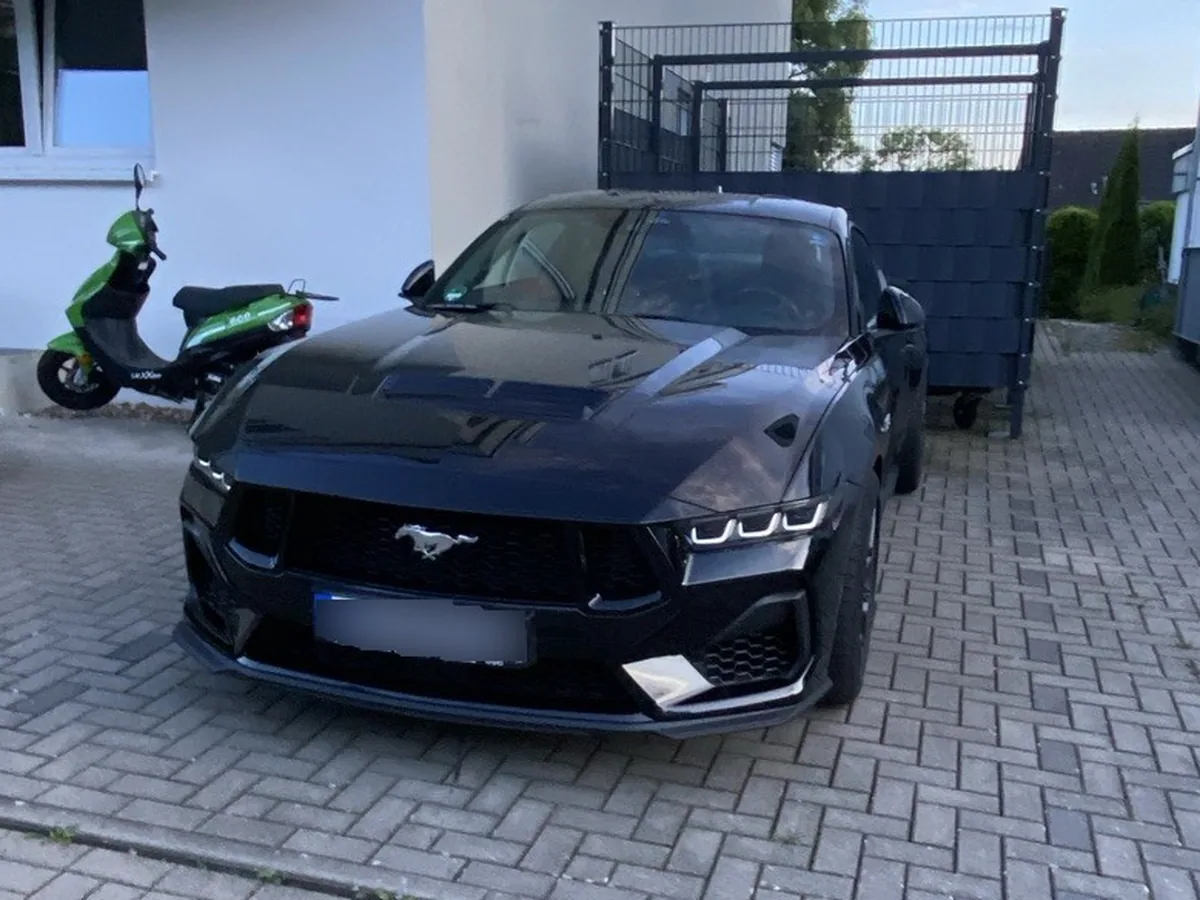
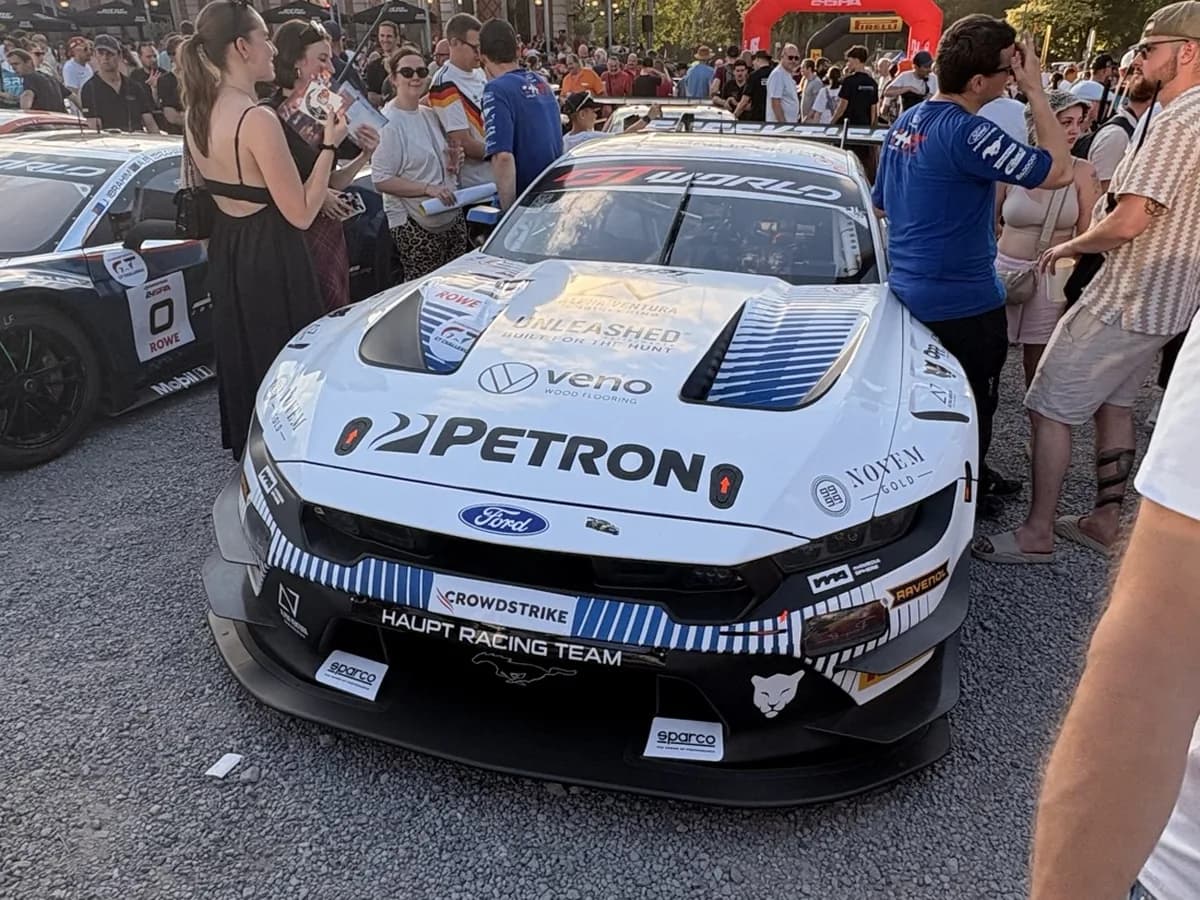
2018
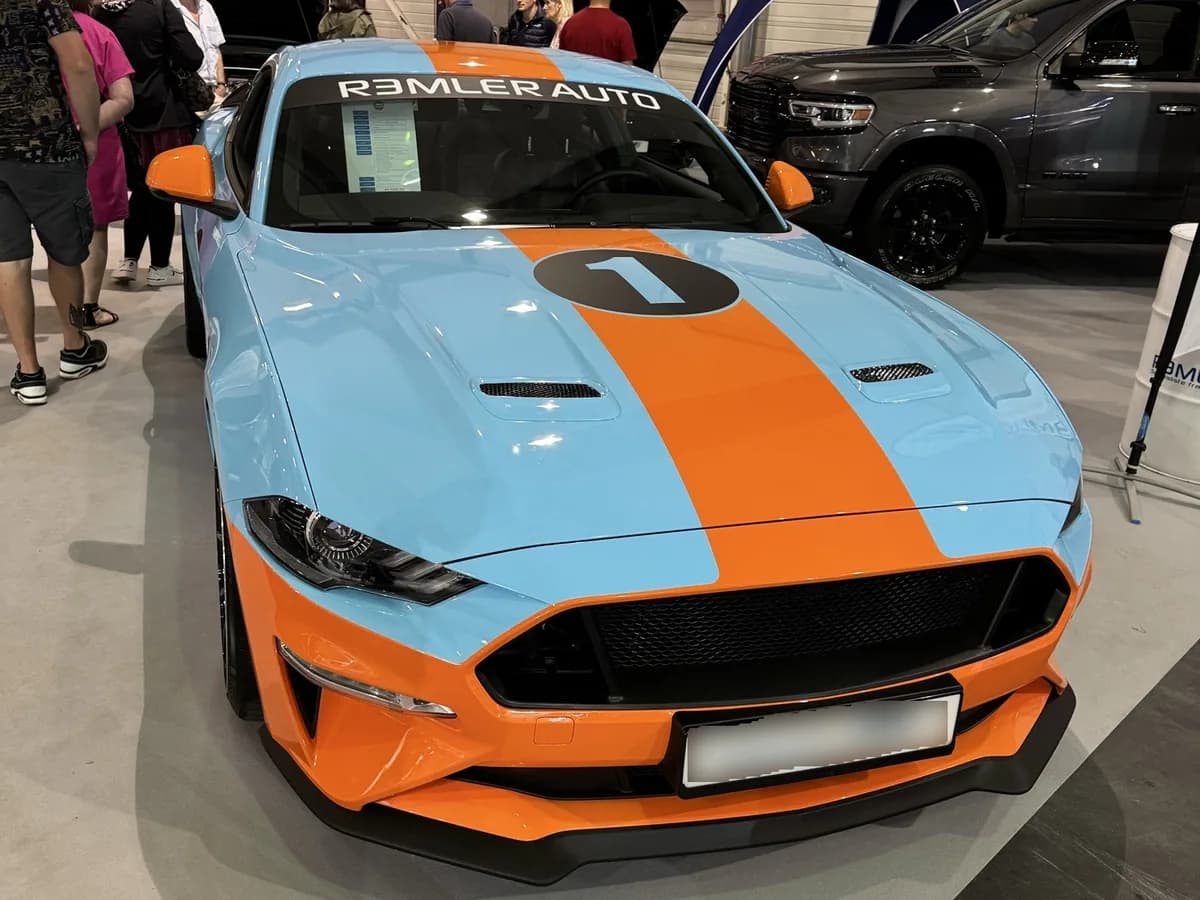
2017

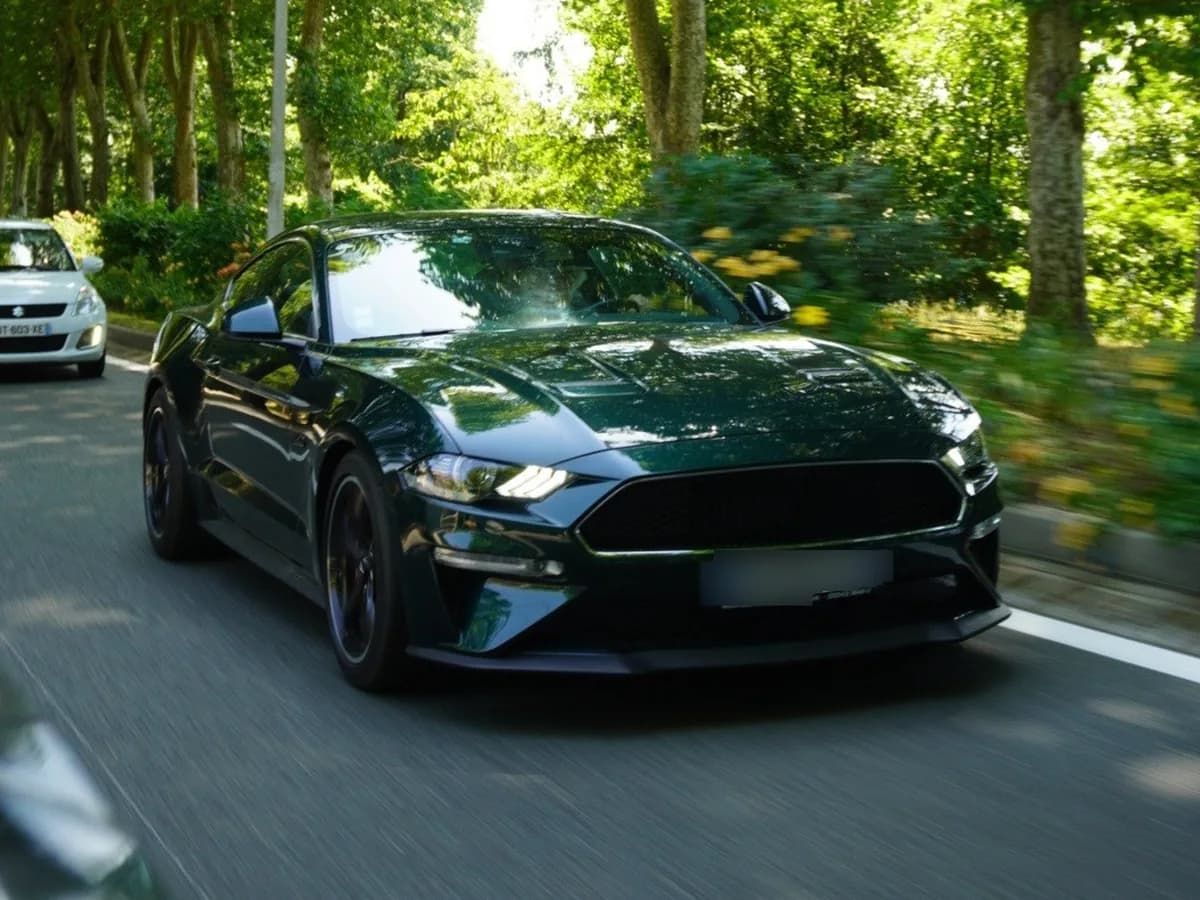

2014
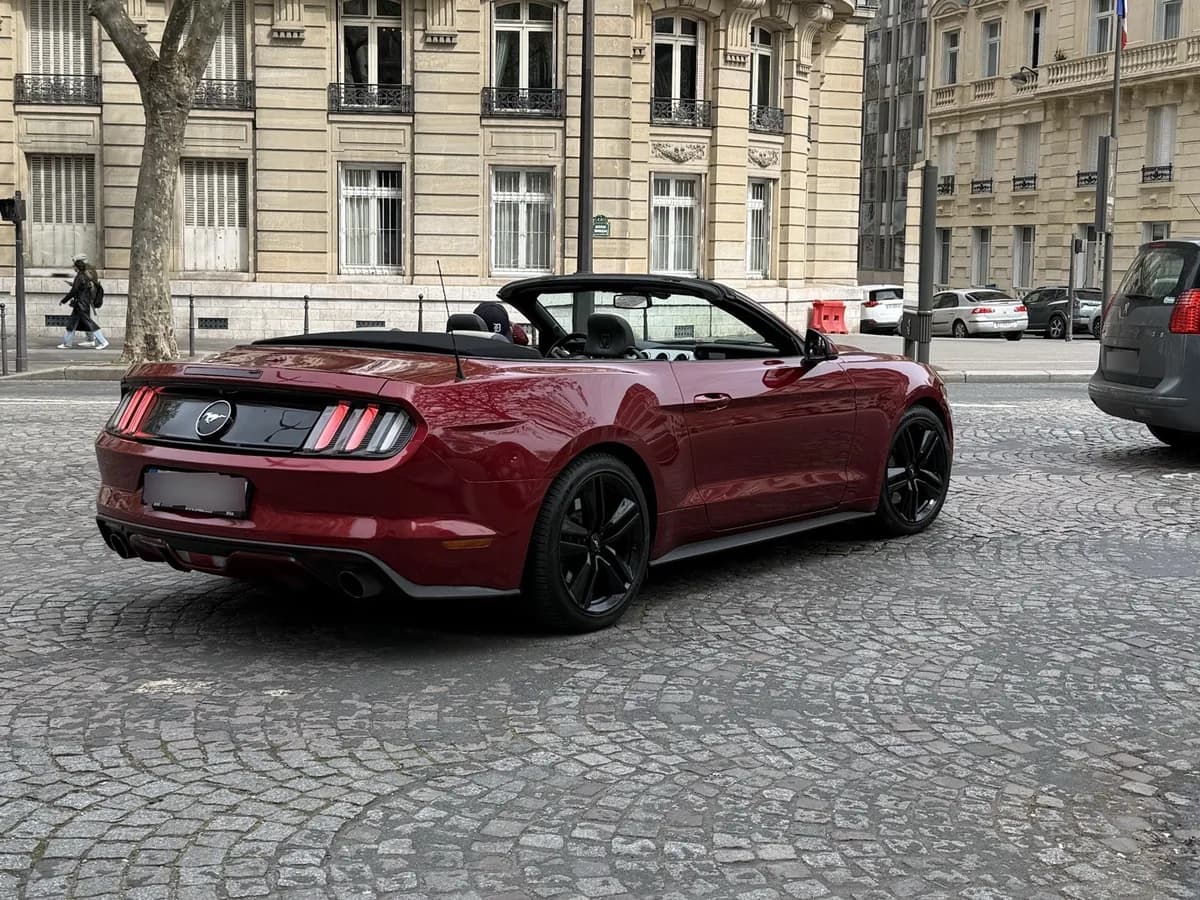
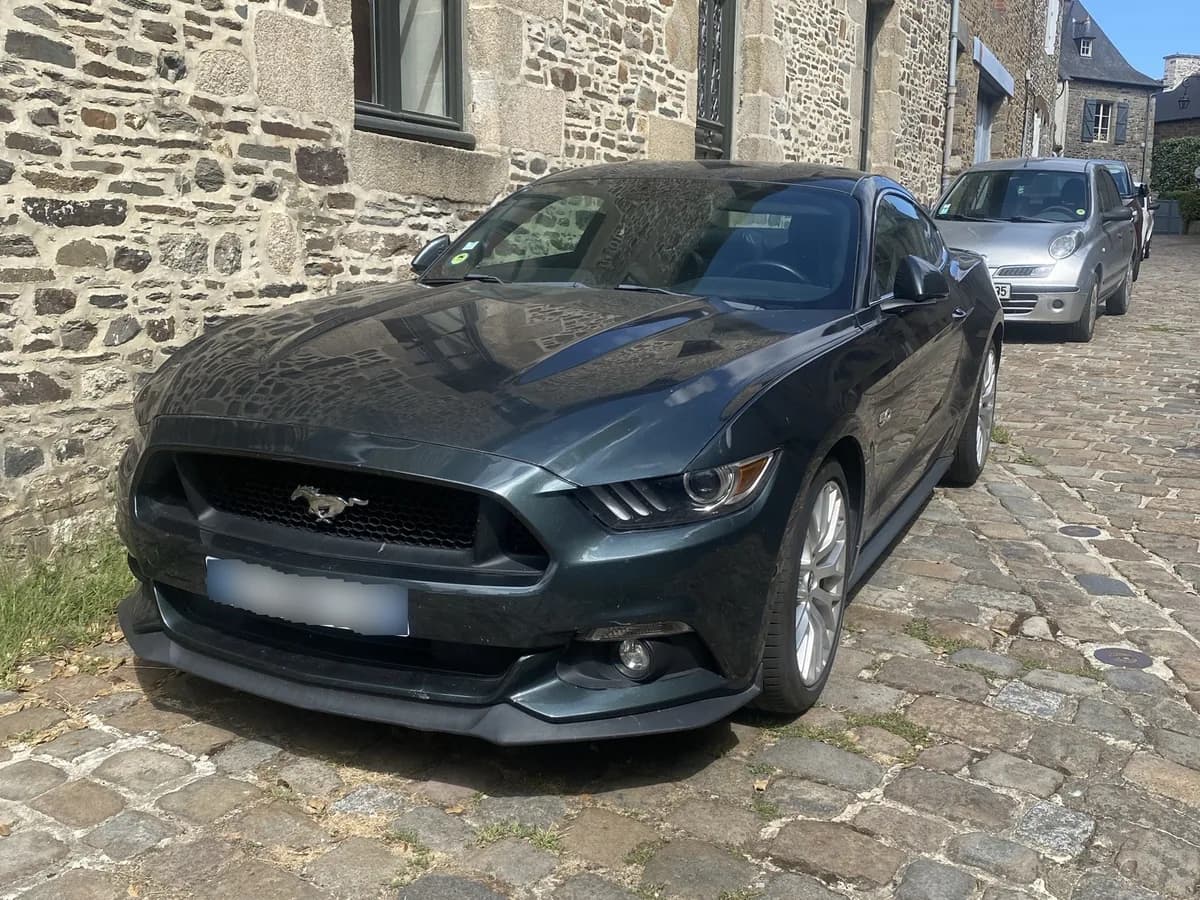
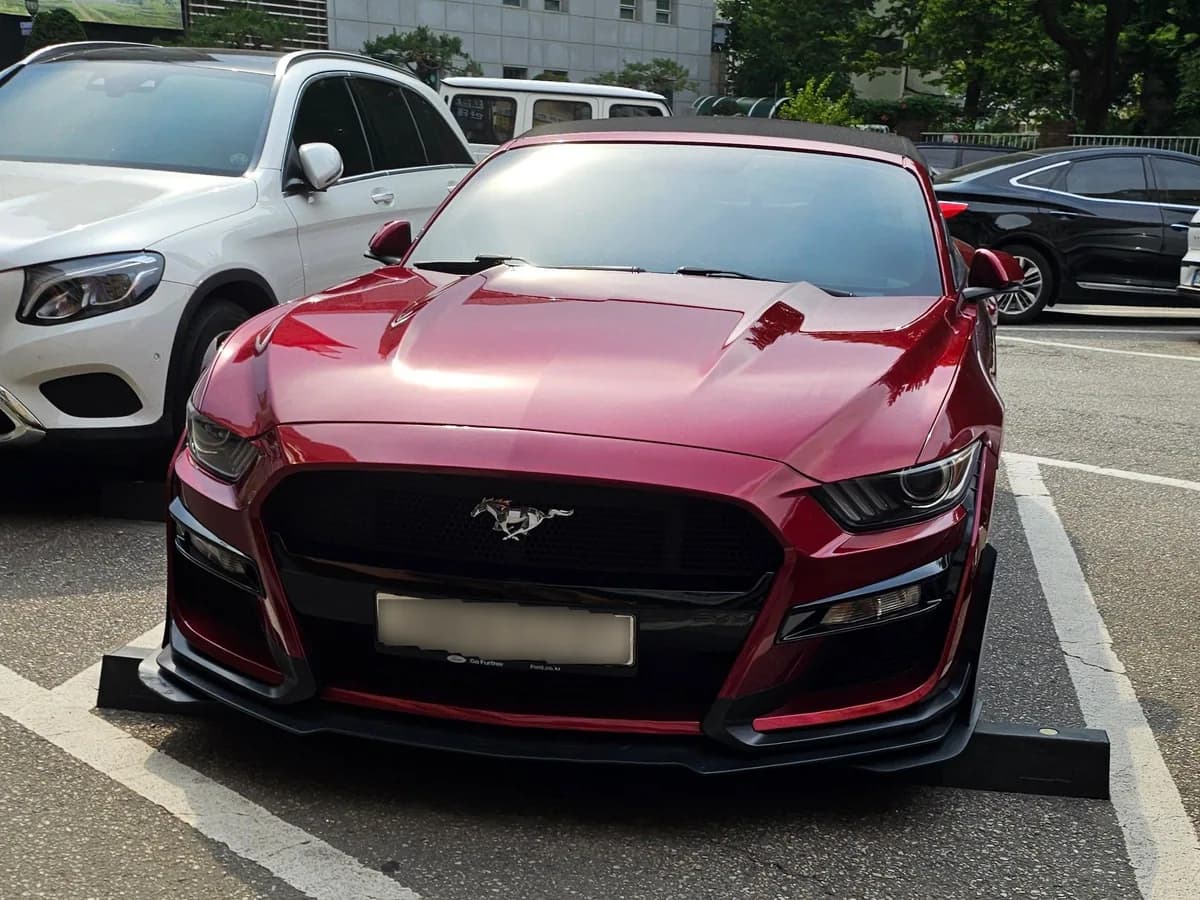
2013
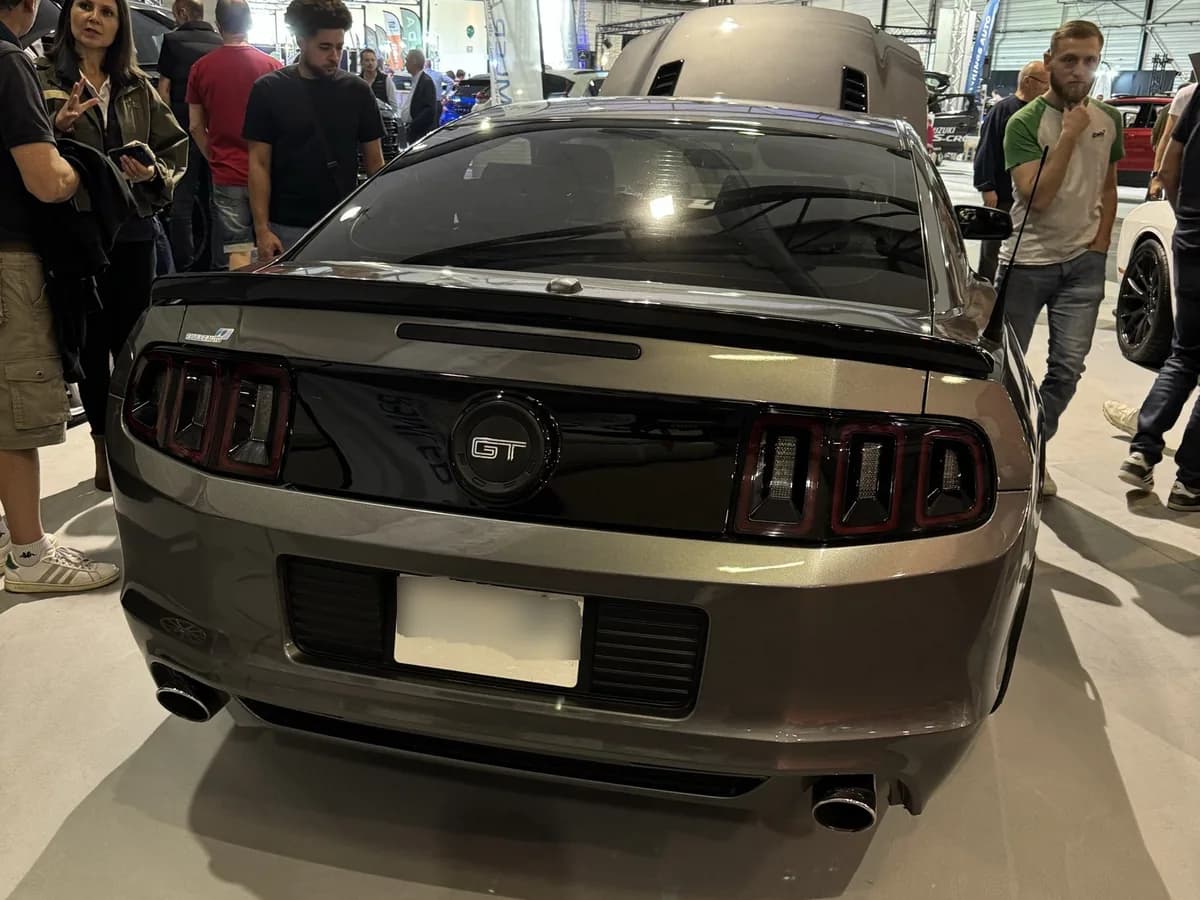
2012
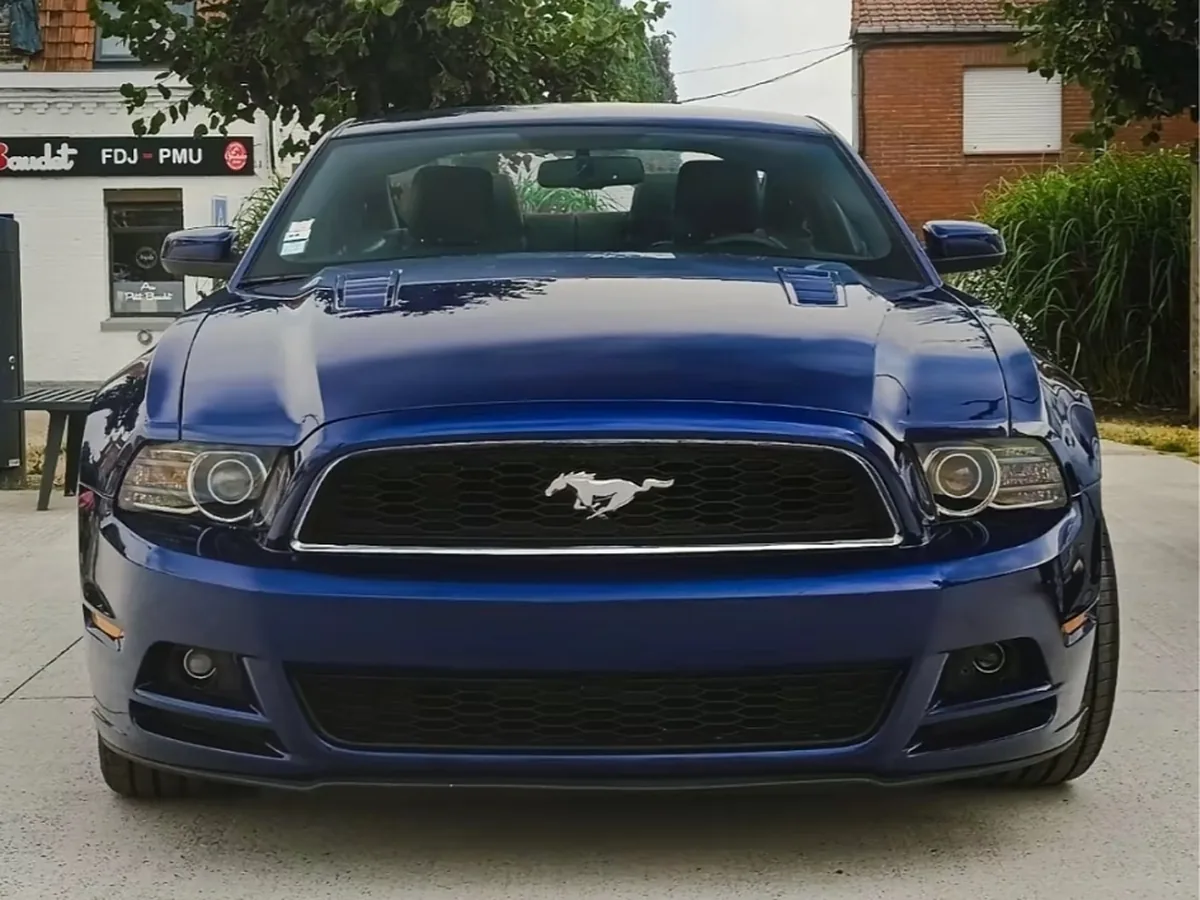
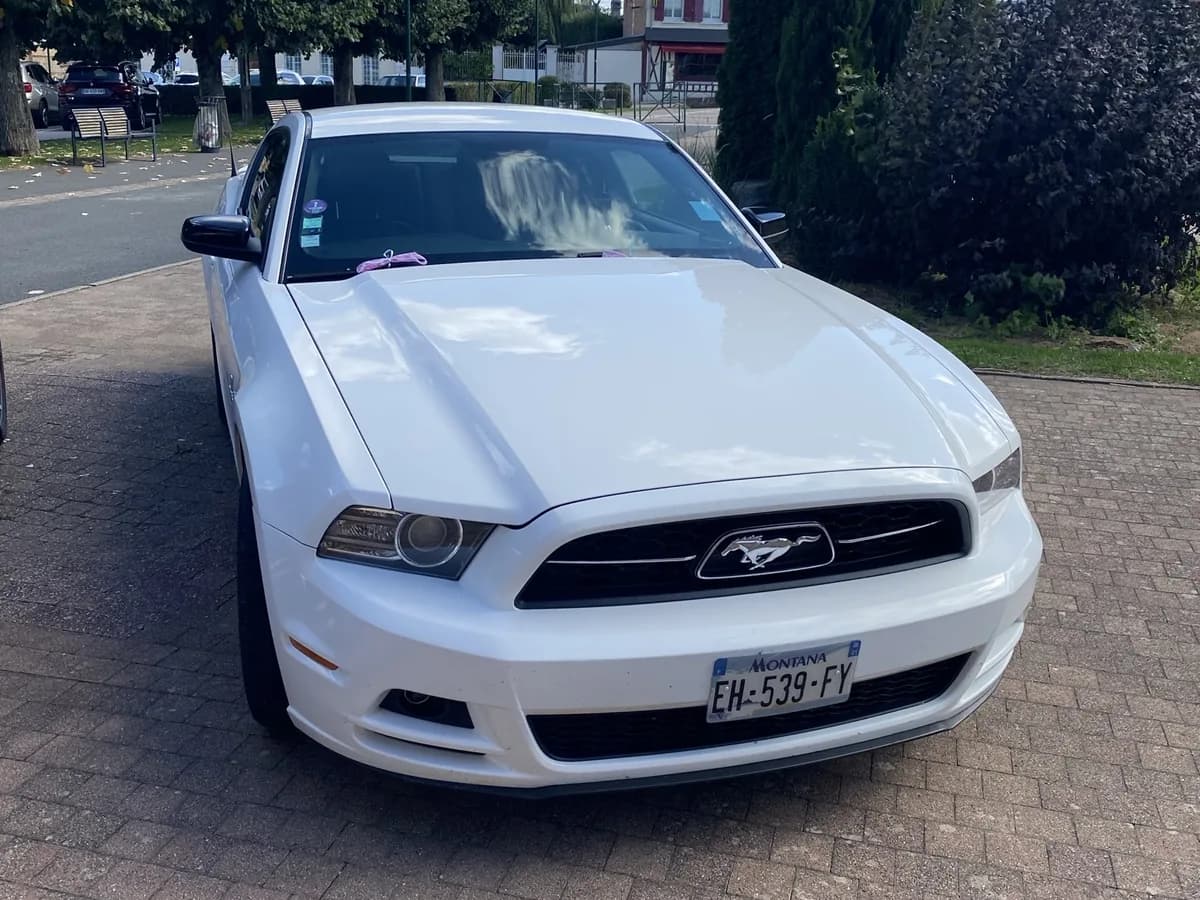
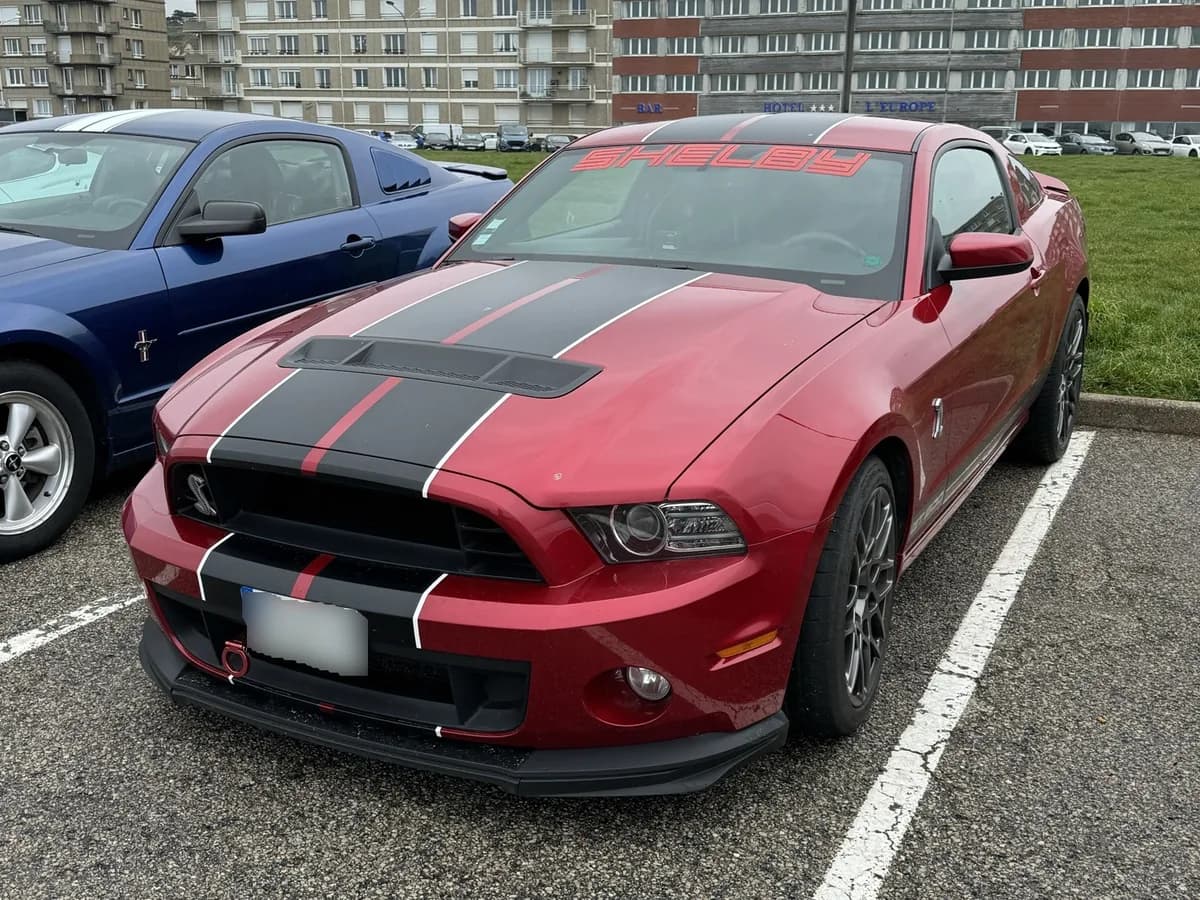
2010
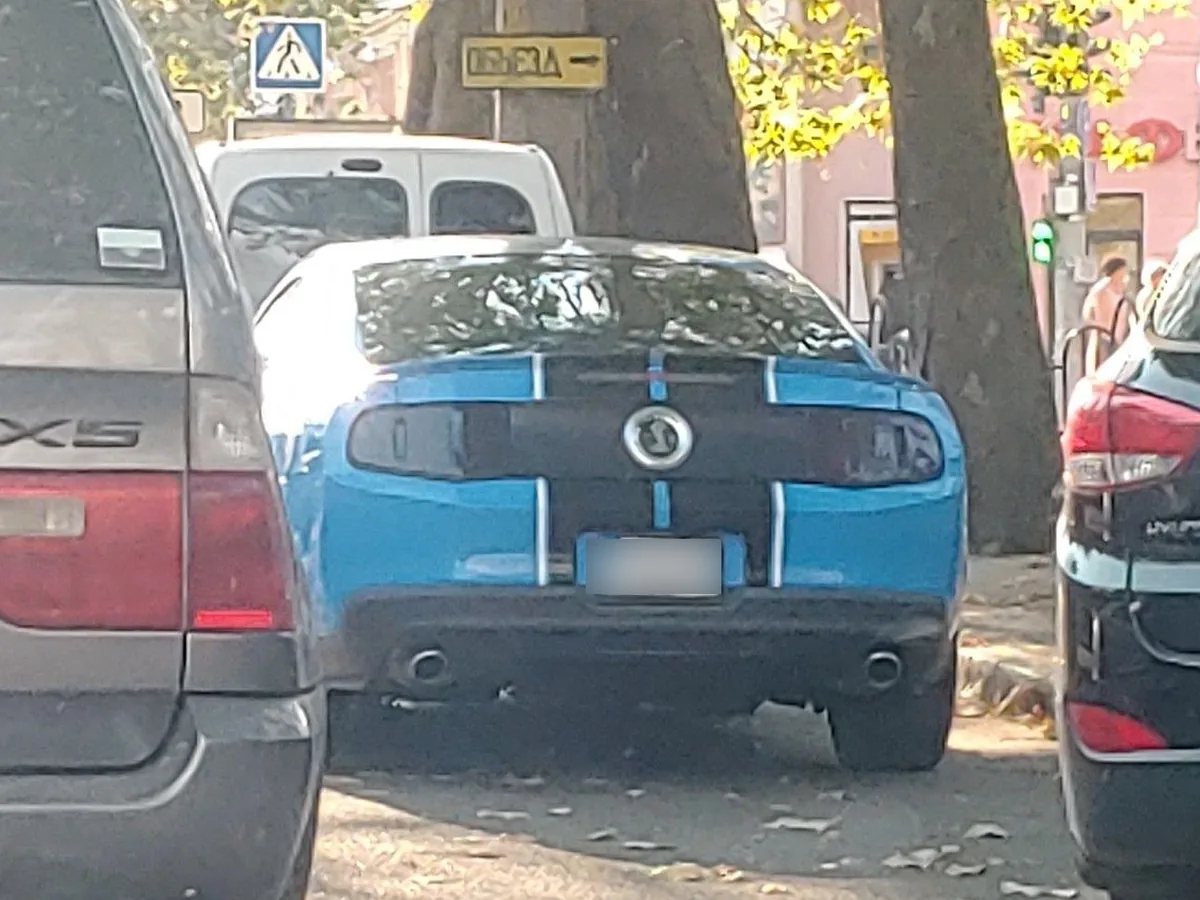 SR
SR2009
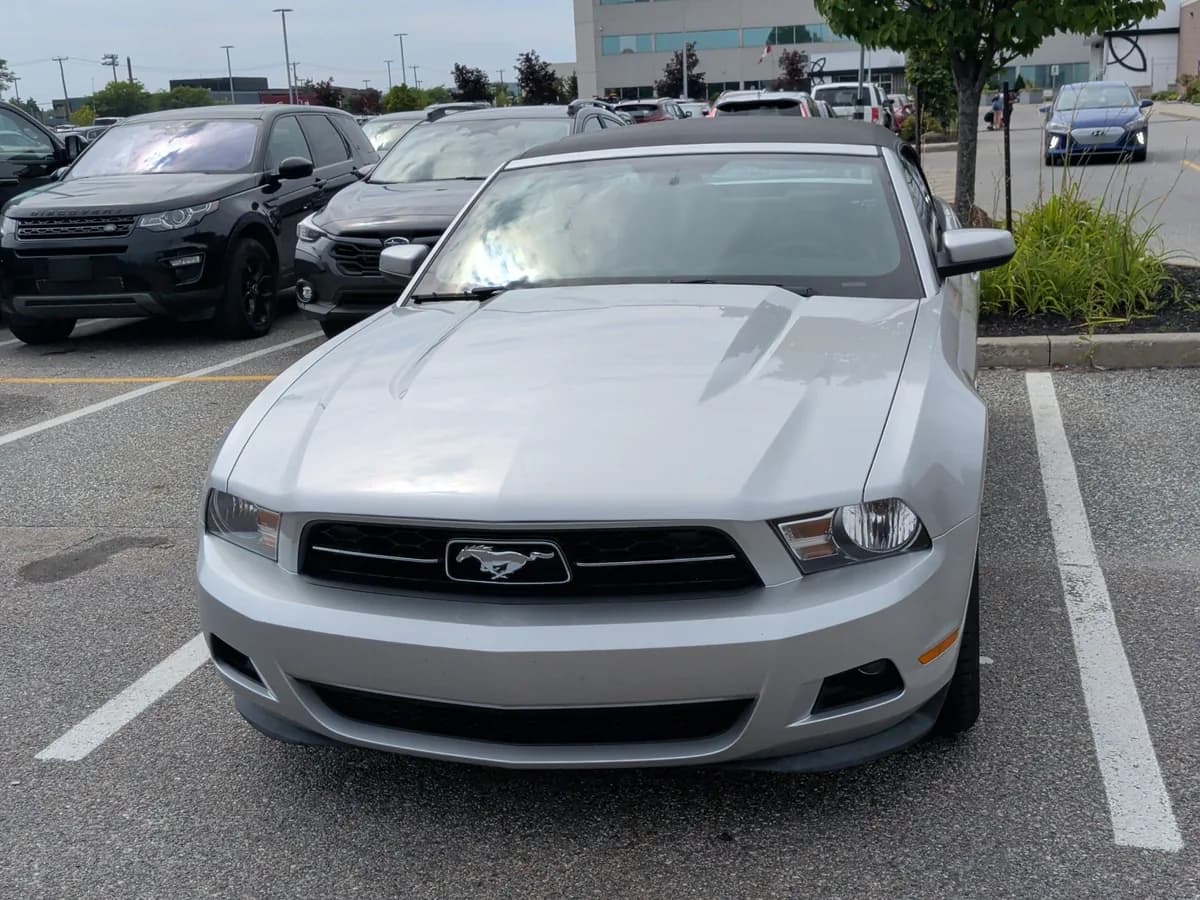
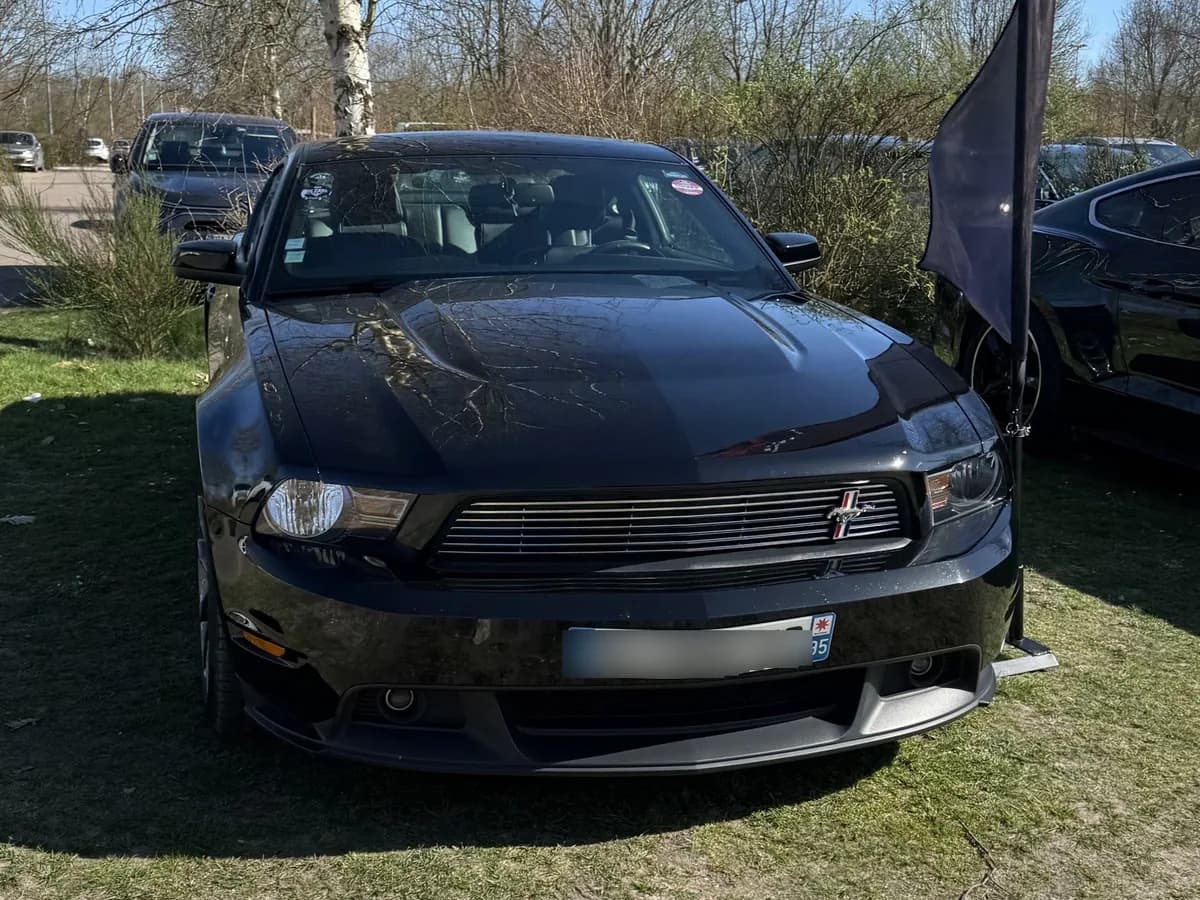
2005

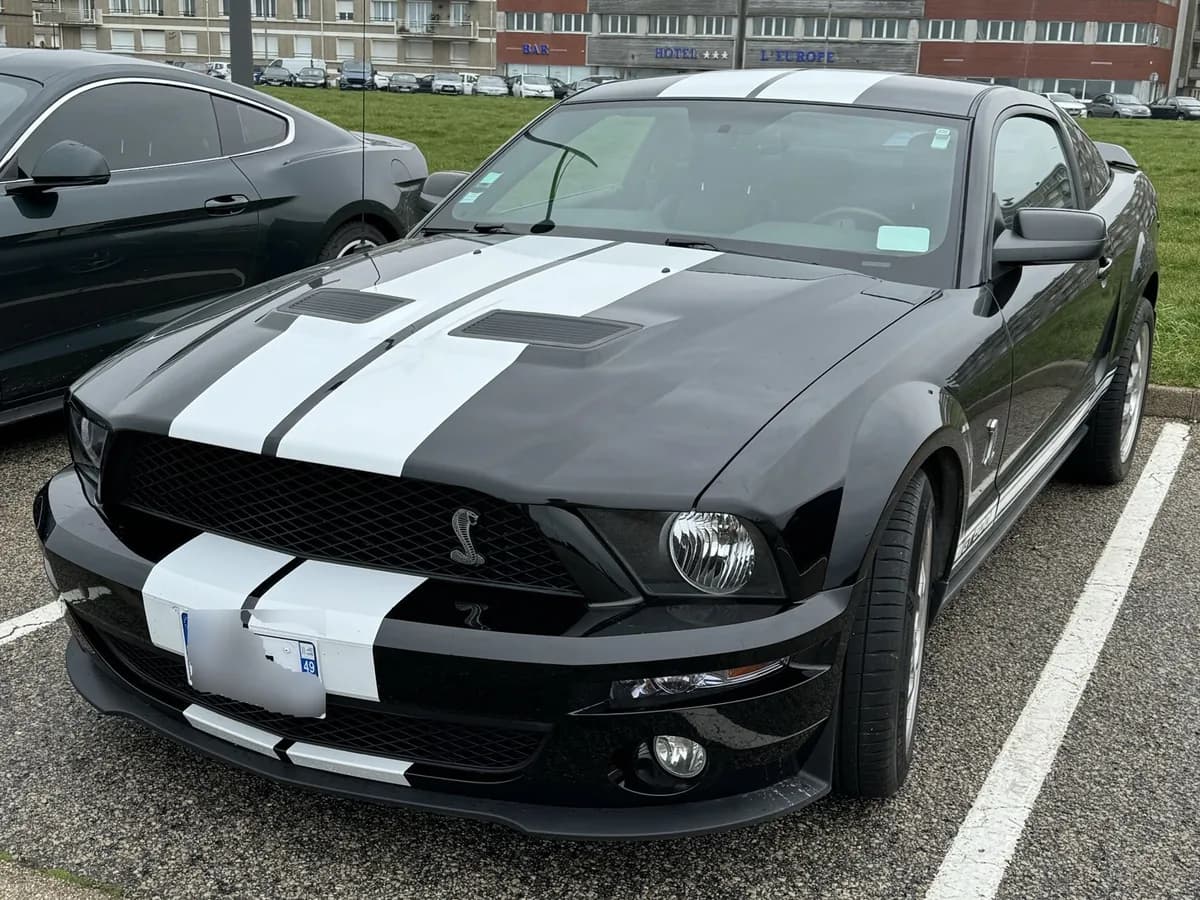
2004
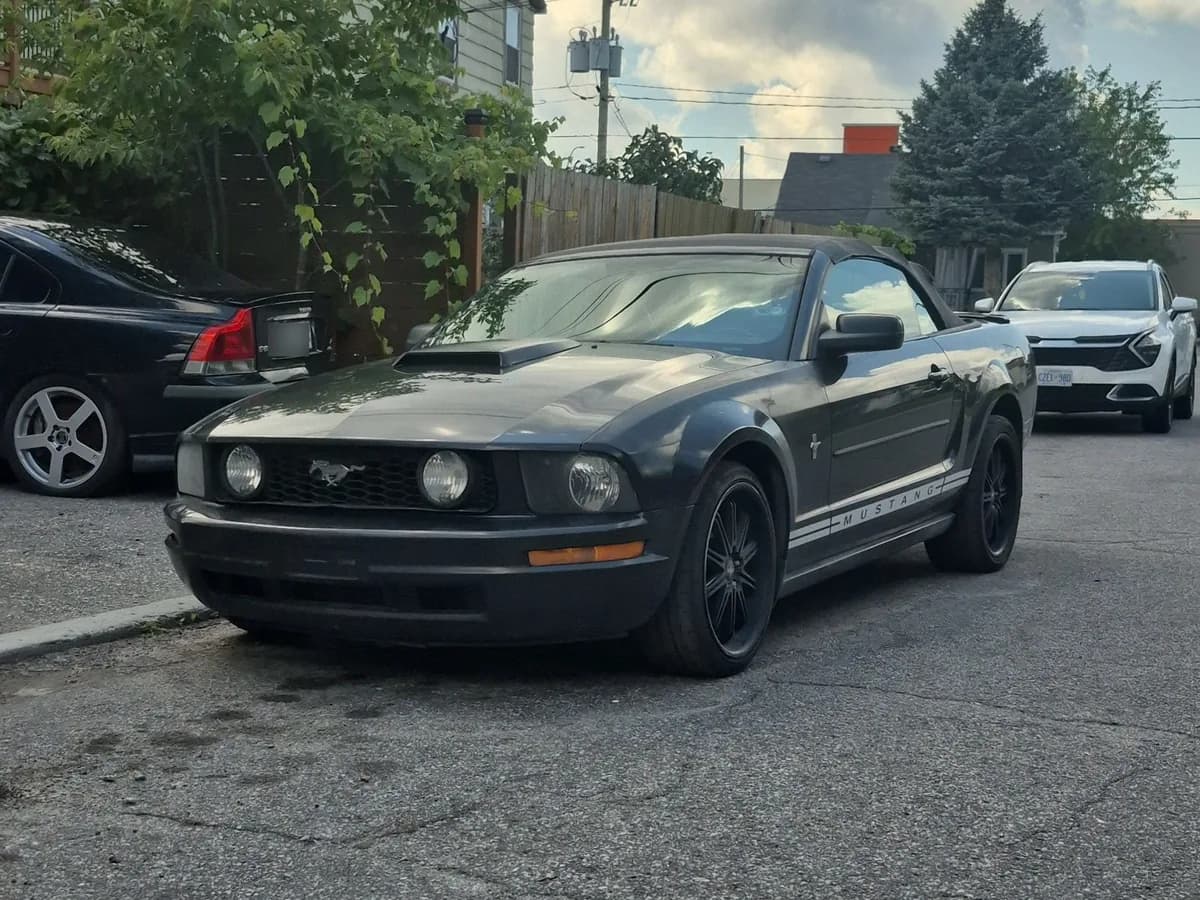
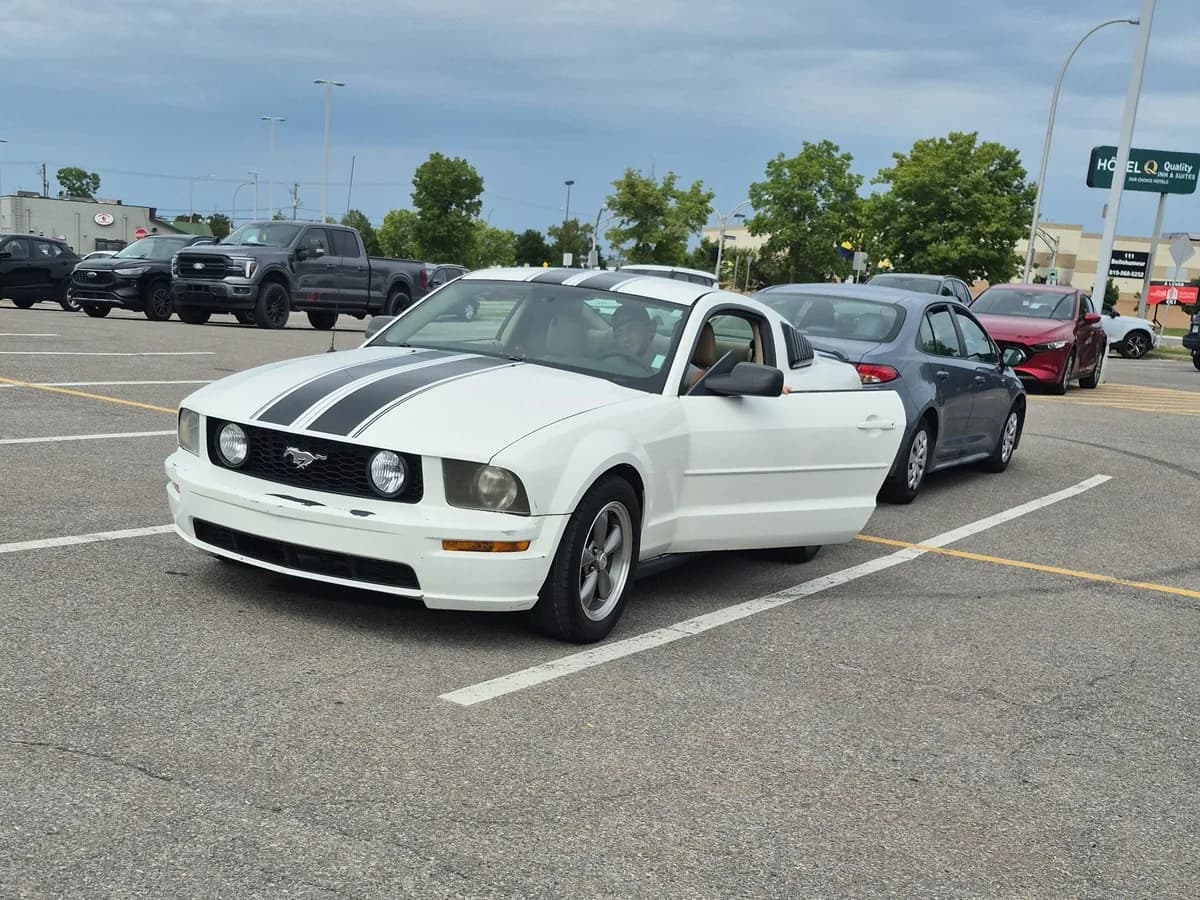
1998
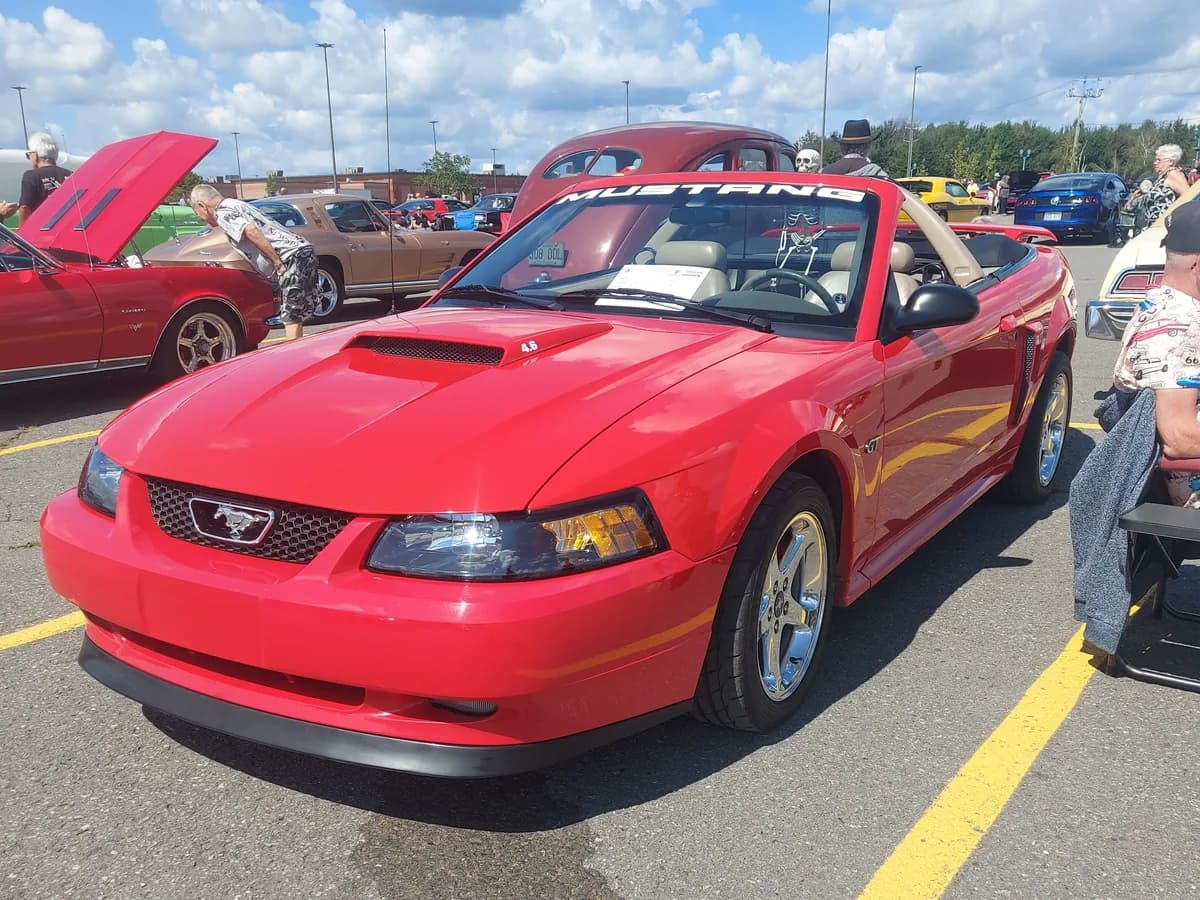
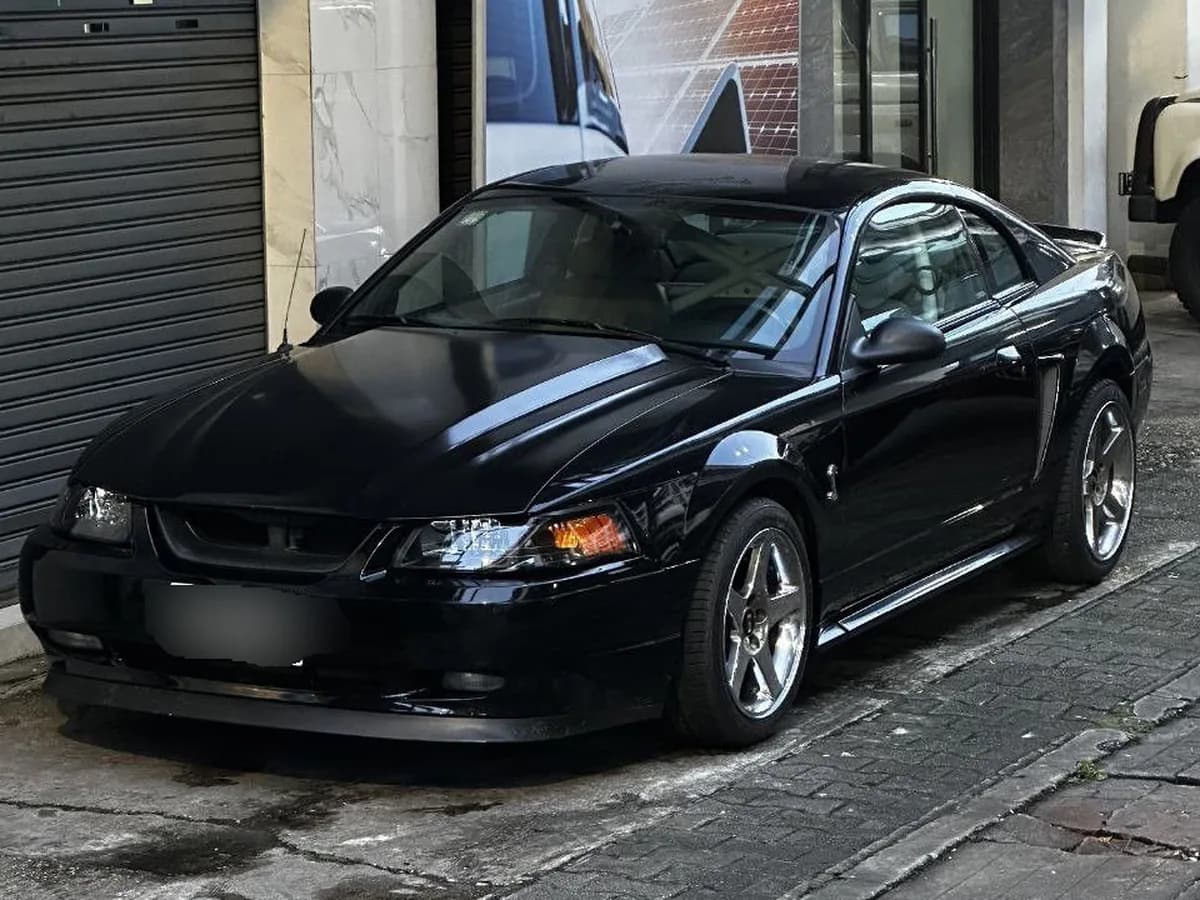
1993

1986


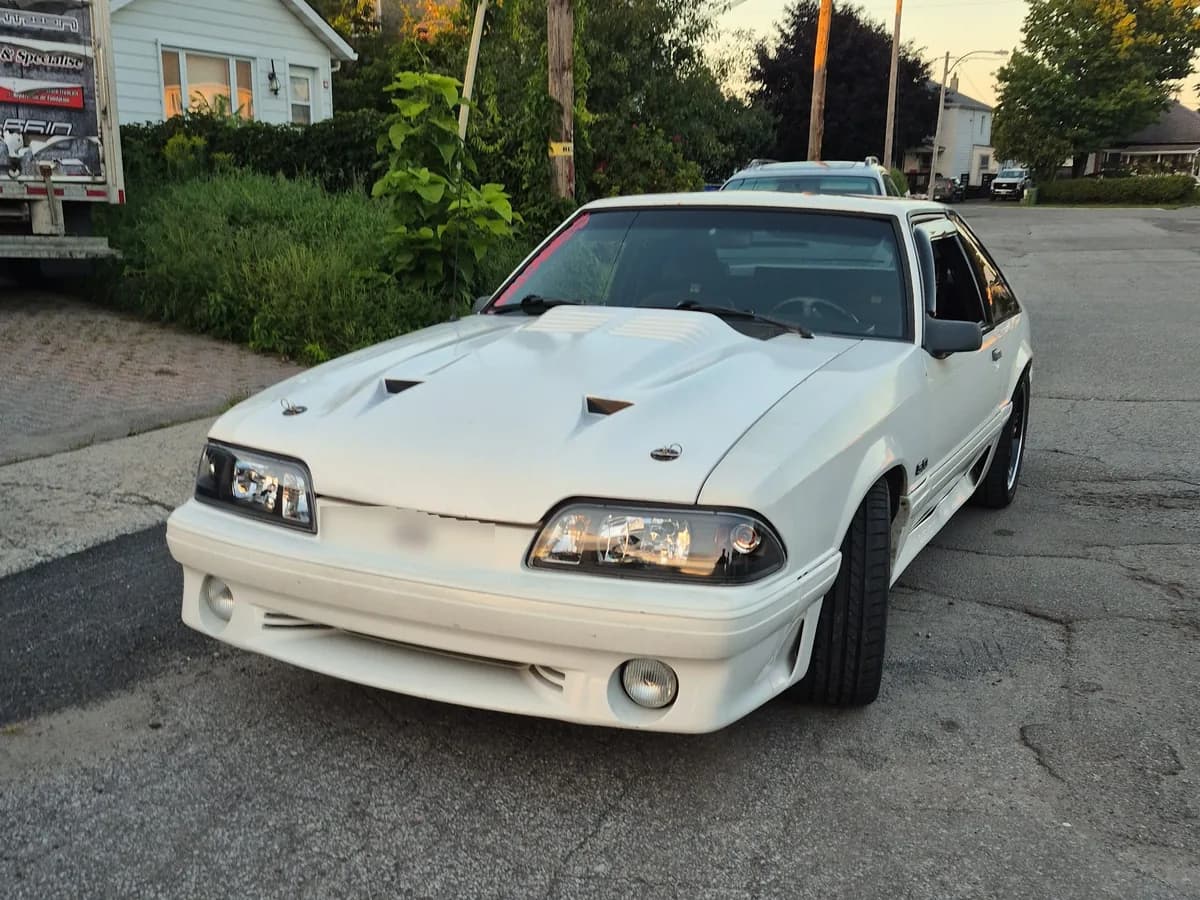
1982
1978
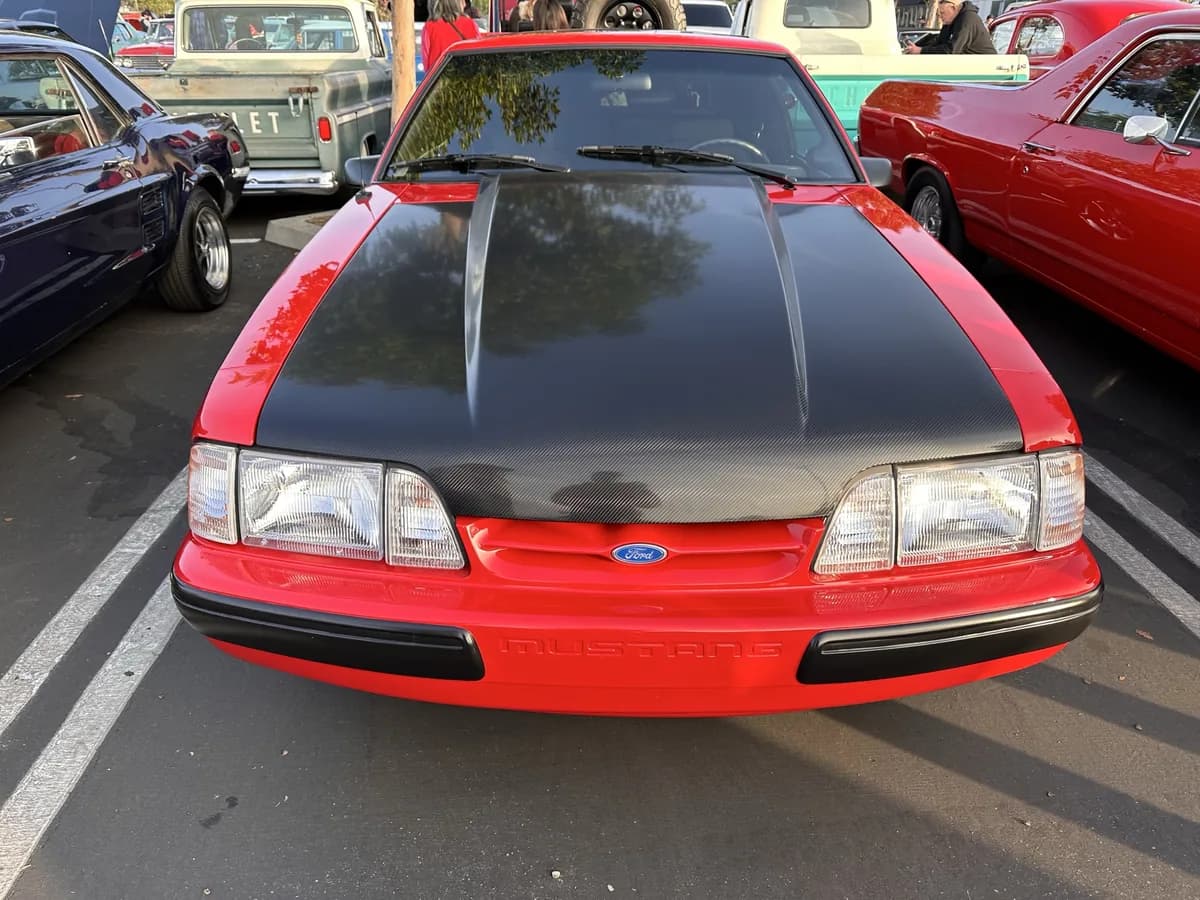
1973
1970
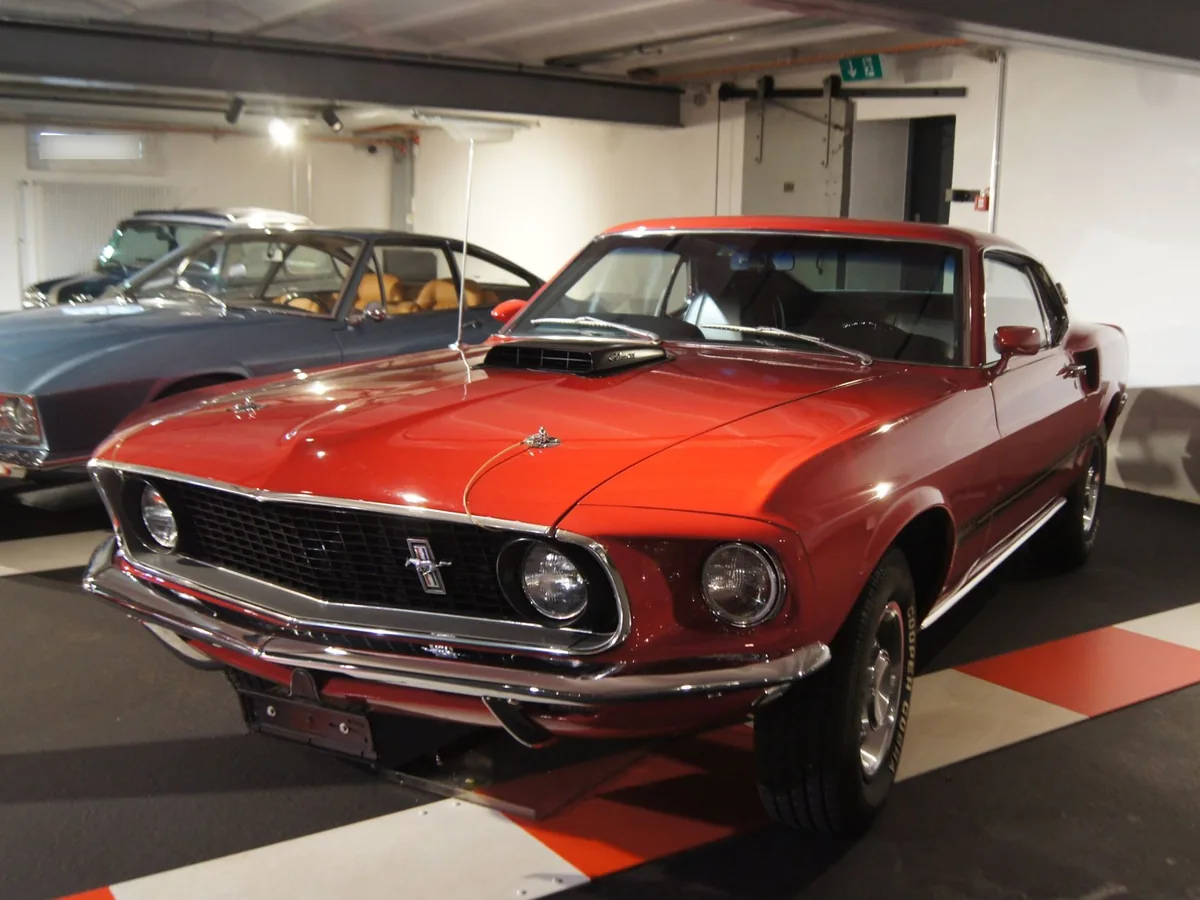
1969
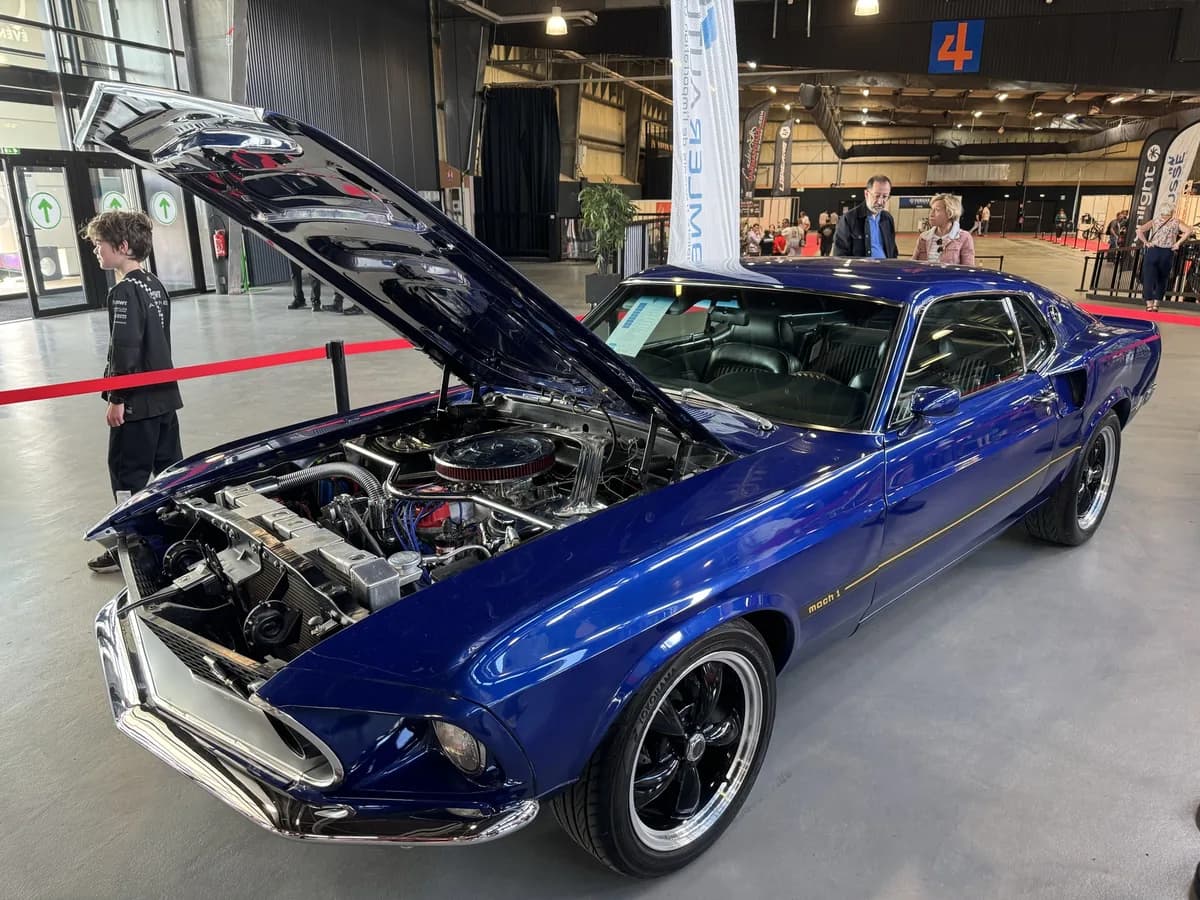

1967
1964
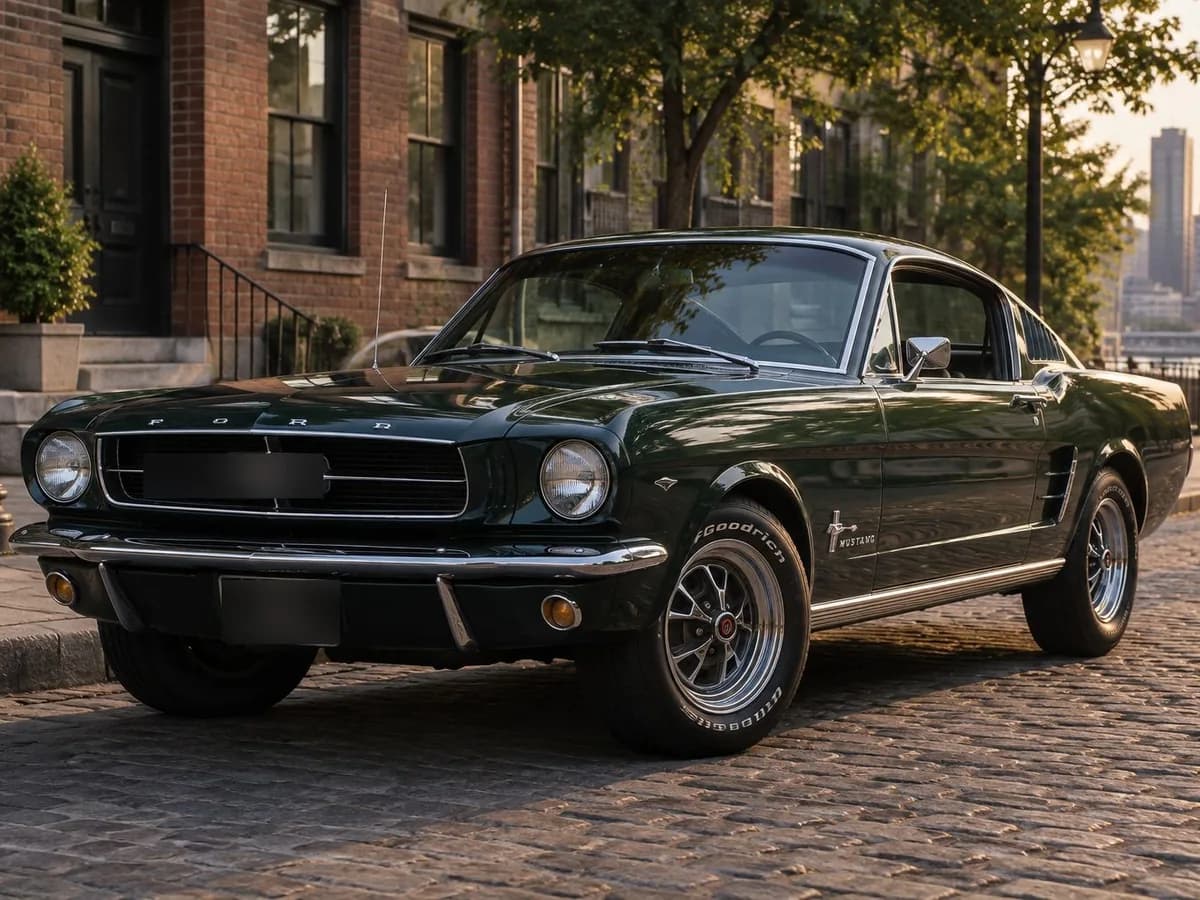
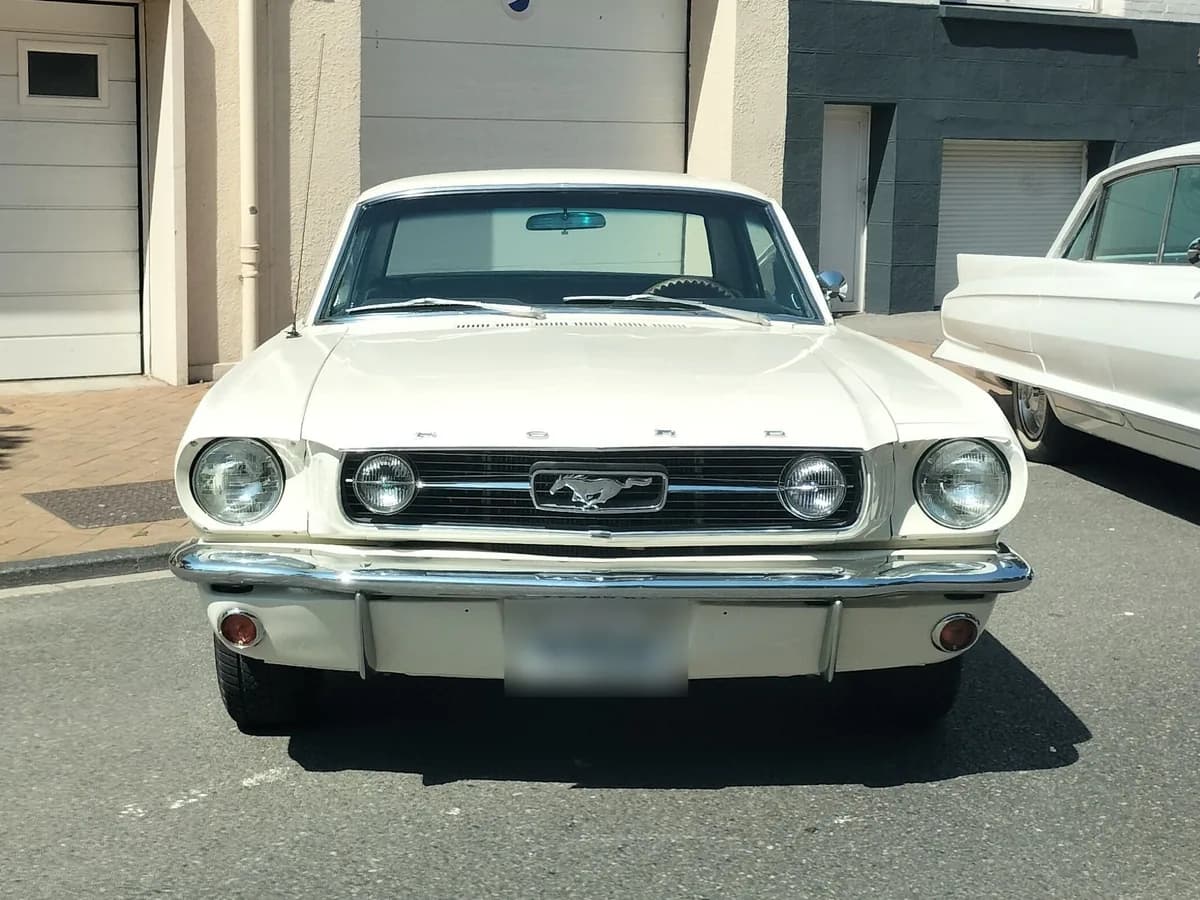
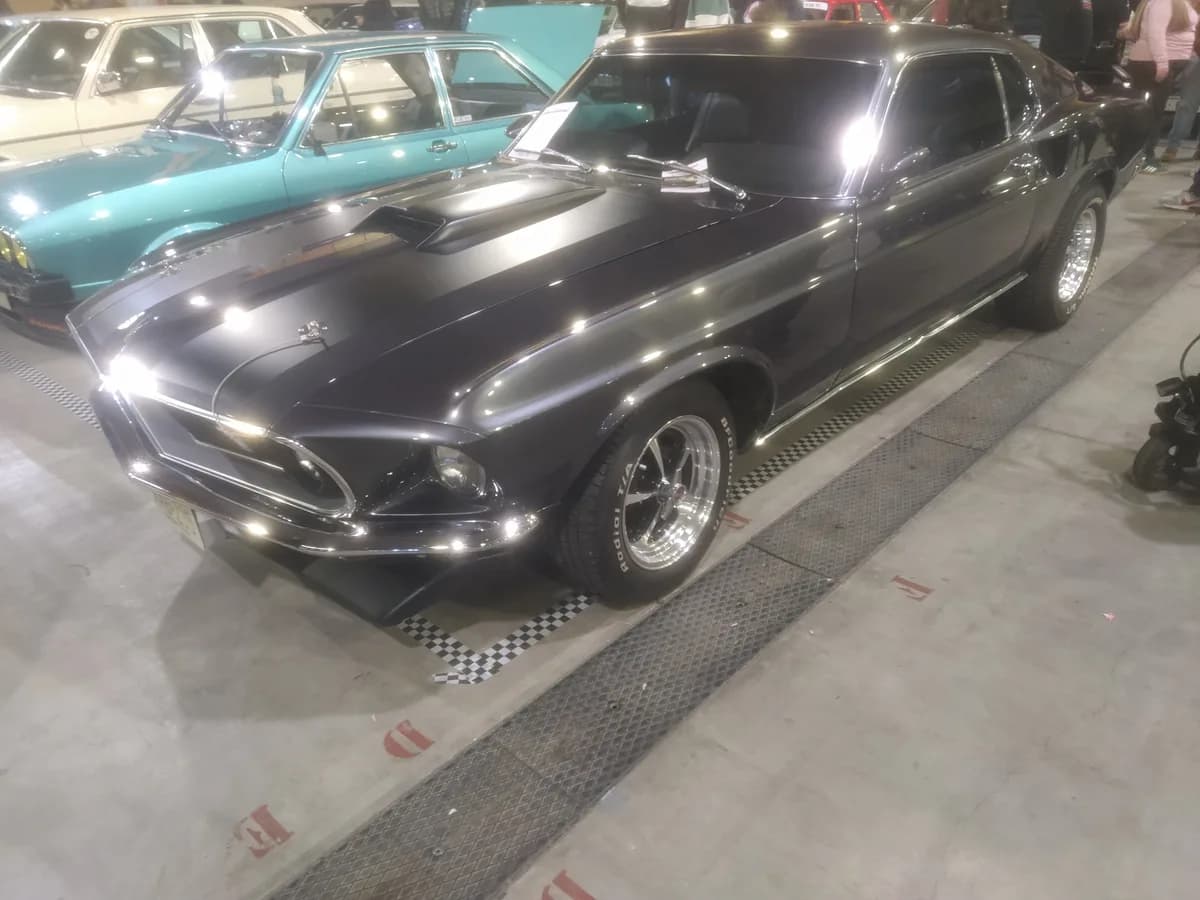
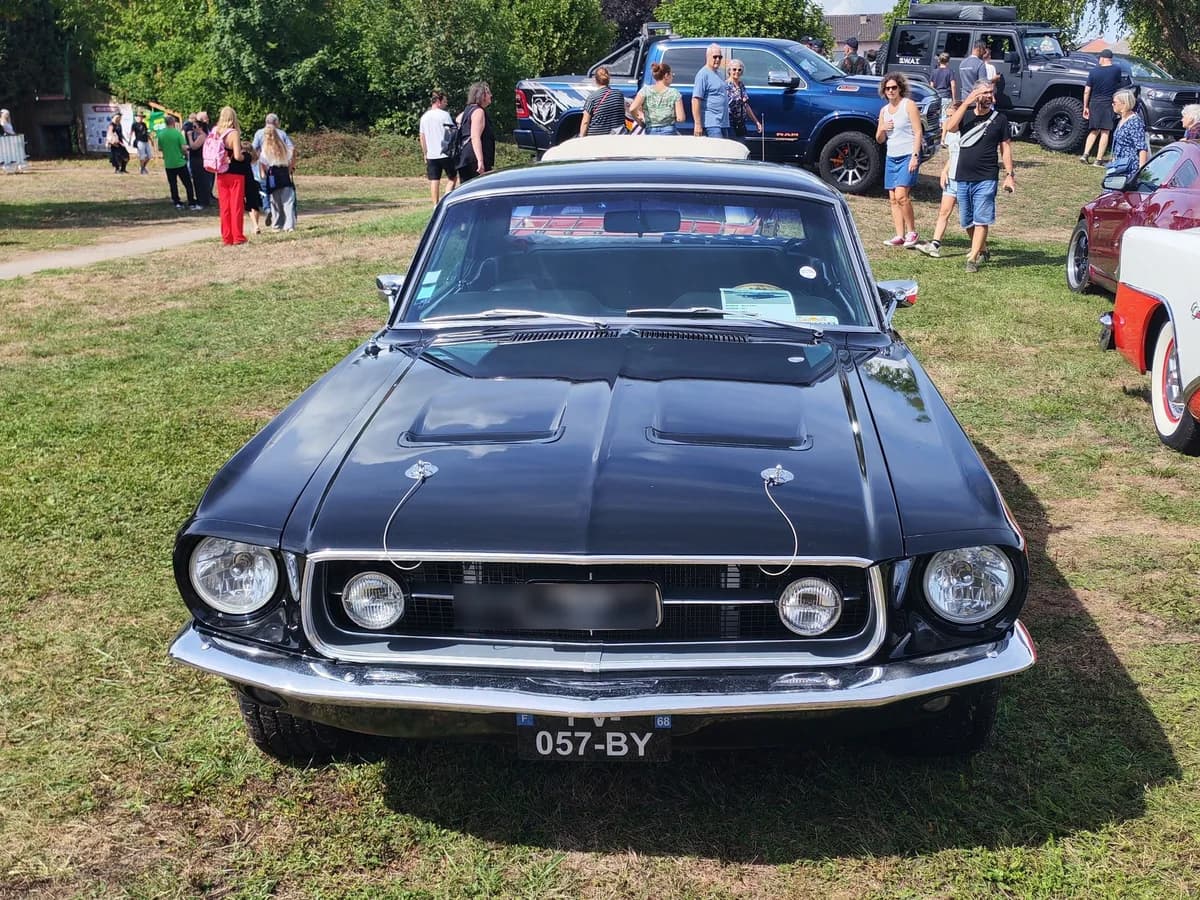
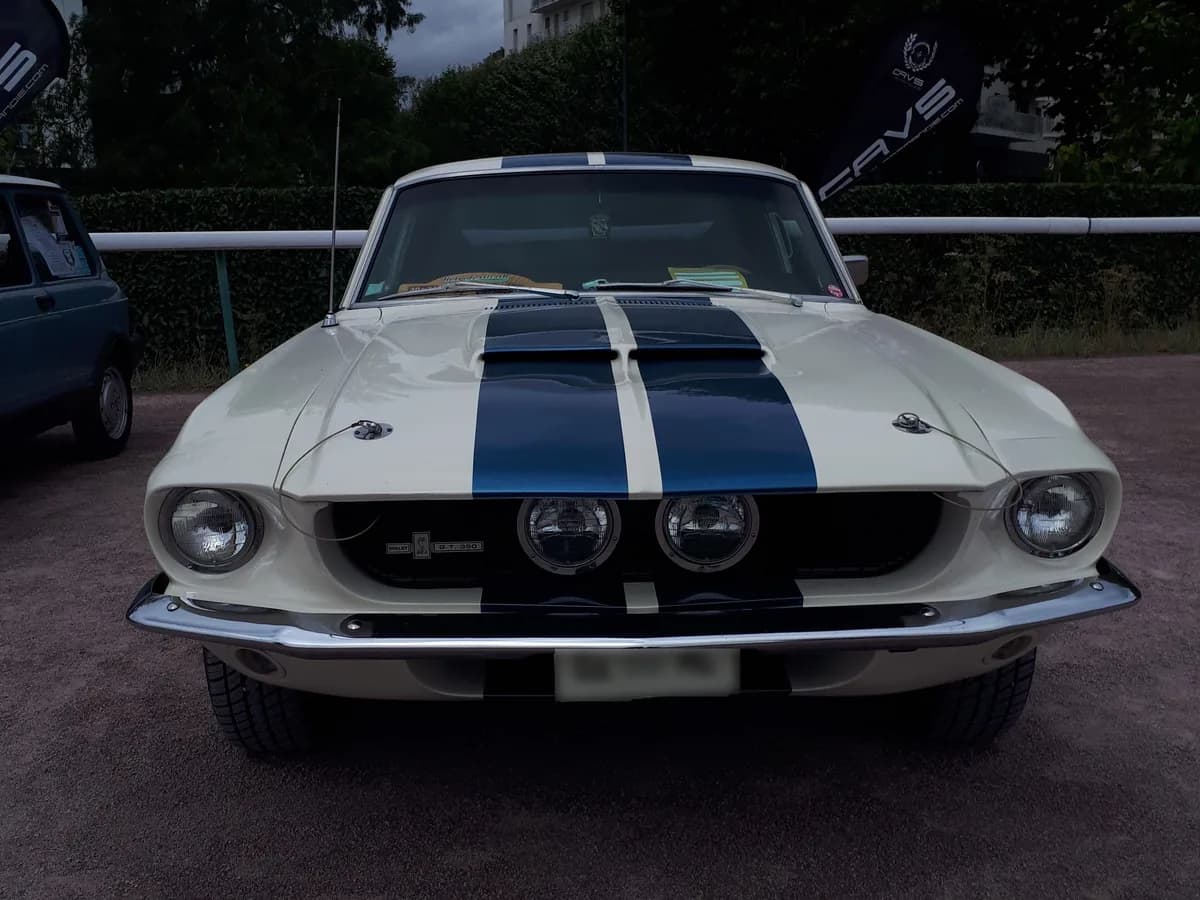
Ford Mustang photos
Model summary
Data from the ScanRacer library, organized to compare versions quickly.
Model introduction
Unveiled to the public on April 17, 1964, at the New York World’s Fair, the Ford Mustang helped establish the “pony car” formula: a sporty, comparatively affordable, customizable automobile intended to remain practical for everyday use. The original design combined a long hood, short rear deck and a choice of hardtop, convertible and later fastback body styles. Ford reported 22,000 orders on the first day, followed by more than 400,000 sales during the first year. Since then, the Mustang has progressed through seven generations, including the Mustang II, Fox Body, retro-inspired models and the globally marketed modern cars. Shelby, Boss, Mach 1, Dark Horse, GT3 and GTD names show how broadly the Mustang has expanded from its original formula. (corporate.ford.com)
History
The Mustang project emerged in the early 1960s as Ford searched for a car that could attract younger buyers while occupying a different position from conventional family sedans. The production car used a number of existing Ford components to help control costs, while its styling emphasized sporty proportions and extensive personalization. It was officially introduced on April 17, 1964, at the New York World’s Fair, following a highly visible advertising campaign on television and at dealerships. Ford says the fastback 2+2 joined the hardtop and convertible versions soon after launch. (corporate.ford.com) The first generation quickly became both a commercial and cultural success. Shelby GT350 and GT500 models added a focused performance dimension, while the Boss 302, Boss 429 and Mach 1 strengthened the Mustang’s high-performance image at the end of the 1960s. In 1974, the Mustang II became smaller in response to the oil crisis. The Fox-platform generation arrived in 1979 with a substantially different design and later included the Mustang SVO and the return of the GT. Ford redesigned the car again for 1994, using heritage cues in a more contemporary body. The 2005 and 2015 generations returned to a more visibly classic interpretation, while the sixth generation introduced independent rear suspension. The seventh generation arrived for the 2024 model year and spawned the Dark Horse, GT3 and GTD derivatives. (media.ford.com)
Generations
The first generation is generally associated with the 1965–1973 model years, although sales began in April 1964. It is identified by compact proportions, the running-horse grille emblem and hardtop, convertible and fastback body styles. The Mustang II forms the second generation, from 1974 to 1978. It was shorter and lighter than the outgoing car, and the convertible temporarily disappeared from the range. (media.ford.com) The third generation, produced from 1979 to 1993, used Ford’s Fox platform. Its sharper styling and availability as a hatchback, notchback-style coupe and convertible make it easy to separate from the earlier cars. The fourth generation arrived in 1994 with smoother lines and a modern interpretation of Mustang heritage. The fifth generation, launched in 2005, adopted a strongly retro-influenced design inspired by the original car. The sixth generation appeared in 2015 and introduced independent rear suspension along with a broader international market position. The seventh generation followed for 2024, refining rather than abandoning the established Mustang formula. Model libraries may also include competition and extreme-performance derivatives such as GT3 and GTD; these should not automatically be treated as ordinary trim levels. (media.ford.com)
Key differences
Differences between Mustangs are not limited to body-style names. Cars from 1964 through 1973 emphasize classic proportions and a wide range of engines and options. The Mustang II is set apart by its smaller dimensions and economy-minded positioning. Fox Body cars have sharper, more angular lines and were offered in hatchback and coupe forms depending on the year. The 1994 generation modernized the design while retaining the front-engine sports-coupe concept. The 2005 model brought a stronger visual connection to the earliest Mustangs. The 2015 generation is distinguished by independent rear suspension and a more significant international market role. Shelby, Boss, Mach 1 and Dark Horse identify different performance directions, while GT3 is a race car and GTD is an extreme road-going derivative within the Mustang family. These categories should therefore be compared by generation, body style and intended use rather than by badge alone. (media.ford.com)
Photo recognition
To identify an older Mustang, begin with the overall body shape and production period. The 1964–1966 cars are relatively compact, and the fastback 2+2 joined the lineup soon after the original launch. The 1967–1968 models look wider and more substantial, while 1969–1970 cars often use a more aggressive appearance, particularly in Mach 1 and Boss form. The Mustang II is noticeably shorter and less imposing than the first generation. A Fox Body is usually recognized by its angular surfaces and sharp profile, but hatchback and coupe versions should be separated. The 1994–2004 generation has rounder flanks and a modern interpretation of the traditional front-end themes. The 2005–2014 Mustang returned to a clearly retro-influenced shape. Cars from 2015–2023 have a lower, more contemporary stance, while the 2024 model retains the familiar Mustang profile with sharper detailing. Shelby, Boss, Mach 1, Dark Horse, GT3 and GTD badges should always be checked against the car’s body features and model year. (ford.com)
Important versions
Among the most significant versions are Shelby’s Mustang GT350, introduced in 1965, and the GT500, launched in 1967. The Boss 302 and Boss 429 defined the high-performance end of the range in the late 1960s. The Mach 1, introduced in 1969, combined distinctive styling with a more performance-focused specification. The 1984 Mustang SVO showed that a special performance model could also use a turbocharged four-cylinder engine. Later generations continued the specialist tradition through Cobra, Bullitt, Shelby GT350, Shelby GT500 and Mach 1 versions. For the seventh generation, Dark Horse is a road-going model with a stronger track emphasis, while Mustang GT3 is a competition car based on the Dark Horse and Mustang GTD is an extreme road-legal performance model positioned in supercar territory. (media.ford.com)
References
- Mustang Debut at World’s FairFord Motor Company
- Birth of the MustangFord Motor Company
- 50 Years of Ford Mustang MilestonesFord Motor Company
- 50 Years of Mustang MilestonesFord Motor Company
- 60 Years of Mustang MilestonesFord Media Center
- Ford Formally Unveils Mustang GT3 at Le MansFord Media Center
- The Ford Mustang FamilyFord
- https://www.ford.com/mustang/?gnav=eyebrow-brand-mustangford.com
Technical specifications
Structured data available for versions linked to this model.
| Version | Power | Torque | Top speed | Drivetrain | Fuel |
|---|---|---|---|---|---|
| EcoBoost | 315 hp | 350 lb-ft | 233 km/h | Rear-wheel drive / 10-speed automatic | Premium unleaded |
| GT | 480 hp | 415 lb-ft | 250 km/h | Rear-wheel drive / 6-speed manual | Premium unleaded |
| Dark Horse | 500 hp | 418 lb-ft | 256 km/h | Rear-wheel drive / 6-speed manual | Premium unleaded |
Frequently asked questions
- What years was the Ford Mustang produced?
- ScanRacer's referenced versions cover 1964 - 2024.
- How many Ford Mustang examples are documented on ScanRacer?
- 254 published scans from 97 members, with the latest photo added in October 2026.
What about the car you photographed?
Upload a photo to get a suggested make, model and likely year.
No account needed for the result · Publish only if you choose