Ford Mustang Convertible 2012
The 2012 Ford Mustang Convertible belongs to the fifth generation of a nameplate created in the mid-1960s to offer a sporty, affordable, and highly customizable car. Within the Mustang range, the convertible body style has always played a special role because it preserves the original spirit while placing more emphasis on design and open-air driving. The 2012 model sits in the 2005-2014 era, when Ford deliberately returned to styling cues linked to the earliest Mustangs. Without departing from the traditional front-engine formula, this version combines the brand’s neo-retro identity with the open-top character of the Convertible.
Curious about this car?
Explore Mustang, then try your own photo.
No account needed for the result · Publish only if you choose
History
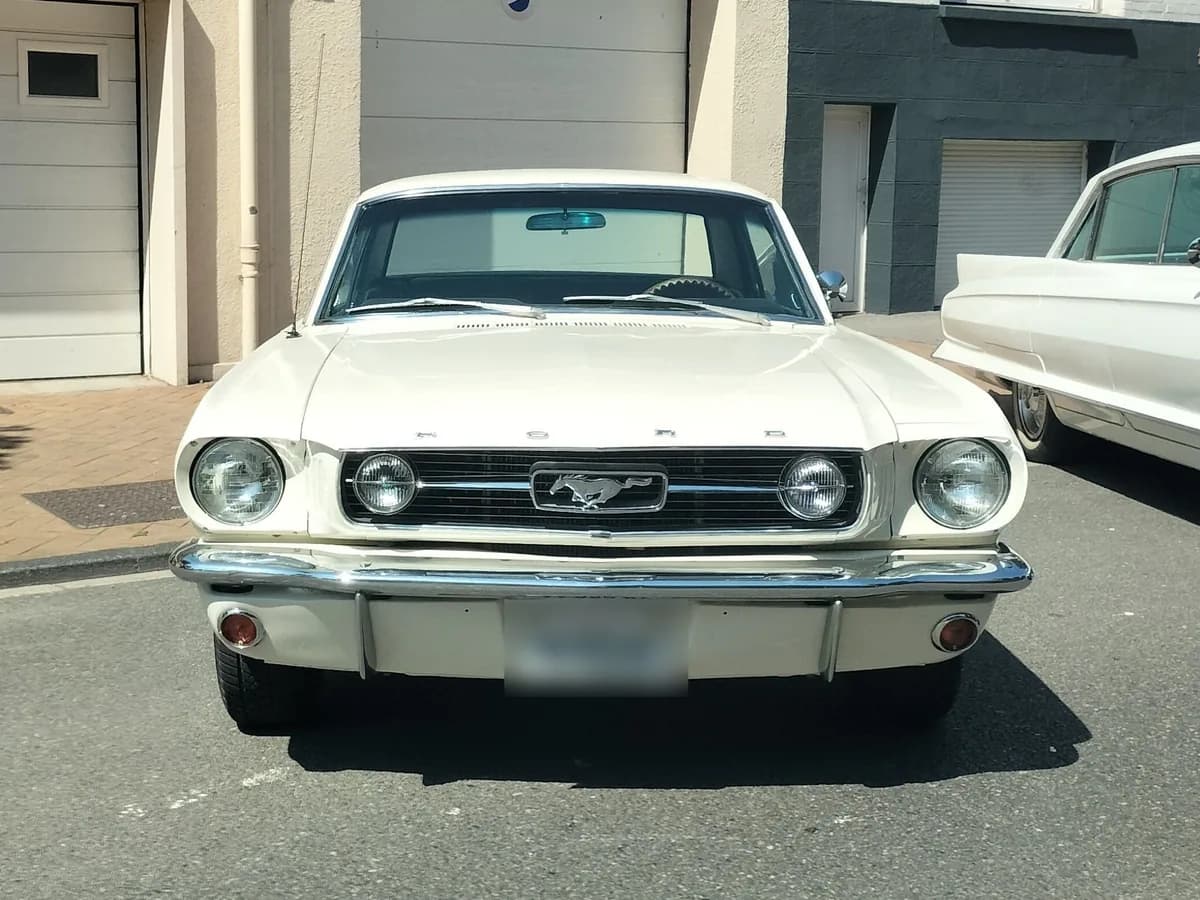
The Mustang project began in the early 1960s, when Ford was looking for a car that could appeal to younger buyers and stand apart from conventional sedans. The formula relied on components already used elsewhere in the Ford range, which helped contain costs, while the design focused on sporty proportions and broad scope for personalization. The public debut took place on April 17, 1964 at the New York World’s Fair, after a highly visible launch campaign on television and in dealerships. From the outset, the convertible was one of the body styles promoted alongside the hardtop and the 2+2 fastback.
The Mustang quickly became a commercial and cultural phenomenon, reinforced by more specialized performance derivatives such as the Shelby GT350, GT500, Boss 302, Boss 429, and Mach 1. After the smaller Mustang II arrived in 1974, the Fox-generation car launched in 1979 revived the model. Ford then gave the car a more modern interpretation in 1994, before the 2005 redesign moved back toward the look of the original Mustang. The 2012 Convertible belongs to that fifth generation, in a period when the open-top body style remained one of the most direct expressions of the Mustang identity.
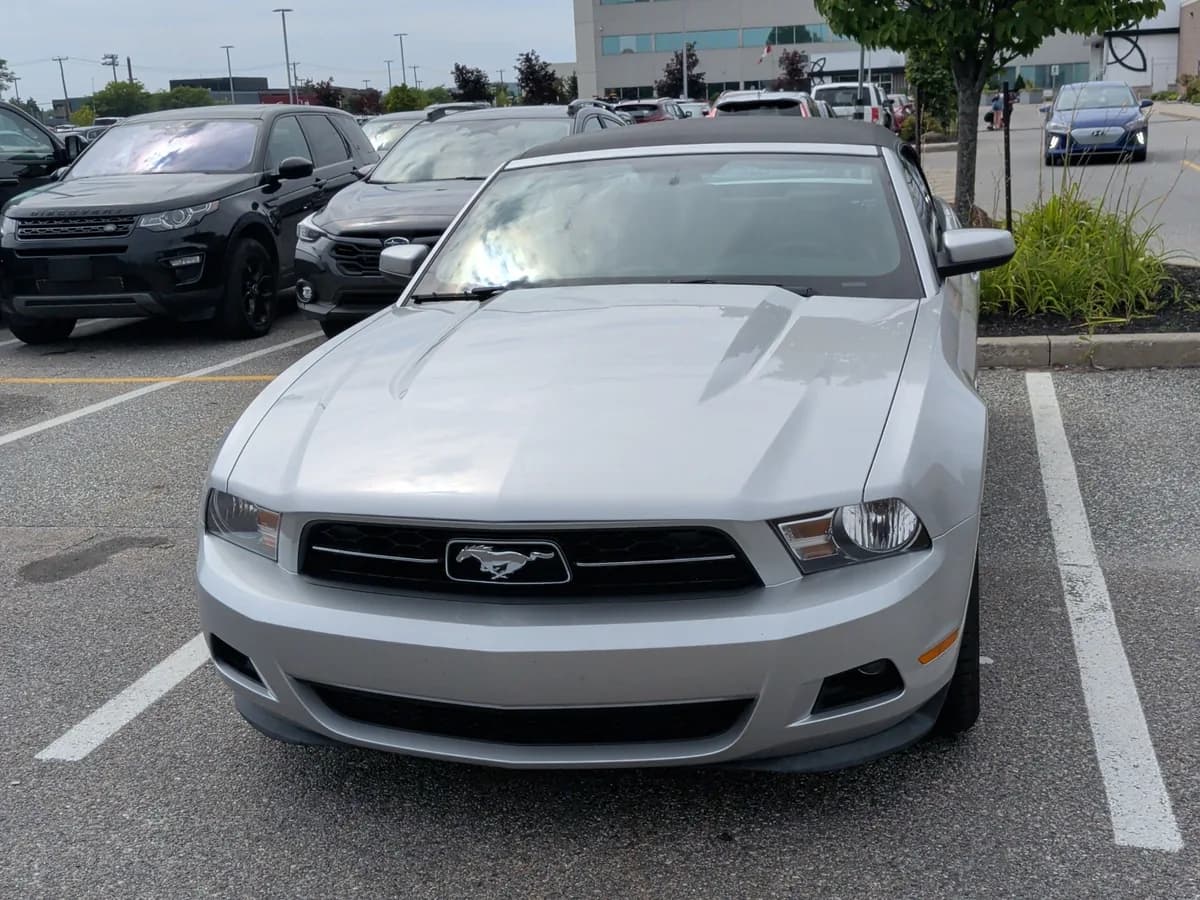
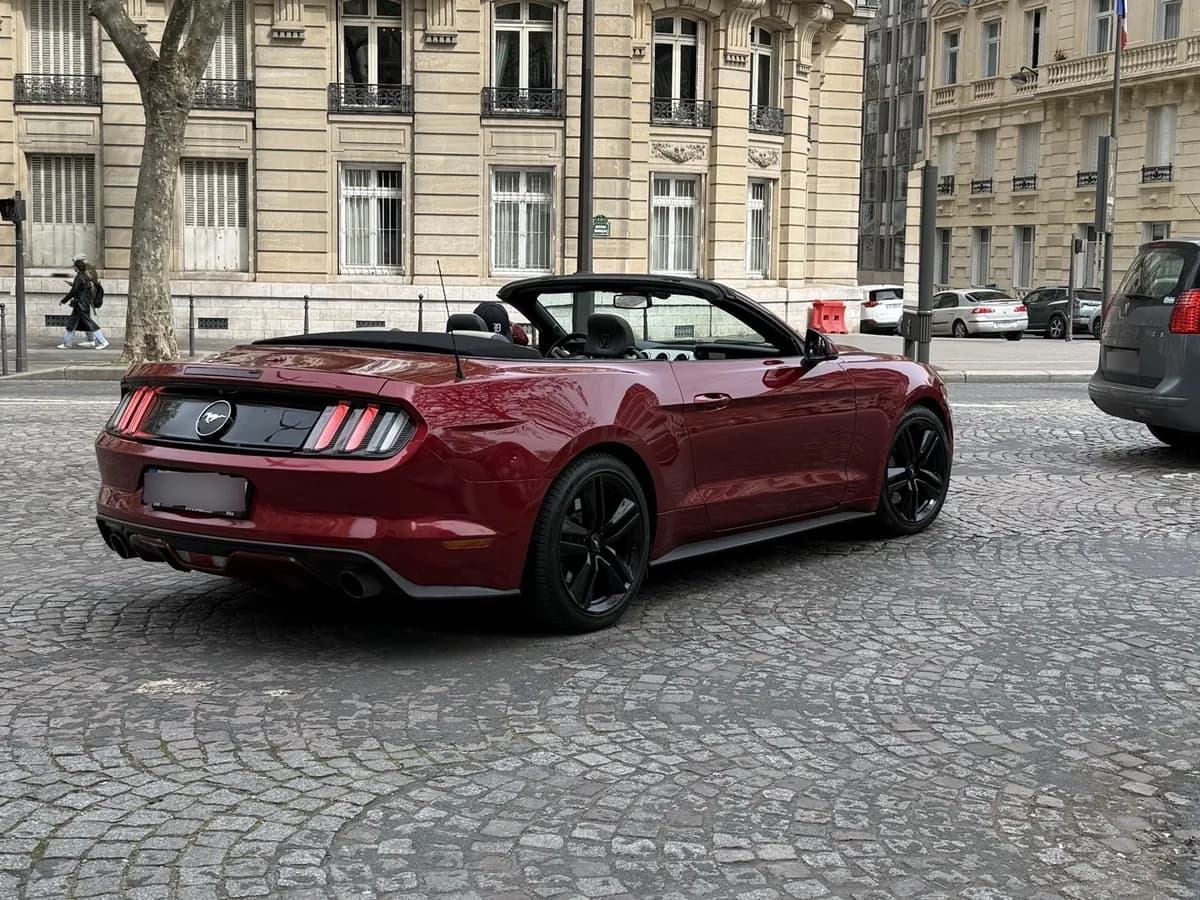
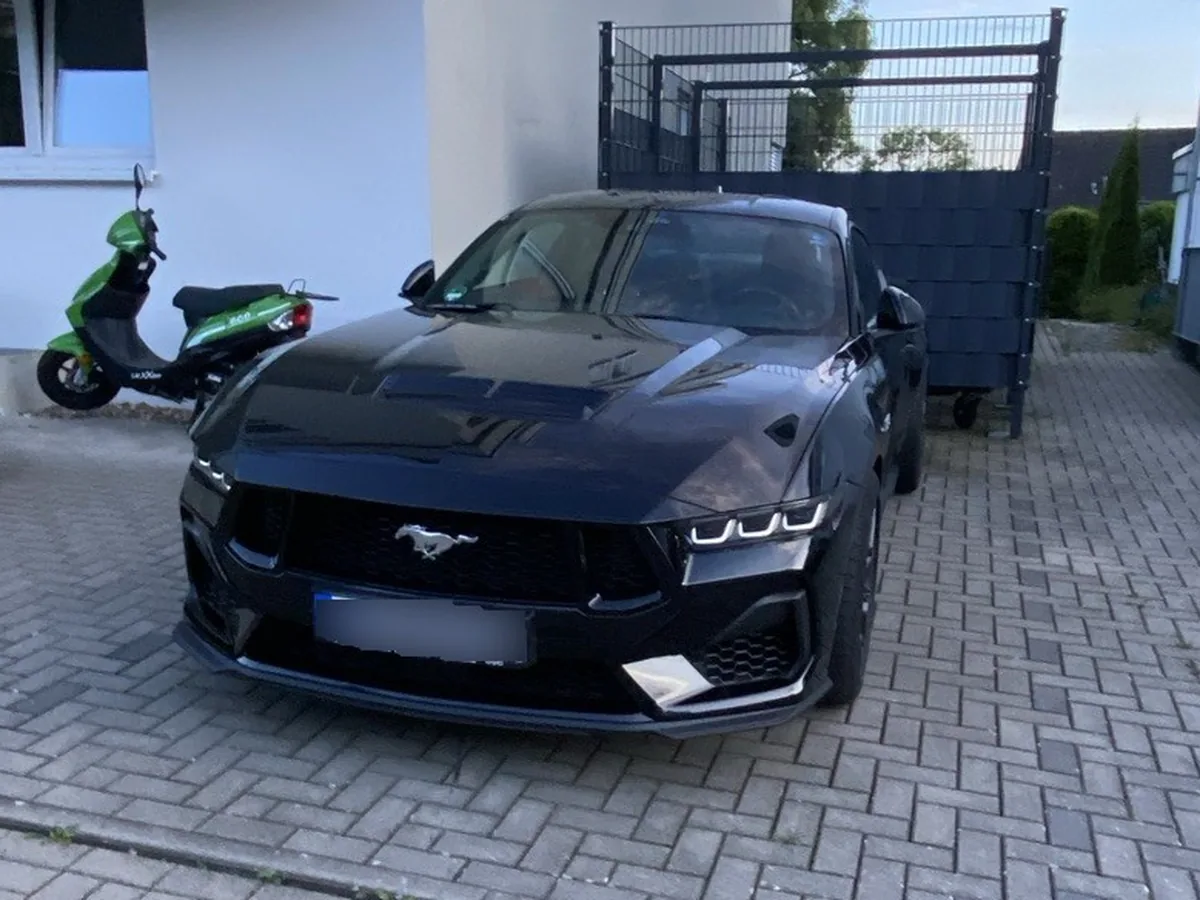
Latest scans
Photos added by the community for this page.
Evolution
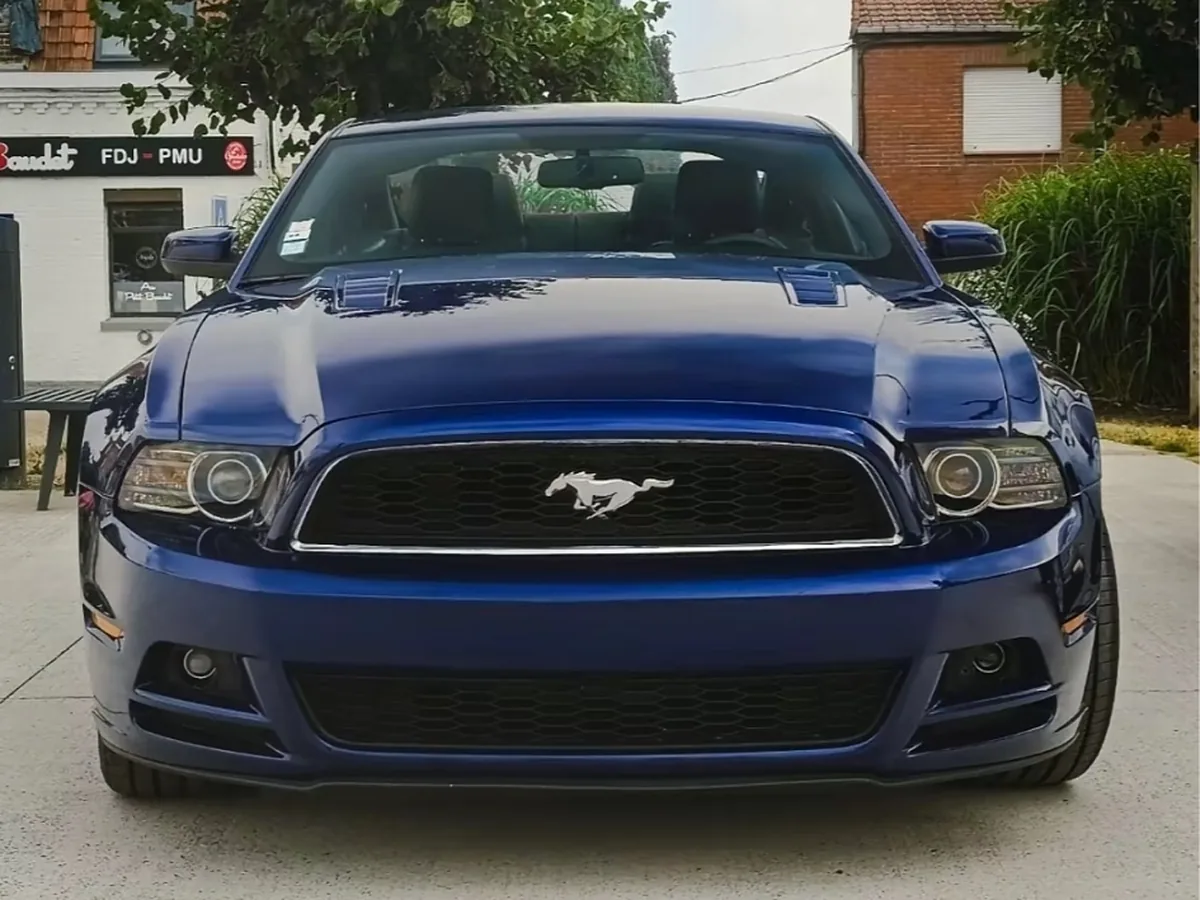
In 2012, the Mustang Convertible sits within the 2005-2014 period, when Ford was using a neo-retro design language strongly inspired by the original Mustang. This generation keeps the idea of a front-engine sporty car with a strong identity, but expresses it through shapes that more directly recall the early cars than earlier modern interpretations. The convertible body adds another layer to that approach, emphasizing proportions and the visual presence of the car.
Compared with earlier Mustang generations, the 2012 version does not introduce a technical break mentioned in the dossier; instead, it represents a stylistic and historical continuity. Its place in the story is best understood chronologically: after the more compact or more angular eras, Ford offered a modern reading of a familiar formula while keeping the Convertible among the classic body styles of the range.





Variants
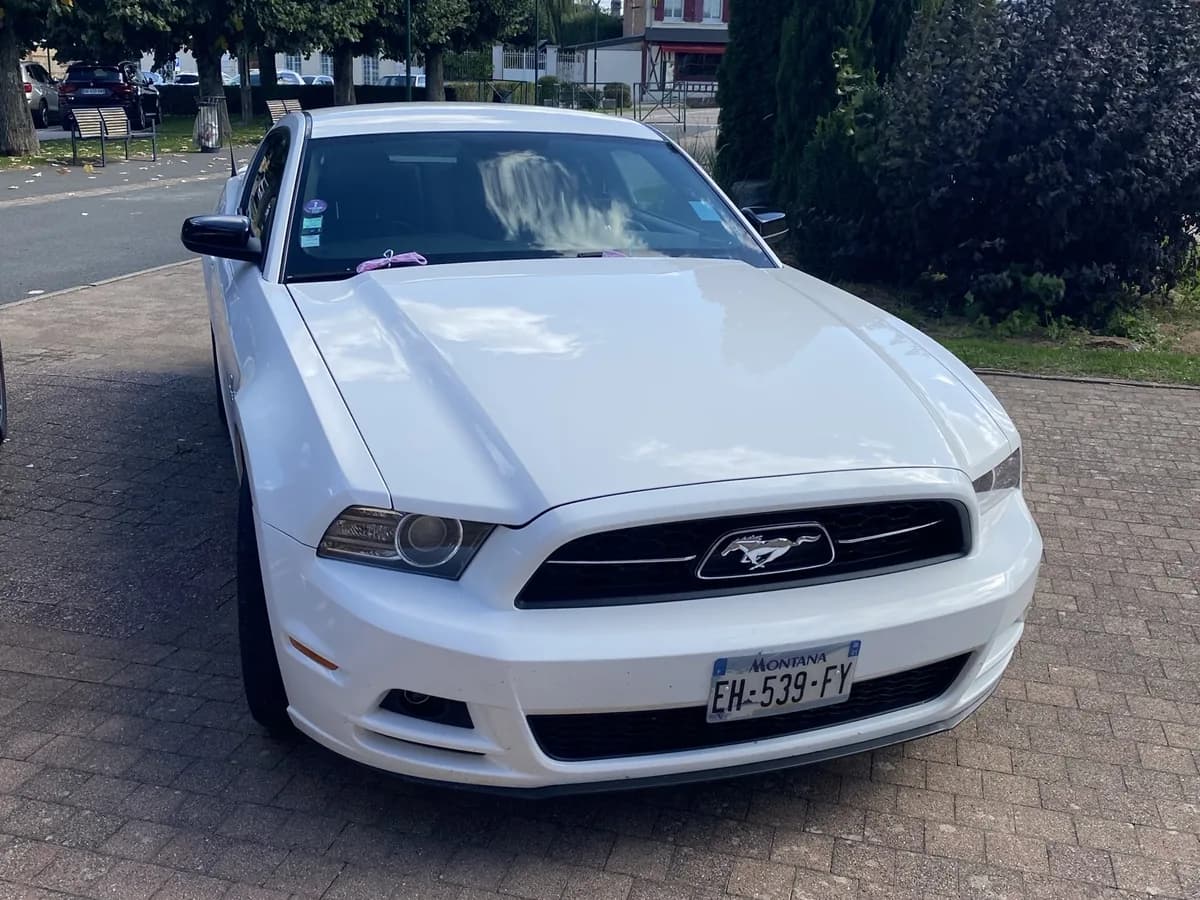
Within the Mustang world, the 2012 convertible belongs to a family in which the body style matters as much as the trim level. The dossier notes that, across its history, the Mustang has appeared as a hardtop, convertible, fastback, coupe, or hatchback, and that special versions have often pushed the car in more specific directions. For the fifth generation, the Convertible is the body style most closely associated with open-air enjoyment and with highlighting the car’s design.
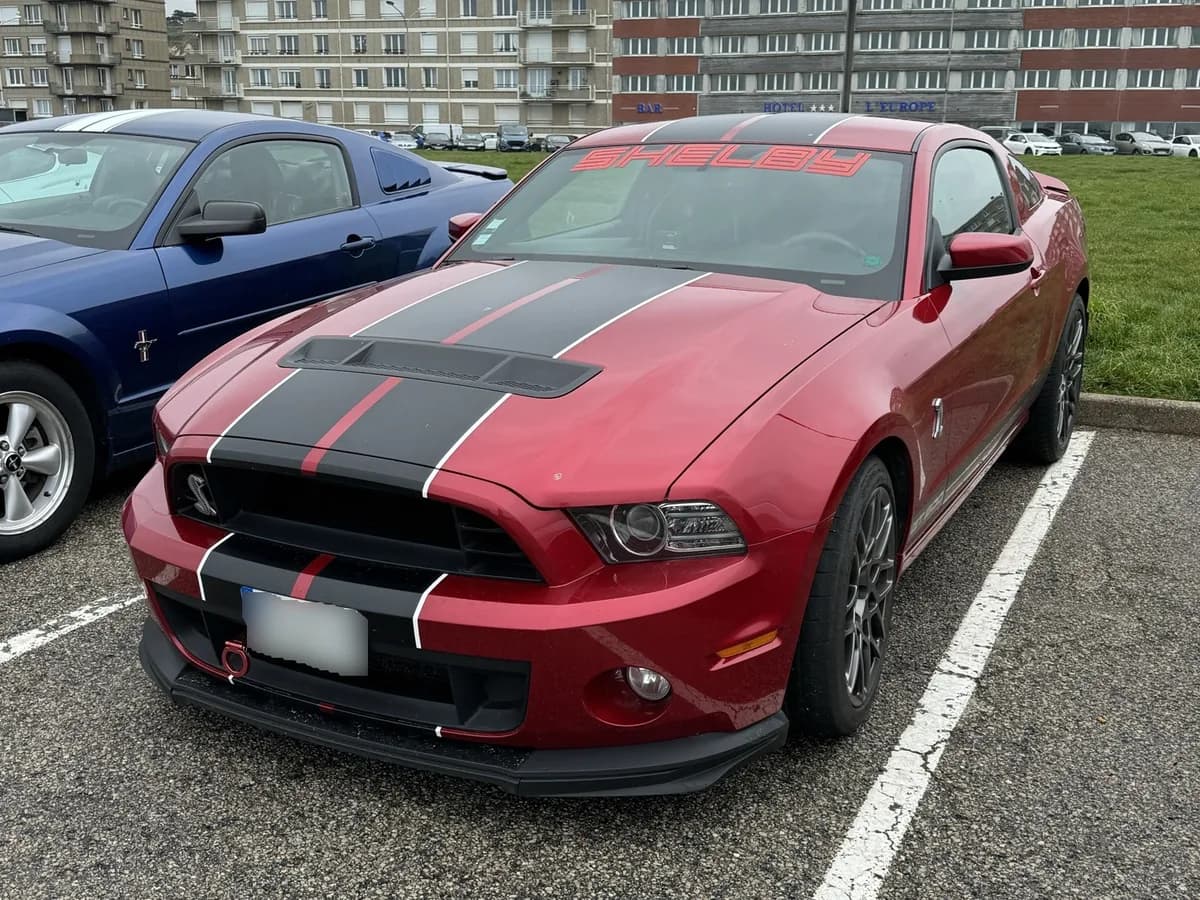
Mustang history also includes many characterful derivatives, from the Shelby tradition to the Boss cars, as well as Mach 1, Bullitt, and Cobra models. For a 2012 example, that means the standard Convertible should be distinguished from those more specialized performance versions. The overall logic remains that of an instantly recognizable sports car, with the open body emphasizing its iconic nature rather than a fundamental reinvention.
References
- Mustang Debut at World’s FairFord Motor Company
Supports the April 17, 1964 public introduction, launch strategy and New York World’s Fair context.
- Birth of the MustangFord Motor Company
Supports the early-1960s project, target audience, development context and launch history.
- 50 Years of Ford Mustang MilestonesFord Motor Company
Supports major model-year milestones, body styles, Shelby, Boss, Mach 1, Mustang II, Fox Body and later generations.
- 50 Years of Mustang MilestonesFord Motor Company
Supports generation transitions and notable developments from 1974 through 2015.
- 60 Years of Mustang MilestonesFord Media Center
Supports the seven-generation framework and the modern Dark Horse, GT3 and GTD chronology.
- Ford Formally Unveils Mustang GT3 at Le MansFord Media Center
Supports the GT3’s competition role, its Dark Horse basis and planned FIA GT3 participation.
- The Ford Mustang FamilyFord
Supports the original pony-car formula, early body styles and selected historical design details.
- https://www.ford.com/mustang/?gnav=eyebrow-brand-mustangford.com
Source found by OpenAI web search for this model page.