
F-150
Introduced for the 1975 model year, the Ford F-150 was positioned between the F-100 and F-250, offering more capacity than the F-100 while retaining the versatility expected of a light-duty pickup. It gradually became the central nameplate in the F-Series as the F-100 left the lineup, then expanded beyond traditional work use through larger cabs, comfort-focused equipment, and performance-oriented variants. Its history includes the SVT Lightning, SVT Raptor, Raptor, and the all-electric F-150 Lightning. The versions currently referenced in ScanRacer cover model years from 1974 through 2024, although naming conventions and production periods may differ by market and by cataloging method. The F-150 is therefore best understood as a long-running family of pickups rather than one fixed specification.
What about the car you photographed?
Upload a photo to get a suggested make, model and likely year.
No account needed for the result · Publish only if you choose
Variants by year
Make: Ford · Model: F-150
16 / 16 versions shown
2024
2023
2022
2021
2020

2017
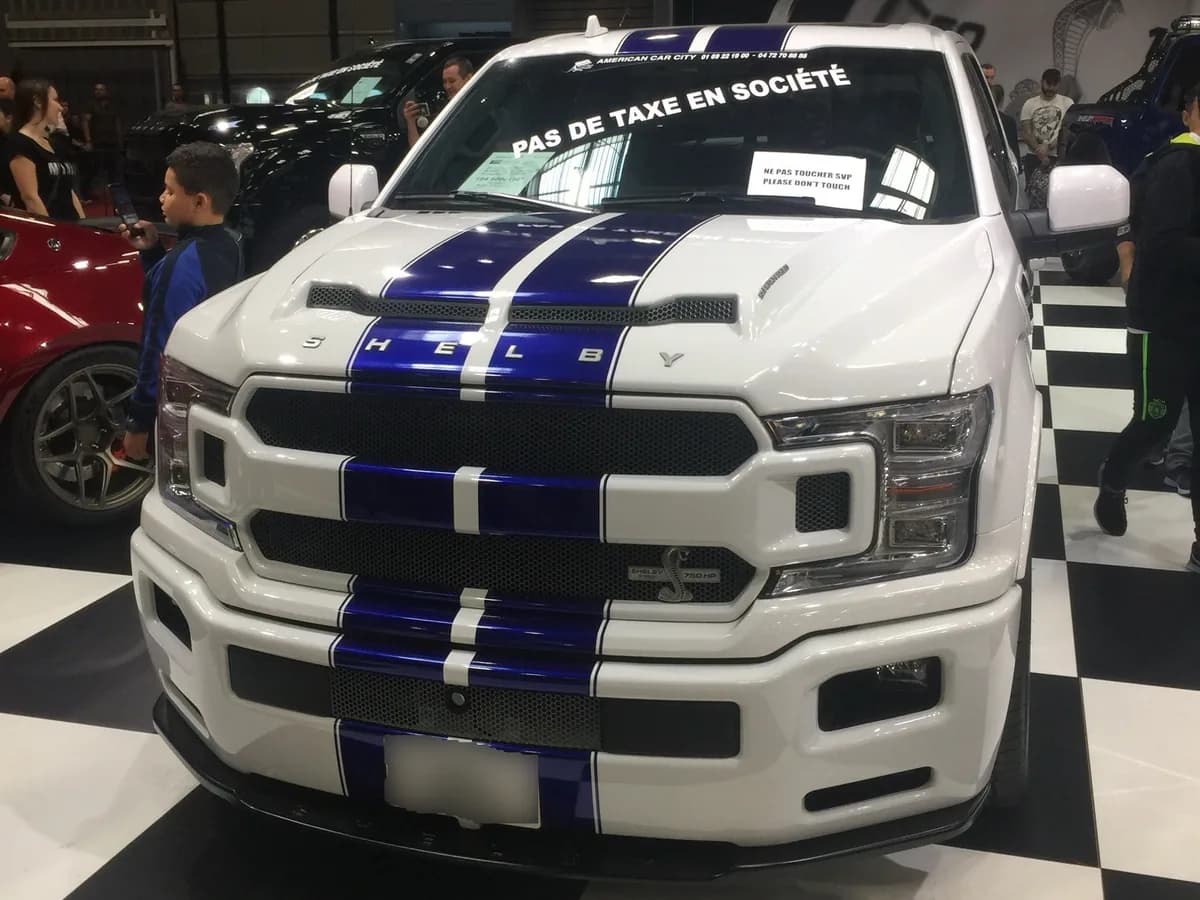
2016
2014
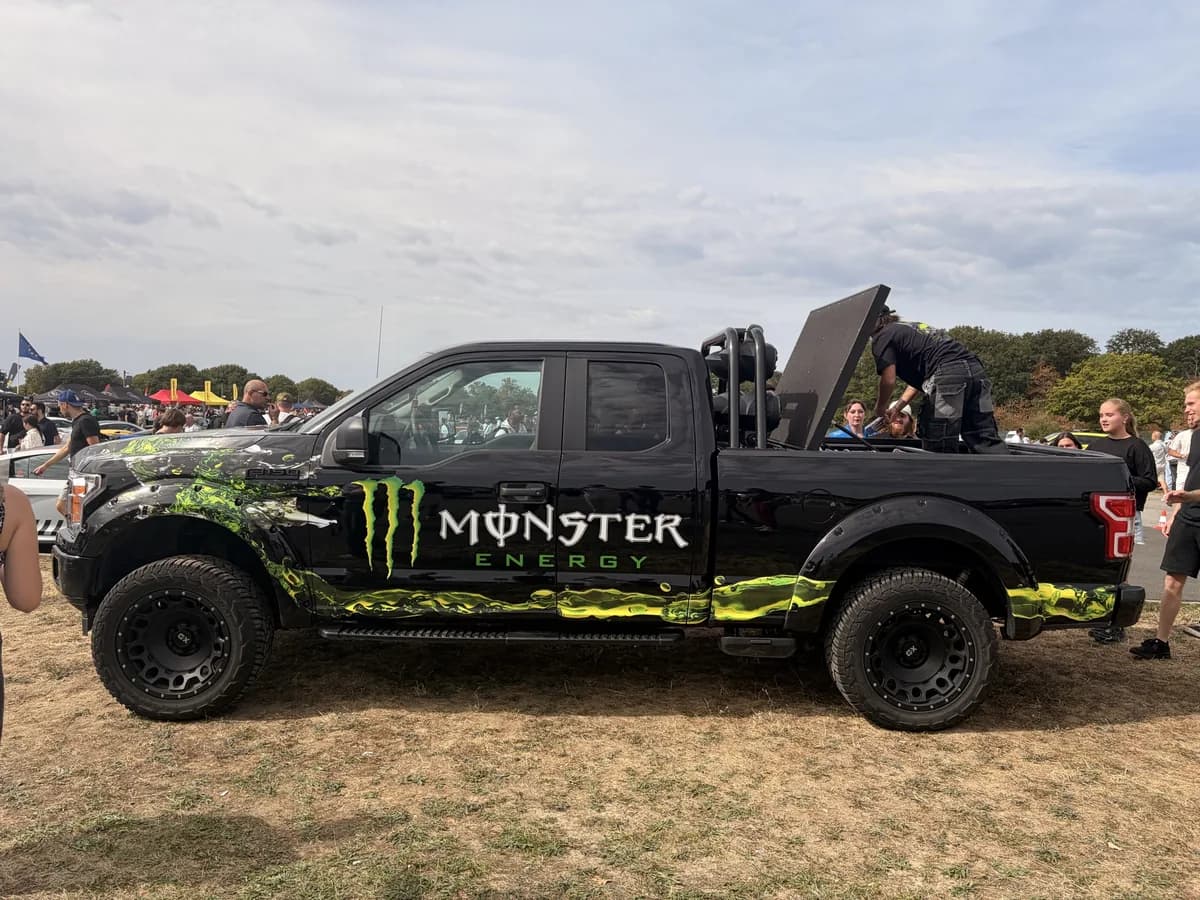
2009
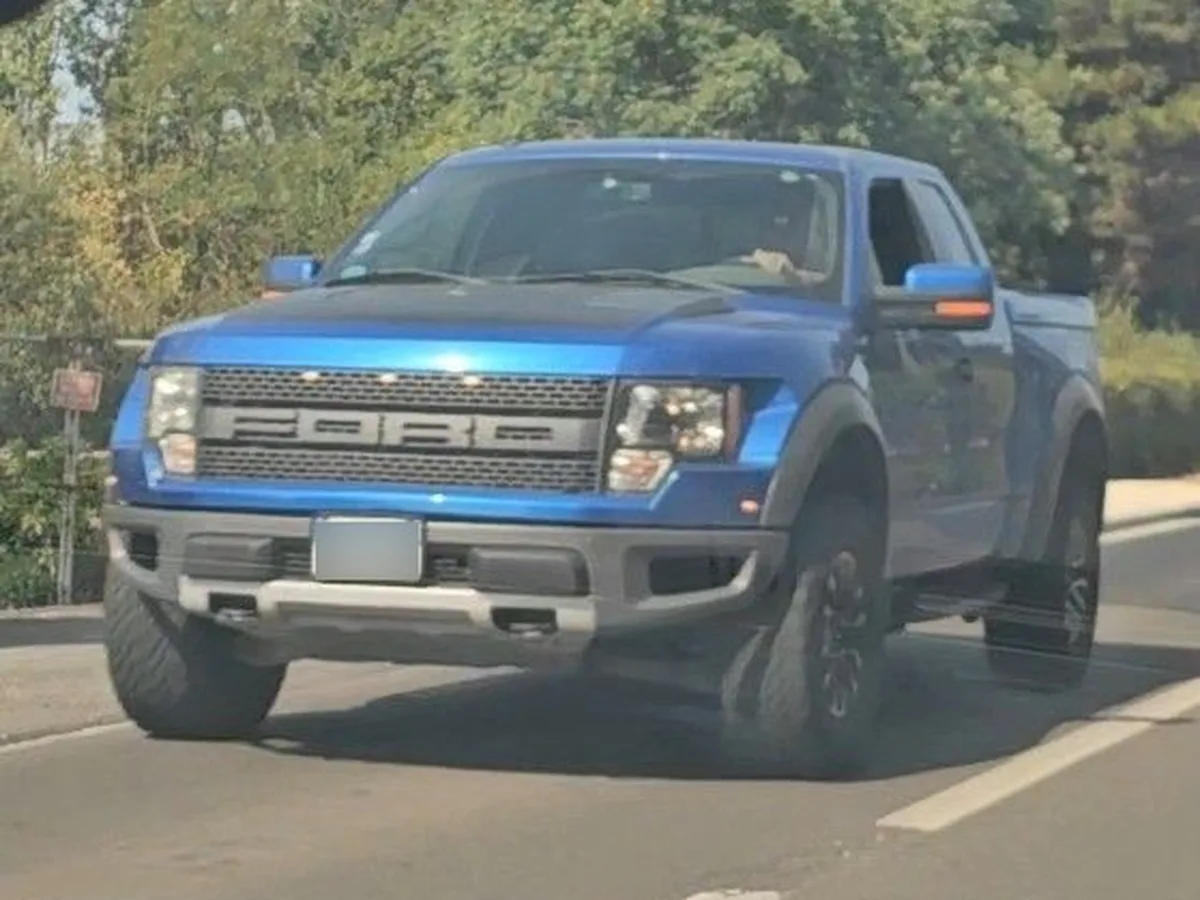
2008

2003
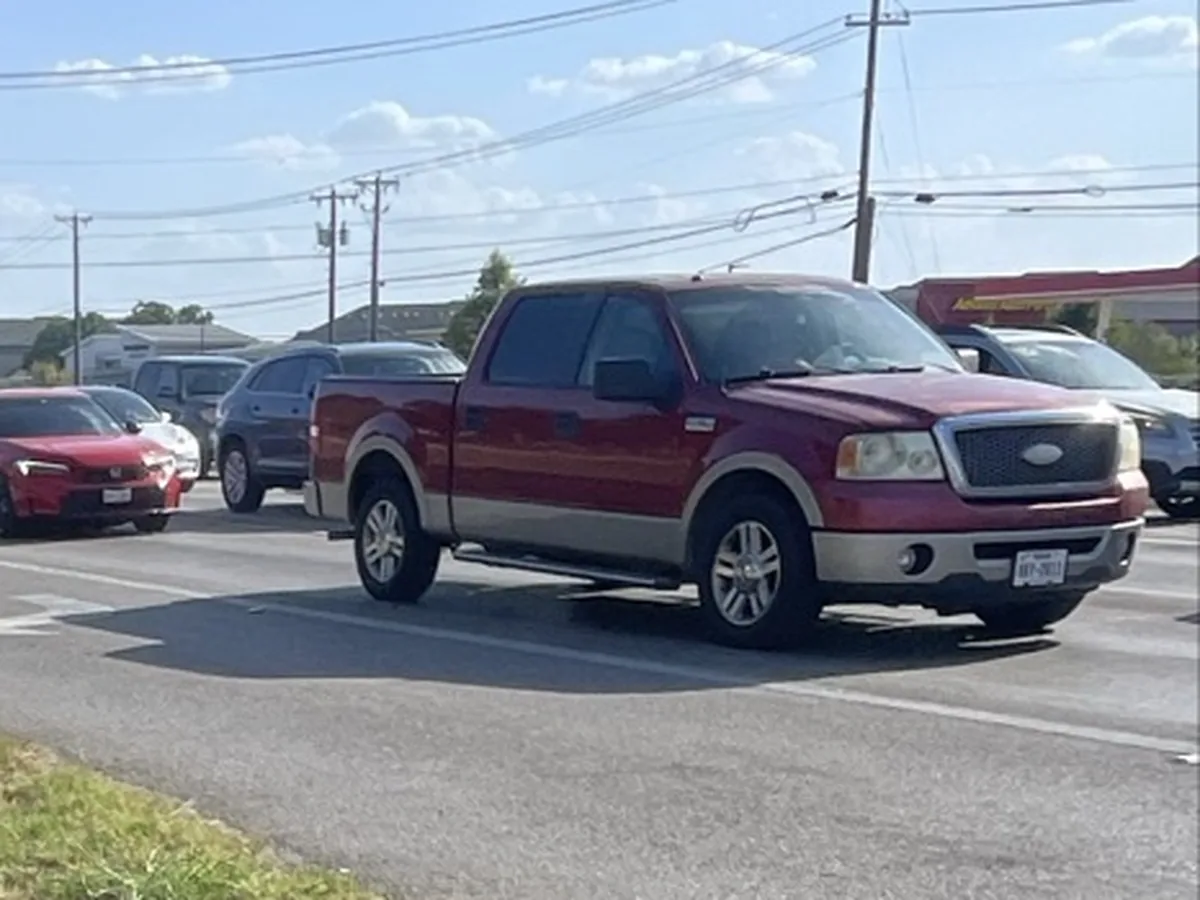
1995
1991
1986
1979
1974
Ford F-150 photos
Model summary
Data from the ScanRacer library, organized to compare versions quickly.
Model introduction
Introduced for the 1975 model year, the Ford F-150 was positioned between the F-100 and F-250, offering more capacity than the F-100 while retaining the versatility expected of a light-duty pickup. It gradually became the central nameplate in the F-Series as the F-100 left the lineup, then expanded beyond traditional work use through larger cabs, comfort-focused equipment, and performance-oriented variants. Its history includes the SVT Lightning, SVT Raptor, Raptor, and the all-electric F-150 Lightning. The versions currently referenced in ScanRacer cover model years from 1974 through 2024, although naming conventions and production periods may differ by market and by cataloging method. The F-150 is therefore best understood as a long-running family of pickups rather than one fixed specification.
History
The F-150 entered Ford’s lineup for the 1975 model year as part of the sixth-generation F-Series. Ford positioned it between the F-100 and F-250, targeting buyers who wanted greater capacity without moving into a heavier-duty pickup. The F-100 remained available for several years, but the F-150 quickly became increasingly important and eventually took over as Ford’s principal light-duty F-Series model. Ford states that the F-Series became America’s best-selling truck line in 1977. The generation introduced for 1980 brought a more aerodynamic design and placed greater emphasis on comfort. Over time, the F-150 range expanded with extended and crew cabs, upscale trims, and performance-focused derivatives. The SVT Lightning gave the nameplate a distinctly sporty character in the 1990s, while the SVT Raptor and later Raptor developed a dedicated off-road identity. For 2015, Ford introduced a high-strength aluminum-alloy body and bed over a steel frame, a major construction change for the model. The 2021 redesign retained that basic material strategy and added the PowerBoost hybrid powertrain. Production of the all-electric F-150 Lightning began in 2022, giving the long-running pickup a separate battery-electric branch.
Generations
Generation dates can be grouped slightly differently depending on the source, but the F-150 follows a consistent technical and design progression. The first phase covers the 1975-1979 trucks, which remained closely related to the surrounding F-Series range and were sold alongside the F-100. The 1980-1986 generation introduced a more modern, aerodynamic shape. Trucks from 1987-1991 used smoother bodywork, while the 1992-1996 generation refined the design further and introduced the first SVT Lightning. The 1997-2003 generation represented a major styling change and placed greater emphasis on mixed work, family, and recreational use. The 2004-2014 trucks grew more substantial and offered a broad range of cab and bed configurations. The 2015-2020 generation is particularly notable for its aluminum body and bed mounted over a steel frame. The generation introduced in 2021 retained that general construction approach while redesigning the exterior, cabin, and electronic systems. The 2024 model year was a substantial refresh of this generation rather than a completely new generation. The electric F-150 Lightning retains the F-150 name but uses a distinct battery-electric drivetrain and dedicated body configuration.
Key differences
F-150 differences are not limited to the model year. Cab and bed configuration have a major effect on intended use: Regular Cab versions emphasize simplicity, while SuperCab and SuperCrew models provide more passenger space. Four-wheel drive, towing equipment, payload-related hardware, and suspension tuning also vary by trim and derivative. Construction is another useful dividing line. F-150 trucks built before 2015 relied primarily on steel body panels, while the 2015 generation introduced a high-strength aluminum-alloy body and bed over a steel frame. Powertrains also changed substantially over time, moving from naturally aspirated engines to turbocharged EcoBoost units, V8 options, a diesel offered during selected years, and the PowerBoost hybrid introduced for 2021. The Raptor is defined by its off-road focus, while the 2022 Lightning uses a dual-motor battery-electric system. Exact equipment and engine availability depend on market, trim level, cab configuration, and factory options.
Photo recognition
To identify an F-150 quickly, examine the cab shape, headlamps, grille, hood, and wheel arches together rather than relying on one detail. The 1975-1979 trucks have a distinctly square appearance and retain many visual cues of Ford pickups from the 1970s. The 1980-1986 generation looks lower and more aerodynamic. Trucks from 1987-1991 generally have smoother surfaces and rounded wheel openings, while the 1992-1996 models use a softer, more rounded front-end treatment. The 1997-2003 generation has more sculpted bodywork and a visibly modernized cab. The 2004-2014 trucks tend to look larger and more upright. The 2015-and-later models have their own proportions and tighter body surfacing, although aluminum panels are not always visually obvious. A Raptor is usually identifiable through widened fenders, increased ride height, all-terrain hardware, and model-specific badging. The 2022 Lightning can often be recognized by its SuperCrew configuration, closed front storage compartment, and the absence of a conventional engine grille.
Important versions
The Base version represents the longest-running core F-150 entry in the ScanRacer data, covering 1974 through 2023. SVT Raptor refers to the earlier high-performance off-road branch, with a 2009 model year shown in the ScanRacer catalog. The Raptor entry spans 2016 through 2024 and continues that specialized off-road direction with dedicated hardware and styling. Lightning is the major technical departure: the 2022 version referenced here uses a fully electric powertrain while retaining the F-150 name and broad pickup-truck mission. These labels should not automatically be treated as ordinary trim levels. Depending on the model year, they may identify substantially different body configurations, chassis settings, powertrains, and equipment packages. Catalog years and historical production dates may also differ when sources use launch dates rather than model years.
References
- The F-150 Truck FamilyFord
- The Understated Debut of an Icon: Celebrating 50 Years of Ford F-150Ford
- 2015 Ford F-150 Technical SpecificationsFord Media Center
- 2021 Ford F-150 Technical SpecificationsFord Media Center
- America's Best Selling Vehicle Now Electric: Production Begins For F-150 LightningFord Corporate
- 2022 Ford F-150 Lightning Technical SpecificationsFord Media Center
- https://www.caranddriver.com/news/a45101452/2024-ford-f-150-pickup-refresh-details/caranddriver.com
- https://www.caranddriver.com/ford/f-150-2024caranddriver.com
Frequently asked questions
- What years was the Ford F-150 produced?
- ScanRacer's referenced versions cover 1974 - 2024.
- How many Ford F-150 examples are documented on ScanRacer?
- 10 published scans from 8 members, with the latest photo added in October 2026.
What about the car you photographed?
Upload a photo to get a suggested make, model and likely year.
No account needed for the result · Publish only if you choose