
GT
The Ford GT is a mid-engine, two-seat supercar that connects Ford’s road-car program directly with its Le Mans racing heritage. The first generation, developed in the early 2000s, used visual cues from the GT40 but combined them with modern engineering, including a supercharged 5.4-liter V8 and a six-speed manual transmission. The next generation, revealed in 2015 and entering production in December 2016, adopted a very different philosophy: a carbon-fiber structure, active aerodynamics, advanced suspension, and a twin-turbocharged 3.5-liter EcoBoost V6. It also accompanied Ford’s official return to endurance racing and won the GTE Pro class at Le Mans in 2016. Ford GT vehicles spanning 2004 to 2016 therefore represent a clear technical transition, from a V8-powered neo-retro supercar to an aerodynamically focused machine built around lightweight materials and race-derived development.
What about the car you photographed?
Upload a photo to get a suggested make, model and likely year.
No account needed for the result · Publish only if you choose
Variants by year
Make: Ford · Model: GT
4 / 4 versions shown
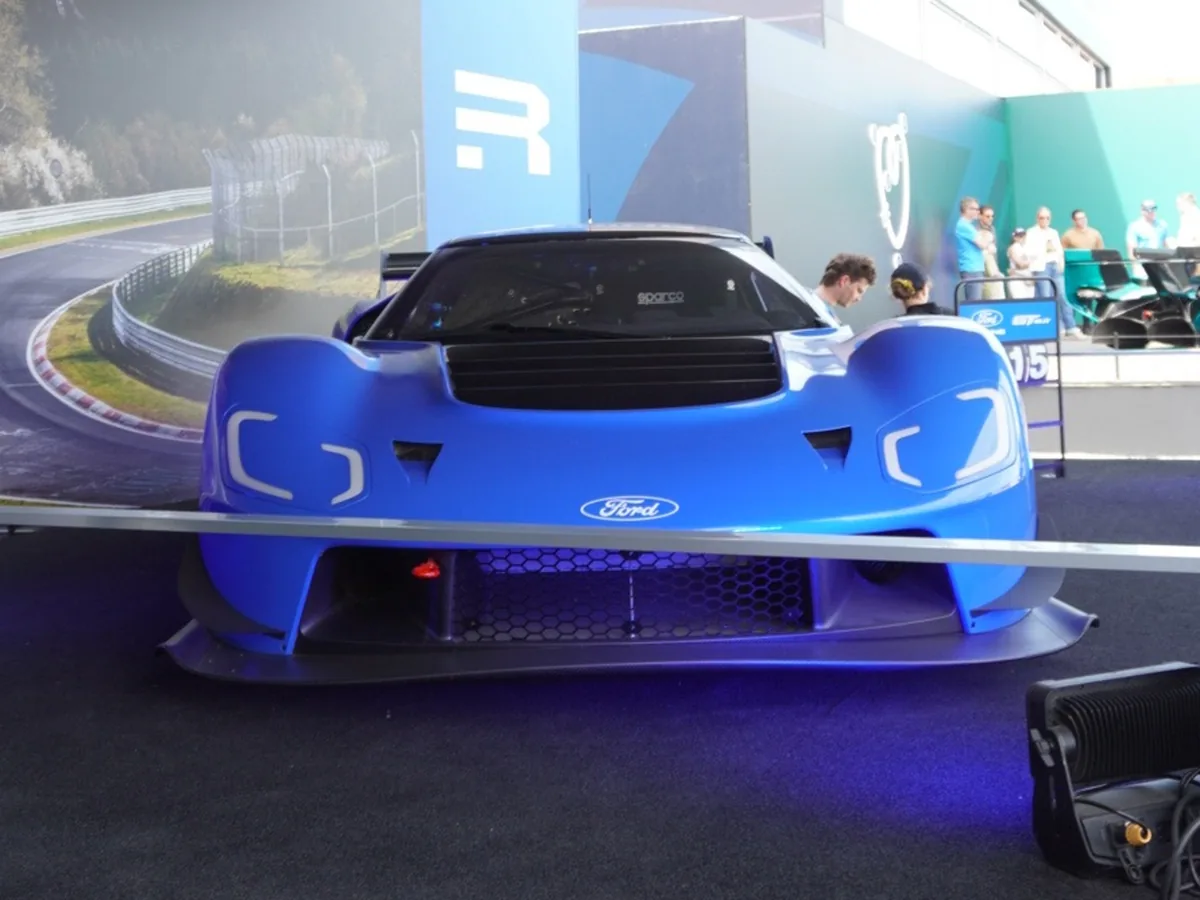
2023
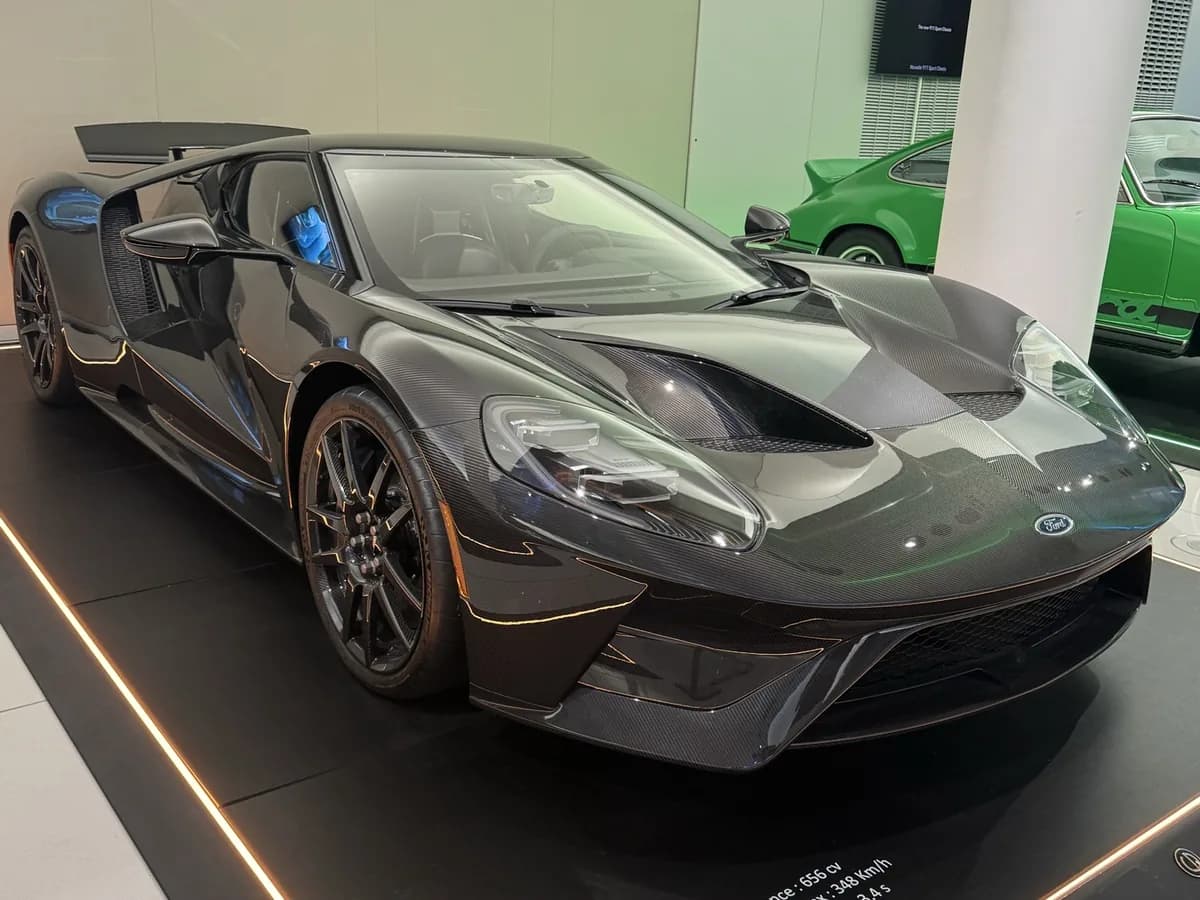
2022
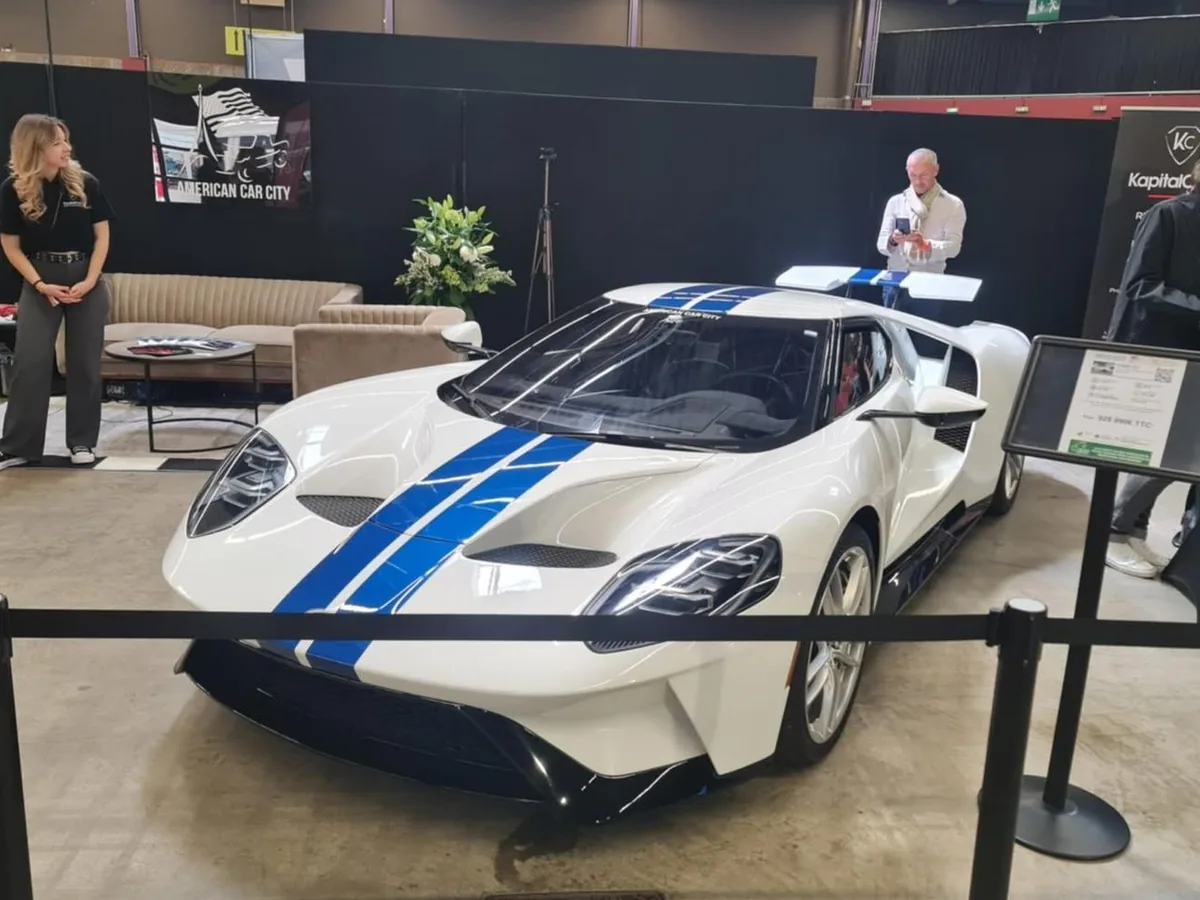
2016
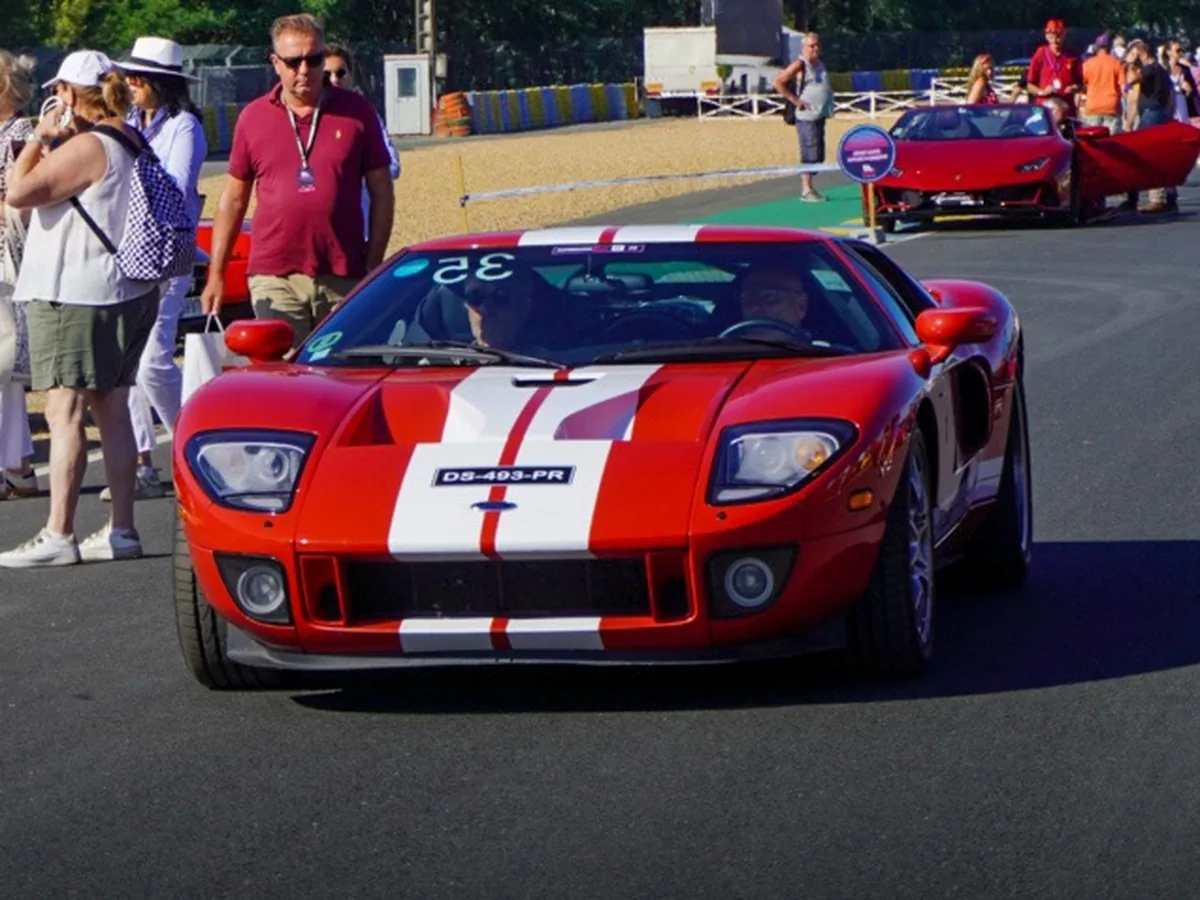
2004
Ford GT photos
Model summary
Data from the ScanRacer library, organized to compare versions quickly.
Model introduction
The Ford GT is a mid-engine, two-seat supercar that connects Ford’s road-car program directly with its Le Mans racing heritage. The first generation, developed in the early 2000s, used visual cues from the GT40 but combined them with modern engineering, including a supercharged 5.4-liter V8 and a six-speed manual transmission. The next generation, revealed in 2015 and entering production in December 2016, adopted a very different philosophy: a carbon-fiber structure, active aerodynamics, advanced suspension, and a twin-turbocharged 3.5-liter EcoBoost V6. It also accompanied Ford’s official return to endurance racing and won the GTE Pro class at Le Mans in 2016. Ford GT vehicles spanning 2004 to 2016 therefore represent a clear technical transition, from a V8-powered neo-retro supercar to an aerodynamically focused machine built around lightweight materials and race-derived development.
History
The first Ford GT emerged around Ford’s centenary and openly referenced the GT40 that had dominated the 24 Hours of Le Mans during the 1960s. Its proportions retained the look of a mid-engine racing car, but the engineering was contemporary. The road car used a supercharged 5.4-liter V8, rear-wheel drive, and a six-speed manual gearbox. Ford presented this generation as a supercar combining serious performance, lightweight construction, and a more direct driving experience than many exotic rivals. Production of the first series ended in 2006, clearly separating it from the second Ford GT. Ford revealed the new GT in January 2015 and quickly confirmed a racing program for the 2016 season. The project centered on carbon-fiber construction, active aerodynamics, and a twin-turbocharged 3.5-liter EcoBoost V6. The competition car debuted at the Rolex 24 at Daytona and won the GTE Pro class at Le Mans in June 2016, exactly fifty years after Ford’s 1966 overall victory. Road-car production began in December 2016. Ford initially planned a limited run, then extended the program to approximately 1,350 customer cars after demand greatly exceeded the available production capacity.
Generations
The first Ford GT generation refers to the car introduced in the early 2000s and sold primarily for the 2005 and 2006 model years. It uses an aluminum body, a mid-engine layout, and a supercharged 5.4-liter V8. Its styling strongly recalls the GT40 through its low profile, side air intakes, high-mounted exhaust outlets, and optional twin racing stripes. The manual transmission and comparatively limited electronic intervention give it a distinctly mechanical character compared with the later car. The second generation was revealed in 2015 and entered production from December 2016. It is not simply a styling update: its carbon-fiber monocoque, composite body panels, separated rear flying buttresses, and active aerodynamic systems reflect a much more competition-oriented philosophy. The engine changed to a twin-turbocharged 3.5-liter EcoBoost V6, paired with a seven-speed dual-clutch transmission. Adjustable suspension and a deployable rear wing are central to its technical identity. Both generations share the Ford GT name and a Le Mans connection, but they differ substantially in engine layout, transmission, materials, chassis technology, and the way aerodynamic downforce is generated.
Key differences
The clearest distinction is between the first GT’s supercharged 5.4-liter V8 and the second-generation car’s twin-turbocharged 3.5-liter EcoBoost V6. The earlier model emphasizes a more analog experience with a manual gearbox, while the later car uses a seven-speed dual-clutch transmission and far more advanced electronic control systems. The structure also changed significantly: aluminum construction for the first car, followed by a carbon-fiber monocoque and extensive composite bodywork for the second. The exterior design provides another useful separation point. The 2000s GT has a compact shape closely related to the GT40, whereas the car unveiled in 2015 features dramatic airflow channels between the cabin and rear fenders, a forward-set cockpit, and a deployable rear wing. Published performance figures can vary with model year and specification, so characteristics should be checked against the relevant year rather than applied uniformly across every Ford GT.
Photo recognition
A first-generation Ford GT can be identified by its very low body, headlights integrated into the front fenders, large air intakes behind the doors, and high-mounted twin exhaust outlets at the rear. Its proportions recall the GT40, but the presentation is more modern and the wheels are much larger. Center racing stripes are common but were not mandatory. A manual transmission and a relatively conventional instrument layout provide additional clues. The second-generation Ford GT is distinguished by its open rear flying buttresses, which create a visible airflow channel between the central cabin and rear fenders. Its strongly wrapped windshield, slim lighting units, available center-lock wheels, and movable rear wing are also characteristic. The engine sits behind the cabin beneath a glass cover. Racing versions may share some bodywork cues with the road car, but their liveries, interior equipment, and aerodynamic details can be substantially different.
Important versions
The first Ford GT is the supercharged V8 version of the family. It is especially significant for its visual connection with the GT40, mid-engine layout, and manual transmission. Specifications can vary through paint, stripes, wheels, and equipment, but those features should not be treated as separate generations. The second Ford GT is the twin-turbocharged EcoBoost V6 model with a carbon-fiber structure. Heritage series cars celebrate different Ford racing successes at Le Mans, often using liveries inspired by the 1960s competition cars. They remain part of the same technical generation, even when trim, materials, and presentation details change. The Ford GT LM Edition, announced for the final customer cars, specifically commemorates the 2016 Le Mans success of the racing GT.
References
- 2005 Ford GT Owner's GuideFord Motor Company
- 2017 Ford GT Technical SpecificationsFord Media Center
- Ford Returning to Le Mans in 2016 with All-New Ford GTFord Media Center
- Ford GT Production Extended to Satisfy Exceptional DemandFord Media Center
- Ford GT SupercarFord
- Latest-Generation Ford GT Arrives in South AfricaFord Media Center
- https://media.ford.com/content/fordmedia/feu/de/de/news/2016/02/05/offizielle-bestaetigung--ford-gt-startet-2016-in-le-mans--genau-.htmlmedia.ford.com
- https://media.ford.com/content/fordmedia/feu/nl/nl/news/2016/07/02/ford-gt-race-programme-extended-through-2019-season.htmlmedia.ford.com
Technical specifications
Structured data available for versions linked to this model.
| Version | Power | Torque | Top speed | Drivetrain | Fuel |
|---|---|---|---|---|---|
| Base | 404 KW @ 6500 RPM 549 HP @ 6500 RPM 542 BHP @ 6500 RPM | 500 lb-ft @ 3750 RPM 678 Nm @ 3750 RPM | 205 mph (330 km/h) | Rear Wheel Drive / Manual, 6 Speed | Gasoline |
Frequently asked questions
- What years was the Ford GT produced?
- ScanRacer's referenced versions cover 2004 - 2023.
- How many Ford GT examples are documented on ScanRacer?
- 23 published scans from 18 members, with the latest photo added in October 2026.
- What is the power output of the Ford GT?
- The sourced technical data lists 404 KW @ 6500 RPM 549 HP @ 6500 RPM 542 BHP @ 6500 RPM.
What about the car you photographed?
Upload a photo to get a suggested make, model and likely year.
No account needed for the result · Publish only if you choose