
Alfa Romeo
Founded in Milan on June 24, 1910 as A.L.F.A., Alfa Romeo built its reputation around two ideas that remain central to the marque: sporting engineering and Italian design. Entrepreneur Nicola Romeo later took control of the company, which adopted the Alfa Romeo name. From the beginning, road cars, advanced engines and motor racing developed side by side, with a major early victory at the Targa Florio in 1923. The brand’s history spans several important periods in automotive development, from the pre-war 6C and 8C cars to the Giulietta and Giulia of the 1950s and 1960s, followed by modern successes such as the 156 and 159. That long evolution explains the breadth of Alfa Romeo models: compact cars, coupes, competition machines, family saloons and limited-production sports cars often share a focus on low weight, aerodynamic efficiency and precise handling.
Models from A to Z
145
146
147
155
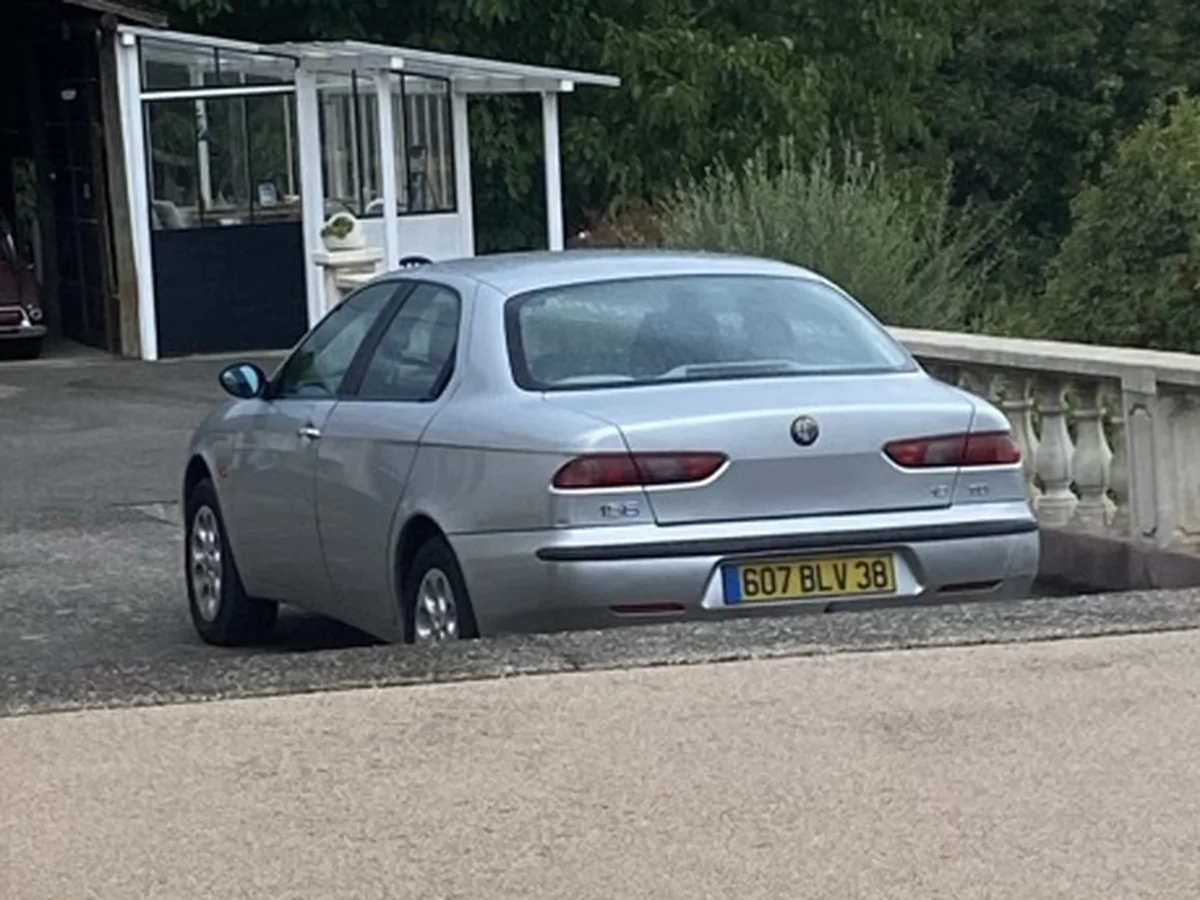
156
158 159 Alfetta

159
164
166
1750
1900
1900M Matta
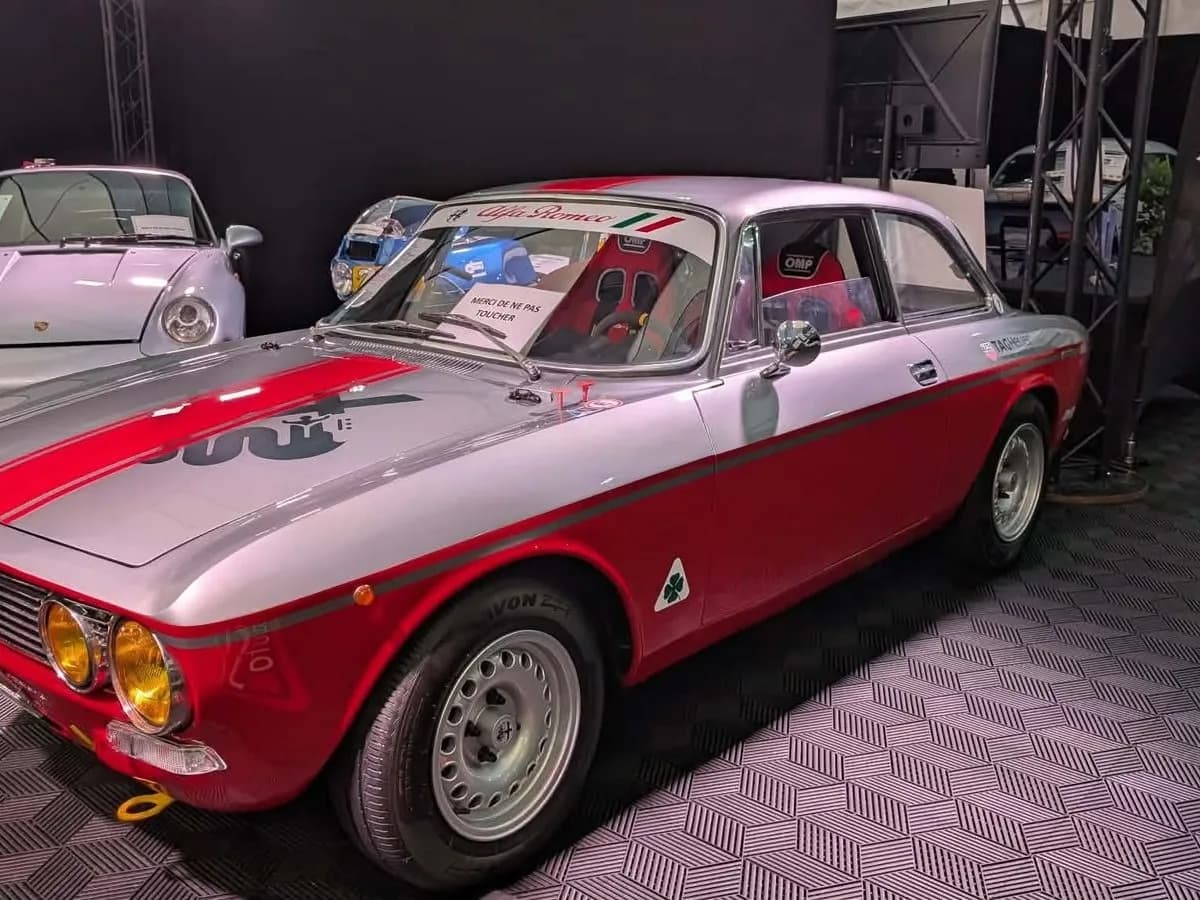
2000
2300 Rio
2600
33
33 Stradale

4C
4C spider
6C
75
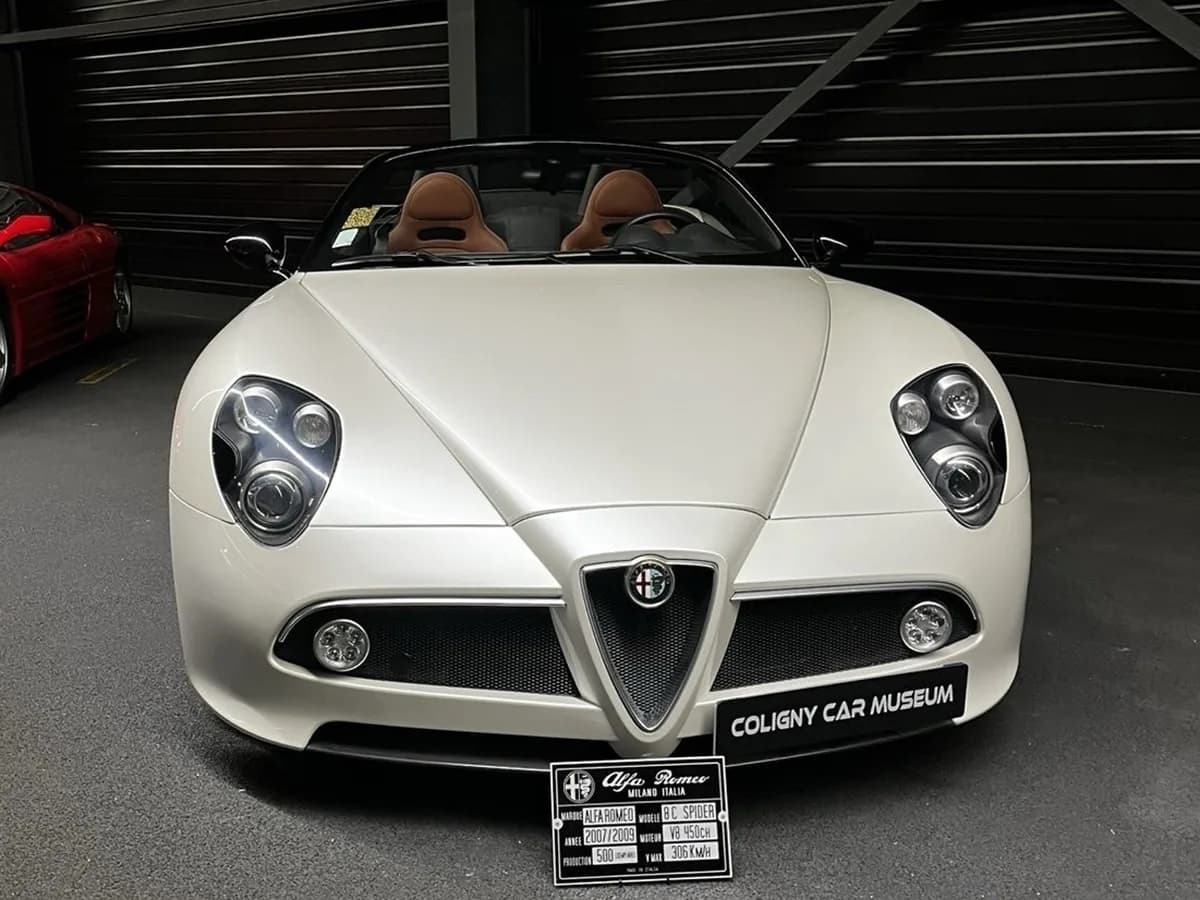
8C
90
Alfa 6
Alfasud
Alfetta
AR6
Arna
Brera
Crosswagon Q4
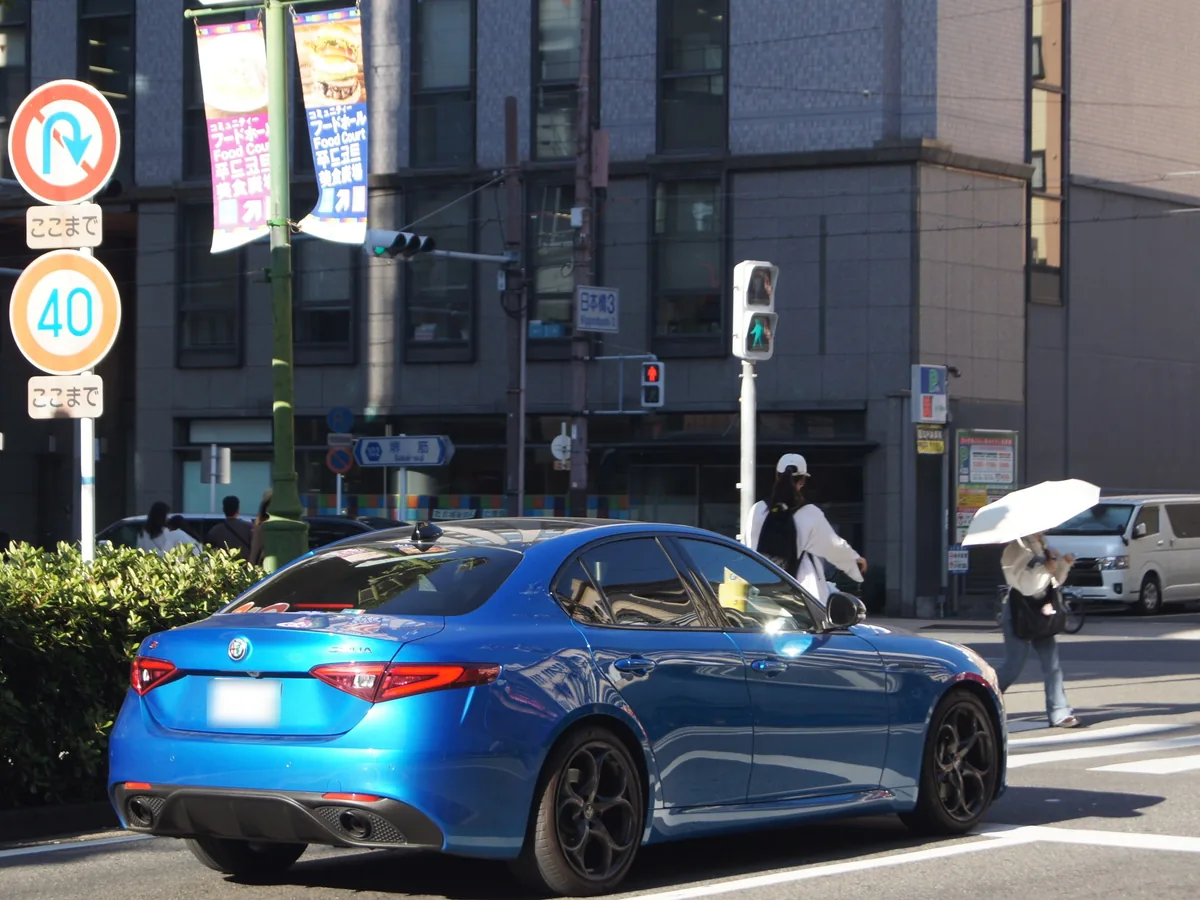
Giulia
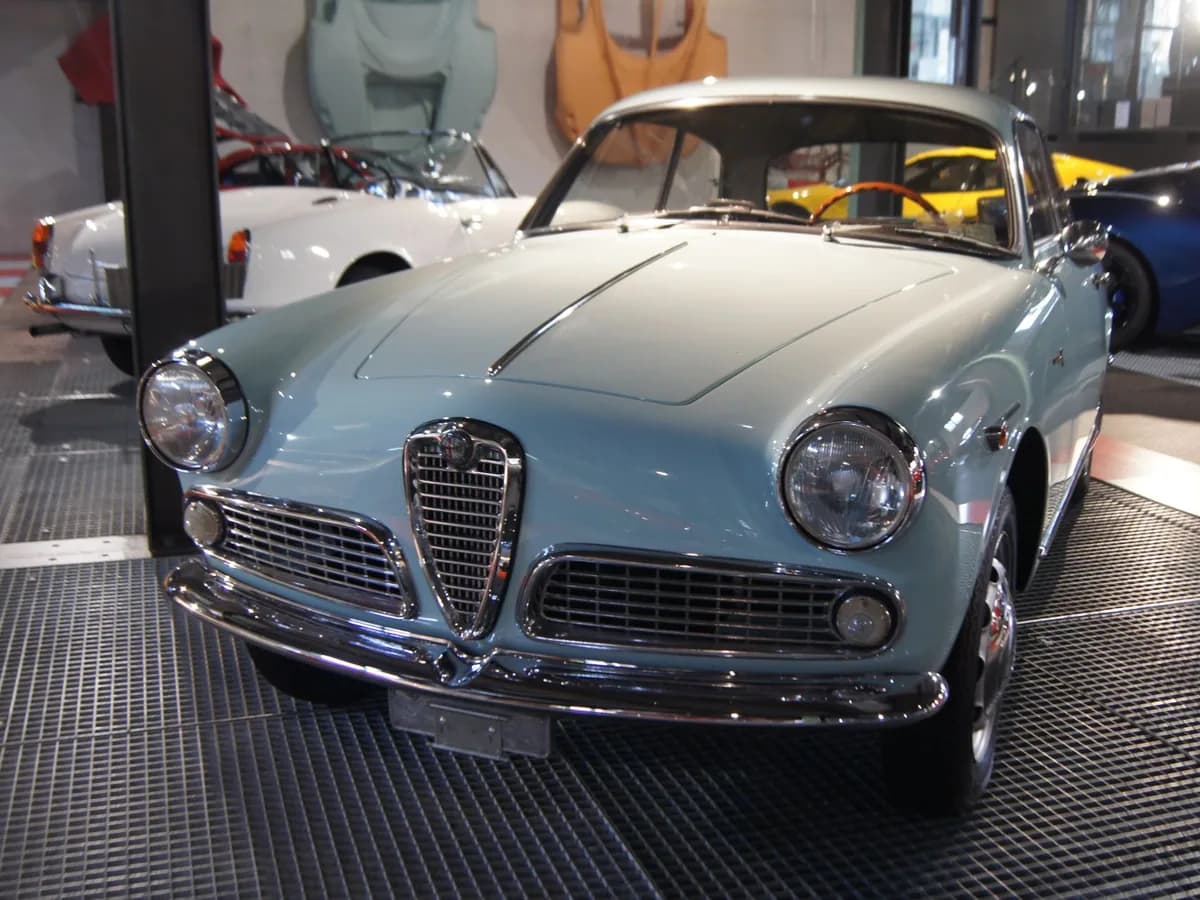
Giulietta

Giulietta spider
Gran Sport Quattroruote
GT
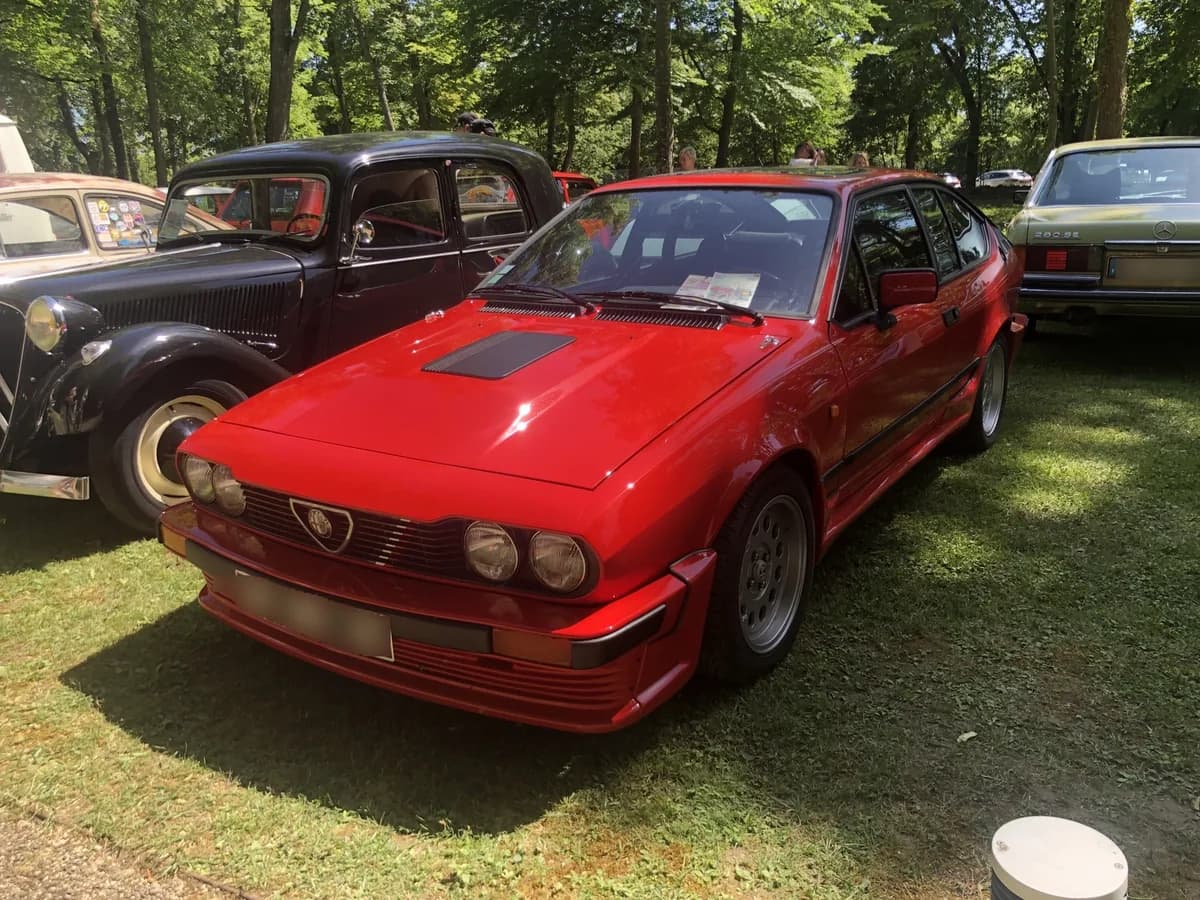
GTV

Junior
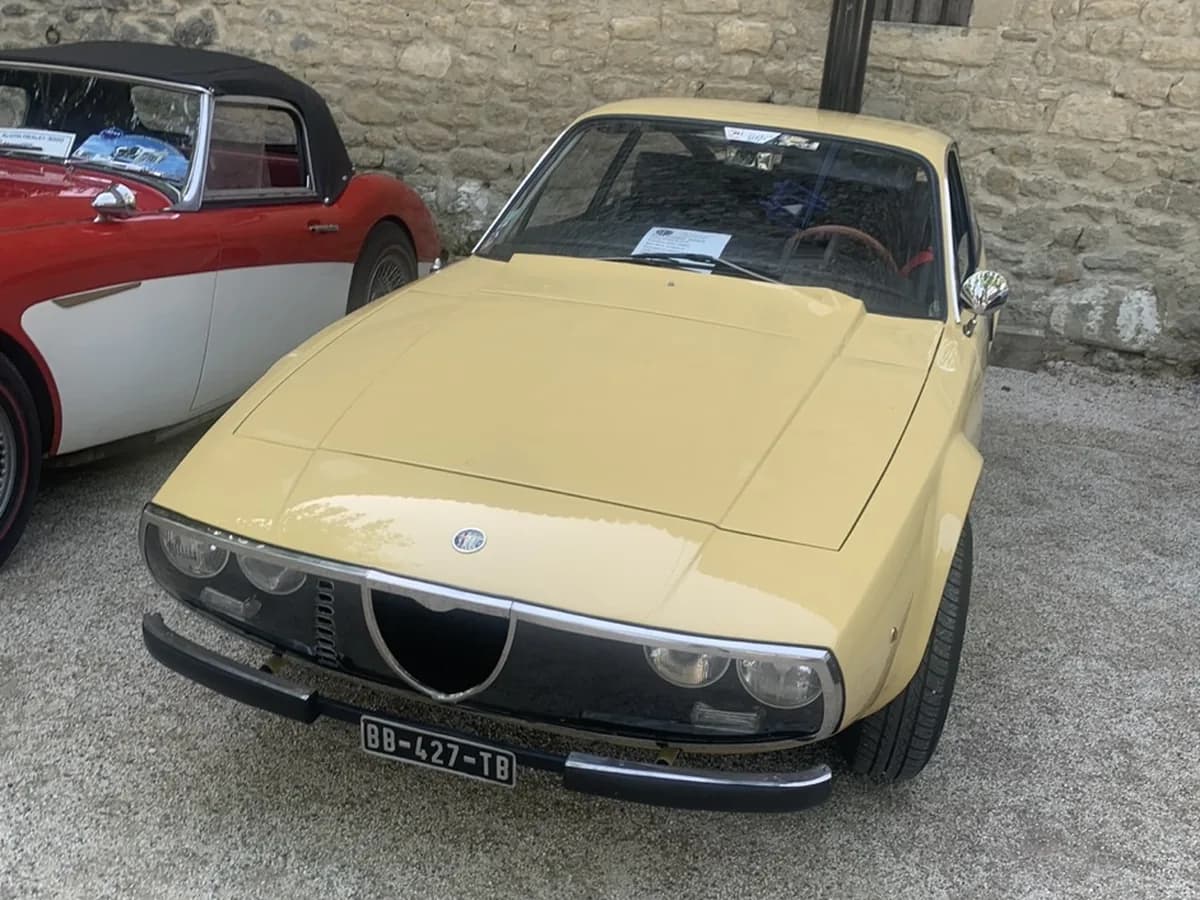
Junior Zagato

MiTo
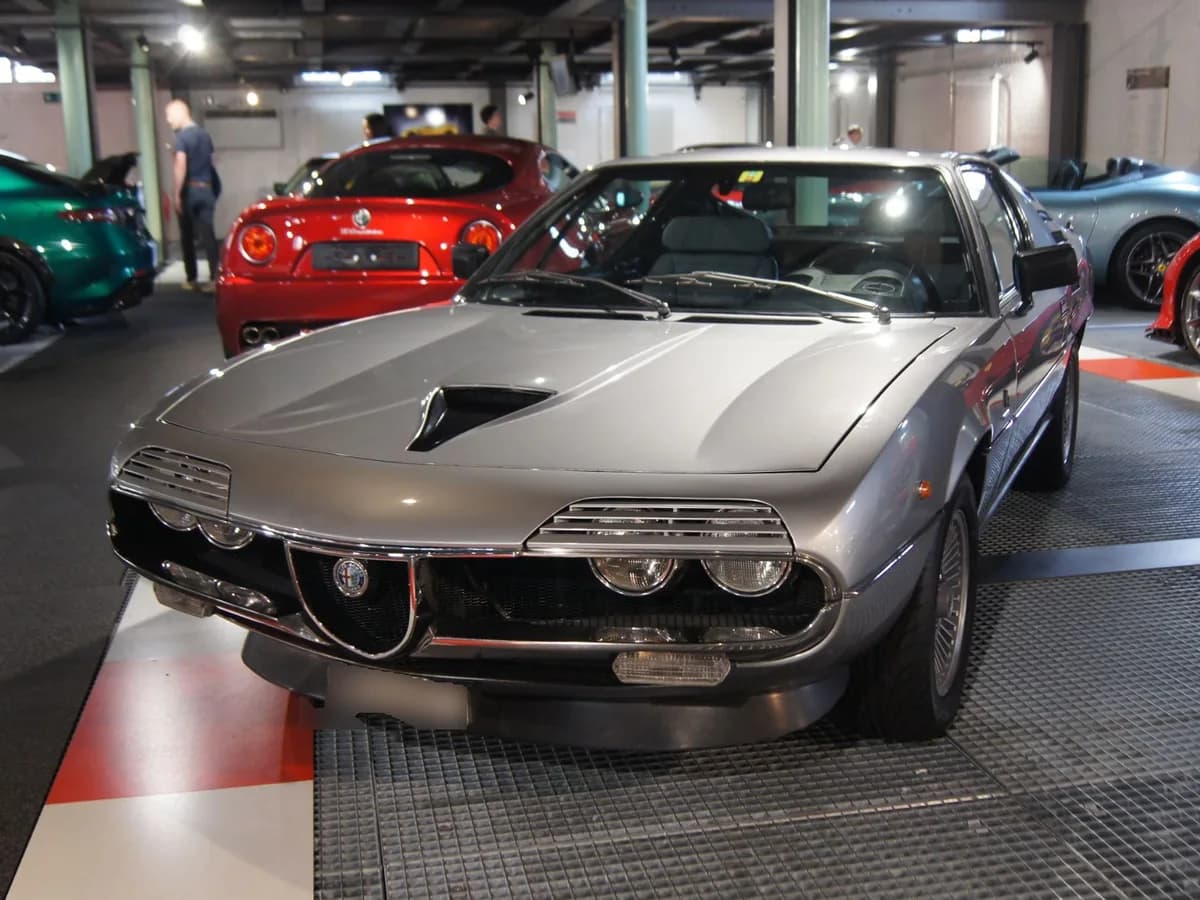
Montreal

R.Z
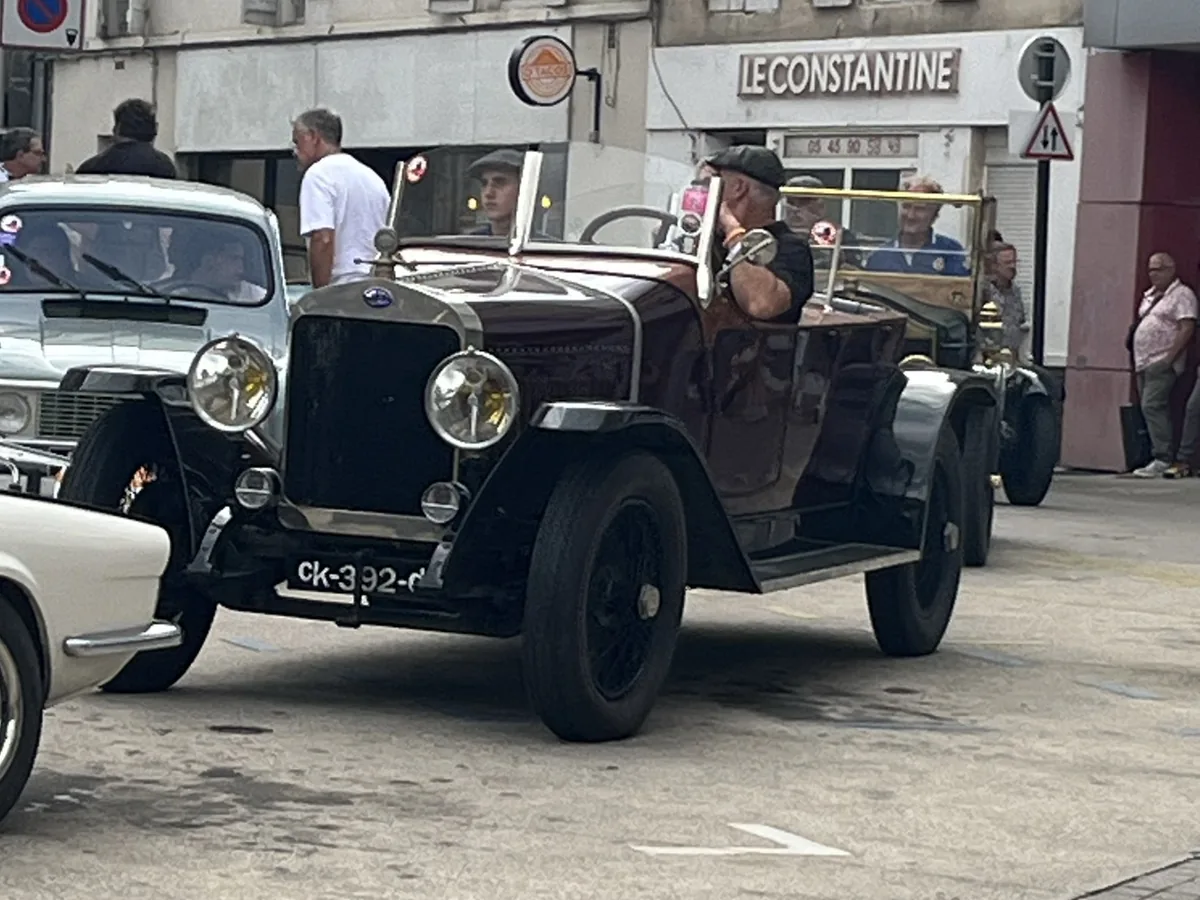
RL
S.Z
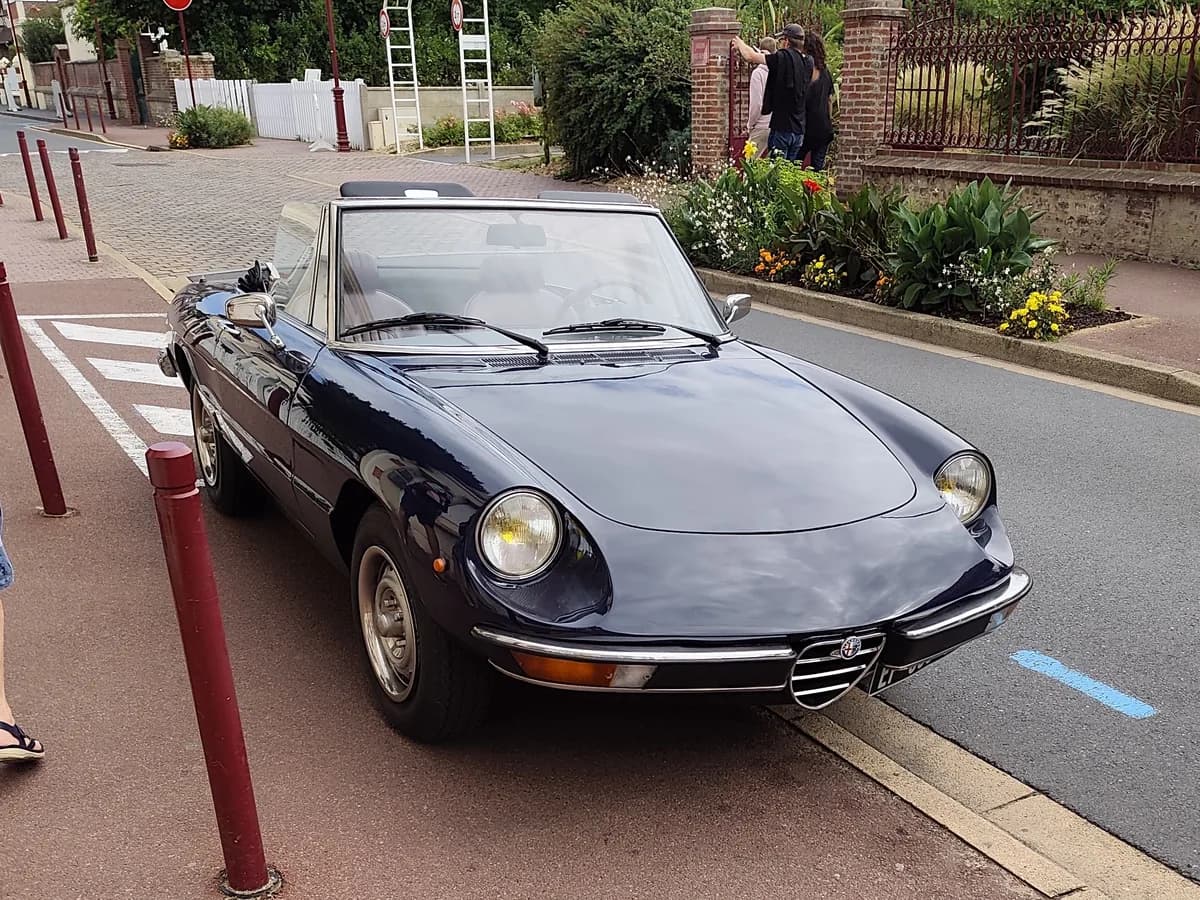
Spider

Sprint
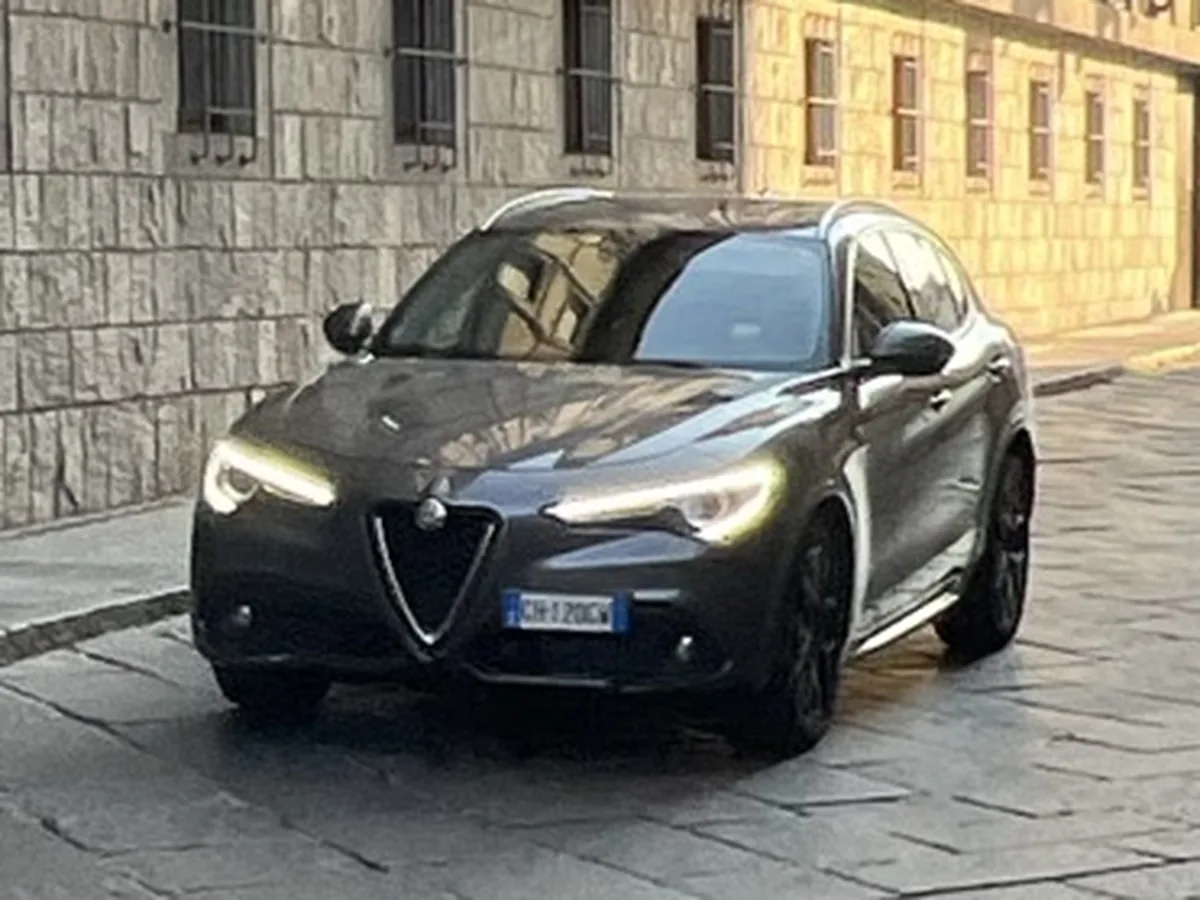
Stelvio
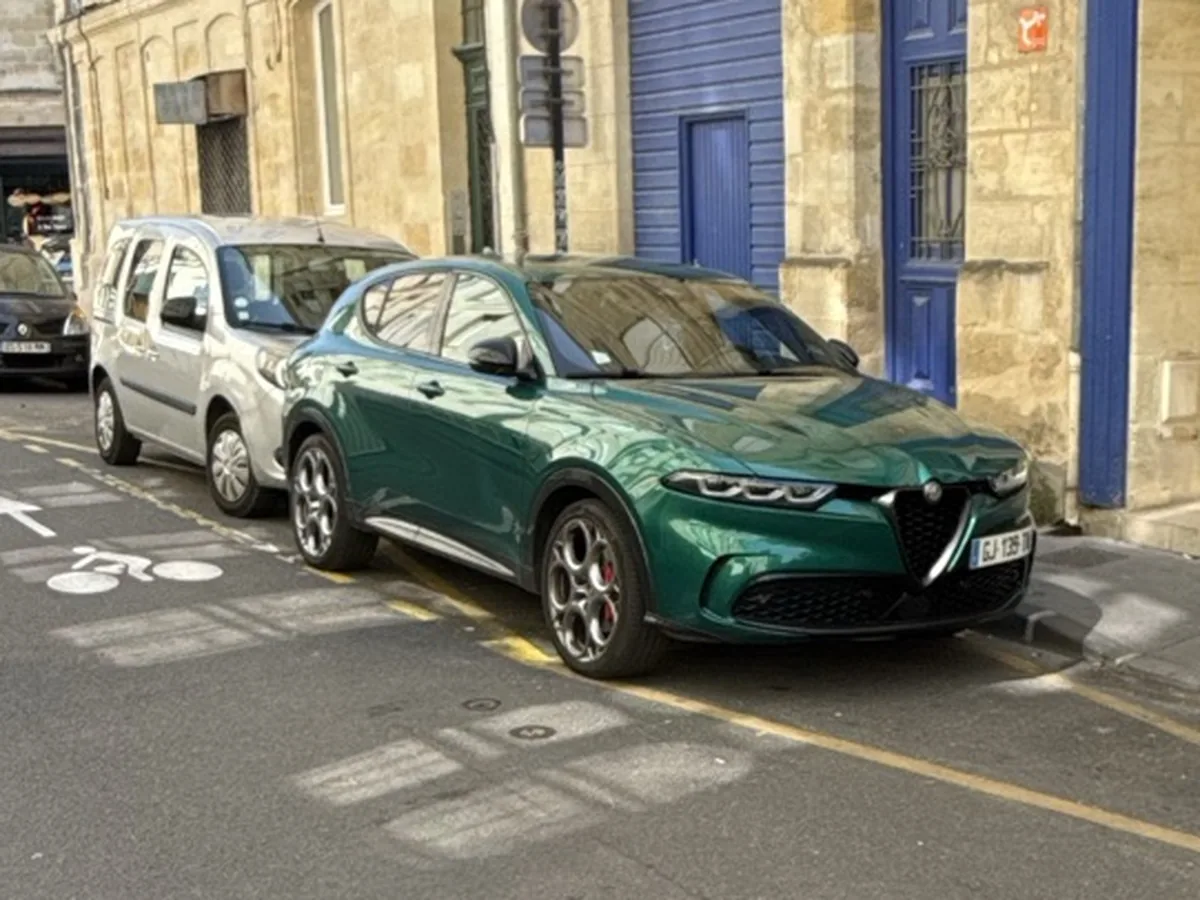
Tonale
TZ
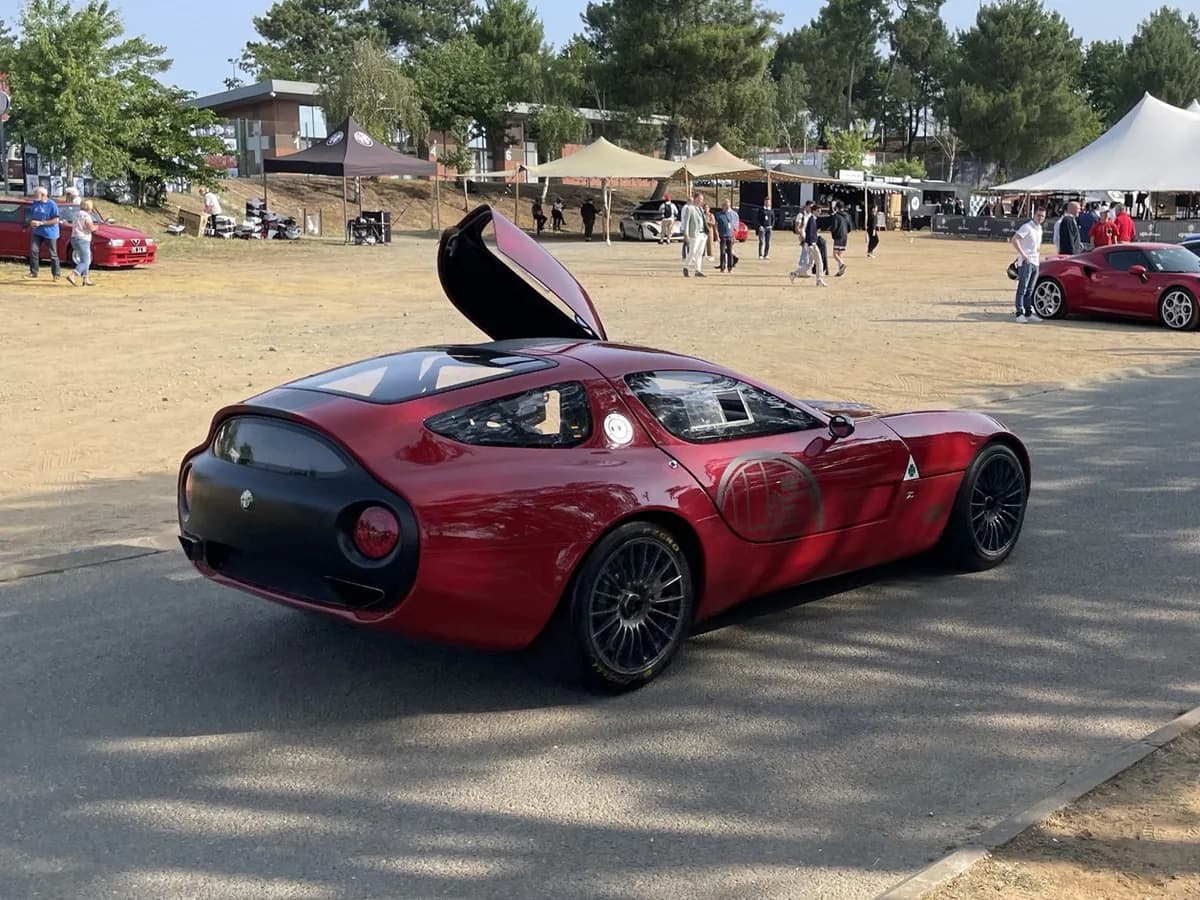
TZ3
Alfa Romeo overview
Alfa Romeo history
On June 24, 1910, a new Milan-based company named A.L.F.A. — Anonima Lombarda Fabbrica Automobili — was established. That same year, Ugo Stella and Giuseppe Merosi worked on the 24 HP and 12 HP, the first cars associated with the young company. After Nicola Romeo took over, the Alfa Romeo name became established. Racing soon became a defining activity: in 1923, Ugo Sivocci won the Targa Florio in an Alfa Romeo RL. That result began a long sequence of successes on road courses and circuits, later continued by the 6C, 8C, P3 and Alfetta racing cars. The historic museum in Arese preserves this technical and sporting legacy through cars, engines, documents and trophies covering more than a century. After the Second World War, Alfa Romeo broadened its audience with the 1954 Giulietta Sprint and the Giulietta saloon. The Giulia, introduced in 1962, became another central model and accompanied the company’s industrial expansion toward the Arese plant. The 1960s also produced the Giulia Sprint GT, 1750, Giulia TZ and GTA, while the 33 extended Alfa Romeo’s competition programme. At the end of the twentieth century, the 156 renewed the marque’s presence in the sports-saloon market and won the 1998 European Car of the Year award.
Alfa Romeo positioning
Alfa Romeo holds a distinctive position within the Italian automotive landscape. Its identity has traditionally depended less on sheer volume than on the combination of design, engineering and driving involvement. The company has often developed cars intended to bring sporting character into everyday use. The Giulietta and Giulia made that formula accessible to a wider audience, while the 1750, 8C, TZ and 4C represent a more exclusive interpretation of performance. The 156 later demonstrated that a front-wheel-drive saloon could still offer sharp dynamics and a strong visual identity. This does not mean that every Alfa Romeo uses the same layout or delivers the same level of performance. Instead, the continuity lies in the design priorities: responsive engines, attention to weight, distinctive styling and chassis tuning focused on agility. Alfa Romeo therefore sits between a sporty mainstream manufacturer and a passion-led marque, with its historical and racing record playing an unusually important role in how its cars are understood.
Recognizing a Alfa Romeo in a photo
When identifying an Alfa Romeo, begin with the front end. The triangular scudetto grille, often paired with side air intakes, is the most consistent visual clue. The badge traditionally combines Milan’s red cross with the Biscione serpent from the city’s heraldic imagery. Older cars require closer examination. A 1954 Giulietta Sprint can be recognised by its compact Bertone coupe body, clean proportions and all-aluminium four-cylinder engine. The 1960s Giulia has a restrained three-box profile designed with notable aerodynamic efficiency, along with a distinctly sporting stance. On the 156, concealed rear door handles and a low, shield-shaped grille are useful identifiers. The 8C and TZ models stand out through low bodies, rounded fenders and competition-inspired details. The Quadrifoglio four-leaf clover usually indicates a performance version or a direct connection with Alfa Romeo’s racing tradition, although its position and exact meaning vary between generations.
Important Alfa Romeo models
The Giulia is one of the central lines in Alfa Romeo history. Introduced in 1962, the saloon achieved a 0.34 drag coefficient and later appeared in numerous forms, including the Sprint GT, GTA and TZ. The 1954 Giulietta Sprint represents the company’s move toward broader production: its 1.3-litre twin-cam engine and Bertone-designed body made it a landmark small sports car. The 156, launched in 1997, renewed Alfa Romeo’s position through its styling, handling and 1998 European Car of the Year award. The 1750 and 2000 reflect the marque’s tradition of sporting coupes and medium-sized saloons. The 8C, from its historic racing and road cars to the modern 8C Competizione, represents the high point of Alfa Romeo performance and design. The TZ, 33 and 4C extend that story through their close links with competition, lightweight construction and technical experimentation.
Alfa Romeo model names follow a precise logic — with a few exceptions. Decode a Alfa Romeo name
References
- Alfa Romeo History | The Logo and The MythAlfa Romeo
- Museo Storico Alfa RomeoMuseo Alfa Romeo
- The Alfa Romeo GiuliaStellantis Media
- The Giulietta Is 50 Years OldStellantis Media
- Storie Alfa Romeo: the 156 was an authentically successful Alfa RomeoStellantis Media
- Historic Alfa Romeos Add to the Action at Goodwood Festival of SpeedStellantis Media
- https://www.alfaromeo.it/storia-alfa-romeoalfaromeo.it