
Giulietta
Unveiled at the Turin Motor Show on April 21, 1954, the Alfa Romeo Giulietta has been used for three very different chapters in the brand’s history. The first, built through 1965, combined a 1,290 cc four-cylinder twin-cam engine with Sprint, Berlina, Spider and several special-bodied derivatives. In 1977, Alfa Romeo revived the name for a rear-wheel-drive saloon closely related to the Alfetta. In 2010, Giulietta became a five-door front-wheel-drive compact designed to succeed the 147. That sequence is why the Giulietta name covers very different shapes, engineering layouts and driving roles. The 1950s Sprint and Spider remain the best-known interpretations of the original series, while the later hatchback brought the name into the modern European compact-car market.
What about the car you photographed?
Upload a photo to get a suggested make, model and likely year.
No account needed for the result · Publish only if you choose
Variants by year
Make: Alfa Romeo · Model: Giulietta
5 / 5 versions shown
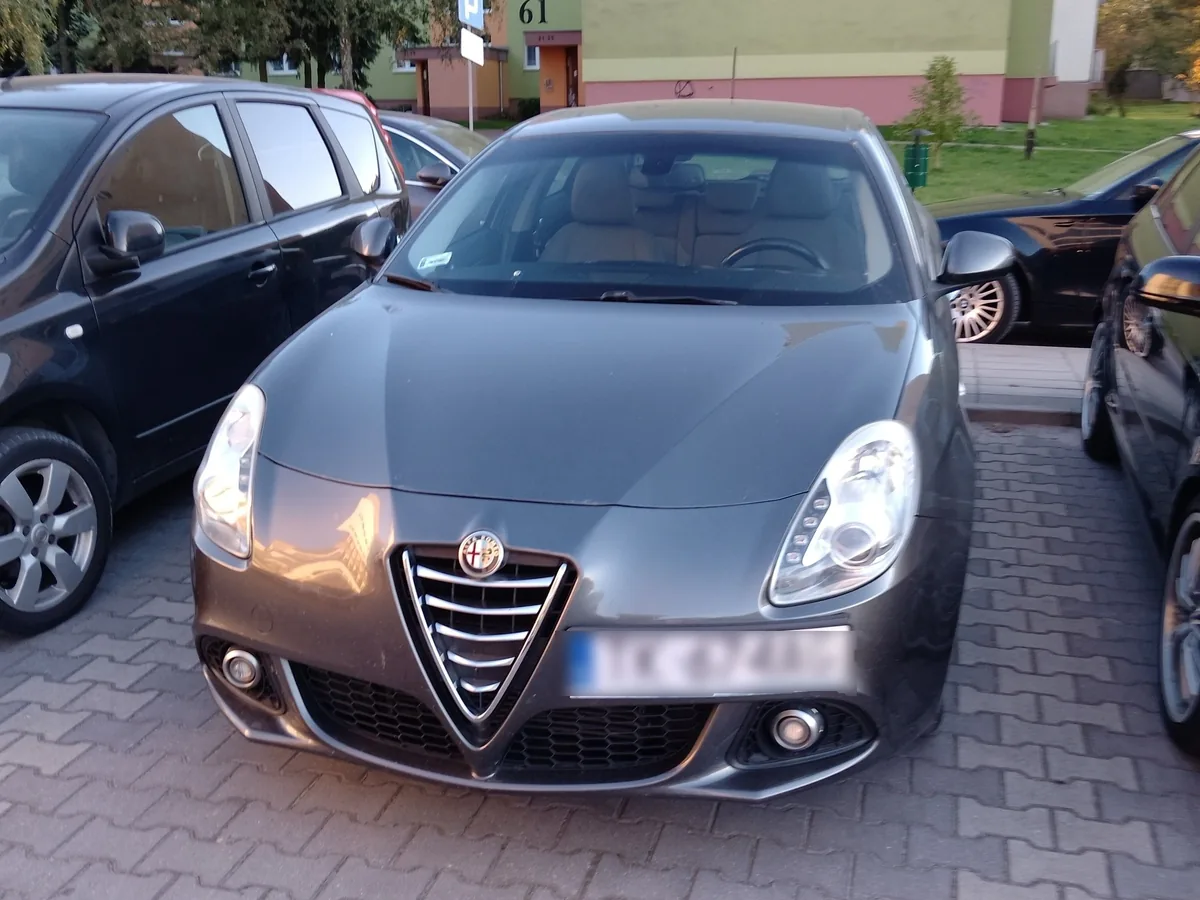
2010
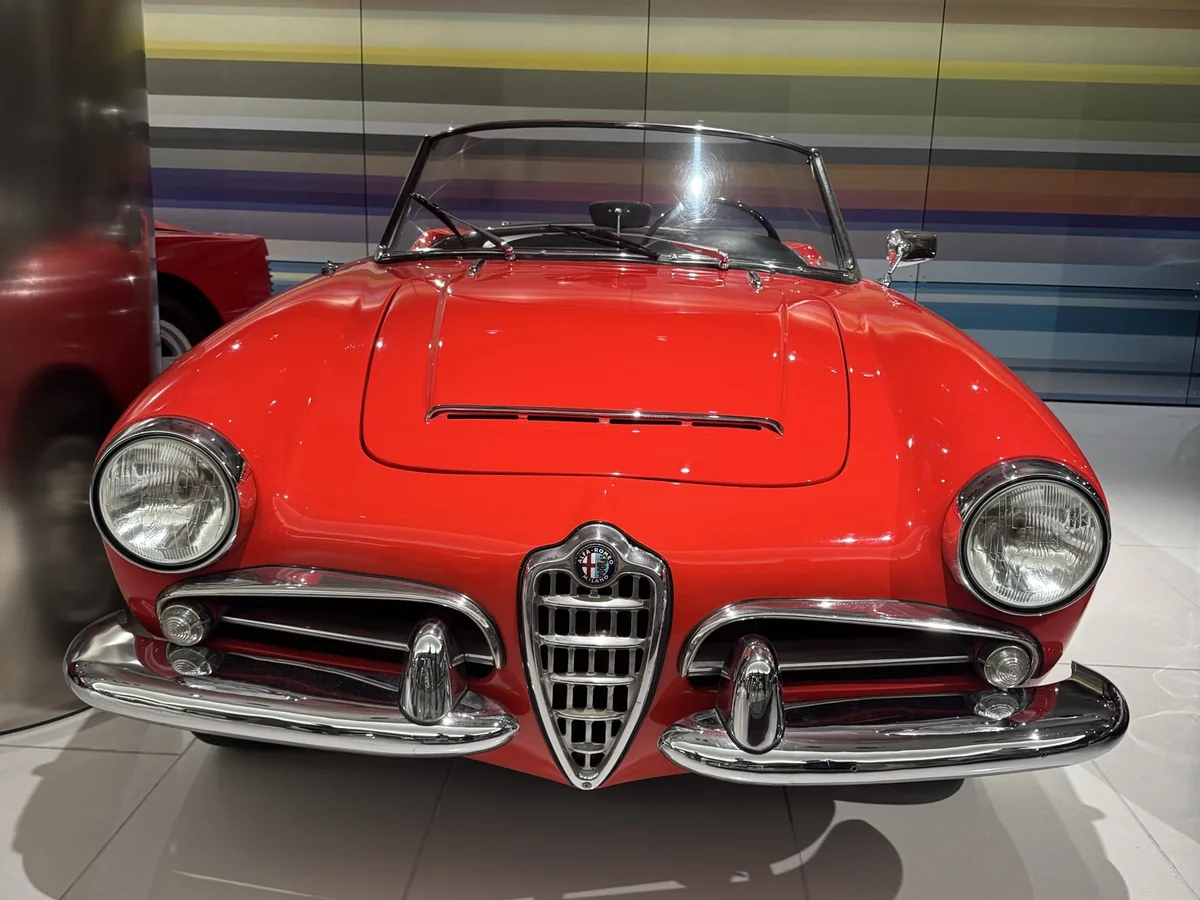
1977
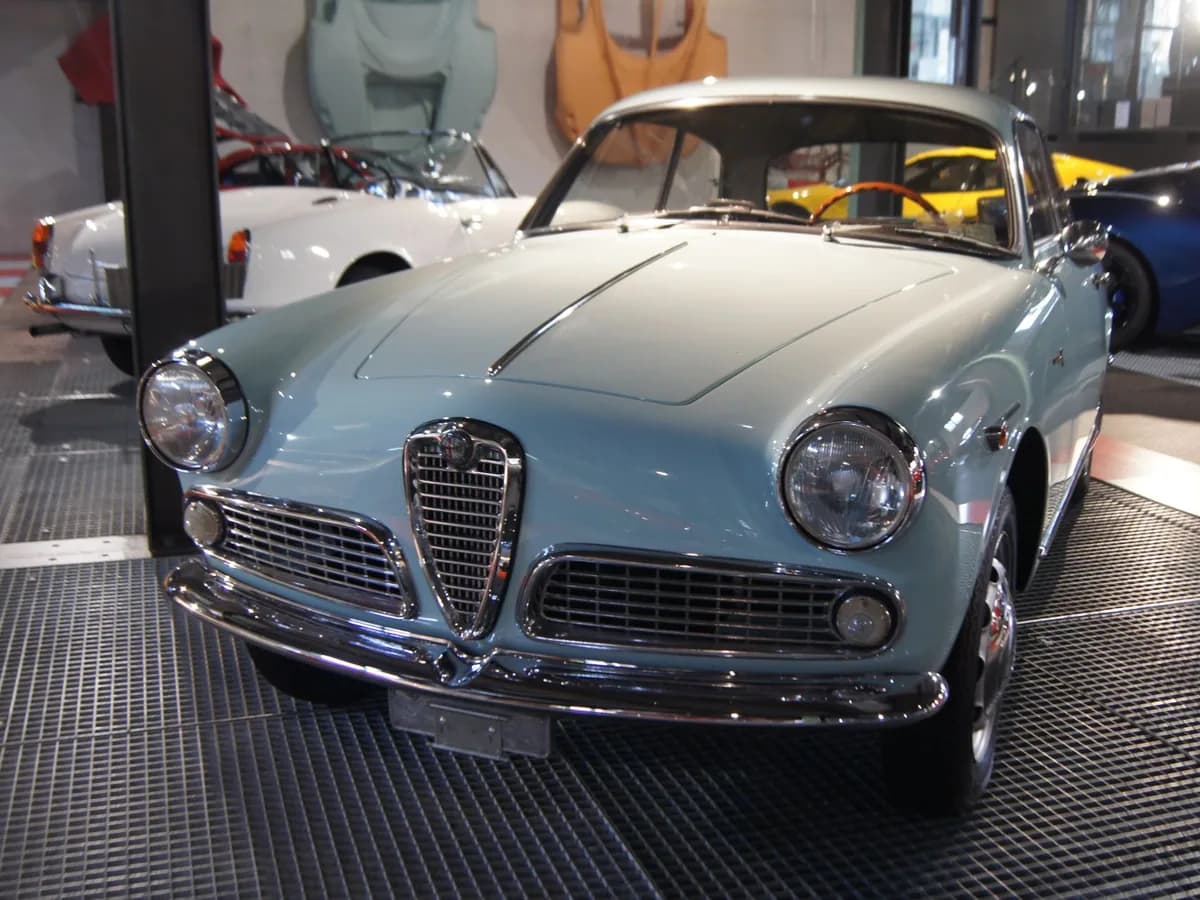
1955

Alfa Romeo Giulietta photos
Model summary
Data from the ScanRacer library, organized to compare versions quickly.
Model introduction
Unveiled at the Turin Motor Show on April 21, 1954, the Alfa Romeo Giulietta has been used for three very different chapters in the brand’s history. The first, built through 1965, combined a 1,290 cc four-cylinder twin-cam engine with Sprint, Berlina, Spider and several special-bodied derivatives. In 1977, Alfa Romeo revived the name for a rear-wheel-drive saloon closely related to the Alfetta. In 2010, Giulietta became a five-door front-wheel-drive compact designed to succeed the 147. That sequence is why the Giulietta name covers very different shapes, engineering layouts and driving roles. The 1950s Sprint and Spider remain the best-known interpretations of the original series, while the later hatchback brought the name into the modern European compact-car market.
History
The original Giulietta represented a major change in Alfa Romeo’s market position. The Sprint, styled by Franco Scaglione at Bertone, was unveiled in 1954 as a compact coupé. The Berlina followed in 1955, joined by the Pinin Farina-designed Spider. Alfa Romeo later added the Bertone Sprint Speciale, the Zagato Giulietta SZ and an estate-bodied version known as the Promiscua. Its 1,290 cc inline four-cylinder engine used an all-alloy construction and twin overhead camshafts, helping establish the model’s sporting reputation. According to the Museo Storico Alfa Romeo, 177,690 Giuliettas of all body styles were produced between 1954 and 1965. The name returned in 1977 on a completely different saloon. This second Giulietta used a rear-wheel-drive layout from the Alfetta family and combined an angular design with a sophisticated rear axle and a more practical four-door mission. The range also included sporting derivatives, among them the low-volume Turbodelta introduced in the early 1980s. In 2010, Alfa Romeo revived Giulietta as a five-door C-segment hatchback. This third interpretation replaced the 147 in several markets and was offered with turbocharged petrol and diesel engines. Its main updates included revised equipment and styling for the 2014 and 2016 model years.
Generations
The first generation covers the Type 750 and Type 101 series, generally associated with the 1954-1965 period. It is identified by rear-wheel drive, a 1,290 cc twin-cam four-cylinder engine and a wide range of body styles. The Sprint was a Bertone 2+2 coupé, the Berlina a four-door saloon and the Spider a Pinin Farina-designed convertible. Sprint Veloce, Sprint Speciale and Zagato SZ models formed the most sporting or specialized branches of the range. The second generation, commonly known as the Giulietta Tipo 116 or Nuova Giulietta, arrived in 1977 and remained available until 1985. It used a four-door three-box body, longitudinal mechanicals and rear-wheel drive. Its technical relationship with the Alfetta placed it in a very different category from the original Giulietta. The limited-production Turbodelta was its rarest and most performance-focused interpretation. The third generation, identified by Type 940, appeared in 2010. It was a five-door compact with a transverse engine and front-wheel drive. The range included turbocharged petrol and diesel engines, with trim levels extending from everyday family use to the sporting Quadrifoglio Verde. The 2014 and 2016 revisions mainly changed exterior details, equipment and selected engine and transmission combinations.
Key differences
The differences between the generations are substantial. The 1954-1965 Giulietta was a lightweight rear-wheel-drive car offered as a coupé, convertible, saloon or special-bodied derivative. Its identity came from the alloy twin-cam engine, compact dimensions and the work of Italy’s leading coachbuilders. The 1977-1985 Tipo 116 was a longer, more angular rear-wheel-drive saloon with engineering derived from the Alfetta. It emphasized passenger space and high-speed stability rather than the lightness of the original coupé. The Giulietta introduced in 2010 moved into an entirely different category. Its five-door body, transverse engine and front-wheel-drive layout placed it among modern European compact cars. It offered more electronic equipment, comfort features and engine choices. Sprint and Spider therefore refer mainly to the historic first Giulietta family, while Quadrifoglio Verde belongs to the modern range or to sporting derivatives of the brand. The name is shared, but the three periods do not represent one continuous mechanical evolution.
Photo recognition
To identify a 1950s Giulietta, start with the body style. The Sprint has a low coupé profile, a steeply sloping roof and a broad, wraparound-looking glass area. The Berlina uses four doors and a taller, more formal shape. The Spider is distinguished by its open cabin and Pinin Farina-designed convertible proportions. Body details can change with the model year, series and coachbuilder, so badges alone are not always conclusive. The 1977 Tipo 116 is an angular three-box saloon with a sloping rear window and a more substantial overall appearance. It should not be confused with an Alfetta, even though the two cars share important engineering relationships. The 2010 Giulietta is identified by its five-door compact body, rear door handles integrated into the window-line area and shield-shaped front grille. The 2014 and 2016 updates have different front-end details and equipment. Reliable identification should combine visual inspection with the chassis number, period documentation and trim-specific features.
Important versions
Among the historic versions, the 1954 Giulietta Sprint is the best-known: its Bertone styling and twin-cam engine established the model’s sporting identity. The 1955 Berlina became the practical core of the range, while the Pinin Farina Spider strengthened its appeal in export markets. Sprint Veloce, Sprint Speciale and the Zagato Giulietta SZ are especially notable for their sporting focus and more limited production. The second series is best remembered for the Turbodelta, a rare performance-oriented version developed with motorsport and homologation ambitions. In the modern generation, Quadrifoglio Verde occupied the sporting top of the range. Alfa Romeo paired it with a turbocharged 1,750 cc petrol engine and, from 2014, an advertised 240 hp output with TCT transmission, depending on the market.
The name “Giulietta” follows Alfa Romeo naming, with its rules and its exceptions. Decode a Alfa Romeo name
References
- Giulietta turns 70Museo Storico Alfa Romeo
- Giulietta HistoryAlfa Romeo Japan
- New Alfa Romeo Giulietta debuts at Goodwood’s Festival of SpeedStellantis Media
- Alfa Romeo Giulietta and MiTo Model Year 2014Stellantis Media
- 60 Jahre Alfa Romeo Giulietta – ein Modell revolutioniert eine MarkeStellantis Media
- The Alfa Romeo Giulietta: History, Variants, SpecificationsMotorTrend
Technical specifications
Structured data available for versions linked to this model.
| Version | Power | Torque | Top speed | Drivetrain | Fuel |
|---|---|---|---|---|---|
| — | 120 horsepower | — | — | Front-wheel drive / 6-speed manual | — |
Frequently asked questions
- What years was the Alfa Romeo Giulietta produced?
- ScanRacer's referenced versions cover 1955 - 2010.
- How many Alfa Romeo Giulietta examples are documented on ScanRacer?
- 4 published scans from 4 members, with the latest photo added in October 2026.
- What is the power output of the Alfa Romeo Giulietta?
- The sourced technical data lists 120 horsepower.
What about the car you photographed?
Upload a photo to get a suggested make, model and likely year.
No account needed for the result · Publish only if you choose