
Spider
Introduced at the Geneva Motor Show in March 1966, the Alfa Romeo Spider was a two-seat, front-engined roadster that continued the marque’s tradition of open sports cars. Styled by Pininfarina, the first series quickly became associated with the nickname “Duetto”, while its rounded rear profile developed into one of Alfa Romeo’s most recognizable design cues. Across its long career, the Spider retained its role as an expressive open-top sports car, but changed substantially between series, markets, and powertrain specifications. The ScanRacer chronology covers 1966 to 2006 and six catalogued variants, from the classic Spider derived from the Giulia family to the substantially revised generations introduced during the 1990s and early 2000s.
Variants by year
2006
1995
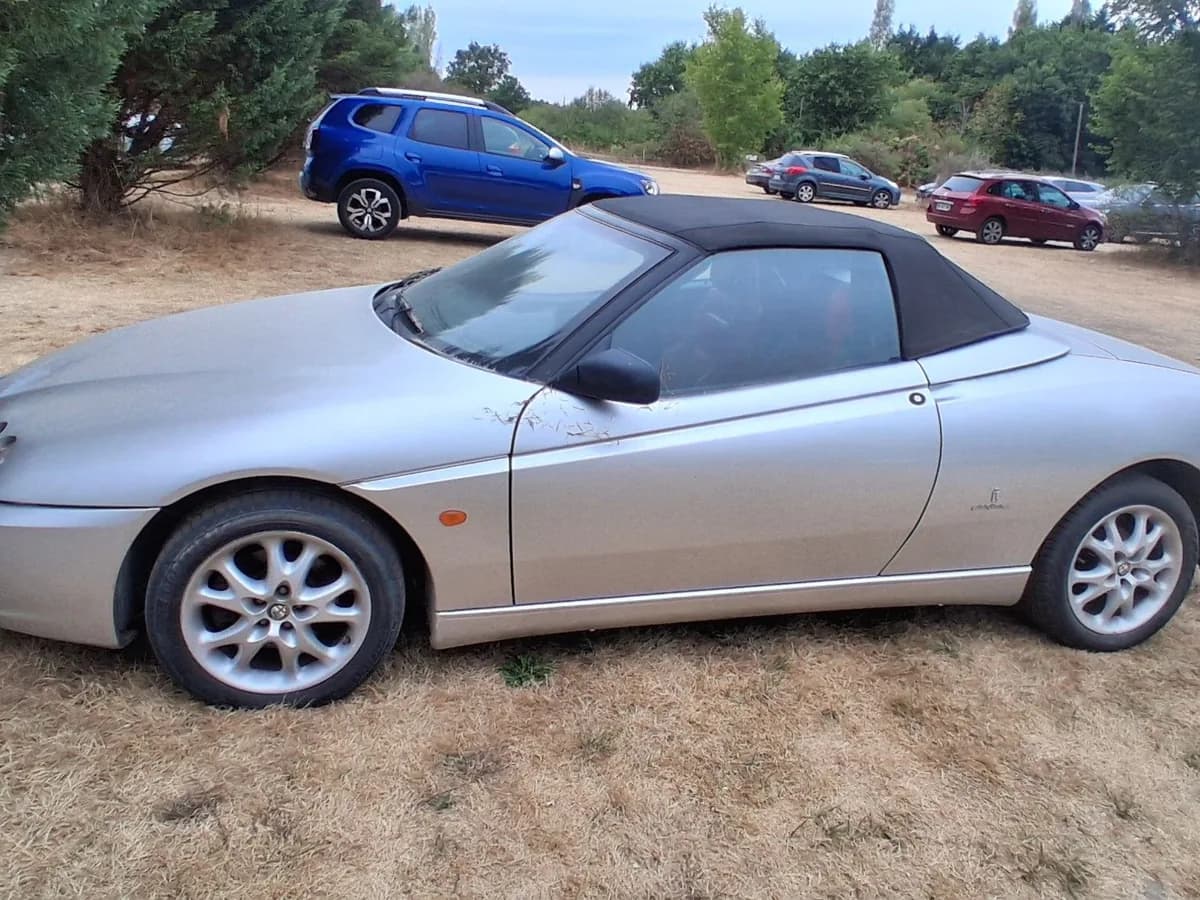
1989
1983
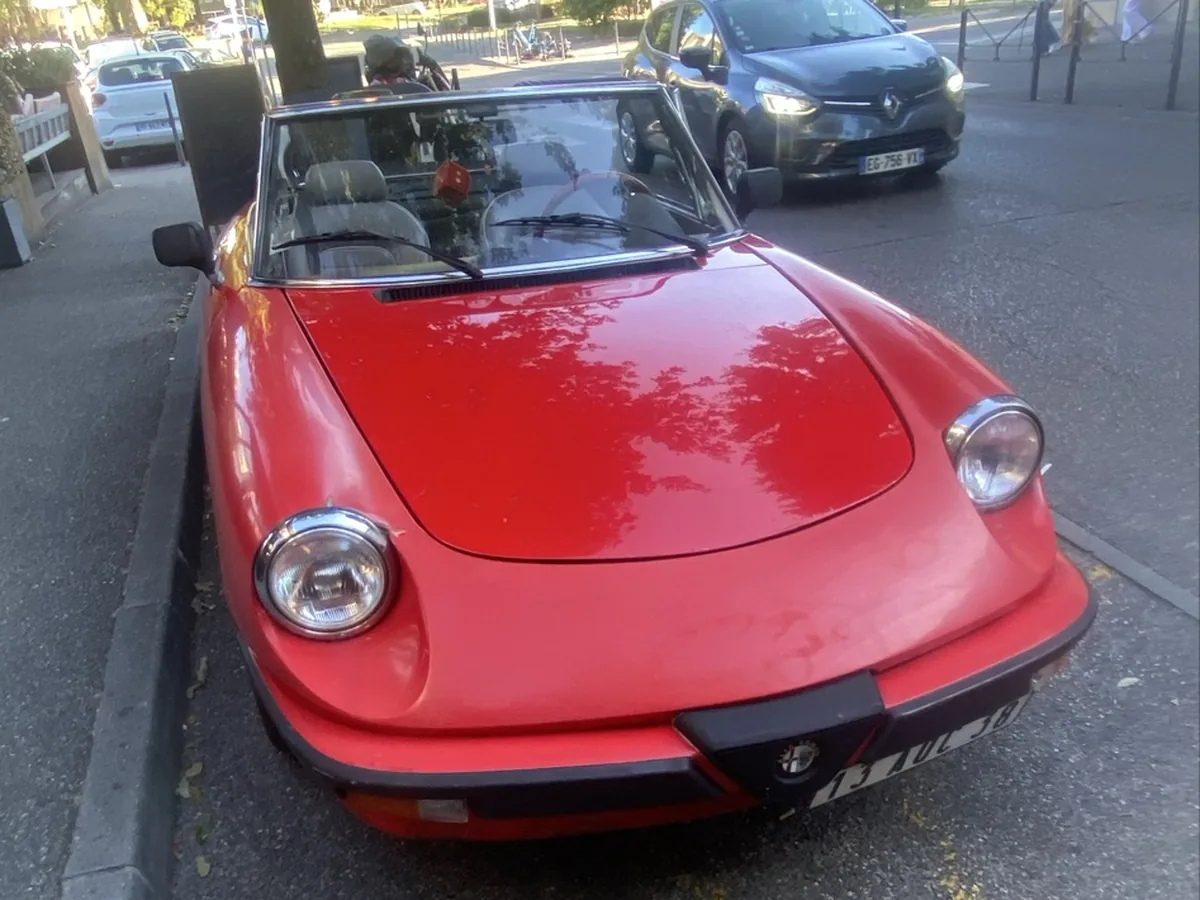
1969
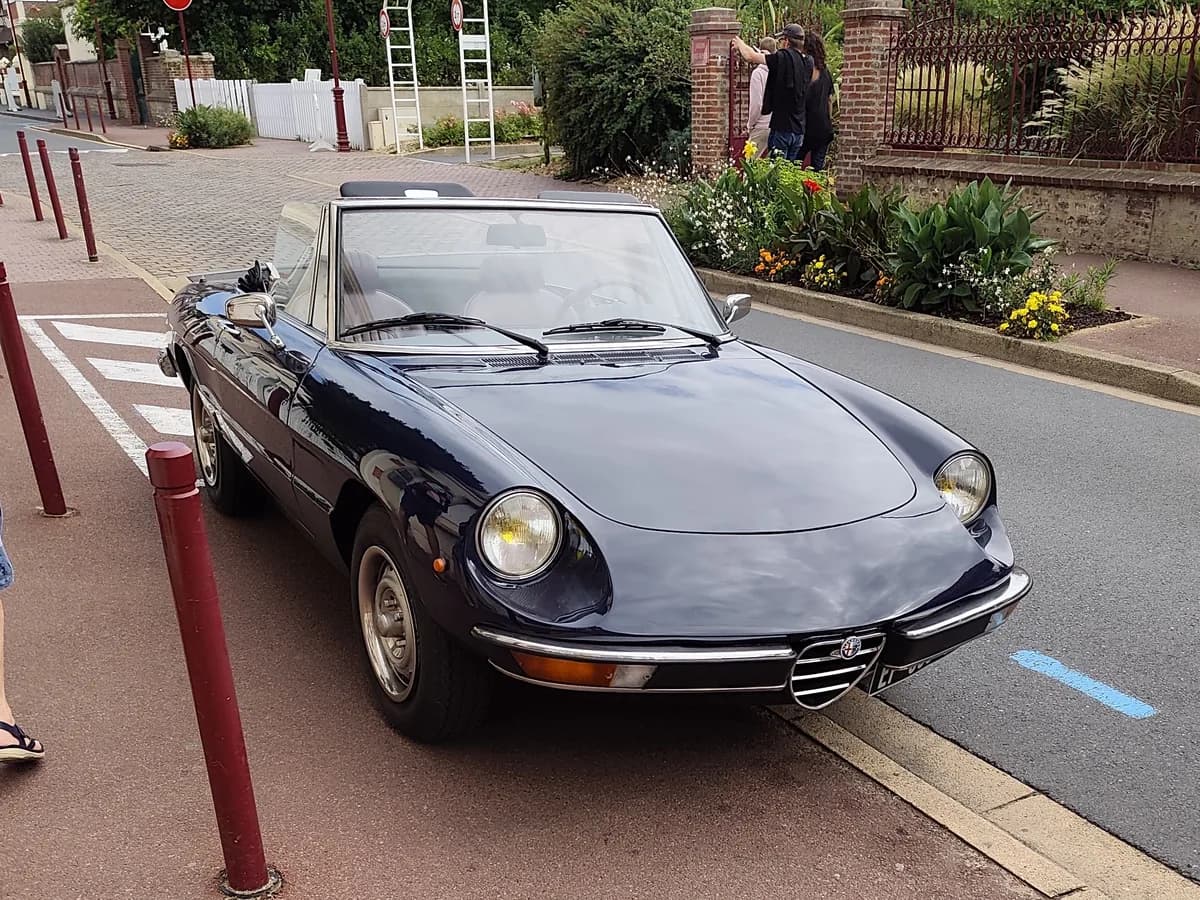
1966
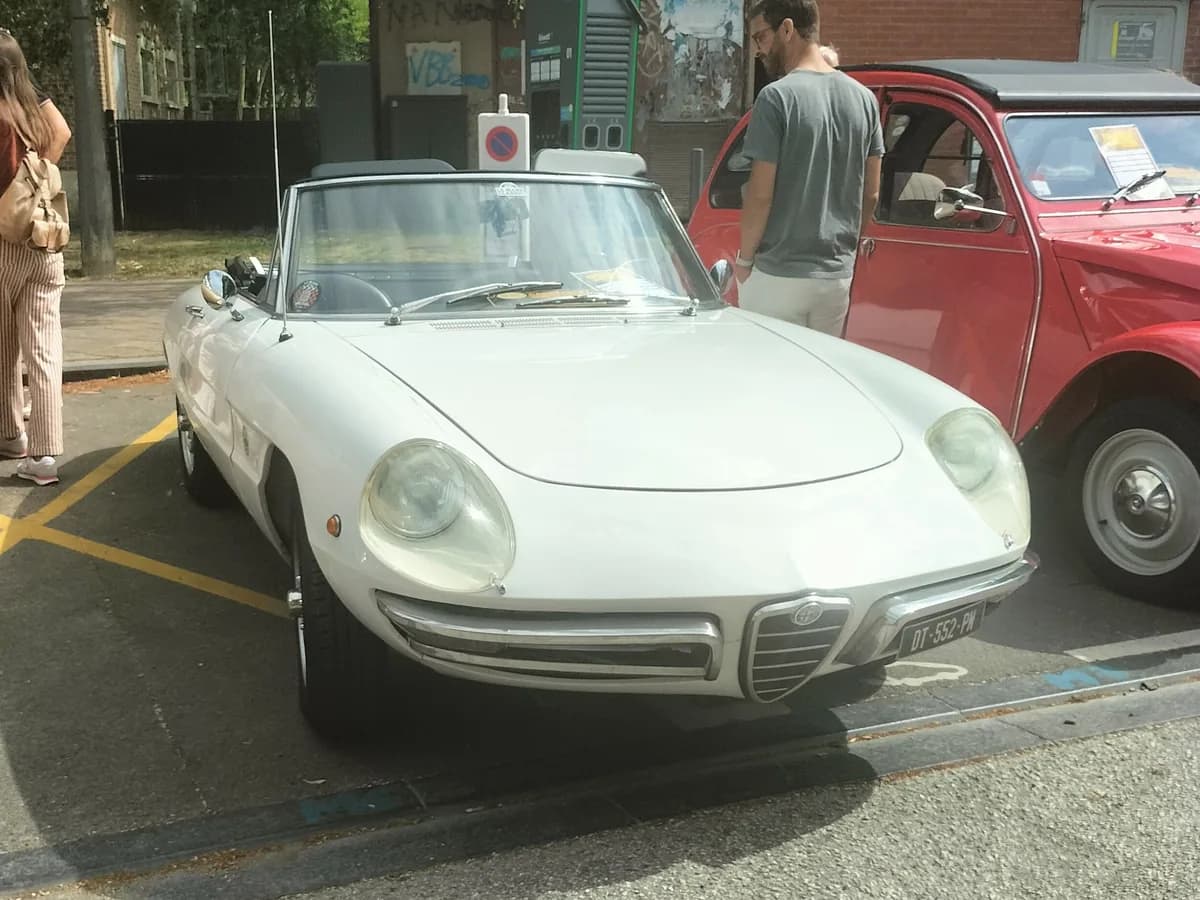
Model summary
Data from the ScanRacer library, organized to compare versions quickly.
Model introduction
Introduced at the Geneva Motor Show in March 1966, the Alfa Romeo Spider was a two-seat, front-engined roadster that continued the marque’s tradition of open sports cars. Styled by Pininfarina, the first series quickly became associated with the nickname “Duetto”, while its rounded rear profile developed into one of Alfa Romeo’s most recognizable design cues. Across its long career, the Spider retained its role as an expressive open-top sports car, but changed substantially between series, markets, and powertrain specifications. The ScanRacer chronology covers 1966 to 2006 and six catalogued variants, from the classic Spider derived from the Giulia family to the substantially revised generations introduced during the 1990s and early 2000s.
History
The Spider introduced in 1966 replaced the Giulietta Spider and became the last production design personally attributed to Battista Pininfarina. Its smooth profile, long bonnet, and tapered tail gave it a distinctive identity within the Alfa Romeo range. The car was based on the architecture of the Giulia family and used the marque’s characteristic twin-cam four-cylinder engine. The first series was launched with a 1,570 cc unit, while the range later expanded with 1750 and 1300 versions. A subsequent facelift introduced a truncated rear treatment, followed by another major update with more integrated bumpers and revised trim. During the 1980s, some Spiders adopted more prominent aerodynamic equipment, including a rear spoiler. The fourth series, introduced in the early 1990s, brought a cleaner and more unified appearance. In 1995, Alfa Romeo unveiled a thoroughly redesigned Spider developed alongside the GTV coupé. A further Spider associated with the Brera programme appeared in 2006, using a more contemporary design and offering four- and six-cylinder petrol engines, with all-wheel drive available on selected specifications.
Generations
The Spider family is usually divided into several groups, although specialists do not always count the individual series in exactly the same way. The classic Spider, identified by the 105 and 115 series, covers most of the period from 1966 to 1993 or 1994, depending on the source and market. The first series is recognized by its rounded tail, the second by its truncated rear treatment, the third by more pronounced bumpers and aerodynamic details, and the fourth by integrated bumpers and a more cohesive appearance. Throughout this long evolution, the car retained a Giulia-related technical foundation and rear-wheel drive. The 916 Spider, introduced alongside the GTV in 1995, marked a clear generational change. Its styling was more angular, its platform was related to the Alfa Romeo 155 family, and its engine range included Twin Spark four-cylinders and V6 units depending on market and specification. The 939 Spider, launched in 2006 as part of the Brera family, adopted a different approach again, with a wider modern body and Q4 all-wheel drive on selected versions. The ScanRacer period ends in 2006, at the boundary between these developments.
Key differences
The main differences concern body design, technical architecture, and interior presentation. The 105/115 Spiders are classic rear-wheel-drive roadsters, identified by their long bonnet, chrome or semi-integrated bumpers depending on series, and driver-focused instrumentation. Later cars in this family may feature electronic fuel injection, larger protective bumpers, and specific aerodynamic details. The 916 moved away from the historic Spider’s retro profile, adopting a visually more compact body, a more contemporary dashboard, and a different engine range. The 939 is more distinct again, with larger proportions, an electrically folding roof, and styling links to the Brera coupé. Commercial names, engines, and equipment varied between countries, so they should not be used on their own to identify a precise year or series. Exterior shape, rear treatment, bumper design, dashboard layout, and the vehicle’s identification plate provide more reliable clues when examined together.
Photo recognition
Begin identification with the rear profile. The 1966 Spider has a rounded, flowing tail, often described by enthusiasts as the “osso di seppia” shape. Later cars adopted a straighter, truncated rear, while many 1980s examples can be recognized by larger black bumpers and a rear spoiler. The fourth series from the early 1990s has body-coloured bumpers and a smoother overall appearance. The 916 Spider, introduced in 1995, is more angular and shares several visual elements with the GTV coupé. The 939 launched in 2006 is wider, more modern, and closely related in style to the Brera. After examining the body, check the badges, wheel design, rear lamps, dashboard, and manufacturer plate. Market-specific equipment, replacement parts, restorations, and aftermarket modifications can make visual identification uncertain, so a chassis or production reference is preferable whenever an exact series is required.
Important versions
The first 1600 Spider of 1966 is the founding version and the car most closely associated with the “Duetto” nickname. The 1750 and 1300 Spiders soon broadened the original range. The 2000 became an important member of the classic family, while later series introduced fuel injection and more modern safety and comfort equipment. During the 1980s, some versions gained a sportier presentation and distinctive aerodynamic treatment. The 916 Spider introduced a new generation in 1995, with Twin Spark and V6 engines depending on market and specification. The 939 Spider launched in 2006 belonged to the Brera family and was offered in configurations including the 2.2 JTS, 3.2 V6, and Q4 all-wheel-drive versions. Commercial names and mechanical combinations varied by country, so market context remains important when comparing cars.
The name “Spider” follows Alfa Romeo naming, with its rules and its exceptions. Decode a Alfa Romeo name
References
- Alfa Romeo SpiderStellantis Heritage
- Happy Birthday Spider! The most beautiful Alfa Romeo convertible celebrate the legendary Spider’s 40th anniversaryStellantis Media
- Alfa SpiderStellantis Media
- All Alfa Romeo Spider GenerationsencyCARpedia
- https://www.archives-catalogues-automobiles.fr/shop/en/953-alfa-romeo-spider-916archives-catalogues-automobiles.fr
Technical specifications
Structured data available for versions linked to this model.
| Version | Power | Torque | Top speed | Drivetrain | Fuel |
|---|---|---|---|---|---|
| Base | 92.7 KW @ 5400 RPM126 HP @ 5400 RPM124 BHP @ 5400 RPM | 131 lb-ft @ 4200 RPM177 Nm @ 4200 RPM | 118 mph (190 km/h) | Rear Wheel Drive / 5-Speed manual | Gasoline |
Frequently asked questions
- What years was the Alfa Romeo Spider produced?
- ScanRacer's referenced versions cover 1966 - 2006.
- How many Alfa Romeo Spider examples are documented on ScanRacer?
- 6 published scans from 6 members, with the latest photo added in September 2026.
- What is the power output of the Alfa Romeo Spider?
- The sourced technical data lists 92.7 KW @ 5400 RPM126 HP @ 5400 RPM124 BHP @ 5400 RPM.