
6C
The Alfa Romeo 6C is a series of road, racing, and sports cars produced between 1925 and 1954, distinguished by their inline six-cylinder engines. These models were bodied by renowned coachbuilders such as James Young, Zagato, Touring, Castagna, and Pininfarina. Starting in 1933, versions with bodies manufactured by Alfa Romeo at Portello were also offered. (en.wikipedia.org)
Variants by year
1950
1938
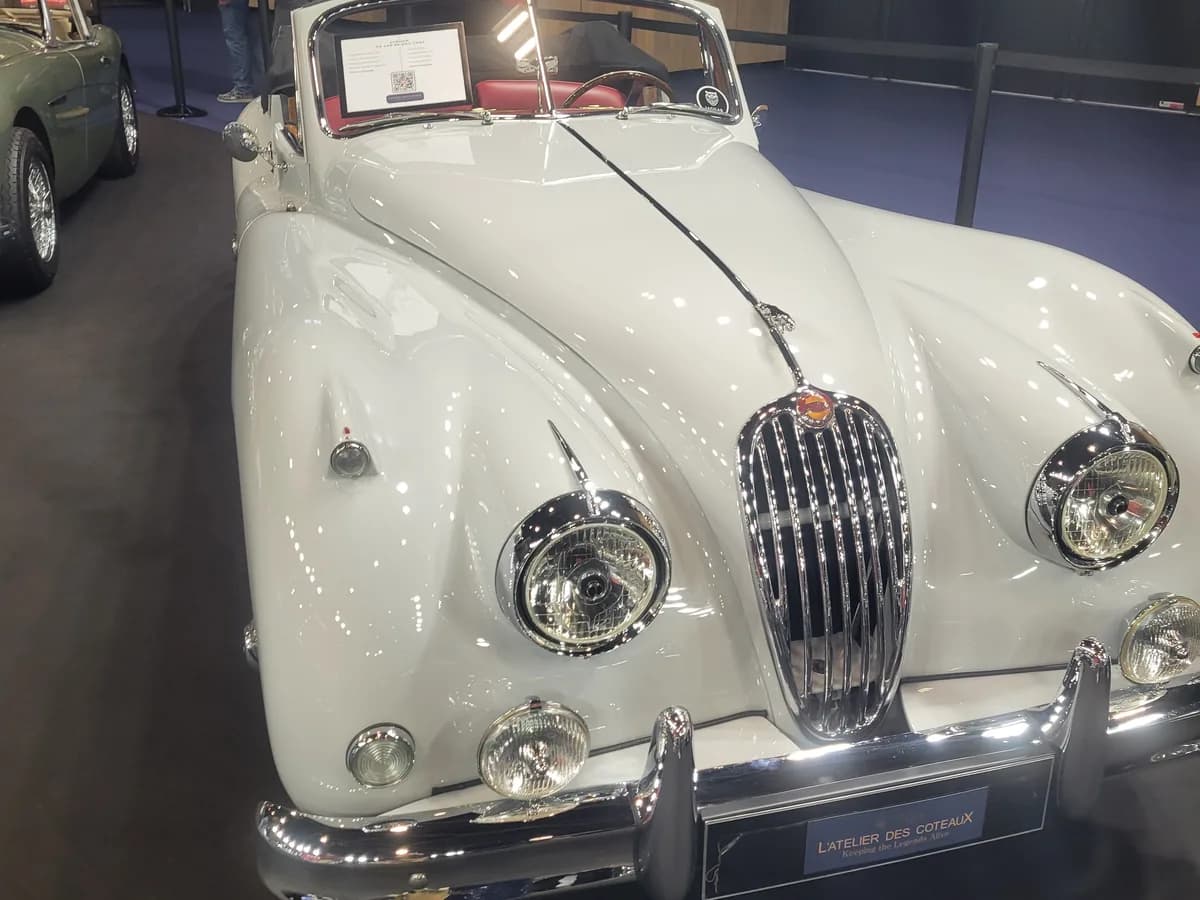
1934
1925
Model summary
Data from the ScanRacer library, organized to compare versions quickly.
Model introduction
The Alfa Romeo 6C is a series of road, racing, and sports cars produced between 1925 and 1954, distinguished by their inline six-cylinder engines. These models were bodied by renowned coachbuilders such as James Young, Zagato, Touring, Castagna, and Pininfarina. Starting in 1933, versions with bodies manufactured by Alfa Romeo at Portello were also offered. (en.wikipedia.org)
History
The Alfa Romeo 6C was introduced in 1925 with the 6C 1500 model, featuring a 1,487 cm³ inline six-cylinder engine producing 44 horsepower. This model was followed by the 6C 1750 in 1929, equipped with a 1,752 cm³ engine delivering 55 horsepower. In 1933, the 6C 1900 was unveiled, offering 68 horsepower. The following year, the 6C 2300 was launched, with a 2,309 cm³ engine producing 76 horsepower. In 1939, the 6C 2500 was introduced, offering versions up to 110 horsepower. The 6C series production continued until 1952, when it was replaced by the 1900 model. (en.wikipedia.org)
Generations
The Alfa Romeo 6C series evolved over the years, with notable improvements in performance and design. The 6C 1500 and 6C 1750 models were particularly appreciated for their competition performances, especially with Zagato bodies. Later versions, such as the 6C 2300 and 6C 2500, offered more powerful engines and more refined designs, solidifying Alfa Romeo's reputation as a manufacturer of luxury and sports cars. (en.wikipedia.org)
Key differences
The main differences between the models in the 6C series lie in engine displacement, power output, and design features. For instance, the 6C 1500 had a 1,487 cm³ engine producing 44 horsepower, while the 6C 2500 offered versions up to 110 horsepower. The bodies also varied, with collaborations with different coachbuilders and versions manufactured in-house by Alfa Romeo. (en.wikipedia.org)
Photo recognition
To identify an Alfa Romeo 6C, look for distinctive features such as the body shape, chassis details, and design elements specific to the different versions. Older models may exhibit more classic design elements, while later versions have more modern characteristics. Consulting specialized resources or experts in vintage vehicles can also aid in accurate identification.
Important versions
Notable versions of the 6C series include the 6C 1500 Sport, winner of the 1928 Mille Miglia and 24 Hours of Spa, and the 6C 2500 Competizione, which won the 1950 Targa Florio. (en.wikipedia.org)
The name “6C” follows Alfa Romeo naming, with its rules and its exceptions. Decode a Alfa Romeo name
References
- https://www.autoevolution.com/alfa-romeo/6c/autoevolution.com
- https://ru.ruwiki.ru/wiki/Alfa_Romeo_6Cru.ruwiki.ru
- https://everything.explained.today/Alfa_Romeo_6C/everything.explained.today
- https://www.classicdriver.com/en/car/alfa-romeo/6c/1937/975275classicdriver.com
- https://www.classicdriver.com/en/car/alfa-romeo/6c/1949/1077467classicdriver.com
- https://www.classicdriver.com/en/car/alfa-romeo/6c/1931/953008classicdriver.com
Frequently asked questions
- What years was the Alfa Romeo 6C produced?
- ScanRacer's referenced versions cover 1925 - 1950.
- How many Alfa Romeo 6C examples are documented on ScanRacer?
- 4 published scans from 4 members, with the latest photo added in September 2026.