
Toyota
Toyota Motor Co., Ltd. was established in Japan on August 28, 1937, after an automotive division had been created within Toyoda Automatic Loom Works. Its early vehicles included the 1935 Model G1 truck and the 1936 Model AA passenger car. From the 1950s onward, Toyota broadened its range with the Crown, Corona, and Land Cruiser, then expanded its manufacturing and sales operations internationally. The Corolla, introduced in 1966, became one of the company’s most widely distributed nameplates. In 1997, the Prius marked another major step with Toyota Hybrid System technology and helped bring hybrid power into the mass-market passenger-car sector. Toyota’s history therefore combines Japanese industrial development, large-scale manufacturing, adaptation to different markets, and the continued evolution of familiar model lines.
Models from A to Z
1000
2000GT
4Runner

86
Agya
Allex
Allion
Alphard
Altezza
APM
Aqua
Aristo
Aurion
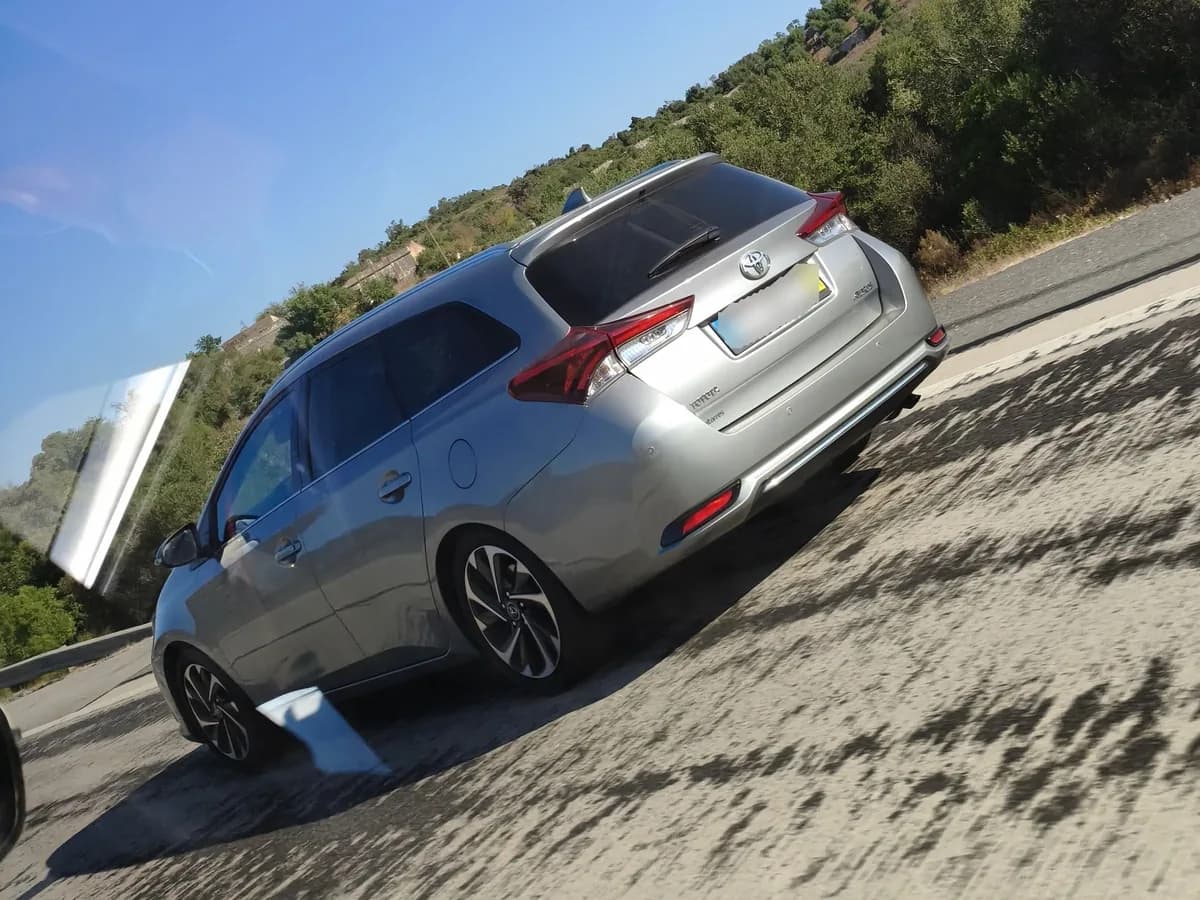
Auris
Avalon

Avanza
Avensis
Avensis Verso
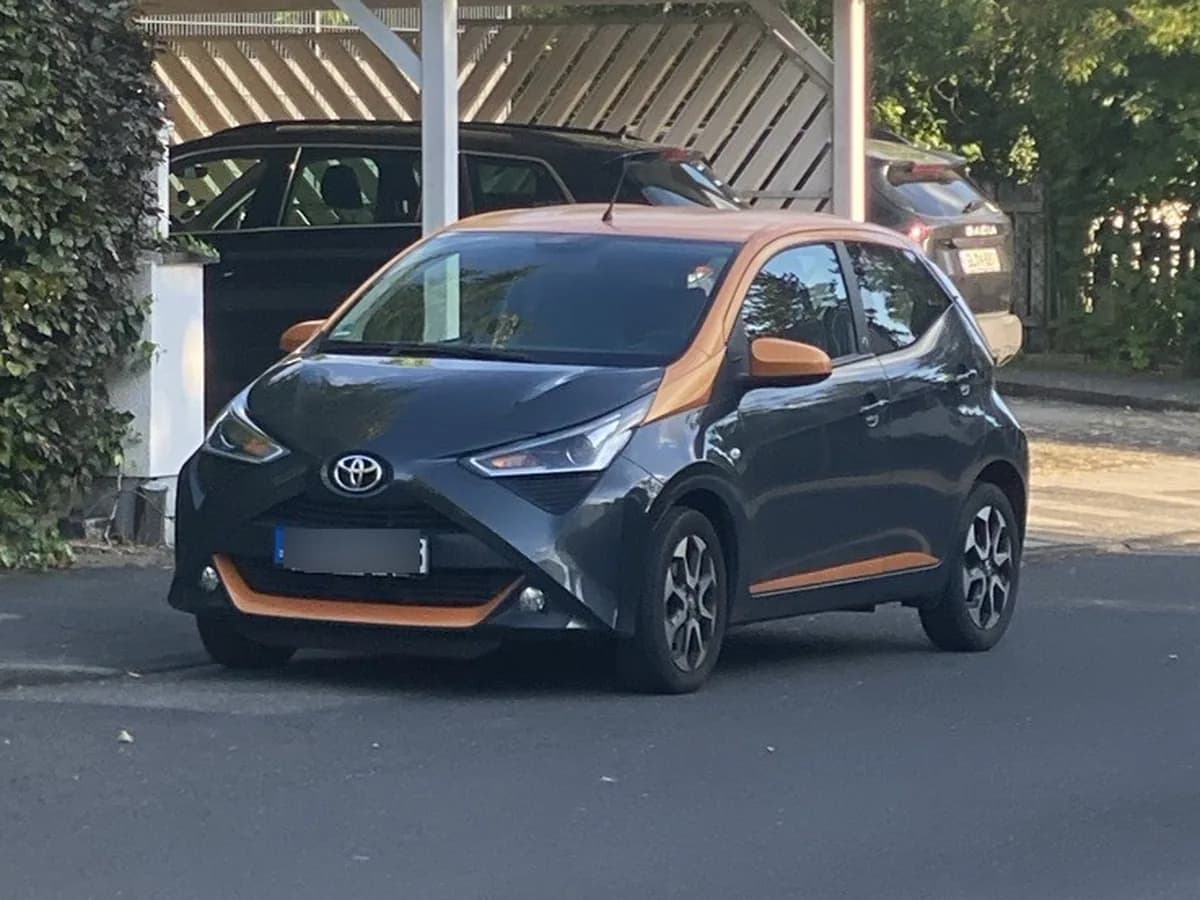
Aygo
Bandeirante
bB
Belta
Blade
Blizzard
Brevis
bZ3
bZ3X
bZ4X
bZ5
bZ7

C-HR
C+pod
Caldina
Calya
Cami

Camry
Camry Gracia
Camry Prominent
Camry Solara
Camry Solara coupé
Carina
Carina E
Carina ED
Carina II
Cavalier

Celica
Celica Camry

Celsior
Century

Chaser
Classic
Comfort Hybrid
COMS
Condor
Copen

Corolla
Corolla Axio
Corolla Ceres

Corolla Cross
Corolla Fielder
Corolla II
Corolla iM
Corolla Levin
Corolla Rumion
Corolla Spacio
Corolla Verso
Corona
Corona EXiV
Corona Mark II
Corsa

Cressida
Cresta
Crown
Crown Kluger
Crown Majesta
Crown Vellfire
Curren
Cynos
Deliboy
Duet
Dyna
E'z
E'z

Echo
Esquire
Estima
Etios

FJ Cruiser
Fortuner
Frontlander
Fun Cargo
FunCargo
Gaia
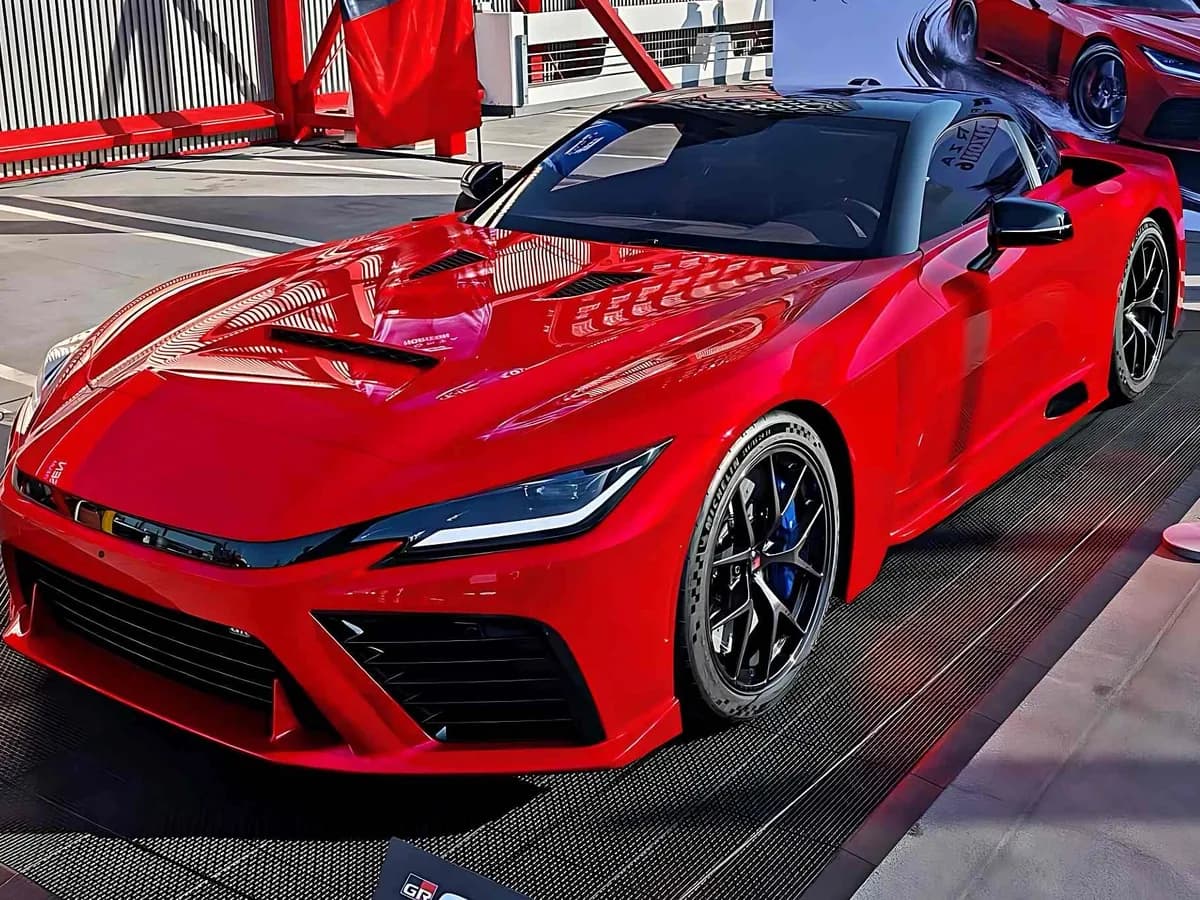
GR GT
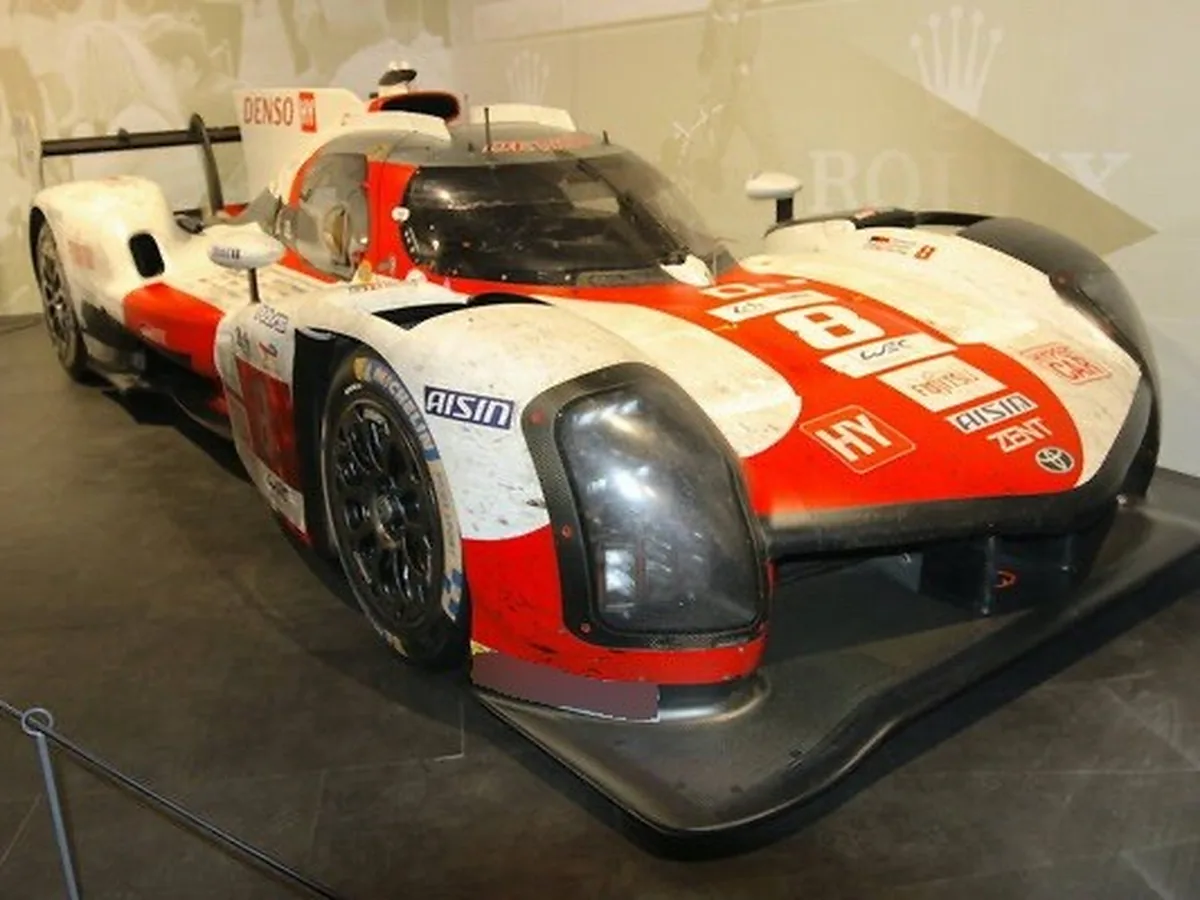
GR010
GranAce
Grand Highlander
Granvia
Harrier
HiAce
Highlander

Hilux
Hilux Champ
Hilux Sport Rider
Hilux Surf
HMV
Innova
Ipsum
iQ
Isis
Ist
Izoa
JPN Taxi
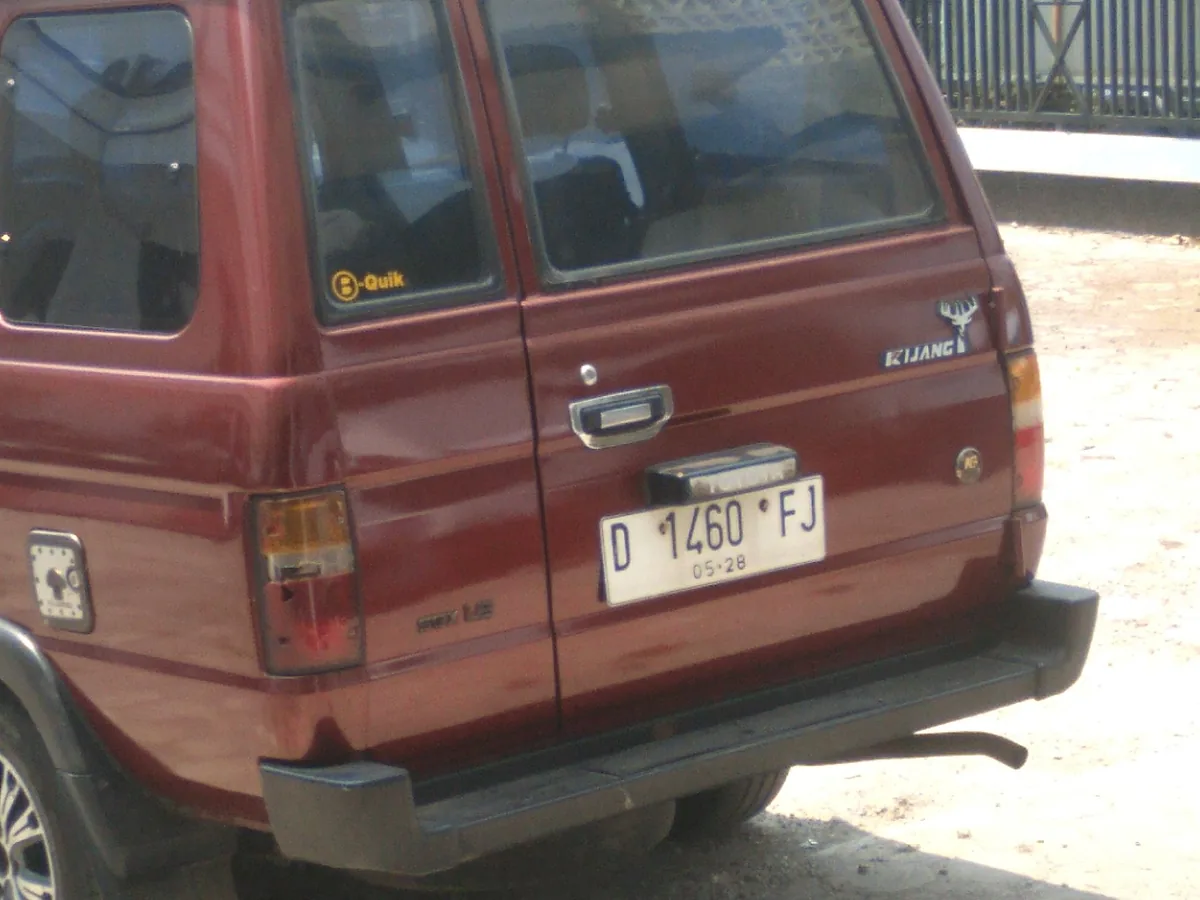
Kijang
Kluger

Land Cruiser
Land Cruiser Cygnus

Land Cruiser Prado
Levin
Lexcen
LQ
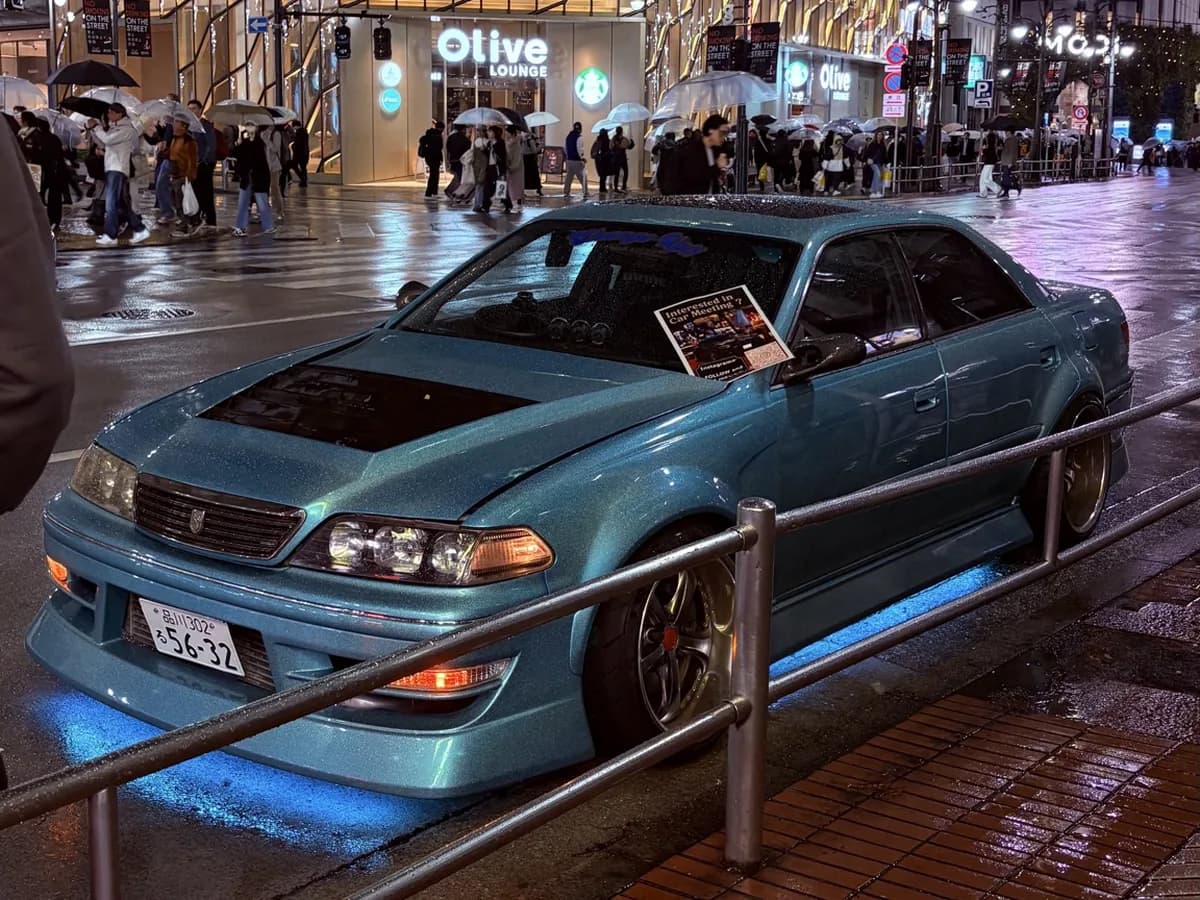
Mark II
Mark X

Matrix

Mega Cruiser
Mirai
MR-2
MR-S
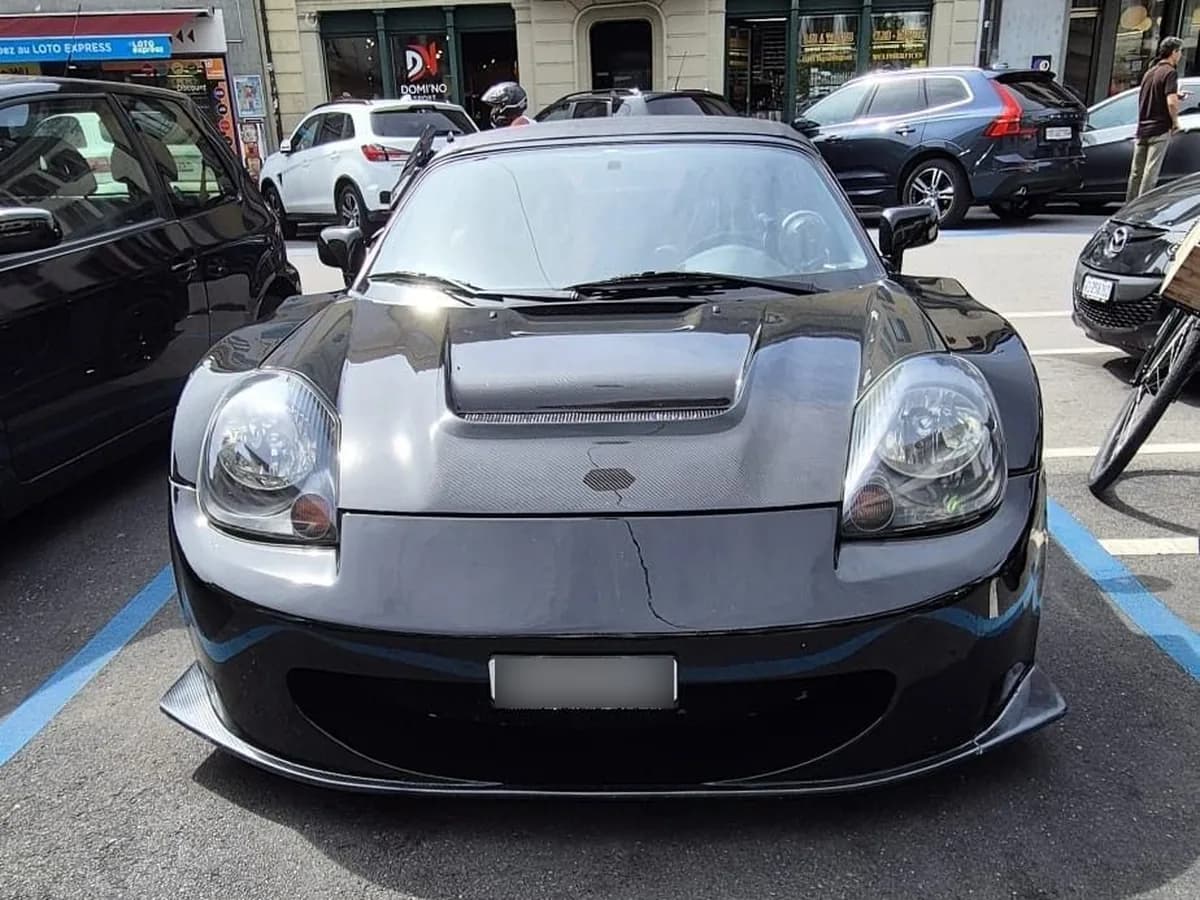
MR2
Nadia
NAV1
Noah
Opa
Origin

Paseo
Passo
Passo Sette
Pickup

Picnic
Pixis
Platz
Porte
Premio
Previa
Prius
Probox
Progrès
Pronard
Publica
Ractis
Raize
Raum
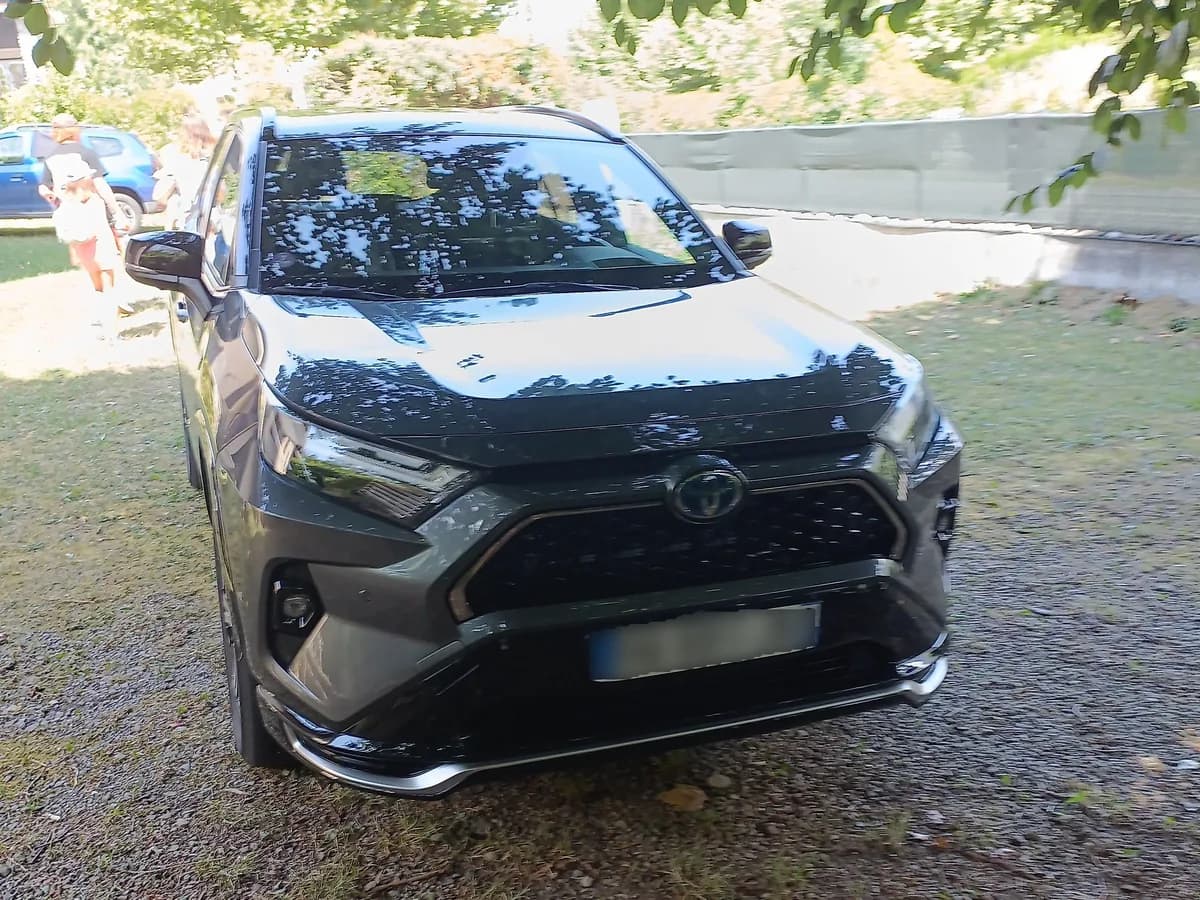
RAV4
Reiz
Roomy
Rukus
Rush
Sai
Scepter
Sequoia
Sera
Sienna
Sienta
Soarer
Soluna
Spade
Sparky
Sports 800
SportsVan
Sprinter
Sprinter Carib
Sprinter Marino
Sprinter Trueno
Starlet
Stout
Succeed
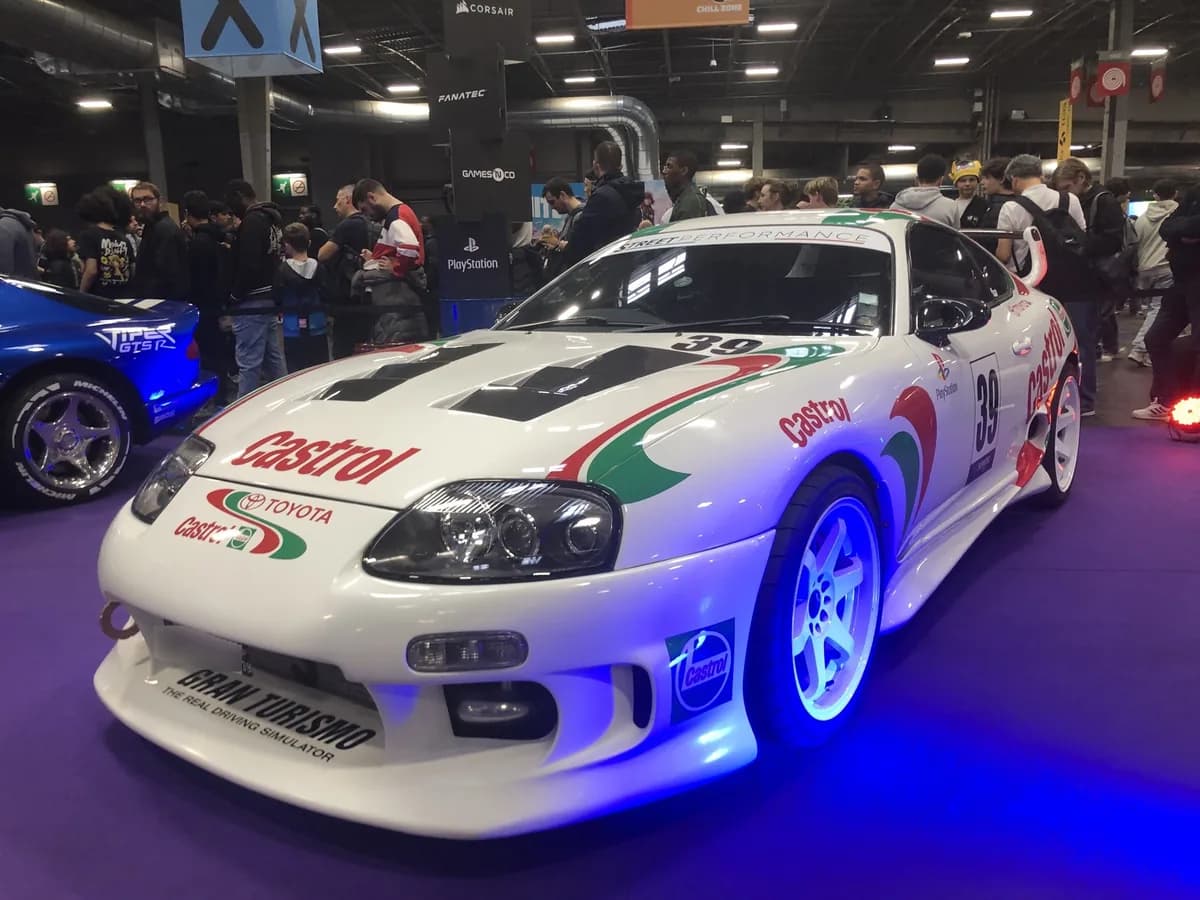
Supra
SW4
T100

Tacoma
Tank
Tarago
Tercel
TownAce
ToyoAce
Transmover
Tundra
Unser
Urban Cruiser
Van
Vanguard
Vellfire
Veloz
Ventury
Venza
Verossa

Verso
Verso-S
Vienta

Vios

Vista
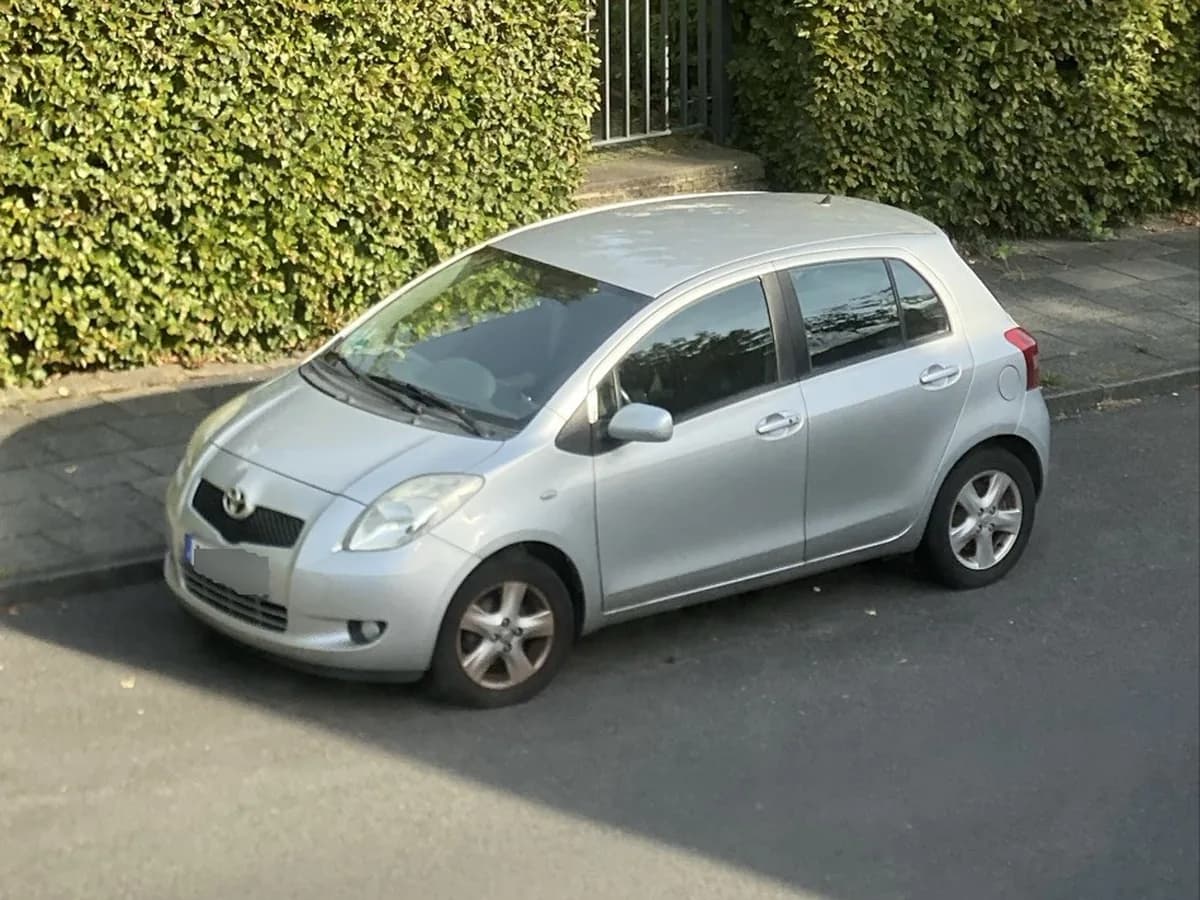
Vitz
Voltz
Voxy
Wigo
Wildlander
Will Cypha
Will Vi
Will VS
Windom
Wish
xA
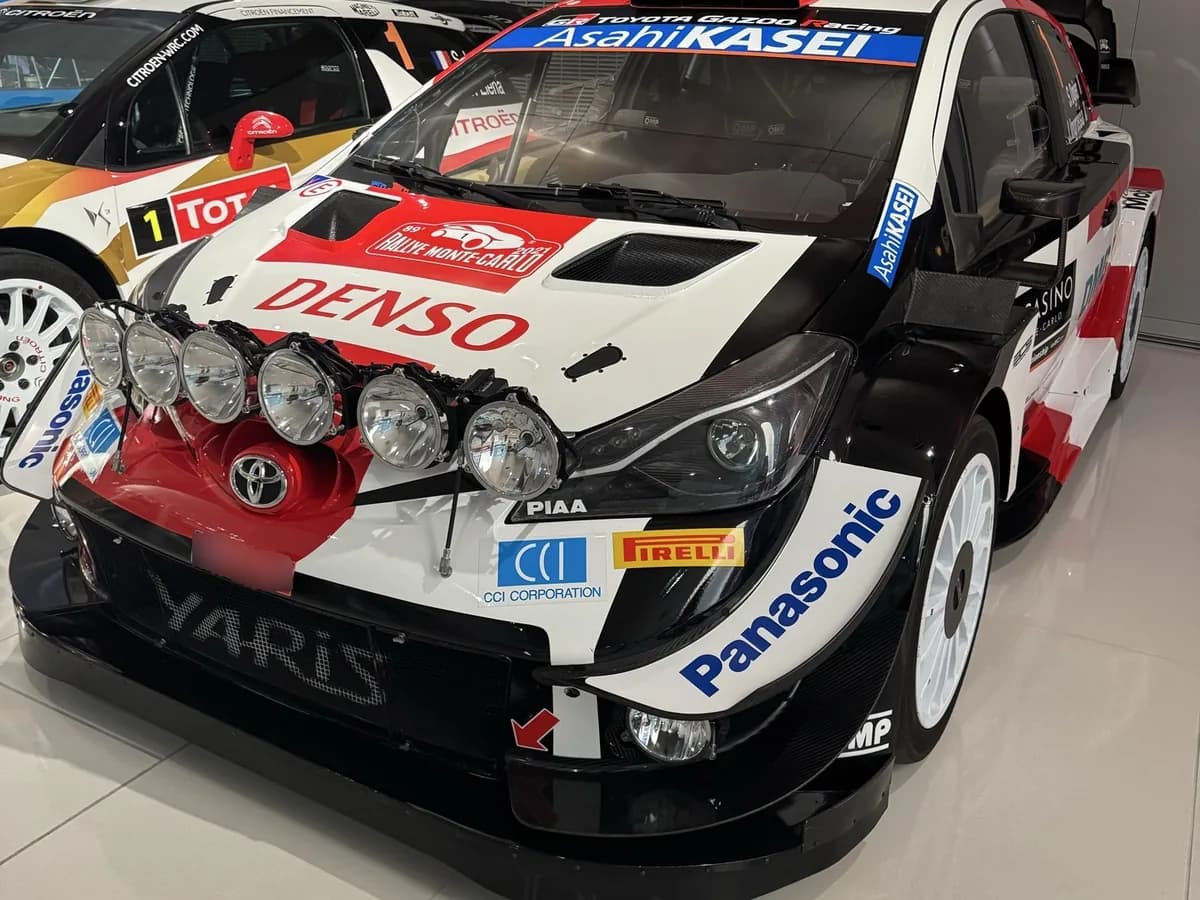
Yaris

Yaris Cross
Yaris Verso
Zace
Zelas
Toyota overview
Toyota history
Toyota’s industrial origins can be traced to Sakichi Toyoda, whose work on automatic looms led to the establishment of Toyoda Automatic Loom Works in 1926. His son, Kiichiro Toyoda, later turned toward automobiles and created an automotive division within the company in 1933. The Toyoda Model G1 truck appeared in 1935, followed by the Model AA passenger car in 1936. Toyota Motor Co., Ltd. became an independent company in 1937, and the Koromo Plant began operating in 1938. Following management difficulties and a labor dispute in 1950, Toyota reorganized its sales and manufacturing activities. The 1955 Crown was a significant milestone because it was developed in Japan from design through production. The same decade brought the Corona and Toyota’s first Crown exports to the United States. The Land Cruiser, whose early BJ model was launched in the early 1950s, gradually established Toyota in the market for durable four-wheel-drive and utility vehicles. The 1966 Corolla accompanied Japan’s expanding motorization and became a global nameplate. During the 1980s, Toyota increased overseas manufacturing. The Prius, introduced in 1997, began another technological chapter by bringing gasoline-electric hybrid power to a mass-produced passenger car.
Toyota positioning
Toyota has historically positioned itself around a broad product range rather than a single vehicle category. Small cars and family sedans are represented by nameplates such as the Corolla, Corona, and Yaris. The Crown has traditionally occupied a more upscale position in Toyota’s Japanese range, while the Land Cruiser is associated with durability and four-wheel-drive versatility. The HiAce demonstrates the importance of commercial and people-moving vehicles within the company’s portfolio. Since 1997, the Prius has also connected Toyota with mass-market hybrid technology. This breadth explains why Toyota models serve very different purposes, including daily transportation, family use, long-distance travel, commercial work, and off-road driving. However, a model’s market position should not automatically be transferred from one country to another: body styles, engines, trim levels, and even model names may differ by market and by production year.
Recognizing a Toyota in a photo
To identify a Toyota, start with the badge, then examine details that remain useful across generations: body proportions, headlamp and taillamp design, grille shape, indicator location, door handles, mirrors, and window layout. The model name may be missing, replaced, or different depending on the market. A compact sedan may belong to the Corolla, Corona, or another closely related family, so the overall silhouette alone is rarely conclusive. Older vehicles require particular care because trim and facelift details can change. Wheels, bumpers, lamps, mirrors, and hubcaps may differ between versions. On Japanese-market cars, dealer-network badges and identification plates can be more informative than the Toyota emblem alone. For a Land Cruiser, compare the generation, body length, door count, and lamp arrangement. For a Prius, the overall profile and hybrid-specific packaging can provide useful clues, but photographs of the rear, dashboard, and identification plate are usually needed for a reliable variant-level identification.
Important Toyota models
The Corolla is a central nameplate in Toyota’s modern history. Introduced in 1966 as a compact five-seat sedan, it accompanied Japan’s growing car ownership and developed into a global model family. The Crown, launched in 1955, marked an early milestone for passenger cars designed and built in Japan before being exported abroad. The Land Cruiser represents a different tradition, centered on four-wheel-drive capability, durability, and demanding operating conditions. The Corona, introduced in 1957, served for many years as a mid-sized family car. The Prius, launched in 1997, is significant for bringing Toyota’s hybrid technology into the mass-market passenger-car sector. The Celica added a distinct sporting dimension to Toyota’s history, while the Yaris reflects the development of Toyota’s small-car range for international markets. The HiAce highlights the company’s long-standing role in commercial vehicles. These nameplates do not represent Toyota’s entire output, but together they show several of the main directions in which the brand developed.
References
- The Beginnings – History of ToyotaToyota Motor Corporation
- HistoryToyota Commemorative Museum of Industry and Technology
- The Purpose of EstablishmentToyota Commemorative Museum of Industry and Technology
- History of ToyotaToyota Motor Corporation
- History of ToyotaToyota Motor Manufacturing UK
- Evolution of CorollaToyota Motor Corporation
- Toyota Launches the Revolutionary PRIUS Hybrid Passenger VehicleToyota Motor Corporation
- Innovation – Prius 20th AnniversaryToyota Motor Corporation