
Aygo
Launched in Europe in 2005, the Toyota Aygo is a small city car developed through a joint project between Toyota and PSA Peugeot Citroën. Built in Kolín in the Czech Republic, it shares its underlying architecture with the Citroën C1 and Peugeot 107, later Peugeot 108. Toyota nevertheless gave the Aygo its own identity through distinctive bumpers, lighting, equipment and numerous special editions. The first generation focused on compact dimensions, a three-cylinder petrol engine and straightforward urban use. In 2014, the second generation introduced a more expressive appearance, marked by its X-shaped front design. From 2022, the name evolved into the Aygo X, a raised city car developed specifically for the European market.
Variants by year
2025
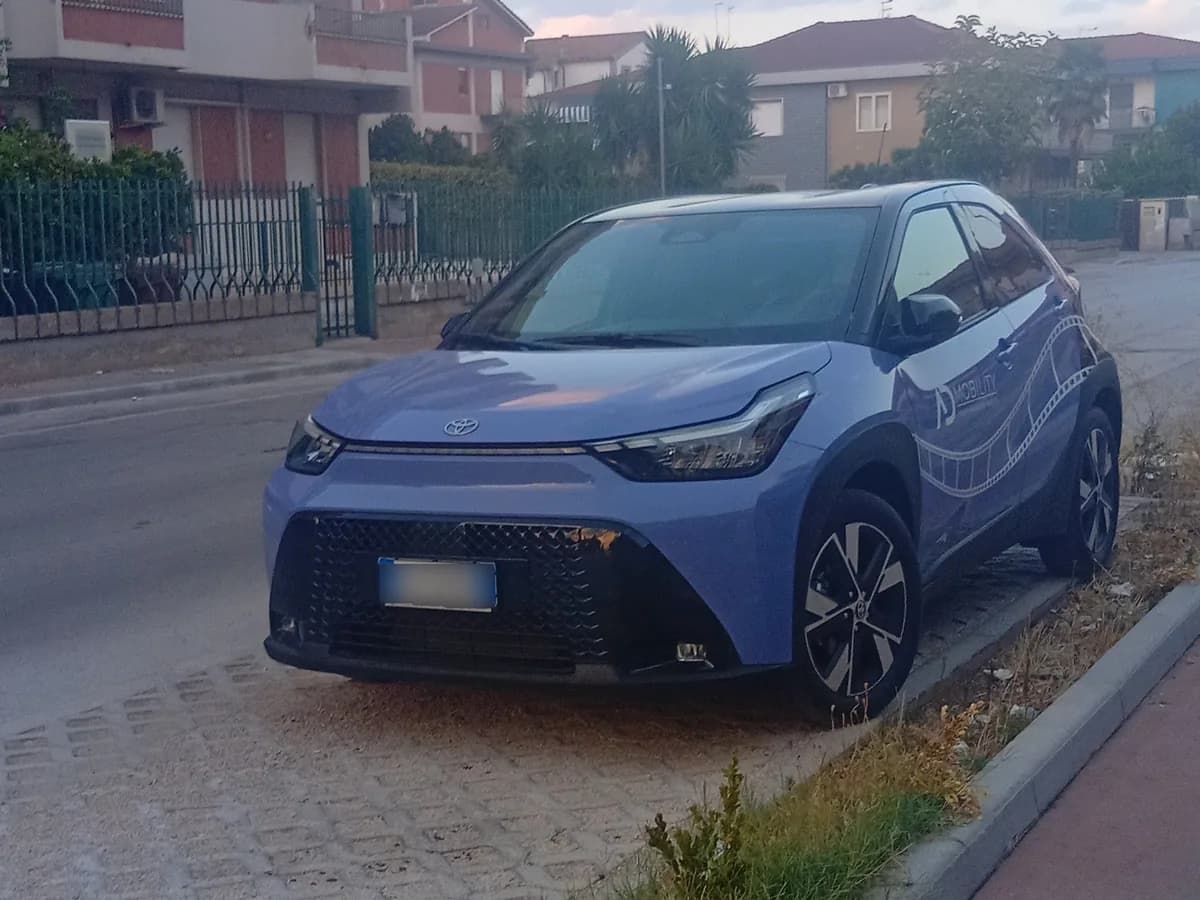
2022
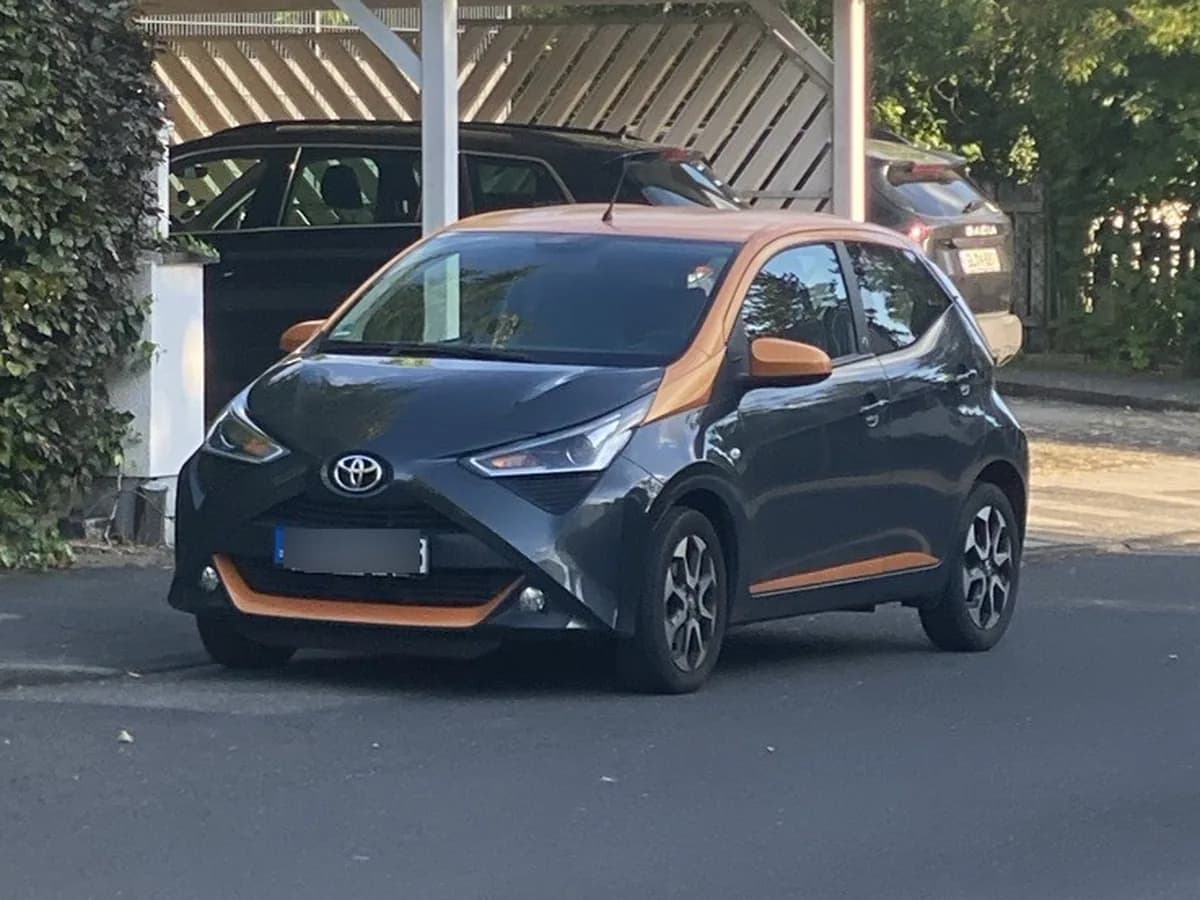
2018
2014
2005
Model summary
Data from the ScanRacer library, organized to compare versions quickly.
Model introduction
Launched in Europe in 2005, the Toyota Aygo is a small city car developed through a joint project between Toyota and PSA Peugeot Citroën. Built in Kolín in the Czech Republic, it shares its underlying architecture with the Citroën C1 and Peugeot 107, later Peugeot 108. Toyota nevertheless gave the Aygo its own identity through distinctive bumpers, lighting, equipment and numerous special editions. The first generation focused on compact dimensions, a three-cylinder petrol engine and straightforward urban use. In 2014, the second generation introduced a more expressive appearance, marked by its X-shaped front design. From 2022, the name evolved into the Aygo X, a raised city car developed specifically for the European market.
History
The Aygo project grew out of a cooperation between Toyota and PSA Peugeot Citroën intended to reduce the development cost of a small European car. Production began in 2005 at the TPCA plant in Kolín, where the Aygo was assembled alongside its French-related models. The original range offered three- and five-door bodies, a 1.0-litre petrol engine and, for a limited period, a 1.4-litre diesel supplied by the PSA group. Toyota updated the first generation in several stages. The 2009 revision changed exterior details and improved the efficiency of the petrol engine. A further update arrived in 2012 with redesigned front-end styling and lower emissions. For the 2013 British range, safety equipment was expanded, including stability control, curtain airbags and Isofix child-seat mountings as standard. Revealed at the Geneva Motor Show in March 2014, the second generation retained the small petrol-powered city-car formula while introducing a more expressive and customisable body. The 2018 facelift refreshed the front and rear styling. The conventional Aygo was subsequently replaced by the Aygo X, which entered the European market from 2022.
Generations
The first generation, sold from 2005 to 2014, can be identified by its very short proportions, relatively upright rear pillars and three- or five-door body styles. Cars from 2005 to 2009 use the original design. The 2009 update introduced revised front styling, while the 2012 revision brought a sharper bumper and daytime-running-light details on selected versions. These changes were facelifts of the same generation rather than completely new models. The second generation arrived in 2014. Its clearest visual signature is the X-shaped graphic formed by the grille and the surrounding front-end surfaces. It retained a city-friendly footprint but offered more personalisation, special editions and equipment choices depending on the market. The 2018 facelift refined the bumper, headlamps and rear lamps while also bringing powertrain and equipment updates. From 2022, Toyota introduced the Aygo X. It is not simply a trim level of the previous hatchback: its raised body, GA-B platform and urban-crossover positioning represent a new stage for the Aygo name. This distinction is important when comparing conventional Aygo hatchbacks with vehicles from the 2022-on period.
Key differences
The main differences between Aygo models concern body design and exterior presentation. Cars from 2005 to 2014 use a simple shape with front-end revisions introduced in 2009 and 2012. Models launched in 2014 are identified by their X-shaped front graphic, broader personalisation options and, in many markets, a wider choice of trim levels. The 2018 facelift can be recognised by its revised bumpers and updated lighting signatures. The mechanical range generally remained centred on a small three-cylinder petrol engine, although calibration, emissions equipment and specifications varied by year and market. Some early Aygos were also offered with a 1.4-litre diesel, which was withdrawn relatively quickly. Manual and MultiMode automated-manual transmissions were available depending on the country. The Aygo X is substantially different, with a raised body, the GA-B platform and a stronger emphasis on driver-assistance technology. Trim names and standard equipment should not be compared across markets without checking the original national specification.
Photo recognition
To identify a first-generation Aygo, examine the front end and rear lamps. Cars from 2005 to 2008 use the original, relatively restrained design. The 2009 facelift brought revised grille and bumper details, while 2012-2014 cars received a sharper front treatment. The overall compact shape, small dimensions and distinctive rear side windows remained common throughout the generation. A second-generation Aygo, introduced in 2014, is most easily recognised by the large X-shaped graphic across its front end. Models from 2014 to 2018 generally have simpler lamp and bumper designs than facelifted cars sold from 2018. The later cars feature more elaborate front and rear styling, with lighting signatures that vary by trim and market. The Aygo X, introduced in 2022, is visibly taller and more crossover-like. Its raised body, pronounced wheel-arch treatment and contrasting roof separate it from the conventional three- or five-door Aygo hatchback. For accurate identification, also check the body code, first-registration year and the manufacturer plate, because trim names and equipment can differ between countries.
Important versions
The first Aygo, introduced in 2005, forms the historical foundation of the range and was sold as a three- or five-door hatchback. The 2009 and 2012 facelifts are important when distinguishing exterior and equipment changes. The second generation launched in 2014 brought the most obvious visual transformation, with its X-shaped front design and expanded personalisation programme. Special editions played a significant role during the model’s career. Names such as Black, Blue, Platinum, Fire, Ice and x-cite were used in different markets. These editions could combine unique colours, upholstery and equipment without representing separate generations. Within the coverage used here, the Hatch version spans 2005-2018, while the X version covers 2022-2025. The latter corresponds to the Aygo X urban crossover and should not be confused with the X-shaped styling theme used on the second-generation hatchback.
References
- New Toyota AYGOToyota Europe Newsroom
- Toyota AYGO ArchiveToyota Europe Newsroom
- Aygo timelineToyota UK Media Site
- The All-new Toyota Aygo X – a New Generation of Accessible Style and FunToyota UK Media Site
- Toyota Aygo: Modelle, Technische Daten, PreiseADAC
- Used Toyota Aygo reviewAuto Express
- https://carreliabilityreport.com/en/reliability/toyota-aygo-2005-2014-essencecarreliabilityreport.com
Frequently asked questions
- What years was the Toyota Aygo produced?
- ScanRacer's referenced versions cover 2005 - 2025.
- How many Toyota Aygo examples are documented on ScanRacer?
- 3 published scans from 3 members, with the latest photo added in September 2026.