
MR2
Introduced in Japan in 1984, the Toyota MR2 is a two-seat sports car built around a transverse mid-engine and rear-wheel-drive layout. Its name reflects that configuration, combined with a compact body and an emphasis on agility rather than outright power. Toyota positioned the car as an attainable sports model that could deliver the balance of a mid-engine design without abandoning everyday usability. The first generation used pop-up headlights and sharply creased 1980s styling. For 1989, the second generation grew longer, wider, and more refined while retaining the same basic mechanical philosophy. Within the 1984–1999 period represented by the ScanRacer model data, the MR2 therefore spans the lightweight AW10/AW11 family and the larger SW20, with engines, equipment, and trim names differing between markets.
What about the car you photographed?
Upload a photo to get a suggested make, model and likely year.
No account needed for the result · Publish only if you choose
Variants by year
Make: Toyota · Model: MR2
3 / 3 versions shown
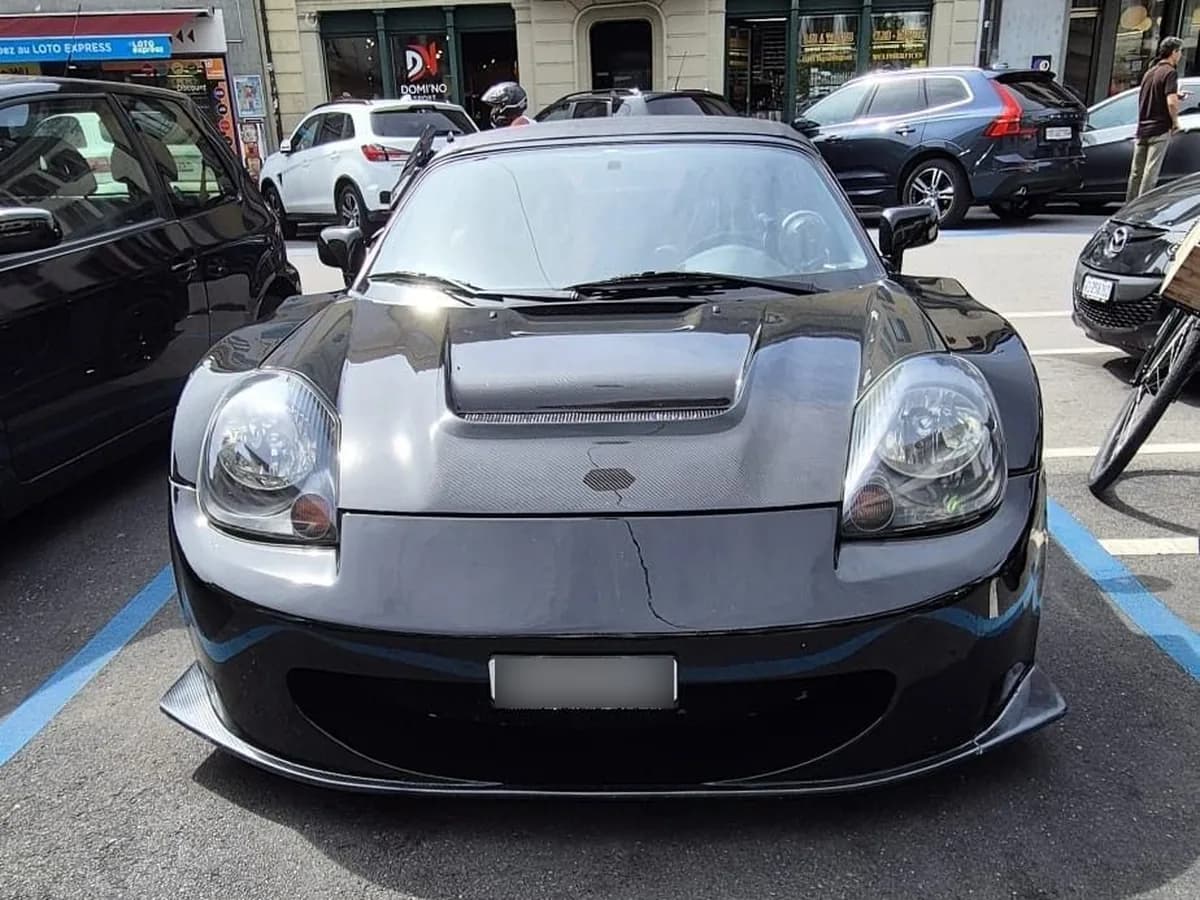
1999
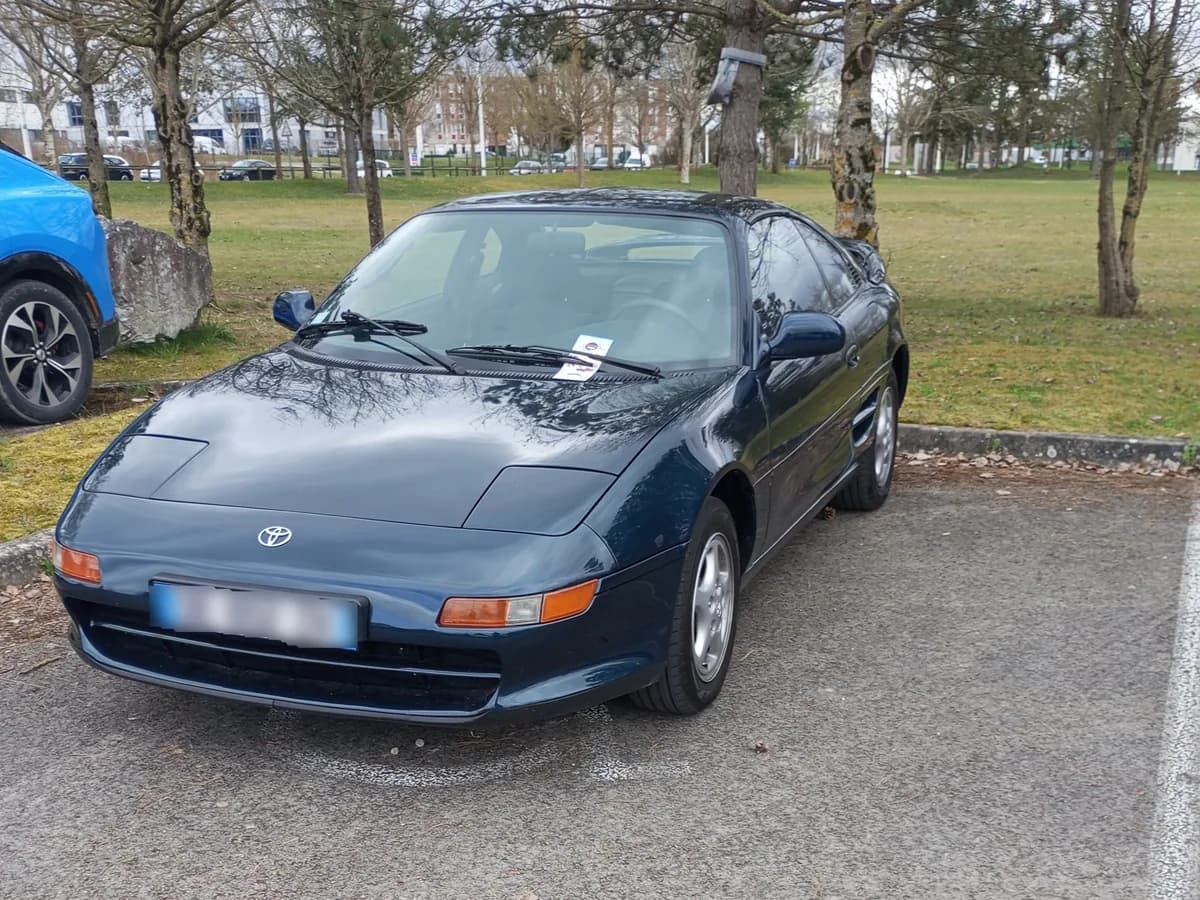
1989
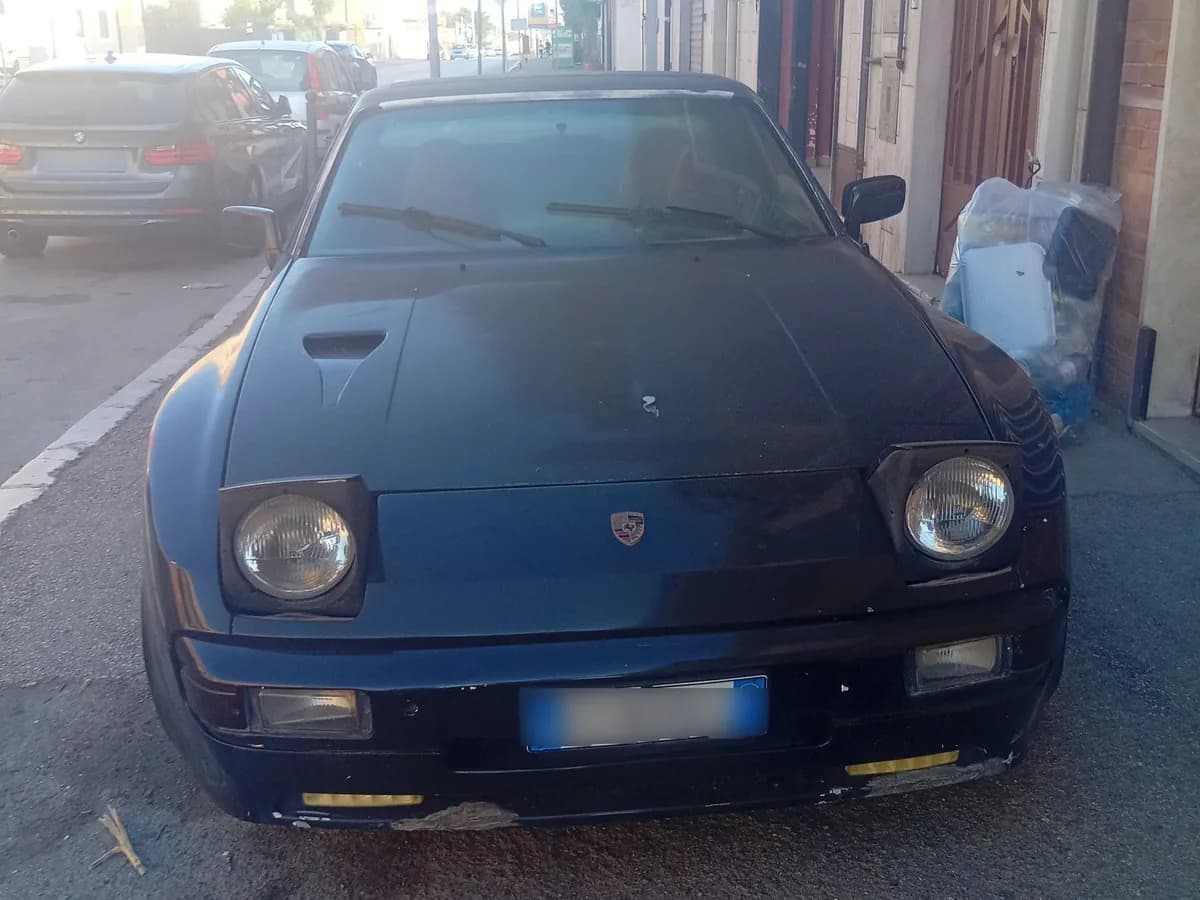
1984
Toyota MR2 photos
Model summary
Data from the ScanRacer library, organized to compare versions quickly.
Model introduction
Introduced in Japan in 1984, the Toyota MR2 is a two-seat sports car built around a transverse mid-engine and rear-wheel-drive layout. Its name reflects that configuration, combined with a compact body and an emphasis on agility rather than outright power. Toyota positioned the car as an attainable sports model that could deliver the balance of a mid-engine design without abandoning everyday usability. The first generation used pop-up headlights and sharply creased 1980s styling. For 1989, the second generation grew longer, wider, and more refined while retaining the same basic mechanical philosophy. Within the 1984–1999 period represented by the ScanRacer model data, the MR2 therefore spans the lightweight AW10/AW11 family and the larger SW20, with engines, equipment, and trim names differing between markets.
History
The MR2 arrived in Japan in June 1984 as a two-seat sports car with a mid-engine layout, an unusual approach for an affordable model at the time. Toyota described the engine as sitting between the occupants and the rear axle, helping to balance the car and sharpen its responses. The original range included 1.5- and 1.6-liter engines, together with a compact body and independent suspension. Toyota UK records that the car received the Japanese Car of the Year award for 1984–1985, giving the new model an important early distinction. The first generation was developed further during the mid-1980s. In Japan, Toyota added a higher-performance 1.6-liter twin-cam engine with a supercharger, while a removable T-bar roof became available. In October 1989, Toyota launched a completely redesigned MR2. The second generation retained the mid-engine, two-seat formula but adopted a larger body, a more developed interior, and a stronger grand-touring character. Naturally aspirated and turbocharged versions, transmissions, and equipment levels varied by market. Production of this generation ended in 1999, shortly before the next MR2 moved toward a smaller, lighter roadster concept.
Generations
The first generation, generally associated with the AW10 and AW11 chassis codes, covers the MR2’s beginnings from 1984 to 1989. The AW10 is linked to the 1.5-liter version offered in some markets, while the AW11 is most commonly associated with the 1.6-liter engine. Its compact dimensions, pop-up headlights, and sharply wedged body are defining features. Naturally aspirated versions focused on low weight and simplicity, while the supercharged model provided a higher-performance alternative. Exact specifications and availability varied by country. The second generation, identified by the SW20 chassis code, was introduced in 1989 and remained in production until 1999. It brought increased dimensions, smoother styling, and a more sophisticated interior. Toyota offered several power levels, including turbocharged versions in selected markets, along with different transmissions and roof configurations. Suspension, braking, wheel, and equipment changes were introduced during the model’s long production run. These revisions were not identical in every country, so model-year claims should be checked against the car’s market and chassis documentation. For accurate identification, the chassis code and original market are often more useful than the trim name alone.
Key differences
The clearest distinction is between the small AW10/AW11 first generation and the SW20. The earlier car is visibly shorter and more angular, with the crisp wedge-shaped styling associated with 1980s Japanese sports cars. The second generation looks wider and more substantial, using smoother surfaces, integrated side air intakes, and a more mature coupe profile. Both generations use pop-up headlights, but the headlamp treatment and bonnet design are different. The mechanical differences are not limited to bodywork. Depending on the market, the MR2 could be fitted with naturally aspirated or supercharged or turbocharged engines, manual or automatic transmissions, fixed or T-bar roofs, and different brake, wheel, and aerodynamic packages. The SW20 also received several running updates during its production life. Reliable identification therefore requires more than a single visual clue. The year, chassis code, engine type, roof design, wheel pattern, and market-specific trim details should be considered together.
Photo recognition
An AW10 or AW11 can usually be recognized by its small footprint and sharply creased body. Pop-up headlights, a forward-set cabin, and air intakes behind the doors indicate the mid-engine layout, but they do not identify every trim level. A T-bar roof, rear spoiler, or supercharged engine may depend on the market and equipment specification. The SW20 is visibly larger and smoother. Its side intakes are molded into the body, the cabin appears broader, and the rear glass creates a more substantial coupe profile. Early and later cars can differ in bumpers, wheels, lamps, and aerodynamic parts. A turbocharged specification should not be assumed from a badge or from a visible intercooler on a modified vehicle. For dependable identification, check the chassis plate, VIN or frame number, engine code, and original paperwork. Market of origin is also important because Toyota used different grades and equipment combinations in Japan, North America, Europe, and other regions.
Important versions
Among the most significant versions, the first-generation 1.6-liter MR2 represents the core AW11 range. The supercharged model introduced in Japan during the mid-1980s was a major technical step and could be combined with a T-bar roof depending on specification. For the SW20, naturally aspirated cars show the model’s move toward a more mature coupe character, while turbocharged versions occupied the top of the range in selected markets. Names such as G, GT, G-Limited, and Turbo were not universal, so they should always be read alongside the country, model year, and chassis code.
References
- Toyota Announces New Sporty-Type Personal Car, the Toyota MR2Toyota Motor Corporation
- Toyota Completely Renews Its MR2Toyota Motor Corporation
- MR2: History of Toyota Sports CarsToyota UK
- Toyota MR2 Vehicle Lineage and Model DetailsToyota Motor Corporation
- MR2 ArchiveToyota USA Newsroom
- https://autotrends.org/toyota-mr2-history/autotrends.org
- https://www.cars.com/research/toyota-mr2/cars.com
Frequently asked questions
- What years was the Toyota MR2 produced?
- ScanRacer's referenced versions cover 1984 - 1999.
- How many Toyota MR2 examples are documented on ScanRacer?
- 3 published scans from 3 members, with the latest photo added in August 2026.
What about the car you photographed?
Upload a photo to get a suggested make, model and likely year.
No account needed for the result · Publish only if you choose