
Supra
Toyota first used the Supra name in 1978 for a longer, wider, and more powerful version of the Celica before turning it into a stand-alone model. Initially developed as a rear-wheel-drive grand tourer with a straight-six engine, the Supra gradually became a more focused and technically advanced sports car. The A40, A60, A70, and A80 generations built its reputation through strong road performance, racing activity, and considerable tuning potential. After production ended in 2002, Toyota revived the name with the GR Supra, presented in 2019 as the first global model in the company’s GR sports-car series. The Supra story therefore spans several distinct roles: Celica-based grand tourer, sophisticated rear-drive coupe, turbocharged 1990s icon, and modern performance car. Its identity has remained closely associated with front-engine layouts, rear-wheel drive, inline engines, and a strong connection between road-car development and motorsport.
Variants by year
2020
2018
1993
1986
Model summary
Data from the ScanRacer library, organized to compare versions quickly.
Model introduction
Toyota first used the Supra name in 1978 for a longer, wider, and more powerful version of the Celica before turning it into a stand-alone model. Initially developed as a rear-wheel-drive grand tourer with a straight-six engine, the Supra gradually became a more focused and technically advanced sports car. The A40, A60, A70, and A80 generations built its reputation through strong road performance, racing activity, and considerable tuning potential. After production ended in 2002, Toyota revived the name with the GR Supra, presented in 2019 as the first global model in the company’s GR sports-car series. The Supra story therefore spans several distinct roles: Celica-based grand tourer, sophisticated rear-drive coupe, turbocharged 1990s icon, and modern performance car. Its identity has remained closely associated with front-engine layouts, rear-wheel drive, inline engines, and a strong connection between road-car development and motorsport.
History
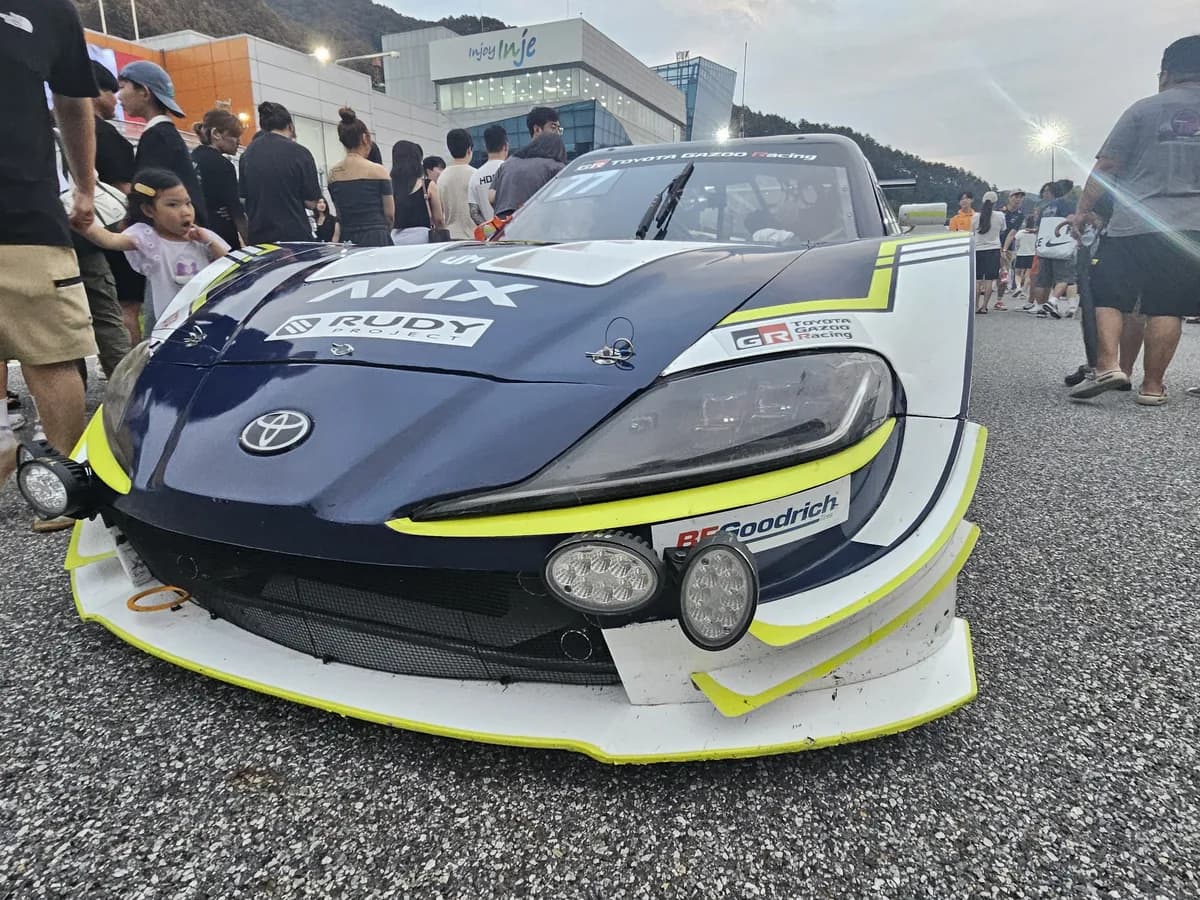
The Supra was introduced in 1978 as a larger derivative of the Celica. In Japan and North America, the first generation used a straight-six engine to compete in the grand-tourer market. The second-generation A60 arrived in 1981 with sharper styling, pop-up headlights, and a more overtly sporting character, while still retaining close technical links to the Celica. In 1986, the A70 became a separate Toyota model. It brought a more advanced independent suspension layout and, depending on the market, a turbocharged straight-six engine. The A80, introduced in 1993, represented the high point of the original Supra lineage. Its body was lower and wider than before, extensive weight-saving measures were used, and the range included naturally aspirated and twin-turbocharged 2JZ engines. Toyota states that this front-engine, rear-wheel-drive sports car remained in production until 2002. The name returned publicly with the GR Supra Racing Concept in 2018, followed by the fifth generation revealed at Detroit in January 2019 and launched from 2019 onward, depending on market.
Generations
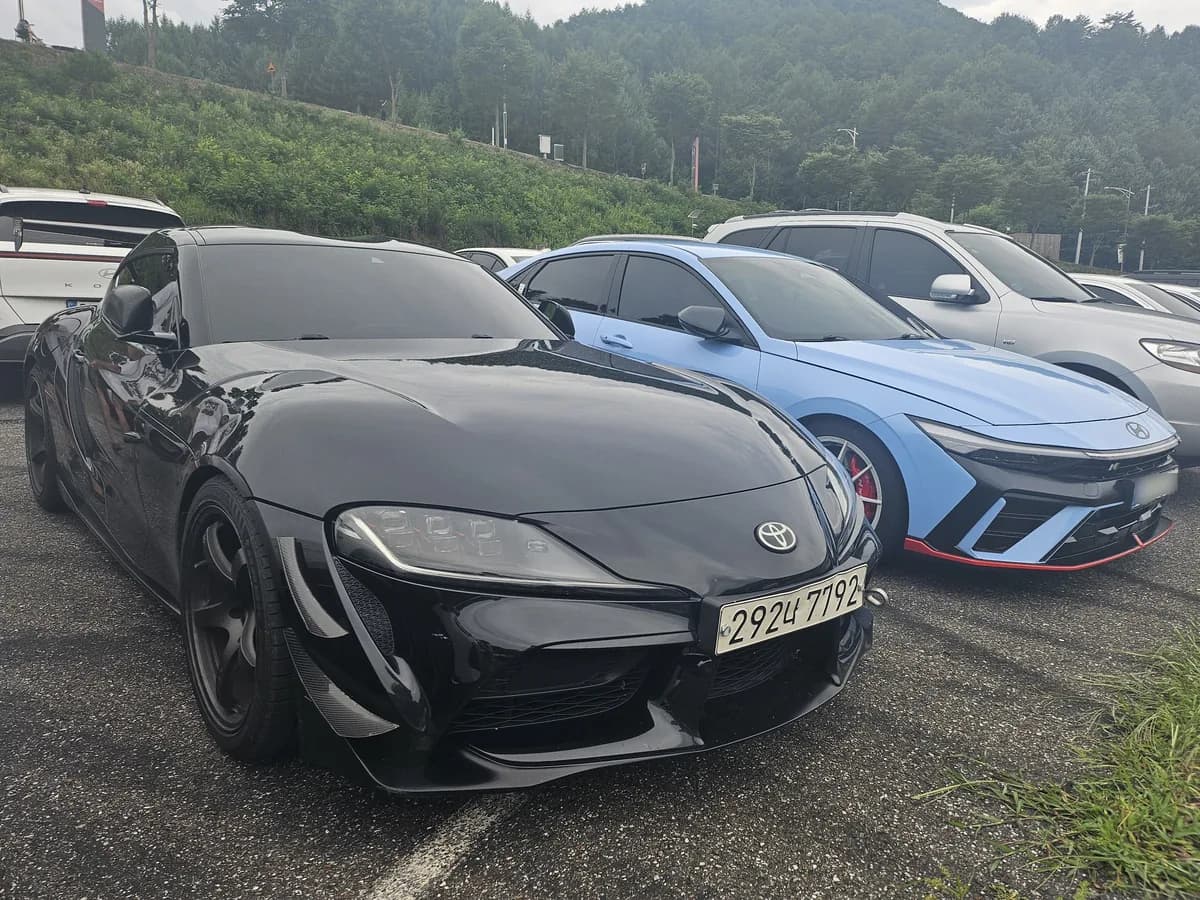
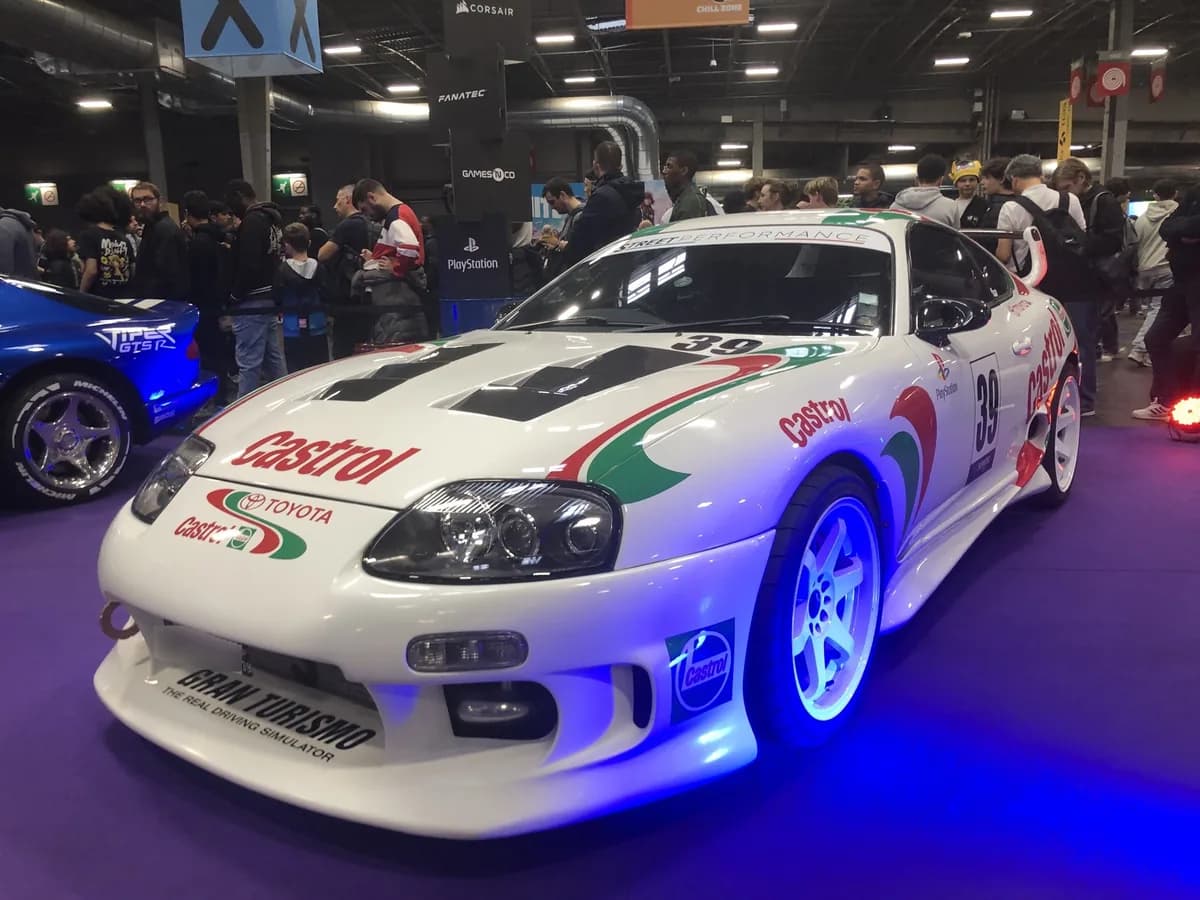
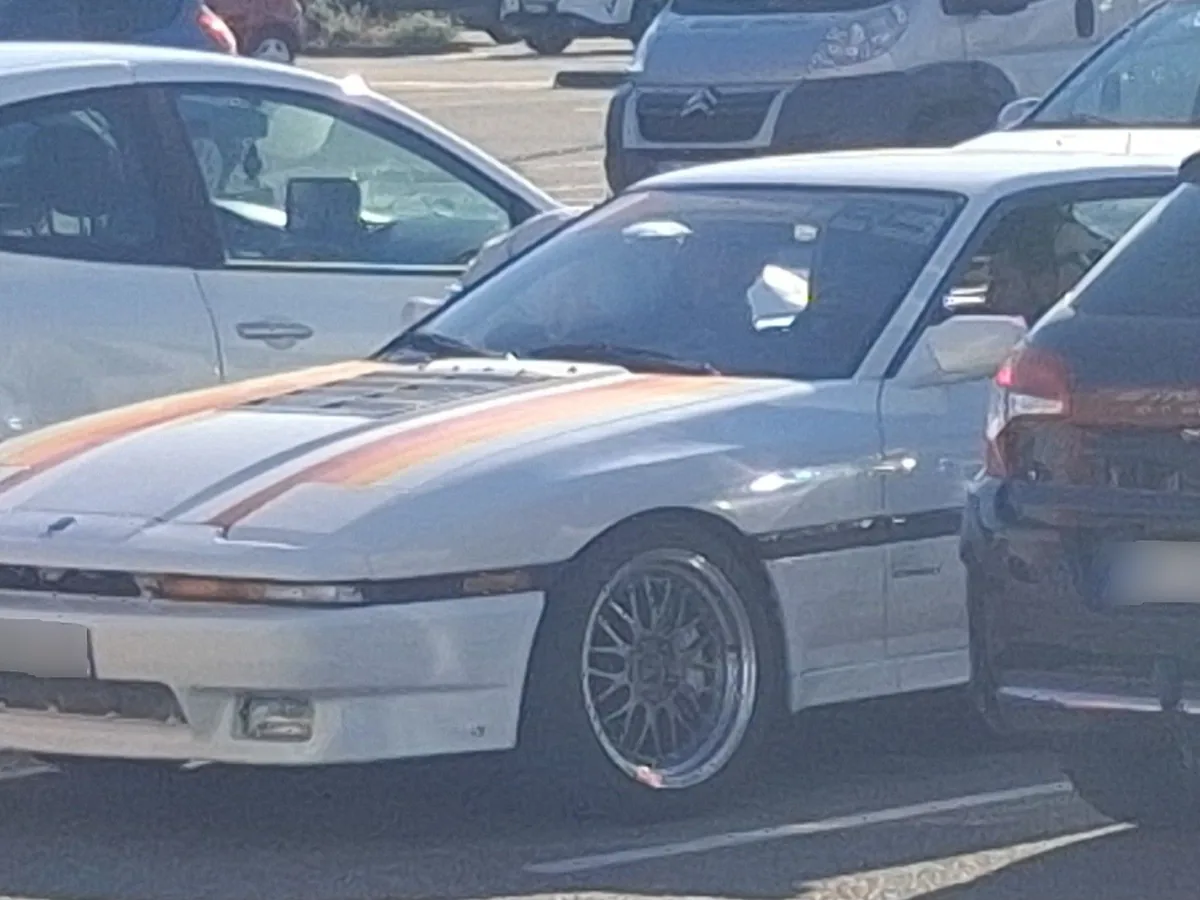
The first-generation A40, introduced from 1978, can be identified by its elongated Celica-based body and long hood designed to accommodate a straight-six engine. Its emphasis was grand-touring comfort. The 1981 A60 adopted strongly 1980s styling, including pop-up headlights, pronounced wheel arches, and a cabin with a more sporting focus. Launched in 1986, the A70 dropped the direct Celica connection and became a separate model. It remained a front-engine, rear-wheel-drive coupe, but its chassis and equipment moved it closer to a dedicated sports car; turbocharging became an important feature on selected versions. The 1993 A80 is distinguished by rounded bodywork, fixed headlights, an available large rear spoiler, and its 2JZ engine family, offered in naturally aspirated and twin-turbocharged forms. Toyota stated that the A80 shed more than 100 kilograms compared with its predecessor through the use of aluminum and other lightweight materials. The fifth-generation A90, sold as the GR Supra, returned with a compact two-seat body, rear-wheel drive, and a turbocharged 3.0-liter inline-six in the 2020 U.S. specification.
Key differences
The main differences between generations begin with their relationship to the Celica. The A40 and A60 remained Celica Supra or Celica XX models depending on the market, while the A70 became a separate Toyota model. Styling progressed from the sharp, pop-up-headlight appearance of the 1980s to the rounded A80 body and then the compact, heavily sculpted shape of the A90. The mechanical focus changed as well: early cars emphasized grand-touring qualities, the A70 introduced a stronger turbocharged identity, and the A80 combined weight reduction, the 2JZ engine family, and an available six-speed manual transmission on selected versions. The modern GR Supra retains rear-wheel drive and an inline engine as historical themes, but uses a contemporary platform and GR branding. Engines, transmissions, equipment, and model names varied by country, so accurate identification should always consider the original market and exact model year.
Photo recognition
To identify an older Supra, start with the body shape and headlamps. The A40 looks like an elongated Celica, with a long front section and a clear grand-tourer profile. The A60 is most easily associated with pop-up headlights, sharp lines, and pronounced wheel arches. The A70 has smoother styling, often uses pop-up headlights, and is the first generation to stand apart from the Celica as its own model. The A80 features fixed headlights, lower and rounder proportions, and a prominent rear spoiler on some configurations. The fifth-generation GR Supra appears visually shorter and more compact, with a long hood, tight roofline, broad rear haunches, and twin exhaust outlets. Badges, wheels, spoilers, and engines may differ by market or may have been changed during the car’s life. Generation code, model year, chassis number, and original documentation are therefore more dependable than any single visual detail.
Important versions
Among the most significant versions, the A70 Turbo marked the Supra’s move toward a more technologically advanced sports-car role, combining a turbocharged straight-six with an independent chassis. The A80 Turbo became the best-known member of the lineage through its 2JZ-GTE engine, available six-speed manual transmission in selected markets, and strong motorsport record. The GR Supra represents the nameplate’s return after production ended in 2002. Introduced in 2019 as the first global model in Toyota’s GR sports-car series, it preserved the historic themes of a front engine, rear-wheel drive, and an inline-six configuration while using a modern design and chassis. Trim names, output figures, transmissions, and equipment varied by country and model year, so individual specifications should always be checked against market-specific documentation.
References
- History of the Toyota SupraToyota UK Magazine
- TOYOTA LAUNCHES ALL-NEW SUPRAToyota Motor Corporation Global Newsroom
- Toyota Premieres New Supra at Detroit Auto ShowToyota Motor Corporation Global Newsroom
- 2020 Supra Product InformationToyota USA Newsroom
- https://pressroom.toyota.com/the-supra-lineage/pressroom.toyota.com
- https://www.motor1.com/features/790855/toyota-supra-generations/motor1.com
- https://pressroom.toyota.com/toyota-supra-icon-half-century-in-making/pressroom.toyota.com
Technical specifications
Structured data available for versions linked to this model.
| Version | Power | Torque | Top speed | Drivetrain | Fuel |
|---|---|---|---|---|---|
| — | 220 ch à 5 800 tr/min | — | — | Propulsion / Manuelle à 5 rapports | — |
Frequently asked questions
- What years was the Toyota Supra produced?
- ScanRacer's referenced versions cover 1986 - 2020.
- How many Toyota Supra examples are documented on ScanRacer?
- 53 published scans from 40 members, with the latest photo added in September 2026.
- What is the power output of the Toyota Supra?
- The sourced technical data lists 220 ch à 5 800 tr/min.