
Jaguar
Jaguar began with the Swallow Sidecar Company, founded in 1922 by William Lyons and William Walmsley before the business moved into car production. The Jaguar name first appeared on the 1935 SS Jaguar 2½ Litre and became the company name in 1945. The British marque then developed around a distinctive combination of elegance, performance and technical innovation. The 1948 XK120, the Le Mans-winning C-Type and D-Type, the E-Type introduced in 1961 and the XJ luxury saloon launched in 1968 all mark important stages in that progression. The generations represented here mainly span Jaguar models from 1961 to 2019, including classic sports cars, luxury saloons, grand tourers, R performance derivatives and newer lines such as the F-Type, XF and E-Pace.
Models from A to Z
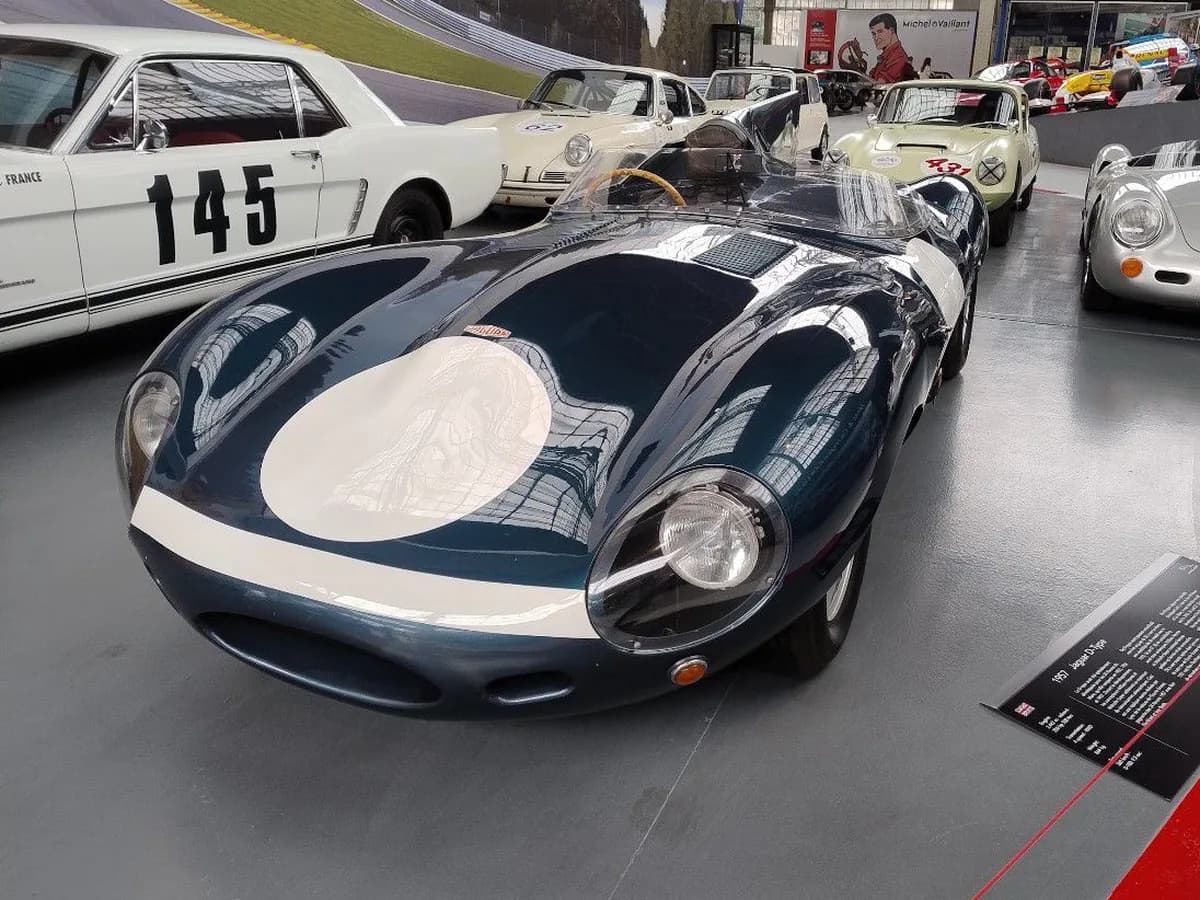
D-Type
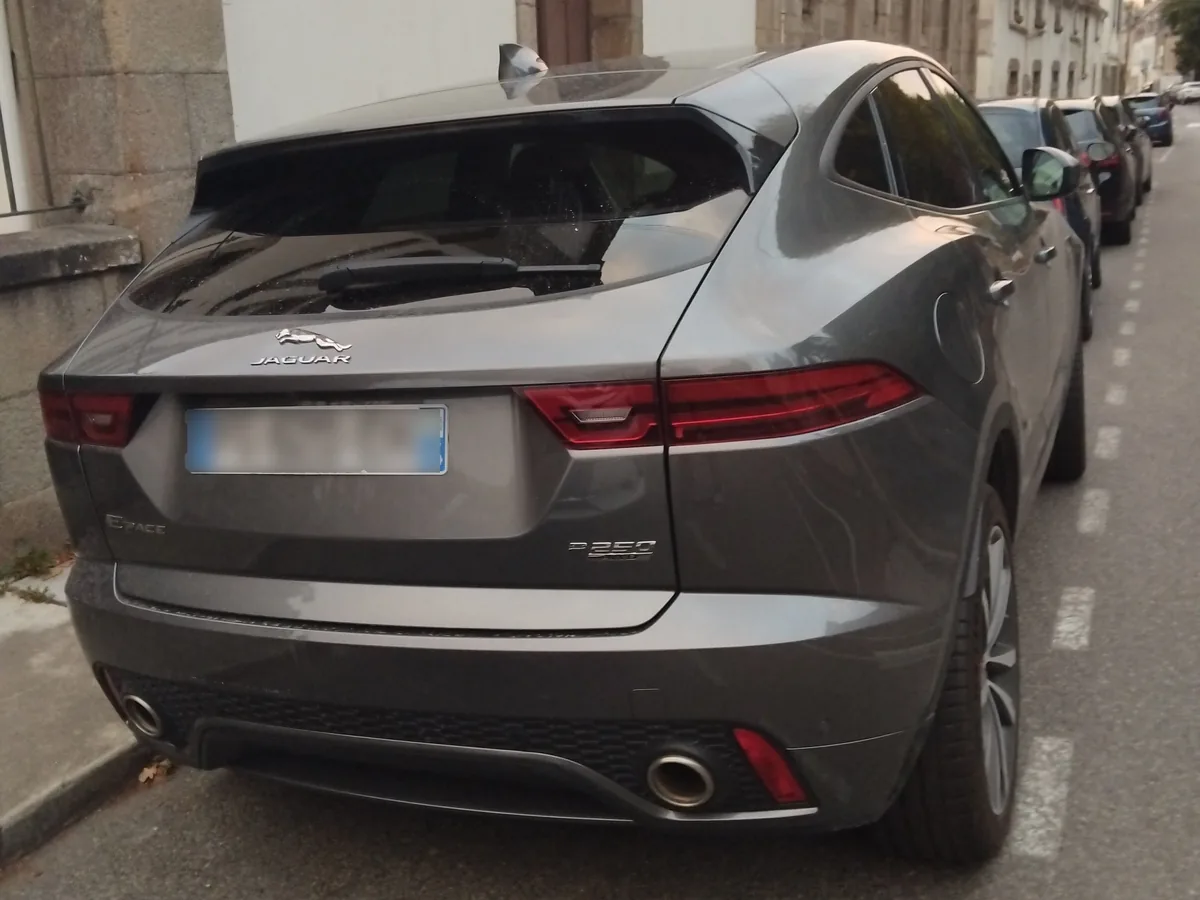
E-Pace
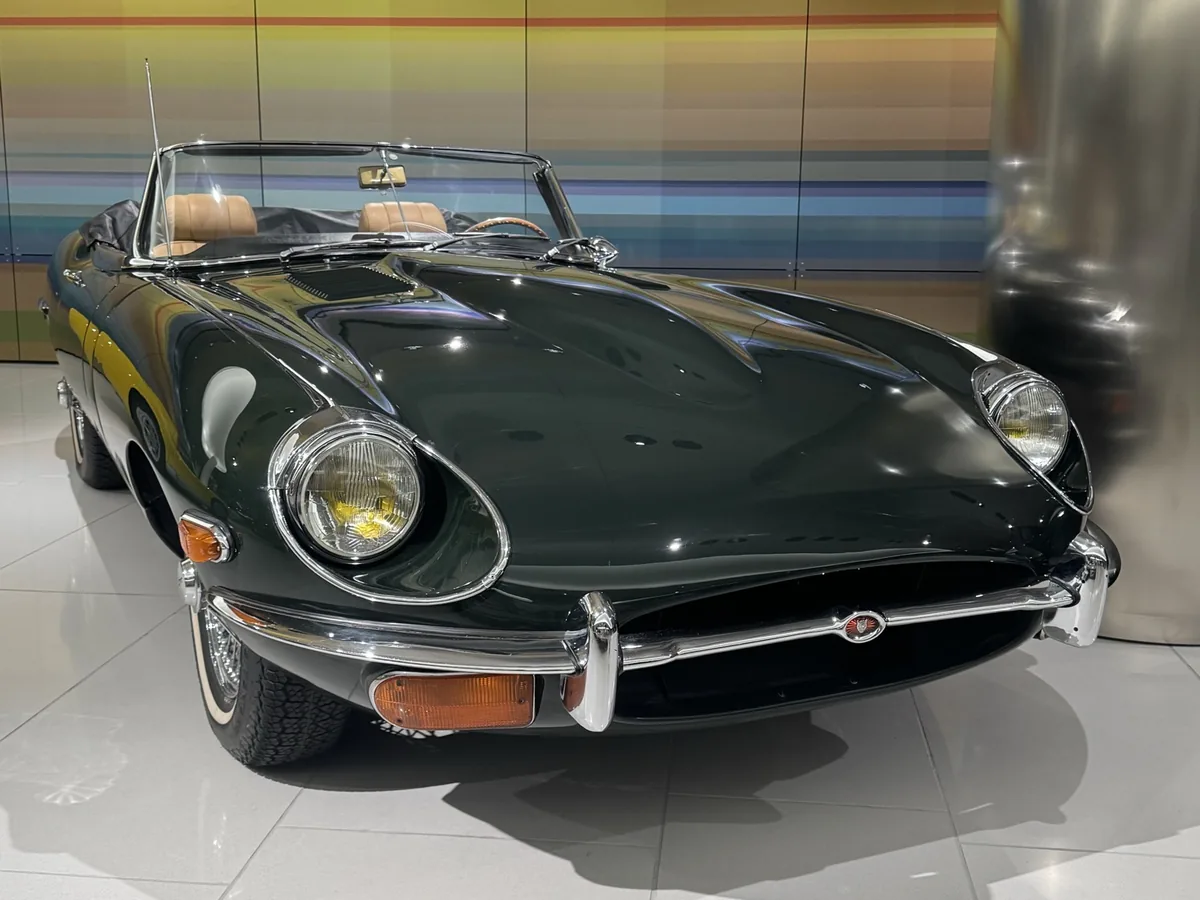
E-Type
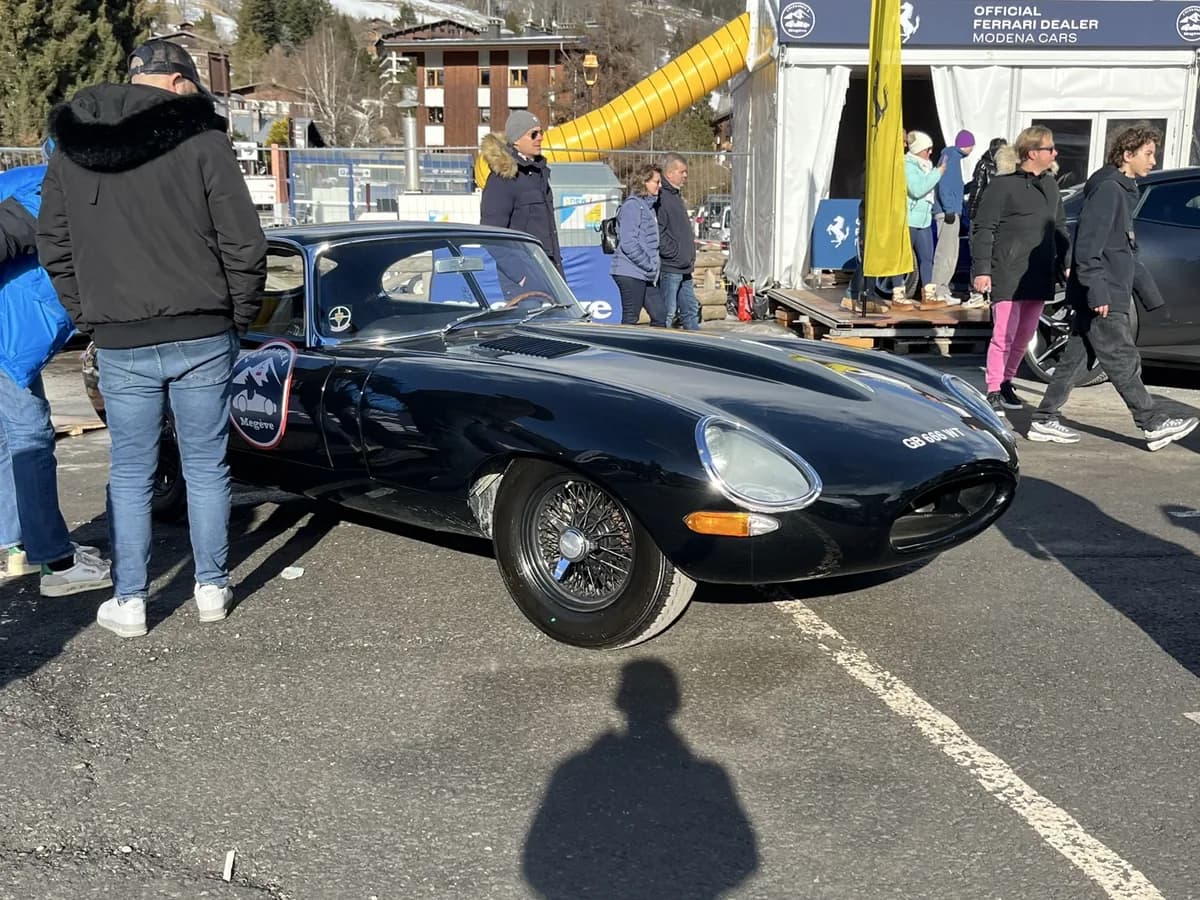
E-type roadster
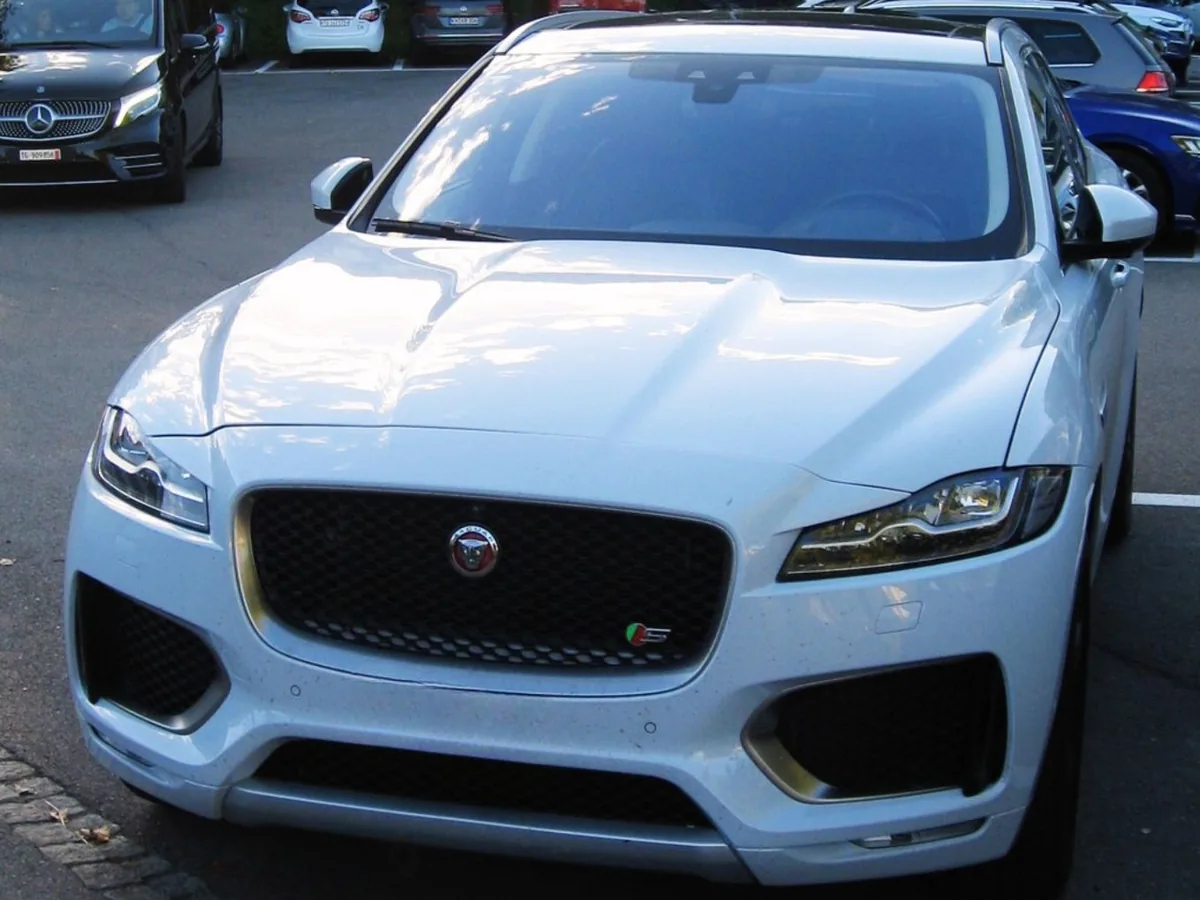
F-Pace
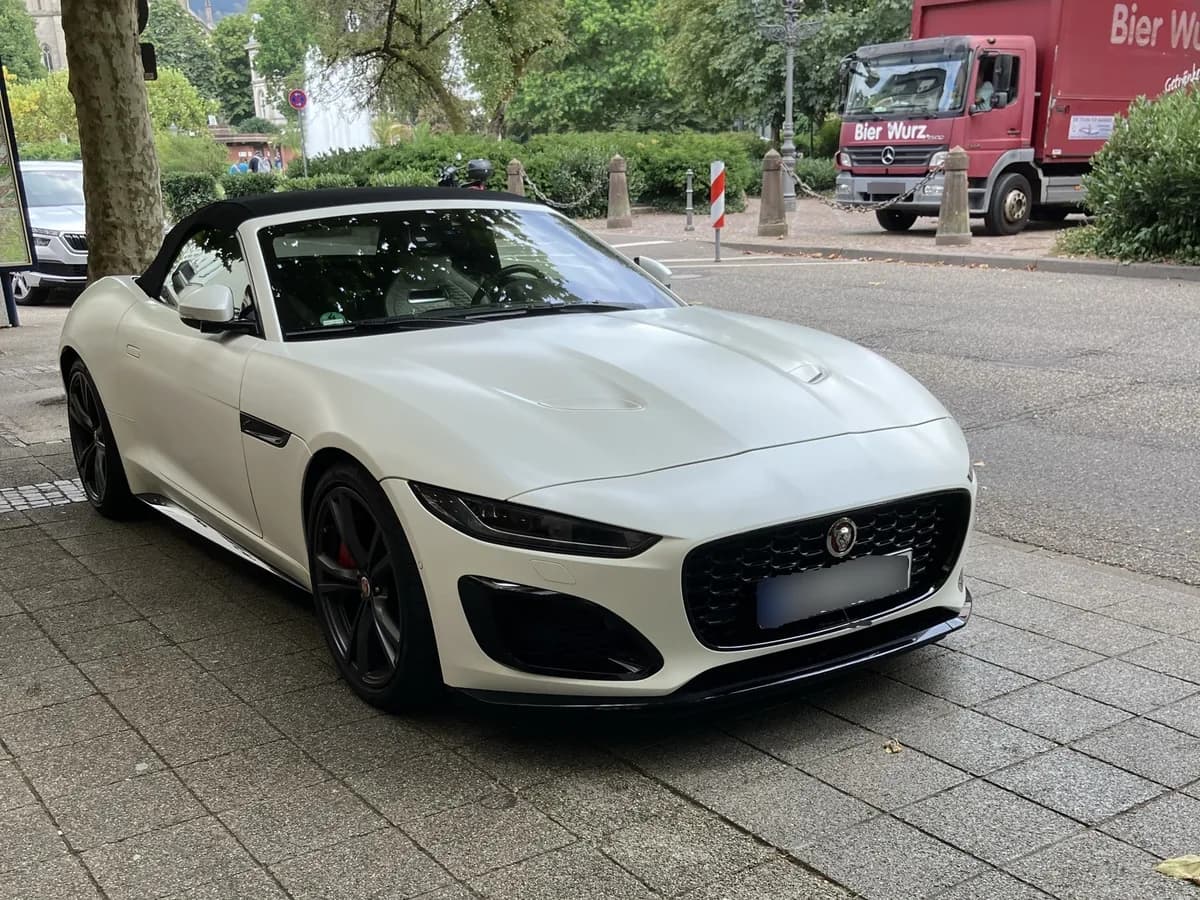
F-Type
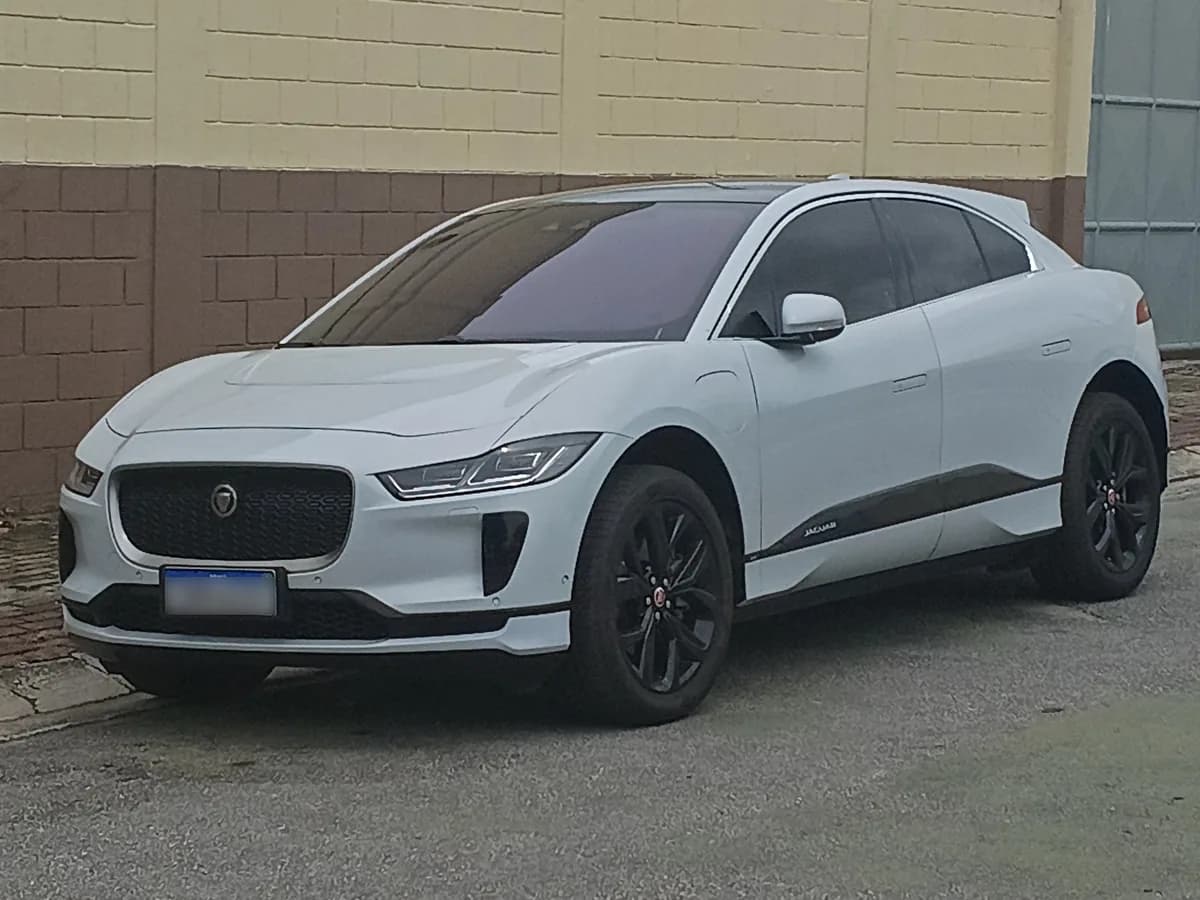
I-Pace
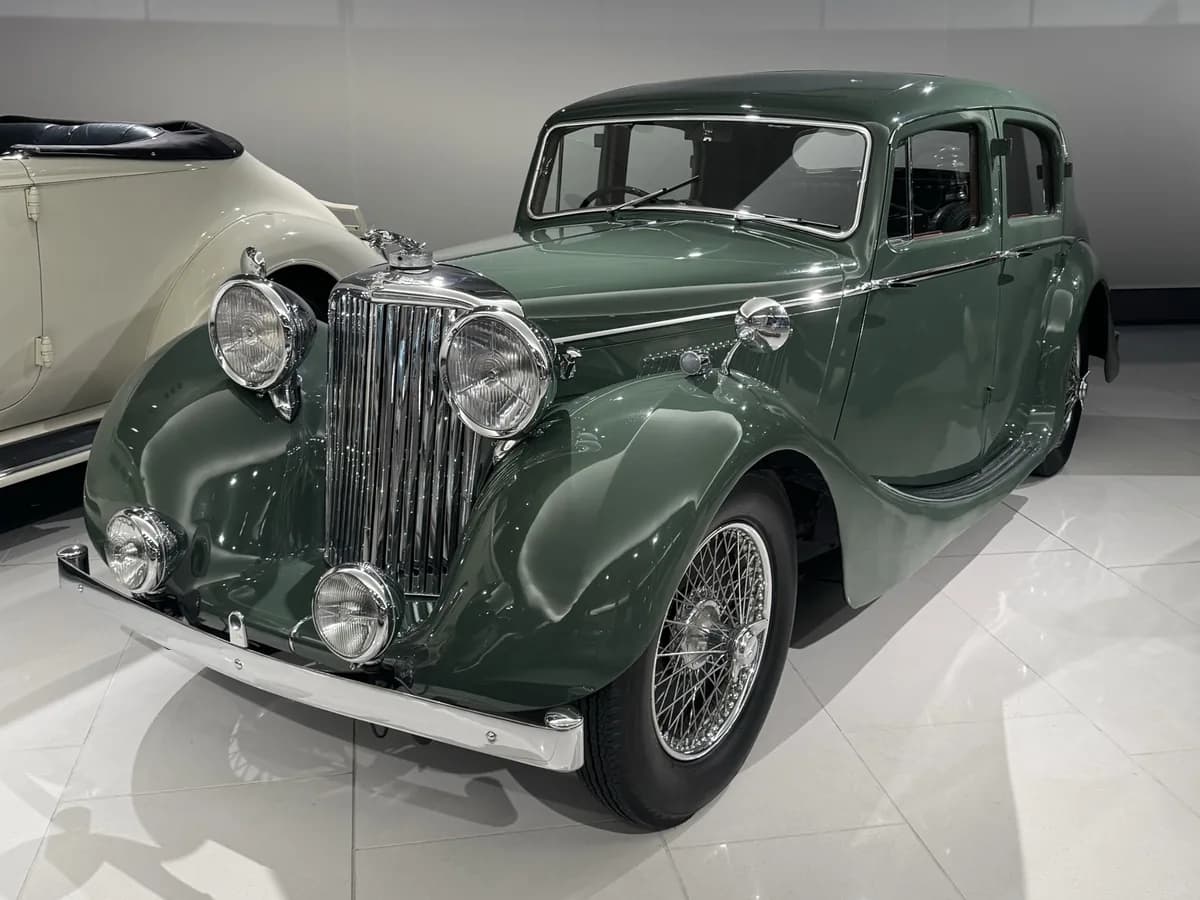
Mark IV
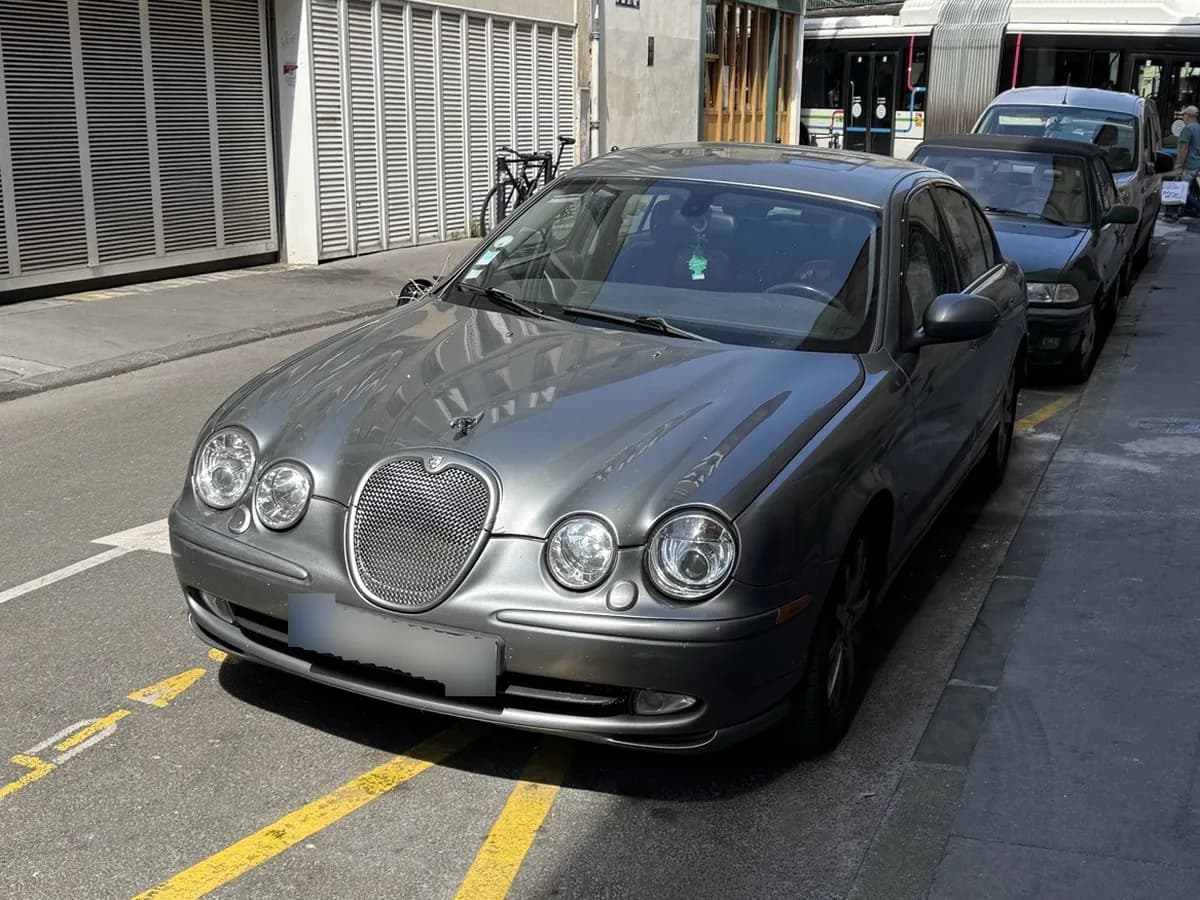
S-Type

Sovereign

X-Type
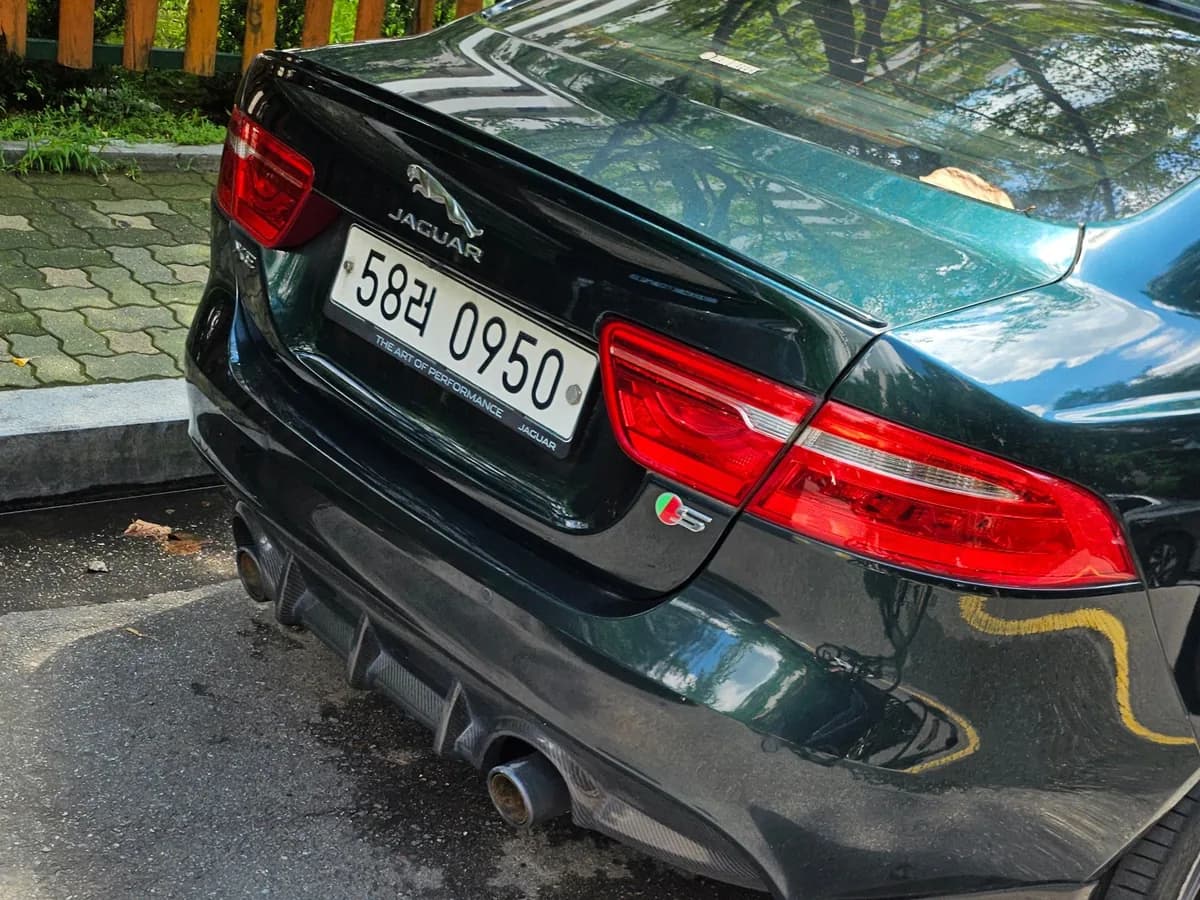
XE

XF

XFR
XFR-S
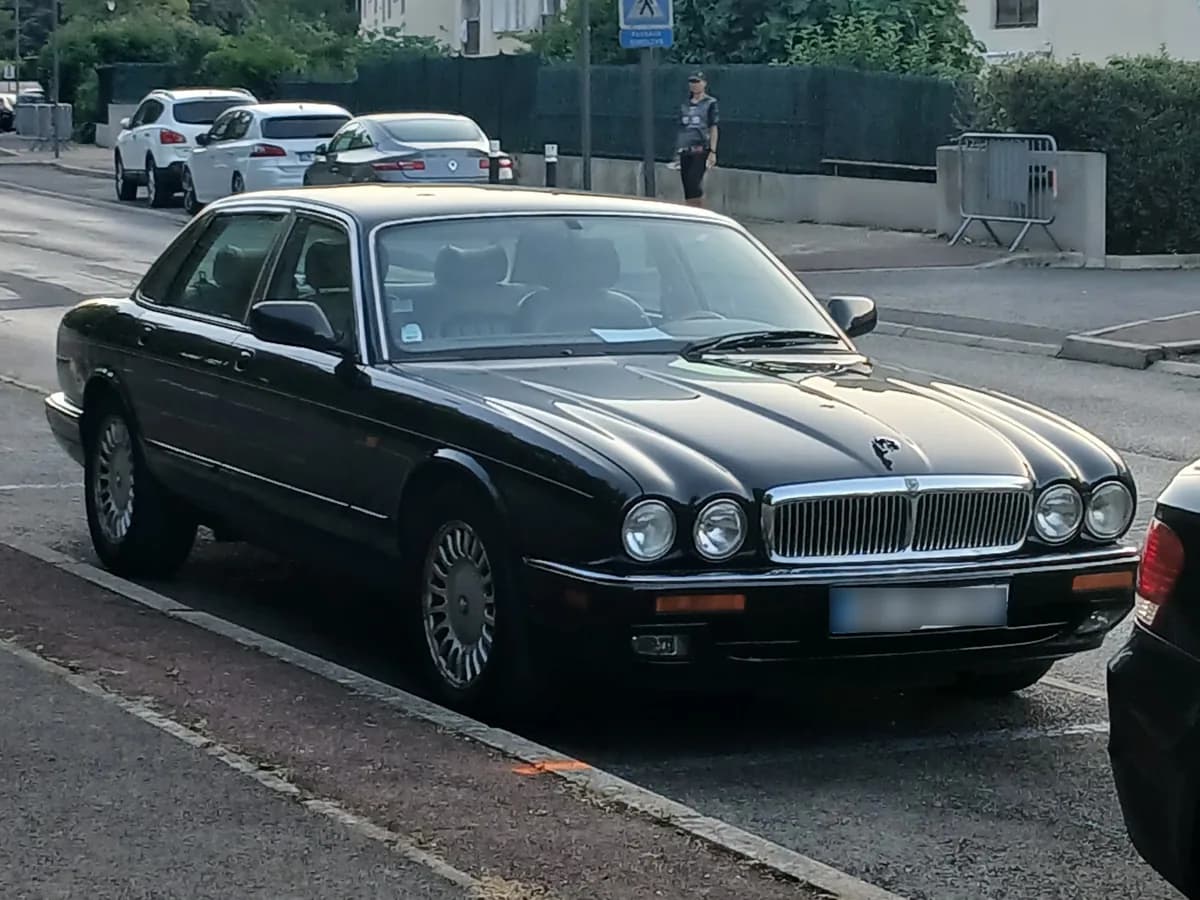
XJ
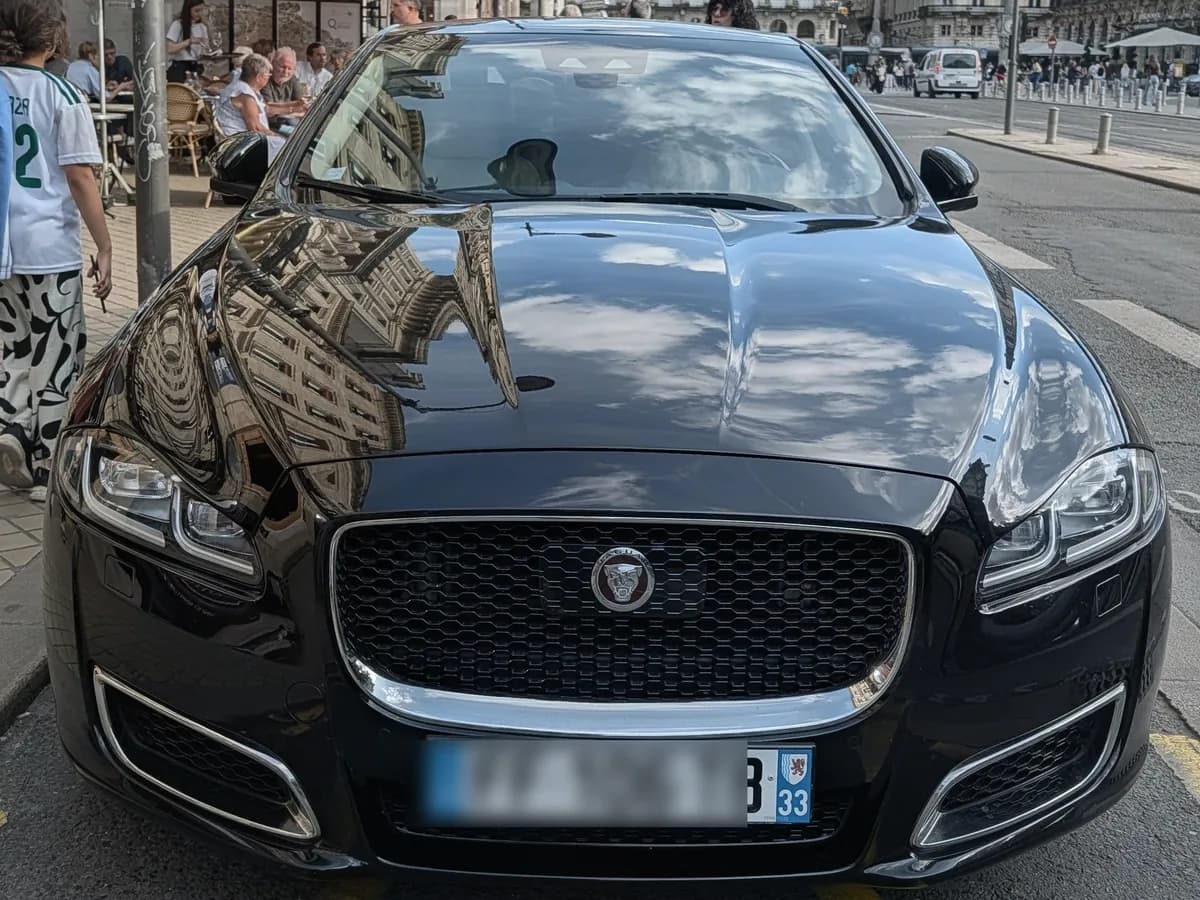
XJR
XJS
XK

XKR
XKR-S
Jaguar overview
Jaguar history
Jaguar’s story began in the 1920s with motorcycle sidecars. William Lyons then moved into coachbuilt bodies and complete cars under the Swallow and SS names. The 1935 SS Jaguar 2½ Litre was the first model to carry the Jaguar name. After the Second World War, the company officially became Jaguar Cars Limited in 1945, dropping the SS initials. The 1948 XK120 was a decisive step: its XK six-cylinder engine, dramatic bodywork and strong performance established Jaguar as a major sports-car maker. The C-Type and D-Type subsequently translated that engineering into competition success, particularly at the 24 Hours of Le Mans. Introduced in 1961, the E-Type brought several technical and aerodynamic ideas from this racing lineage to a road car. In 1968, the XJ broadened Jaguar’s identity with a large saloon combining comfort, speed and refinement. Later decades produced the XJS, XJ-S, XK and XKR grand tourers, followed by the XF, XFR and XFR-S performance derivatives, the modern XJ and the F-Type, launched in 2013 as a two-seat sports car.
Jaguar positioning
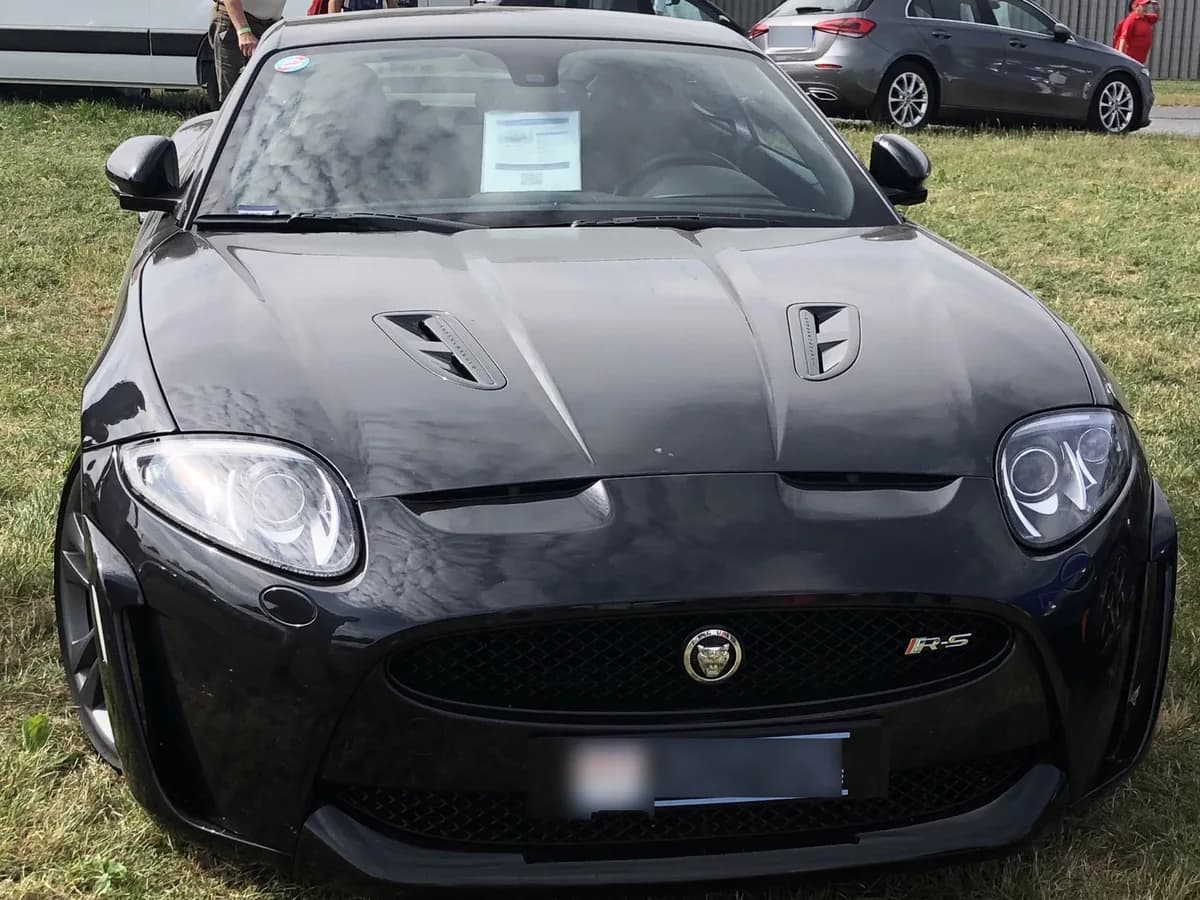
Jaguar has traditionally occupied the space between expressive sports cars and luxury automobiles. Its positioning has never depended on power alone. Design, perceived quality, high-speed ability and driver appeal have historically been combined in the same product philosophy. The E-Type represents the most visually dramatic expression of that identity, while the XJ translates it into a premium luxury saloon. The XK, XKR and XJS sit between those two themes as grand tourers, offering more long-distance comfort than a highly focused sports car. From the 2000s onward, the XF and X-Type broadened Jaguar’s reach into executive saloons and more accessible segments. R and R-S badges generally indicate a stronger performance emphasis, while the F-Type directly revived the marque’s two-seat sports-car tradition. Together, these families show how Jaguar balanced elegance and performance across different body styles.
Recognizing a Jaguar in a photo
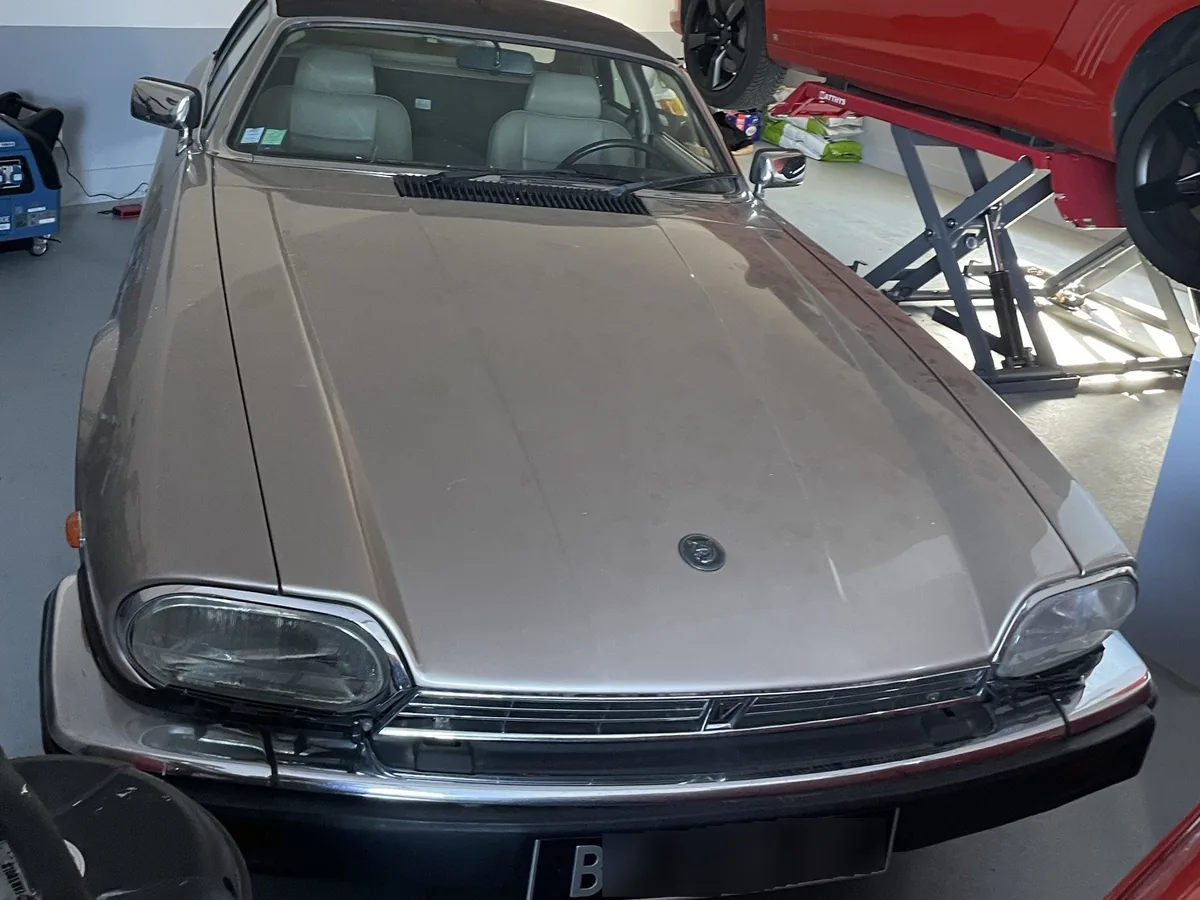
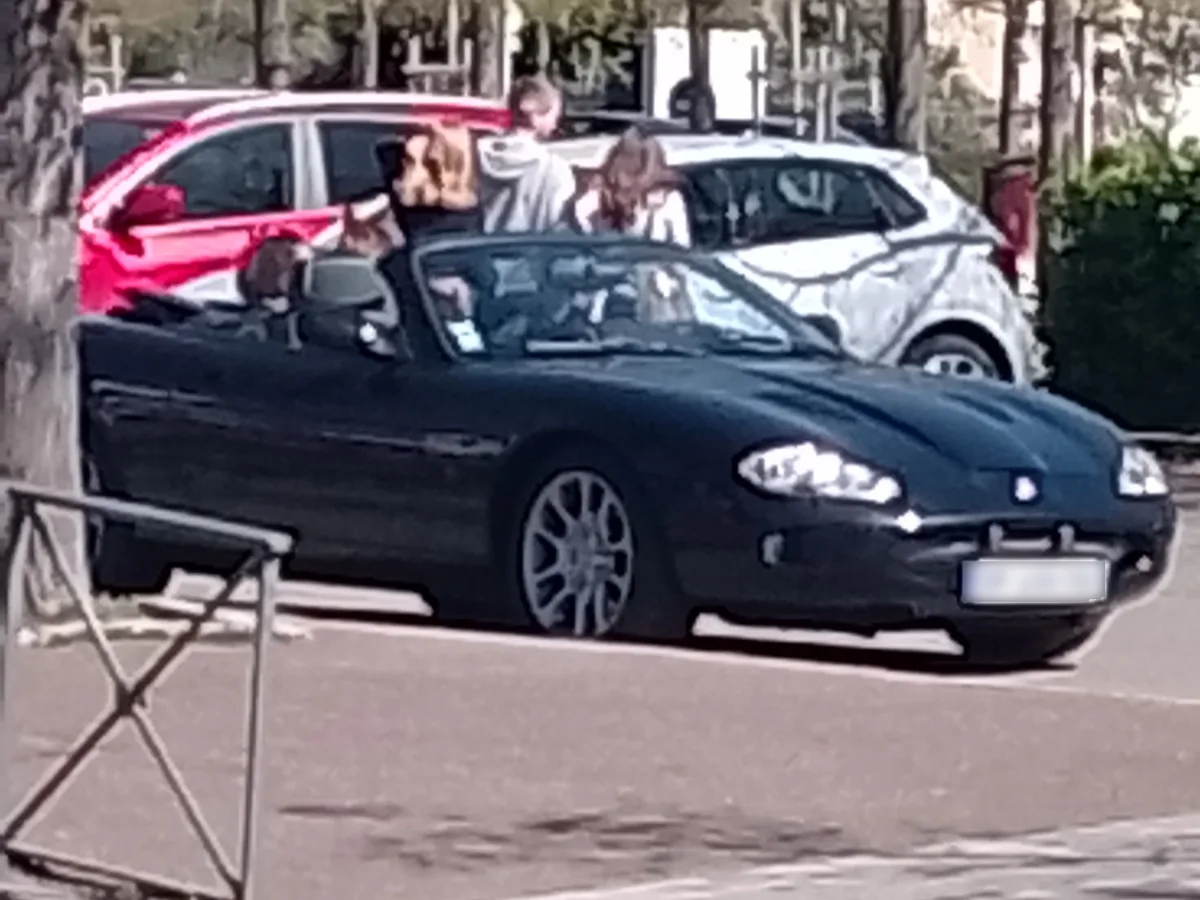
To identify a Jaguar, begin with the body shape and vehicle category before relying on the badge. An E-Type is marked by its very long bonnet, rear-set cabin and low proportions, while an XJ uses the stretched profile of a large luxury saloon. The XJS and XK are grand-touring coupes or convertibles; the XJS often has a long glasshouse and distinctive rear-quarter treatment depending on the version. The F-Type is shorter and more tightly proportioned, with a rear-set cabin, pronounced rear haunches and concealed door handles. Performance derivatives can be identified through R, R-S or XKR badging, larger air intakes, specific wheels, upgraded brakes and additional exhaust outlets, although appearance alone is not conclusive. Model year, body style and engine specification are essential when separating closely related generations, especially within the XJ, XK, XJ-S and XF families.
Important Jaguar models
The E-Type is the Jaguar most closely associated with the marque’s sports-car design language. Introduced in 1961, it carried forward the influence of the C-Type and D-Type and was offered in forms including coupe and roadster. The XJ, launched in 1968, became Jaguar’s defining large luxury saloon for several decades. The XJS continued the grand-touring tradition with more modern styling and, depending on the version, six- and twelve-cylinder engines. The XJ and XJR combined saloon comfort with a stronger performance focus. The XK and XKR occupied the performance coupe and convertible category. In the modern era, the XF renewed Jaguar’s executive-saloon offering, while the XFR-S developed that platform in a more overtly performance-oriented direction. The F-Type returned the marque to a dedicated two-seat sports-car formula. The E-Pace extended Jaguar into the compact SUV segment.
References
- Our History – Jaguar HeritageJaguar
- 80 Years of Jaguar: 1935–1959Jaguar
- Jaguar Daimler Heritage Trust: Swallow Sidecar Company CentenaryJaguar Daimler Heritage Trust
- E-Type to New XJ: Fifty Years of Design IntegrityJaguar Media Newsroom
- Technical Press Kit: 2019 Jaguar XJJaguar Media Newsroom
- Jaguar Announces the F-TYPEJaguar Media Newsroom
- F-TYPE Coupé to Make Dynamic Debut in Los AngelesJaguar Media Newsroom