
XJ
Unveiled at the 1968 Paris Motor Show, the Jaguar XJ6 became the company’s new large saloon and the last model shaped under the direct influence of Sir William Lyons. Its purpose was distinctive: combine limousine comfort with more sporting road manners than many established luxury rivals. Early XJ6 cars used Jaguar’s XK six-cylinder engines in 2.8- and 4.2-litre forms, while the XJ12 added a V12 flagship to the range. During its long career, the XJ evolved from the elegant Series I, II, and III cars to the more angular XJ40, followed by the X300 and X308 models, which restored familiar Jaguar styling cues. The X350, introduced from 2003, brought an aluminium monocoque structure and a major reduction in body weight. In 2009, the X351 began a new chapter with a far more contemporary design.
What about the car you photographed?
Upload a photo to get a suggested make, model and likely year.
No account needed for the result · Publish only if you choose
Variants by year
Make: Jaguar · Model: XJ
7 / 7 versions shown
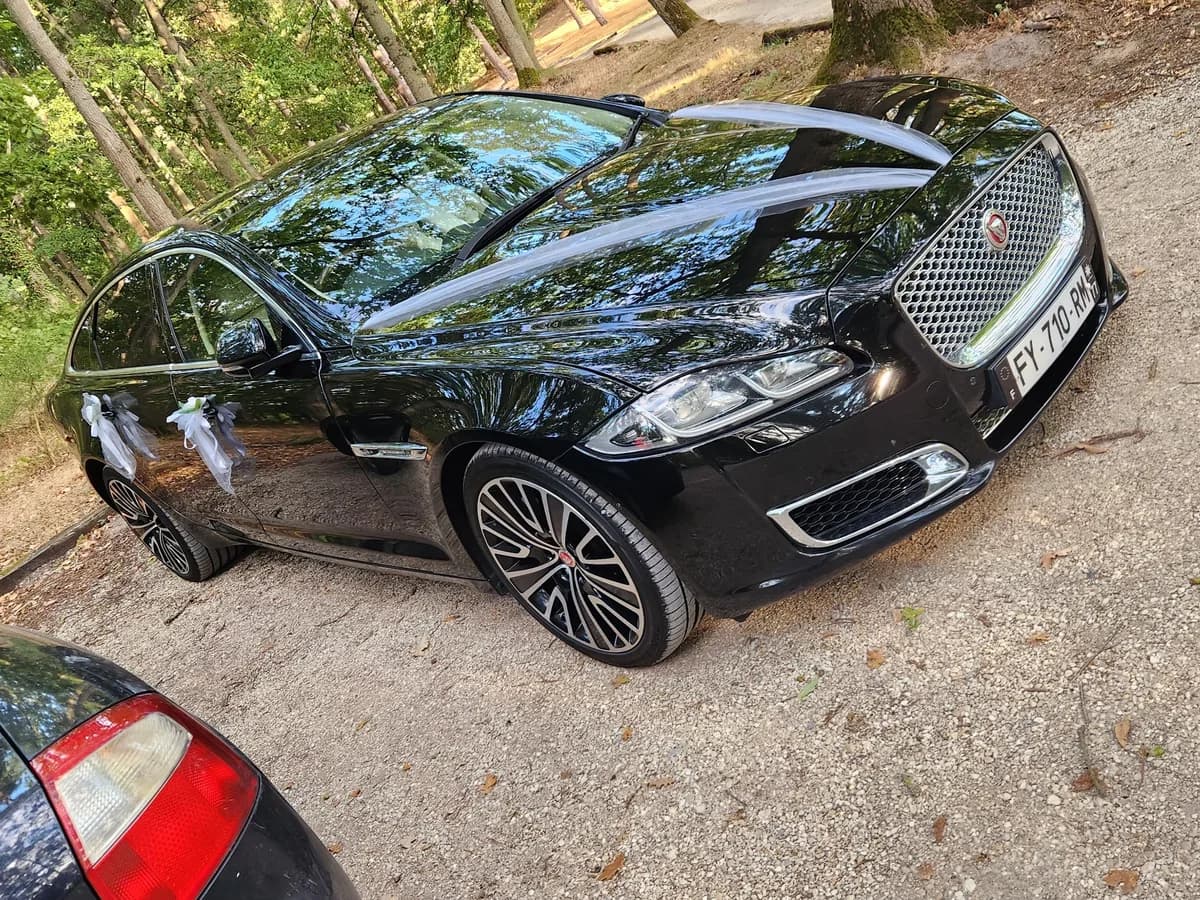
2009
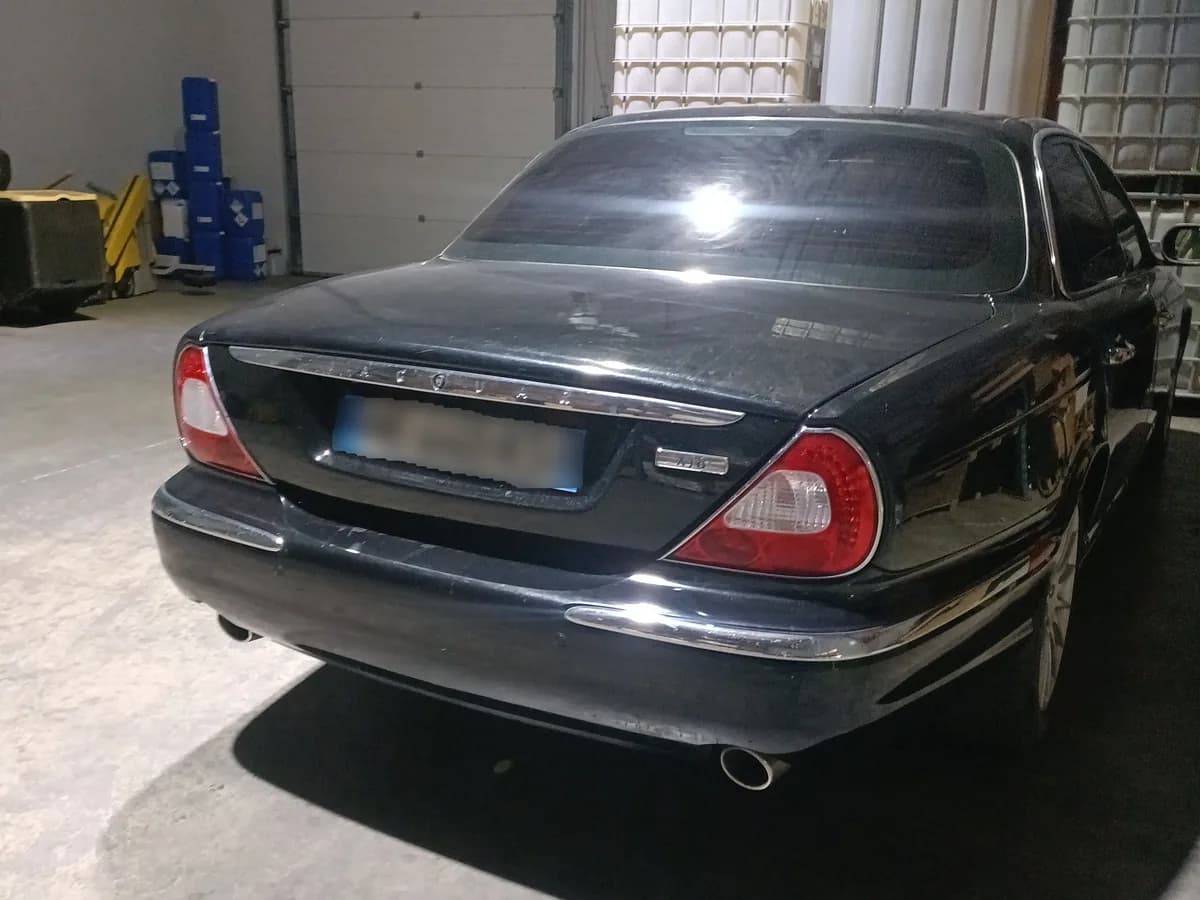
2003
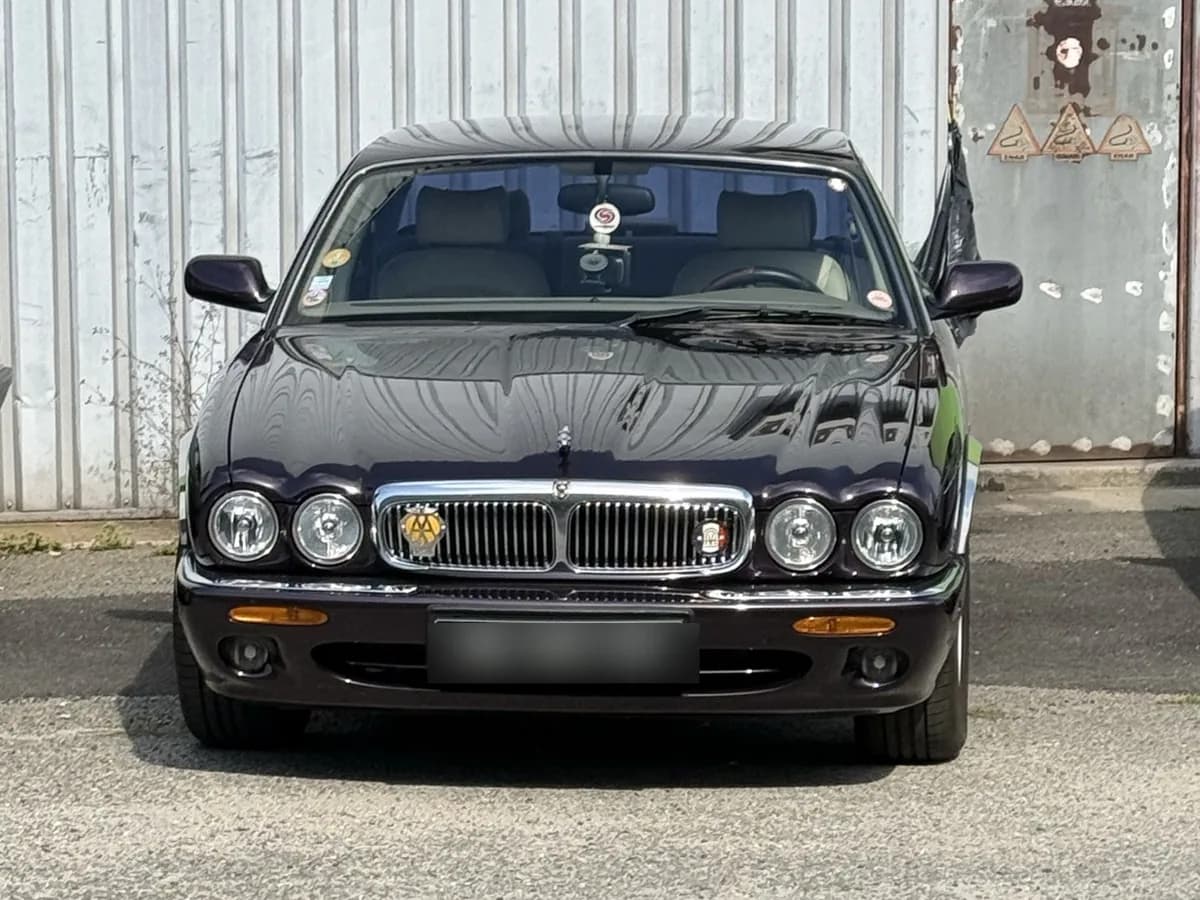
1997
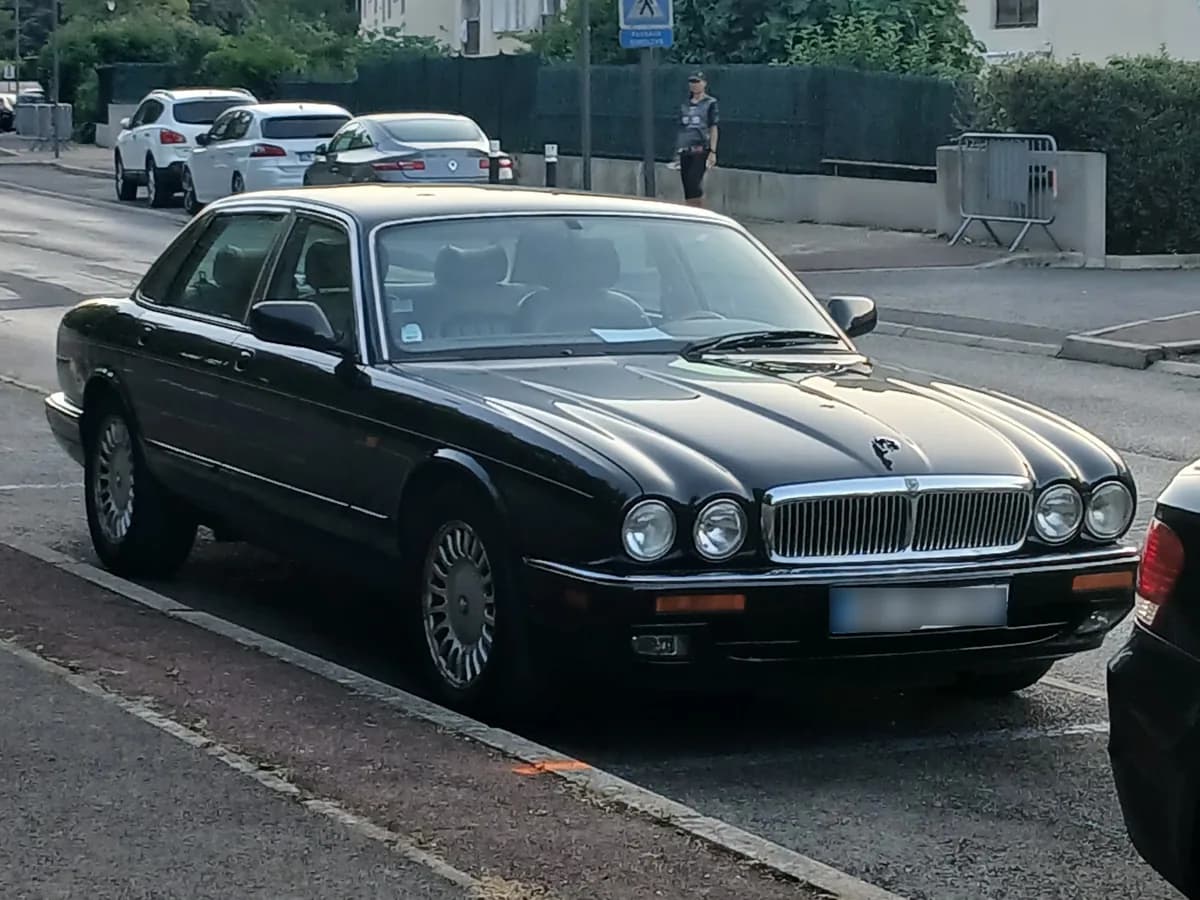
1994
1986
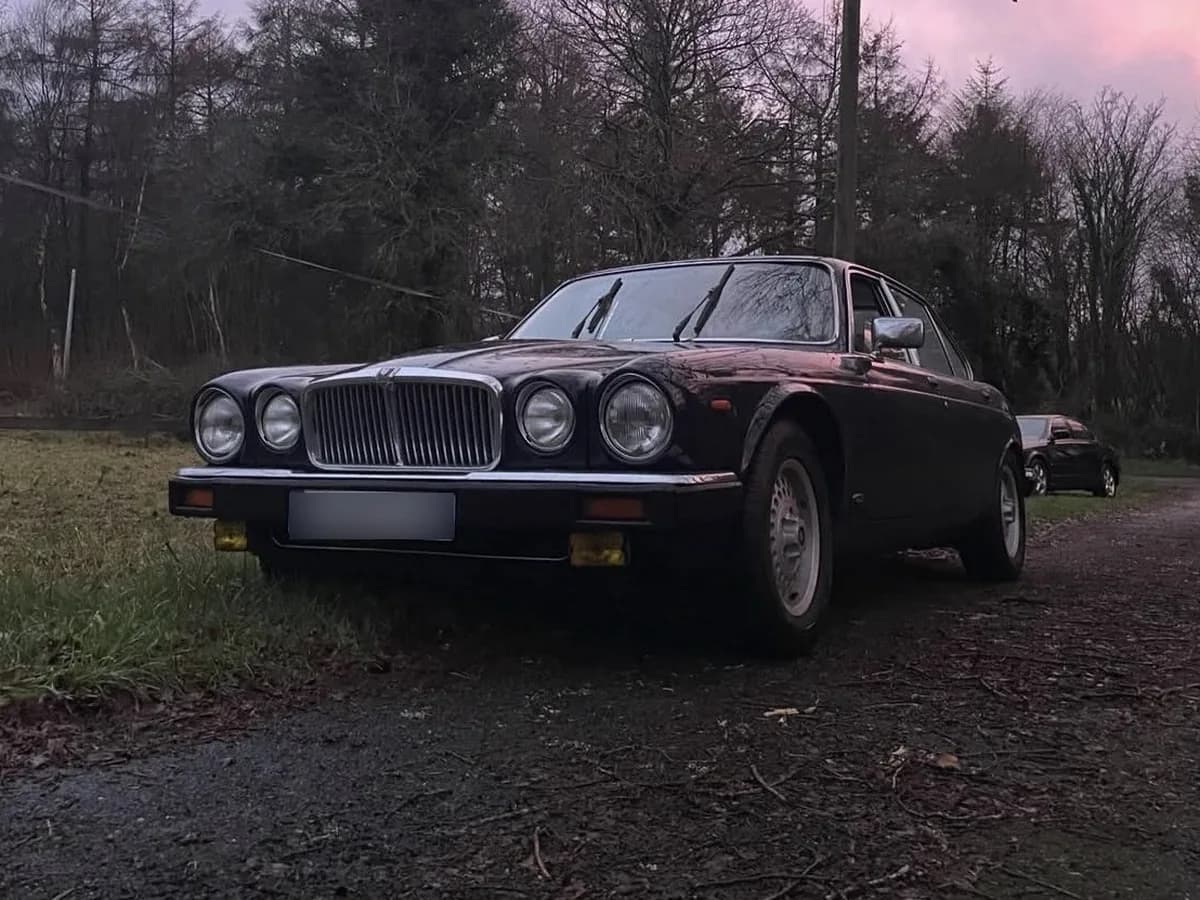
1975
1968
Jaguar XJ photos
Model summary
Data from the ScanRacer library, organized to compare versions quickly.
Model introduction
Unveiled at the 1968 Paris Motor Show, the Jaguar XJ6 became the company’s new large saloon and the last model shaped under the direct influence of Sir William Lyons. Its purpose was distinctive: combine limousine comfort with more sporting road manners than many established luxury rivals. Early XJ6 cars used Jaguar’s XK six-cylinder engines in 2.8- and 4.2-litre forms, while the XJ12 added a V12 flagship to the range. During its long career, the XJ evolved from the elegant Series I, II, and III cars to the more angular XJ40, followed by the X300 and X308 models, which restored familiar Jaguar styling cues. The X350, introduced from 2003, brought an aluminium monocoque structure and a major reduction in body weight. In 2009, the X351 began a new chapter with a far more contemporary design.
History
The XJ6 progressively replaced Jaguar’s earlier large saloons and established an architecture that would define the marque for decades. The Series I, launched in 1968, combined a low, formal body with chrome bumpers and a richly appointed cabin. The range soon expanded with the XJ12, powered by Jaguar’s V12, and then moved into the Series II during the early 1970s. That version incorporated body and equipment changes influenced by safety rules and market requirements. The Series III, introduced toward the end of the 1970s, received a revised body developed with Pininfarina while retaining the recognizable XJ profile. A major technical break came with the XJ40, introduced for the 1988 model year after an unusually long development programme. Its more geometric body and AJ6 engines represented a substantial modernization. In 1994, the X300 returned to rounder Jaguar styling and brought the supercharged XJR into the family. The X308 followed in 1997, replacing the previous six-cylinder and V12 engines in the XJ range with Jaguar’s new AJ-V8. The X350, sold from 2003, introduced aluminium construction. Finally, the X351 revealed in 2009 replaced the traditional evolutionary styling with a dramatically modern shape.
Generations
The first major phase covers the Series I, Series II, and Series III cars. Series I identifies the original XJ6 and XJ12 models introduced in 1968 and built into the early 1970s. Series II followed with larger bumpers and revised body details. Series III, introduced in 1979, retained the basic cabin structure but received a modernized exterior treatment. These cars are chiefly associated with Jaguar’s XK six-cylinder engines and the V12, depending on specification and market. The XJ40 was a comprehensive redesign introduced for the 1988 model year. Its angular body, rectangular lamp units, and more modern dashboard make it easy to distinguish from the earlier Series cars. The X300, launched in 1994, evolved from the same broad engineering programme but returned to more rounded wings, a traditional grille, and brighter exterior detailing. The X308, produced from 1997, kept a similar silhouette while introducing Jaguar’s AJ-V8 engine family. The X350, sold from 2003, is identified by its aluminium body structure, taller proportions, and expanded modern equipment. The X358 is a facelifted development of that generation. The X351, launched in 2009, is visually the clearest break with the past: its body has sharper surfacing, its headlamps are slimmer, and its design no longer attempts to reproduce the classic XJ shape.
Key differences
The main differences between XJ models involve body design, structure, engines, and electronic integration. Series I through III use a conventional luxury-car formula, with prominent chrome trim and XK or V12 power depending on specification. The XJ40 introduced a more angular body, a substantially updated architecture, and AJ6 engines. The X300 returned to more traditional Jaguar styling and added the supercharged XJR to the range. The X308 kept a similar exterior theme but replaced the earlier mainstream engines with Jaguar’s AJ-V8 family. The X350 changed more beneath the surface than its appearance initially suggested. Its aluminium monocoque structure was designed to reduce weight while increasing stiffness, and the generation used air suspension. The X358 was a revised development of that model. The X351 represented a much larger break, with new bodywork, engineering, and interior presentation. Commercial names, engines, wheelbases, and equipment could vary by country and model year, so dependable identification should combine the production period, vehicle identification number, and trim details rather than relying on appearance alone.
Photo recognition
When identifying a classic XJ, begin with the bumpers, grille, and lamp shapes. Series I cars have a particularly slim, chrome-heavy appearance. Series II models are generally marked by larger bumpers, while Series III cars use a more modern treatment developed with Pininfarina. The XJ40 stands apart through its straighter surfaces, rectangular headlamps, and more geometric dashboard. The X300 returned to rounded wings, a vertical grille, and integrated bumpers. An X300 XJR adds sportier equipment, distinctive wheels, and different exterior detailing. The X308 looks similar at first glance, but XJ8 badging, trim features, and its V8 identity help separate it from the X300. The X350 appears taller and more substantial; its proportions and aluminium construction are useful clues. The 2009 X351 is the easiest later model to identify, with slim swept-back headlamps, a lower-looking grille, and strongly sculpted sides. Because trim and exterior parts can be changed, the vehicle identification number remains the most dependable confirmation.
Important versions
Key versions include the Series I XJ6, the foundational model unveiled in 1968, and the XJ12, which placed a V12 flagship at the top of the range. Series II and Series III continued the formula while adapting the car to changing safety requirements and international markets. The XJ40 is essential to the story because it brought a major technical modernization in the late 1980s. The X300 is notable for its neo-classical styling, long-wheelbase derivatives, and supercharged XJR. The X308 marked Jaguar’s transition to the AJ-V8 and also formed the basis for Daimler and Super V8 models. The X350 is significant for its aluminium monocoque, while the 2009 X351 represents the most radical visual departure in XJ history.
References
- 50 Years of Jaguar XJ: Historic Convoy Heads to Paris Motor ShowJaguar Media Newsroom
- Research Guide No. 001O: Jaguar and Daimler XJ Series, XJ40, X300Jaguar Daimler Heritage Trust
- 2002 Jaguar XJ8 Polished SaloonJaguar Daimler Heritage Trust
- Shining Example: XJ SaloonJaguar Daimler Heritage Trust
- The Jaguar XJ: History, Generations, SpecificationsMotorTrend
- https://www.caranddriver.com/features/g20127350/a-visual-history-of-the-jaguar-xjs-50-years-of-elegance/caranddriver.com
- https://www.classic.com/m/jaguar/xj/classic.com
Frequently asked questions
- What years was the Jaguar XJ produced?
- ScanRacer's referenced versions cover 1968 - 2009.
- How many Jaguar XJ examples are documented on ScanRacer?
- 6 published scans from 5 members, with the latest photo added in August 2026.
What about the car you photographed?
Upload a photo to get a suggested make, model and likely year.
No account needed for the result · Publish only if you choose