
E-Type
The Jaguar E-Type, introduced in 1961, is a British automotive icon, renowned for its sleek design and exceptional performance. Available as a coupé and convertible, it featured a 3.8-liter inline-six engine, achieving a top speed of 150 mph and accelerating from 0 to 60 mph in 7.1 seconds. (en.wikipedia.org) Its distinctive silhouette and technical innovations have made it a cherished model among collectors and enthusiasts.
What about the car you photographed?
Upload a photo to get a suggested make, model and likely year.
No account needed for the result · Publish only if you choose
Variants by year
Make: Jaguar · Model: E-Type
4 / 4 versions shown
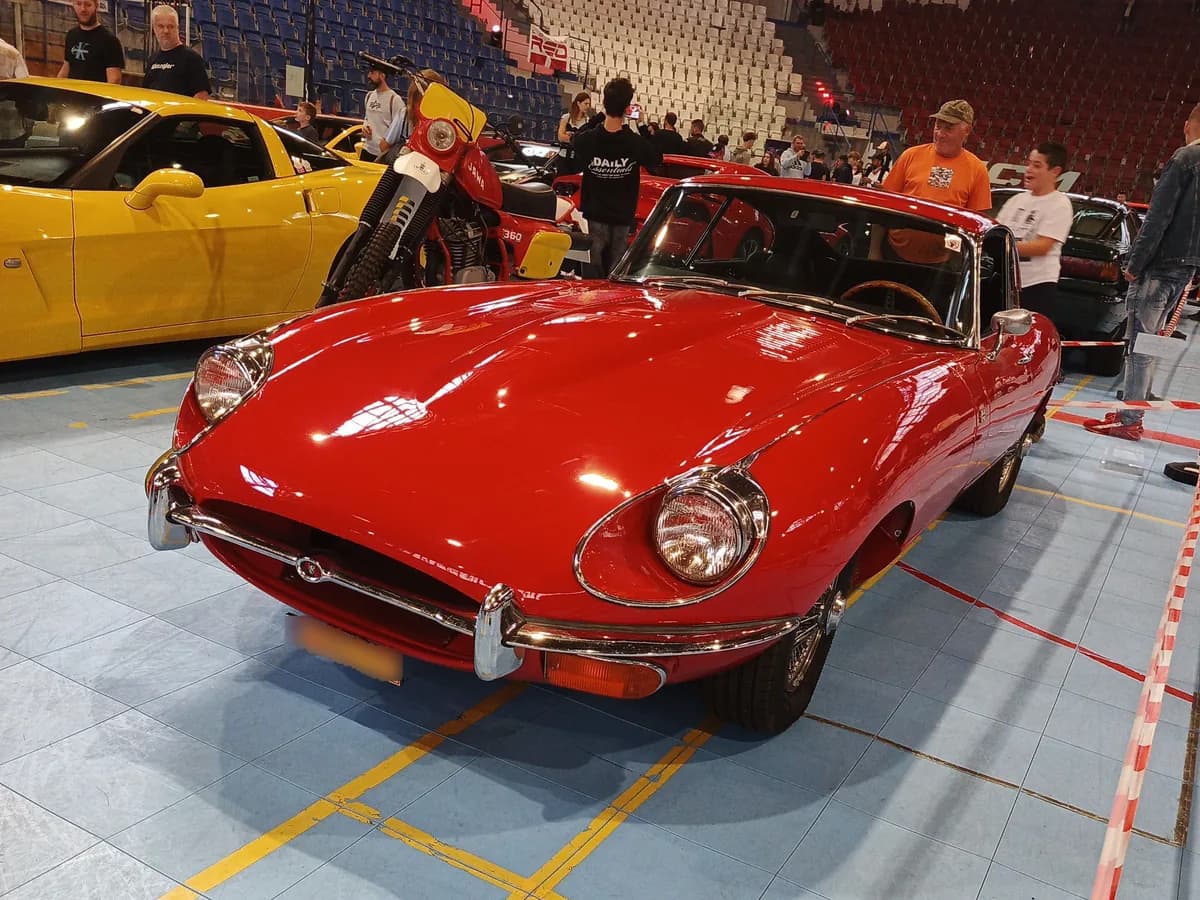
1968
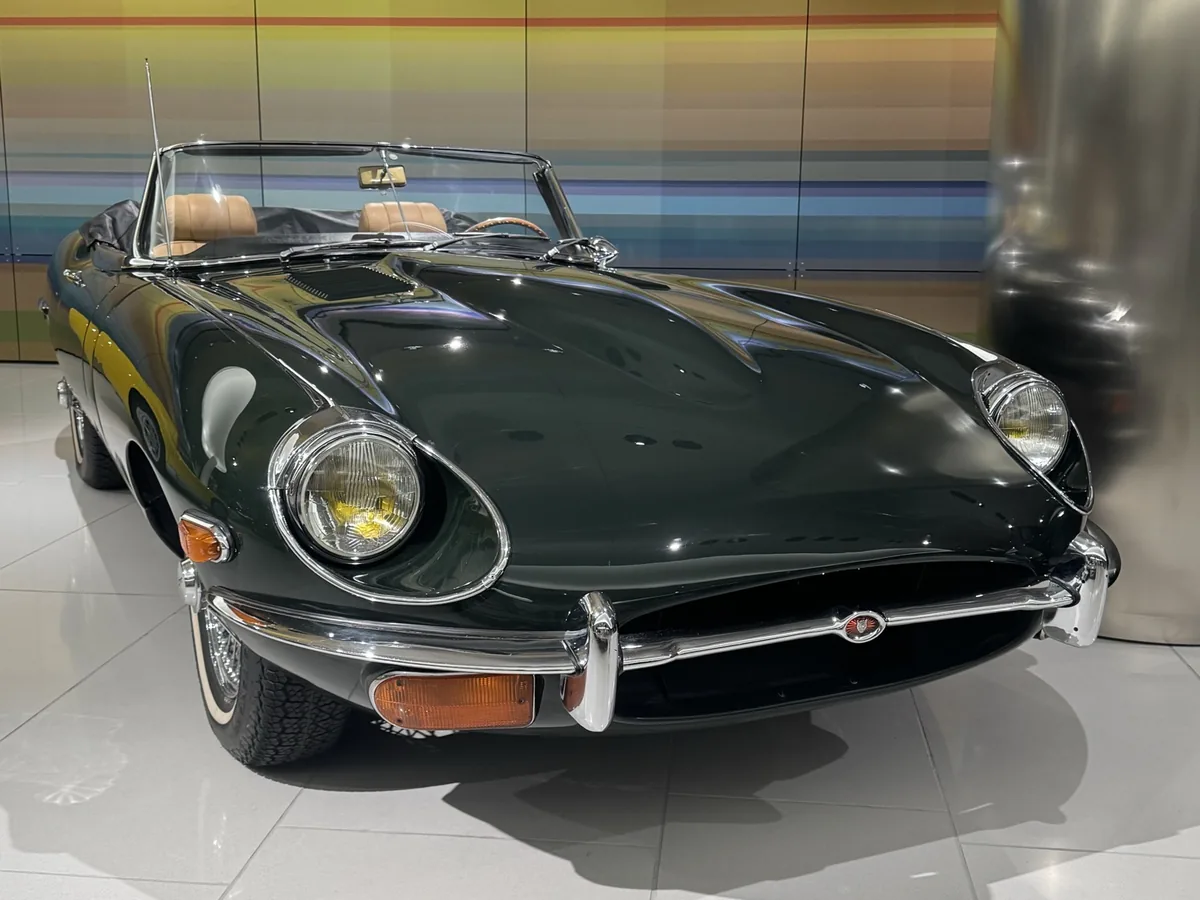
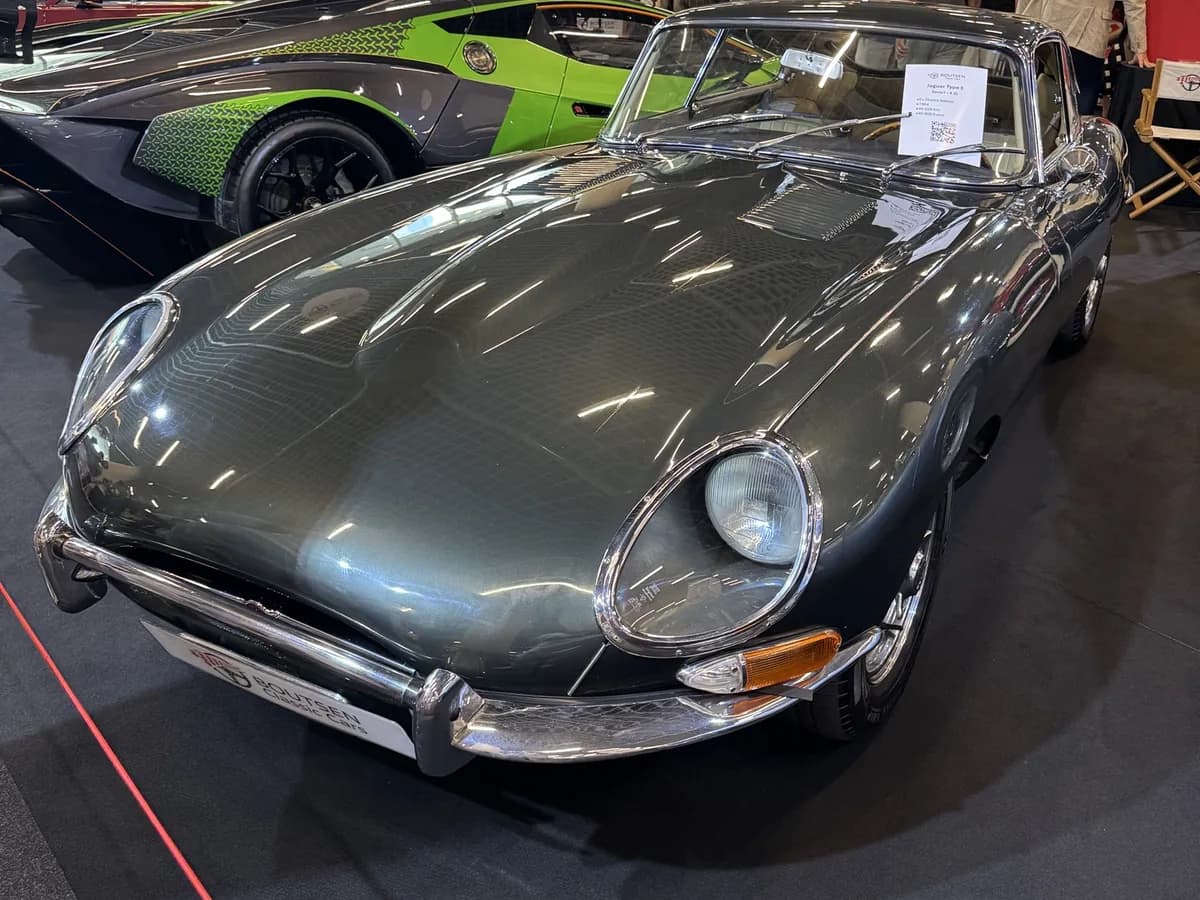
1961
Jaguar E-Type photos
Model summary
Data from the ScanRacer library, organized to compare versions quickly.
Model introduction
The Jaguar E-Type, introduced in 1961, is a British automotive icon, renowned for its sleek design and exceptional performance. Available as a coupé and convertible, it featured a 3.8-liter inline-six engine, achieving a top speed of 150 mph and accelerating from 0 to 60 mph in 7.1 seconds. (en.wikipedia.org) Its distinctive silhouette and technical innovations have made it a cherished model among collectors and enthusiasts.
History
The Jaguar E-Type was first unveiled at the Geneva Motor Show in 1961, immediately captivating the public with its revolutionary design and top-tier performance. Derived from the Jaguar D-Type, which triumphed at the 24 Hours of Le Mans, the E-Type introduced innovations such as monocoque construction and four-wheel independent suspension. In 1964, a lightweight aluminum version was developed for racing, but only 12 units were produced. In 2014, Jaguar announced the production of six new Lightweight E-Types, completing the original series. (media.jaguar.com) In 2021, to celebrate the 60th anniversary of the E-Type, Jaguar unveiled the E-Type 60 Collection, a limited edition of six pairs of restored cars, paying homage to the iconic models of the era. (jaguar.com) These initiatives underscore the E-Type's enduring significance in Jaguar's history and the automotive world at large.
Generations
The Jaguar E-Type evolved through three distinct series between 1961 and 1974. The Series 1 (1961-1967) featured glass-covered headlights and a narrow front grille. In 1964, the inline-six engine increased from 3.8 to 4.2 liters, enhancing torque and reliability. The Series 2 (1968-1971) introduced larger rear lights, repositioned indicators, and a wider front grille, while retaining the 4.2-liter engine. The Series 3 (1971-1974) marked the introduction of the 5.3-liter V12 engine, offering increased power and a more refined driving experience. This evolution also saw the discontinuation of the short-wheelbase coupé, with the Series 3 available only as a convertible and 2+2 coupé. (en.wikipedia.org)
Key differences
The main differences between the Jaguar E-Type series lie in the engines, aesthetic features, and equipment. The Series 1 is identifiable by its glass-covered headlights and narrow front grille. The Series 2 widened the front grille and enlarged the rear lights, while enhancing interior comfort with revised seats and an improved heating and ventilation system. The Series 3 introduced the 5.3-liter V12 engine, offering increased power, and altered the aesthetics with flared wheel arches and wider tires. These evolutions also affected performance, with improved acceleration and a more refined driving experience. (en.wikipedia.org)
Photo recognition
To identify a Jaguar E-Type, look for a long, low silhouette with flowing curves. Glass-covered headlights and a narrow front grille characterize the Series 1. The Series 2 features a wider front grille and larger rear lights. The Series 3 is identifiable by its flared wheel arches and wider tires. V12 models from the Series 3 display a 'V12' badge at the rear. These distinctive features help in recognizing the different E-Type series. (en.wikipedia.org)
Important versions
Among the notable versions of the Jaguar E-Type, the 1963 Lightweight model is particularly prized. Originally, 18 aluminum units were planned, but only 12 were produced. In 2014, Jaguar announced the production of six new Lightweight E-Types, completing the original series. (media.jaguar.com) These models are sought after for their rarity and connection to the brand's history.
References
- Lightweight E-TYPE Restored - This Missing SixJaguar USA
- E-type 60 CollectionJaguar USA
- The Lightweight E-TYPE Is RebornJaguar Media Newsroom
- Jaguar Celebrates 50 Years of Iconic E-typeJaguar Media Newsroom
- https://archive.jaguar.com/en-us/vehicle/e-typearchive.jaguar.com
- https://store.jaguar.com/news/the-lightweight-e-type-is-reborn.htmlstore.jaguar.com
- https://store.jaguar.com/news/announcing-the-e-type-60-collection.htmlstore.jaguar.com
Frequently asked questions
- What years was the Jaguar E-Type produced?
- ScanRacer's referenced versions cover 1961 - 1968.
- How many Jaguar E-Type examples are documented on ScanRacer?
- 10 published scans from 9 members, with the latest photo added in October 2026.
What about the car you photographed?
Upload a photo to get a suggested make, model and likely year.
No account needed for the result · Publish only if you choose