
Honda
Honda Motor Co., Ltd. was established in Japan in September 1948 and entered automobile production in 1963, after first building its reputation in motorcycles. Since then, the company has combined cars, two-wheelers, and powered products, with a particularly strong presence in compact vehicles, scooters, and practical everyday transportation. The Civic, introduced in 1972, helped establish Honda internationally through its compact dimensions and efficiency-focused engineering. The Accord followed in 1976 and became an important part of Honda’s global expansion. The Honda library on ScanRacer covers 110 models, 363 variants, and model years from 1963 to 2026. Its selection includes major nameplates such as Civic, Forza, Accord, Fit, Integra, Jazz, Life, and Freed, reflecting Honda’s broad range of cars and motorcycles.
Models from A to Z
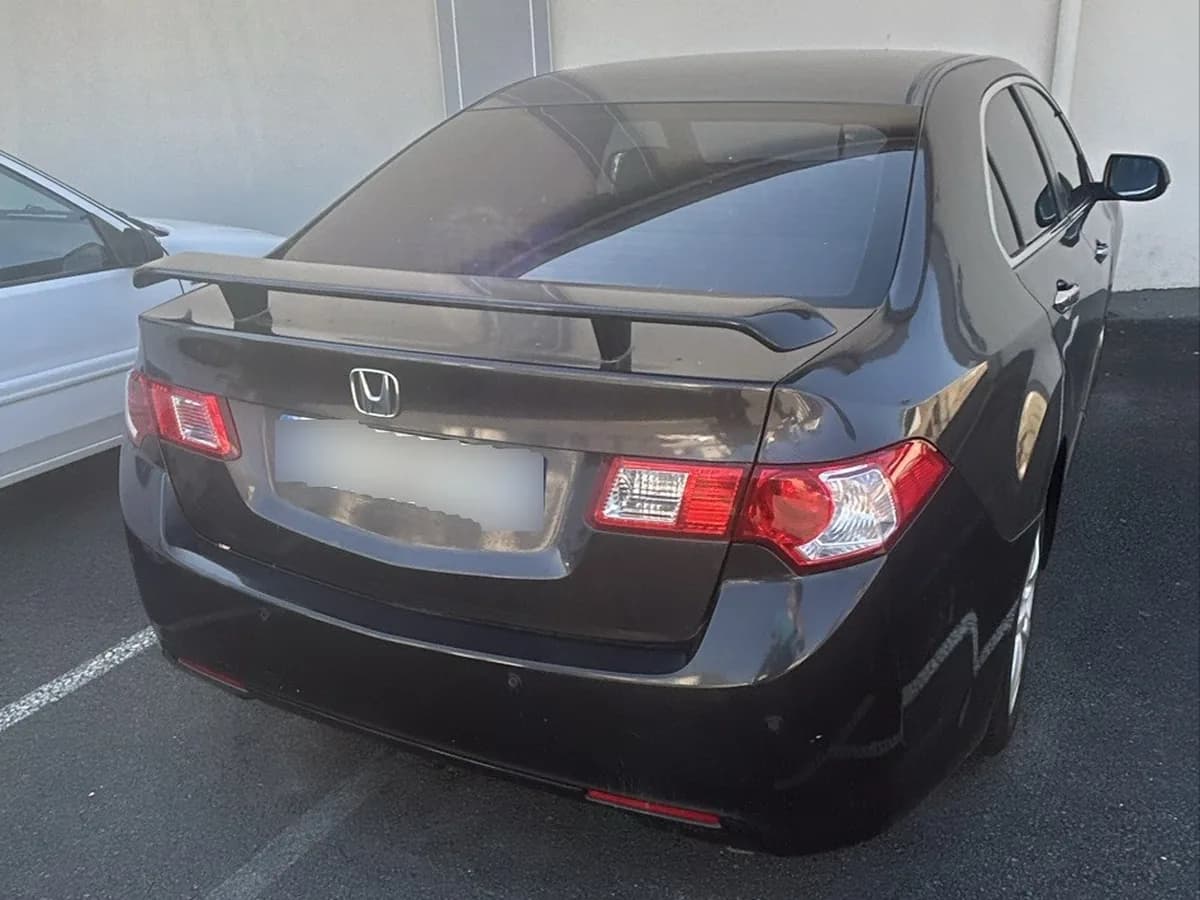
Accord
Accord Crosstour
Acty
ADV
Airwave
Amaze
Ascot
Ascot Innova
Avancier
Ballade
Beat
BR-V
Breeze
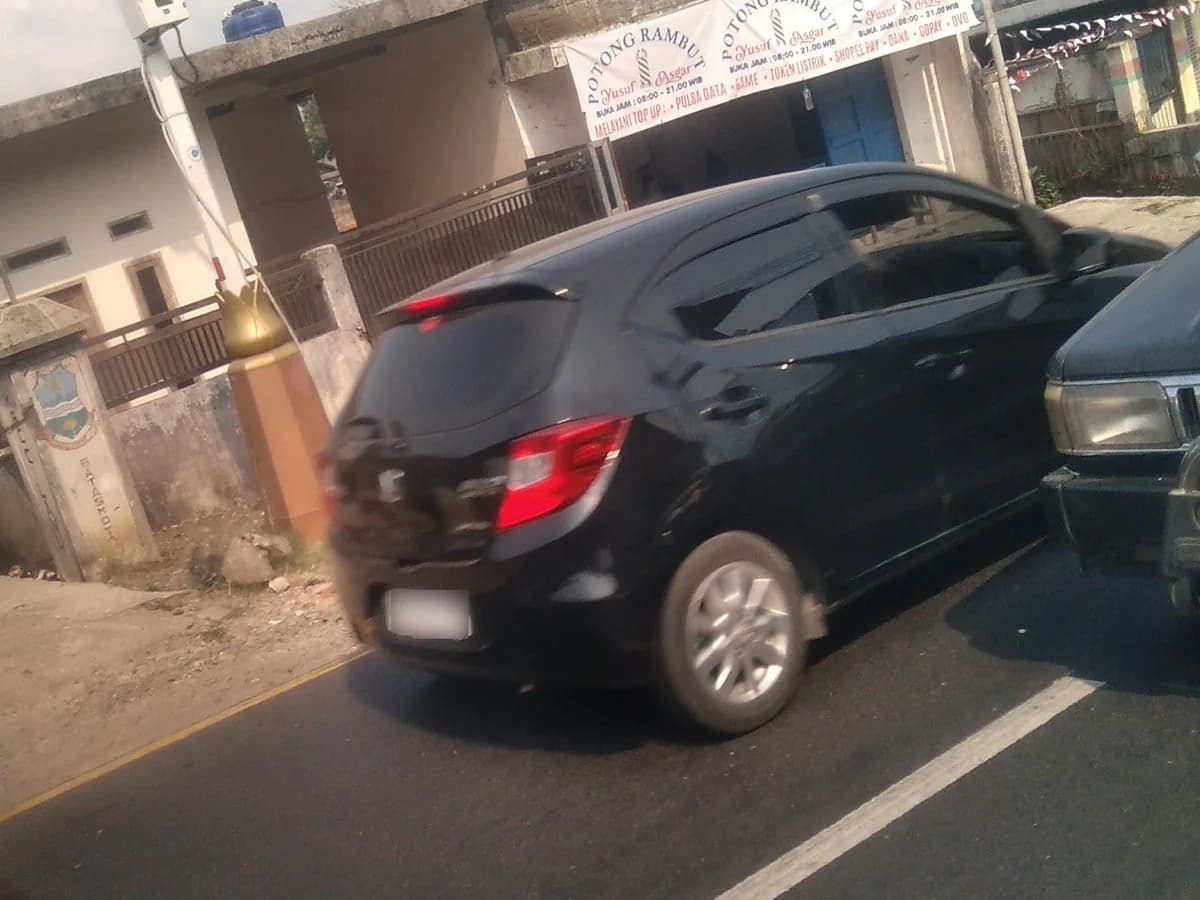
Brio
Capa
CB Series
City
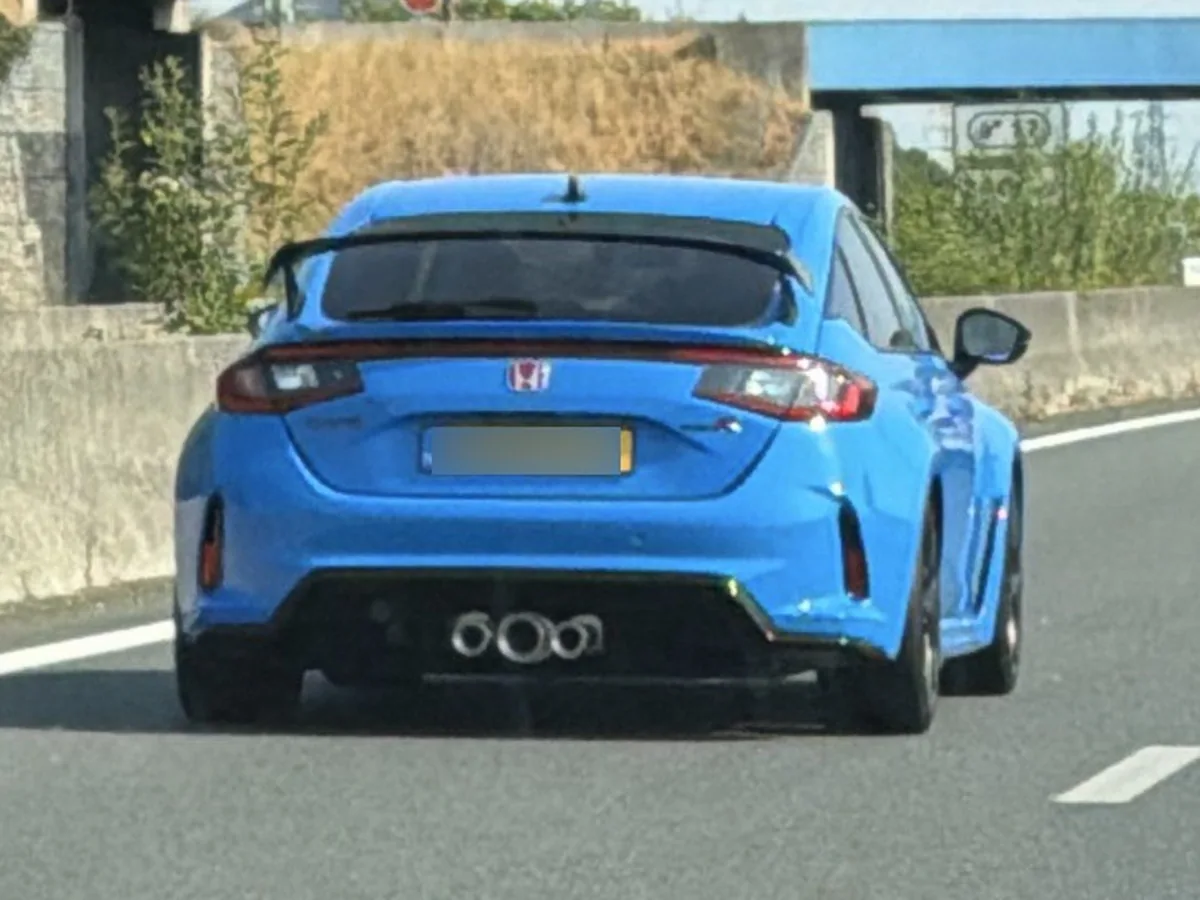
Civic
Clarity
Concerto

CR-V
CR-Z
Crider
Crossroad
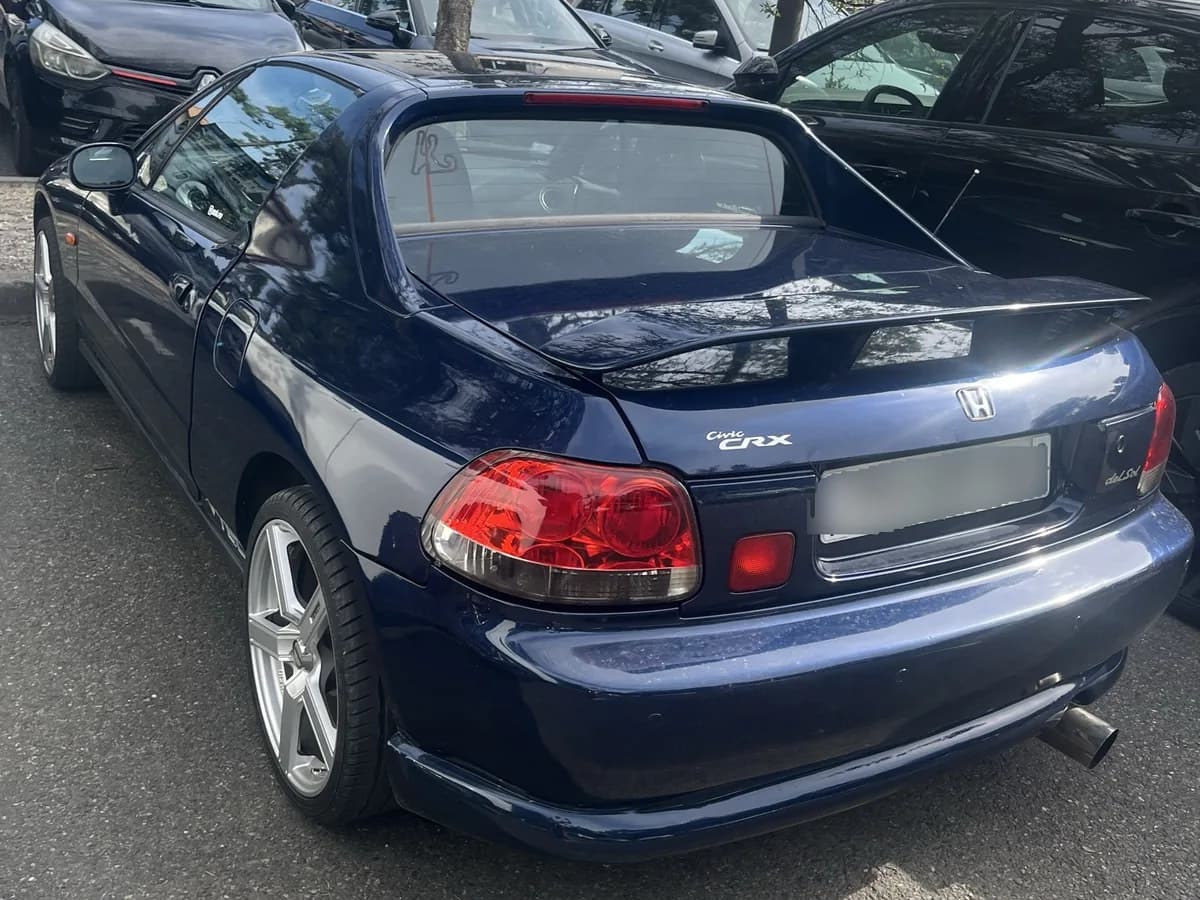
CRX
CTX Series
Domani
e
e NP1
e NP2
e NS1
e NS2
e Ny1
Edix
Element
Elysion
Envix
FCX Clarity
Fit
Forza
FR-V
Freed
FT
Gienia
Grace
Greiz
Horizon

HR-V
Insight
Inspire
Integra
Integra SJ
Jade
Jazz
L700
Lagreat
Legend
Life
Logo
M-NV
MDX
Mobilio
MR-V
N BOX
N-ONE
N-Series
N-Van
N-WGN
NSX
Odyssey
Orthia
Partner
Passport

Pilot
Pioneer
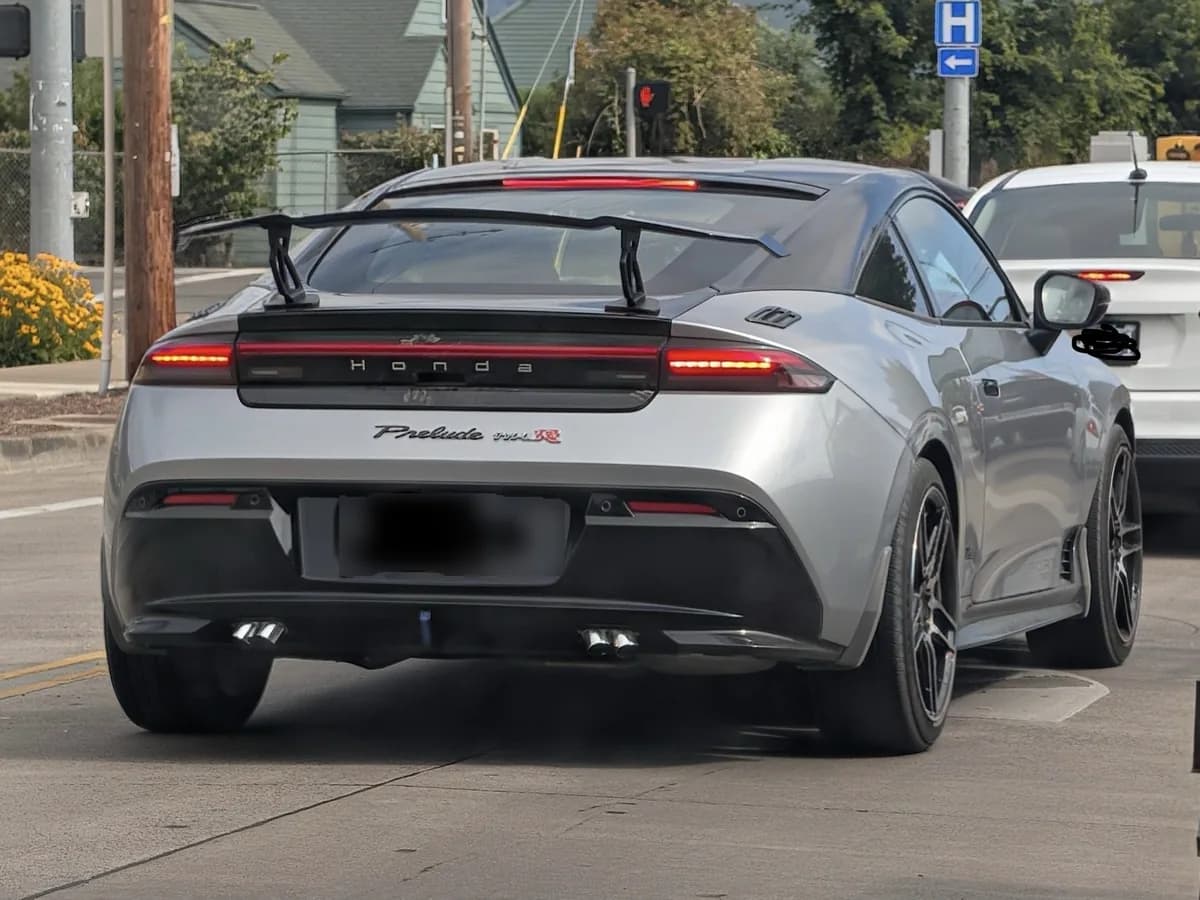
Prelude
Prologue
Quint
Quintet
Rafaga
Ridgeline
S-MX
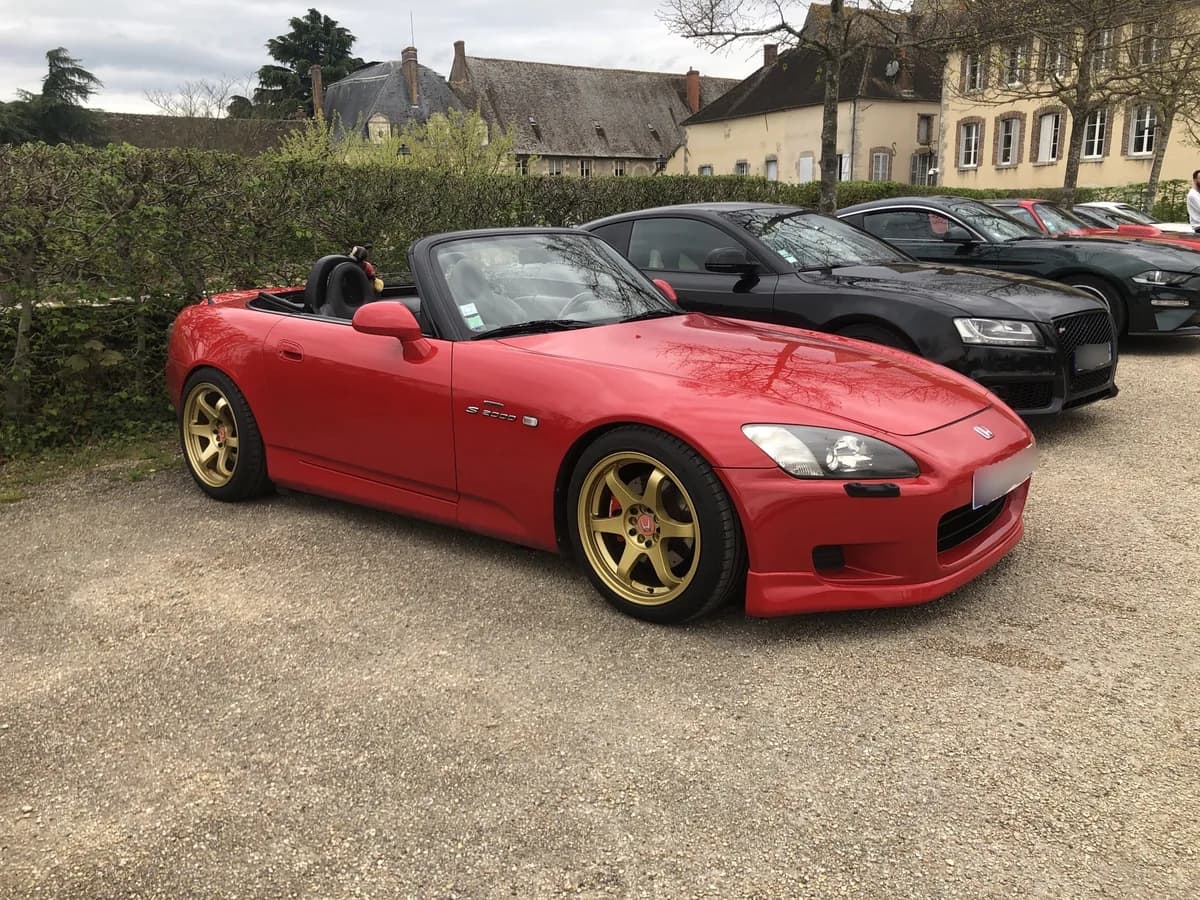
S2000
S500
S600
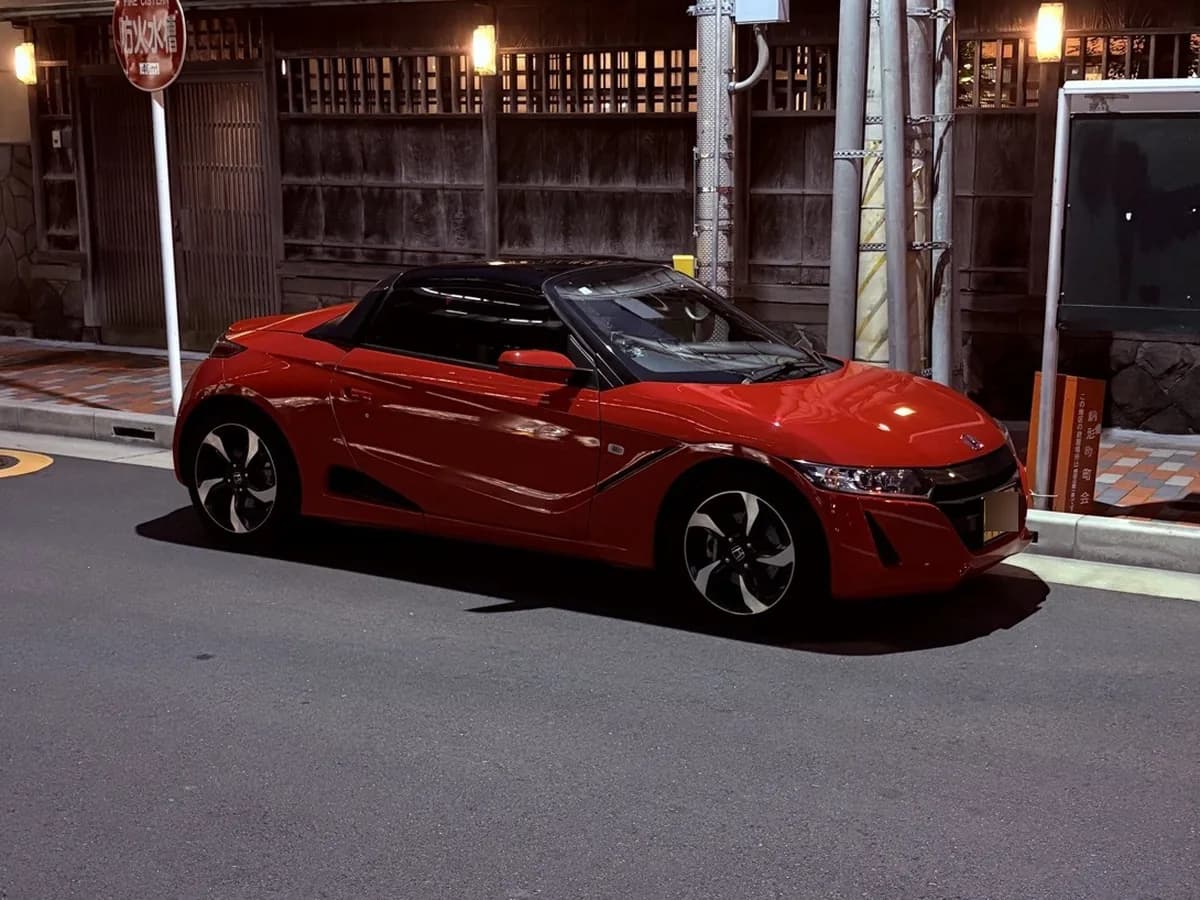
S660
S800
Saber
Shuttle
Spirior
Stepwgn
Stream
Street
That's
TN7
Today
Torneo
UR-V
Vamos
Vezel
Vigor
WR-V
X-NV
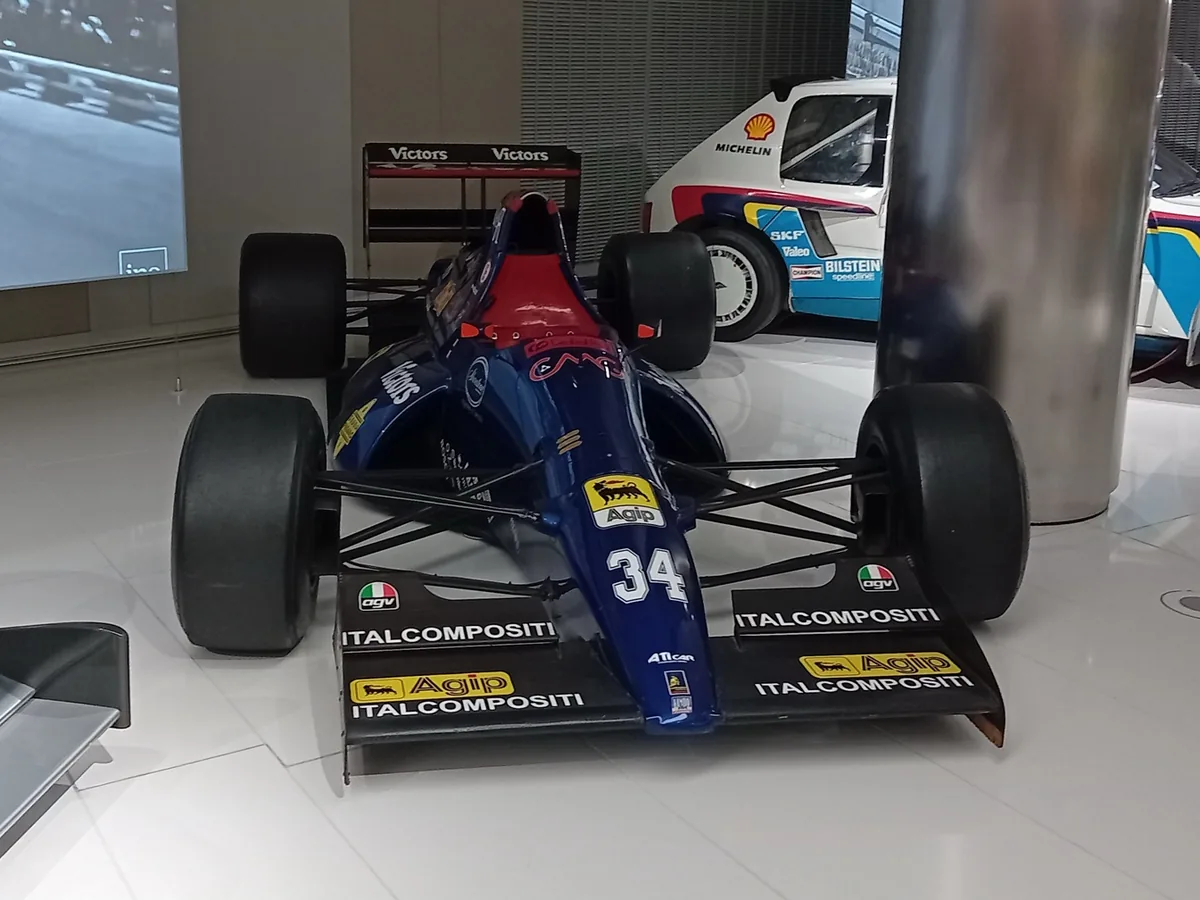
XR XL Series
XR-V
Yè P7
Yè S7
Z
Zest
ZR-V
Honda overview
Honda history
Honda Motor Co., Ltd. was established in September 1948 by Soichiro Honda and Takeo Fujisawa. Its first internally designed product, the Dream D-Type motorcycle, appeared in 1949. Honda then expanded rapidly with accessible motorcycles, including the Super Cub C100 launched in 1958. Designed to be easy to operate, the Super Cub family supported Honda’s international growth and helped establish motorcycles as the company’s original business and one of its industrial foundations. American Honda Motor Co. was founded in 1959. In the United States, Honda became the leading motorcycle brand by sales volume in 1963, only four years after entering the market. The company also entered automobile production in Japan in 1963 with the T360 and S500. The Civic, introduced in 1972, soon became a global model. Its CVCC engine enabled certain versions to meet the United States’ 1975 emissions requirements without a catalytic converter. The Accord followed in 1976, strengthening Honda’s position in North America. Honda began automobile production in the United States in 1982, with the Accord built in Ohio. Over time, the company expanded into hatchbacks, sedans, minivans, SUVs, scooters, and performance motorcycles while maintaining a strong engineering and racing culture.
Honda positioning
Honda has historically positioned itself between practical mobility and mechanical innovation. The company is not limited to automobiles: its activities also include motorcycles, scooters, power products, marine engines, and aviation. This breadth explains why its range brings together very different vehicles, from the small Life and Fit to the Civic and Accord sedans, as well as Forza scooters and ADV-style motorcycles. In automobiles, Honda has often emphasized compact dimensions, efficient use of interior space, and technically developed powertrains. The Civic represents this high-volume approach, while the Integra and selected Type R versions express a more performance-oriented direction. The Forza shows another side of the brand: a large scooter designed around weather protection, storage, comfort, and ease of use. Honda should not, however, be reduced to a single market identity. Depending on the country and period, the company has produced urban cars, family vehicles, sporty models, people carriers, utility vehicles, and recreational motorcycles.
Recognizing a Honda in a photo
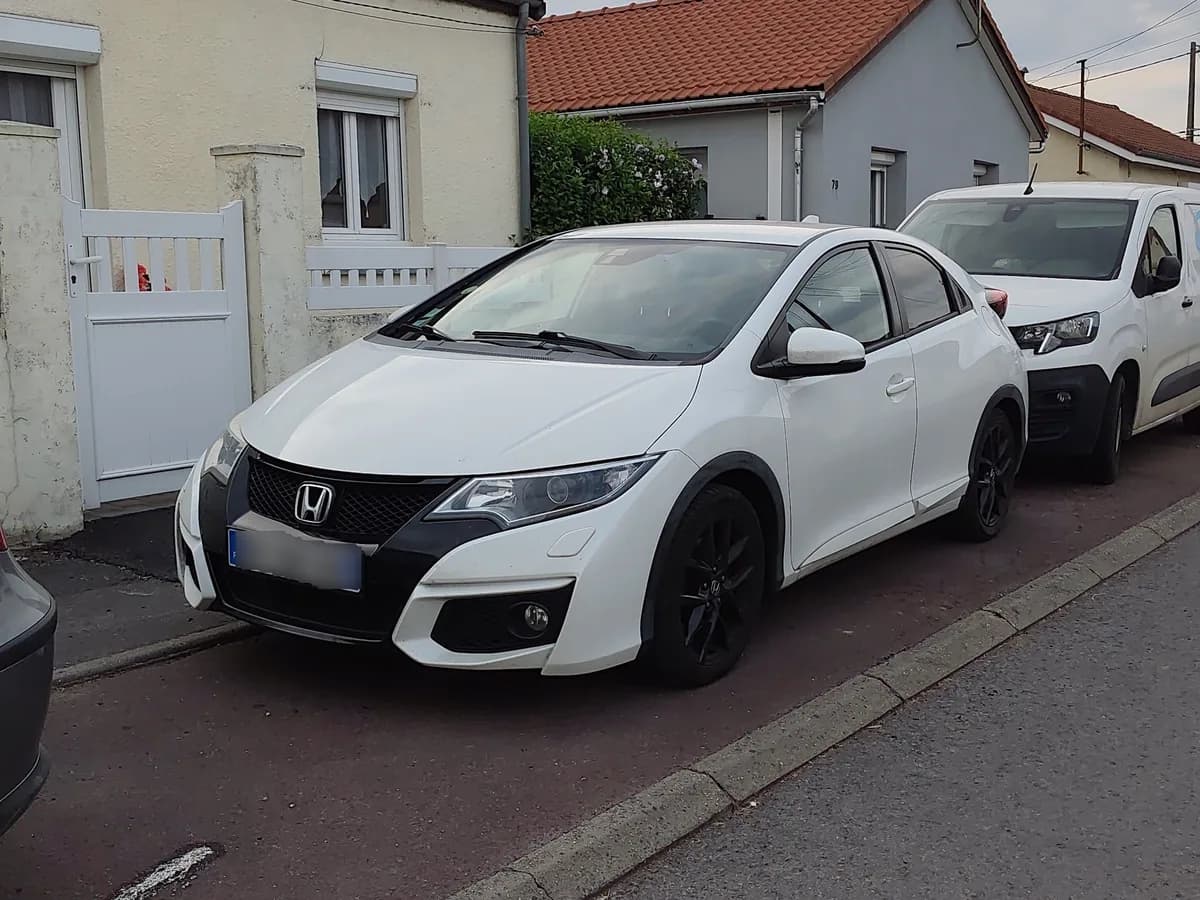
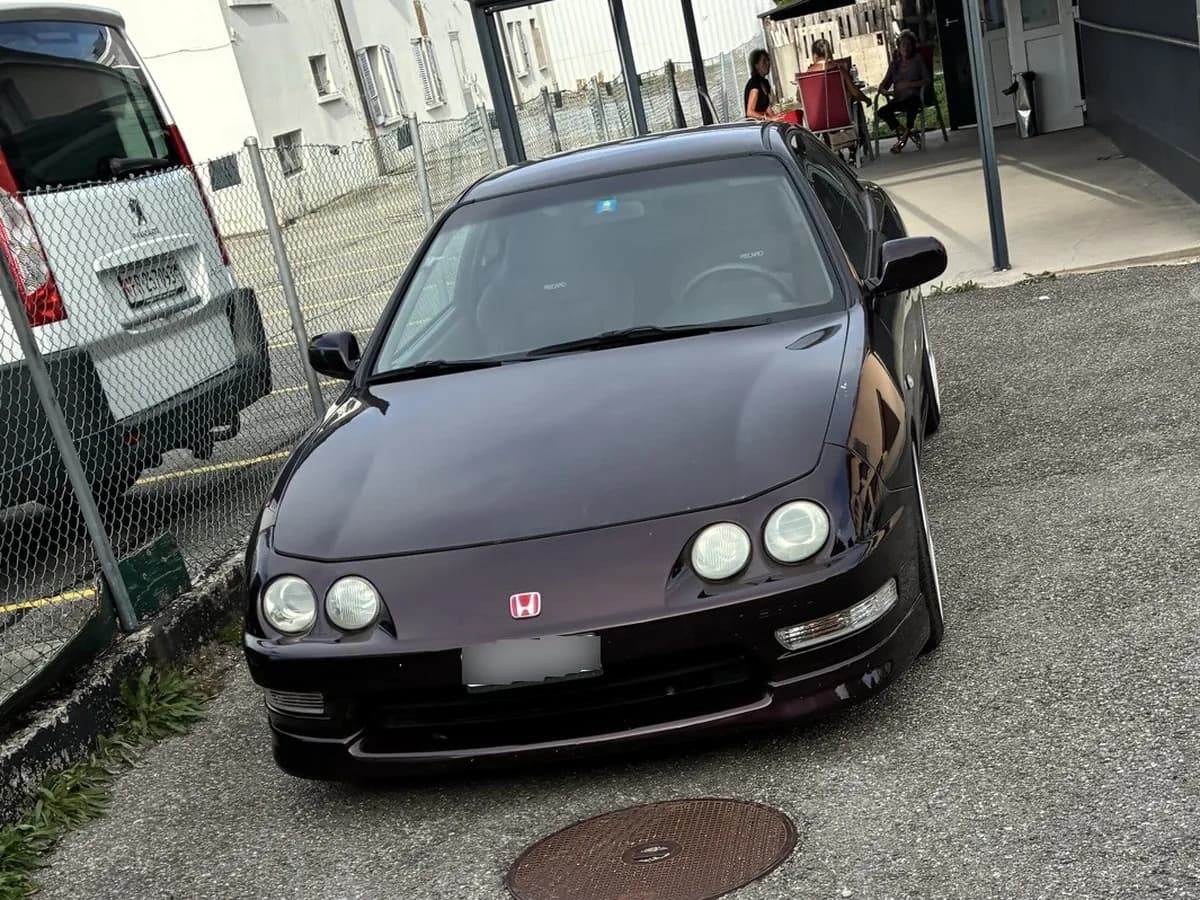
To identify a Honda, first record the vehicle type, badges, and body shape, then compare them with the likely model year. Civic and Accord designs changed substantially between generations: the Civic appeared as a sedan, hatchback, and coupe in different periods and markets, while the Accord used three-door hatchback, sedan, coupe, and wagon bodies over time. Generation, engine, and chassis codes found on identification plates, registration documents, or mechanical components are usually more dependable than a single exterior detail. Among scooters, the Forza can generally be distinguished by its full bodywork, relaxed riding position, under-seat storage, and smaller-diameter wheels compared with conventional motorcycles. The name Integra requires particular care because it refers both to a sporty Honda automobile and to a later two-wheeled model. Badges such as Type R, VTEC, or ABS may provide useful clues, but they do not always identify a precise generation. Market differences, facelifted versions, and optional equipment should be considered before assigning an exact variant.
Important Honda models
Civic is the most represented Honda model in the ScanRacer context, with 13 variants covering the listed generations from 1972 to 2021. It is a key reference for understanding the development of Honda compact cars and their changing body styles. The Forza, introduced in 2000 as a sporty large scooter, accounts for 7 listed variants through 2023. The Accord, launched in 1976, represents Honda’s internationally important family car, with 6 recorded variants through 2023. City and Fit demonstrate the importance of urban and compact vehicles, while Integra adds a stronger performance dimension. Jazz, Life, and Freed show how Honda adapted to small-car, kei-car, and compact people-carrier requirements in different markets. Among two-wheelers, ADV reflects a versatile, adventure-oriented direction. Ballade and Brio complete the selection with models associated with particular regional markets. These names should not be compared on branding alone: a single model family may change body style, engine range, equipment, and market positioning from one country to another.
References
- Company OverviewHonda Global
- Honda Motor Company: Our HistoryHonda
- Honda Heritage: A Heritage of InnovationAmerican Honda
- The Birth and Global Development of the Super CubHonda Global
- Announcing the Civic / 1972Honda Global
- Introducing the Accord / 1976Honda Global
- Honda 75 Years of History: Scooters Expand PossibilitiesHonda Global
- Full Model Change for the Honda Forza 250cc ScooterHonda Global