
Civic
Introduced in 1972, the Honda Civic became one of the most important global models in the Japanese manufacturer’s history. Honda developed it as a front-wheel-drive compact designed to provide useful cabin space without requiring a large exterior footprint. Its two-box layout and accessible positioning helped it expand into international markets, while CVCC engine technology strengthened its early reputation for efficiency and reduced emissions. Across successive generations, the Civic changed substantially in size, body style and character, appearing as a practical city hatchback, family sedan, coupe, wagon or performance-oriented compact. ScanRacer’s Civic coverage spans model years from 1972 to 2021 and includes Hatch, Sedan, Coupé, Tourer and Wagon entries, together with related configurations such as the CRX del Sol Roadster.
Variants by year
2021
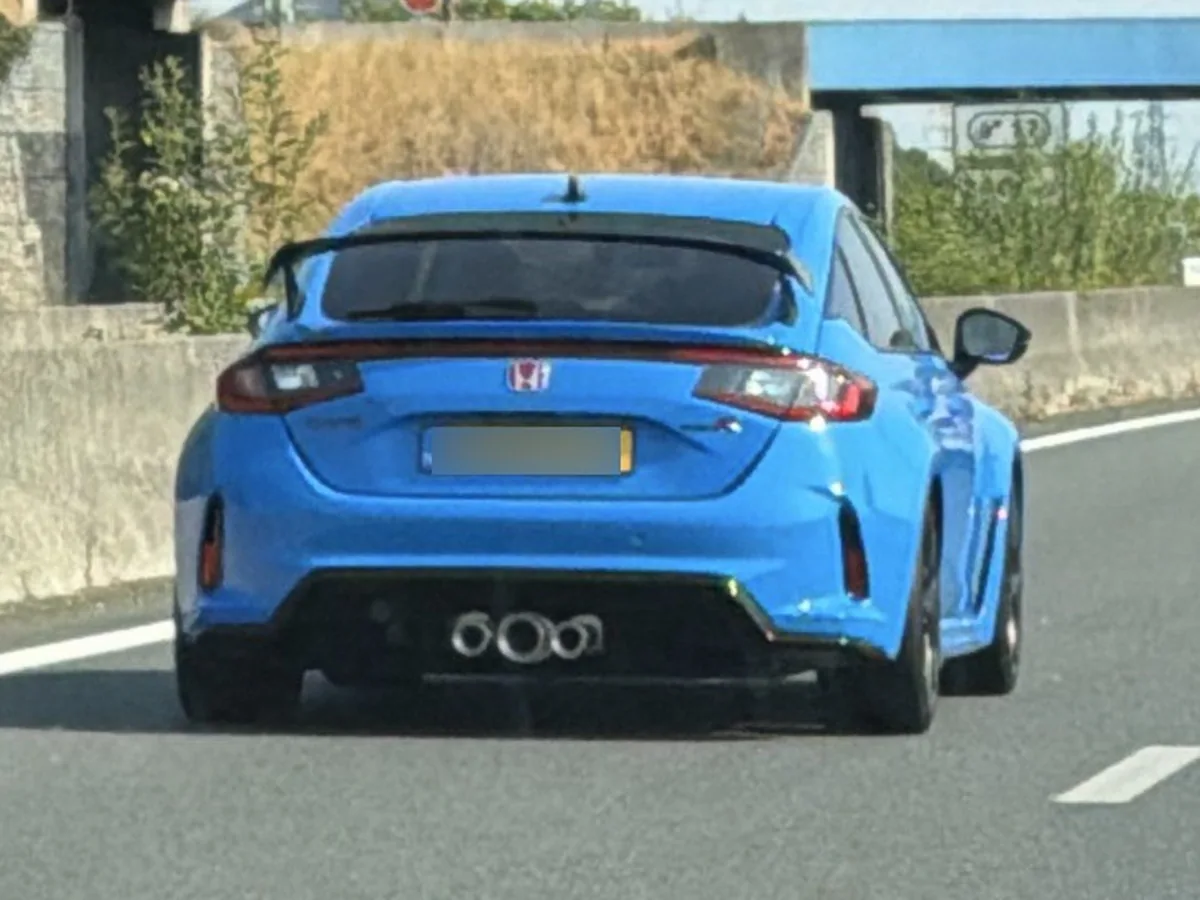 C
C2017
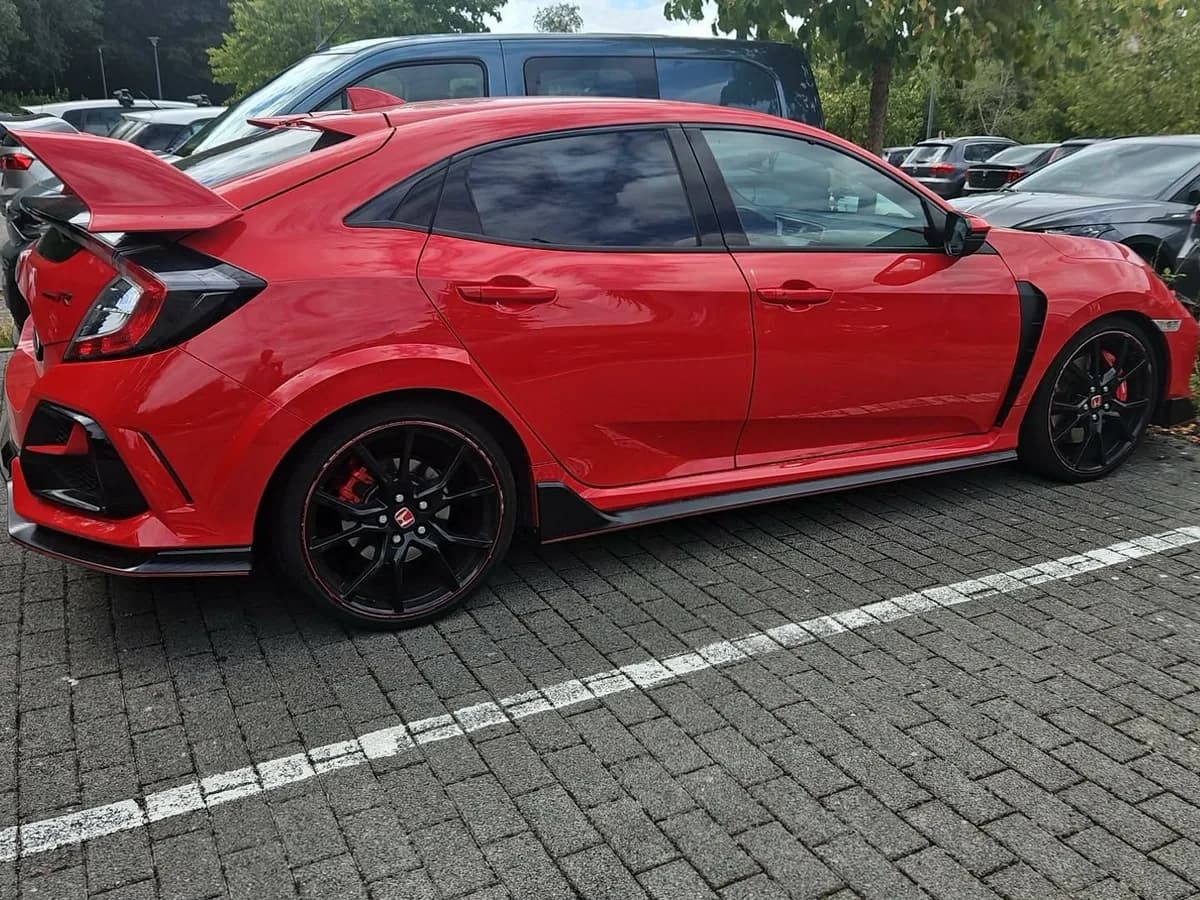
2016
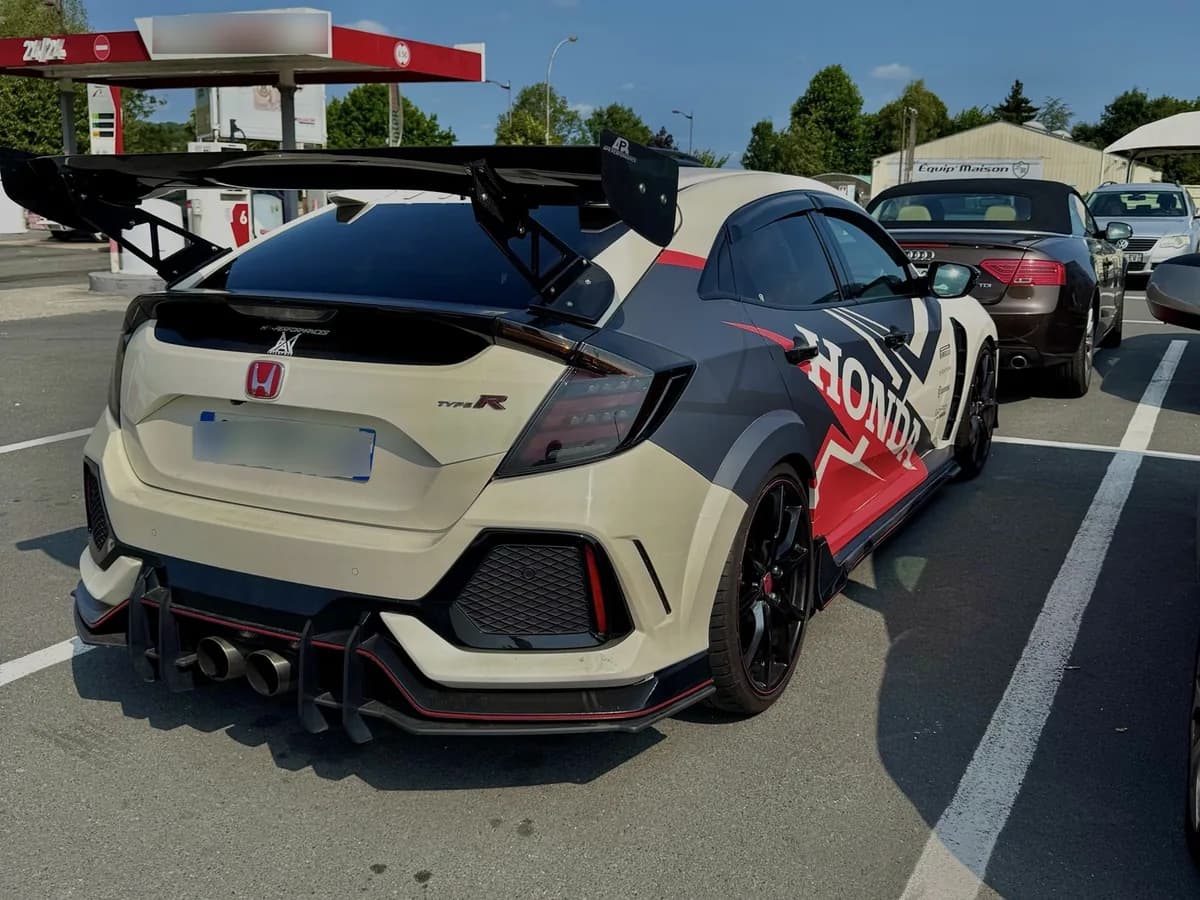
2015
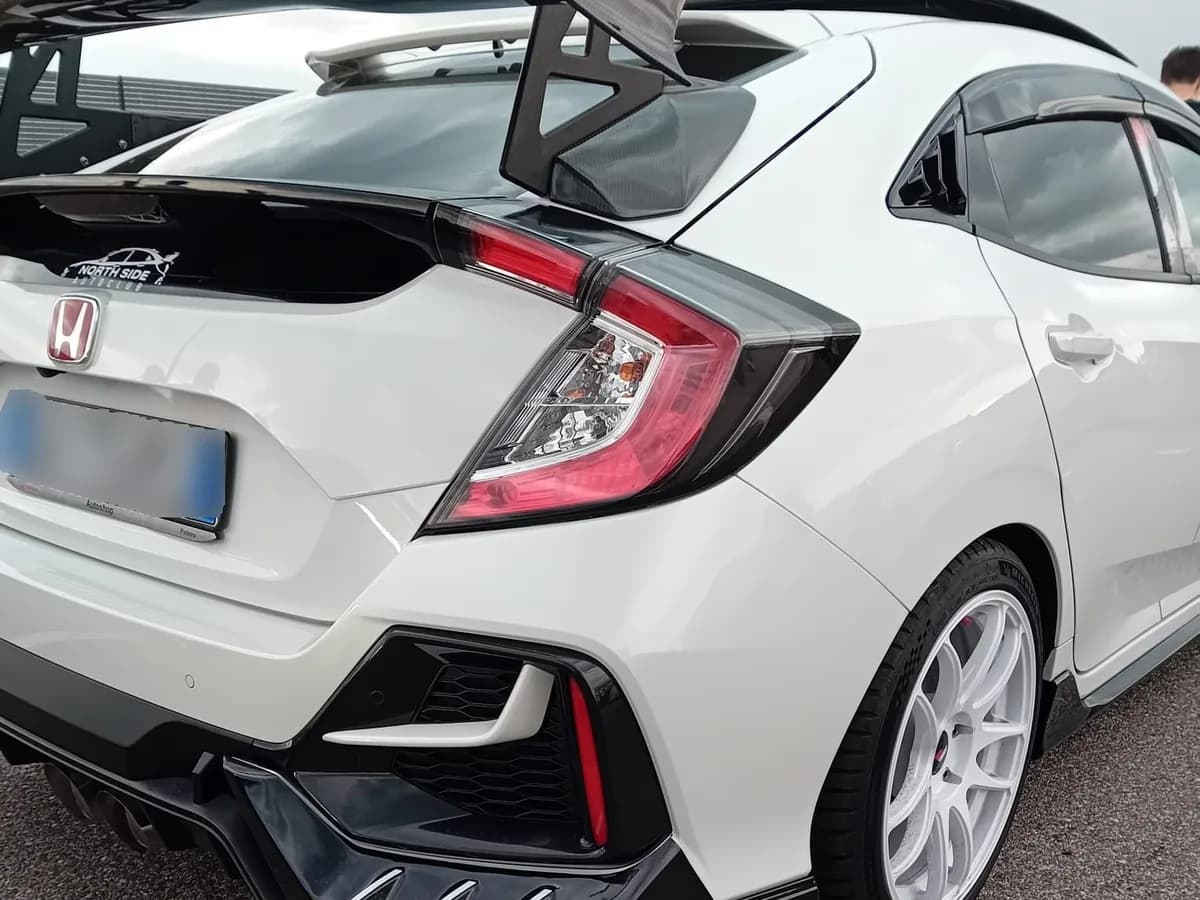
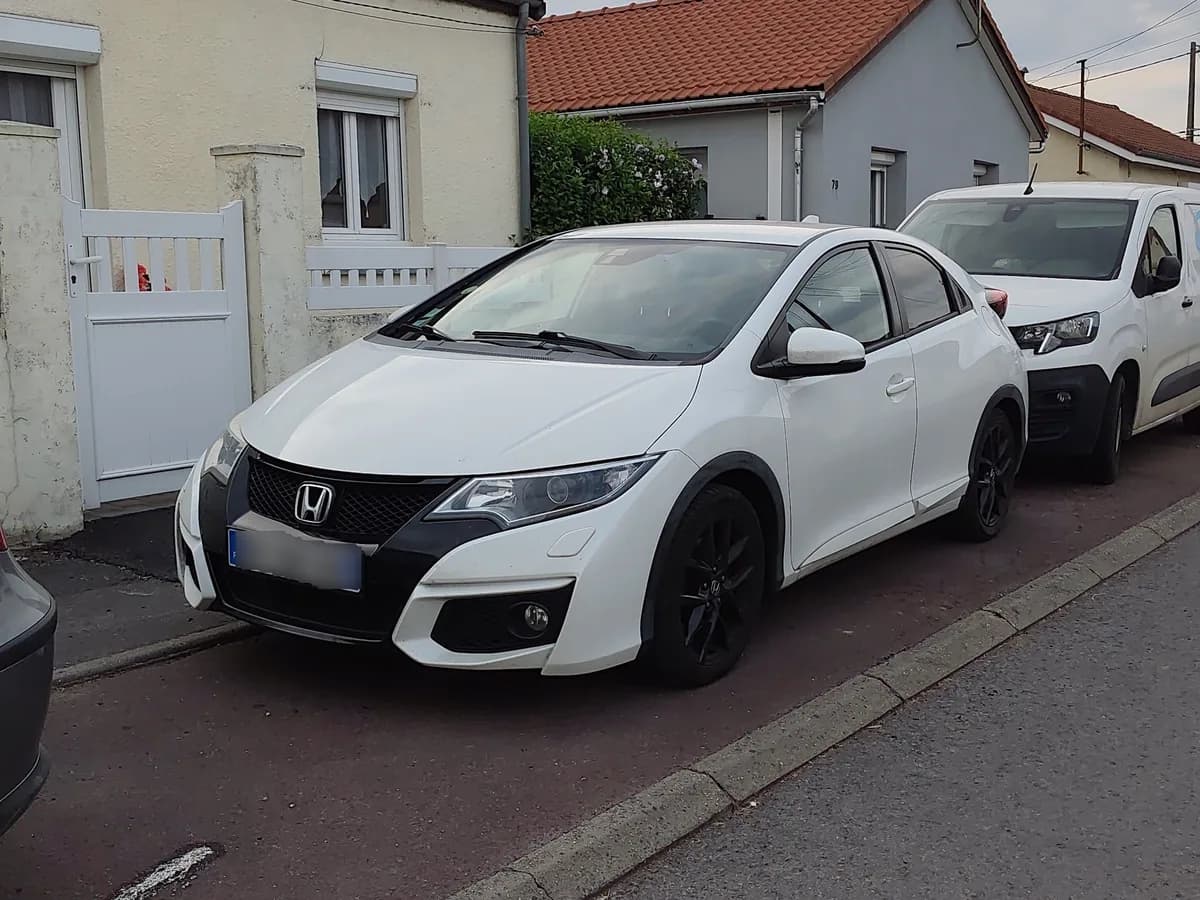
2013
2012
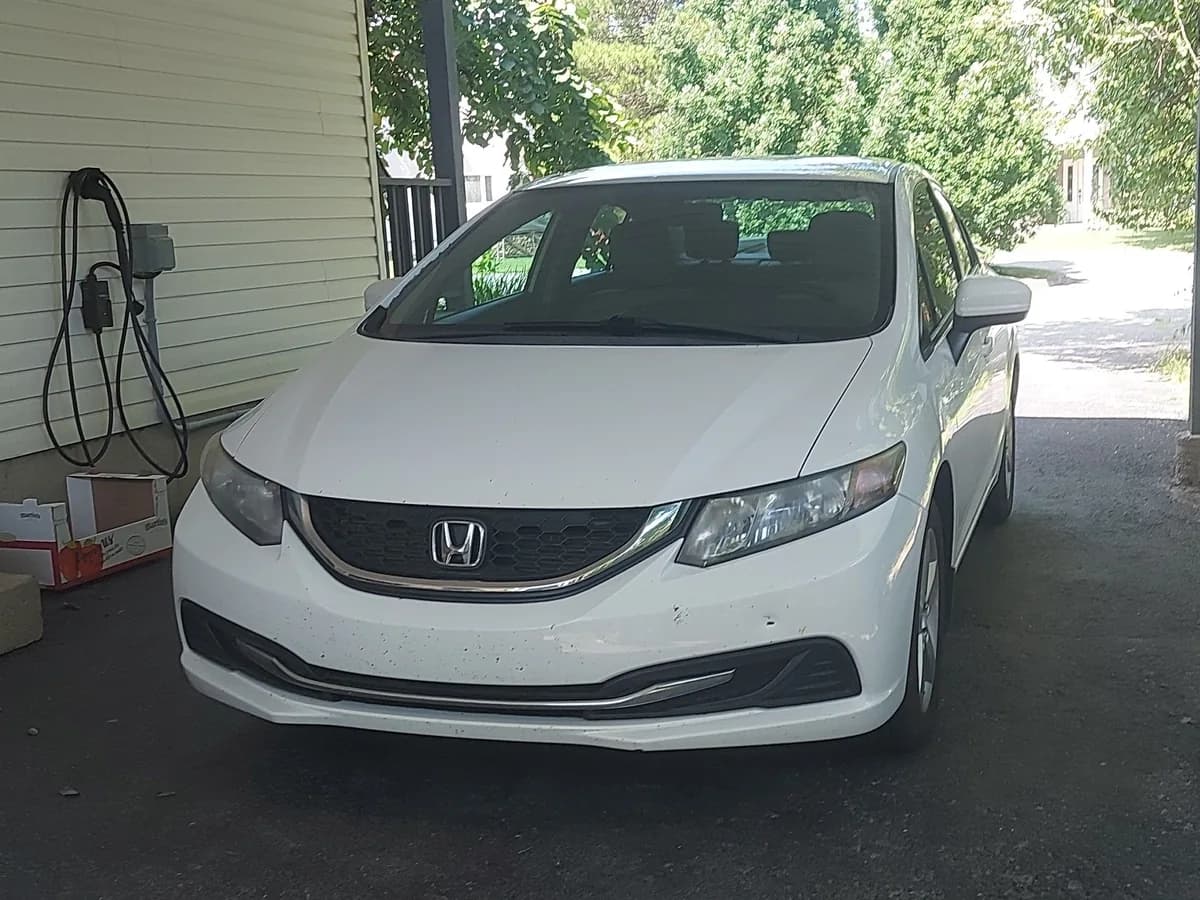
2011
2006
2005
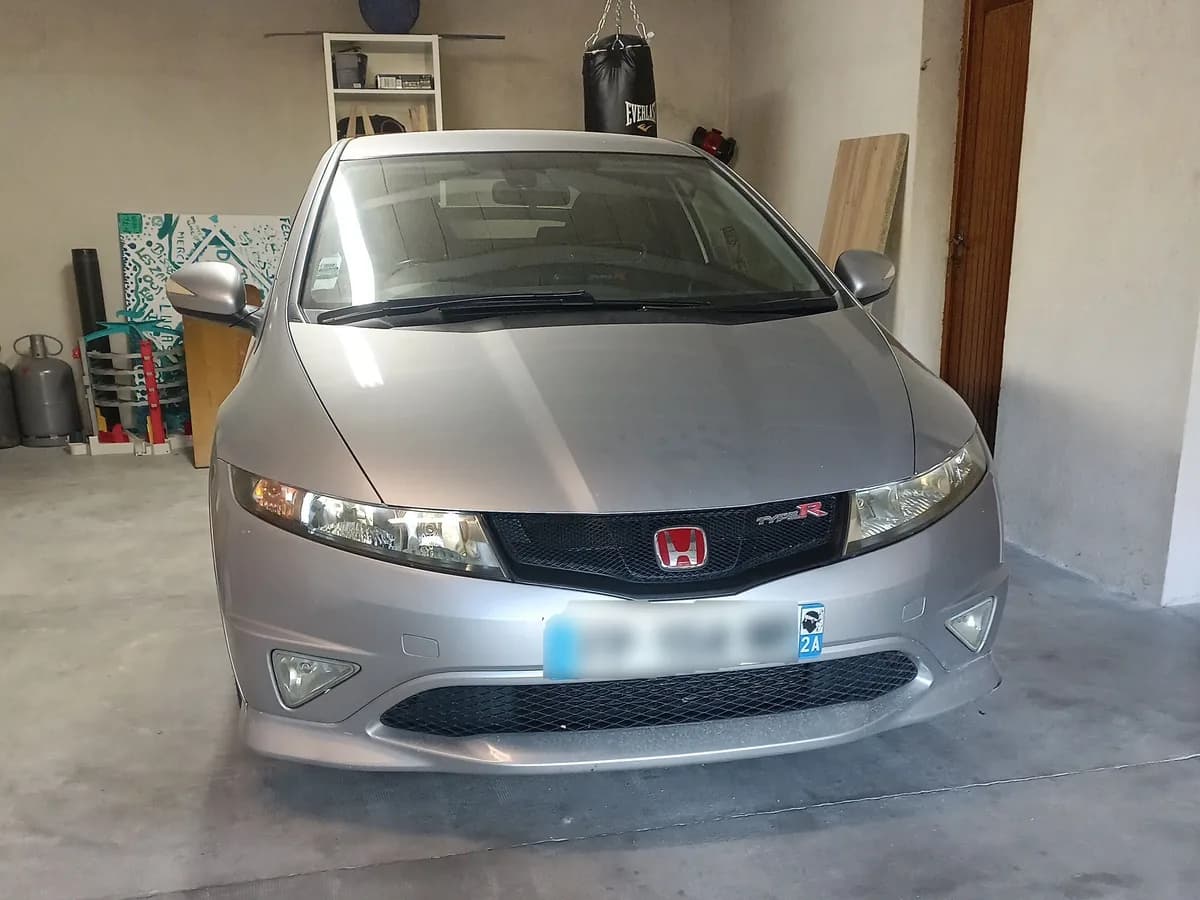

2001
2000
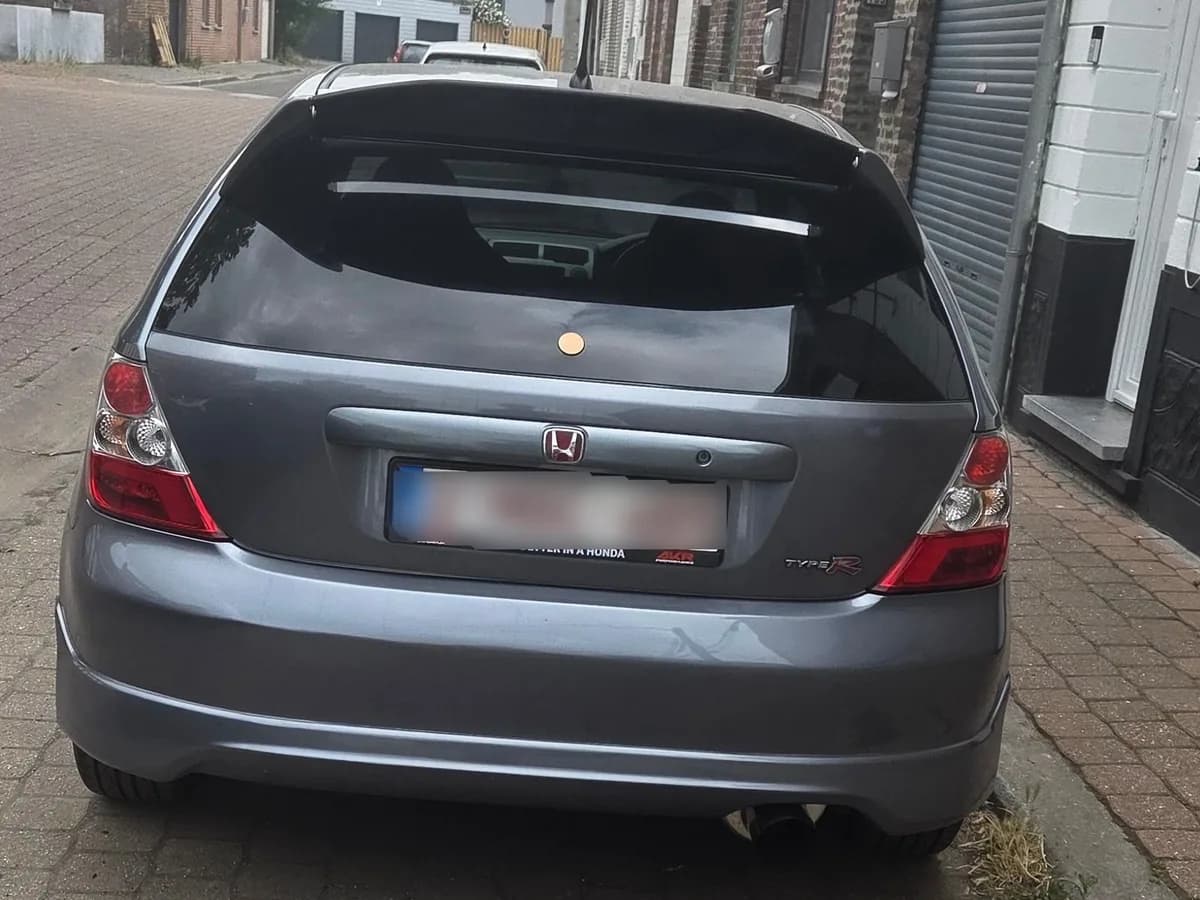 C
C1998
1995
1993
1992

1991
 C
C1987
1983

1980
1979
1974
1972
Model summary
Data from the ScanRacer library, organized to compare versions quickly.
Model introduction
Introduced in 1972, the Honda Civic became one of the most important global models in the Japanese manufacturer’s history. Honda developed it as a front-wheel-drive compact designed to provide useful cabin space without requiring a large exterior footprint. Its two-box layout and accessible positioning helped it expand into international markets, while CVCC engine technology strengthened its early reputation for efficiency and reduced emissions. Across successive generations, the Civic changed substantially in size, body style and character, appearing as a practical city hatchback, family sedan, coupe, wagon or performance-oriented compact. ScanRacer’s Civic coverage spans model years from 1972 to 2021 and includes Hatch, Sedan, Coupé, Tourer and Wagon entries, together with related configurations such as the CRX del Sol Roadster.
History
Development of the Civic began in Japan in the early 1970s, when buyers were seeking compact cars that used space efficiently and met increasingly demanding emissions expectations. Honda introduced the model in 1972 with a transverse-engine, front-wheel-drive layout. Its compact two-box body made it possible to provide a practical cabin without making the car unnecessarily long. Early production included two-door and three-door forms, followed by additional body styles tailored to different markets. CVCC technology became one of the Civic’s defining early engineering developments. Introduced during the model’s first generation, it was designed to reduce exhaust emissions while maintaining usable performance and fuel economy. The Civic’s international success helped establish Honda as a major automobile manufacturer. Honda states that the model has been sold in more than 170 countries and that cumulative worldwide sales exceeded 27 million units by 2022. Later generations expanded the range with sedans, five-door hatchbacks, wagons and coupes, although availability varied by country. From the 1980s onward, the Civic also developed a stronger enthusiast following through Si and SiR derivatives, followed by the first Civic Type R in 1997. The tenth generation brought a more pronounced global design direction, while the eleventh generation, introduced in 2021, returned to a cleaner, more mature presentation focused on everyday usability.
Generations
The Civic is commonly divided into eleven generations, although production dates and available body styles varied between markets. The first generation arrived in 1972 with front-wheel drive, compact dimensions and two-door or hatchback forms. The second generation, introduced at the end of the 1970s, grew in size and offered a broader range of configurations. The third generation followed in the early 1980s with sharper styling and the Shuttle concept, a taller wagon-like interpretation of the Civic. The fourth, fifth and sixth generations, built mainly from the late 1980s through the 1990s, established the Civic as a flexible international nameplate. Depending on the country, buyers could find hatchbacks, sedans, coupes and wagons. This period also strengthened the model’s enthusiast appeal through VTEC engines and sport-oriented derivatives. The seventh generation emphasized practicality and cabin space. The eighth introduced especially distinctive styling and an unusual dashboard layout, while the ninth represented a more evolutionary step. The tenth generation, launched during the mid-2010s, brought a more clearly coordinated global range and included the modern Civic Type R. Honda introduced the eleventh generation in 2021. Correct identification therefore requires more than a year alone: generation, market, body style and model-year specification all matter. A North American Civic Sedan and a European Civic Hatchback from a similar period may differ significantly in design and equipment.
Key differences
The clearest differences concern body style. Hatchback versions prioritize tailgate access and flexible cargo space, while Sedan models use a separate trunk and a more conventional three-box profile. Coupes, offered during selected generations, generally adopted a lower, more style-focused shape. Wagon, Shuttle, Aerodeck Wagon and Tourer versions followed a different brief, providing greater load-carrying practicality. Fastback and Sedan-Hatch entries represent market- or year-specific interpretations rather than a single consistent body format. Mechanical specifications also vary substantially by generation and region. Trim names, engines, transmissions, emissions equipment and safety features were not standardized worldwide. Sport-oriented Si, SiR and Type R versions should not be treated as cosmetic packages alone: depending on the generation, they may include distinct engine calibrations, suspension settings, brakes, transmissions and bodywork. Related models such as the CRX Coupé and CRX del Sol Roadster are closely connected to the Civic family in concept or engineering, but they should not automatically be classified as conventional Civic body styles. Market and model-year information is essential when comparing specifications.
Photo recognition
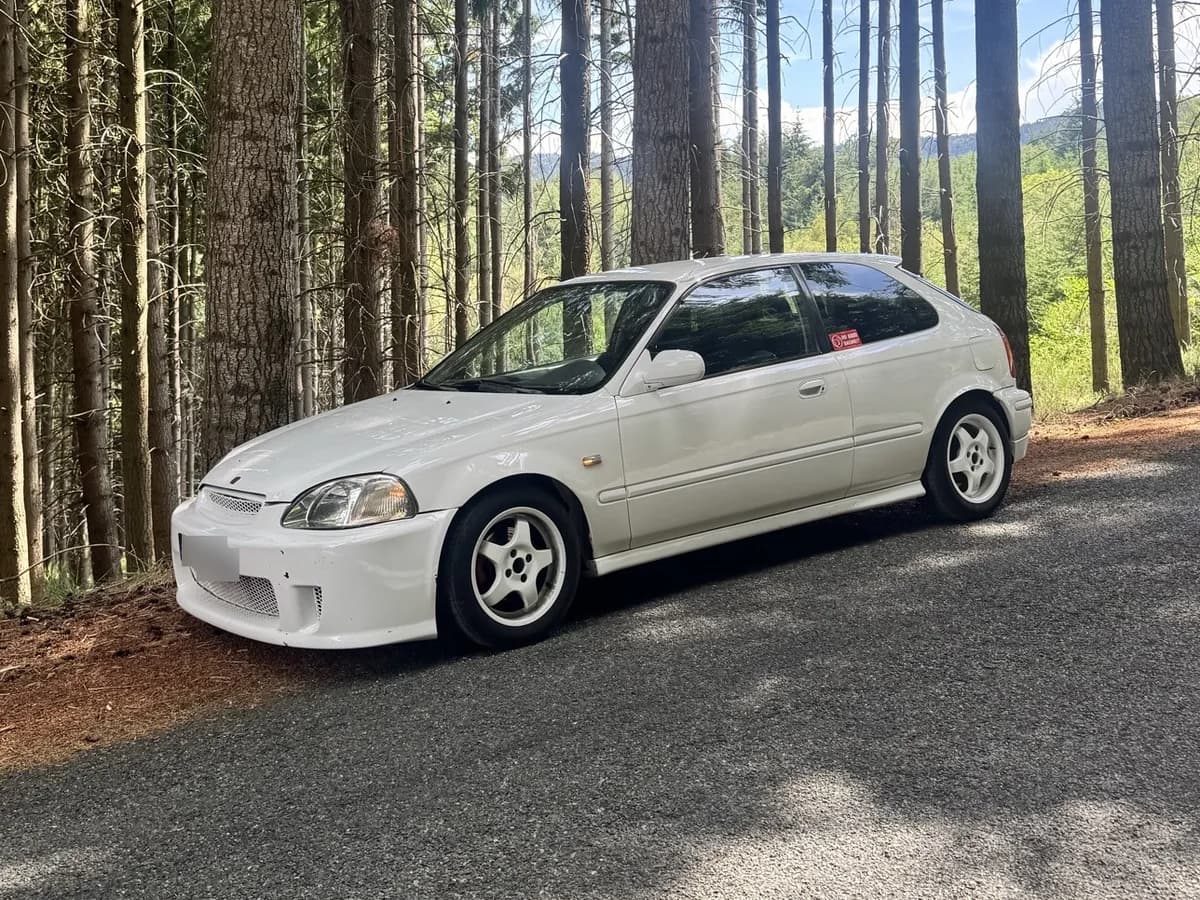
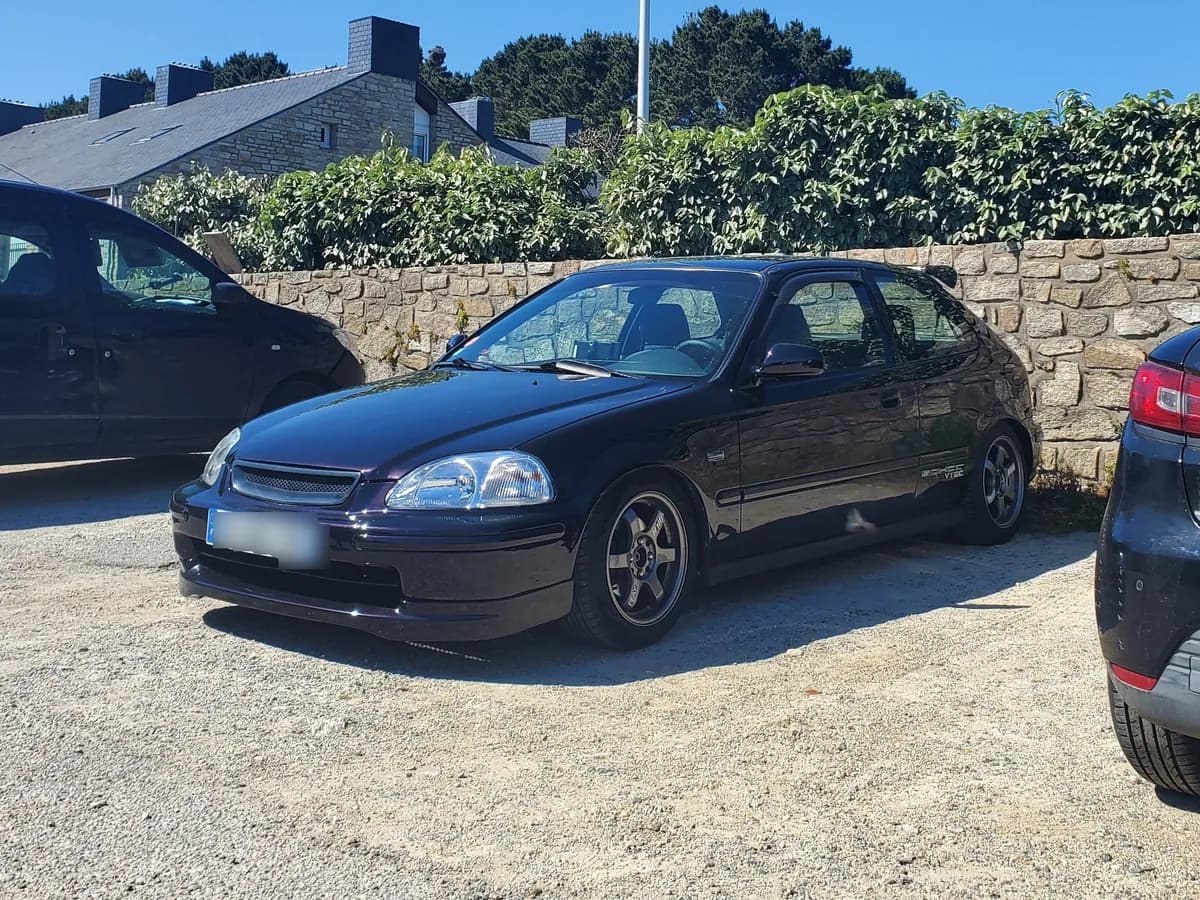
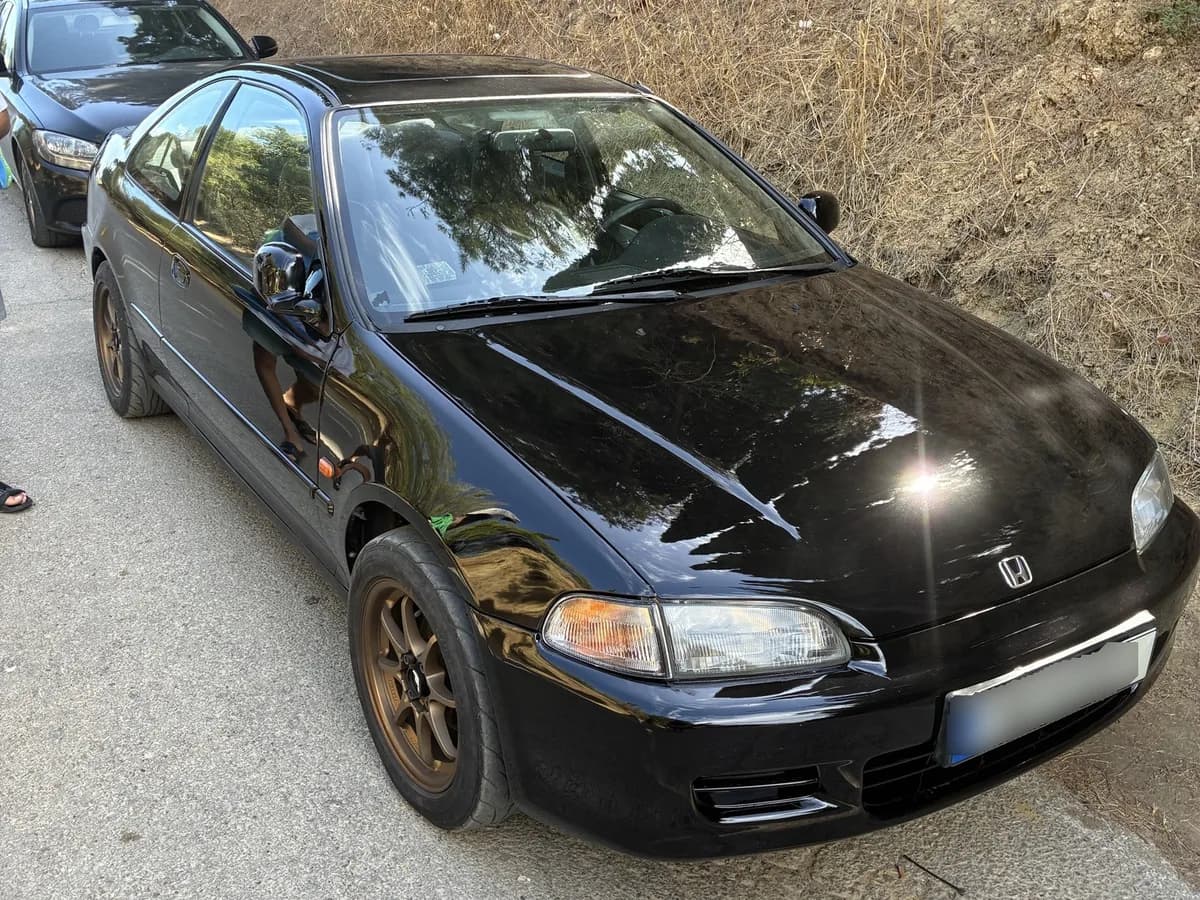
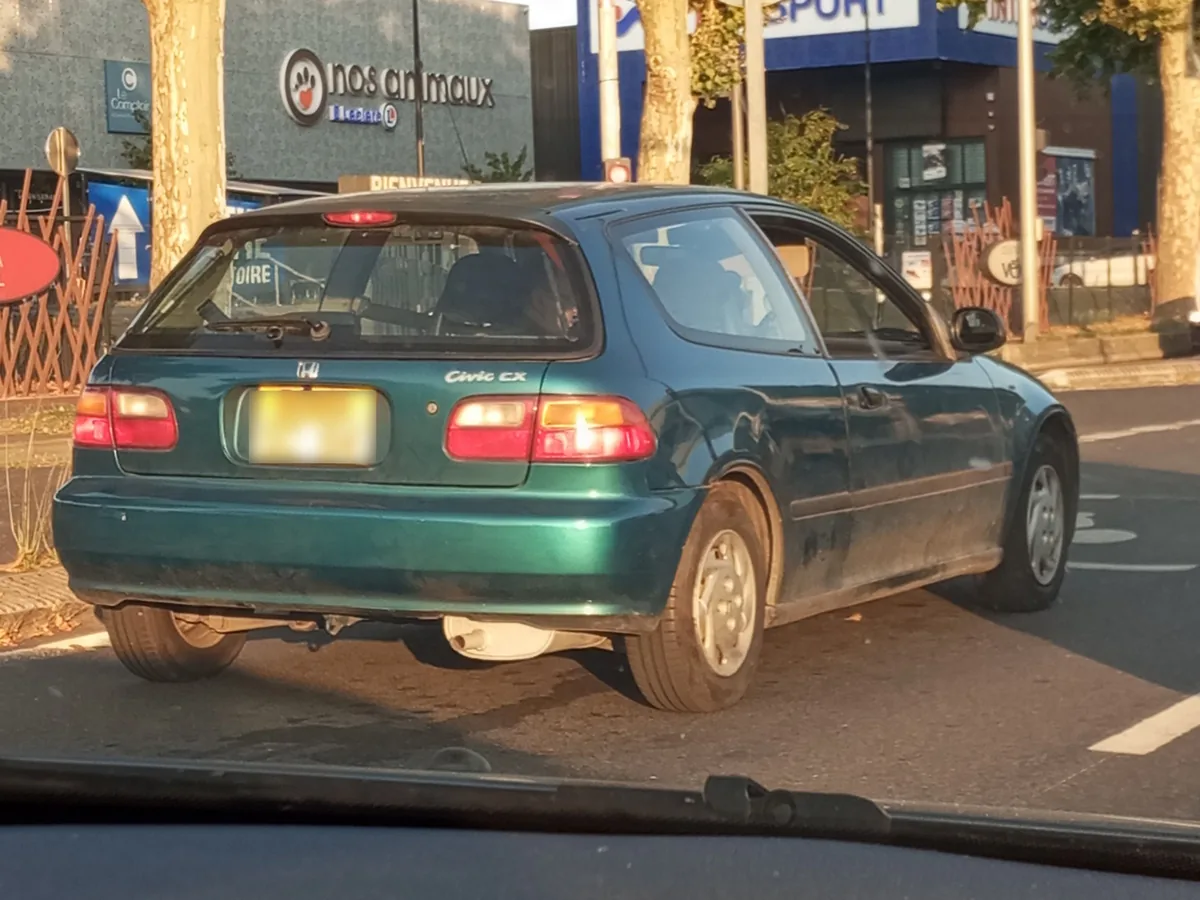
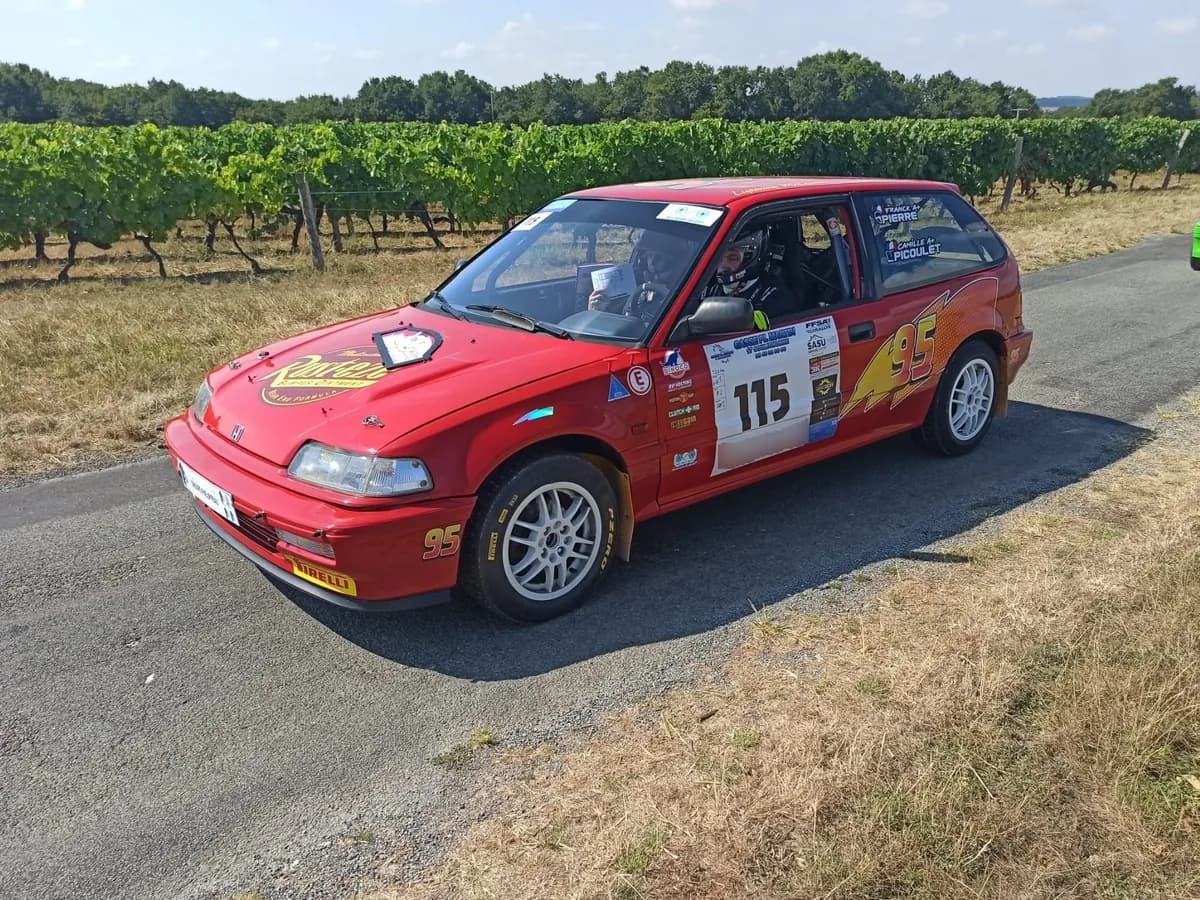
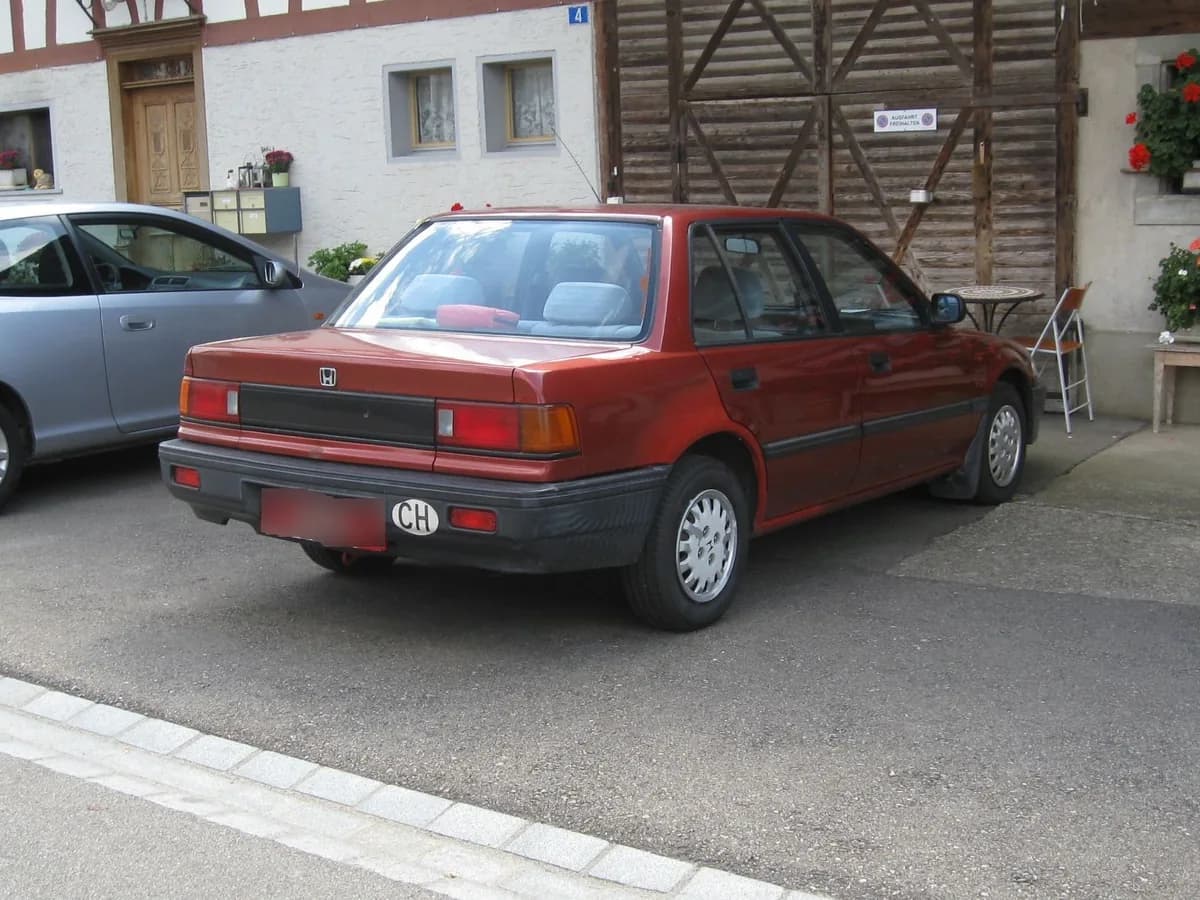
When identifying an older Civic, begin with the overall shape and approximate period. Early generations are short and upright, often with a strongly vertical hatchback rear. Third-generation cars are commonly recognizable by their extended roofline and angular surfaces. Civic models from 1988 to 1991 adopted smoother, lower proportions, while 1990s examples could appear as hatchbacks, sedans or coupes depending on the market. Useful visual clues include the rear-lamp design, grille shape, rear-quarter window, door count and whether the car has a separate trunk or a liftback-style tailgate. Sport models may carry Si, SiR or Type R badges, but those markings should be checked carefully because body panels and badges are often changed on modified cars. The CRX del Sol is easier to separate from a normal Civic because of its removable roof and short rear body. On later cars, the shoulder line, horizontal rear lights and the distinction between Sedan and Hatchback are helpful, although a reliable identification ultimately depends on the VIN or market-specific documentation.
Important versions
The original Civic is significant for its compact front-wheel-drive layout and for the adoption of CVCC technology within Honda’s range. Hatchback and Sedan versions are the most consistently represented body styles across the model’s history, while Wagon, Shuttle, Aerodeck Wagon and Tourer variants show how Honda adapted the nameplate for family and load-carrying use. The Coupe became especially important during the 1990s and 2000s in selected markets. For enthusiasts, Si and SiR designations identify sport-oriented Civic derivatives from different generations. The Civic Type R, introduced in 1997, became the most focused performance branch of the family and reflected Honda’s circuit-oriented engineering approach. The CRX Coupé and CRX del Sol Roadster are also useful reference points when studying Civic-related compact sports models, although their body designs and market positioning differ from the standard Civic range.
References
- The CIVIC - 75 Years of Honda HistoryHonda Global
- Announcing the Civic / 1972Honda Global
- Total Civic Series Production Reaches 15 Million UnitsHonda Global
- The Complete Visual History of the Honda Civic, Generation by GenerationMotorTrend
- A Visual History of the Honda CivicCar and Driver
- Honda to Complete Production of 4-Door Civic Type RHonda Global
- New Civic Released in Japan - Eleventh GenerationHonda Japan
Technical specifications
Structured data available for versions linked to this model.
| Version | Power | Torque | Top speed | Drivetrain | Fuel |
|---|---|---|---|---|---|
| Base | 235.3 KW @ 6500 RPM 320 HP @ 6500 RPM 316 BHP @ 6500 RPM | 295 lb-ft @ 2500-4500 RPM 400 Nm @ 2500-4500 RPM | 169 mph (272 km/h) | Front Wheel Drive / 6-speed manual | Gasoline |
| Base | 132.4 KW @ 6000 RPM180 HP @ 6000 RPM178 BHP @ 6000 RPM | 162 lb-ft @ 1700-5500 RPM220 Nm @ 1700-5500 RPM | — | Front Wheel Drive / CVT | Gasoline |
| Base | 147 KW @ 7800 RPM 197 HP @ 7800 RPM 197 BHP @ 7800 RPM | 139 lb-ft @ 6100 RPM 188 Nm @ 6100 RPM | 132 mph (212 km/h) | Front Wheel Drive / 6-speed manual | Gasoline |
| Base | 96 KW @ 6300 RPM131 HP @ 6300 RPM129 BHP @ 6300 RPM | 113 lb-ft @ 4800 RPM153 Nm @ 4800 RPM | 119.3 mph (192 km/h) | Front Wheel Drive / 5-speed manual | Gasoline |
| Base | 117.8 KW @ 6500 RPM160 HP @ 6500 RPM158 BHP @ 6500 RPM | 138 lb-ft @ 4200 RPM187 Nm @ 4200 RPM | — | Front Wheel Drive / CVT | Gasoline |
| Base | 147.1 KW @ 6000 RPM200 HP @ 6000 RPM197 BHP @ 6000 RPM | 192 lb-ft @ 1800-5000 RPM260 Nm @ 1800-5000 RPM | — | Front Wheel Drive / 6-speed manual | Gasoline |
Frequently asked questions
- What years was the Honda Civic produced?
- ScanRacer's referenced versions cover 1972 - 2021.
- How many Honda Civic examples are documented on ScanRacer?
- 54 published scans from 35 members, with the latest photo added in September 2026.