
NSX
Introduced in 1990, the Honda NSX is a mid-engine sports coupe that helped redefine the Japanese approach to high-performance cars. Its all-aluminum monocoque body, described by Honda as a first for a mass-produced vehicle, combined low weight, rigidity, and everyday usability. Sold under the Acura badge in North America and as a Honda in Japan, the NSX evolved through larger engines, a six-speed manual transmission, open-top variants, and focused Type R models. A second generation arrived in the mid-2010s with a twin-turbocharged V6, three electric motors, and Sport Hybrid SH-AWD all-wheel drive. Together, the two generations trace a clear shift from lightweight naturally aspirated engineering to electrified supercar technology. (global.honda)
Variants by year
2016
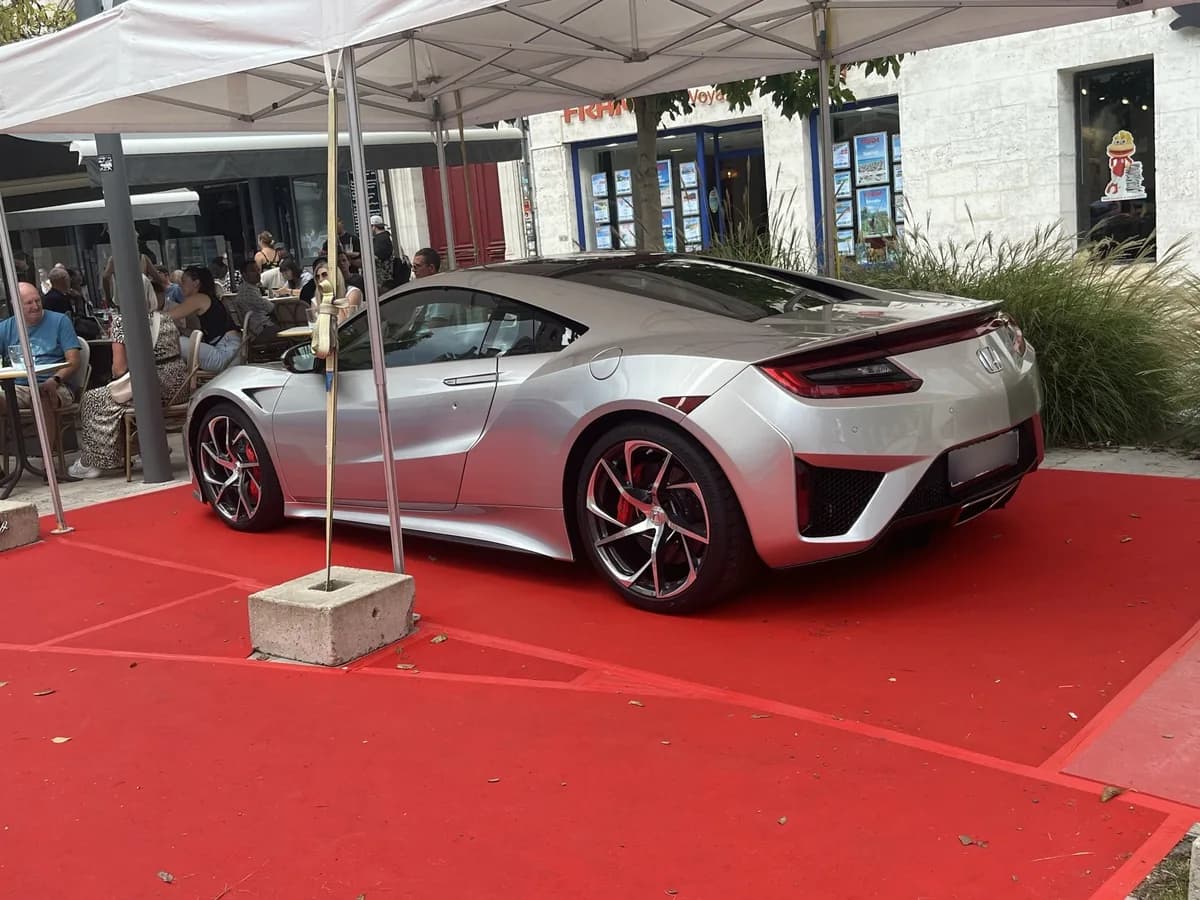
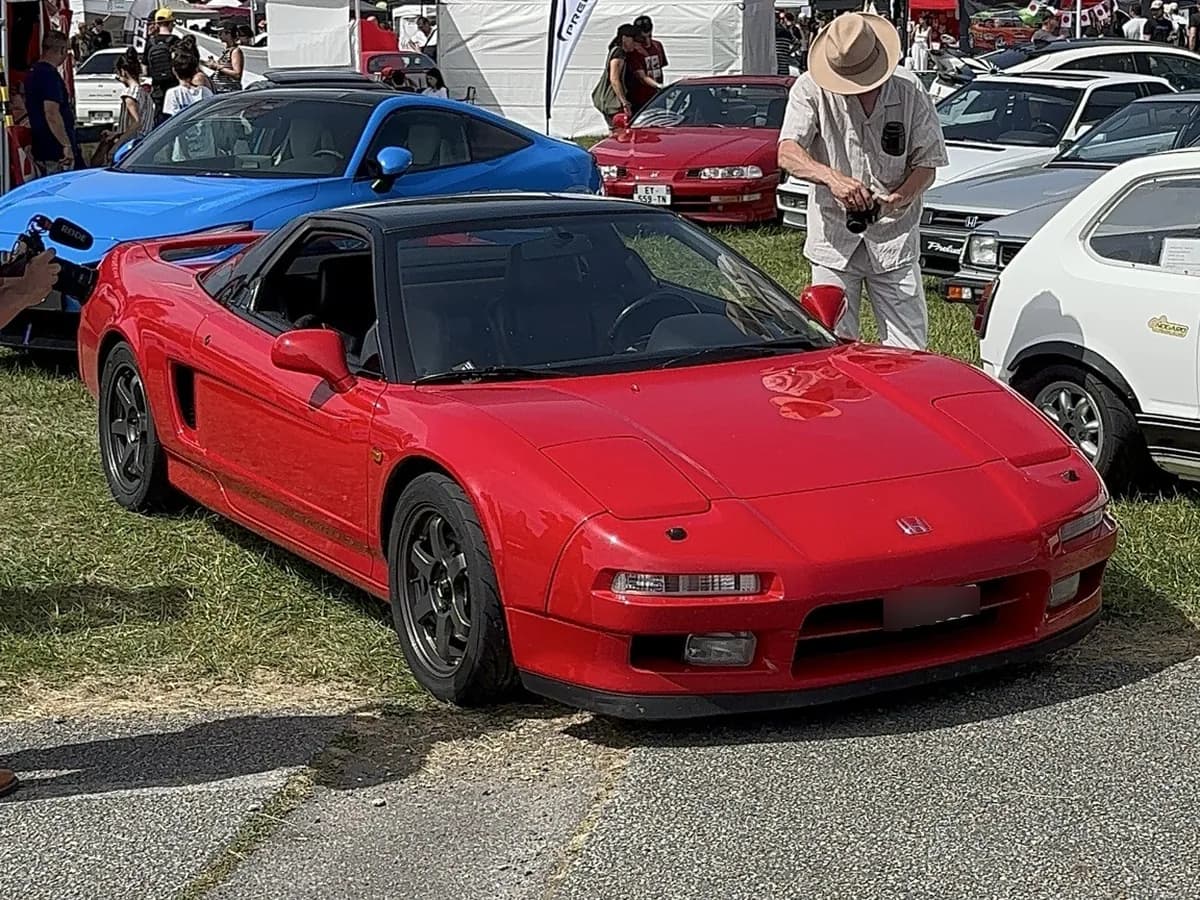
2001

1990
Model summary
Data from the ScanRacer library, organized to compare versions quickly.
Model introduction
Introduced in 1990, the Honda NSX is a mid-engine sports coupe that helped redefine the Japanese approach to high-performance cars. Its all-aluminum monocoque body, described by Honda as a first for a mass-produced vehicle, combined low weight, rigidity, and everyday usability. Sold under the Acura badge in North America and as a Honda in Japan, the NSX evolved through larger engines, a six-speed manual transmission, open-top variants, and focused Type R models. A second generation arrived in the mid-2010s with a twin-turbocharged V6, three electric motors, and Sport Hybrid SH-AWD all-wheel drive. Together, the two generations trace a clear shift from lightweight naturally aspirated engineering to electrified supercar technology. (global.honda)
History
NSX development began in the early 1980s, when Honda was exploring a sports-car layout different from its front-engine, front-wheel-drive products. The NS-X prototype appeared at the Chicago Auto Show in February 1989, followed by the Acura NSX launch in the United States in August 1990 and the Honda NSX launch in Japan in September of that year. The chosen philosophy combined a mid-mounted engine, rear-wheel drive, excellent visibility, and approachable handling rather than performance intended only for expert drivers. Producing the aluminum structure also required dedicated manufacturing methods at Honda’s Tochigi facility. (global.honda) During the 1990s, Honda developed the car with a six-speed manual gearbox and a 3.2-liter V6, while the NSX-T and Type R broadened the range. The first NSX-R appeared in 1992, emphasizing weight reduction and circuit-focused tuning. A second NSX-R followed in 2002 with further chassis and aerodynamic work. First-generation production ended in 2005 after fifteen years, with Honda reporting more than 18,000 vehicles sold worldwide. (global.honda) The second generation was developed primarily in North America. Following the 2012 concept and the production-car reveal in 2015, the Acura NSX reached the North American market as a 2017 model and Japan in 2016. Production was carried out at the Performance Manufacturing Center in Ohio. (global.honda)
Generations
The first generation, produced from 1990 to 2005, uses a relatively traditional sports-car formula: a naturally aspirated V6 mounted transversely behind the cabin, rear-wheel drive, and manual or automatic transmissions depending on the year. Its defining engineering feature is the aluminum monocoque, developed to reduce mass while maintaining structural strength. Major updates included the 3.2-liter engine and six-speed manual transmission introduced in 1997, the removable-roof NSX-T, and the 2002 facelift. (global.honda) The second generation, launched in North America from 2016-2017 depending on market designation, represents a fundamental technical change. It uses a longitudinally mounted 3.5-liter twin-turbocharged V6, a nine-speed dual-clutch transmission, and three electric motors: two at the front and one integrated into the rear power unit. Together, these components form the Sport Hybrid SH-AWD system, which can distribute torque across all four wheels. Its structure is a primarily aluminum multi-material space frame rather than the first generation’s all-aluminum monocoque. (global.honda) Both generations retain a mid-engine layout and an emphasis on driver confidence, but their engineering solutions are distinctly different: lightweight naturally aspirated propulsion in the original car versus electrified all-wheel-drive performance in its successor.
Key differences
The main differences involve the powertrain, transmission, and body structure. The first NSX is a naturally aspirated rear-wheel-drive car, with engine displacement increasing from 3.0 to 3.2 liters during its production run. The second generation uses a 3.5-liter twin-turbocharged V6, a nine-speed dual-clutch transmission, and three electric motors operating through SH-AWD all-wheel drive. (global.honda) The body construction also provides a useful distinction. The first generation is known for its all-aluminum monocoque, while the second generation uses a multi-material space frame combining aluminum, steel, and carbon-fiber components in selected areas. Performance derivatives should not be treated as separate generations: the NSX-R and Type R are focused versions of the first-generation car, while the 2022 Type S is the final development of the second generation. (global.honda)
Photo recognition
To identify a first-generation NSX, start with its proportions: a rear-set cabin, mid-engine layout, short overhangs, and extensive glass area. Early examples are generally recognizable by their pop-up headlights. From the 2002 facelift onward, those units were replaced by fixed-position HID headlights, accompanied by redesigned front and rear styling. This is one of the most useful visual clues for separating early cars from later examples. (acura.com) The NSX-T can be identified by its removable roof panel, while NSX-R versions add more focused equipment and detailing, including bucket seats, weight-saving measures, special suspension tuning, and, on the 2002 model, features such as a red Honda emblem. (global.honda) The second generation has a wider, more technical appearance, with pronounced side air intakes, fixed headlights, and bodywork shaped around its hybrid powertrain. Market and model-year checks remain important because Honda and Acura badges were used differently depending on the country. Visual inspection alone may not reliably distinguish every regional specification or factory option.
Important versions
Several versions stand out in NSX history. The 1992 NSX-R established Honda’s Type R lineage and applied competition-inspired thinking to weight reduction, chassis tuning, and engine preparation. The NSX-T added a removable roof panel, expanding the car’s appeal without changing its fundamental layout. In 1997, the 3.2-liter V6 paired with a six-speed manual transmission became a major mechanical development for the first generation. The NSX-R returned in 2002 with an even stronger focus on mass reduction, chassis setup, and aerodynamic performance. Finally, the second-generation Type S, limited to 350 units worldwide, served as the final production version of the NSX family. (global.honda)
References
- The NSX / 1990Honda Global
- Honda to Discontinue Production of the NSX Sports CarHonda Global
- Honda Announces the New NSX-RHonda Global
- New 1997 NSX and NSX Type SHonda Global
- Acura NSX Production Model to Make World Debut at 2015 North American International Auto ShowHonda Global
- https://global.honda/en/tech/motorsports/SUPER-GT/GT500_NSX_part01/global.honda
- https://global.honda/jp/news/2005/4050712-nsx.htmlglobal.honda
- https://global.honda/jp/news/2002/4020523-nsx.htmlglobal.honda
Technical specifications
Structured data available for versions linked to this model.
| Version | Power | Torque | Top speed | Drivetrain | Fuel |
|---|---|---|---|---|---|
| — | 573 hp maximum total system output; 500 hp from the gasoline engine | — | — | Sport Hybrid SH-AWD all-wheel drive with two front electric motors and one rear direct-drive motor / 9-speed dual-clutch transmission | — |
Frequently asked questions
- What years was the Honda NSX produced?
- ScanRacer's referenced versions cover 1990 - 2016.
- How many Honda NSX examples are documented on ScanRacer?
- 10 published scans from 10 members, with the latest photo added in September 2026.
- What is the power output of the Honda NSX?
- The sourced technical data lists 573 hp maximum total system output; 500 hp from the gasoline engine.