
Prelude
Introduced in 1978, the Honda Prelude was a front-wheel-drive sports coupe that gave Honda a platform for showcasing new technology. The name became associated with features such as an electric sunroof, anti-lock brakes, and, on selected generations, four-wheel steering known as 4WS. The first five generations covered the period from the late 1970s to the early 2000s, while their designs changed substantially: from a compact coupe with pop-up headlights to a technology-focused car with rear-wheel steering and later a sharper, more compact sports profile. After a lengthy break, the Prelude returned to Japan on September 5, 2025, using Honda’s e:HEV hybrid system and a liftback-style coupe body. Equipment, engines, and badges differed by market, so reliable identification should begin with the generation, model year, and market-specific details.
Variants by year
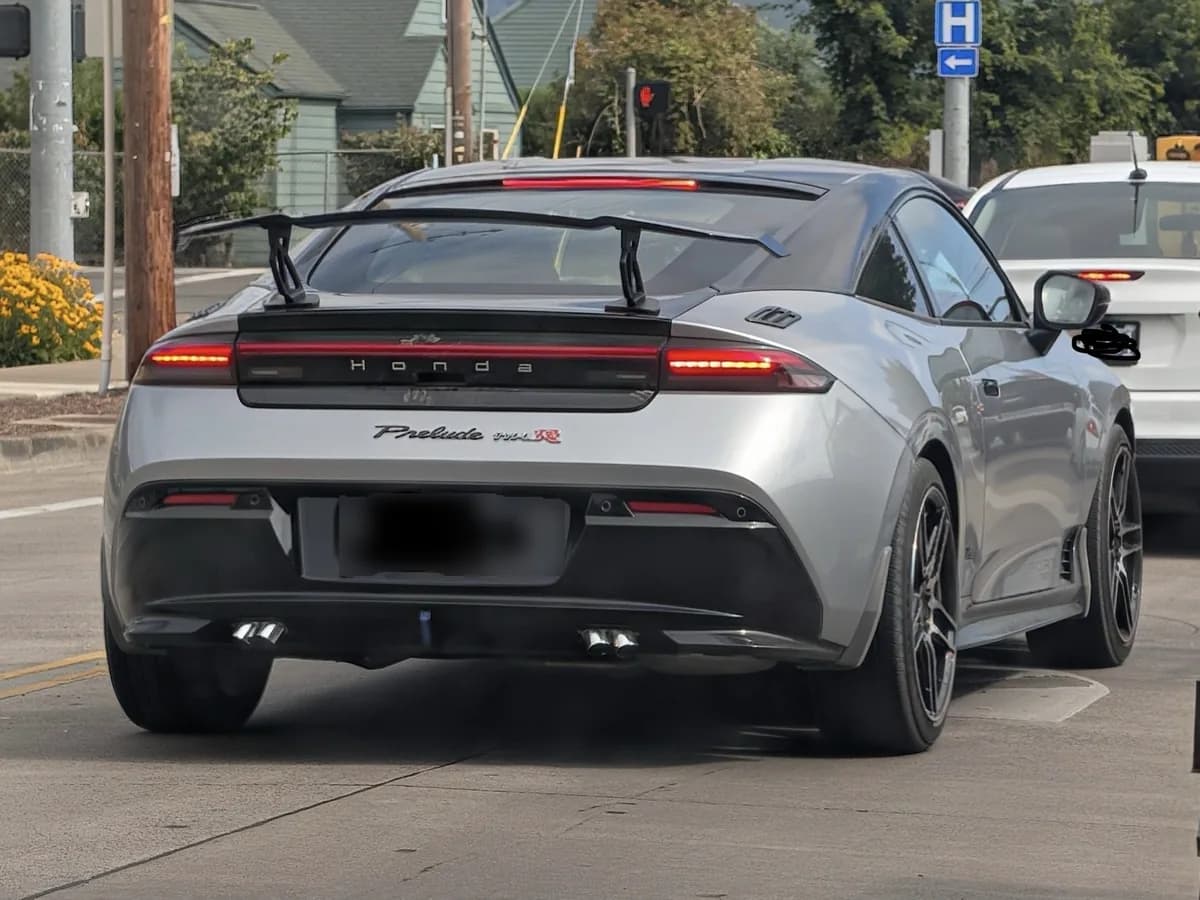
2025
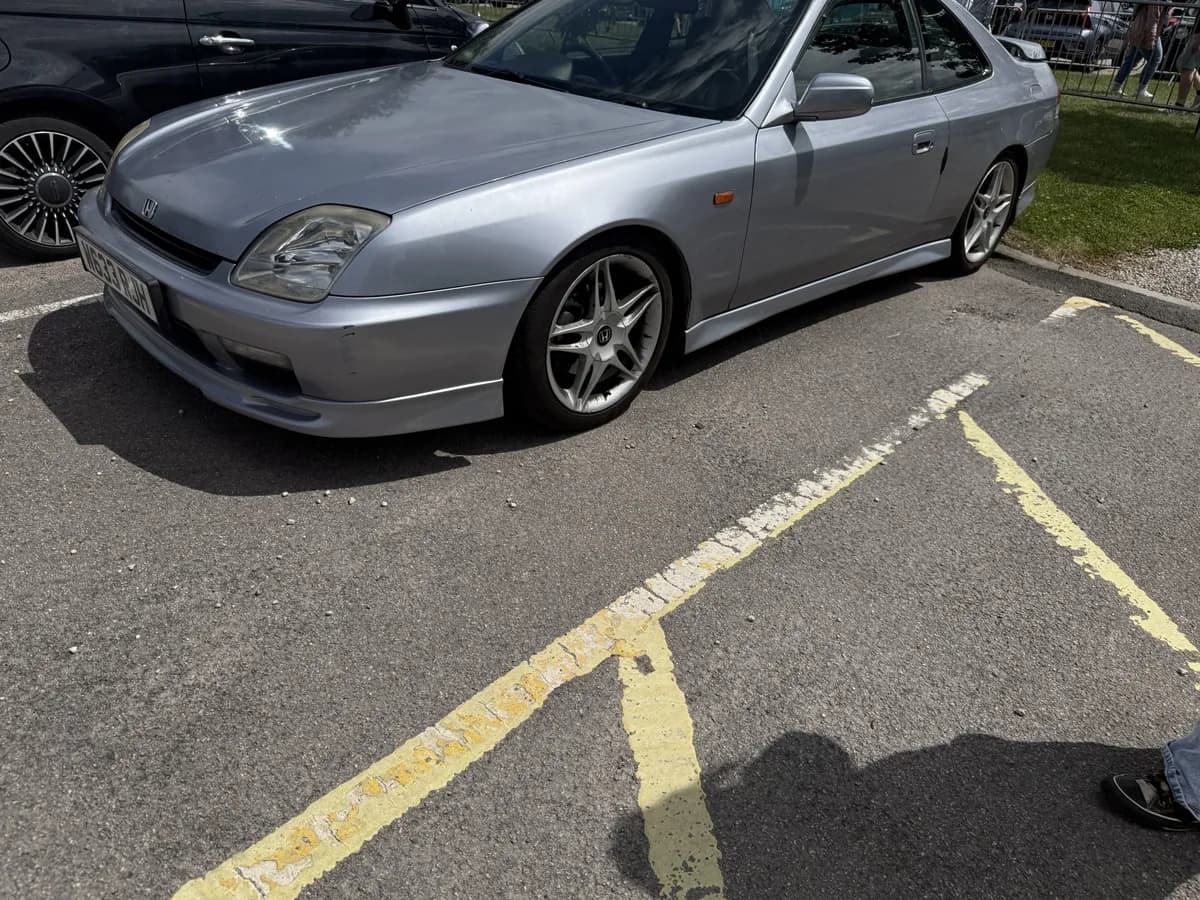
1996
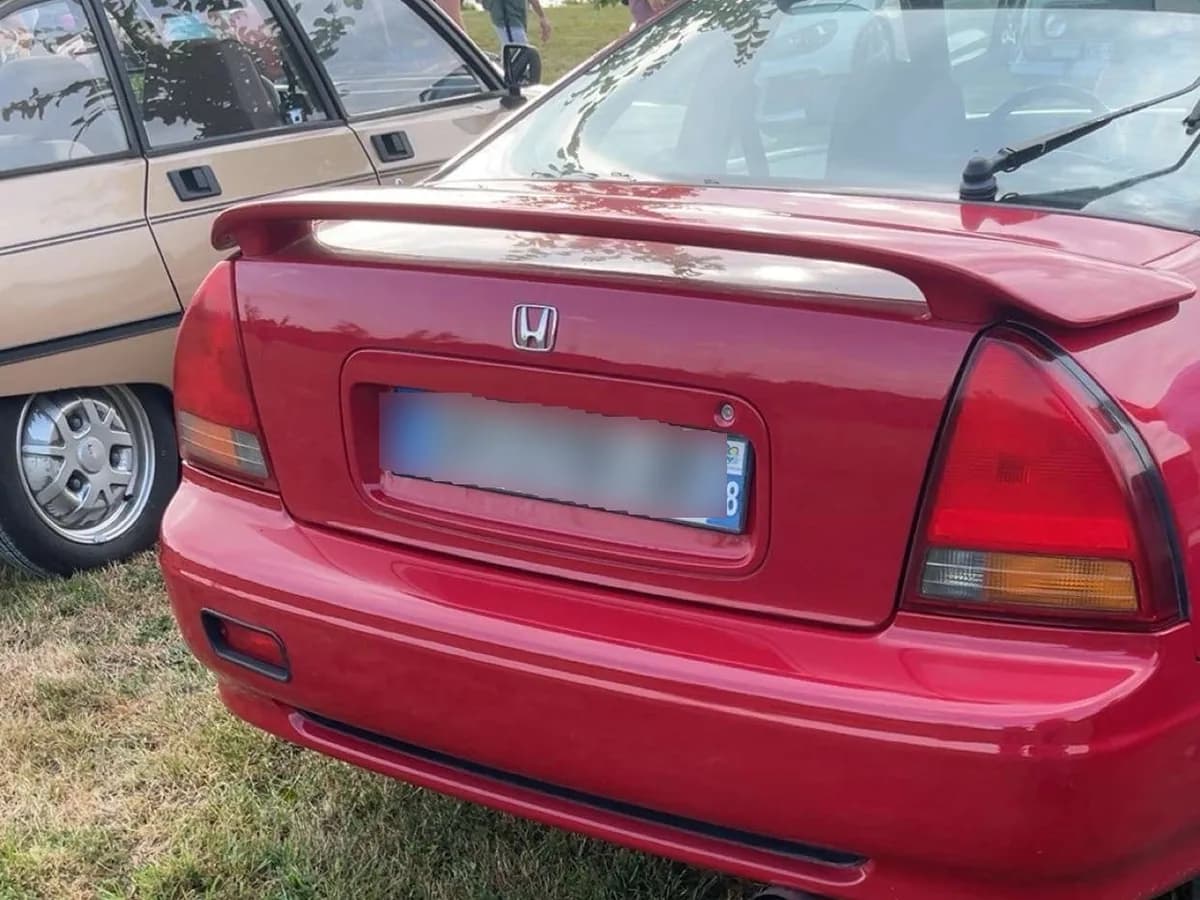
1991
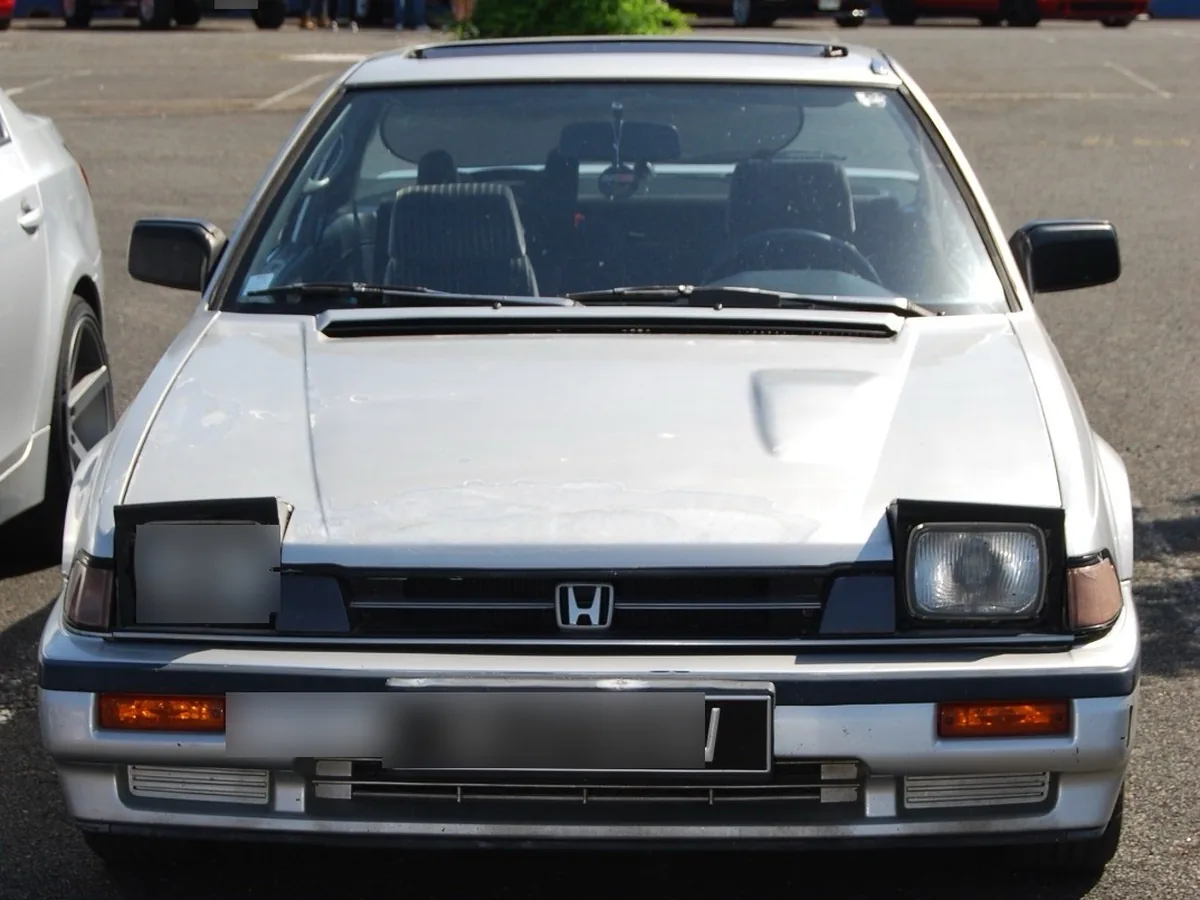
1987

1982
1978
Model summary
Data from the ScanRacer library, organized to compare versions quickly.
Model introduction
Introduced in 1978, the Honda Prelude was a front-wheel-drive sports coupe that gave Honda a platform for showcasing new technology. The name became associated with features such as an electric sunroof, anti-lock brakes, and, on selected generations, four-wheel steering known as 4WS. The first five generations covered the period from the late 1970s to the early 2000s, while their designs changed substantially: from a compact coupe with pop-up headlights to a technology-focused car with rear-wheel steering and later a sharper, more compact sports profile. After a lengthy break, the Prelude returned to Japan on September 5, 2025, using Honda’s e:HEV hybrid system and a liftback-style coupe body. Equipment, engines, and badges differed by market, so reliable identification should begin with the generation, model year, and market-specific details.
History
The first Prelude appeared in 1978 as Honda’s first personal coupe. It used a front-engine, front-wheel-drive layout while offering a more individual and sporting alternative to the brand’s family sedans. The second generation, introduced in the early 1980s, brought a more modern wedge-shaped body and pop-up headlights. The third generation continued that direction, placing greater emphasis on chassis technology and handling. The fourth generation, launched in the early 1990s, brought Honda’s DOHC VTEC technology to selected versions and continued the use of four-wheel steering in certain markets. The fifth generation retained the Prelude’s accessible sports-coupe role but moved to a more restrained, angular design. Production ended in the early 2000s, closing a run of five generations over roughly twenty-four years. Honda revived the Prelude name in 2025. The sixth generation is a hybrid sports model using an updated e:HEV system and Honda S+ Shift technology. Japanese sales began on September 5, 2025. Availability, model-year terminology, equipment, and powertrain details may vary between markets, so regional specifications should not be assumed to apply worldwide.
Generations
The first generation arrived in 1978 with compact coupe proportions and relatively simple presentation. The second generation introduced a wedge-shaped body and pop-up headlights, making it one of the easiest Preludes to recognize. The third generation retained the pop-up-light theme but used a wider, more structured body. Its 4WS versions are especially notable because they brought rear-wheel steering to a front-wheel-drive coupe. The fourth generation, generally associated with the early 1990s, replaced the pop-up headlights with a lower, rounded front end. Depending on the market, it offered 2.0- or 2.2-liter engines, along with VTEC and 4WS variants. The fifth generation, introduced in the late 1990s, returned to straighter body lines and fixed headlights, creating a more compact and deliberate appearance. Badges such as Si, SiR, VTEC, and Type S were not universal and should be matched to the relevant market. The sixth generation, introduced for 2025, differs fundamentally through its hybrid powertrain and large-opening liftback body. Honda still describes it as a front-wheel-drive specialty sports model, but its design and technology place it firmly in a new electrified era.
Key differences
The most important differences involve generation, sales market, and trim level. Early Preludes are generally smaller and may use pop-up headlights; that feature disappears from the fourth generation onward. The third and fourth generations are most closely associated with 4WS, although four-wheel steering was not fitted to every version within those generations. Engines and transmissions also changed between countries. A Si or VTEC badge therefore does not guarantee the same specification worldwide. The fifth generation is best identified by its angular body and fixed headlights rather than by one universal equipment feature. The sixth generation is immediately different, with an e:HEV hybrid system, a large liftback opening, and modern electronic controls. When comparing two cars, check the model code, model year, country of origin, engine, transmission, and any evidence of 4WS instead of relying on the badge alone.
Photo recognition
A first-generation Prelude can usually be recognized by its compact dimensions, low roofline, and late-1970s coupe details. The second and third generations are most easily distinguished by their pop-up headlights; the third-generation car generally looks wider and more integrated, with more developed bumpers and bodywork. On a 4WS model, rear-steering equipment may be identified by a badge or by the chassis hardware, but badges alone are not conclusive because equipment varied by market. The fourth generation has a rounded front end, fixed headlights, and smoother body surfaces. The fifth generation uses a straighter profile and tighter surfacing, again without pop-up headlights. The sixth generation is visually separate from the earlier cars, with a low, wide stance, wing-inspired lighting, blue exterior accents, and a large liftback opening. For dependable identification, visual clues should be checked against the vehicle identification number, model code, build year, and original-market documentation.
Important versions
The most significant Prelude versions are those that show how Honda developed the model technically. Si trims gave selected generations a sportier focus, while VTEC variants introduced Honda’s variable-valve technology in specific markets. 4WS versions are especially important because they combined front-wheel drive with rear-wheel steering. The fifth generation also offered higher-performance derivatives, including Type S or equivalent market-specific versions. In 2025, the Prelude changed direction with a sixth-generation e:HEV hybrid model equipped with Honda S+ Shift. The names, engines, transmissions, and equipment attached to these badges were not identical worldwide, so each version should be checked against its market, model code, and production documentation.
References
- Honda Launches All-New Prelude Teaser Page Ahead of Scheduled September 2025 Market IntroductionHonda Global
- Honda Stories: All-New Prelude Equipped with ExcitementHonda Global
- Honda to Begin Sales of All-New PreludeHonda Global
- A Visual History of the Honda Prelude, from 1979 to PresentCar and Driver
- Prelude to Greatness: We Drive Every Generation of the Honda PreludeMotorTrend
- PRELUDE ProjectHonda Design
- https://global.honda/en/stories/170-2507-6th-prelude.html?from=global_JMS2025global.honda
- https://www.iseecars.com/car/honda-prelude/generationsiseecars.com
Technical specifications
Structured data available for versions linked to this model.
| Version | Power | Torque | Top speed | Drivetrain | Fuel |
|---|---|---|---|---|---|
| — | 74,6 kW (100 ch) | — | — | Traction avant / Boîte manuelle à 5 rapports | — |
Frequently asked questions
- What years was the Honda Prelude produced?
- ScanRacer's referenced versions cover 1978 - 2025.
- How many Honda Prelude examples are documented on ScanRacer?
- 6 published scans from 6 members, with the latest photo added in September 2026.
- What is the power output of the Honda Prelude?
- The sourced technical data lists 74,6 kW (100 ch).