Power
74,6 kW (100 ch)
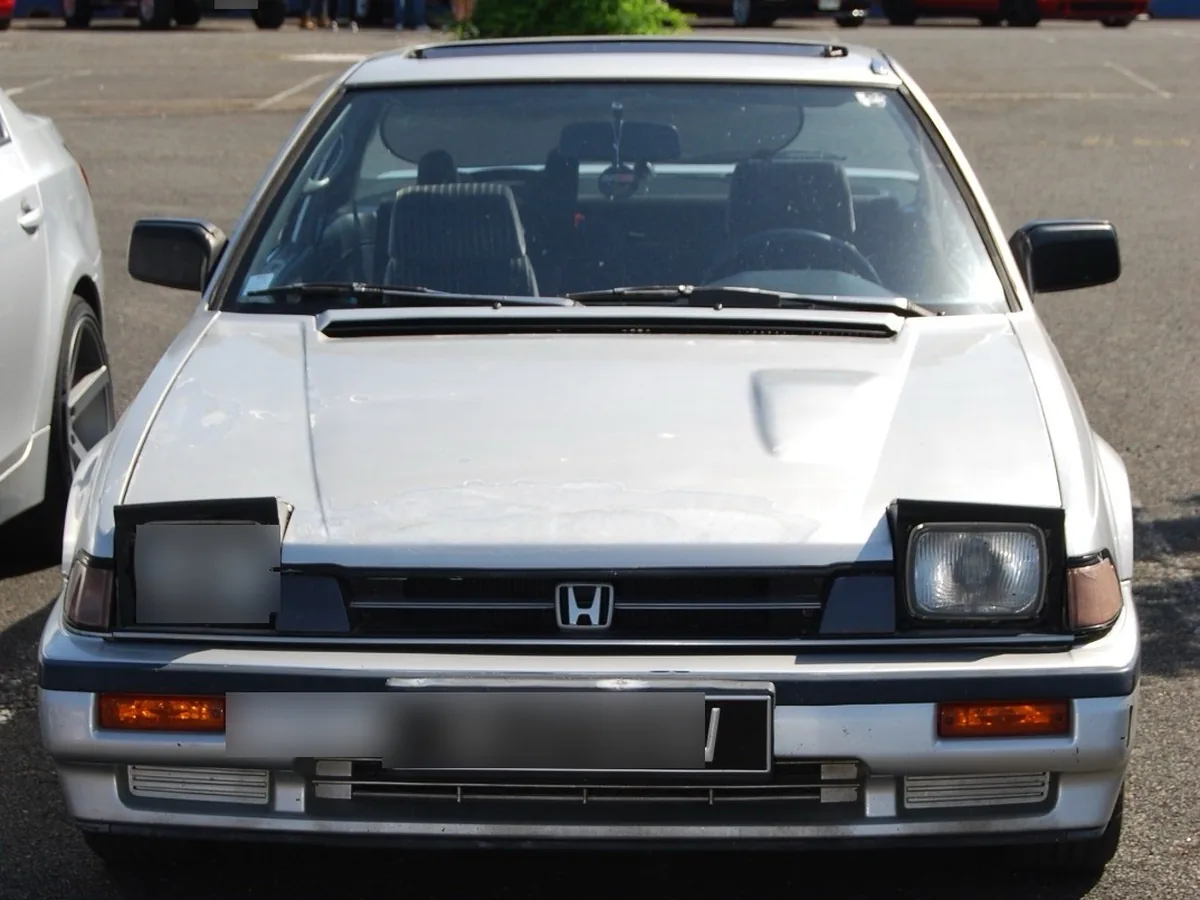
The 1987 Honda Prelude Base is a compact sports sedan that made its mark with its sleek design and balanced performance. Part of the second generation of the Prelude, this model was designed to provide a dynamic driving experience while remaining accessible. With its 2.0-liter engine and five-speed manual transmission, the 1987 Prelude Base combines fuel efficiency with driving enjoyment. Its aerodynamic design and compact dimensions make it an agile car, ideal for drivers seeking a sporty drive in their daily commute.

The Honda Prelude was introduced in 1978 as a compact sports coupe, aiming to combine sports car performance with sedan comfort. The second generation, produced from 1983 to 1987, saw the introduction of the 1987 Prelude Base model. This model was designed to provide a sporty driving experience while remaining affordable. The 1987 Prelude Base was equipped with a 2.0-liter engine, offering a balance between power and fuel efficiency. Its aerodynamic design and compact dimensions contributed to its popularity among drivers seeking an agile and responsive drive.
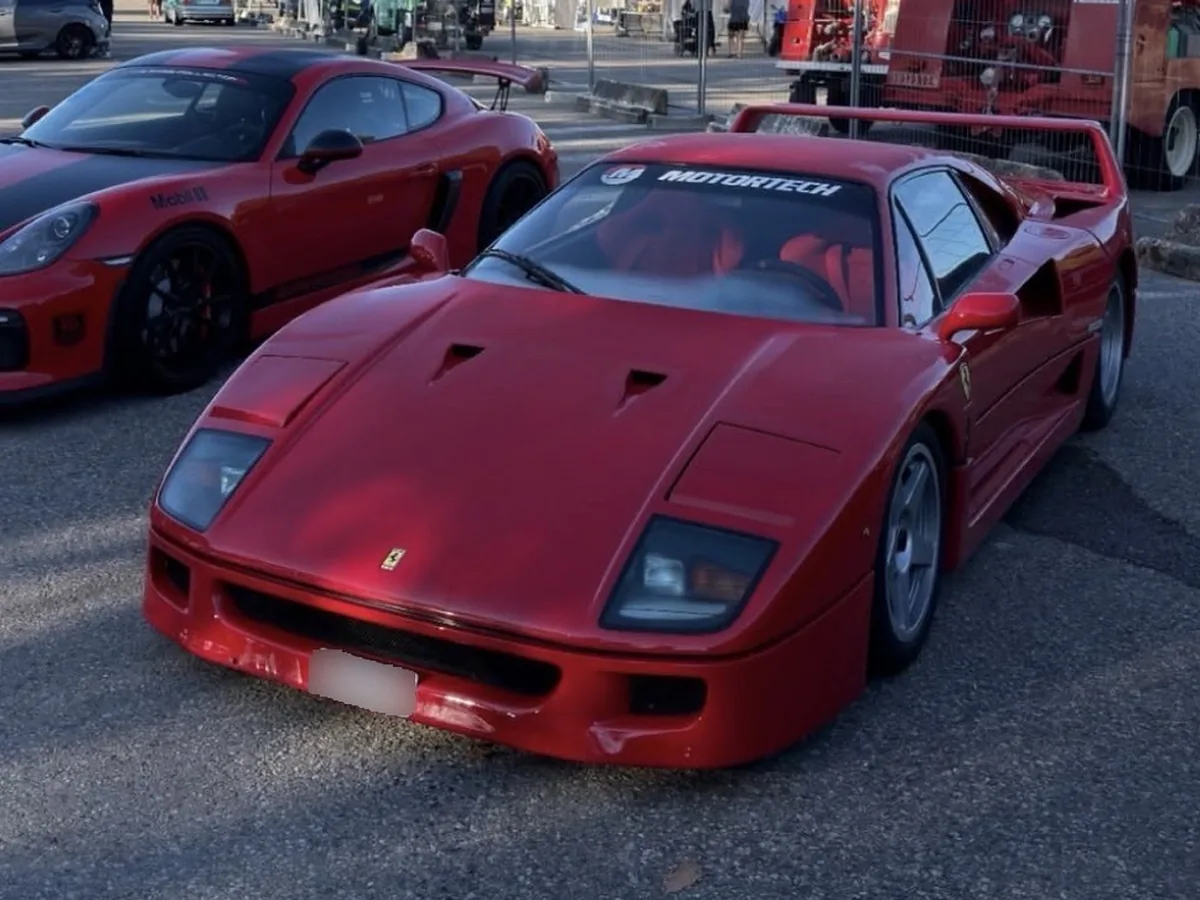
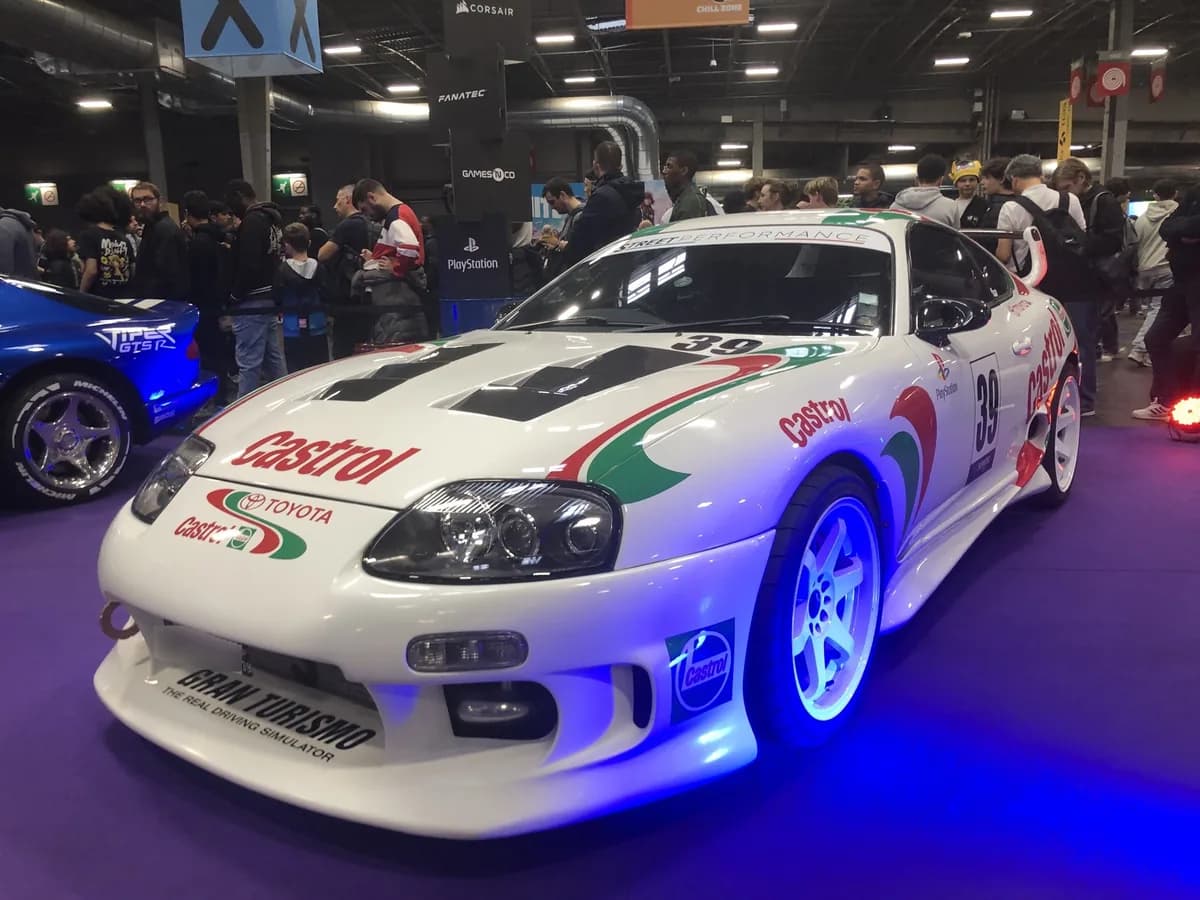
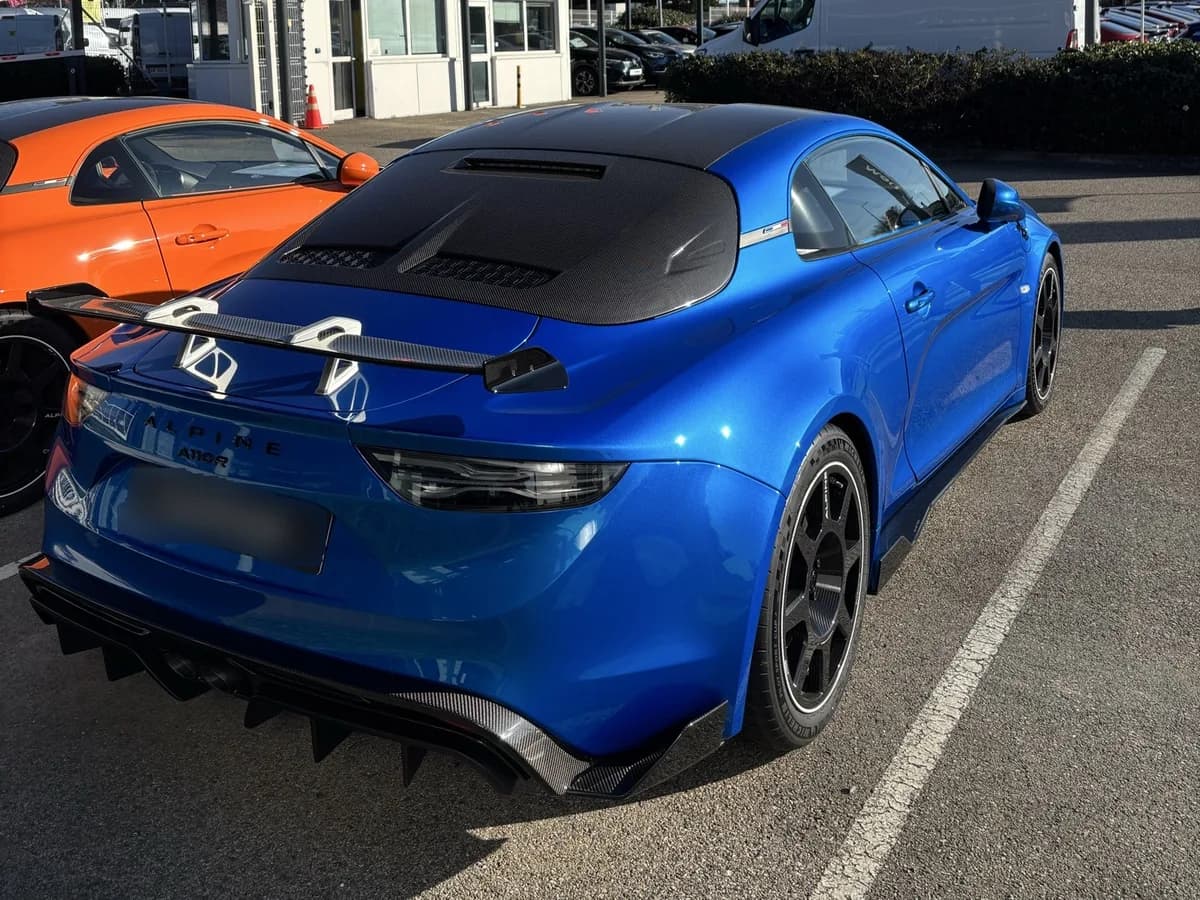
Photos added by the community for this page.
Source: Wikipedia
The 1987 Honda Prelude is often praised for its balance between performance and practicality. Its aerodynamic design and compact dimensions made it an agile car, appreciated by urban drivers. Additionally, its reputation for reliability and fuel efficiency enhanced its appeal among environmentally conscious buyers.
The production of the 1987 Honda Prelude was marked by a particular focus on quality and performance. The units produced were assembled with precision, reflecting Honda's commitment to excellence. Although exact production figures are not available, the 1987 Prelude remains an iconic model for the brand.
Automotive press praised the 1987 Honda Prelude for its sleek design and balanced performance. Critics highlighted its agility and responsiveness, making it an attractive option for drivers seeking a sporty daily drive.
The Honda Prelude evolved over the years, with each generation bringing improvements in design, technology, and performance. The second generation, produced from 1983 to 1987, introduced features such as more powerful engines and enhanced transmissions. The 1987 Prelude Base benefited from these advancements, offering a more refined driving experience and better fuel efficiency compared to previous models. Aerodynamic improvements also contributed to better stability and reduced fuel consumption.
Informations générales sur la Honda Prelude
Détails techniques de la Honda Prelude 1987
Dimensions de la Honda Prelude 1987
Source found by OpenAI web search for this vehicle page.
Source found by OpenAI web search for this vehicle page.
Source found by OpenAI web search for this vehicle page.
Source found by OpenAI web search for this vehicle page.
Source found by OpenAI web search for this vehicle page.